Whether an Alaskan Malamute Chews Furniture
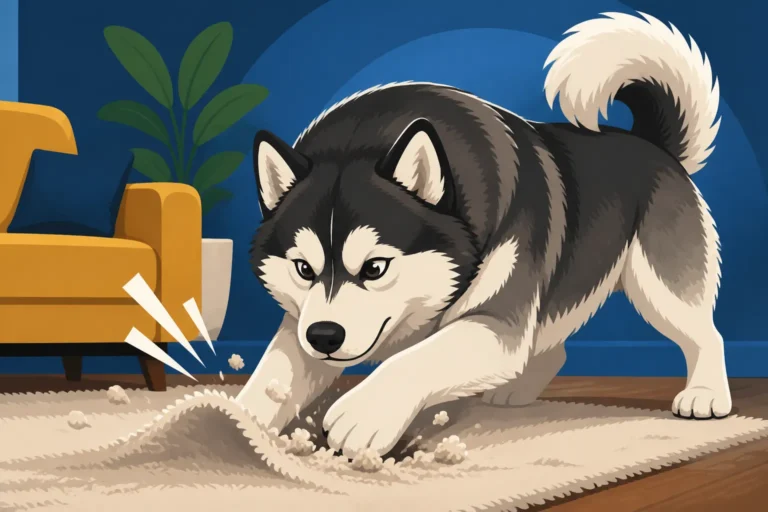
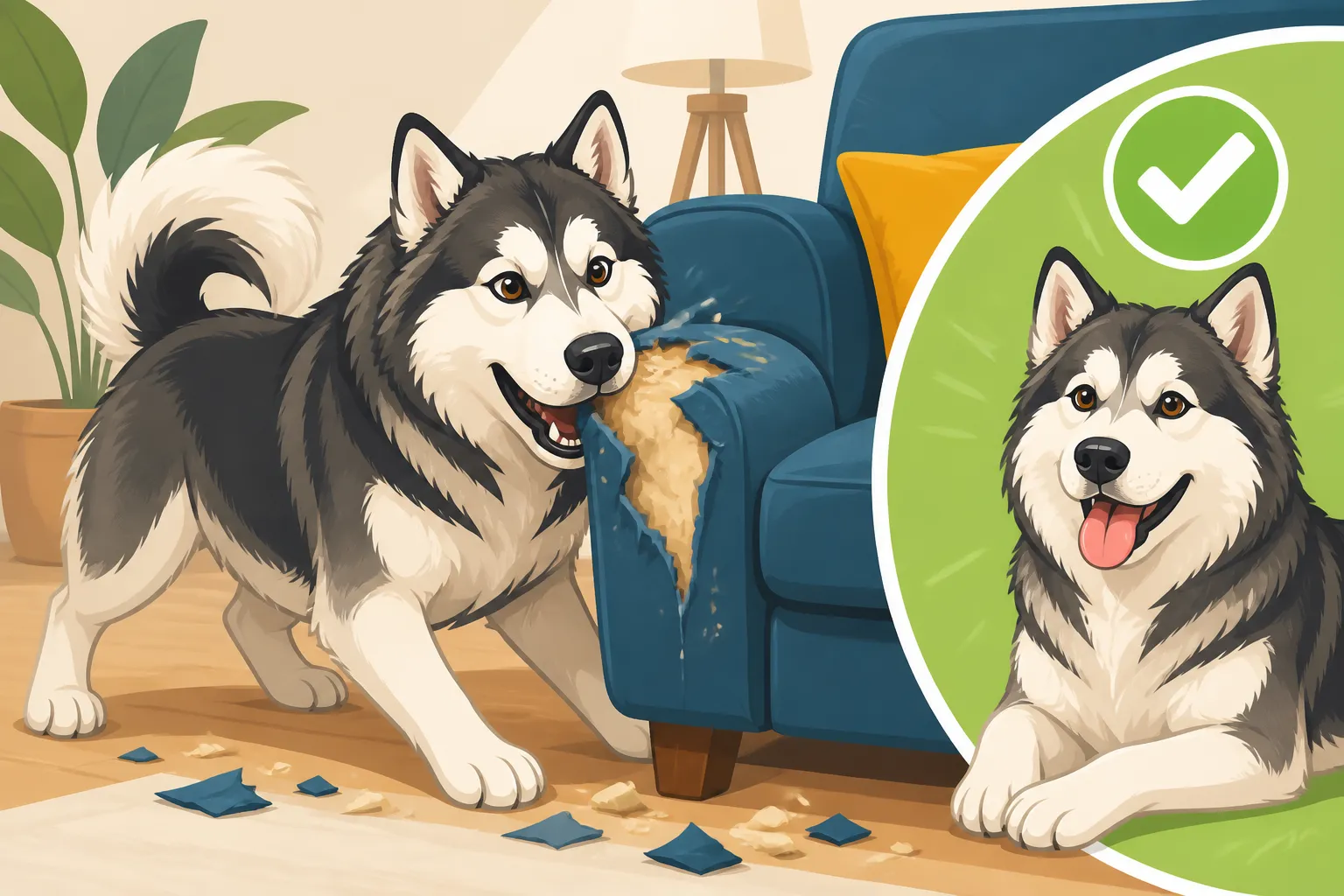
Let's be real: living with an Alaskan Malamute means coming to terms with the fact that these magnificent, powerful dogs have a deep, instinctual need to chew. If you’re wondering whether your precious furniture is safe from those strong jaws, the honest answer is, probably not without some serious management and intervention. This guide will walk you through why Malamutes chew, what they typically target, and most importantly, how to redirect that powerful urge to protect your home (and your sanity!).
The Inevitable Truth: Malamutes and Chewing
It’s a common frustration, isn't it? You bring home this adorable, fluffy Malamute puppy, and soon enough, everything not bolted down becomes fair game for their mouth. Or perhaps you’ve adopted an older Malamute and discovered that previous owners might have overlooked this crucial aspect of their care. It’s not malice; it’s instinct. And understanding that is the first step toward living harmoniously with your furniture.
Why Chewing Is Hardwired into Their DNA
Alaskan Malamutes are descendants of powerful working dogs, bred for millennia to haul heavy loads, survive harsh conditions, and use their mouths for a variety of tasks, from carrying game to breaking ice. Their jaws are incredibly strong, and their desire to use them is deeply ingrained. Chewing isn't just a puppy phase; it's a fundamental part of how they explore the world, relieve stress, clean their teeth, and fulfill a primal need.
Think about a Malamute in its historical context: they didn't have plush sofas or antique table legs. They had bones, tough hides, and perhaps the occasional piece of wood from a fallen branch. Their teeth were tools, vital for survival. In our modern homes, without appropriate outlets, that powerful drive for oral exploration and engagement will inevitably be directed towards whatever is available. It’s not personal; it’s just them being Malamutes.
The Adolescent Stage: When Chewing Escalates
While puppy teething is a well-known phenomenon, many Malamute owners are caught off guard by the sheer destructive power that emerges during adolescence. This period, roughly from 6 months to 2 years, is often when The Adolescent Malamute That Rewrites the Rules at Fourteen Months really comes into play. During this time, adult teeth are fully in, and their jaw strength is developing. They're also bursting with energy, curiosity, and a growing independence that can sometimes manifest as defiant chewing.
Imagine a human teenager, full of energy and a desire to test boundaries. Now picture that with the jaws of a wolf. Adolescent Malamutes are trying to figure out their place in the world, and sometimes, that means experimenting with the structural integrity of your coffee table. This isn't just about teething pain anymore; it’s about boredom, excess energy, anxiety, or simply a lack of appropriate alternatives. If you've been lax on providing stimulating chew toys or consistent supervision, this is when your furniture will likely bear the brunt.
What Becomes a Malamute's Next Chew Toy?
When an Alaskan Malamute decides to chew, they don’t discriminate much. If it’s accessible and offers an interesting texture or sensation, it's fair game. This can be incredibly frustrating for owners who've invested in their homes, only to find their cherished items being slowly (or quickly) dismantled.
The Furniture You Thought Was Safe
Your beautiful wooden dining chairs, the sturdy legs of your sofa, the corners of your bookshelves – these are prime targets. Malamutes are intelligent and persistent. They learn quickly which items yield the most satisfying splintering, shredding, or gnawing sensations. You might come home to find a chair leg whittled down to a stump, or the arm of your favorite armchair sporting a new, tooth-marked texture.
The types of furniture they go for often have specific appeals:
- Wood: The splintering and breaking apart of wood is incredibly satisfying for a Malamute. Table legs, chair rungs, baseboards, and door frames are particularly vulnerable. It's a bit like a doggy construction project, and they're highly motivated to see it through.
- Upholstery: The fabric and stuffing of sofas, cushions, and mattresses offer a different kind of destructive pleasure—shredding, tearing, and disemboweling. This can be a particularly messy problem, turning your living room into a snowstorm of foam and fibers.
- Plastic/Metal: While less common, some Malamutes will even try their jaws on plastic crates (if not sturdy enough), remote controls, or metal door stoppers, especially if they are feeling frustrated or bored. They might not destroy them completely, but they can certainly damage them.
It's a tough pill to swallow, but if you have a Malamute, assuming any piece of furniture is "safe" without active management is a risky gamble. What a Malamute Destroys Before It Turns Two can be a stark reminder of their capabilities.
Beyond Furniture: Walls, Doors, and Everything Else
The destructive potential of a bored or anxious Malamute extends far beyond just furniture. They are powerful, creative, and determined. Many Malamute owners have stories of returning home to find damage to the very structure of their house. This isn't just a minor nuisance; it can lead to costly repairs and even safety hazards.
Common non-furniture targets include:
- Drywall: Often targeted when a Malamute is attempting to "dig" through a wall, especially near a door or window where they want to get outside, or if they are suffering from separation anxiety. The sensation of tearing through the paper and crumbling plaster can be very satisfying for them. Many owners unfortunately discover that a Malamute eats drywall (Whether a Malamute Eats Drywall) firsthand.
- Door Frames and Doors: Especially if they feel confined or are trying to get to you. A Malamute can strip paint, splinter wood, and even chew through the door itself, leaving a gaping hole where a solid barrier once stood. The sound of wood splintering as they try to "escape" can be heart-wrenchwrenching.
- Baseboards and Window Sills: These are often at just the right height for a Malamute to get a good chew going, especially if they are feeling restless or experiencing an itch from developing teeth.
- Personal Items: Shoes, remote controls, children's toys, glasses, books – anything left within reach is fair game. This is where the frustration really hits home, as sentimental or expensive items can be irrevocably ruined in minutes.
The key takeaway here is that an Alaskan Malamute's chewing isn't limited to specific items; it's an urge that will seek any available outlet if appropriate alternatives aren't consistently provided and encouraged.
Strategies to Redirect and Prevent Furniture Chewing
Given the natural propensity for chewing in Malamutes, prevention and redirection are your best friends. It’s not about stopping them from chewing entirely, but about channeling that powerful instinct onto acceptable targets. This requires a multi-pronged approach that combines appropriate chew options, careful management, and consistent training.
The Power of Appropriate Chew Toys and Enrichment
This is your first line of defense! Investing in high-quality, durable chew toys is non-negotiable for a Malamute owner. These aren't just toys; they are essential tools for mental and physical well-being. Look for items that are specifically designed for power chewers.
Consider these options:
- Heavy-Duty Rubber Toys: Brands like Kong offer extreme-duty rubber toys that can withstand considerable abuse. Stuffing these with peanut butter, yogurt, or frozen wet food makes them incredibly engaging and long-lasting. You can find a vast selection on Amazon, often with reviews from other large dog owners.
- Nylon Chews: Products like Nylabones (for large, aggressive chewers) provide a hard, satisfying surface for gnawing. They wear down slowly and offer a different texture than rubber. Always choose the largest size appropriate for your Malamute to prevent choking hazards.
- Natural Chews: Antlers, bully sticks, and certain durable bones can be excellent choices, but always supervise your Malamute to ensure they don't break off large pieces that could cause choking or digestive issues. Make sure they are sourced from reputable suppliers.
- Puzzle Toys: These toys require your Malamute to solve a problem to get a treat, providing crucial mental stimulation that can reduce boredom-related chewing. A mentally tired Malamute is often a less destructive one.
- Rotating Toys: Keep a selection of 3-4 different chew toys available and rotate them every few days. This keeps things fresh and interesting, preventing your Malamute from getting bored with the same old items.
Remember, a Malamute needs opportunities to use its brain and its jaws every single day. Providing a variety of What an Alaskan Malamute Needs Every Day in terms of enrichment helps satisfy those drives.
Crate Training: A Safe Haven, Not a Punishment
Crate training is absolutely invaluable for Malamute owners, particularly when managing chewing behavior. A crate, when introduced positively, becomes your dog's personal den – a safe, comfortable space where they can relax and cannot get into trouble. It's a crucial tool for preventing destructive chewing, especially when you can't actively supervise them.
Here's why a crate is so important:
- Supervised Freedom: When you are home and can watch your Malamute, let them be in your presence. When you can't, or when you need to step away for a short period, the crate provides a controlled environment.
- Prevention of Bad Habits: Every time your Malamute chews a piece of furniture, that behavior is reinforced. A crate prevents them from practicing these undesirable habits.
- Safety: Beyond furniture, a Malamute might chew electrical cords or ingest something dangerous. The crate keeps them safe from hazards.
- Choosing the Right Crate: For a Malamute, you'll need a heavy-duty, robust crate. Standard wire crates can often be bent or broken by a determined Malamute. Look for crates made of thicker gauge wire or even heavy-duty impact-resistant plastic or aluminum. Many Malamute owners attest to What a Crate a Malamute Cannot Break Costs being a worthwhile investment, especially since Whether a Malamute Destroys a Crate is a common concern. Ensure it's large enough for them to stand, turn around, and lie down comfortably.
Always make the crate a positive experience, with treats, comfortable bedding (that they won't chew!), and special chew toys reserved only for crate time. Never use it for punishment.
Management and Supervision: When Prevention Is Key
Even with the best chew toys and a solid crate, vigilance is essential. Management strategies are about structuring your Malamute's environment to minimize opportunities for inappropriate chewing.
- Puppy-Proofing Your Home: Get down on your hands and knees and look at your home from your Malamute's perspective. Move valuable items out of reach. Cover electrical cords. Use baby gates to restrict access to certain rooms or areas when you can't supervise. This is crucial during the puppy and adolescent phases.
- Bitter Sprays: For tempting items like furniture legs, you can apply bitter-tasting sprays. While not a magic bullet (some Malamutes don't mind the taste!), they can deter casual chewing. Reapply regularly, as the taste can fade. Always patch test on an inconspicuous area first to ensure it doesn't stain.
- Tethering: When you're home but busy, consider tethering your Malamute to you with a leash in the same room. This allows for constant, direct supervision, enabling you to immediately redirect any inappropriate chewing to an approved chew toy.
- "Leave It" and "Drop It" Cues: Teach these commands early and consistently. They are invaluable for managing a Malamute that picks up something it shouldn't. Practice with low-value items first, gradually increasing to more tempting objects.
The goal is to prevent the unwanted behavior from happening in the first place, rather than constantly correcting it. Every time your Malamute chews your furniture, it gets "practice" at that bad habit, making it harder to break.
Long-Term Solutions and Understanding Your Malamute's Needs
Addressing furniture chewing isn't a quick fix; it's an ongoing commitment to understanding and meeting your Malamute's unique needs. It requires consistency, patience, and a deep dive into what drives their behavior.
Adequate Exercise and Mental Stimulation
A tired Malamute is a well-behaved Malamute. These dogs were bred for endurance and hard work. Simply letting them out in the yard isn't enough; they need structured exercise that truly expends their physical and mental energy. How Much Exercise an Alaskan Malamute Needs is often more than new owners realize.
Consider activities like:
- Long Walks/Hikes: Regular, lengthy walks, ideally in varied environments, are essential. Aim for at least 1-2 hours daily, broken into multiple sessions.
- Canicross or Bikejoring: If you're physically active, these sports allow your Malamute to fulfill their natural pulling instinct in a controlled way.
- Weight Pull: This breed excels at pulling, and structured weight pull exercises can be a fantastic outlet for their strength and energy.
- Interactive Play: Fetch, tug-of-war (with rules!), and hide-and-seek engage both their body and mind.
- Training Sessions: Short, frequent training sessions with new tricks or obedience exercises provide mental stimulation.
A Malamute who is under-exercised or under-stimulated will inevitably find its own ways to entertain itself, and often, that involves destructive chewing. This is often the root cause behind issues like Why a Bored Malamute Digs and chewing on inappropriate items.
Training and Consistency: Building Good Habits
Consistent training using positive reinforcement is key to shaping your Malamute’s behavior. They are intelligent but can also be notoriously stubborn and independent, which means you need to make training rewarding and engaging. Many find platforms like BAXTER & Bella incredibly helpful for structured, positive reinforcement training programs that cater to new dog owners.
- Positive Reinforcement: Reward desirable behaviors generously with treats, praise, and play. If your Malamute chews their appropriate toy, celebrate it! Make chewing the right thing the most rewarding option.
- Clear Boundaries: Be consistent with what is and isn't allowed. If a certain item is off-limits, it's always off-limits, no exceptions. Malamutes are excellent at finding loopholes.
- Teaching "No" or "Leave It": These commands, taught gently and positively, are vital for interrupting unwanted behavior and redirecting your Malamute to an appropriate chew. Remember, force rarely works with Malamutes; Why Force Fails on an Alaskan Malamute is a common lesson learned by new owners.
- Patience is a Virtue: Training takes time, especially with a strong-willed breed like a Malamute. There will be setbacks, but consistent effort will pay off. Don't expect instant results, but celebrate small victories. As the saying goes, Whether Positive Training Alone Works on a Malamute is a marathon, not a sprint, but it is effective.
Addressing Underlying Issues: Boredom and Anxiety
Sometimes, destructive chewing isn't just a habit; it's a symptom of an underlying emotional state. Malamutes are social creatures, and if left alone too much or not given enough attention, they can develop issues like boredom or separation anxiety.
- Boredom: This is perhaps the most common culprit. A Malamute with nothing to do will invent its own entertainment. If your Malamute is consistently destroying things when you're away, it might be bored. Increased exercise, mental puzzles, and engaging chew toys can help.
- Separation Anxiety: This is a more serious issue where the dog experiences extreme distress when left alone. Symptoms can include excessive chewing (especially around exits like doors and windows), howling, pacing, house soiling, and drooling. If you suspect Whether an Alaskan Malamute Gets Separation Anxiety, consult with a professional dog behaviorist. This isn't something that can be trained away with simple commands; it requires a comprehensive behavior modification plan.
- Stress or Fear: Changes in environment, new people, loud noises, or other stressors can sometimes trigger chewing as a coping mechanism. Identifying and alleviating the source of stress is crucial.
By understanding the "why" behind your Malamute's chewing, you can implement more targeted and effective solutions. It's about providing a stimulating, secure, and loving environment where their natural instincts are met in appropriate ways, ultimately saving your furniture and fostering a happier Malamute. And while the initial investment in chew toys or a strong crate might seem like a lot, it pales in comparison to What Replacing a Door Frame a Malamute Chewed Costs or What a Chew Proof Bed for a Malamute Costs.
| Chewing Behavior Symptom | Possible Underlying Cause | Recommended Action |
|---|---|---|
| Mild, occasional chewing | Puppy teething, exploration, mild boredom | Provide a variety of durable chew toys, rotate them, apply bitter spray to tempting furniture |
| Consistent, widespread | Adolescence, lack of mental/physical exercise, boredom | Increase daily exercise and mental stimulation, implement crate training, use baby gates, ensure high-value chews |
| Chewing around exits | Separation anxiety, desire to escape, stress | Consult a professional behaviorist, desensitize to departures, increase enrichment, consider a heavy-duty crate |
| Destroys own bed/crate | Anxiety, boredom, discomfort, inadequate crate | Ensure crate is appropriate size/material, provide safe (non-chewable) bedding, increase exercise, review anxiety |
| Chewing when left alone | Boredom, separation anxiety, frustration | Daily exercise before leaving, puzzle toys, crate training, gradual desensitization to alone time |
Disclaimer
This article is for general informational purposes only and does not constitute professional advice. Laws, prices and regulations vary by location and change over time. Consult a qualified professional for guidance on your specific situation.