Whether an Alaskan Malamute Can Compete in Obedience
It's a common dilemma, isn't it? You love your Alaskan Malamute's independent spirit and boundless energy, but you also see those perfectly behaved dogs gliding through obedience rings, performing intricate routines with unwavering focus. Naturally, you start to wonder if your big, fluffy goofball could ever achieve that level of precision. This guide is here to unravel the truth about Alaskan Malamutes and obedience competition, offering realistic insights and actionable advice for owners who dream of showcasing their Malamute's smarts, even if it's on their own terms.
Understanding the Malamute's Innate Drive and Temperament
Let's be honest, the Alaskan Malamute wasn't bred to sit politely in a show ring waiting for a "stay" cue for five minutes. They were bred for endurance, strength, and intelligent problem-solving in some of the most unforgiving environments on Earth. Understanding this fundamental truth is the first step toward appreciating their unique approach to "obedience."
The Malamute's Working Heritage and Independence
Imagine navigating miles of frozen tundra, pulling heavy loads, making critical decisions about treacherous ice or shifting snow, often with minimal direct instruction. That's the Malamute's ancestral job. They weren't meant to be mere automatons; they were partners, thinkers, and survivalists. This rich history has ingrained in them a strong sense of independence and self-reliance. When you ask a Malamute to do something, their first instinct isn't always "how quickly can I obey?" but rather "what's in it for me?" or "is this really the best use of my time and energy?"
This independence can be incredibly frustrating for new owners expecting a Golden Retriever's eagerness to please. You might issue a command, and your Malamute might look at you, then at the squirrel, then back at you, as if to say, "Are you sure? Because that squirrel looks way more interesting right now." This isn't defiance for defiance's sake; it's a deep-seated instinct to assess the situation and act on what they perceive as most important or rewarding. They were bred to make choices, and sometimes, those choices don't align with our carefully planned training sessions.
Why "Stubborn" Isn't the Right Word
Many people describe Malamutes as stubborn. While it certainly feels that way when they decide to plant their paws and refuse to move, "independent" or "purpose-driven" are far more accurate terms. A truly stubborn dog might resist for no reason, but a Malamute often has a very good reason in their own mind. Perhaps they're bored, the reward isn't enticing enough, or there's a more stimulating scent or sight captivating their attention. They aren't trying to be difficult; they're simply following their instincts.
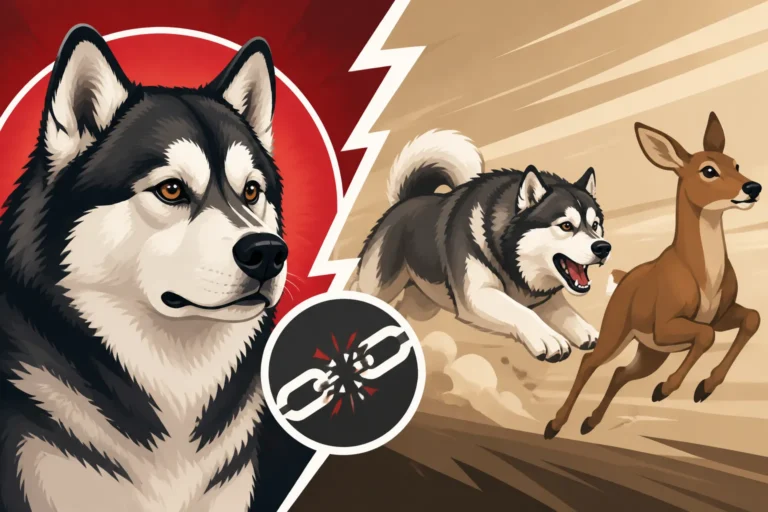
Think about it from their perspective: if their ancestors had blindly followed every command without assessing danger or opportunity, they wouldn't have survived. Their intelligence allows them to evaluate, and sometimes, they evaluate your request as less important than whatever else is happening. This is why shouting or trying to force them often backfires spectacularly. They learn quickly that you're not speaking their language, and their cooperation dwindles even further. Instead of viewing it as a character flaw, try to see it as a testament to their deep intelligence and self-preservation. Telling a Stubborn Malamute From an Independent One
Motivation: What Makes a Malamute Tick?
So, if "because I said so" doesn't work, what does? Malamutes are highly motivated by a few key things: food, play, novelty, and genuine partnership. High-value treats – we're talking cooked chicken, cheese, or even hot dogs – often work wonders where kibble fails. Toys, especially those that encourage a game of chase or tug, can also be powerful motivators.
They also thrive on novelty. Repeating the same exercise over and over will bore them to tears. Mixing things up, introducing new challenges, and keeping training sessions short and sweet can make a huge difference. Finally, and perhaps most importantly, they respond to a strong, trusting relationship with their handler. If they view you as a fair, consistent, and fun leader, they are far more likely to engage. They're not looking for a dictator; they're looking for a partner in adventure. This means you need to be more engaging, more interesting, and more rewarding than anything else in the environment.
The Realities of Obedience Training for Alaskan Malamutes
Taking a Malamute into the world of formal obedience can be a revelation, both for the owner and the dog. It demands a different approach than with breeds typically seen topping the obedience charts. It's not impossible, but it definitely requires a shift in perspective and a deep understanding of your dog.
The Challenges of Repetitive Drills
Traditional obedience training often involves a lot of repetition. Sit, stay, come, heel – over and over again, honing precision and speed. For many dog breeds, this consistency builds mastery and reinforces their desire to please. For an Alaskan Malamute, however, too much repetition can feel like pure drudgery. Their intelligent minds crave stimulation and new experiences. Asking them to do the same "down-stay" for the tenth time in a row, when there are interesting smells and sounds just beyond the training area, is asking them to fight their very nature.
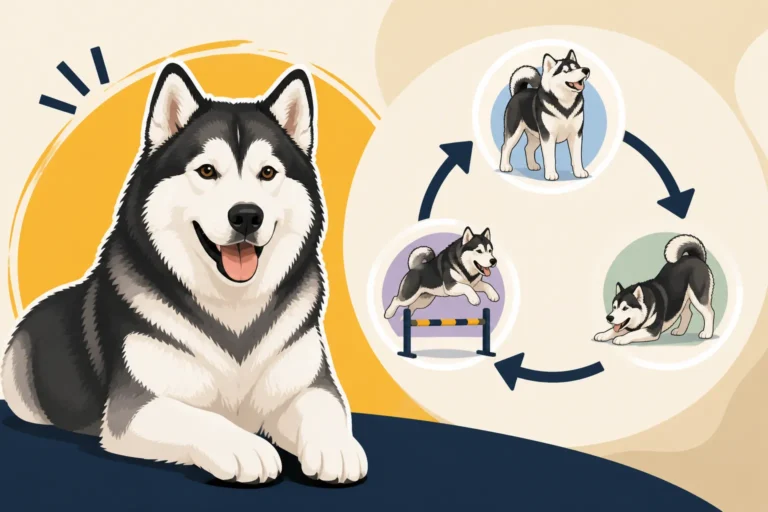
This often leads to what looks like deliberate disobedience or a lack of understanding. In reality, your Malamute might simply be bored out of their mind. They might start offering alternative behaviors, sniffing the ground, looking away, or even lying down in protest. It’s crucial to recognize these signs and adapt your training. Whether Repetition Bores an Alaskan Malamute A Malamute might learn a cue in a few repetitions, but maintaining interest and precision over a long period, especially in a distracting environment, is the real challenge.
Distraction Management: A Lifelong Endeavor
One of the biggest hurdles in obedience competition for a Malamute is their supreme awareness of their environment. They have a strong prey drive and an instinct to be aware of everything around them. In a busy obedience trial, with other dogs, people, sounds, and smells, their focus can easily scatter. A loose piece of kibble on the ground, a bird fluttering outside, or even a far-off siren can instantly derail a perfectly executed recall or stay.
This isn't a lack of training; it's a testament to their finely tuned senses and natural instincts. While you can work diligently to build focus in increasingly distracting environments, it's a lifelong management task. You will likely never have a Malamute with the laser-like focus of a Border Collie or a German Shepherd in a high-distraction setting. This doesn't mean they can't be well-behaved or perform tasks, but it does mean your expectations for competition-level precision need to be adjusted. You might be aiming for a high-scoring run, but your Malamute might be more interested in scouting the perimeter for potential snacks or saying hello to a passing stranger.
Building a Strong Partnership, Not Just Compliance
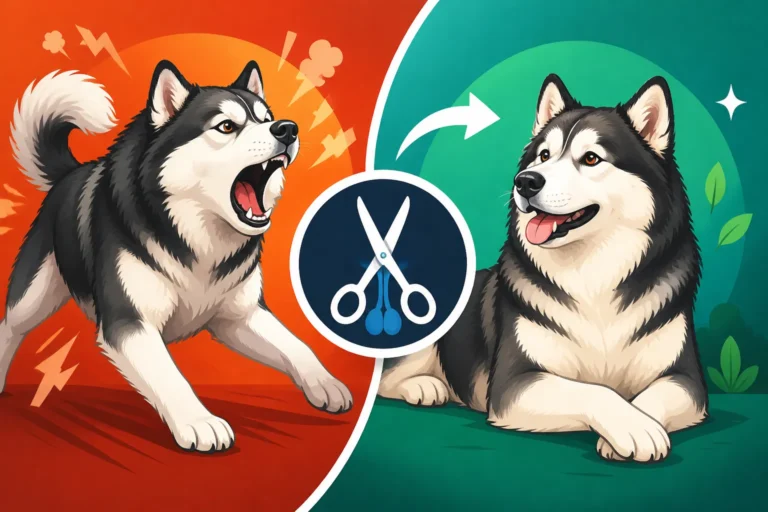
Successful obedience with an Alaskan Malamute isn't about breaking their spirit or forcing them into submission. It's about building a deep, respectful partnership where they choose to work with you. This means using positive reinforcement, understanding their motivations, and making training a rewarding and enjoyable experience for them. Forceful methods, harsh corrections, or constant reprimands will only erode their trust and shut them down. Why Force Fails on an Alaskan Malamute
Instead, focus on making yourself the most exciting and rewarding part of their world. Celebrate their successes, no matter how small. Make training feel like a game, an adventure you're embarking on together. When they offer a behavior you like, reward it generously and enthusiastically. This approach not only makes training more effective but also strengthens the incredible bond you share, which is arguably more valuable than any obedience title.
Strategies for Success in Obedience with a Malamute
While the challenges are real, they are far from insurmountable. Many Malamute owners find immense joy and success in obedience, often by adapting their methods and focusing on the unique strengths of their breed.
The Power of Positive Reinforcement and High-Value Rewards
This cannot be stressed enough: positive reinforcement is your Malamute's love language. They respond best to rewards that genuinely excite them. Forget dry kibble in a distracting environment; bring out the real stuff! Small pieces of cooked meat, cheese, or even specially designed training treats are often necessary, especially when starting out or working in new places. The reward should be worth their effort, in their eyes.
Vary your rewards to keep things interesting. Sometimes it's food, sometimes it's a quick game of tug with a favorite toy, sometimes it's enthusiastic praise and petting. You might find great training clickers and pouches for these treats on platforms like Amazon, making it easy to carry your motivational arsenal. Don't be shy about using a high rate of reinforcement in the beginning – every good decision deserves a payoff! This builds a strong association between the desired behavior and a positive outcome.
Keeping it Fun and Varied: Short Sessions and New Challenges
Remember that Malamutes get bored easily. Keep your training sessions short, generally 5-10 minutes max, especially when learning new things. It's better to have several short, engaging sessions throughout the day than one long, tedious one. Mix up the exercises, introduce new skills, or practice known skills in different locations. For instance, if you're working on "sit," practice it in the living room, then the backyard, then during a walk, then at the park. Each new environment adds a layer of challenge and novelty.
Incorporate play into your training. Does your Malamute love to chase? Use that energy for recalls! Do they love to tug? Make it a reward for a good "stay." The goal is to make training feel like a fun game, not a chore. This is especially true for young Malamutes, whose attention spans are naturally shorter. Think of it like teaching a bright, energetic child – you wouldn't expect them to sit still for an hour of drills. The First Year With an Alaskan Malamute Puppy
Mastering the Fundamentals Before Competition
Before you even think about an obedience ring, ensure your Malamute has a rock-solid understanding of basic commands in a variety of environments. This means:
- Reliable Recall: This is paramount for safety and success in any dog sport. Practice in gradually more distracting areas.
- Loose-Leash Walking/Heeling: Essential for control and a foundational skill for many obedience exercises.
- Sit/Stay/Down/Stand: These are the building blocks. Practice duration and distance.
- Leave It: Crucial for ignoring tempting distractions.
Work on these fundamentals daily, making them consistent and rewarding. Don't rush into competition until these basics are second nature, even amidst some distractions. Your Malamute might still have moments of independent thought, but a strong foundation gives you something to build upon.
Finding the Right Instructor and Community
This is perhaps one of the most critical factors for Malamute owners interested in obedience. Not all dog trainers understand independent, northern breeds. Many trainers are used to working with highly biddable dogs and may become frustrated or recommend outdated, force-based methods that simply won't work for a Malamute. Seek out trainers who:
- Emphasize positive reinforcement: This is non-negotiable for Malamutes.
- Have experience with northern breeds or "difficult" breeds: Ask about their experience.
- Are patient and creative: They need to be able to adapt their methods to suit your dog's personality.
- Focus on building a partnership: Look for a philosophy that prioritizes bond over brute force.
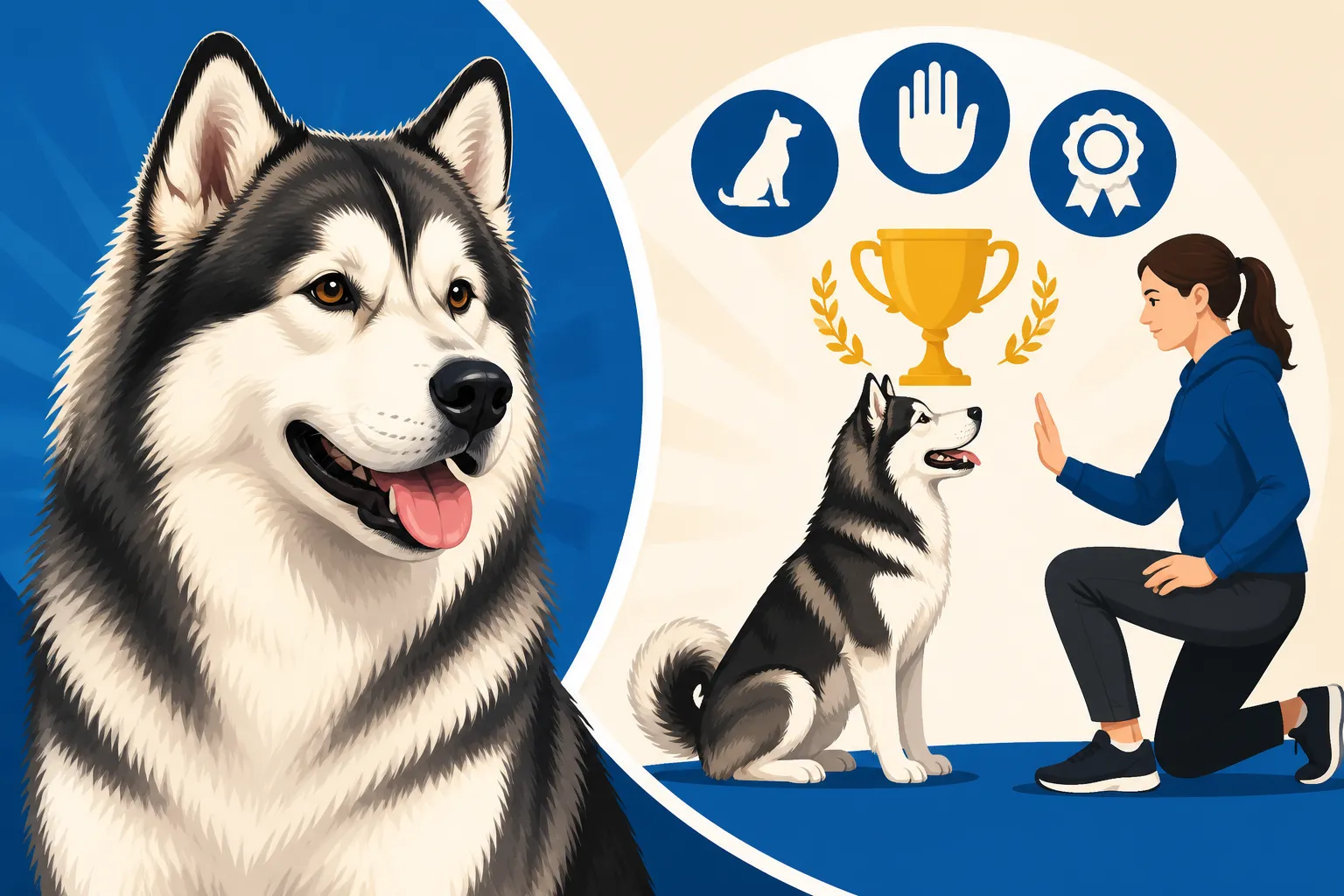
Online training platforms can also be a fantastic resource, allowing you to learn at your own pace and find instructors with diverse experience. Some programs, like BAXTER & Bella, offer comprehensive online courses that can be adapted to your Malamute's learning style. While they might not be tailored specifically for Malamutes, the foundational principles of positive reinforcement and engagement are universal. Connecting with other Malamute owners in online communities can also provide invaluable tips and support. Whether a Malamute Needs a Professional Trainer
Competing with Your Alaskan Malamute: Expectations vs. Reality
So, can an Alaskan Malamute compete in obedience? Absolutely! But perhaps not in the way you might initially imagine. The journey is often more rewarding than the destination.
Setting Realistic Goals: It's About the Journey
When you step into the obedience ring with a Malamute, the goal isn't just to win. It's to celebrate your unique partnership. You might not achieve perfect scores, but every moment of focus, every successful retrieve, and every voluntary "sit" is a huge victory for a breed that thrives on its own terms. Set goals that are meaningful to you and your dog. Perhaps it's simply completing a novice routine without major errors, or mastering a particular exercise you've both struggled with.
Focus on the process of learning and growing together. The bond you forge through consistent, positive training, and the understanding you develop of your Malamute's motivations and quirks, is truly priceless. The ribbons and titles are secondary to the incredible experience of working as a team with such a magnificent, independent creature. Remember, this isn't just a dog; it's an Alaskan Malamute, and their inherent personality will always shine through.
The Joy of a "Malamute-Style" Performance
Malamutes in the obedience ring often provide memorable moments. You might see a perfect heel followed by an unsolicited "woo" to the judge, a lightning-fast recall that ends with a theatrical roll in the dirt, or a long stay punctuated by a dramatic yawn and a stretch. These are not failures; they are moments that showcase the Malamute's charming, sometimes comical, personality.
Embrace these "Malamute-isms." They remind everyone that while these dogs are capable of impressive feats of obedience, they are also individuals with their own minds and senses of humor. Spectators often adore seeing a Malamute in the ring precisely because they're not cookie-cutter performers. It's a testament to the owner's dedication and the dog's spirit that they are even there.
Exploring Alternative Dog Sports
If the rigid structure and precision demands of traditional obedience trials prove too frustrating for you or your Malamute, don't despair! There are many other dog sports where Alaskan Malamutes truly shine and can compete with great success. These often align more naturally with their instincts and physical capabilities:
- Weight Pull: This is their bread and butter! Malamutes were bred for hauling, and they excel at weight pull, demonstrating incredible strength and drive. Pulling Is the Only Job an Alaskan Malamute Really Wants
- Skijoring/Canicross/Bikejoring: Harnessing their desire to pull and love for running, these sports allow them to work as a team with their human, covering distances with impressive speed and stamina. The Alaskan Malamute in Skijoring
- Backpacking/Hiking: While not a formal competition, many Malamutes love carrying their own gear on long treks, making them fantastic adventure companions.
- Rally Obedience: This sport is often a fantastic middle ground. It involves navigating a course with numbered stations, performing specific exercises at each. It's more forgiving than traditional obedience, allowing for more verbal encouragement and a more flowing pace, which many Malamutes find less tedious.
- Scent Work/Nose Work: Malamutes have incredible noses! Tapping into their natural scenting abilities can be a highly engaging and rewarding activity that doesn't rely on strict precision or constant focus on the handler.
The most important thing is to find an activity that you and your Malamute genuinely enjoy together. Whether that's earning an obedience title, pulling a sled, or simply being the best adventure buddy, the joy of a shared pursuit is what truly matters. What an Alaskan Malamute Will Work For
| Feature | Traditional Obedience Approach (Often Less Suited for Malamutes) | Malamute-Friendly Obedience Approach (Recommended) |
|---|---|---|
| Primary Goal | Strict compliance, precision, high scores | Building partnership, engagement, personal bests, having fun |
| Motivation | Desire to please, generalized rewards (kibble), handler pressure | High-value rewards (meat, cheese), play, novelty, handler enthusiasm |
| Training Style | Repetitive drills, consistent routines, emphasis on correctness | Short, varied sessions, game-based learning, rewarding effort over perfection |
| Distractions | Expected to ignore all distractions through learned focus | Acknowledged challenge; systematic exposure and high rewards in distractions |
| Corrections | May involve verbal reprimands or physical corrections (less effective) | Focus on redirecting, positive interrupters, managing environment |
| Pace of Learning | Often faster mastery with biddable breeds, quick progression | Slower, more thoughtful progression, celebrating small wins, patient |
| Trainer Needs | May suit any positive trainer | Seeks trainers experienced with independent breeds and positive methods |
Disclaimer
This article is for general informational purposes only and does not constitute professional advice. Laws, prices and regulations vary by location and change over time. Consult a qualified professional for guidance on your specific situation.