Whether a Malamute Needs a Second Dog for Company
It’s a common scenario: you look at your magnificent Alaskan Malamute, perhaps curled up on the rug or gazing out the window, and a thought creeps in – is my Malamute lonely? Do they need a buddy? It's easy to project our human feelings onto our dogs, especially when we cherish them so much. While the idea of two furry companions romping around sounds idyllic, deciding whether to add a second dog, especially another Malamute, to your household is a huge decision, far more complex than simply doubling the cuteness factor. This guide will help you unpack the realities of the Alaskan Malamute's social needs and whether a second dog is truly the best solution for your beloved companion and your household.
Understanding the Malamute's Social Nature
Alaskan Malamutes are remarkable dogs, known for their strength, endurance, and, yes, their unique personalities. Owners often describe them as independent, almost cat-like at times, but beneath that calm exterior lies a complex social creature.
The Pack Animal Instinct
Despite their independence, Malamutes are undeniably pack animals, deeply rooted in their ancestral roles. Historically, they worked in teams, hauling heavy freight over vast, frozen landscapes, and this required cooperation and a clear social structure. However, "pack animal" in the context of a domestic dog doesn't always mean they require another dog in the home to feel complete. For many Malamutes, their human family becomes their primary pack. They crave inclusion, interaction, and a sense of belonging within your household structure.
This isn't to say they don't enjoy canine company. Many Malamutes thrive on structured play with other dogs, whether at a well-vetted doggy daycare or during supervised playdates. The nuance lies in understanding that their historical pack dynamic was often about a working unit with established rules, not necessarily a free-for-all commune. They appreciate a clear hierarchy and knowing their place, which is something a new canine addition can disrupt significantly. A Malamute might seem aloof at times, but they are generally observant and will engage with their "pack" (you!) on their own terms, often with a deep bond.
Independence vs. Loneliness
One of the biggest misconceptions about Malamutes is equating their independence with a lack of need for companionship. It's true they aren't typically "velcro dogs" in the same way some other breeds are. They might not always be underfoot, demanding constant attention, and they often enjoy their own space. This independence can make them seem like they're perfectly content being alone for long stretches. However, there's a crucial difference between a Malamute enjoying quiet time and a Malamute suffering from loneliness or boredom.
A truly lonely Malamute, or one that isn't receiving adequate mental and physical stimulation, can quickly become a destructive force. They might channel their frustration into chewing through furniture (you wouldn't believe What a Malamute Chews Through in a Year!), digging craters in your yard, or developing anxiety behaviors like excessive howling. These aren't necessarily signs they need another dog, but rather signals that their core needs for exercise, mental engagement, and human interaction aren't being met. While some Malamutes genuinely thrive with a canine companion, others might view a new dog as an intruder, leading to stress for both dogs and humans. It’s vital to honestly assess your Malamute’s current happiness and stimulation levels before assuming another dog is the missing piece.
The Realities of Adding a Second Malamute
The romanticized vision of two Malamutes joyfully sharing life often clashes with the practical realities. While it can absolutely work out beautifully, it's essential to go in with eyes wide open to the potential challenges.
Same-Sex Aggression
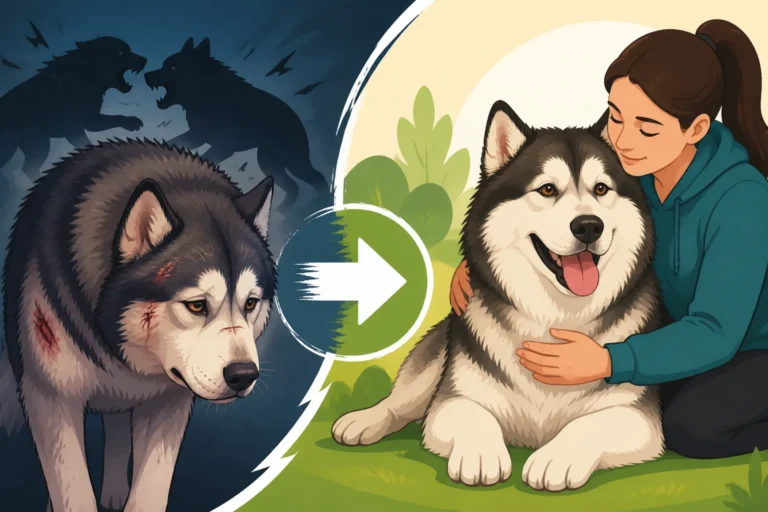
This is perhaps the most significant hurdle when considering a second Malamute, especially if both are intact males or females. Alaskan Malamutes, due to their strong pack drive and inherent hierarchical tendencies, are known for exhibiting same-sex aggression. This isn't about "meanness" but rather a deeply ingrained behavioral trait related to establishing and maintaining dominance within their social structure. Two males or two females, particularly if they are of similar age and temperament, can engage in serious, sometimes dangerous, confrontations over resources, status, or even perceived slights. These aren't always minor squabbles; they can escalate quickly and result in significant injuries.
Owners often find themselves needing to manage the dogs with a "crate and rotate" system, where dogs are never unsupervised together, which can be exhausting and heartbreaking. It’s not uncommon for these situations to lead to one of the dogs needing to be rehomed. Even if they've been together for years, shifts in hierarchy, aging, or external stressors can trigger aggression. Understanding Same Sex Aggression in a Pack Bred Alaskan Malamute is critical before even contemplating a second dog of the same sex. If you're set on two Malamutes, most experienced breeders and Malamute enthusiasts will strongly advise opting for a male and female pair to mitigate this risk.
The "Two-Malamute" Household Dynamic
Beyond aggression, introducing a second Malamute changes everything about your household dynamic. Suddenly, you have twice the fur, twice the food, twice the vet bills, and twice the potential for mischief. The space requirements double, both indoors and outdoors. A second Malamute means more time spent on exercise to ensure both dogs are adequately stimulated, as two bored Malamutes can lead to synergistic destruction. They might egg each other on, finding new and creative ways to challenge your patience and your home’s structural integrity.
Resource guarding can also become an issue. Even if your current Malamute has never guarded food, toys, or even you from other dogs before, the introduction of a new canine can trigger these behaviors. You'll need to be diligent about feeding separately, providing ample individual chew toys, and ensuring fair access to attention. On the flip side, a compatible pair can provide wonderful companionship for each other, offering mental and physical stimulation that you, as a human, simply cannot replicate all the time. They might play together, nap together, and even help each other settle into routines. The key is careful consideration and understanding that while some things might get easier (like exercising together), many other aspects of dog ownership become significantly more demanding.
Introduction Protocols and Training
If you decide to proceed with adding a second dog, the introduction process is paramount and cannot be rushed. A haphazard introduction can set the stage for a lifetime of conflict. This usually involves neutral territory meetings, such as parallel walks in a park where both dogs can observe each other without direct pressure. Keeping both dogs leashed and calm, with a focus on positive reinforcement, is essential. Once they are comfortable in neutral settings, brief, supervised interactions in a secure yard can begin, always ready to intervene if tension arises.
Professional guidance from a certified dog trainer, especially one familiar with northern breeds, can be invaluable during this period. Online resources, like those offered by BAXTER & Bella, can provide structured training programs and support for integrating a new family member, ensuring consistent communication and positive reinforcement. Their comprehensive approaches can help you navigate everything from initial introductions to managing meal times and developing a harmonious multi-dog household. Remember, consistency in training and management is key. Both dogs need to understand their roles and boundaries, and you need to be the calm, consistent leader of the pack. Skipping these crucial steps can lead to ongoing stress and potential aggression, making your dream of a two-Malamute household a nightmare.
When a Second Dog Isn't the Answer
While the idea of a canine companion for your Malamute can be appealing, it's simply not the right choice for every dog or every family. Sometimes, the best company for a Malamute is its dedicated human family.
Human Companionship as a Primary Need
For many Alaskan Malamutes, the deep bond they form with their human family is their most significant source of comfort, security, and companionship. They are deeply sensitive to their owners' moods and often thrive on shared activities with their people. Long walks, hikes, sledding (even if it's just you on a scooter!), and even simply cuddling on the couch are invaluable for strengthening this bond and fulfilling their social needs. They want to be with you, engaging in activities that make them feel like a valued part of your pack.
If you’re concerned about your Malamute being alone during the day, consider the quality of the time you spend with them when you are home. A few hours of dedicated interaction, training, and exercise can be far more enriching than simply having another dog present but ignored. The focus should be on meeting their intrinsic needs for physical exertion, mental challenges, and affectionate connection. Before bringing another dog into the mix, honestly evaluate if you are providing enough of these essential elements. If you are, then the "loneliness" you perceive might simply be their natural independence or a craving for your specific attention.
Alternative Enrichment and Socialization
If you're worried about your Malamute's social life or boredom, there are many avenues to explore before committing to a second dog. These alternatives can provide excellent outlets without the complexities of adding another permanent resident.
- Doggy Daycare: A well-run, supervised doggy daycare that understands large, powerful breeds like Malamutes can be a fantastic way for them to socialize and burn energy. Ensure they have strict temperament tests and plenty of staff to manage play.
- Structured Playdates: Arranging playdates with known, friendly dogs can offer social interaction without the constant presence of another dog in the home. This allows for controlled environments and the ability to separate if needed.
- Training Classes: Obedience, agility, or even scent work classes provide mental stimulation and social interaction in a structured environment. Malamutes, despite their stubborn streak, are intelligent and can excel with positive reinforcement. Whether an Alaskan Malamute Can Compete in Obedience delves into their potential in structured settings.
- Interactive Toys: High-quality, durable interactive toys can keep a Malamute mentally engaged when you're busy. Puzzle feeders, treat-dispensing toys, and tough chew toys (you can find a huge variety on Amazon) can help alleviate boredom and destructive chewing.
- Extended Walks and Hikes: Nothing beats a long trek in nature for a Malamute. These walks provide physical exercise, mental stimulation from new smells and sights, and quality bonding time with you.
Financial and Time Commitments
Let's be brutally honest: Alaskan Malamutes are not cheap. And two Malamutes? Well, that doubles, if not triples, the expense in many areas. It's not just about the initial purchase price or adoption fee. Think about the ongoing costs:
- Food: A large breed requires a significant amount of high-quality food. Two means twice the bulk, twice the trips to the store, and twice the monthly bill.
- Vet Care: Routine check-ups, vaccinations, parasite prevention (flea, tick, heartworm), and unexpected emergencies. Bloat surgery, for example, can be astronomically expensive, and two dogs means two potential emergencies. What Twelve Years With an Alaskan Malamute Comes To gives a good overview of general costs.
- Grooming: Malamutes shed a lot, especially during their bi-annual coat blow. Two Malamutes means a constant battle against fur and potentially professional grooming costs.
- Training: While BAXTER & Bella offers online resources, if you need a professional trainer for one-on-one sessions or behavior modification, having two dogs often means separate sessions or higher fees.
- Supplies: Beds, crates, leashes, harnesses, toys – everything needs to be durable and often replaced. Two dogs means needing more of everything.
- Pet Insurance: Crucially important for managing unexpected vet bills, but premiums double with a second dog.
Here's a simplified comparison to give you a clearer picture:
| Category | Single Malamute | Two Malamutes |
|---|---|---|
| Initial Cost | Purchase price/adoption fee, initial supplies | Double the initial cost, more extensive gear |
| Food & Treats | Significant monthly expense for a large breed | Double the food cost, potentially specialized diets |
| Vet Care | Annual check-ups, vaccines, emergency fund | Double routine care, increased risk of emergencies |
| Grooming | Regular brushing, bi-annual coat blow management | Constant battle with fur, potential for professional services |
| Training | Group classes, potential for private sessions | Individualized training for each, managing interactions |
| Supplies | Durable bed, crate, leashes, toys | Two of everything, potentially heavy-duty items |
| Time Commitment | 1-2 hours daily for exercise & mental stimulation | 2-4 hours daily, managing individual and joint needs |
| Travel/Boarding | Finding kennels that accept large breeds | Finding kennels with space/capacity for two, higher cost |
| Household Impact | Significant shedding, potential for digging/chewing | Double the impact, potential for synchronized destruction |
Beyond finances, the time commitment doubles. You'll need more time for walks, feeding, training, cleaning up after them, and individual attention. Consider your lifestyle honestly. Do you have the financial stability and the ample time to dedicate to not one, but two, demanding, intelligent, and strong-willed Malamutes? For many, the answer is a resounding "no," and that's perfectly okay. It's far better to provide an excellent life for one dog than a mediocre or stressful one for two.
Choosing a Compatible Companion
If, after careful consideration, you decide that a second dog is truly right for your Malamute and your family, the next step is crucial: choosing the right companion. This is not a decision to take lightly, as a poor match can lead to chronic stress or even danger for both dogs.
Temperament and Size Considerations
When looking for a companion for your Malamute, temperament should be your absolute top priority. You generally want a dog with a calm, stable, and tolerant disposition, rather than another overly dominant or reactive personality. A dog that is easygoing and can roll with the punches is often a better fit than one that constantly seeks to challenge or establish dominance. If your Malamute has a strong personality, pairing them with a more submissive or mellow dog can help create balance.
Size is another important factor. While a Malamute can certainly get along with smaller dogs, there are inherent risks. An accidental rough play session or a sudden display of prey drive can quickly turn dangerous for a tiny companion. Malamutes are large, powerful animals, and even without malice, a simple misstep can cause injury. If you have your heart set on a smaller breed, be incredibly vigilant during interactions and never leave them unsupervised. Understanding The Risk a Malamute Poses to a Small Dog is essential. Ideally, a second dog should be robust enough to withstand the Malamute's play style without being easily injured, yet not so large or dominant that they trigger conflict.
Age and Gender Dynamics
The age and gender of a potential companion play a significant role in successful integration. As previously discussed, a male and female pairing is often recommended for Malamutes to minimize the risk of same-sex aggression. Why a Male and Female Malamute Pair Better is a good resource for understanding these dynamics. Generally, a male Malamute and a female Malamute tend to establish a clear, often less confrontational, hierarchy.
When considering age, there are two common approaches:
- Puppy with an Adult: Introducing a puppy to an adult Malamute can work well. The adult often views the puppy as a non-threat and may even take on a nurturing role. However, puppies require immense time and training, and you'll need to ensure the adult Malamute isn't overwhelmed by the puppy's boundless energy and sharp teeth. Supervision is key to prevent the adult from becoming annoyed or the puppy from learning bad habits.
- Adult with an Adult (of different ages): Introducing two adult dogs, especially if there's a significant age gap, can also be successful. An older, established Malamute might be less inclined to challenge a younger adult, or vice-versa. Avoid pairing two young adult Malamutes who are still testing boundaries, as this can lead to power struggles.
Regardless of age or gender, always aim for a dog that complements your Malamute's existing personality, rather than mirroring it if your Malamute has any dominant or reactive tendencies.
Rescue vs. Breeder
When it comes to acquiring a second dog, both rescues and reputable breeders offer distinct advantages, depending on your preferences and the specific needs of your household.
-
Rescues: Adopting from an Alaskan Malamute rescue or a general dog rescue can be a wonderful option. Rescues often have a thorough understanding of their dogs' temperaments, behavioral quirks, and past histories. They often conduct extensive evaluations and can specifically help match you with a dog known to be good with other canines. Some rescues even conduct "meet and greets" with your existing dog to ensure compatibility. This can be especially valuable if you are concerned about your Malamute's reactivity towards other dogs. For an insight into the process, check out What an Alaskan Malamute Rescue Asks in Adoption Fees. You might find an older, calmer dog whose personality is already well-defined, making the integration process potentially smoother.
-
Breeders: If you prefer a puppy, a reputable breeder who specializes in Malamutes and prioritizes temperament and health is essential. They will be knowledgeable about the lineage and individual personalities of their puppies, offering insights into which puppy might be the best match for a multi-dog home. A good breeder will also ask extensive questions about your existing dog and living situation to ensure a good fit. They can also offer ongoing support as your new puppy grows and integrates into your pack.
Whether you choose rescue or breeder, transparent communication about your existing Malamute's personality, any concerns you have, and your lifestyle is crucial. The goal is to find a dog whose personality will blend harmoniously with your Malamute's, adding joy and companionship rather than stress and conflict.
Disclaimer
This article is for general informational purposes only and does not constitute professional advice. Laws, prices and regulations vary by location and change over time. Consult a qualified professional for guidance on your specific situation.