Caring for an Old Alaskan Malamute
Watching your majestic Alaskan Malamute start to slow down can be a real punch to the gut. The powerful, energetic companion who once pulled you down the trail with boundless enthusiasm now might struggle to get up from a deep nap or hesitate before jumping into the car. It’s a natural part of life, but it doesn't make it any easier when your loyal friend begins to show their age. This comprehensive guide is here to walk you through the nuances of caring for your senior Malamute, helping you understand their changing needs and how to ensure their golden years are as comfortable, dignified, and joyful as possible.
Recognizing the Subtle Signs of Aging in Your Malamute
It's natural to want to deny that your Malamute is getting old, especially when they've always been such a powerhouse. But just like us, our furry companions don't wake up one day "old." Aging is a gradual process, and Malamutes, being the stoic creatures they are, often hide their discomfort until it becomes undeniable. Learning to spot these subtle shifts is crucial for early intervention and maintaining their quality of life.
Changes in Mobility and Activity Levels
One of the most noticeable, yet often overlooked, signs of aging in an Alaskan Malamute is a change in their mobility and overall activity. That once indefatigable energy might now manifest as a slower pace, a reluctance to engage in their usual romps, or a stiffness that seems to linger after a good rest.
Imagine your Malamute, who used to greet you at the door with a full-body wag and a playful pounce. Now, they might uncurl themselves slowly, taking a moment to stretch out those powerful legs before ambling over. You might notice them hesitating at the bottom of the stairs, or giving a short, sharp bark when you suggest a walk, not out of defiance, but perhaps discomfort. They might be slower to rise from their bed, or you might even observe a slight tremor in their hind legs when they stand for extended periods. This isn't laziness; it's often a sign of underlying joint pain or arthritis, which is incredibly common in larger breeds as they age. Their joints, which have carried them through years of pulling, running, and playing, are simply not as resilient as they once were. The desire to play and interact is still there, but the physical capability might be waning, leading to frustration for both you and your dog.
It’s heartbreaking to see the dog who once freighted heavy loads across vast distances now struggling with simple movements. We often associate Malamutes with their incredible work ethic and physical prowess, and to see that fade can be difficult for an owner. However, acknowledging these changes allows you to adjust their routine to minimize discomfort. Switching from long, strenuous hikes to multiple shorter, gentler strolls, or even incorporating low-impact activities like swimming if they enjoy it, can make a world of difference. Providing warm, supportive bedding can also alleviate stiffness, giving their weary joints a much-needed rest. For more specific insights, you might find Arthritis in an Older Alaskan Malamute particularly helpful.
Shifts in Appetite and Hydration
Another key indicator of an aging Malamute's health is changes in their eating and drinking habits. These might seem minor at first, but they can point to significant underlying issues.
You might find your Malamute, who once vacuumed down their food in seconds, now approaching their bowl with less enthusiasm. Perhaps they pick at their kibble, or suddenly become incredibly fussy about what they eat. This isn't necessarily just "being picky"; it could be a sign of dental discomfort, making chewing painful, or a decreased sense of smell and taste, which can make food less appealing. On the flip side, some senior Malamutes might develop an increased appetite, which, coupled with a slower metabolism, can lead to unwanted weight gain, putting even more strain on their aging joints and internal organs. Monitoring their weight closely is important, as an overweight senior Malamute faces a higher risk of various health complications.
Hydration is equally critical. You might observe your senior Malamute drinking significantly more water than usual, which could be a red flag for kidney disease or diabetes. Conversely, they might drink less, perhaps due to discomfort from moving to the water bowl, or a general decline in their drive to eat and drink. Dehydration can quickly become serious, affecting all bodily functions. Placing multiple water bowls around the house, ensuring they are easily accessible without requiring your Malamute to climb stairs or navigate tight spaces, can encourage them to drink more. Consider offering wet food or adding water or low-sodium broth to their dry kibble to boost their fluid intake. Small changes in these daily habits, even if seemingly insignificant, warrant a closer look and a conversation with your veterinarian.
Alterations in Sleep Patterns and Cognition
The way your Malamute sleeps, and how they perceive the world around them, can also change dramatically as they age. It's not just about more naps; it's about the quality of their rest and their mental acuity.
Many senior Malamutes will certainly sleep more throughout the day, which is perfectly normal. However, you might notice they become restless at night, pacing, whining, or seeming disoriented, even in familiar surroundings. They might wake up confused, perhaps bumping into furniture or getting "stuck" in a corner, unable to figure out how to navigate out. This disturbed sleep can lead to daytime lethargy and irritability, affecting their overall mood and your household's peace. These signs can be indicative of Canine Cognitive Dysfunction (CCD), often referred to as "doggy dementia." It's heartbreaking to witness your once sharp, independent Malamute appear confused or to see their personality shift, perhaps becoming more clingy, anxious, or even irritable. They might forget house-training rules, leading to accidents indoors, or struggle to recognize familiar faces or commands they've known for years.
It’s incredibly frustrating for owners when a dog they've known for over a decade suddenly acts like a stranger, or seems "lost" in their own home. You might feel a pang of sadness and helplessness. However, understanding that these are not behavioral issues but rather medical conditions can help you approach them with more patience and empathy. Creating a consistent routine, keeping their environment predictable, and providing gentle reassurance can help manage some of these symptoms. Your vet may also suggest medications or dietary supplements that can help slow the progression of cognitive decline. Observing these changes and discussing them with your veterinarian is vital for exploring treatment options and adapting your care to support their mental well-being. This can be a challenging time, and reading Whether an Old Malamute Gets Confused might offer further insights into this particular struggle.
Adapting Their Diet for Senior Malamute Health
Just like us, a Malamute's nutritional needs evolve significantly as they enter their golden years. Their metabolism slows, their activity level often decreases, and they become more susceptible to certain health issues. What fueled their youthful adventures might now contribute to weight gain or fail to provide the targeted support their aging bodies require.
Choosing the Right Senior Formula
The kibble that kept your young Malamute robust and energetic might not be the best choice for them now. A good senior diet considers lower caloric needs, joint support, and easily digestible ingredients.
When you're browsing the aisles or shopping online, you'll notice many brands offer "senior" formulas. These aren't just marketing ploys; they're specifically formulated with an older dog's physiology in mind. Typically, a senior Malamute needs a diet that is lower in calories to prevent weight gain, especially if their activity has decreased. However, they still need adequate, high-quality protein to maintain muscle mass, which can naturally diminish with age. Look for ingredients like glucosamine and chondroitin, which are crucial for supporting joint health and can help alleviate some of the discomfort associated with arthritis. Many senior formulas also contain higher fiber content to aid digestion and antioxidants to support the immune system. If your Malamute has dental issues, which are very common in older dogs, consider switching to wet food or soaking their dry kibble in warm water to soften it, making it easier and less painful to chew. Some owners even turn to fresh, gently cooked food options like those offered by Ollie, which can be highly palatable and easier on sensitive senior stomachs. You can explore a wide range of senior food options and read reviews on platforms like Chewy to find the best fit for your Malamute's specific needs and preferences. Feeding an Old Alaskan Malamute delves deeper into these dietary considerations.
Managing Zinc Absorption and Supplements
The unique genetic predisposition of Alaskan Malamutes to zinc-responsive dermatosis doesn't disappear with age; in fact, it can sometimes become more pronounced or reappear. Their efficient metabolism, while a blessing in their working prime, can complicate nutrient absorption later in life.
Zinc is a vital trace mineral for skin, coat, and immune function, among other things. Malamutes often struggle to absorb zinc from their diet, a condition that can lead to flaky skin, hair loss, and crusty lesions, particularly around the eyes, mouth, and pressure points like elbows. While this often presents in younger dogs, stress, illness, or changes in metabolism in senior Malamutes can trigger a resurgence or worsening of these symptoms. It's critical to ensure their diet provides bioavailable zinc, and often, supplementation is necessary. However, not all zinc supplements are created equal, and the dosage is crucial. Too little won't help, and too much can be toxic. Always consult your veterinarian before starting any new supplement, as they can recommend the appropriate form (like zinc methionine) and dosage. They might even recommend periodic blood tests to monitor zinc levels and adjust supplementation accordingly. You can often find reputable zinc supplements, as well as a variety of other senior dog vitamins, through online retailers like Amazon, but always with veterinary guidance. This ongoing need for proper zinc management is a testament to the breed's unique biology and is further explored in Whether a Malamute Needs Zinc for Its Whole Life.
The Role of Supplements in Senior Care
Beyond specific zinc requirements, a thoughtful supplement regimen can significantly enhance the quality of life for your aging Malamute. It's about providing targeted support for the systems that naturally decline with age.
Consider joint supplements as a cornerstone of senior Malamute care. Ingredients like glucosamine, chondroitin, and MSM can help maintain cartilage, reduce inflammation, and improve joint lubrication, directly addressing the discomfort of arthritis. Omega-3 fatty acids, typically derived from fish oil, are powerful anti-inflammatories that can benefit not only joints but also skin and coat health, and even cognitive function. For Malamutes showing signs of cognitive decline, supplements containing antioxidants, B vitamins, and medium-chain triglycerides (MCTs) can offer support for brain health. Probiotics can be beneficial for digestive health, especially if your senior Malamute experiences more frequent upset stomachs or changes in bowel movements. The key here is not to just throw every supplement at them; rather, it’s about a targeted approach based on their individual needs and under the guidance of your veterinarian. What works for one Malamute might not be necessary for another, and sometimes, a combination of supplements works best. Always discuss your Malamute's specific health concerns with your vet, as they can help you create a tailored supplement plan to optimize their comfort and health in their golden years.
Addressing Common Senior Malamute Health Concerns
As our Malamutes age, they become more susceptible to a range of health issues. While some are common across all breeds, others might have a particular impact on these large, robust dogs. Being proactive and aware of these potential challenges is key to early detection and effective management.
Joint Issues and Arthritis Management
The large, powerful joints that served your Malamute so well in their younger years, enabling them to pull heavy loads and bound through snow, are often the first to show significant wear and tear with age. Arthritis and degenerative joint disease become almost inevitable for many senior Malamutes.
You might first notice your Malamute struggling to get up after lying down, showing stiffness, or hesitating before jumping into the car or onto the couch. Perhaps they are slower on walks, or their gait appears a bit wobbly or uneven. These are all common signs of joint pain. Over time, the cartilage that cushions their joints wears down, leading to bone-on-bone friction, inflammation, and chronic pain. Conditions like hip dysplasia, which may have been managed in their youth, can become significantly more debilitating in old age. Watching your once-agile companion struggle with simple movements can be heartbreaking, evoking a deep sadness for the loss of their youthful vigor. However, there's a lot you can do to manage their pain and improve their comfort. This often involves a multi-modal approach: anti-inflammatory medications prescribed by your vet, joint supplements (as discussed earlier), physical therapy, therapeutic massage, and even alternative treatments like acupuncture or cold laser therapy. Creating a comfortable, supportive environment with orthopedic beds and ramps is also crucial. The goal isn't just to extend their life, but to extend the quality of that life, ensuring they can still enjoy their daily activities without undue suffering. You'll find more detailed information on this topic in Arthritis in an Older Alaskan Malamute.
Dental Health and Oral Care
Dental health is often overlooked until a problem becomes severe, but it plays a significant role in your senior Malamute's overall well-being. Poor oral hygiene can lead to far more than just bad breath.
As Malamutes age, they are prone to periodontal disease, which includes gingivitis (gum inflammation) and periodontitis (infection and inflammation of the structures supporting the teeth). You might notice red, swollen, or bleeding gums, excessive drooling, or a reluctance to eat harder foods. Advanced dental disease can cause severe pain, making it difficult for your Malamute to chew, which in turn can lead to weight loss and nutritional deficiencies. Even worse, bacteria from infected gums can enter the bloodstream and travel to vital organs like the heart, kidneys, and liver, causing secondary infections and serious health complications. While routine professional dental cleanings under anesthesia are the gold standard for removing plaque and tartar, they can be a concern for older dogs. Your vet will assess your Malamute's health to determine if they are a good candidate for the procedure. In the interim, home care, such as brushing (if tolerated), dental chews, or water additives, can help manage plaque buildup. The reality is that dental procedures for senior dogs can be expensive, but the cost of not addressing dental pain and infection can be far greater in terms of their quality of life and general health.
Kidney and Liver Function
The kidneys and liver are vital organs that process waste, filter blood, and perform numerous other essential functions. As Malamutes age, the efficiency of these organs can decline, often silently, until the disease is quite advanced.
Symptoms of kidney disease can include increased thirst, more frequent urination (and potentially accidents in the house), lethargy, decreased appetite, and weight loss. Liver disease might manifest with similar signs, along with vomiting, diarrhea, jaundice (yellowing of the skin or eyes), and a dull coat. The insidious nature of these diseases means that by the time overt symptoms appear, significant damage may have already occurred. This is why regular veterinary check-ups for senior Malamutes, including comprehensive blood panels and urinalysis, are so critical. These tests can catch subtle changes in kidney and liver values long before your dog shows any outward signs of illness. Early detection allows for interventions such as special prescription diets formulated to support kidney or liver function, medications to manage symptoms, and increased fluid intake. These dietary changes, often available through retailers like Chewy with a veterinary prescription, can sometimes significantly slow the progression of the disease and improve your Malamute's comfort. Understanding the silent progression of these diseases and being diligent with preventative care is crucial for buying your Malamute more time and better health.
Monitoring for Cancer and Tumors
Cancer is a devastating reality for many aging dogs, and Alaskan Malamutes, like many larger breeds, are not immune. Regular monitoring is essential for early detection.
You might notice new lumps or bumps on your Malamute's body. While not all lumps are cancerous, any new growth, change in an existing growth, or unexplained swelling should be promptly examined by your veterinarian. Beyond visible lumps, subtle signs of cancer can include unexplained weight loss, loss of appetite, persistent lethargy, vomiting, diarrhea, lameness, or difficulty breathing. Malamutes can be particularly prone to certain types of cancer, such as osteosarcoma (bone cancer), lymphoma, and hemangiosarcoma. The fear of finding a new lump on your beloved companion is a heavy burden, and the emotional toll can be immense. Establishing a routine of monthly "lump checks" at home, gently feeling over your Malamute's entire body, can help you identify changes early. During routine senior vet visits, your veterinarian will also perform a thorough physical exam, looking for these subtle signs. Early detection of cancer, through regular check-ups and diligent home monitoring, significantly increases the chances of successful treatment and can buy your Malamute precious additional time. For a deeper understanding, Which Cancers Alaskan Malamutes Get provides valuable information.
| Health Concern | Common Signs | General Interventions |
|---|---|---|
| Joint Issues/Arthritis | Stiffness, lameness, reluctance to move, slower gait | Pain medication, joint supplements (glucosamine, chondroitin), physical therapy, orthopedic bedding, ramps, anti-inflammatory drugs |
| Dental Disease | Bad breath, red gums, difficulty eating, drooling | Professional dental cleaning, home brushing, dental chews, diet changes (softer food) |
| Kidney Disease | Increased thirst/urination, lethargy, poor appetite | Prescription renal diet, increased fluid intake, medications to manage symptoms |
| Liver Disease | Vomiting, diarrhea, jaundice, lethargy, weight loss | Prescription hepatic diet, medications to support liver function, supplements (e.g., SAMe, milk thistle) |
| Cancer | New lumps/bumps, unexplained weight loss, lethargy | Biopsy of suspicious lumps, chemotherapy, radiation, surgery (depending on type and stage), palliative care |
| Cognitive Decline | Disorientation, altered sleep, house soiling, anxiety | Environmental enrichment, consistent routine, medications (e.g., selegiline), dietary supplements (antioxidants, MCTs), gentle interaction |
Adapting Their Environment for Comfort and Safety
Your Malamute's world shrinks as they age. What was once a vibrant playground of challenges and adventures now needs to become a sanctuary of comfort and accessibility. Thoughtful adjustments to their living space can make a monumental difference in their daily well-being and independence.
Creating a Low-Impact Home Environment
The once easily navigable home can become a maze of obstacles for a senior Malamute with declining mobility. Stairs, slippery floors, and high entryways can pose real dangers and cause significant pain.
Imagine your Malamute trying to navigate highly polished hardwood floors with arthritic paws. Each step could be a struggle, leading to slips, falls, and further injury or pain. The frustration of being unable to get a good grip can be disheartening for them. That's why covering slippery floors with non-slip rugs or carpet runners is a simple yet incredibly effective modification. Stairs, once a casual hurdle, can become insurmountable mountains. Installing dog ramps, especially for accessing cars, elevated beds, or even a few steps in the house, can eliminate painful jumps and strains. Elevated food and water bowls can make meal times more comfortable, preventing them from having to bend down too far, which can be difficult for stiff necks and backs. Ensuring their favorite resting spots are easily accessible and close to you, without having to traverse long distances or navigate tricky furniture, provides both physical comfort and emotional security. The challenges of modifying a home, especially if you have a large breed, can feel daunting and perhaps even expensive, but seeing your Malamute move more freely and comfortably makes every effort worthwhile.
Temperature Regulation and Comfort
Alaskan Malamutes are built for cold climates, boasting a dense double coat designed to keep them warm in sub-zero temperatures. However, as they age, their ability to regulate body temperature can change, making them more sensitive to extremes of both heat and cold.
In their youth, a Malamute could happily lounge in a snowdrift for hours. A senior Malamute, however, might find their joints stiffen in the cold, or their internal thermostat isn't quite as efficient as it once was. While they still prefer cooler temperatures, prolonged exposure to severe cold without adequate shelter can become uncomfortable, especially if they are thin or have less muscle mass. Conversely, their thick coat, which can become thinner in places or grow in differently with age, might offer less efficient insulation against heat. Older dogs are generally more susceptible to overheating. What once seemed like a tolerable summer day for a younger Malamute can quickly become dangerous for a senior one. Providing cooling mats or a designated cool spot in the house with air conditioning during warmer months is crucial. In winter, ensure they have warm, elevated, and well-insulated bedding indoors, away from drafts. Access to fresh water at all times is paramount, regardless of the season. Remember that Summer Is the Season That Kills Alaskan Malamutes, and this risk only increases with age. While Winter Is When an Alaskan Malamute Comes Alive, their older bodies might not handle the extremes quite as well as they used to. Monitoring them closely and adjusting their environment according to the weather is a vital part of senior care.
Grooming Adjustments for Older Coats
The magnificent double coat of an Alaskan Malamute is a hallmark of the breed, but as they age, maintaining it can become more challenging for both the dog and the owner. Their coat texture can change, and their ability to self-groom may diminish.
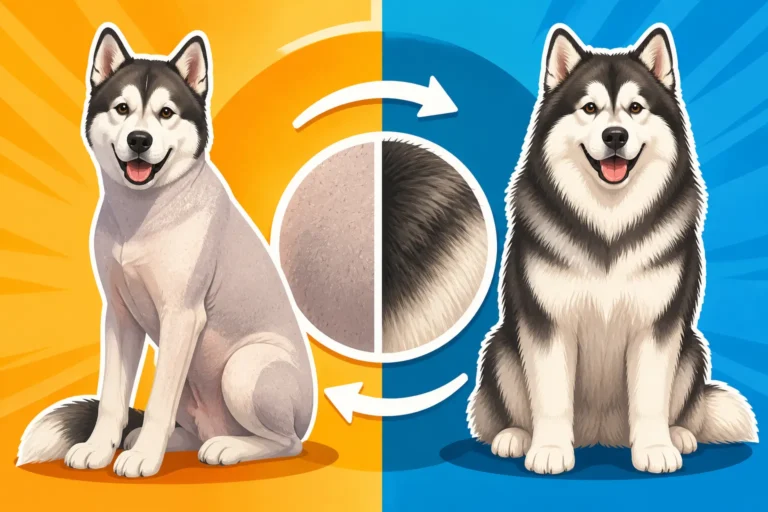
You might notice that your senior Malamute's coat isn't quite as plush or as vibrant as it once was. It might become drier, more prone to matting, or develop bald patches. Their incredible shedding during "coat blow" seasons might even change, perhaps becoming more constant or less dramatic. As their mobility declines, reaching certain areas to scratch or groom becomes difficult. This can lead to mats forming, especially behind the ears, under the legs, and around the tail. These mats are not just unsightly; they can pull on the skin, cause pain, hide skin infections, and make your Malamute extremely uncomfortable. Gentle, frequent brushing, using soft brushes and undercoat rakes (available on Amazon or Chewy), becomes even more important. Instead of marathon grooming sessions, opt for shorter, more frequent brushes to prevent fatigue and discomfort. If professional grooming is usually part of your routine, ensure your groomer is experienced with senior dogs and is patient and gentle. They might suggest shorter grooming sessions or even mobile grooming services if travel to a salon becomes stressful. Regular baths, using a gentle, moisturizing shampoo, can also help keep their skin healthy and their coat clean, but always ensure they are thoroughly dried to prevent skin issues. Understanding that How Long a Malamute's Coat Blow Lasts might vary with age helps set realistic expectations for grooming efforts.
Maintaining Mental Stimulation and Quality of Life
Just because your Malamute's body is slowing down doesn't mean their mind needs to follow suit. Keeping them mentally engaged and emotionally connected is just as important as physical care for maintaining their overall quality of life. A bored or lonely senior Malamute can quickly become depressed or anxious.
Gentle Exercise and Enrichment
While the days of long, strenuous sled pulls might be behind them, your senior Malamute still benefits immensely from appropriate physical activity and mental challenges. It's all about adaptation and moderation.
Instead of a single, hour-long trek, consider two or three shorter, gentler walks throughout the day. These walks should be on soft surfaces like grass or dirt trails to reduce impact on their joints, avoiding hard pavement as much as possible, especially in extreme temperatures. If your Malamute enjoys water, and it's safely accessible, swimming can be a fantastic low-impact exercise, providing buoyancy that relieves pressure on their joints. The key is to pay close attention to their cues: if they seem tired or show signs of discomfort, it's time to rest. Beyond physical exercise, mental enrichment is vital. Puzzle toys, where they have to figure out how to get a treat, can keep their minds sharp and provide a sense of accomplishment. Scent games, where you hide treats around the house for them to sniff out, tap into their natural instincts and are not physically demanding. Gentle training sessions, reviewing basic commands or learning new, simple tricks, can also boost their confidence and strengthen your bond. It's about adjusting your expectations from the high-energy, working dog of their youth to celebrate the thoughtful, gentle companion they are now. This careful balance ensures that Whether an Old Malamute Still Wants to Pull is considered, but their comfort and safety are prioritized.
Social Interaction and Affection
Malamutes are pack animals at heart, deeply bonded to their families. As they age, their need for social connection and reassurance often grows, even if they become a little less outwardly demonstrative.
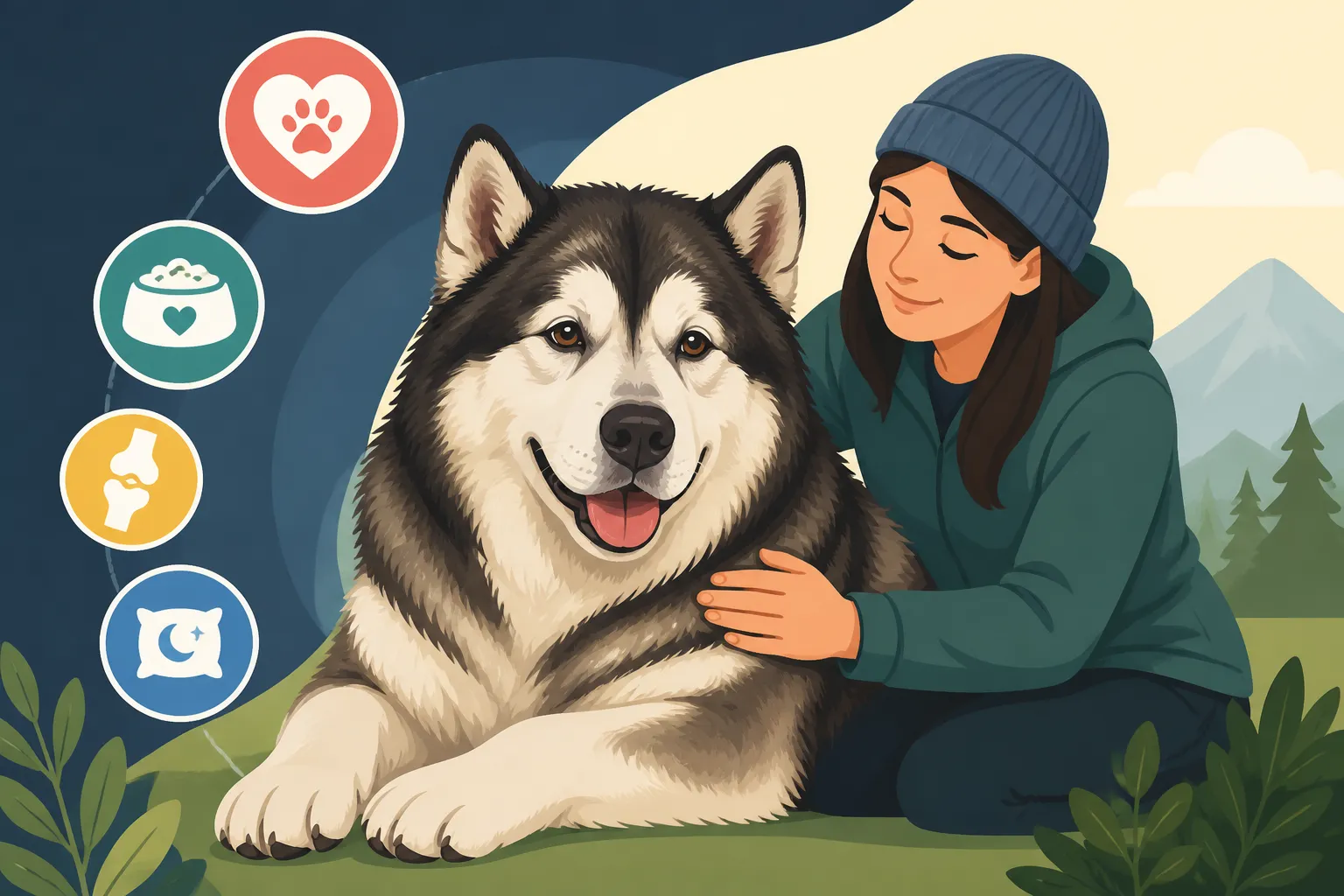
Maintaining a consistent routine is incredibly beneficial for senior Malamutes, especially those experiencing cognitive decline. Predictability helps reduce anxiety and confusion. They thrive on familiar faces, sounds, and smells. Spending quality time with them, whether it's gentle petting, quiet cuddles on the couch, or simply having them in the same room as you, reinforces their sense of belonging and security. If you have other dogs in the household, ensure interactions remain positive and supervised. Younger, more boisterous dogs might inadvertently overwhelm or injure an older, slower Malamute. Similarly, interactions with children should be carefully monitored to prevent accidental bumps or scares. Senior Malamutes might have less patience for rough play or unexpected noises. Their deep loyalty and affection for their family never fade, and reciprocating that with patience, understanding, and an abundance of gentle love is one of the most important aspects of senior care.
Recognizing and Managing Cognitive Decline
As mentioned earlier, Canine Cognitive Dysfunction (CCD) can be a challenging aspect of senior Malamute care, manifesting in ways that are both heartbreaking and confusing for owners. Learning to identify these signs early and implementing strategies to manage them can greatly improve their quality of life.
The signs of cognitive decline can be varied and often mimic other medical conditions, making a vet diagnosis essential. Common symptoms include disorientation (getting lost in familiar places, staring blankly at walls), altered sleep-wake cycles (pacing at night, sleeping more during the day), house soiling (forgetting house-training rules), changes in interaction (less greeting, increased clinginess, or increased irritability), and decreased activity levels. It's incredibly difficult to witness your once intelligent and independent Malamute become confused or seemingly "not themselves." It can evoke feelings of grief, frustration, and helplessness. However, understanding that these are symptoms of a disease, not deliberate misbehavior, is key. Management strategies often involve environmental enrichment (puzzle toys, scent games), maintaining a strict routine, ensuring easy access to potty areas, and creating a calm, predictable home environment. Your veterinarian may also prescribe medications, such as selegiline, or recommend dietary changes and supplements specifically designed to support brain health. While CCD is progressive, these interventions can help slow its progression and alleviate some of the more distressing symptoms, allowing you to cherish your Malamute's remaining time. For a deeper look at this specific challenge, Whether an Old Alaskan Malamute Gets Confused offers further guidance.
The Emotional Journey of Caring for a Senior Malamute
Caring for an aging Malamute is more than just managing physical health; it's an emotional marathon. The bond we forge with these incredible animals runs deep, and witnessing their decline can be one of the most challenging experiences of pet ownership. It's okay to feel a rollercoaster of emotions.
Accepting the Changes and Managing Expectations
It's natural to resist the idea that your powerful, magnificent Malamute is aging. We often hold onto the image of their youthful exuberance, making it incredibly difficult to accept the reality of their slowing pace and increasing frailty.
You might find yourself feeling a profound sadness as you watch them struggle to do things they once did with ease, or grieve the loss of long hikes and adventurous outings. This process is a form of anticipatory grief, where you mourn the future you won't have with the vibrant dog you once knew, while they are still physically present. It’s also common to feel a sense of frustration or guilt – frustration when accidents happen indoors, or guilt that you can't "fix" everything. However, accepting that aging is an inevitable part of life allows you to shift your focus from what they can't do to what they can still enjoy. Your role changes from simply an owner to a dedicated caregiver, providing comfort, understanding, and unwavering support. Celebrate the quiet moments, the gentle nuzzles, and the contented sighs. These are the precious treasures of their golden years. By adjusting your expectations and focusing on their present comfort and happiness, you can enrich their final chapter and strengthen your bond in new, profound ways.
Making Difficult Decisions
One of the most profound and painful responsibilities of caring for an aging Malamute is recognizing when their quality of life has significantly diminished and making the compassionate decision about their end-of-life care.
This is arguably the hardest decision any pet owner will ever face. You'll constantly be asking yourself, "Is it time?" "Are they still happy?" "Am I doing enough?" It's a heavy burden, often fraught with self-doubt and immense sadness. Malamutes are incredibly stoic, often hiding their pain and discomfort, which can make this decision even more agonizing. Your veterinarian can be an invaluable partner in this process, helping you assess their overall quality of life based on their physical health, pain levels, appetite, cognitive function, and engagement with their environment. Tools like quality of life scales can help provide an objective framework, but ultimately, it comes down to your deep understanding of your dog and what constitutes a "good day" for them. The goal is to prevent unnecessary suffering, ensuring their final moments are peaceful and surrounded by love. There's no right or wrong answer to when, only the most loving one for your individual Malamute. Seeking support from trusted friends, family, or even a pet bereavement counselor can help you navigate this incredibly emotional time. You are giving them the ultimate gift of peace, and it's important to remember that this act of love, though painful, is a testament to the incredible bond you share. For further guidance, Knowing When an Old Alaskan Malamute Has Had Enough can offer a compassionate perspective.
Proactive Veterinary Care for Longevity
As your Alaskan Malamute enters their senior years, their relationship with the veterinarian becomes even more critical. Regular, proactive care shifts from preventative measures for growth and development to diligent monitoring for age-related conditions, with the aim of early detection and management. This investment in their health ensures their comfort and allows you to enjoy more precious time together.
Importance of Regular Senior Check-ups
Just as humans need more frequent health screenings as they age, so do our Malamutes. Routine check-ups for senior dogs go beyond the annual vaccinations and become essential diagnostic appointments.
For senior Malamutes (typically considered senior around 7-8 years old), annual vet visits often aren't enough. Many veterinarians recommend bi-annual (every six months) check-ups. These visits allow your vet to thoroughly examine your Malamute, looking for subtle changes that might indicate the onset of age-related diseases. This includes a comprehensive physical exam, listening to their heart and lungs, palpating their abdomen, checking their joints, and assessing their dental health. More importantly, these senior check-ups typically include expanded diagnostic tests. Comprehensive blood panels, for instance, can reveal early signs of kidney disease, liver dysfunction, diabetes, or thyroid issues long before your Malamute shows any outward symptoms. Urinalysis can detect urinary tract infections or early kidney problems. Blood pressure checks can identify hypertension, which can impact kidneys, heart, and brain. Catching these issues early is paramount. It allows for prompt intervention, whether it's dietary changes, medication, or further diagnostics, which can significantly slow disease progression and improve their quality of life. Think of these visits as an investment in more comfortable, longer time with your beloved companion.
Understanding Diagnostic Tests
Beyond the basic physical exam, your veterinarian will likely recommend a suite of diagnostic tests tailored to your Malamute's age and breed predispositions. These tests provide invaluable insights into their internal health.
X-rays, for example, can be crucial for assessing the extent of arthritis or hip dysplasia, offering a visual map of joint deterioration and helping to guide pain management strategies. If your Malamute is experiencing gastrointestinal issues, or if blood tests suggest organ abnormalities, an ultrasound might be recommended to get a more detailed look at the kidneys, liver, or other abdominal organs. For any new lumps or bumps, your vet will likely recommend a fine needle aspirate (FNA) or a biopsy to determine if it's benign or malignant. These tests, while adding to the overall cost of senior care, are not simply about identifying problems; they are about understanding the full picture of your Malamute's health, allowing for targeted and effective treatment plans. Knowing that a condition is being monitored and managed appropriately can provide immense peace of mind. It’s a shift from simply reacting to symptoms to proactively managing their aging body. Even considering historical breed predispositions, understanding The Health Tests Both Alaskan Malamute Parents Should Have can offer context on why certain conditions are carefully monitored in your senior dog.
Pain Management and Palliative Care
As much as we wish it weren't so, pain often becomes a companion to aging. A critical aspect of senior Malamute care is working closely with your veterinarian to develop an effective pain management strategy.
Pain can manifest in many ways: reluctance to move, limping, difficulty getting up, restlessness, changes in appetite or mood, or even aggression if touched in a sore spot. Your vet has a range of tools at their disposal, from non-steroidal anti-inflammatory drugs (NSAIDs) to newer medications that target specific pain pathways, as well as joint injections or complementary therapies. The goal is to keep your Malamute as comfortable as possible, allowing them to enjoy their remaining time without unnecessary suffering. Palliative care focuses on providing relief from symptoms and improving comfort rather than curing a disease. This can include specialized diets, supplements, physical therapy, acupuncture, cold laser therapy, and ensuring a warm, soft place to rest. It's about optimizing their daily experience, managing chronic conditions, and providing comfort until their final days. The aim is not just to extend life, but to ensure that the life they have left is rich in comfort, dignity, and love.
Disclaimer
This article is for general informational purposes only and does not constitute professional advice. Laws, prices and regulations vary by location and change over time. Consult a qualified professional for guidance on your specific situation.