Why a Malamute Needs More Dietary Zinc Than Other Breeds
It’s a frustrating reality for many Alaskan Malamute owners: you’re doing everything right, feeding your majestic companion a high-quality diet, and yet, they might still develop crusty skin, hair loss, or general malaise. This often boils down to a silent, insidious problem unique to our beloved Mals: a genetic predisposition that makes them require more dietary zinc than many other breeds. This guide dives deep into why your Malamute's body struggles with zinc, how to spot the warning signs, and what proactive steps you can take to keep them healthy and thriving.
The Genetic Predisposition: A Unique Malamute Challenge
You might wonder why your Alaskan Malamute seems to have special nutritional needs compared to other dogs, especially when it comes to something as seemingly simple as zinc. It's not because they're inherently "picky" or "delicate" but rather due to a deeply rooted genetic trait that affects how their bodies process this vital mineral. It's a frustrating genetic quirk that generations of dedicated Malamute enthusiasts and researchers have worked to understand.
Understanding the Malabsorption Issue
At the heart of the matter is an inherited condition called Zinc Responsive Dermatosis. While it sounds complex, it essentially means that your Malamute's digestive system isn't as efficient at absorbing zinc from their food as it should be. Imagine having a top-of-the-line car, but its fuel pump can only deliver half the necessary gas to the engine. The engine needs that fuel, but it's simply not getting enough. That’s somewhat analogous to what happens in a Malamute with this condition. Even if the kibble bag boasts ample zinc, a significant portion of it might just pass right through their system without being utilized.
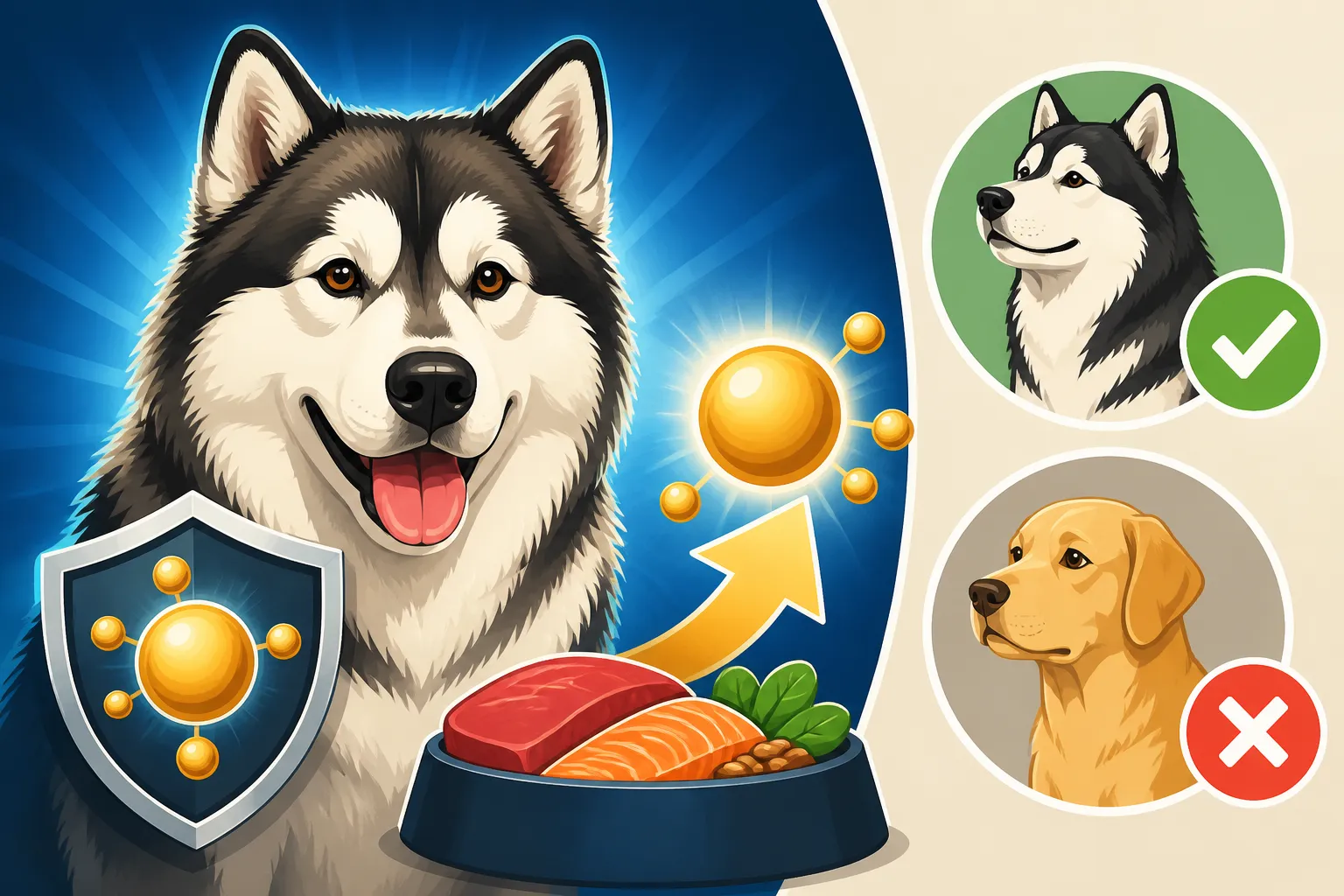
This isn't a problem of dietary quantity alone, but rather one of bioavailability and absorption efficiency. It's not about being fed too little zinc, but about the body's inability to extract and use what's already there. This means that a diet perfectly adequate for a Labrador Retriever or a Golden Retriever might leave an Alaskan Malamute subtly, or even severely, deficient. This genetic "blip" means that we, as their guardians, need to be extra vigilant and often think outside the box when it comes to their nutritional intake.
Why Alaskan Malamutes Are Different
The predisposition for zinc malabsorption is largely attributed to specific genetic lines within the Alaskan Malamute breed. It’s believed to be an autosomal recessive trait, meaning a Malamute must inherit a copy of the gene from both parents to be affected. However, even carriers (who only have one copy) might sometimes show milder signs or pass the trait on. This genetic heritage connects back to their arctic origins, where specific dietary factors or survival traits may have inadvertently led to this particular metabolic pathway becoming more prevalent. It highlights how integral understanding breed-specific genetics is to responsible ownership and breeding.
This isn't just a Malamute issue, as some other northern breeds like Siberian Huskies and Samoyeds can also be affected, but it's particularly well-documented and recognized in Malamutes. It’s part of the unique tapestry of their breed, just like their incredible double coat or their boundless energy. Knowing this foundational difference helps us move past assumptions and provide truly tailored care. It’s why you can’t just follow generic dog feeding guidelines and expect your Malamute to thrive without a careful eye on this particular mineral. This knowledge empowers us to seek out specific solutions and work with our veterinarians to ensure our Mals get what they truly need. How Poor Zinc Absorption Links a Malamute's Three Disorders is a critical read if you want to understand the broader implications of this absorption issue.
The Critical Role of Zinc in Canine Health
Zinc might not get the same attention as calcium or protein, but it is an absolute workhorse of a mineral in your dog's body. It’s involved in countless biological processes, acting as a co-factor for hundreds of enzymes. When your Malamute isn’t absorbing enough of it, the ripple effect throughout their system can be surprisingly widespread and debilitating.
Zinc's Functions in the Body
Think of zinc as a master key that unlocks a vast number of vital cellular functions. Without it, the "doors" to critical processes remain shut, and the whole system slows down or breaks. Zinc is essential for:
- Immune System Function: A robust immune system relies heavily on adequate zinc. It plays a role in the development and function of immune cells, helping your Malamute fend off infections and recover from illness. Without enough zinc, your dog might find themselves more susceptible to common bugs or have a harder time bouncing back from even minor health setbacks.
- Skin and Coat Health: This is often the most visible area where zinc deficiency manifests. Zinc is crucial for healthy skin cell production, wound healing, and maintaining the integrity of the skin barrier. It also contributes to the quality and luster of their magnificent double coat. When zinc is lacking, skin can become dry, flaky, crusty, and hair can thin or fall out.
- Hormone Production and Regulation: Zinc is involved in the synthesis and regulation of various hormones, including thyroid hormones, which are vital for metabolism. It's also important for reproductive health in both males and females.
- Wound Healing and Cell Growth: Any process involving rapid cell division and repair, such as healing a cut or growing new tissues, needs zinc. It's a foundational element for maintaining and repairing the body.
- Appetite and Sense of Taste: Believe it or not, zinc plays a part in your dog's appetite and their ability to taste food properly. A zinc-deficient Malamute might become finicky or lose interest in food, creating a vicious cycle where they eat less, and thus absorb even less zinc.
- Cognitive Function: Emerging research suggests zinc's role in neurological function and cognitive health, though this area is still being explored more broadly in canines.
When you consider how many bodily systems rely on zinc, it becomes clear why malabsorption can lead to such a wide array of symptoms, sometimes making diagnosis tricky as it can mimic other conditions. It truly underscores why we need to pay such close attention to this particular nutrient for our Malamutes.
Consequences of Insufficient Zinc
The consequences of insufficient zinc in an Alaskan Malamute are far from trivial. Because zinc is so integral to fundamental biological processes, a deficiency can cascade into a myriad of health problems, often starting subtly before becoming alarmingly apparent. Initially, you might notice your Malamute just seems a bit "off" – maybe a little less energetic, or their coat isn't quite as glorious as it usually is. Over time, however, these minor observations can progress into serious clinical signs.
One of the earliest and most common signs is compromised skin health, leading to the condition aptly named Zinc Responsive Dermatosis. Beyond the skin, a dog with chronic zinc deficiency may also experience a weakened immune system, making them more prone to infections. They might take longer to recover from simple scrapes or even routine vaccinations. There can be issues with growth in younger Malamutes, and in severe, untreated cases, reproductive problems can arise. It's not uncommon for veterinarians to initially misdiagnose some of these non-specific symptoms, which is why bringing up the breed's known predisposition to zinc malabsorption can be incredibly helpful in guiding treatment. Understanding What Zinc Responsive Dermatosis Looks Like on a Malamute is essential for any owner.
Recognizing the Signs of Zinc Deficiency: Zinc Responsive Dermatosis
One of the most disheartening things for a Malamute owner is seeing their otherwise robust dog suffer from skin issues, particularly when they're otherwise well-cared for. If your Malamute isn't getting enough bioavailable zinc, whether through malabsorption or insufficient dietary intake, their body will tell you, often quite clearly, through their skin and coat. This condition, Zinc Responsive Dermatosis (ZRD), is the most common outward manifestation of the problem.
Early Indicators on Skin and Coat
The initial signs of zinc deficiency in a Malamute often creep up slowly, making them easy to miss or dismiss as general dry skin or allergies. But paying close attention can help you intervene before things get worse.
Typically, you might first notice the skin becoming dry and flaky, especially around the eyes, muzzle, chin, and sometimes the ears. It's not just regular dander; this is often a distinctive crusting or scaling, almost like a grayish-white, waxy build-up. The hair in these areas might start to thin, becoming sparse, or even fall out completely, leaving bald patches. Imagine the beautiful, thick fur around your Malamute's eyes looking a bit moth-eaten or their normally plush muzzle feeling rough and scabby to the touch. This change can sometimes lead to an itchy sensation, causing your Malamute to rub or scratch the affected areas, further irritating the skin.
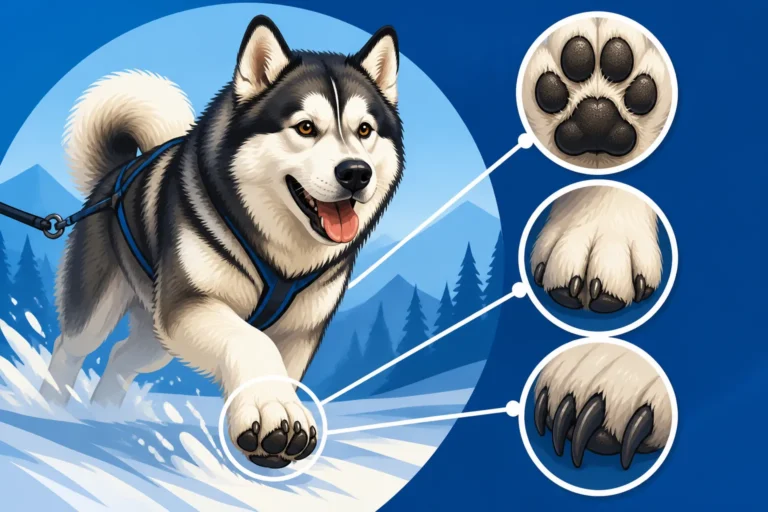
You might also observe thickening of the paw pads. Instead of soft, pliable pads, they can become hard, cracked, and sometimes even painful, making walking uncomfortable for your active Malamute. Some owners report a general dullness to the coat, losing its characteristic sheen and becoming coarse to the touch. It's a subtle but significant departure from the healthy, vibrant appearance we expect from these magnificent dogs. Where a Malamute's Zinc Lesions Appear First can give you an even clearer picture of what to look for on your dog.
Progressed Symptoms and Secondary Infections
If the zinc deficiency continues unchecked, these early indicators will unfortunately progress. The crusting and scaling will worsen, becoming more widespread and noticeable. The skin can become quite inflamed and red, and open sores may develop from constant scratching or rubbing. At this point, the compromised skin barrier becomes an open invitation for secondary bacterial or yeast infections.
When this happens, you’ll likely notice an unpleasant odor emanating from the affected areas. The skin may feel greasy or excessively moist, and the inflammation can become severe, leading to significant discomfort for your dog. They might become lethargic, lose their appetite, and generally act unwell due to the chronic irritation and potential systemic effects of the infection. Imagine your usually stoic Malamute constantly scratching, looking miserable, and showing little interest in their favorite activities. The once-beautiful coat might now be patchy, matted in places from weeping lesions, and have a strong, musty smell. This stage often requires not just zinc supplementation but also antibiotics or antifungals to combat the secondary infections, which is why early detection is so crucial.
Here’s a quick overview of what to look for:
| Symptom Category | Early Indicators | Progressed Symptoms |
|---|---|---|
| Skin | Dryness, flakiness, subtle scaling | Thick crusts, redness, inflammation, open sores |
| Location | Around eyes, muzzle, chin, ears, sometimes elbows | Widespread, especially face, joints, paw pads, genitals |
| Hair | Mild thinning, dullness, patchiness | Significant hair loss, bald patches |
| Paw Pads | Slightly hardened | Thickened, cracked, painful, hyperkeratotic |
| Behavior | Mild scratching, rubbing | Persistent itching, discomfort, lethargy, decreased appetite |
| Odor | None or subtle | Foul odor due to secondary infection |
Dietary Considerations: Beyond Just Zinc Content
When you realize your Malamute might need more zinc, the immediate reaction is often to look for foods labeled "high in zinc." While that's a good starting point, the truth about zinc absorption is far more nuanced. It’s not just about how much zinc is in the food, but how much your Malamute’s body can actually use.
Ingredients that Impede Zinc Absorption
This is where things get a little tricky, and it’s a common pitfall for even well-meaning owners. Certain ingredients, even those found in otherwise good quality dog foods, can actively interfere with zinc absorption. The primary culprits are phytates and high levels of calcium.
- Phytates: These compounds are found naturally in many plant-based ingredients, particularly grains (like corn, soy, wheat) and legumes. Phytates bind to minerals like zinc, iron, and calcium in the digestive tract, forming insoluble complexes that the body cannot absorb. So, if your Malamute's food has a high concentration of grains or legumes, even if it has a decent amount of zinc listed on the label, a significant portion of that zinc might be rendered unusable. This is why some Malamute owners explore grain-free options, though it's important to do so carefully and discuss with a vet due to other potential dietary considerations. It's less about grains being inherently "bad" and more about their phytate content potentially exacerbating a pre-existing malabsorption issue.
- High Calcium Levels: Calcium is essential for bone health, but too much of it can compete with zinc for absorption pathways in the gut. If your Malamute’s diet is excessively high in calcium – perhaps from certain supplements, or foods formulated for giant breeds (which often have higher calcium to support rapid growth) – it can further hinder their already challenged zinc absorption. This is particularly important for growing puppies. You wouldn't think giving your dog too much of one good thing could be detrimental to another, but with minerals, balance is everything. Whether Calcium Blocks a Malamute's Zinc Absorption is a topic worth exploring further.
Understanding these dietary antagonists means you need to look beyond just the "zinc content" on the bag. It requires a more holistic view of the ingredient list and how different components interact within your Malamute's unique digestive system.
Choosing the Right Food for Your Malamute
Selecting the ideal food for a Malamute with zinc absorption issues requires a strategic approach. You’re not just picking a meal; you’re crafting a nutritional environment that supports their specific needs.
Firstly, consider foods formulated with highly bioavailable sources of zinc. Look for ingredients where zinc is chelated, meaning it's bound to an amino acid, which makes it much easier for the body to absorb. Zinc methionine or zinc proteinate are examples of chelated zinc often found in higher-quality dog foods and supplements. These forms bypass some of the digestive hurdles that non-chelated zinc might encounter.
Secondly, while a truly "zinc-free" food is impossible and undesirable, you want to mitigate factors that block absorption. This means reviewing the primary ingredients for high levels of grains or legumes if your Malamute is showing signs of deficiency. You might opt for limited-ingredient diets or formulas that emphasize animal protein as the primary ingredient. Many premium dog food brands, available through retailers like Chewy or Amazon, offer specialized formulas that could be a good starting point. Some owners explore fresh food options, with services like Ollie providing carefully balanced, whole-food meals that might offer better control over ingredient quality and zinc sources. However, always consult with a veterinarian or a board-certified veterinary nutritionist before making drastic dietary changes, especially for a breed with specific needs.
It's a balancing act: finding a food that provides sufficient zinc, in an absorbable form, while minimizing inhibitors. This might mean trying a few different high-quality brands or even looking into raw or home-cooked diets under strict veterinary guidance. The goal is to maximize the zinc your Malamute can actually use, not just what’s on the label.
Supplementation Strategies and Ongoing Management
Even with the most carefully chosen diet, many Malamutes with zinc malabsorption will still require supplementation. This isn't a sign of failure in your feeding choices but rather an acknowledgment of their unique genetic makeup. The key is safe, effective, and veterinarian-guided supplementation.
Types of Zinc Supplements and Dosing
When it comes to zinc supplements for your Malamute, you'll encounter a few different forms, and not all are created equal in terms of absorption and safety.
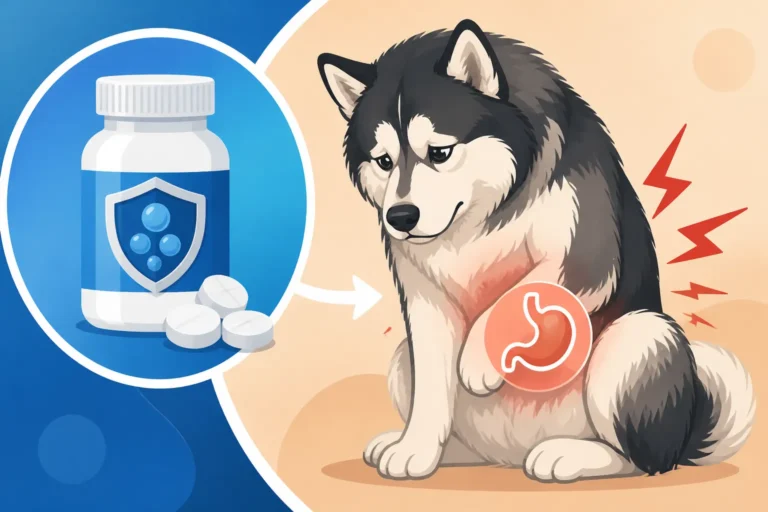
- Zinc Sulfate: This is a common and relatively inexpensive form. However, it can sometimes cause gastrointestinal upset and may not be as readily absorbed as chelated forms, especially in Malamutes with severe malabsorption.
- Zinc Gluconate: Often found in human supplements, it's generally well-tolerated and can be effective.
- Chelated Zinc (e.g., Zinc Methionine, Zinc Picolinate, Zinc Proteinate): These are generally considered the gold standard for Malamutes. The zinc is bound to an amino acid, which significantly enhances its bioavailability and reduces the likelihood of stomach upset. Brands like Zymox and VetriScience often offer chelated zinc supplements specifically formulated for pets. These are often easier for your Malamute's body to process and utilize, making them more effective in combating the underlying malabsorption issue. Which Zinc Supplement Suits a Malamute is a common question with this breed.
Dosing is absolutely critical. Zinc, while essential, can be toxic in excessively high amounts. The typical starting dose for a Malamute with Zinc Responsive Dermatosis is often higher than the general recommendation for other breeds, reflecting their unique absorption challenge. However, this is not something to guess at. Over-supplementation can lead to copper deficiency and other serious health problems. Always, always, consult with your veterinarian to determine the correct dosage, form, and frequency of supplementation for your individual Malamute. They will take into account your dog's weight, the severity of their symptoms, and other dietary factors. Remember, you can often find reputable pet supplements on platforms like Amazon or Chewy, but the critical first step is veterinary advice.
The Importance of Veterinary Guidance
I cannot stress this enough: do not self-diagnose or self-treat zinc deficiency in your Malamute. While the signs of Zinc Responsive Dermatosis are relatively distinct, other conditions can present similarly, and misdiagnosis can lead to ineffective treatment and prolonged suffering. Your veterinarian is your most valuable partner in this journey.
Your vet will likely want to conduct a physical examination, and possibly blood tests or even a skin biopsy, to confirm the diagnosis of ZRD. These steps are crucial to rule out other skin conditions like allergies, hypothyroidism, or bacterial infections, which might have overlapping symptoms. Once ZRD is confirmed, your vet will help you establish an appropriate zinc supplementation protocol. This protocol might start with a higher "loading dose" to replenish depleted stores and then transition to a maintenance dose. Regular follow-up appointments will be necessary to monitor your Malamute's response to treatment, adjust dosages as needed, and check for any potential side effects.
Furthermore, a vet can advise on the best food choices that complement supplementation and ensure your Malamute's overall diet remains balanced. They can also help you understand Whether a Malamute Needs Zinc for Life or if dosage adjustments might be needed as your dog ages. Trying to navigate this complex nutritional challenge alone is not only risky but could potentially harm your beloved companion. Professional guidance ensures safety and efficacy, giving your Malamute the best chance at a healthy life.
Working with Your Vet and Breeder for Long-Term Health
Managing a Malamute's zinc needs isn't a one-time fix; it's an ongoing commitment. To ensure your dog thrives long-term, it's vital to build a strong partnership with your veterinary team and maintain open communication with your breeder. This collaborative approach provides the best possible outcome for your furry family member.
Screening and Proactive Measures
Responsible breeding practices play a crucial role in reducing the incidence of inherited conditions like zinc malabsorption. While a specific, universally available DNA test for all forms of zinc malabsorption in Malamutes might not be as common or comprehensive as tests for other genetic diseases, breeders should be acutely aware of this predisposition within their lines.
Prospective Malamute owners should engage in thorough discussions with breeders about the health history of their breeding stock. Ask about any incidence of skin issues or zinc responsive dermatosis in the parents, grandparents, or previous litters. A good breeder will be transparent about these concerns and should have practices in place to select against them. Some breeders may even proactively supplement their puppies with zinc for a period, particularly if the line has a history of ZRD, or suggest it to new owners.
For owners, proactive measures include starting your Malamute on a diet that considers their zinc needs from puppyhood, even if they show no symptoms. Regular veterinary check-ups are also crucial to catch any subtle skin changes early. Discuss your Malamute's specific breed needs with your vet from your very first appointment, ensuring they are aware of the potential for zinc malabsorption. Prevention and early intervention are always preferable to treating an advanced case.
Long-Term Monitoring and Adjustments
Once your Malamute is on a zinc supplementation regimen and a supportive diet, the journey isn't over. Long-term monitoring is absolutely essential. This means ongoing vigilance on your part and regular communication with your vet.
Keep a close eye on your Malamute's skin and coat. Are the crusts clearing up? Is the hair regrowing? Has the itching stopped? Documenting these changes, perhaps with photos, can be incredibly helpful for your vet. Your veterinarian will likely recommend periodic blood tests to monitor zinc levels (though it's important to note that blood zinc levels don't always perfectly reflect cellular zinc status, especially in ZRD cases, making clinical signs just as important). They might also check other mineral levels, such as copper, to ensure there's no imbalance developing from the zinc supplementation.
As your Malamute ages, their nutritional needs can shift, and adjustments to their zinc dosage or diet might be necessary. Factors like stress, other illnesses, or changes in medication can also influence nutrient absorption. Think of it as a constant dance, where you and your vet work together to fine-tune the support your Malamute needs to live a long, comfortable, and itch-free life. It’s a testament to our dedication as Malamute owners that we embrace these unique challenges, ensuring our magnificent companions receive the specialized care they deserve.
Disclaimer
This article is for general informational purposes only and does not constitute professional advice. Laws, prices and regulations vary by location and change over time. Consult a qualified professional for guidance on your specific situation.