Where to Check an Alaskan Malamute’s Skin Weekly
One of the most common anxieties for Alaskan Malamute owners is discovering an unexpected lump, a patch of crusty skin, or an odd smell wafting from their beloved floof. Their thick, double coat, while magnificent, is also a master at hiding issues, making it incredibly difficult to spot problems until they’re quite advanced. This guide is here to walk you through a thorough weekly skin check, empowering you to proactively monitor your Malamute's health and catch potential concerns before they become major headaches.
Why Weekly Skin Checks Are Crucial for Your Malamute's Well-being
It’s easy to think that because Malamutes have such a robust appearance and are built for harsh conditions, they might be impervious to subtle health issues. The reality is, their incredible coats, which offer unparalleled protection from the elements, can also act as a perfect camouflage for skin problems. By the time you see a skin issue on a Malamute, it might have been festering for a while. Regular, hands-on checks are your best defense.
The Hidden World Beneath That Magnificent Coat
Imagine trying to find a tiny splinter on your arm if you were wearing a full winter parka. That's essentially what it's like to spot early signs of skin irritation or infection on an Alaskan Malamute. Their dense undercoat and protective guard hairs form a formidable barrier. Things like hot spots, small cuts, ticks, fleas, or even the beginnings of Zinc Responsive Dermatosis in an Alaskan Malamute can go unnoticed for days or even weeks if you're not actively looking. This isn't about being paranoid; it's about being a responsible Malamute parent who understands the unique challenges of their breed.
When you're running your hands over their coat during a quick cuddle, you might feel a general softness or some shedding fur. But that doesn't tell you what's happening at skin level. You need to get your fingers right down to the skin, feeling for changes in texture, temperature, or any small bumps. This tactile examination is far more effective than just visual inspection, especially when dealing with such a voluminous coat. It’s about becoming intimately familiar with what your dog’s healthy skin feels like, so you can immediately recognize when something feels off.
Early Detection Prevents Bigger Problems
Catching a skin issue early can save your Malamute a lot of discomfort and you a significant amount of vet bills and stress. A small rash that could be managed with a topical cream might escalate into a full-blown skin infection requiring antibiotics if ignored. Similarly, a developing hot spot, which starts as a localized irritation, can rapidly expand into a large, painful, oozing lesion overnight if the dog continues to lick or chew at it.
Consider the common issue of external parasites. A single tick could be brushed off easily during a routine check, but if it remains embedded and undetected, it could transmit diseases. Fleas, while often causing visible itching, can also lurk undetected until their numbers multiply and cause widespread dermatitis. Being proactive means you can address minor irritations with simple remedies before they demand a more intensive and expensive veterinary intervention. It also means you're more likely to catch things like Lumps Worth Checking on an Alaskan Malamute in their earliest, most treatable stages.
Quiet Sufferers: Malamutes and Pain Tolerance
Malamutes are stoic dogs, a trait deeply rooted in their history as working dogs in harsh environments. They were bred to push through discomfort and pain to complete their tasks. This can be both admirable and incredibly frustrating for an owner, as it often means they don't overtly show signs of pain or irritation until an issue is quite severe. A hot spot that would have another breed yelping might just cause a Malamute to subtly lick or chew when you're not looking.
Because of this high pain tolerance, your Malamute might not tell you directly that something is wrong with their skin. They might not limp dramatically or whine when touched on an affected area, especially if it's a chronic, low-grade irritation. This is why you, as their dedicated caregiver, must take on the role of detective. Your weekly skin checks are not just about finding visible issues; they're about feeling for subtle flinches, changes in demeanor when a certain area is touched, or even just noticing a new texture that could indicate an underlying problem.
Starting with the Head: Muzzle, Ears, and Eyes
The head is a prime area for many Malamute skin concerns. It's also often the most accessible area for bonding and initial checks. Don't let their fluffy faces fool you; a lot can hide here.
Checking the Muzzle and Nose for Crusts or Discoloration
The muzzle, with its relatively shorter fur compared to the rest of the body, is an area where skin changes can be more easily observed. This is particularly true for conditions like zinc responsive dermatosis, which often manifest as crusting around the muzzle and eyes. You're looking for any dry, flaky, or crusty patches of skin, especially around the edges of the nose, the lips, and the chin. Sometimes, these crusts can be subtle, almost like tiny dandruff flakes, before progressing to thicker, more noticeable scabs.
Beyond crusting, pay attention to the general texture and moisture of their nose leather. While "snow nose" is a benign condition where a Malamute's nose pigment fades in winter, any unusual dryness, cracking, or loss of pigment that isn't seasonal should be noted. Also, gently lift their lips and check the gums and inner mouth for any sores or unusual bumps, as systemic issues can sometimes manifest here. Make this a positive experience with treats so your Malamute associates mouth checks with good things.
Peeking Inside the Ears: Redness, Discharge, and Odor
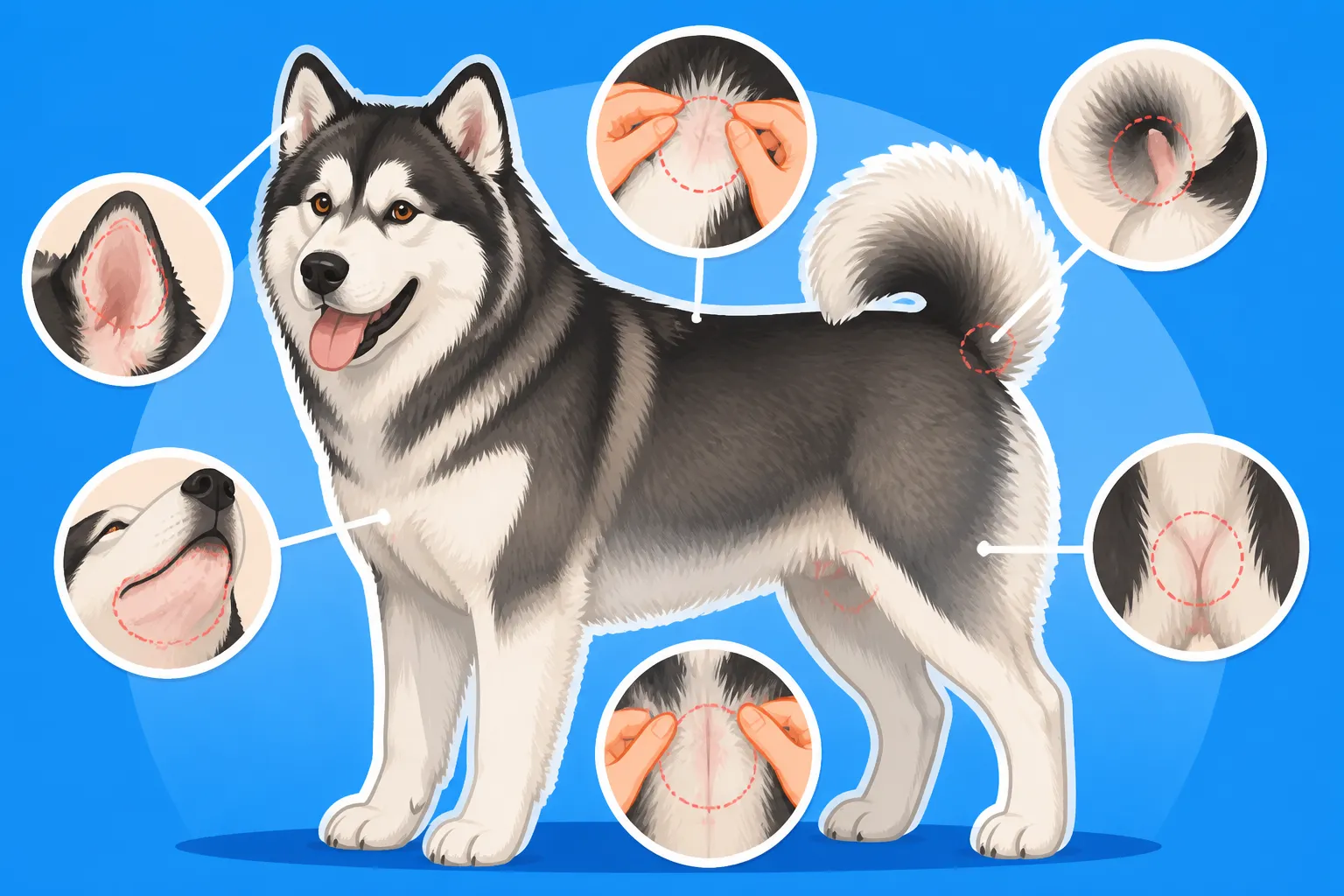
Malamutes have upright ears, which generally allows for better air circulation compared to floppy-eared breeds, reducing the risk of ear infections. However, they can still get them, and the thick fur on the outside of the ear can hide issues. Gently flip open your Malamute's ear flap and peer inside. You're looking for clean, pale pink skin. Redness, swelling, or any dark, waxy, or pus-like discharge are immediate red flags.
Beyond visual cues, smell is your best friend here. A healthy ear should have little to no odor. A yeasty, sweet, or foul smell is a strong indicator of an infection, even if you don't see much discharge yet. If you notice any of these signs, avoid trying to clean it yourself too aggressively, as you could push debris further into the ear canal or irritate an already inflamed area. A quick call to your vet is warranted for proper diagnosis and treatment. Regular, gentle cleaning with a vet-approved ear cleaner, available at places like Chewy or Amazon, can help prevent issues once the all-clear is given.
Inspecting the Eye Area for Hair Loss or Irritation
The skin around your Malamute's eyes is delicate and prone to issues. Look for any signs of irritation, such as redness, swelling, or excessive tearing. Whether a Malamute Loses Hair Around Its Eyes is a critical observation, as hair loss in this area can be a symptom of various skin conditions, including allergies, mites, or, again, zinc deficiency. Sometimes, you might see small crusts or discharge accumulating in the corners of their eyes; a little bit of "sleep" is normal, but excessive amounts, especially if colored, warrant attention.
Use a soft, damp cloth to gently wipe away any normal discharge, allowing for a clearer view of the skin. Be mindful of their eyelashes and any ingrown hairs that might be irritating the eye itself. If you notice persistent redness of the sclera (the white part of the eye), cloudiness, or your Malamute seems to be squinting or rubbing their eyes, it's time for a vet visit. These can be signs of more serious eye conditions, not just skin irritation.
Beneath the Coat: Torso, Neck, and Underbelly
Once you've thoroughly checked the head, it's time to delve into the vast landscape of your Malamute's body. This is where their thick coat truly excels at concealing problems.
Feeling for Lumps, Bumps, and Matting on the Torso
This is where your hands become your primary diagnostic tool. Systematically run your hands all over your Malamute's body, from their shoulders down to their hips, paying close attention to their sides, back, and chest. Apply gentle pressure, letting your fingertips feel through the thick fur to the skin. You're looking for anything new or unusual: lumps, bumps, scabs, tenderness, or changes in skin texture. Whether a Malamute's Bald Patch Needs a Vet is a common question, and finding a bald patch here under the fur means you've caught something early.
Matting is another significant concern, especially in a double-coated breed like the Malamute. Mats can pull on the skin, causing pain and irritation, and they create a moist, warm environment perfect for bacterial growth and skin infections. Pay particular attention to areas where friction occurs, such as behind the ears, under the armpits, and around the harness area. If you find a mat, gently try to work it out with your fingers or a wide-toothed comb, but never pull on the skin. For stubborn mats, a professional groomer or your vet might need to carefully shave them out. Regular brushing, as outlined in How Often an Alaskan Malamute Needs Brushing, can prevent these issues.
Identifying Hot Spots Hiding in the Undercoat
Hot spots, or acute moist dermatitis, are incredibly frustrating and can appear almost overnight on a Malamute. They are typically red, inflamed, oozing skin lesions that are often itchy and painful. The challenge is, they love to hide under that dense coat. Common areas include the base of the tail, flanks, neck, and behind the ears – basically anywhere a Malamute can reach to lick or chew excessively due to an underlying irritation like an insect bite, allergy, or even boredom. Whether an Alaskan Malamute Gets Hot Spots Under Its Coat is a definite 'yes', and finding them requires diligence.
When you're running your hands over your Malamute, pause and feel for any areas that feel unusually warm, moist, or tender. If you part the fur and find a red, raw, or oozing patch of skin, you’ve likely found a hot spot. The surrounding fur might also be matted or damp from the oozing. If you discover one, try to gently trim the fur around the edges of the lesion (if your dog tolerates it and you feel comfortable), clean it with an antiseptic wash (like chlorhexidine), and prevent your Malamute from licking or chewing it further with an E-collar. Prompt veterinary attention is crucial, as hot spots can become infected quickly.
Checking the Neck and Underbelly for Irritation
The neck area, particularly under where a collar sits, is another spot prone to irritation. Rubbing from a collar, especially if it's too tight or made of an irritating material, can cause chafing, redness, and even hair loss. Always ensure your Malamute's collar fits properly – you should be able to comfortably slip two fingers under it. When checking, gently lift the collar and inspect the skin beneath for any signs of redness, soreness, or matted fur.
The underbelly and groin area are also important, though often overlooked. This skin is thinner and has less fur than the rest of the body, making it susceptible to environmental allergens or contact dermatitis. Look for rashes, small red bumps, or unusual discoloration. Many Malamutes love to lie on cool surfaces, which can sometimes lead to contact reactions if the surface is treated with chemicals. Also, inspect the mammary glands (on females) and the genital area for any swelling, discharge, or abnormal lumps. This area is also a favorite hiding spot for ticks, especially after walks in tall grass.
Legs, Paws, and Tail: Often Overlooked Areas
These extremities are constantly interacting with the environment, making them highly susceptible to various skin issues. It's easy to rush through these areas, but they deserve just as much attention as the torso.
Examining Elbows, Hocks, and Joints for Calluses or Balding
Malamutes, being large dogs, often develop calluses on their elbows and hocks (the joint similar to a human's heel) from lying on hard surfaces. While some callusing is normal, these areas should be checked for excessive dryness, cracking, or any signs of infection. Excessive callusing can sometimes lead to pressure sores or skin breakdown. You're looking for smooth, pliable skin, not thick, hard, or tender patches. Whether a Malamute's Elbows Go Bald can be a normal part of aging and weight, but sudden balding or inflamed skin warrants investigation.
Gently palpate around all major joints on their legs. Feel for any swelling, heat, or tenderness that might indicate inflammation or underlying joint issues, which can sometimes manifest with skin changes. Also, run your hands down each leg, feeling for any small cuts, scrapes, or burrs caught in the fur. These seemingly minor injuries can become entry points for bacteria, leading to localized infections if not caught and cleaned.
Inspecting Paw Pads and Between the Toes
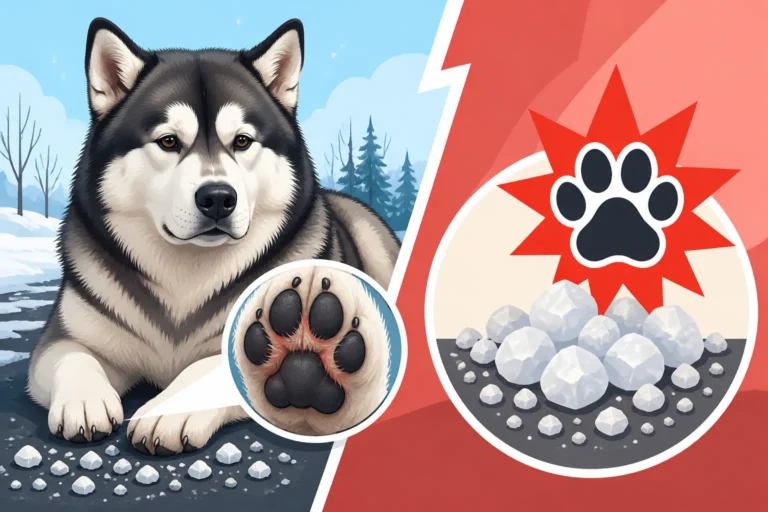
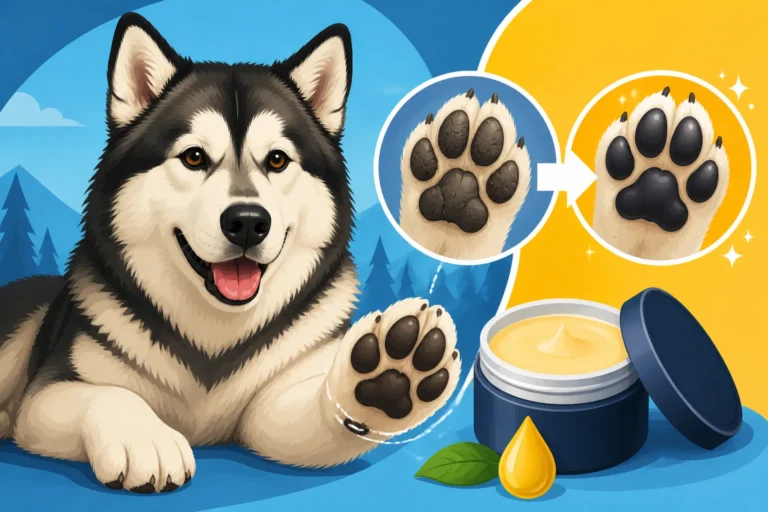
The paws are a Malamute's primary interface with the world and endure a lot of wear and tear, especially if your dog is active or pulls. Start by checking the paw pads themselves. Look for cracks, cuts, blisters, or excessive dryness. Extreme weather conditions, like very hot pavement or icy surfaces, can damage pads. Checking an Alaskan Malamute's Pads After Pulling is particularly important if your dog regularly engages in activities like weight pull or sledding. Consider using a paw balm or moisturizer to keep pads healthy and supple.
Next, spread the toes and thoroughly inspect the skin between them. This area is a magnet for debris like foxtails, burrs, small stones, or even dried mud, which can cause severe irritation, pain, and infection if embedded. This is also a common spot for interdigital cysts or yeast infections, which can make the skin red, moist, and often produce a yeasty odor. Finally, check the nails themselves. Are they trimmed to an appropriate length? Are there any cracks or splits? Don't forget their dewclaws, which, because they don't typically touch the ground, can grow long and curl into the paw pad if not regularly trimmed, causing pain.
Don't Forget the Tail Base and Underside
The tail is another area that can be easily overlooked due to its constant motion and the profuse fur. Start at the base of the tail and work your way down. Mats are common here, especially if your Malamute has a thick, plumed tail. Mats at the tail base can be particularly irritating and difficult to remove.
Also, pay attention to the skin on the underside of the tail and around the anus. This area can be prone to "stud tail" (seborrhea of the tail gland) in intact males, which appears as greasy, matted fur with blackheads and often a rancid odor. In all Malamutes, look for any redness, swelling, or irritation around the anus, which could indicate anal gland issues or digestive upset. If you notice your Malamute frequently licking or scooting their rear, it's a sign that something is amiss and warrants a vet check.
Understanding Common Malamute Skin Issues
Knowing what you're looking for can make your weekly skin checks more effective. Certain conditions are more prevalent in Malamutes due to genetics, coat type, or lifestyle.
Zinc Responsive Dermatosis: A Breed-Specific Concern
This is perhaps one of the most well-known skin conditions affecting Alaskan Malamutes. It's a genetic disorder where the dog's body either can't absorb zinc efficiently from their diet or requires more zinc than average, leading to a deficiency. The skin symptoms are quite distinctive: crusting, scaling, and hair loss, often starting around the eyes, muzzle, ears, and pressure points like elbows and hocks. Where a Malamute's Zinc Lesions Appear First often gives it away.
It's not just about looking for obvious crusts. Sometimes, the initial signs might be more subtle: a dull coat, mild scaling, or simply a change in skin texture to a rougher, thicker feel. If you notice Whether a Malamute's Crusty Skin Means Zinc Deficiency, it’s essential to consult your vet. Diagnosis usually involves a skin biopsy and a discussion of diet and symptoms. Treatment typically involves zinc supplementation, which may be needed for life. Dietary choices, like those found on Ollie or Chewy, might be considered, but remember, genetic absorption issues often require more than just food adjustments.
Allergies, Environmental Irritants, and Secondary Infections
Like many breeds, Malamutes can suffer from allergies – environmental (pollen, dust mites), food, or flea allergies. Allergic reactions often manifest as generalized itchiness, redness, and inflammation of the skin. You might notice your Malamute scratching, licking, or chewing more than usual, especially their paws, groin, and armpits. This constant self-trauma can lead to secondary bacterial or yeast infections, making the problem worse. Whether a Malamute's Skin Smells When Infected is a strong indicator of a secondary infection.
Environmental irritants, like certain cleaning products or plants, can also cause contact dermatitis, leading to localized redness and itching. If you suspect allergies, try to identify patterns: do symptoms worsen after walks in certain areas? After eating a new food? Or during certain seasons? Working with your vet to pinpoint the allergen and manage symptoms is key. This might involve special shampoos (look for options on Amazon that are Which Shampoo Suits a Malamute's Zinc Prone Skin), dietary changes, or medications to control the itch and treat secondary infections.
Coat Blow and Its Impact on Skin Health
The Alaskan Malamute is famous for its "coat blow," where they shed their entire undercoat, usually twice a year. This is a massive event, turning your house into a fur-filled wonderland and requiring immense grooming effort. While a natural process, the coat blow can also impact skin health. As old, dead fur is shed, it can sometimes get trapped, especially if not brushed out regularly, leading to matting close to the skin. These mats can trap moisture and debris, creating a breeding ground for bacteria. The Malamute Coat Blow That Fills a Vacuum in an Afternoon isn't an exaggeration, and all that loose fur needs to come out.
During a coat blow, it's not uncommon to find minor skin irritations or even small infections that were previously hidden by the dense fur. The skin might also appear a bit flaky or dry as the undercoat is replaced. Regular and thorough brushing is paramount during this time, not just to manage shedding but to ensure healthy skin by promoting air circulation and preventing mats. A good quality undercoat rake and force dryer can be invaluable tools.
Establishing a Routine and What to Do When You Find Something
Consistency is your superpower when it comes to Malamute skin health. A regular routine ensures you catch problems early and maintain a strong bond with your dog.
Tools for an Effective Skin Check
You don't need a lot of fancy equipment to perform a good skin check, but a few basics can make the process easier and more effective:
- Good Lighting: Natural daylight is best, but a bright lamp will do if you're checking in the evening.
- A Fine-Toothed Comb or Flea Comb: Excellent for parting dense fur and spotting fleas or flea dirt.
- A Magnifying Glass: Handy for closer inspection of small bumps, insect bites, or tiny crusts.
- Gloves (Optional): If you're squeamish about touching raw skin or discharge.
- Treats: To make the experience positive for your Malamute. Products from brands like Ollie can be great high-value motivators.
- Notebook/Phone for Notes: To record any findings, their location, and size, which can be helpful for tracking changes or informing your vet.
Table: Essential Skin Check Tools
| Tool | Purpose | Why it's useful for Malamutes |
|---|---|---|
| Good Lighting | Reveals subtle changes, crusts, parasites | Thick coat hides everything; strong light penetrates |
| Fine-Toothed Comb | Parts fur, identifies fleas/flea dirt, small debris | Gets to skin level where issues start |
| Magnifying Glass | Close-up view of small lesions, insect bites | Malamute fur can obscure tiny details |
| High-Value Treats | Creates positive association with handling, distraction | Encourages cooperation during potentially uncomfortable checks |
| Notebook/Phone Notes | Tracks changes, dates, locations; aids communication with vet | Helps monitor slow-developing issues or multiple spots |
When to Consult Your Veterinarian
It can be tough to know what's a minor irritation and what warrants a trip to the vet. As a general rule, if you find any of the following during your weekly check, it's best to consult your veterinarian:
- Any new lump or bump that doesn't disappear within a week or changes in size/texture.
- Persistent redness, swelling, or pain in any area.
- Open sores, oozing lesions, or persistent scabs (especially hot spots that are worsening).
- Hair loss that is sudden, widespread, or accompanied by inflamed skin.
- Any unusual discharge or strong, foul odors from the skin or ears.
- Excessive itching, licking, or chewing that doesn't resolve quickly.
- Signs of parasites that you can't manage on your own.
- If your Malamute seems unwell (lethargic, loss of appetite) in conjunction with skin issues.
It's always better to be safe than sorry, especially with a breed that can mask discomfort. Your vet can accurately diagnose the problem and recommend the appropriate treatment, whether it's medication, dietary changes, or further diagnostics like blood tests or biopsies (as might be needed for Whether a Malamute's Zinc Should Be Blood Tested).
Preventative Measures for Optimal Skin Health
While weekly checks are about detection, prevention is about minimizing problems in the first place. A few key practices can make a huge difference:
- Consistent Grooming: Regular brushing, especially during coat blow season, is vital. Use tools specifically designed for double coats to get down to the skin. This removes dead hair, prevents mats, and stimulates healthy skin and coat growth.
- Balanced Diet: Feed a high-quality diet appropriate for your Malamute's life stage and activity level. Some Malamutes, particularly those with zinc absorption issues, may benefit from specific supplements as directed by a vet.
- Parasite Prevention: Maintain a consistent schedule for flea, tick, and heartworm prevention as recommended by your vet. You can often find a wide range of reputable products on Chewy or through your vet directly.
- Avoid Irritants: Be mindful of harsh chemicals in your environment, such as strong cleaning products or lawn treatments, that your Malamute's skin might come into contact with.
- Manage the Environment: In warmer climates, provide plenty of shade and cooling options. Overheating can sometimes exacerbate skin issues.
- Regular Exercise and Mental Stimulation: A healthy, happy Malamute is less likely to engage in stress-related licking or chewing that can lead to skin problems.
By integrating these practices with your dedicated weekly skin checks, you'll be well on your way to ensuring your magnificent Alaskan Malamute has not only a beautiful coat but also healthy skin beneath it.
Disclaimer
This article is for general informational purposes only and does not constitute professional advice. Laws, prices and regulations vary by location and change over time. Consult a qualified professional for guidance on your specific situation.