How Often an Alaskan Malamute Needs Brushing
One of the biggest eye-openers for new Alaskan Malamute owners is just how much hair these magnificent dogs produce. It’s not just a little bit of shedding; it’s a lifestyle adjustment, a constant battle against fluff, and if you don't stay on top of it, your home can quickly resemble a wool factory exploded. This guide is dedicated to helping you understand the unique grooming needs of your Malamute's incredible coat, how often it truly needs brushing, and how to make the process as effective and manageable as possible.
Understanding the Malamute's Double Coat
Before we even talk about brushing, we need to talk about why brushing is such a big deal for an Alaskan Malamute. These dogs were quite literally built for the Arctic, for hauling heavy freight across icy, snowy landscapes, and their coat is their primary defense mechanism against the elements. It’s not just fur; it's an engineering marvel, a two-layer system that provides insulation, waterproofing, and protection. Trying to understand grooming without appreciating this coat is like trying to drive a sled without knowing how to harness your dogs – it just won't work.
The Insulating Power of the Undercoat
The undercoat is the soft, dense, woolly layer closest to your Malamute's skin. Think of it as nature's own high-performance thermal underwear. It's incredibly fine and fluffy, designed to trap warm air close to the body, keeping your Malamute toasty even in sub-zero temperatures. This is the layer that provides the bulk of the insulation, allowing them to happily curl up in a snowdrift without a second thought. Without this dense undercoat, a Malamute would quickly succumb to the cold, which is why it's so vital for their survival in their native environment.
Because it's so dense and fine, this undercoat can compact and felt together, especially when it's shedding. If not regularly brushed out, it can form thick mats that pull on the skin, cause irritation, and create a breeding ground for skin infections. It also interferes with the skin's ability to breathe and regulate temperature, which is especially problematic in warmer weather. Proper brushing helps remove dead undercoat, preventing these issues and allowing the skin to stay healthy.
The Guard Hairs: Protection and Shedding
Above the soft undercoat lies the outer layer of coarser, stiffer guard hairs. These are the longer, protective hairs that give the Malamute its characteristic appearance and feel. Their primary job is to repel water, snow, and dirt, acting like a waterproof, wind-resistant outer shell. They stand out from the body, preventing moisture from reaching the undercoat and allowing snow and ice to simply brush away, rather than melting and soaking through. These guard hairs are quite durable and less prone to matting than the undercoat.
While the guard hairs don't shed with the same intensity as the undercoat, they do shed year-round, contributing to the general Malamute glitter you'll find in your home. During the seasonal "coat blow," some of these guard hairs will also come out, but it's the sheer volume of undercoat that truly defines the shedding event. Keeping these guard hairs clean and free of debris through brushing helps maintain their protective qualities, ensuring your Malamute's coat can do its job effectively, whether they're pulling a sled or just playing in the backyard.
Seasonal Shedding: The Infamous Coat Blow
If you've heard anything about Malamute grooming, you've probably heard about the "coat blow." It's not a myth or an exaggeration; it's a very real, very intense period of shedding that can be a shock to the unprepared owner. This isn't just a bit more hair than usual; it's an avalanche, a fur-nado, an event that will make you wonder how one dog can possibly produce so much fluff. Understanding the coat blow is key to surviving it and keeping your Malamute comfortable.
What Triggers a Coat Blow
The coat blow is primarily triggered by changes in light exposure, rather than temperature. As the days lengthen in spring and shorten in autumn, a Malamute's body signals its coat to adapt. In spring, they shed their heavy winter undercoat to prepare for warmer weather, aiming for a lighter, more breathable coat. In fall, they shed their lighter summer coat to make way for the dense, insulating winter undercoat they'll need for cold temperatures. Think of it as their natural wardrobe change, perfectly synchronized with the seasons, but on a grand scale.
Environmental factors like living indoors under artificial light can sometimes disrupt this natural cycle, leading to more continuous, year-round shedding, but the major "blows" are still distinct. Spayed or neutered Malamutes can sometimes experience a slightly different shedding pattern, often with more prolonged, less intense shedding throughout the year, or even a denser, more cottony coat. This hormone-related change can sometimes make their coat more prone to matting if not managed carefully. You might find some interesting perspectives on this in Whether a Spayed Malamute Blows Coat Differently.
The Duration and Intensity of the Blow
When a Malamute is blowing its coat, it’s not a subtle process that lasts a day or two. This can go on for several weeks, often four to six weeks, or even longer depending on the individual dog, its health, and the climate. During this time, you will find clumps of soft, woolly undercoat coming off your dog with alarming ease. You can literally pull handfuls of it out, and they will still have more. This is the period when daily, vigorous brushing isn't just recommended, it's essential. Without it, the dead undercoat will quickly become impacted and matted.
The intensity can vary from dog to dog. Some Malamutes will drop their entire coat in what feels like a week-long explosion, while others will have a more gradual, but still significant, shedding process. The sheer volume of hair during this time is incredible, enough to stuff several pillows, and it feels never-ending. This is the period when many owners feel overwhelmed, as the hair seems to get everywhere, sticking to furniture, clothes, and even floating through the air. You'll likely discover that The Malamute Coat Blow That Fills a Vacuum in an Afternoon is a very real scenario you'll face.
Managing the Mess: Beyond Brushing
While brushing is your primary weapon against the coat blow, it's not the only strategy. Investing in a good quality high-velocity force dryer can be a game-changer. These dryers blast air through the coat, physically pushing out loose undercoat that brushing alone might miss. They can dramatically reduce the duration and intensity of a coat blow, and many professional groomers swear by them for double-coated breeds. You can often find decent options on platforms like Amazon or Chewy.
Beyond active grooming, managing the environment helps. Regular vacuuming (often daily during a blow), using lint rollers, and covering furniture with washable throws can help contain the hair. Some owners even dedicate a specific room or area for intense grooming sessions to minimize spread. Remember, this isn't just about aesthetics; removing that dead undercoat helps your Malamute regulate its body temperature more efficiently and prevents uncomfortable skin issues. Understanding How Long a Malamute's Coat Blow Lasts will help you mentally prepare for this annual event.
Regular Brushing Routines: Staying Ahead of the Game
While the coat blow demands daily attention, regular maintenance brushing is crucial year-round. It’s about more than just keeping your house clean; it’s about your Malamute’s skin health, coat condition, and even building a bond between you two. Establishing a consistent routine, even outside of peak shedding seasons, will make the coat blows far more manageable and keep your dog looking and feeling its best.
Tools of the Trade for Malamute Grooming
Having the right tools is paramount when grooming a Malamute. Trying to tackle that dense coat with a flimsy brush is like trying to chop down a tree with a butter knife – frustrating and ineffective. You'll need a few key items:
- Undercoat rake: This is your MVP. It has long, curved teeth designed to penetrate the guard hairs and pull out the loose undercoat without damaging the topcoat. Look for one with rotating teeth to prevent snagging.
- Slicker brush: Great for smoothing the topcoat, removing surface debris, and working out minor tangles, especially on the legs and feathering.
- Pin brush: Useful for general brushing, especially on the guard hairs, and can be gentler for sensitive areas.
- Dematter or mat splitter: A tool for carefully breaking up mats, used with extreme caution.
- High-velocity force dryer: As mentioned, this is a lifesaver for coat blows and after baths.
You can find all these essential grooming tools at pet supply retailers, both online and in brick-and-mortar stores. Websites like Chewy and Amazon offer a wide selection, often with customer reviews that can guide your choices. Knowing Which Brush Gets Through a Malamute's Undercoat is half the battle won.
A Step-by-Step Brushing Session
A thorough brushing session for a Malamute isn't a quick swipe; it's a dedicated process.
- Start with the undercoat rake: Begin by working in sections, gently parting the guard hairs to get down to the undercoat. Use long, slow strokes, always brushing in the direction of hair growth. If you hit a snag, don't yank! Work it out gently with the rake or switch to a slicker brush. Pay special attention to areas prone to matting, like behind the ears, armpits, and around the tail and britches.
- Follow with a slicker brush: Once you've raked out the bulk of the loose undercoat, use the slicker brush to smooth out the topcoat and catch any remaining stray hairs or small tangles. This also helps distribute natural oils, promoting a healthy sheen.
- Finish with a pin brush: A final pass with a pin brush can help fluff up the coat and ensure all areas have been addressed. It's also a good time to check for any missed spots or skin irritations.
- Reward and inspect: Always reward your Malamute with praise and a treat after a grooming session. Use this time to also do a quick once-over, checking their skin for any redness, lumps, or parasites, and inspecting their paws and ears.
Aim for consistency over marathon sessions. Short, frequent brushing sessions (15-30 minutes) are often more effective and less stressful for both you and your Malamute than infrequent, long, overwhelming ones.
The Benefits of Consistent Brushing Beyond Hair Removal
Consistent brushing does so much more than just keep your house from being buried in fur, though that's certainly a huge bonus. Regular grooming stimulates the skin, promoting healthy circulation and the distribution of natural oils, which contributes to a shiny, healthy coat. It also allows you to regularly inspect your Malamute's skin for any issues like hot spots, parasites, lumps, or unusual rashes that might otherwise go unnoticed beneath that thick coat. Early detection of these problems can save you a lot of worry and vet bills down the line.
Furthermore, these grooming sessions are fantastic opportunities to strengthen the bond with your Malamute. Many dogs come to enjoy the sensation of being brushed, especially if it's done gently and accompanied by positive reinforcement. It's a quiet, one-on-one time where you're giving them attention and comfort. It also helps your Malamute become accustomed to being handled, which makes vet visits and other necessary examinations much easier for everyone involved. Investing this time means a healthier, happier dog and a cleaner home.
Special Circumstances and Considerations
While the general principles of Malamute grooming remain consistent, there are specific situations that call for a slightly different approach or extra vigilance. Life isn't always a smooth, easy brush-through, and knowing how to adapt can save you headaches and keep your Malamute comfortable.
Dealing with Mats and Tangles (Prevention is Key)
Mats are the bane of a double-coated dog owner's existence, and in Malamutes, they can become severe if neglected. Mats usually form when loose undercoat gets tangled with live hair and then compacts, often in high-friction areas like behind the ears, in the armpits, or around the tail. Once a mat forms, it pulls on the skin, causing pain and discomfort, and can lead to skin irritation, infections, and even restrict movement. Prevention is absolutely critical here: consistent, thorough brushing is your best defense.
If you do find a mat, approach it gently. Never try to brush through a large, tight mat with a regular brush, as this will only pull on the skin and cause pain. Instead, try to carefully separate the mat into smaller sections using your fingers. You can also use a dematting tool or mat splitter, working slowly and carefully from the outer edges of the mat inwards, always aiming to cut into the mat, not through the healthy skin. For very tight, large mats, sometimes the only humane solution is to carefully clip them out with blunt-nosed scissors, always sliding a comb between the mat and the skin to prevent accidental nicks. If you're unsure or uncomfortable, it's always best to seek professional help from a groomer.
Brushing for Senior Malamutes and Those with Skin Issues
As Malamutes age, their skin can become more delicate, and they might develop arthritis or other mobility issues that make long grooming sessions uncomfortable. For senior dogs, adjust your approach: use softer brushes, opt for shorter, more frequent sessions, and make sure they are comfortable, perhaps on a soft mat. Be extra gentle around joints and sensitive areas. Observe their body language closely and stop if they show signs of pain or discomfort. Grooming becomes even more important for seniors, as they may be less able to groom themselves effectively, and matted coats can exacerbate existing health problems.
Malamutes with skin conditions, such as Zinc Responsive Dermatosis in an Alaskan Malamute, might require even more delicate handling. Brushing too vigorously could irritate already sensitive or inflamed skin. Consult with your vet or a professional groomer on the best brushing techniques and tools for your specific situation. They might recommend softer brushes, specialized shampoos, or specific approaches to avoid causing further irritation. Regular checks for any changes in skin condition or new lumps are especially vital for these dogs.
Professional Grooming: When to Call in the Experts
While DIY grooming is certainly possible and necessary for Malamute owners, there are times when calling in a professional groomer is invaluable. During a particularly intense coat blow, a groomer with professional tools like high-velocity dryers and specialized brushes can often get out more loose undercoat in one session than you could in a week at home. This can significantly reduce the shedding mess and make your life much easier. Many owners schedule professional de-shedding appointments a few times a year to supplement their home efforts.
Beyond seasonal help, a professional groomer can tackle severe matting that you're uncomfortable or unable to handle safely. They also have the expertise to assess your Malamute's coat and skin health, offering advice on tools and techniques. For Malamutes that are difficult to handle for grooming, a skilled professional might have the experience and techniques to make the process less stressful. Remember, What a Groomer Adds for a Malamute's Undercoat often pays for itself in peace of mind and less hair in your home.
Common Brushing Mistakes to Avoid
Even with the best intentions, it's easy to fall into common traps when grooming an Alaskan Malamute. Their unique coat demands a specific approach, and misunderstanding its needs can lead to ineffective grooming, discomfort for your dog, or even long-term damage to their protective layers. Avoiding these pitfalls is crucial for keeping your Malamute's coat healthy and functional.
Skipping the Undercoat
One of the most frequent mistakes is focusing only on the top layer of guard hairs. Many owners use a regular bristle brush, which glides over the coarse outer coat, making the dog look neat but doing very little for the dense undercoat beneath. This leaves dead, shedding undercoat packed close to the skin, where it quickly compacts, mats, and prevents air circulation. The dog might still feel hot, scratch more, and continue shedding excessively, despite regular superficial brushing.
To truly groom a Malamute effectively, you must get down to the undercoat. This means using appropriate tools like an undercoat rake or a deshedding tool that can penetrate the guard hairs and pull out the soft, dead fluff. You should see significant amounts of undercoat coming out during a proper brushing session, particularly during a coat blow. If you're brushing your Malamute and very little hair is coming out, or only short, coarse hairs, you're likely not reaching the undercoat effectively. Don't be afraid to part the fur with your hands to visually check that your brush is indeed reaching the skin.
Shaving Your Malamute (Never, Ever!)
This is perhaps the biggest and most critical mistake any Malamute owner can make, driven by a misguided desire to "cool them down" in summer or manage shedding. Never, ever shave your Alaskan Malamute. Their double coat is not just for warmth; it's also a highly effective insulator against heat. The dense undercoat and guard hairs trap a layer of air that acts as a buffer against both cold and heat, helping them regulate their body temperature. Shaving removes this natural insulation, exposing their delicate skin to the sun's harsh rays.
When a Malamute is shaved, their skin becomes highly susceptible to sunburn, which can be painful and lead to skin cancer. It also removes their protection from insect bites and environmental irritants. Furthermore, shaving can permanently damage their coat, leading to "coat funk" where the guard hairs may not grow back properly, or the undercoat comes back coarse, woolly, and prone to matting, making future grooming even more difficult. It can also cause irreversible alopecia, where the hair simply never grows back in certain areas. Understanding Why an Alaskan Malamute Must Never Be Shaved is a fundamental aspect of responsible Malamute ownership. Let them blow their coat naturally and use appropriate grooming techniques to keep them cool and comfortable.
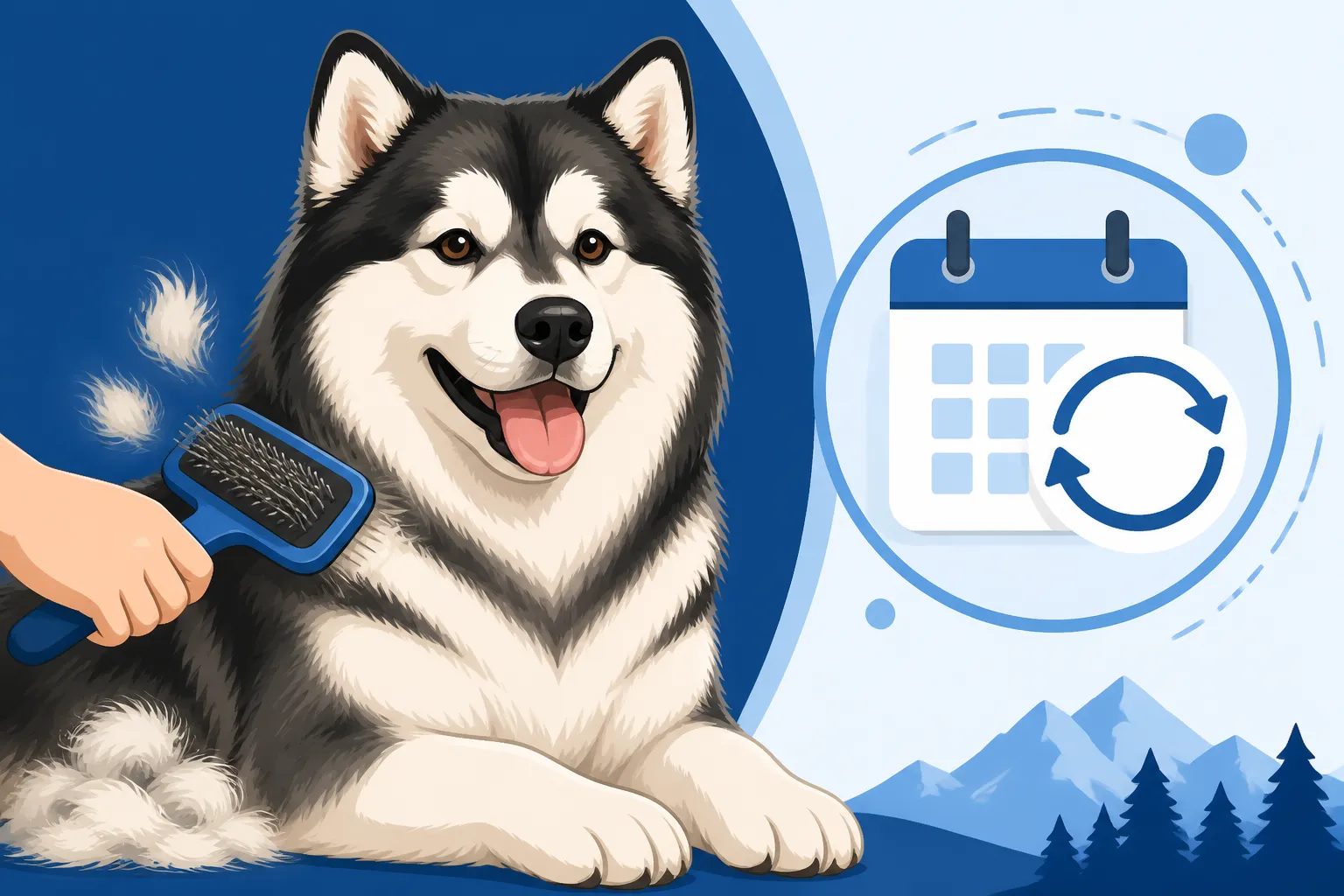
How Often to Brush Your Alaskan Malamute: A Practical Guide
So, after all that, what’s the real answer to "how often?" It's not a one-size-fits-all answer, because your Malamute's coat, activity level, and the time of year all play a role. However, we can break it down into a clear, actionable schedule that adapts to your dog's needs. The goal is always to prevent mats, promote skin health, and manage the inevitable shedding, making life more comfortable for everyone involved.
| Brushing Frequency | Season/Condition | Tools Primarily Used | Focus |
|---|---|---|---|
| Daily | During a major coat blow (Spring/Fall) | Undercoat Rake, Slicker Brush | Removing massive amounts of dead undercoat, preventing mats, promoting faster blow-out |
| 2-3 Times/Week | Regular maintenance (Non-shedding periods) | Undercoat Rake, Pin Brush | Removing loose hair, distributing oils, checking for minor tangles, skin health inspection |
| Weekly | For less dense coats or very tidy Malamutes | Pin Brush, Slicker Brush | General tidiness, light deshedding, bond building, quick inspection |
| As Needed | After outdoor adventures, swimming, or spotting mats | Specific to issue (e.g., Dematter) | Targeted removal of debris, prevention of deeper mats, drying if wet |
Daily Brushing During Coat Blows
When your Malamute is actively blowing its coat, daily brushing is not just recommended, it's pretty much mandatory. This is the period when you'll be pulling out literal handfuls of soft undercoat. Aim for a 15-30 minute session each day, focusing on getting deep into that undercoat with your rake. The more dead hair you remove, the faster the coat blow will conclude, and the less hair will end up clinging to your furniture, clothes, and floating through the air. You'll be amazed at How Much Undercoat Comes Off an Alaskan Malamute during these times.
Remember, the goal during a coat blow is simply to remove as much dead undercoat as possible. This process is essential for allowing the new coat to grow in properly and for preventing uncomfortable matting that can occur when the old coat gets packed against the new growth. Don't feel discouraged if you feel like you're making endless progress; this is just the nature of the Malamute's coat. Consistency is your best friend here.
Regular Maintenance Brushing (2-3 Times a Week)
Outside of the two major coat blows, your Alaskan Malamute still benefits greatly from regular brushing two to three times a week. These sessions can be shorter, perhaps 10-20 minutes, and focus on general maintenance. Use your undercoat rake to catch any developing loose undercoat, and follow up with a slicker or pin brush to smooth the guard hairs and distribute natural oils.
These regular sessions serve several purposes: they keep minor shedding under control, prevent small tangles from escalating into major mats, and keep your Malamute's skin and coat healthy and free from debris. It's also a great way to bond with your dog and perform routine health checks, feeling for any new lumps, bumps, or tender spots. Think of it as preventative care for their coat, much like consistent training helps prevent behavioral issues.
Situational Brushing: Adapting to Activity and Environment
Beyond the scheduled brushing, be prepared to do some "situational" brushing. If your Malamute has been playing in muddy fields, rolling in leaves, or splashing in water, a quick brush-through afterward can save you a lot of hassle later. Mud and debris can quickly get trapped in their dense fur, leading to mats if not removed promptly. If they've been swimming, ensure they are thoroughly dry and then give them a good brush to prevent the undercoat from clumping as it dries.
Similarly, if you notice your Malamute starting to itch more than usual, or if you spot a tiny tangle forming in a problem area like behind an ear, take a moment to address it immediately. Catching these issues early prevents them from becoming larger, more painful mats that are much harder to deal with. Being observant and proactive will save you time and discomfort for your Malamute in the long run.
Disclaimer
This article is for general informational purposes only and does not constitute professional advice. Laws, prices and regulations vary by location and change over time. Consult a qualified professional for guidance on your specific situation.