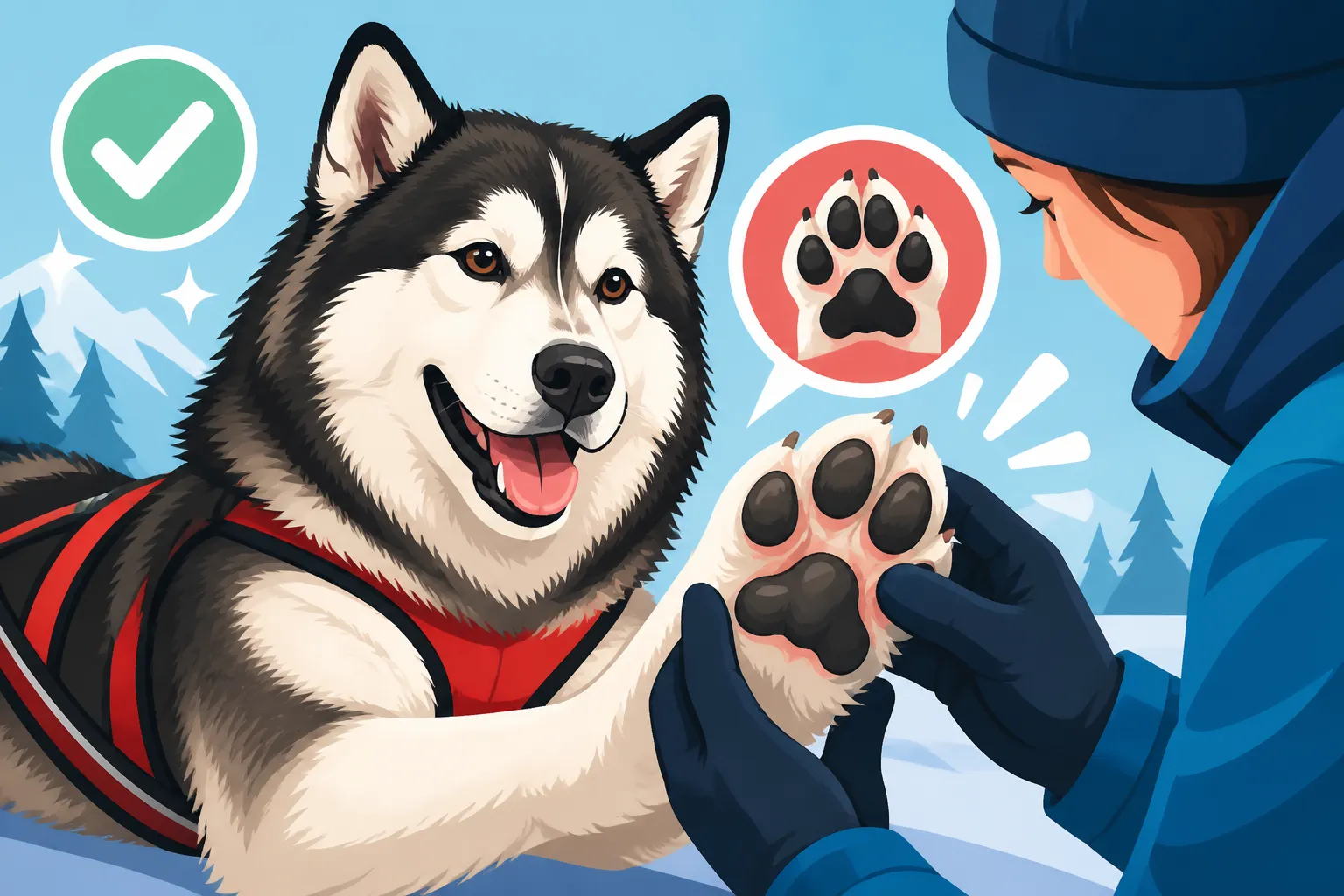
Checking an Alaskan Malamute’s Pads After Pulling
After a long day of pulling, whether it's sledding through snow or weight pulling on a track, an Alaskan Malamute's paw pads take an incredible beating. Owners often worry about their beloved companion's feet, wondering if those tough pads are truly as indestructible as they seem or if hidden injuries could be brewing. This guide will walk you through everything you need to know about diligently checking your Malamute's paw pads after any strenuous activity, ensuring their comfort and long-term health.
The Alaskan Malamute Paw: A Marvel of Arctic Engineering
The Alaskan Malamute's paw is a truly remarkable piece of natural engineering, perfectly adapted for the harsh environments and strenuous work it was bred for. Understanding its design and inherent strengths will help you appreciate just how much these incredible animals rely on their feet, and why diligent care is so crucial.
Anatomy and Natural Resilience
Malamute paws are often described as "snowshoes" due to their large, round, and heavily padded structure. The thick, tough pads on their soles are designed to provide traction on slippery surfaces like ice and snow, while also offering insulation against extreme cold. These pads are composed of a specialized type of skin, much thicker and more robust than the skin covering the rest of their body, and are richly supplied with blood vessels to aid in circulation and warmth. The webbing between their toes, a common trait in many northern breeds, further enhances their ability to move efficiently through snow, acting like small paddles.
Beneath the surface, the bones and ligaments are incredibly strong, designed to absorb impact and support the considerable weight and power of a working Malamute. Their nails are thick and strong, aiding in grip and propulsion, though they also require regular maintenance to prevent overgrowth which can lead to discomfort or injury. This entire system, from the thick pads to the sturdy bone structure and dense fur between the toes, works in harmony to make the Malamute a formidable worker in challenging conditions. You can read more about how their feet are generally cared for in Feet, Pads and Nails on an Alaskan Malamute That Pulls.
How Pulling Challenges Those Pads
While incredibly resilient, a Malamute's paw pads are not invincible, especially when subjected to the intense, repetitive stress of pulling. When a Malamute is engaged in activities like weight pulling, sledding, or even long hikes with a pack, several factors come into play that can compromise pad integrity.
First, the friction generated by constant contact with various surfaces can cause wear and tear. Imagine the sheer force and repetitive motion involved in pulling hundreds or even thousands of pounds across different terrains. Whether it's rough asphalt, gravel, ice, or packed snow, each surface presents its own unique challenge. Rough surfaces can abrade the pads, leading to thinning or even open sores. Icy conditions, while often what Malamutes thrive in – you'll notice Winter Is When an Alaskan Malamute Comes Alive – can still lead to sharp edges that cut, or excessive cold leading to frostbite if not properly managed.
Second, the immense pressure exerted on the pads can lead to bruising or deeper tissue damage. A Malamute exerting maximum effort, especially in weight pull competitions where they might pull far beyond their own body weight, puts extraordinary strain on their musculoskeletal system, with the paws bearing the brunt of that impact. Over time, this cumulative stress can manifest as tenderness, inflammation, or even lameness. It's not just about the external visible damage; sometimes the internal bruising can be just as debilitating. Owners often consider How Much a Malamute Can Pull and focus on muscle, but the paws are equally critical.
Immediate Post-Activity Assessment: Your First Line of Defense
After any intense pulling session, your Malamute's paws should be the very first thing you examine. This immediate assessment is critical for catching potential issues early, before they escalate into more serious problems. Think of it as your initial health check, much like you'd take your own temperature after a strenuous workout.
The Visual Scan and Gentle Touch
As soon as your Malamute is settled and cooled down after working, find a comfortable spot to begin your inspection. Start with a thorough visual scan of each paw. Look at the top, the sides, and most importantly, the bottom of the pads.
What are you looking for during this initial visual check? You want to spot anything out of the ordinary: any visible cuts, scrapes, punctures, or tears in the pad tissue. Notice if any pad looks unusually swollen, red, or discolored. Sometimes, a pad might just look a little darker than usual, indicating bruising beneath the surface. Pay close attention to the areas between the toes, where foreign objects or mats of fur can hide. Also, glance at the nails – are any broken, cracked, or excessively worn? This visual scan should be done in good light, so you don't miss anything subtle.
Once your visual scan is complete, it's time for the gentle touch. Systematically pick up each paw and gently feel every pad. Apply a little pressure, observing your Malamute's reaction. Are they pulling away? Whining? Licking excessively? Any sign of discomfort is a red flag. Feel for tenderness, heat, or any lumps or bumps that weren't there before. Run your fingers between the toes, feeling for debris, matted fur, or swelling. This tactile examination is often where you'll discover those hidden thorns, small pebbles, or even early signs of inflammation that weren't obvious to the eye. This process should be calm and reassuring for your Malamute, turning it into a routine they associate with care, not fear.
What to Watch For: Early Warning Signs
Beyond obvious injuries, there are more subtle cues that can indicate your Malamute's paws are in distress. Learning these early warning signs can help you intervene before a minor issue becomes a major one.
Excessive Licking or Chewing: If your Malamute is constantly licking, chewing, or even gnawing at their paws post-activity, it's a huge indicator of irritation or pain. They might start doing this discreetly, under the cover of night, or immediately upon resting. Don't dismiss it as just grooming; for a working dog, it often means something is bothering them.
Reluctance to Bear Weight or Lameness: This is perhaps the most obvious sign. If your Malamute is limping, favoring a paw, or simply reluctant to put full weight on one or more of their feet, it’s a clear signal that something is wrong. The degree of lameness can vary from a slight hesitancy to outright refusing to walk. Watch them walk on a flat, even surface after your pulling session. Do they have their usual confident stride, or are they tiptoeing, especially on hard ground?
Behavioral Changes: Sometimes the signs aren't physical, but behavioral. A Malamute experiencing paw pain might become withdrawn, grumpy, or less enthusiastic about future activities they normally love. They might seek solitude, or conversely, become overly clingy, seeking comfort. Any noticeable shift in their typical cheerful and robust temperament should prompt a thorough check of their paws, among other things. It's often the subtle shifts that tell us the most, especially with a breed as stoic as the Malamute.
Common Pad Injuries and Ailments in Working Malamutes
Even with the toughest paws, specific injuries and conditions are unfortunately common when you have a hard-working Malamute. Being aware of these will make you a more informed and proactive owner.
Cuts, Abrasions, and Punctures
These are probably the most frequent issues you'll encounter.
- Cuts: Sharp objects like broken glass, metal shards, or even very sharp ice can inflict deep cuts on a Malamute's pads. These can bleed profusely and may require sutures depending on their depth and location.
- Abrasions: These are essentially scrapes, caused by friction against rough surfaces like asphalt, concrete, or rocky trails. They might not bleed much but can be very painful and prone to infection, especially if the outer protective layer of the pad is removed. Imagine running barefoot on sandpaper – that's what an abrasion can feel like.
- Punctures: Thorns, sharp sticks, nails, or even small, jagged rocks can penetrate the tough pad tissue. Punctures often look small on the surface but can be surprisingly deep, carrying bacteria into the deeper layers of the paw, leading to abscesses or serious infections. The challenge with punctures is that the object might break off inside, leaving no obvious foreign body on the surface. If you're on a trail with a lot of debris, always consider the risk of punctures. It's why many owners consider Whether a Malamute Needs Booties for Pulling when tackling unfamiliar or rough terrain.
Cracks, Burns, and Frostbite
Beyond acute trauma, long-term exposure and environmental factors can also wreak havoc on Malamute pads.
- Cracks: Pads can crack for various reasons. Extreme dryness, especially in arid climates or heated indoor environments, can make the pads brittle and prone to splitting. Repetitive impact from pulling on hard surfaces can also contribute, as the constant flexing and pressure can cause tiny fissures that deepen over time. Once a crack forms, it can be incredibly painful, making walking difficult and opening a pathway for infection. You might notice your Malamute's pads getting Whether an Alaskan Malamute's Pads Crack in Winter as the cold and dry air takes its toll. Using paw balm can be a great preventative, and you can find many options on platforms like Chewy or Amazon. Whether Paw Balm Helps an Alaskan Malamute is a common question, and the answer is often a resounding yes for preventing and treating cracks.
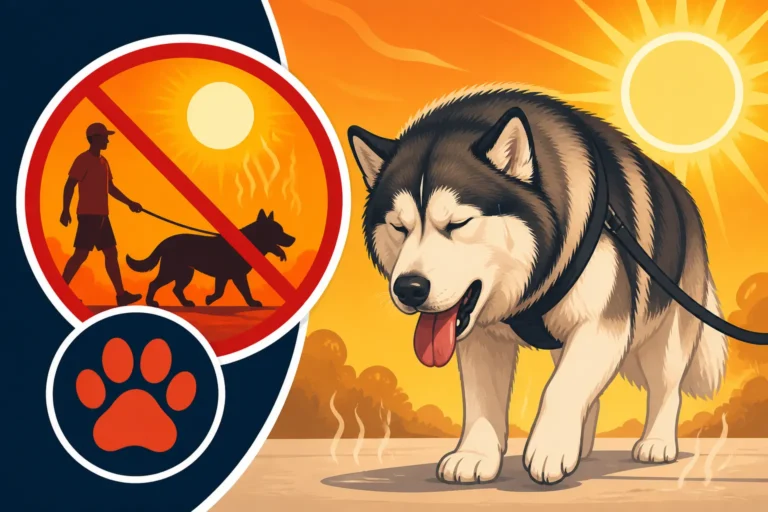
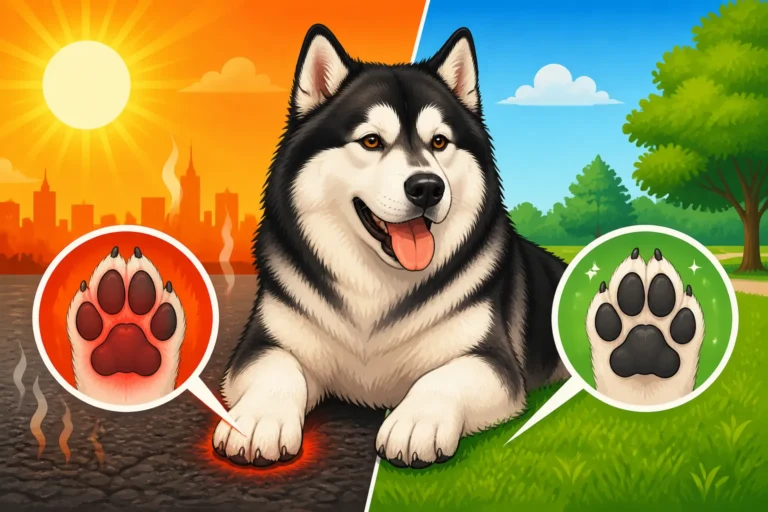
- Burns: While Malamutes are built for cold, their pads are still susceptible to burns. Walking on hot pavement, especially in summer, can cause severe thermal burns. Always test the pavement with your own hand – if it's too hot for you to hold your hand on for five seconds, it's too hot for your Malamute's paws. Whether Pavement Burns an Alaskan Malamute's Pads is a critical question for any Malamute owner living in a warmer climate. Chemical burns from de-icing agents or other household chemicals are also a risk.
- Frostbite: Paradoxically, despite their arctic heritage, severe prolonged exposure to extreme cold, especially with wet paws or thin fur between the toes, can lead to frostbite. While rare for the tough pads themselves, the skin around them and the toes are more vulnerable. Early signs include pale or bluish skin, which later turns red and swollen, sometimes blistering. Numbness is also a symptom, so your Malamute might not show immediate pain.
Foreign Objects and Infections
Sometimes the issue isn't a direct injury, but something insidious that leads to trouble.
- Foreign Objects: From tiny burrs and foxtails to shards of gravel or even ice balls that form between the toes, foreign objects can cause immense discomfort. They can embed themselves in the pad or irritate the sensitive skin between the toes. If left unnoticed, they can work their way deeper, causing inflammation, pain, and eventually, infection. This is where the gentle touch during your inspection becomes invaluable, as you might feel something small before you see it. These objects can also create entry points for bacteria.
- Infections: Any break in the skin – a cut, an abrasion, a crack, or a puncture – is an open invitation for bacteria. Infections can manifest as swelling, redness, pus, foul odor, and increased pain. Your Malamute might become acutely lame, and the affected paw might feel hot to the touch. Fungal infections can also occur, particularly if paws remain damp, leading to irritation and a yeasty smell. Some health issues, like zinc deficiency (see Which Zinc Supplement Suits a Malamute), can also manifest as skin and paw problems, making them more susceptible to secondary infections. Early detection of an infection is key to prompt and effective treatment, preventing it from spreading or becoming chronic.
| Injury Type | Common Causes | Appearance | Symptoms | First Aid |
|---|---|---|---|---|
| Cuts & Abrasions | Sharp objects (glass, metal), rough surfaces | Open wound, bleeding, scraped skin | Limping, pain, licking, visible wound | Clean with antiseptic, apply pressure to stop bleeding, bandage, vet if deep. |
| Punctures | Thorns, nails, sharp sticks | Small entry hole, possible swelling | Sudden lameness, pain on touch, swelling, pus if infected | Remove object if superficial, clean wound, soak in Epsom salts, vet for deep. |
| Cracked Pads | Dryness, extreme cold, hard surfaces | Deep fissures, sometimes bleeding | Pain, reluctance to walk, bleeding from cracks | Apply paw balm/moisturizer, keep clean, booties for protection. |
| Burns (Thermal) | Hot pavement, hot sand | Redness, blistering, swelling, discoloration | Extreme pain, limping, reluctance to put paw down, severe tenderness | Cool with cold water, loose bandage, pain relief, immediate vet care. |
| Frostbite | Prolonged exposure to extreme cold/wet | Pale/bluish skin, later red/swollen, numbness | Pain during rewarming, skin may slough | Gently rewarm with lukewarm water (not hot), keep dry, vet care. |
| Foreign Objects | Burrs, small stones, splinters, ice balls | Visible object, swelling between toes | Licking, limping, favoring paw, discomfort when walking | Carefully remove if superficial, clean, inspect thoroughly, vet if embedded. |
| Infections | Untreated wounds, dampness, bacteria/fungus | Redness, swelling, warmth, pus, foul odor | Pain, lameness, fever, lethargy | Clean, antiseptic washes, vet for antibiotics/antifungals. |
Practical Paw Care: From First Aid to Ongoing Wellness
Knowing how to react when an issue arises is just as important as knowing what to look for. Having a solid first-aid plan and integrating routine paw care into your Malamute's regimen can make all the difference.
Essential First Aid for Pad Injuries
No matter how careful you are, injuries happen. Having a basic pet first-aid kit on hand is invaluable. For cuts and abrasions, the first step is to gently clean the wound. Use a mild antiseptic solution, like diluted povidone-iodine or chlorhexidine, and sterile saline. Flush the area thoroughly to remove any dirt or debris. For bleeding, apply direct pressure with a clean cloth or gauze. If the bleeding is heavy or doesn't stop after a few minutes, or if the wound is deep and gaping, it's time for an emergency vet visit.
After cleaning, you'll want to protect the wound. A light, breathable bandage can help keep it clean and prevent your Malamute from licking it excessively, which can hinder healing and introduce more bacteria. Use non-stick pads directly over the wound, then wrap with self-adhering veterinary wrap. Be careful not to wrap too tightly, as this can cut off circulation. You should be able to slip two fingers under the wrap easily. Change bandages daily, or more often if they become wet or soiled. Many common first-aid supplies, including sterile gauze, vet wrap, and antiseptic wipes, are readily available from retailers like Chewy or Amazon.
For punctures, if you can clearly see the object and it's superficial, you can try to remove it carefully with tweezers. Afterwards, clean the area well and consider soaking the paw in warm water with Epsom salts, which can help draw out infection and reduce swelling. However, if the object is deeply embedded, or if you suspect it has broken off inside, it's safer to let a vet handle it to avoid further damage.
Daily Maintenance and Hydration
Beyond emergency first aid, proactive daily or weekly paw maintenance is crucial for a working Malamute. Just like we care for our own skin, their pads need attention to stay supple and strong.
Routine Cleaning: After every walk or pulling session, especially on muddy or dusty terrain, give your Malamute's paws a quick wipe-down. This removes dirt, allergens, and any potential irritants. A warm, damp cloth is often sufficient. Pay extra attention to the spaces between the toes, as debris loves to hide there. This routine also gives you another chance for a quick visual inspection.
Moisturizing: Healthy pads should be tough but also pliant, not dry and brittle. Regular application of a specialized paw balm or moisturizer can prevent cracking. Look for products that contain natural ingredients like shea butter, coconut oil, or beeswax. Gently massage the balm into the pads, especially before bedtime, to allow it to absorb without being immediately licked off. This is particularly important during dry winter months when Whether an Alaskan Malamute's Pads Crack in Winter is a real concern. There are many excellent paw balms available online at retailers like Amazon or your local pet store.
Nail Care: Don't forget the nails! Overgrown nails can alter your Malamute's gait, putting undue stress on their paw structure and increasing the risk of cracks or breaks. Regular nail trims are essential. If you're unsure how to do it yourself, your vet or a professional groomer can demonstrate the proper technique.
When to Seek Veterinary Attention
While many minor paw issues can be handled at home, it's critical to know when a situation warrants professional veterinary care. Delaying a vet visit can turn a manageable problem into a serious one, with potential long-term consequences for your Malamute's mobility and health.
Immediate Vet Visit:
- Deep or heavily bleeding wounds: If a cut is deep enough to expose underlying tissue, if it's bleeding profusely, or if the bleeding doesn't stop with direct pressure after 5-10 minutes, get to the vet immediately. They may need sutures or special dressings.
- Embedded foreign objects: If you can't easily remove an object, or if it feels deeply embedded, don't try to force it. A vet can safely extract it, assess for internal damage, and ensure no pieces are left behind.
- Severe lameness or refusal to bear weight: If your Malamute is in obvious pain, won't put weight on a paw, or shows signs of extreme distress, it's an emergency. This could indicate a fracture, severe sprain, or deep tissue injury.
- Signs of infection: Redness, swelling, warmth, pus, foul odor, or if your Malamute develops a fever or becomes lethargic, it suggests an infection that needs veterinary diagnosis and antibiotics.
- Burns or frostbite: These injuries can be severe and require immediate professional assessment and treatment to prevent long-term damage.
Scheduled Vet Visit (non-emergency but still important):
- Persistent licking/chewing: If your Malamute continues to obsessively lick or chew their paws despite your at-home care, there might be an underlying issue like allergies, a chronic infection, or discomfort that needs a vet's diagnosis.
- Unexplained swelling or lumps: Any persistent swelling or new lumps on the paw or between the toes should be checked by a vet to rule out more serious conditions.
- Recurring pad issues: If your Malamute is constantly getting cracked pads, infections, or other problems, a vet can help you investigate underlying causes, which could range from nutritional deficiencies to autoimmune conditions. Sometimes, a full nutritional review, perhaps including specialized foods, might be recommended, even if it's not specific to pads it supports The Efficient Metabolism That Surprises Every New Malamute Owner.
Your vet can provide targeted treatment, prescribe medications, and offer advice tailored to your Malamute's specific needs, helping them get back on their paws quickly and safely.
Proactive Measures: Preventing Pad Problems on the Trail
While reacting to injuries is important, the best strategy is always prevention. By actively conditioning your Malamute's paws, using appropriate protective gear, and being mindful of their environment, you can significantly reduce the risk of injury.
Conditioning for Tougher Paws
Think of paw pads like an athlete's hands or feet – they need to be conditioned over time to handle increasing demands. You wouldn't send a marathon runner out on their first day for a 26-mile race, and you shouldn't ask your Malamute to do a multi-hour pulling session without gradually preparing their paws.
Gradual Exposure: The key to conditioning is slow and steady. Start with shorter pulling sessions on milder, varied terrain. Gradually increase the duration and intensity of the activity, and introduce different surfaces over time. This allows the pad tissue to toughen and build resilience without being overwhelmed. Don't go from soft grass to rough gravel overnight.
Varied Terrain: Exposing your Malamute's paws to a variety of surfaces helps them adapt. Walking on concrete, asphalt, dirt, and even controlled rocky areas (when not pulling heavily) can build up natural calluses. This is different from the repeated stress of pulling on one type of abrasive surface for extended periods. The goal is to create a well-rounded paw that can handle many situations. Remember, a dog that gets What an Alaskan Malamute Needs Every Day in terms of activity, but varied, will have healthier paws.
Regular Activity, Not Just Pulling: Consistent daily exercise on varied terrain, even if it's just walking, helps maintain paw health. It keeps the pads stimulated and encourages natural wear on the nails, reducing the need for frequent trims. A strong, active Malamute with overall good health will naturally have more resilient paws. For older Malamutes, maintaining paw health is even more critical, and specific considerations are covered in Caring for an Old Alaskan Malamute.
Protective Gear and Surface Awareness
Sometimes, conditioning isn't enough, or the environment is simply too extreme. That's where protective gear and smart surface choices come in.
Paw Booties: Dog booties are not just a fashion statement for many working Malamutes; they are a vital piece of safety equipment. They provide an extra layer of protection against abrasive surfaces, extreme cold, sharp objects, and irritating chemicals like road salt. If you're planning a long hike, especially with added weight (see How Much Weight a Malamute Should Carry on a Hike), or expecting to encounter rough terrain, ice, or very hot pavement, booties are a wise investment. Make sure to choose booties that fit well – not too tight, not too loose – and are made of durable, breathable materials. Introduce them gradually so your Malamute gets used to wearing them. You can find a wide selection on Chewy or Amazon, often with reviews that highlight durability for active dogs.
Surface Selection: Be mindful of the surfaces you choose for your Malamute's activities. Avoid pulling heavily on extremely hot asphalt or concrete, especially during summer months. Similarly, be cautious of heavily salted roads in winter, as the salt can be caustic to paw pads. If you must traverse such areas, try to do so quickly and rinse their paws thoroughly afterwards. Opt for trails with natural surfaces like dirt, grass, or packed snow whenever possible. Even with booties, exercising caution and making smart choices about where you work your Malamute is paramount.
Nutritional Support for Healthy Pads
What goes into your Malamute's bowl can have a profound impact on the health and resilience of their skin and paw pads. Nutrition plays a vital role in cellular regeneration, tissue strength, and overall immunity.
Balanced Diet: A high-quality, nutritionally complete diet is the foundation of healthy skin and paws. Look for foods that list meat as the primary ingredient and avoid excessive fillers. A diet rich in essential fatty acids, particularly Omega-3 and Omega-6, is crucial. These fatty acids contribute to healthy skin cell membranes, reducing inflammation and supporting the skin's natural barrier function. Many premium dog foods focus on these elements.
Zinc and Other Micronutrients: Zinc is an especially important mineral for Malamutes, as some lines of the breed can have issues with zinc absorption, leading to conditions like Zinc Responsive Dermatosis. While a full-blown deficiency needs veterinary diagnosis and specific supplementation, ensuring adequate dietary zinc is part of general paw health, as zinc is vital for skin integrity and wound healing. Other vitamins and minerals, like Vitamin E and B vitamins, also play roles in maintaining healthy skin. If your Malamute is prone to dry, cracked pads or slow-healing wounds, it might be worth discussing their diet with your vet and considering targeted supplements. Many commercial dog foods, including options you can find on Chewy, are formulated with optimal nutrient levels, but individual needs can vary.
By combining proactive conditioning, smart use of protective gear, and a top-notch diet, you are giving your Alaskan Malamute the best possible chance to enjoy their pulling activities with strong, healthy, and resilient paw pads.
Disclaimer
This article is for general informational purposes only and does not constitute professional advice. Laws, prices and regulations vary by location and change over time. Consult a qualified professional for guidance on your specific situation.