Whether an Alaskan Malamute’s Paw Pads Thicken
It's completely normal to worry when you notice changes in your beloved Alaskan Malamute, especially something as fundamental as their paws. You might be observing their pads and wondering if that extra toughness is a sign of health and resilience, or if it's something more concerning. This guide will walk you through what's normal for a Malamute's paws, when thickening is a good thing, and when it might signal a problem that needs your attention.
The Natural Anatomy of an Alaskan Malamute's Paw Pads
Alaskan Malamutes are magnificent, powerful dogs, and every inch of them, right down to their paw pads, is designed for a purpose. Their ancestors navigated some of the harshest, most unforgiving terrain on the planet, pulling heavy freight for the Mahlemut people of the Arctic. It's no wonder their paws are built like fortresses.
Built for Harsh Conditions
Think about the environment a Malamute was originally bred for: snow, ice, frozen earth, jagged rocks, and icy trails. Their paw pads aren't just soft cushions; they're incredibly specialized structures. They're composed of layers of tough, keratinized skin, much thicker than skin found elsewhere on their bodies. Beneath this durable outer layer, there's a dense network of fatty tissue acting as a natural insulator against extreme cold and absorbing shock from heavy impacts. This fatty tissue also houses a unique circulatory system that can regulate blood flow to the pads, helping to prevent frostbite and maintain core body temperature. Essentially, a Malamute’s paw pads are their built-in snowshoes and shock absorbers, designed to withstand incredible wear and tear. They are truly one of their most remarkable features, essential for their historical work and still vital for their active modern lives.
How Activity Shapes Paw Pad Thickness
Just like a person's hands develop calluses from manual labor, a Malamute's paw pads naturally toughen and, yes, often thicken over time with regular activity. A Malamute that routinely treks over varied terrain – be it gravel paths, forest trails, or even well-maintained sidewalks – will develop tougher, more resilient pads than a Malamute that spends most of its time on soft carpet or manicured lawns.
Imagine two Malamutes: one is a dedicated working dog, perhaps involved in dog sledding or Weight Pull and Sledding Cost a Malamute Owner, navigating icy trails and rocky paths for miles. Its paw pads will become incredibly dense and leathery, a natural adaptation to the constant friction and impact. Now picture another Malamute, cherished but less active, whose daily routine involves short walks on soft grass. Its pads, while still robust by general dog standards, won't develop the same extreme thickness or hardness. This isn't a sign of ill-health in the less active dog, but rather a reflection of the different demands placed on their paws. Regular, appropriate exercise actually helps build healthy, thick pads, preventing them from becoming too soft and susceptible to injury. It’s a natural process of strengthening, much like building muscle, for their specific form of locomotion. For more on keeping those paws in top shape, check out Feet, Pads and Nails on an Alaskan Malamute That Pulls.
When Paw Pad Thickening Becomes a Concern
While some thickening of a Malamute's paw pads is perfectly normal and even desirable, there are specific instances where this thickening becomes abnormal and signals an underlying issue. This is where your careful observation as an owner truly comes into play.
Hyperkeratosis: What It Is and Why It Happens
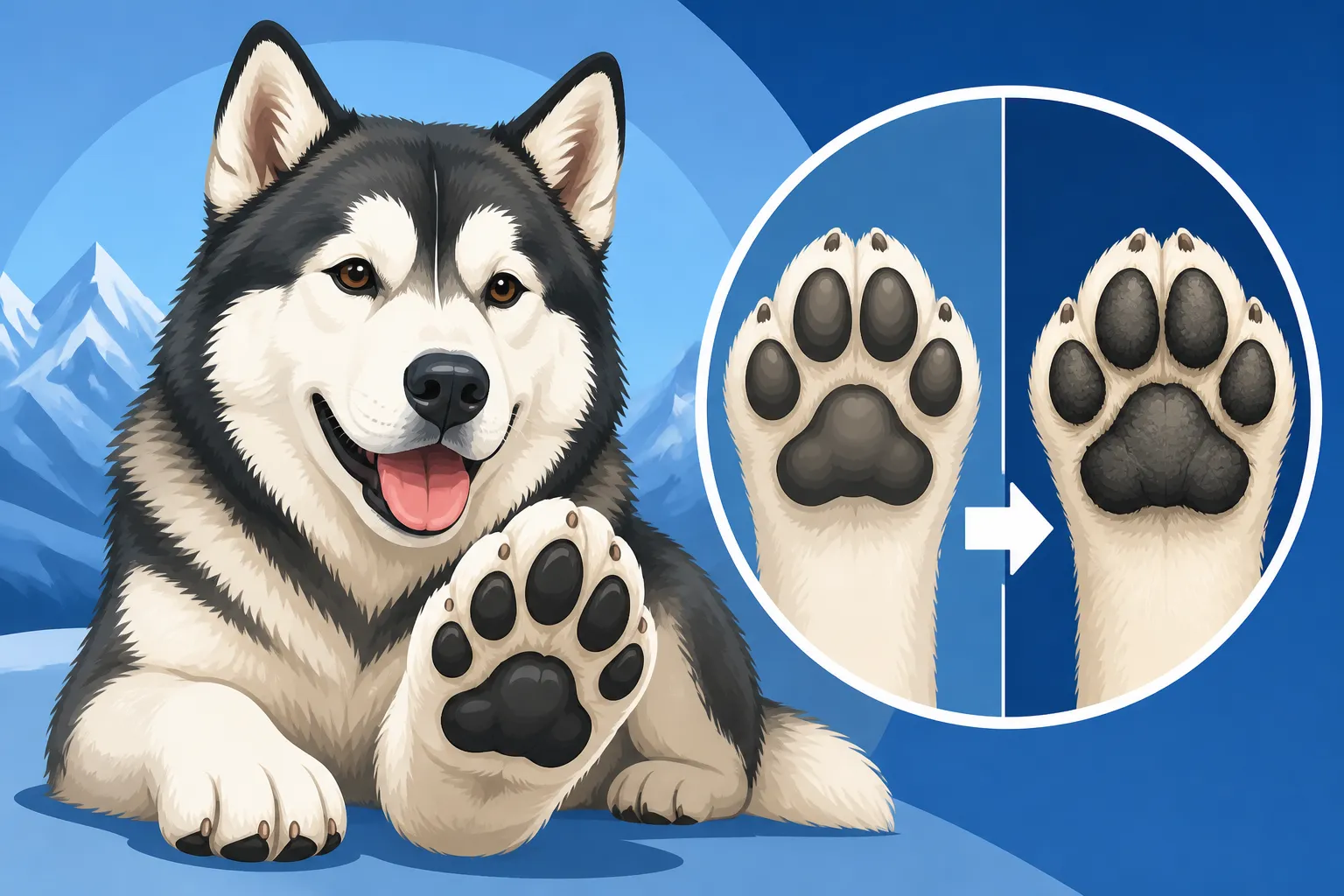
When we talk about abnormal thickening of paw pads, we often refer to a condition called hyperkeratosis. This isn't just a bit of extra toughness; it's an excessive, often irregular, growth and hardening of the keratin layer of the skin, leading to a crusty, horn-like appearance. It can affect the paw pads, but sometimes also the nose. Instead of healthy, resilient pads, you might see rough, dry, and even cracked surfaces that look almost like miniature cauliflowers or barnacles.
Hyperkeratosis can be a symptom of various problems. In Alaskan Malamutes, a common culprit, unfortunately, is Zinc Responsive Dermatosis in an Alaskan Malamute. Malamutes, due to a genetic predisposition, can struggle to absorb zinc effectively from their diet, even if their food contains what would be considered adequate levels for other breeds. This zinc deficiency doesn't just affect their skin and coat, but can severely impact their paw pads, causing them to become abnormally thick, crusty, and prone to painful cracking. Other causes might include certain autoimmune diseases, canine distemper virus (though less common now thanks to vaccinations), or even chronic irritation and friction in certain areas. It's not just about aesthetics; these excessively hardened pads can become incredibly painful, leading to lameness or a reluctance to walk. If you see signs of excessive dryness, deep fissures, or growths that seem out of place, it’s definitely time to pay closer attention. Understanding Whether a Malamute's Zinc Problem Is Diet or Genetics is crucial here, as it can guide your vet's diagnostic process.
Distinguishing Normal Toughness from Problematic Thickness
So, how do you tell the difference between a good, tough paw pad and one signaling trouble? It boils down to a few key observations and, most importantly, your Malamute's comfort level.
Normal Toughness:
- Appearance: The pads will feel firm, resilient, and perhaps a bit rough to the touch. They might have a leathery quality, but they should still be somewhat pliable, allowing the paw to flex naturally. The surface should be relatively smooth, without deep cracks or horn-like projections. The color might vary from black to pink, depending on your dog's pigmentation.
- Comfort: Your Malamute should show no signs of discomfort when walking, running, or having their paws handled. They should be eager for their usual activities.
- Flexibility: When you gently press or squeeze the pad, it should give slightly.
Problematic Thickness (Hyperkeratosis or other issues):
- Appearance: The pads will be excessively hard, rigid, and often very dry. You might notice deep, painful-looking cracks or fissures, which can sometimes bleed. The surface might develop horn-like growths or a crumbly texture. The thickening can be uneven, forming distinct lumps or layers that don't seem natural.
- Comfort: This is the biggest indicator. Your Malamute might become lame, favoring one paw, or show reluctance to put weight on the affected foot. They might lick, chew, or bite at their paws excessively. They might yelp or pull away when you try to examine their pads.
- Flexibility: The pads will feel stiff and unyielding. The excessive keratin can restrict the natural movement of the paw, making walking difficult and painful.
- Other Symptoms: In cases of zinc deficiency, you might also notice skin lesions around the eyes, muzzle, ears, or genital area, or even a dull, dry coat. Reading a Malamute's Skin Before the Crusts Appear can help you catch these early signs.
When in doubt, always err on the side of caution. A quick check with your veterinarian can put your mind at ease or allow for early intervention if there's a problem.
Factors Influencing Paw Pad Health and Thickness
A Malamute's paw pads are constantly interacting with the world, and their health is a direct reflection of several internal and external factors. Keeping them healthy involves a holistic approach, from what goes into their bowl to the ground they walk on.
Diet and Nutrition's Role
You wouldn't think that what your Malamute eats could directly impact the toughness of their paw pads, but it absolutely can. A balanced diet is fundamental for overall skin and coat health, and that includes the robust skin of the paw pads. As we discussed, Alaskan Malamutes are particularly susceptible to issues with zinc absorption. Zinc is a crucial trace mineral essential for healthy skin cell turnover and immune function. If a Malamute isn't getting or absorbing enough zinc, one of the first places you might see it manifest is in their paw pads, leading to the problematic thickening and cracking of hyperkeratosis.
Ensuring your Malamute receives adequate zinc isn't just about picking a premium dog food; it's about considering their unique genetic needs. Some Malamutes may require specific diets formulated to be rich in highly bioavailable zinc, or even a daily zinc supplement under veterinary guidance. This isn't something to guess at, as too much zinc can also be harmful. For dogs showing symptoms, your vet might recommend a specific chelated zinc supplement, often available through trusted pet retailers like Chewy or Amazon, to ensure better absorption. It's a delicate balance, and understanding Feeding an Alaskan Malamute for Zinc It Cannot Absorb is vital. When considering supplements, research Which Zinc Supplement Suits a Malamute carefully and always consult your vet first.
Many high-quality dog food brands, like those you might find on Ollie's website, focus on balanced nutrition that supports skin health, but even then, a Malamute might need a little extra help. Regularly assessing your Malamute's overall condition, including their skin and paws, can give you clues.
Environmental Impact and Activity Levels
The world beneath your Malamute's feet plays an enormous role in the condition of their paw pads. Think about it: they're constantly exposed to whatever surface they walk on, and these surfaces can cause wear, tear, and even injury.
- Hard, Abrasive Surfaces: Regular walks on concrete, asphalt, or rough gravel can naturally toughen and thicken pads over time. This is generally a good thing, building resilience. However, too much exposure to extremely hot pavement in summer can burn delicate pads, while ice and road salt in winter can dry and crack them, regardless of how tough they are.
- Extreme Temperatures: Hot pavement is a silent killer for paw pads. In warmer climates or during summer months, asphalt can reach scorching temperatures that will quickly cause blisters and damage. Conversely, prolonged exposure to freezing temperatures, ice, and snow can lead to frostbite or drying out of the pads. This is where protective gear, like booties, becomes incredibly important, especially for Caring for an Alaskan Malamute Past Eight or those prone to sensitivity.
- Chemical Exposure: De-icers, lawn chemicals, and other irritants can cause chemical burns, dryness, or allergic reactions on paw pads. Always wash your Malamute's paws after walks if you suspect exposure.
- Activity Level: A Malamute that's regularly engaged in activities like hiking, running, or pulling will naturally develop more robust and thicker pads compared to a sedentary dog. This is part of their adaptation to their 'job.' The key is a gradual increase in activity to allow pads to toughen naturally, avoiding sudden intense efforts that could lead to abrasions or injuries. While a working dog's pads might be incredibly thick, they should still be healthy, not cracked or painful. For more on keeping their paws ready for action, consult Feet, Pads and Nails on an Alaskan Malamute That Pulls.
Grooming and Regular Paw Care
You might think Malamute grooming is all about that glorious double coat, but paw care is just as essential for their overall well-being. Regular attention to their feet can prevent minor issues from escalating and help you catch any problematic thickening or injury early.
- Routine Inspection: Make it a habit to check your Malamute's paws daily or at least several times a week, especially after outdoor adventures. Look for cuts, scrapes, foreign objects (like thorns or burrs), excessive dryness, cracks, or any unusual growths. This hands-on approach helps your Malamute get used to having their feet handled, which is invaluable for vet visits or future injuries.
- Trimming Hair: Malamutes have a lot of fur, and sometimes the hair between their paw pads can grow long. This hair can collect dirt, debris, ice balls in winter, or even mat, creating discomfort and hiding potential problems. Gently trimming this hair flush with the pads using blunt-nosed scissors can significantly improve hygiene and comfort.
- Moisturizing and Protection: Just like human skin, paw pads can get dry and cracked, particularly in harsh weather conditions or from repeated exposure to rough surfaces. A good quality paw balm or wax can create a protective barrier and help keep pads moisturized and pliable. These products are readily available from online retailers like Chewy or Amazon. Apply them regularly, especially before and after walks in challenging environments.
- Nail Trimming: Overly long nails can alter your Malamute's gait, putting undue stress on their paw structure and even leading to splayed toes, which can make them more susceptible to paw pad injuries. Regular nail trims are crucial. If you're unsure how to do it safely, ask your vet or a professional groomer to show you.
Consistent paw care isn't just about preventing problems; it's about enhancing your Malamute's comfort and mobility throughout their life. It allows them to continue doing what they love, whether that's pulling a sled or simply enjoying a long walk with you.
When to Seek Veterinary Advice
As a Malamute owner, you're their first line of defense. While it’s wonderful to be proactive with care, sometimes things pop up that are beyond home remedies. Knowing when to call the vet for paw pad issues is critical.
Recognizing Red Flags
It's easy to dismiss a minor limp or a bit of licking, but with Malamutes, who are stoic creatures often hiding discomfort until it's severe (Why a Malamute Shows Nothing Until It Cannot Work), any persistent change in their paw pads or behavior deserves attention. Here are the red flags that absolutely warrant a call to your veterinarian:
- Persistent Limping or Lameness: If your Malamute is consistently limping, favoring a paw, or shows a reluctance to walk or put weight on a foot, especially if it lasts more than a day or two, it’s a clear sign of pain.
- Excessive Licking, Chewing, or Biting at Paws: While some occasional paw licking is normal, obsessive grooming of the paws often indicates discomfort, irritation, or pain. They might be trying to soothe an injury, an itch, or even a deeper internal issue.
- Visible Cracks or Fissures: Deep cracks in the paw pads are not only painful but also open the door to secondary bacterial or fungal infections. If you see blood, pus, or notice a foul odor, infection is likely.
- Unusual Growths or Lumps: Any new lump, bump, wart-like growth, or discoloration on the paw pads should be examined by a vet. While many might be benign, some could be more serious, including tumors or cysts.
- Sudden Changes in Pad Texture or Color: If your Malamute’s normally resilient pads suddenly become excessively dry, crumbly, or develop a rough, scaly texture that wasn't there before, especially across multiple pads, it's concerning. Similarly, any unexplained changes in pad color could be a sign of systemic illness.
- Swelling or Redness: Inflammation around the paw pads or between the toes often signals infection, injury, or an allergic reaction.
- Suspected Zinc Deficiency: If you notice thickened, crusty pads alongside other skin issues like hair loss or lesions around the muzzle or eyes, particularly in a young Malamute, it strongly suggests a need for testing for Zinc Responsive Dermatosis in an Alaskan Malamute. Early diagnosis and treatment are key.
Don't wait and hope these symptoms will just disappear. Your Malamute is relying on you to advocate for their health.
Diagnostic and Treatment Approaches
Once you've made that vet appointment, what can you expect? Your veterinarian will approach a paw pad issue systematically to pinpoint the cause and recommend the best course of action.
- Physical Examination: The vet will thoroughly examine your Malamute's paws, looking for specific characteristics of the thickening, checking for pain, heat, swelling, and inspecting between the toes. They'll also perform a general physical exam to look for other signs of illness.
- Medical History: Be prepared to provide a detailed history, including when you first noticed the changes, any associated symptoms, your Malamute's diet, exercise routine, and exposure to potential irritants. This information is invaluable.
- Diagnostic Tests: Depending on what the vet finds, they might recommend several tests:
- Blood Work: This can check for systemic issues, including measuring zinc levels if a deficiency is suspected.
- Skin Scrapes/Biopsies: If infections or autoimmune conditions are a concern, a small sample of the affected paw pad tissue might be taken for microscopic examination.
- Cultures: To identify bacterial or fungal infections.
- Imaging (X-rays): If a foreign object, bone issue, or tumor is suspected, X-rays might be necessary.
- Treatment: Treatment will vary widely based on the diagnosis.
- Dietary Adjustments/Supplements: If zinc deficiency is confirmed, your vet will likely prescribe a specific zinc supplement. They might also suggest dietary changes, perhaps recommending a different high-quality kibble or raw food option (like those from Ollie) to ensure optimal nutrient absorption. For a full discussion of this specific need, revisit How Much Zinc Is Safe for an Alaskan Malamute.
- Medications: This could include antibiotics for bacterial infections, antifungals for yeast, anti-inflammatory drugs for pain and swelling, or even immune-suppressants for autoimmune conditions.
- Topical Treatments: Medicated soaks, creams, or ointments can help soften thickened pads, treat infections, or provide comfort.
- Protective Footwear: In some cases, booties might be recommended to protect sensitive or healing paw pads from environmental factors, ensuring Whether a Malamute Needs Zinc for Its Whole Life is a priority.
- Surgery: Rarely, if there's a growth or severe, unresponsive hyperkeratosis causing extreme pain, surgical intervention might be considered.
Early intervention is truly your Malamute’s best friend. Addressing paw pad concerns promptly can prevent pain, infection, and more complicated long-term problems, keeping your furry companion happy and on their feet for years to come.
Here's a quick comparison to help you assess your Malamute's paw pads:
| Feature | Normal, Healthy Paw Pad | Problematic, Thickened Paw Pad (Hyperkeratosis) |
|---|---|---|
| Appearance | Firm, resilient, leathery texture. Relatively smooth surface. May be rough but without deep cracks. | Excessively hard, rigid, often crumbly or horn-like. Deep cracks, fissures, or abnormal growths. |
| Flexibility | Gives slightly when pressed. Allows natural paw movement. | Stiff, unyielding. Restricts paw flexion. |
| Color | Consistent with dog's pigmentation (black, pink, mottled). | May appear paler, discolored, or have dark scabs from bleeding cracks. |
| Comfort | No signs of pain, lameness, or excessive licking/chewing. Eager for activity. | Licking, chewing, lameness, reluctance to walk, sensitivity to touch, yelping. |
| Associated Signs | Healthy coat and skin elsewhere. | Dry, flaky skin, hair loss (especially on muzzle, around eyes), lesions, dull coat (especially with zinc deficiency). |
Disclaimer
This article is for general informational purposes only and does not constitute professional advice. Laws, prices and regulations vary by location and change over time. Consult a qualified professional for guidance on your specific situation.