Who the Mahlemut Who Bred the Malamute Were
When we talk about the Alaskan Malamute, it's easy to conjure images of powerful dogs pulling sleds across snowy landscapes. But many owners and enthusiasts often miss the incredibly rich history behind this magnificent breed, overlooking the very people who shaped them for millennia. It's a disservice to both the Mahlemut people and the dogs themselves to view them in a vacuum. This guide will take a deep dive into the Mahlemut, their profound connection to the Alaskan Malamute, and how their ancient way of life forged the resilient, intelligent, and strong-willed companion we know today.
The Mahlemut People: Architects of the Alaskan Malamute
To truly understand the Alaskan Malamute, we must first understand the Mahlemut. These weren't just random people who happened to live near some dogs; they were the intentional, careful, and deeply connected creators of this unique breed. Their very survival depended on the capabilities of their canine partners, and this reliance led to generations of selective breeding and a bond few modern relationships can truly replicate.
Who Were the Mahlemut?
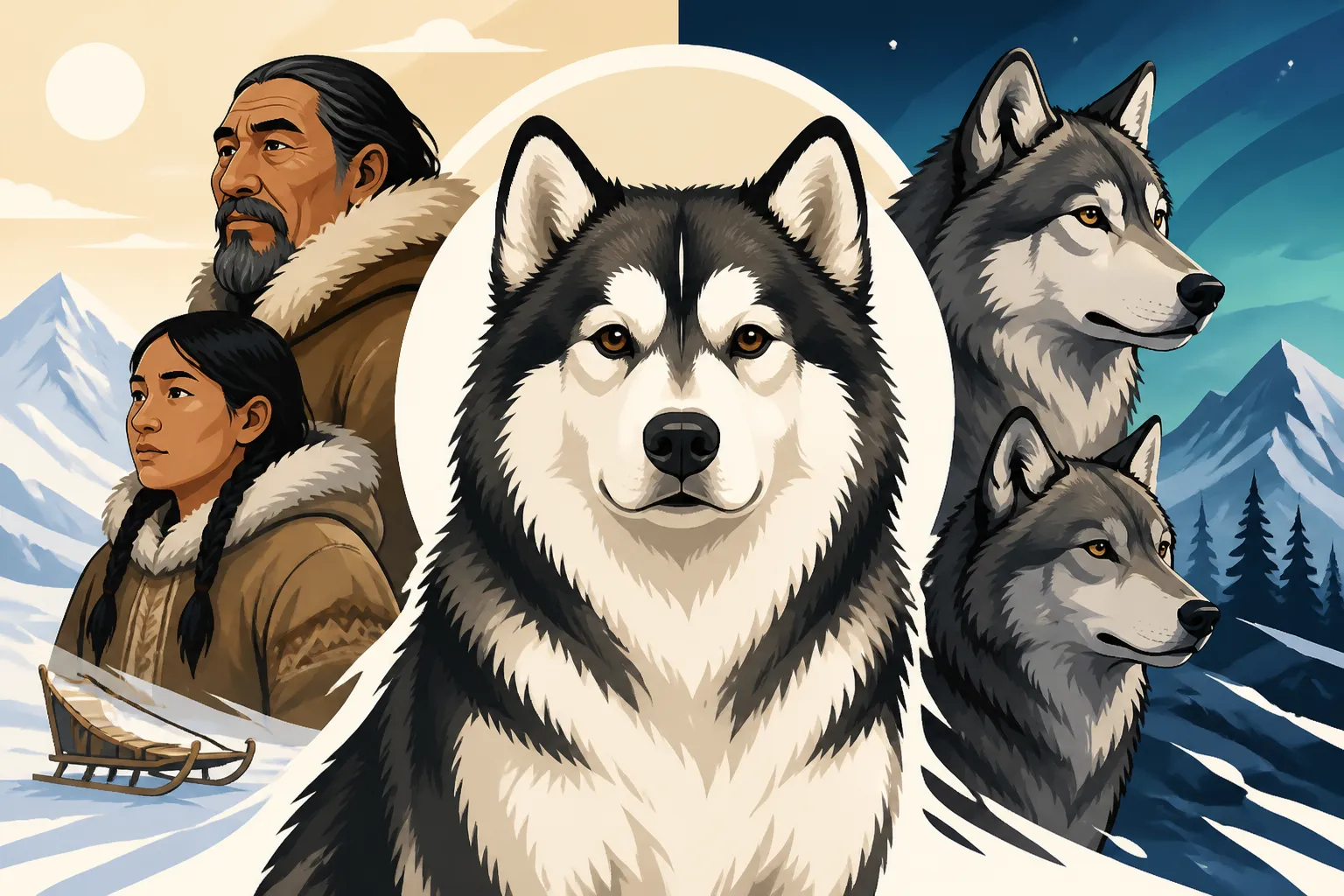
The Mahlemut were a subgroup of the Iñupiat people, an indigenous group inhabiting the coastal regions of Alaska. Specifically, they thrived in the challenging environment around Kotzebue Sound, a vast inlet of the Chukchi Sea in northwestern Alaska. Their existence was intrinsically linked to the land, sea, and ice, relying on hunting, fishing, and gathering to sustain their communities. They were often semi-nomadic, moving with the seasons to follow game and access vital resources. Imagine a life where every journey, every hunting trip, and every winter’s survival hinged on careful planning and reliable tools – and their dogs were arguably their most crucial "tool."
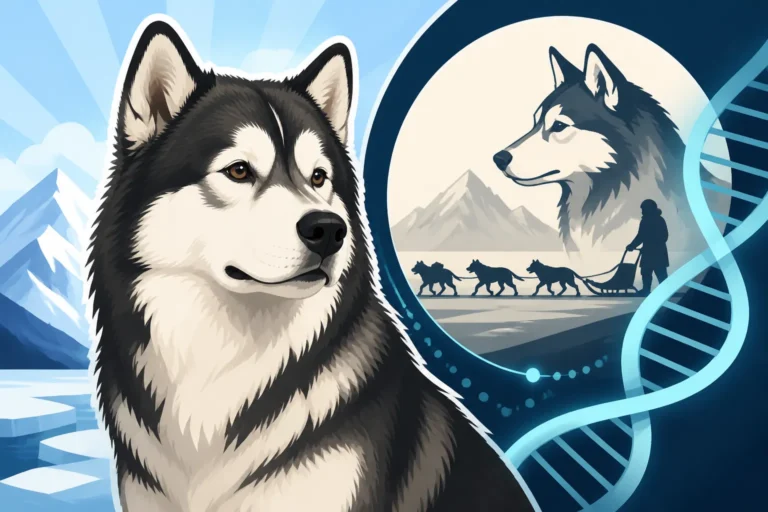
For the Mahlemut, dogs weren't simply pets to cuddle on the couch. They were integral family members in the sense of a working partnership, valued for their immense strength, endurance, and keen senses. This wasn't a casual relationship; it was a matter of life and death in one of the most unforgiving environments on Earth. The deep respect the Mahlemut had for their dogs, and the dogs' unwavering loyalty and capability, built a foundation that permeates the breed's very DNA. It's truly a testament to The Mahlemut of Kotzebue Sound Bred the Alaskan Malamute.
The Environment That Shaped a Partnership
The Arctic climate around Kotzebue Sound is notoriously harsh. Winters are long and dark, with temperatures plummeting far below freezing, and summers are short and often chilly. The landscape is vast, rugged, and frequently covered in snow and ice, making travel incredibly difficult without specialized assistance. Resources, though abundant at certain times, could be scarce and hard-won. This extreme environment wasn't just a backdrop; it was the crucible in which the Malamute was forged.
Every trait, from the Malamute's dense double coat that provides incredible insulation to their powerful, compact body, was a direct adaptation to this environment. The Mahlemut observed which dogs thrived, which dogs could pull heavy loads through deep snow for days on end, and which dogs possessed the mental fortitude to survive and work in blizzards. They learned that a dog needed not just brute strength, but also intelligent problem-solving skills, a strong will, and the ability to conserve energy. This natural selection, guided by human purpose, led to a dog perfectly suited for its homeland.
Beyond a Pet: A Partner in Survival
In the Mahlemut way of life, the Alaskan Malamute was truly a partner in survival. They were the primary mode of transportation, hauling supplies, game, and even people across vast distances. Imagine setting out on a hunting expedition for days or weeks into the Arctic wilderness, knowing that your survival depends on your dogs' ability to get you there, help you bring back food, and then get you home again. This wasn't a leisurely walk; it was essential work.
Beyond pulling, these dogs played crucial roles in hunting. Their exceptional sense of smell and hearing made them invaluable in locating game, particularly seals at their breathing holes in the ice or large animals like polar bears. How a Malamute Helped Hunt a Bear is not just a historical anecdote; it speaks to the profound trust and coordination between humans and dogs. These dogs also served as vigilant sentinels, alerting the community to approaching wildlife or other potential dangers in the vast, quiet expanse of the Arctic. They weren't just companions; they were an extension of the hunting party, the transportation network, and the early warning system, embodying a holistic integration into the Mahlemut's daily existence.
The Malamute's Original Purpose: A Freight Dog Par Excellence
The very essence of the Alaskan Malamute lies in its original purpose: a freighting dog. This is not just a historical footnote; it defines their physical structure, their temperament, and their capabilities even today. To overlook this fundamental aspect is to misunderstand the breed entirely.
Hauling for Life: The Primary Role
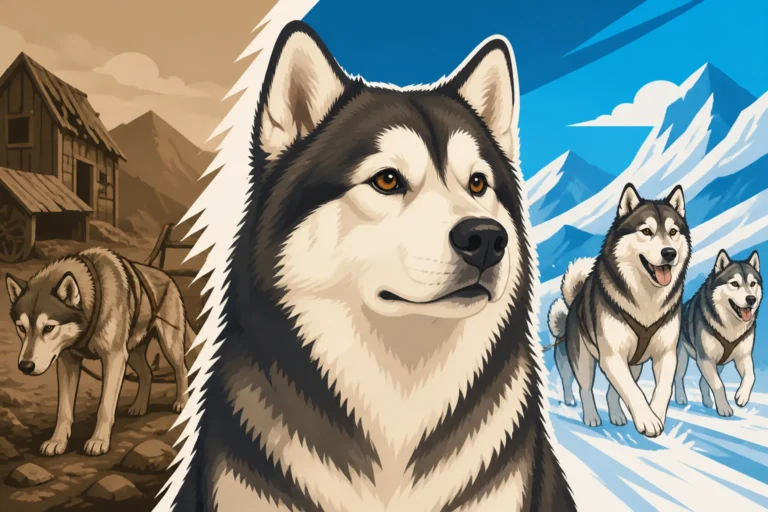
The Mahlemut people had no roads, no cars, no modern machinery. Their transportation infrastructure was built on dog power. The Alaskan Malamute was bred to pull heavy loads over long distances, often through deep snow or across challenging terrain. This meant they needed incredible strength, immense endurance, and a steady, efficient gait, not blistering speed. Think about having to move an entire camp, or transport a significant harvest of game back to the village – these dogs made that possible. Freight, Not Speed: What Separates a Malamute From a Racing Dog perfectly encapsulates this distinction.
This primary role demanded a dog with a robust skeletal structure, powerful muscles, and paws built like snowshoes, providing maximum traction and minimal sinking in snow. Their gait needed to be effortless and tireless, allowing them to cover many miles day after day without quickly fatiguing. Modern Malamute owners sometimes struggle with their dog's unwavering desire to pull on a leash; this isn't stubbornness in the traditional sense, but an instinctual drive rooted in thousands of years of purpose. Providing appropriate outlets, like a hiking backpack or even a cart, can tap into this deep-seated desire to work and contribute.
Hunting Companions and Survival Skills
While freighting was paramount, the Malamute's utility extended to hunting. The Arctic environment offered various challenging prey, from seals to caribou and even large predators. A skilled hunting dog could be the difference between a successful hunt and starvation. Malamutes would assist by tracking game, using their superior scenting abilities. They were particularly adept at locating seal breathing holes in the ice, a critical skill for survival. How a Malamute Found Seals for the Mahlemut is a prime example of their specialized hunting prowess.
Their intelligence was crucial here. They weren't just brute force; they were smart, able to understand complex cues from their human partners and make independent decisions when necessary. Imagine a dog working alongside a hunter, using its instincts to pinpoint prey, then using its strength to help hold down a large animal if required. This required not only physical attributes but also immense mental fortitude, focus, and an incredible capacity for cooperation. These same qualities, when understood by modern owners, can be channeled into training and activities that fulfill their Malamute's ancient instincts.
The Physical and Temperamental Traits Engineered by Necessity
Every aspect of the Malamute's physical and temperamental makeup can be traced back to the Mahlemut's needs. Physically, their large size, deep chest, and strong bones were essential for hauling heavy loads. Their famously thick double coat, with its coarse outer guard hairs and dense, woolly undercoat, provided unparalleled protection against the freezing Arctic winds and snow. This isn't just "fluffy fur"; it's a meticulously designed survival suit.
Temperamentally, they exhibit a unique blend of traits. Their independence stems from needing to make decisions in critical situations, sometimes away from direct human command, such as navigating unfamiliar ice or sensing danger. Their intelligence means they learn quickly but can become bored with repetitive training, leading to their reputation for stubbornness. Their strong pack drive, honed over generations of working in teams, explains why many Malamutes thrive with canine companionship, though this also contributes to potential same-sex aggression if not managed properly. The Mahlemut bred for robust, intelligent, and enduring dogs, and these traits are unmistakably present in every Malamute today.
| Trait | Mahlemut Need | Malamute Trait |
|---|---|---|
| Strength & Endurance | Hauling heavy game and supplies over vast distances in challenging terrain. | Powerful, muscular build; deep chest; efficient, tireless gait; strong bone. |
| Insulation | Survival in extreme Arctic cold, snow, and wind. | Dense, thick double coat (coarse outer, woolly inner) providing excellent insulation. |
| Navigation & Senses | Tracking game (seals, caribou), avoiding hazards, navigating in low visibility. | Keen sense of smell and hearing; intelligent problem-solving; good spatial awareness. |
| Temperament | Independent decision-making for survival, working cooperatively in teams, loyalty to family. | Independent yet loyal; intelligent; can be stubborn; strong pack drive; generally friendly with humans. |
| Paws | Traction and support on snow and ice. | Large, well-padded, "snowshoe" paws with tough nails. |
| Metabolism | Efficient use of scarce food resources during long working periods. | Efficient metabolism; can sustain energy on less food than expected for their size. |
A Symbiotic Relationship: How the Mahlemut Nurtured the Breed
The relationship between the Mahlemut people and their dogs was a truly symbiotic one. It was a partnership where each species relied on the other for survival, fostering a bond that transcended mere utility. This deep connection shaped not only the dogs but also the human communities that cared for them.
Selective Breeding for Survival
It's important to remember that the Mahlemut weren't breeding for a dog show ribbon. They were breeding for life. Their selection criteria were entirely practical: strength, endurance, intelligence, good temperament, and resilience in the face of extreme cold and sparse resources. A dog that couldn't pull its weight, or was prone to illness, or was aggressive towards its human handlers, simply wouldn't have been chosen for breeding. This meant that only the fittest, most capable dogs contributed to the gene pool.
This wasn't a formal process with pedigrees and written records, but rather generations of observational breeding. Experienced handlers would know which dogs were the best workers, which produced healthy, robust pups, and which had the right attitude for the demanding work. This continuous, practical selection over centuries effectively "engineered" the Malamute to be the ultimate Arctic survivalist. Even today, responsible breeders prioritize health and working temperament, recognizing that these traits are the bedrock of the breed, a direct inheritance from the Mahlemut's careful stewardship.
Integrating Dogs into Community Life
For the Mahlemut, dogs were truly integrated into community life, albeit with a clear understanding of their working role. While they might have lived outdoors or in specialized shelters, their bond with humans was profound. They were part of the fabric of daily existence, present during hunting trips, village movements, and even times of rest. This constant interaction fostered a unique temperament: loyal and affectionate with their human family, yet independent and capable of significant work.
Children often grew up alongside these dogs, learning respect and responsibility from a young age. The dogs were taught discipline, not through harsh methods that would break their spirit, but through consistent guidance and clear expectations necessary for reliable teamwork in dangerous situations. This early socialization and consistent, purposeful interaction instilled in the Malamute a deep understanding of social hierarchy and cooperation, traits that modern owners still see in their dogs' interactions with family members.
Feeding Practices and Resource Management
The Mahlemut's approach to feeding their Malamutes was a masterclass in resource management, directly impacting the breed's famously efficient metabolism. In the Arctic, every calorie was precious. Dogs would primarily be fed local game and fish, which provided the high protein and fat content necessary for energy in extreme cold. Whether Malamutes Were Fed Fish would have depended on seasonal availability and hunting success. They wouldn't have been "free-fed" as many modern pets are; meals would have been carefully measured and timed, often in relation to their workload.
This history explains why Malamutes, despite their size, can often maintain weight on surprisingly less food than owners might expect. The Efficient Metabolism That Surprises Every New Malamute Owner is a common revelation. Modern owners need to be mindful of this, as overfeeding can quickly lead to obesity and associated health problems. When choosing food, modern owners might browse options on sites like Chewy, looking for formulas that support their Malamute's unique metabolic needs, prioritizing quality protein and fats. Understanding their historical diet helps us feed them appropriately today, respecting their efficient physiology.
The Malamute's Legacy: From Ancient Roots to Modern Companion
The legacy of the Mahlemut people lives on in every Alaskan Malamute today. Their enduring influence is visible in the breed's physical characteristics, its unique temperament, and even the challenges and joys of modern Malamute ownership. Recognizing this heritage is key to being a responsible and understanding Malamute guardian.
The Impact on the Modern Breed Standard
The modern breed standard for the Alaskan Malamute is, in essence, a blueprint for the ideal Mahlemut freighting dog. When you read descriptions of a strong, well-boned body, a deep chest for lung capacity, powerful shoulders for pulling, and that distinctive double coat, you are reading about the functional traits deemed essential for survival and work by the Mahlemut. The standard isn't about arbitrary aesthetics; it's a recognition of the breed's historical purpose.
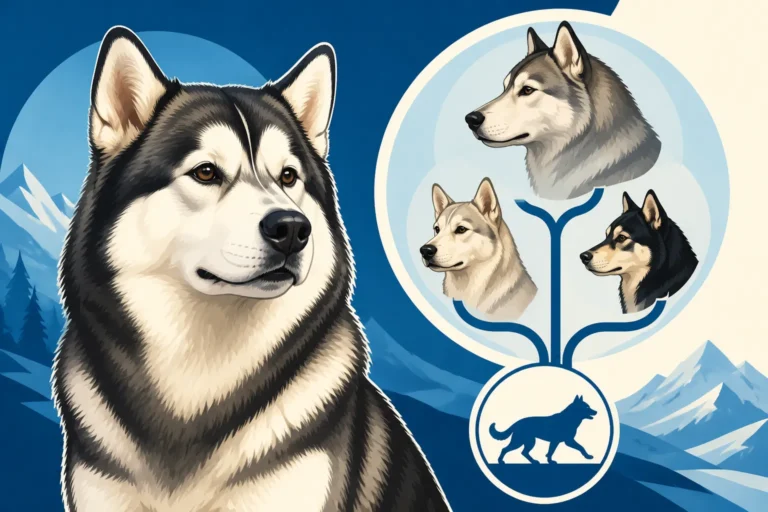
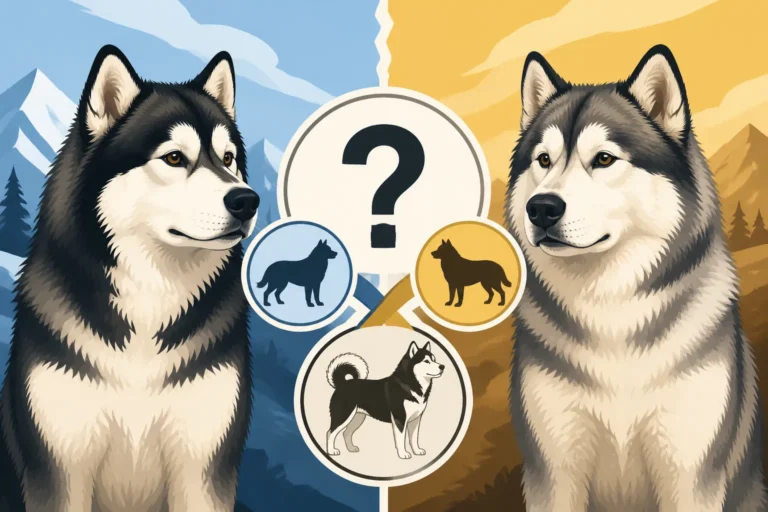
Even the slight differences between the two primary foundational lines, the Kotzebue and M'Loot, ultimately trace back to variations within the working dogs of different Arctic regions, reflecting slightly different conditions or preferences that still maintained the core Malamute type. The Kotzebue and M'Loot Lines Behind Every Modern Malamute delves into these fascinating distinctions. These foundational lines, despite their subtle differences, both embody the spirit and function developed by the Mahlemut people. Maintaining these original traits through thoughtful breeding is crucial for preserving the integrity and health of the breed, ensuring that the Malamute remains true to its formidable heritage.
Understanding Behavior Through History
Many common Malamute behaviors that can frustrate new owners make perfect sense when viewed through the lens of their Mahlemut heritage. Their intense desire to dig, often to the point of excavating craters in your yard, isn't naughtiness; it's an instinct for creating cool dens in summer or hunting for burrowing animals, honed over millennia. Why an Alaskan Malamute Digs explains this in detail. Their powerful prey drive, which can make living with cats or small animals challenging, is a direct inheritance from their hunting role. A Malamute Was Bred to Hunt Bears and It Has Not Forgotten, and that instinct for hunting small prey remains.
Even their unique vocalizations, like the characteristic "woo-woo" or howling, rather than traditional barking, can be seen as a form of communication developed in vast, open spaces where barking might be less effective than a far-carrying howl. Why a Malamute Wooes Instead of Barking explores this. Understanding that these are not "bad habits" but deeply ingrained, genetically programmed behaviors allows owners to manage them with empathy and appropriate training, rather than fighting against their dog's intrinsic nature. Many owners find durable toys from retailers like Chewy invaluable for keeping their intelligent, strong-jawed companions engaged, channeling these ancient instincts into appropriate outlets.
Honoring the Mahlemut Legacy Today
As modern guardians of Alaskan Malamutes, we have a responsibility to honor the legacy of the Mahlemut people. This means more than just providing food and shelter; it means understanding the breed's needs and providing an environment where they can thrive, physically and mentally. This involves ample exercise, opportunities to "work" (even if it's just pulling a cart or carrying a backpack on a hike), consistent positive reinforcement training, and proper socialization.
It also means being advocates for the breed, educating others about their unique requirements and helping to combat misinformation. By appreciating the thousands of years of human-canine partnership that created the Alaskan Malamute, we can ensure that this magnificent breed continues to embody the strength, intelligence, and spirit of the Mahlemut people who shaped them in the frozen reaches of the Arctic. After all, when you welcome a Malamute into your home, you're not just getting a dog; you're adopting a living piece of history, a testament to an extraordinary cultural legacy.
Disclaimer
This article is for general informational purposes only and does not constitute professional advice. Laws, prices and regulations vary by location and change over time. Consult a qualified professional for guidance on your specific situation.