How Long Malamute Type Dogs Have Been in Alaska
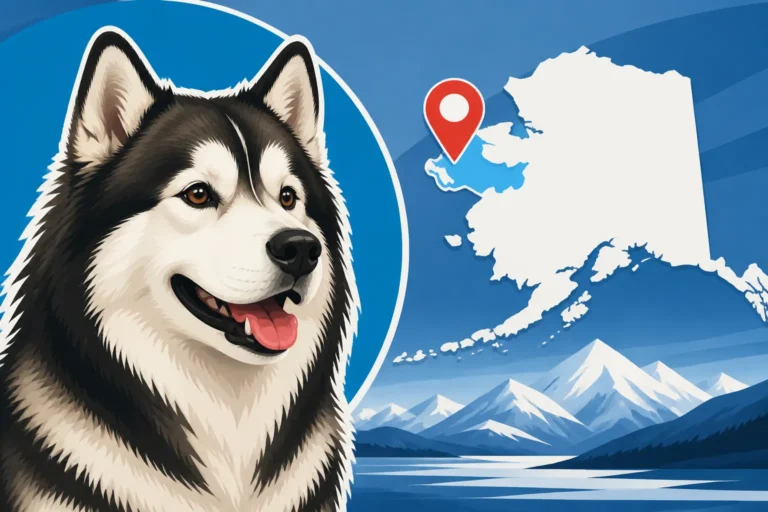
As an Alaskan Malamute owner, you've probably looked at your majestic companion and wondered about their origins. It’s easy to see the ancient spirit in their eyes, the powerful build, and that undeniable drive to pull, but truly grasping the vast timeline of their presence in Alaska can be a bit daunting. We’re not talking about a few centuries here; we're delving into thousands of years of partnership between humans and these incredible dogs in one of the harshest environments on Earth. This guide will take you on a journey through time, exploring the deep roots of Malamute-type dogs in Alaska, showing just how intertwined their history is with the very fabric of human survival in the far north.
Tracing the Ancient Footprints: When the First Dogs Arrived in the Arctic
Imagine a world where the land bridge connecting Asia to North America, known as Beringia, wasn't just a distant geological concept but a vibrant, living pathway. This was the stage for some of the most incredible migrations in human and animal history, and it's where the story of Malamute-type dogs truly begins. These were not the modern Alaskan Malamutes we know today, but their ancient ancestors, tough, resilient canids perfectly adapted to cold, sparse landscapes.
The Bering Land Bridge and Canine Migration
Thousands upon thousands of years ago, when ice sheets held vast amounts of the Earth's water, sea levels dropped dramatically, revealing a vast landmass that connected what is now Siberia and Alaska. This isn't just a theory; it's a well-established scientific fact, supported by archaeological and genetic evidence. Early human populations, following game herds, crossed this bridge into North America, and they didn't come alone. Their dogs, their hunting partners, their alarms, and perhaps even their sources of warmth, journeyed with them. These dogs were the ultimate survivalists, possessing traits that would later define the Arctic breeds. They weren't pets in the modern sense; they were integral members of the survival unit, playing a critical role in hunting large game and transporting goods across immense distances. Without these dogs, the initial human settlement of the Arctic would have been a far more perilous, if not impossible, endeavor.
Early Archaeological Evidence in Alaska
The archaeological record in Alaska, though sometimes sparse due to the challenging environment for preservation, provides tantalizing clues to the presence of these early canine companions. Excavations have unearthed dog remains dating back many thousands of years, showing dogs that possessed robust bone structures, consistent with working animals. These ancient dogs weren't small, delicate creatures; they were built for endurance and power, much like their modern descendants. Think about finding a tooth or a bone fragment that has survived millennia, telling a silent story of a dog that once pulled a hunter's kill across frozen tundra. These finds are often associated with human settlements, indicating a close working relationship, a testament to the symbiotic bond that allowed both species to thrive in an otherwise unforgiving landscape. It's a humbling thought, connecting your cozy Malamute on its favorite Chewy dog bed to these hardy, ancient ancestors.
Genetic Clues to Arctic Dog Ancestry
Beyond bones and artifacts, modern science, specifically genetic analysis, has provided some of the most compelling evidence for the ancient lineage of Arctic dogs. DNA studies of modern Alaskan Malamutes, Siberian Huskies, Greenland Dogs, and other indigenous Arctic breeds consistently point to a shared ancient origin, distinct from many European dog lines. These studies suggest that these dogs diverged from other dog populations thousands of years ago, adapting to the Arctic long before many other breeds even existed. They carry genetic markers for cold tolerance, efficient metabolism, and strong working drives. This means that the Malamute you share your life with carries a direct genetic thread back to those first dogs that traversed the Bering Land Bridge, making them one of the oldest and most "primitive" dog breeds in existence. It’s a remarkable legacy of evolutionary success, honed by necessity and natural selection over countless generations. Whether Malamute DNA Shows Ancient Arctic Ancestry delves deeper into this fascinating topic.
Life on the Ice: The Mahlemut and Their Indispensable Companions
As humans settled into the Alaskan landscape, so too did their dogs, evolving alongside them and becoming specialized for the unique challenges of different regions. In the Kotzebue Sound area of northwest Alaska, a specific group of Inuit people, known as the Mahlemut (or Malimiut), developed a profound partnership with their dogs, eventually giving rise to the very distinct Malamute-type dog that is the ancestor of our modern breed.
The Mahlemut People and Their Way of Life
The Mahlemut people were master survivalists, thriving in a world of ice, snow, and extreme cold. Their lives revolved around hunting seals, caribou, and other large game, fishing, and traveling vast distances for trade and sustenance. Mobility was key, and for that, they needed reliable, powerful transportation. This is where their dogs became absolutely indispensable. The Mahlemut were not nomadic in the sense of constantly moving camp, but their survival necessitated long journeys for hunting and trade. Their dogs were their engines, their companions, and often, their protectors. They lived in close proximity, sharing resources and facing challenges side by side. This deep, practical bond is far removed from the ornamental role many dogs play today; these dogs were working partners, essential for every aspect of life. The Mahlemut of Kotzebue Sound Bred the Alaskan Malamute provides more insight into this unique relationship.
Roles of the Malamute-Type Dog: Hunting, Hauling, and Companionship
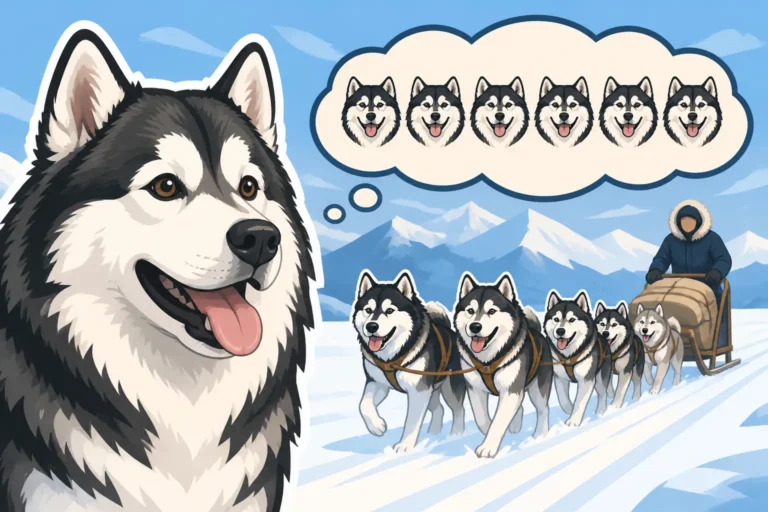
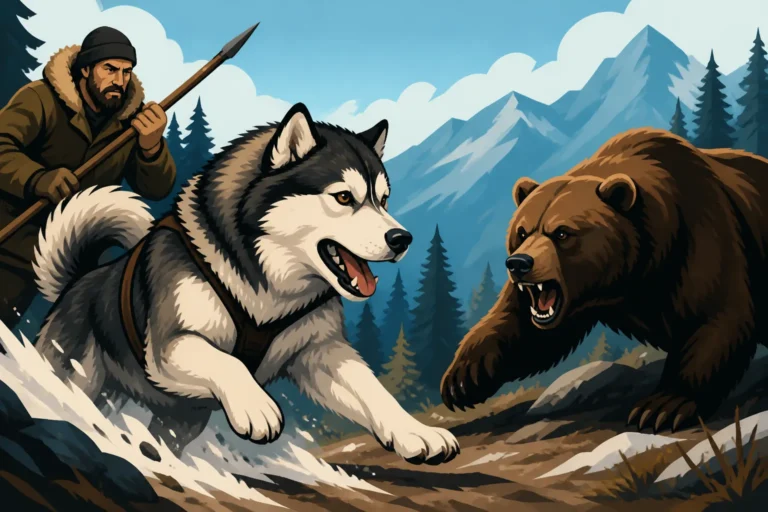
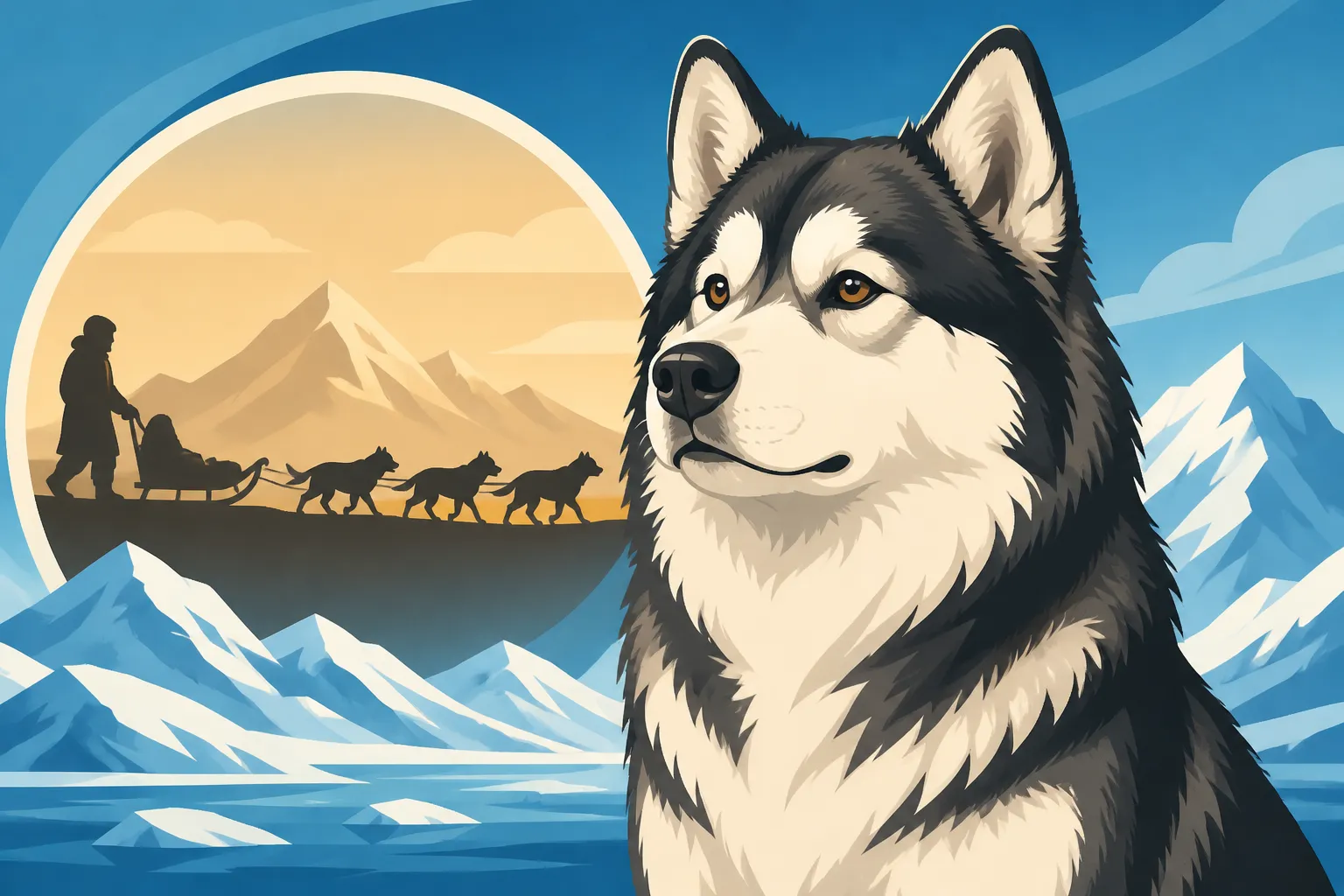
The dogs of the Mahlemut were true multi-purpose animals. Their primary role was undoubtedly hauling. They were bred for strength and endurance, not speed, capable of pulling heavy loads of supplies, game, and even people across the treacherous Arctic terrain. Imagine a team of these powerful dogs, expertly guided by a Mahlemut musher, pulling a loaded sled across miles of ice and snow. But their utility didn't stop at freighting. They were also crucial hunting partners, especially for large game like bears and seals. They would locate seals' breathing holes in the ice, help track caribou, and even assist in cornering larger predators. How a Malamute Helped Hunt a Bear is a fascinating read on this aspect of their history. Beyond their physical labor, these dogs provided warmth, companionship, and an early warning system against polar bears or other threats. They were guardians of the camp and silent witnesses to human endeavors, deeply integrated into the Mahlemut family unit.
Survival in a Harsh Environment: A Partnership
The Arctic is a demanding environment, one where mistakes can be fatal. The survival of the Mahlemut people was inextricably linked to the capabilities of their dogs. The dogs' thick double coats allowed them to withstand brutally cold temperatures, often sleeping outside in the snow. Their efficient metabolism meant they could sustain themselves on less food than one might expect for their size, a crucial adaptation in an environment where food could be scarce. This symbiotic relationship meant that the dogs selected for breeding were those that were healthiest, strongest, most intelligent, and most capable of working cooperatively with humans. Any dog that couldn't pull its weight, literally or figuratively, simply wouldn't survive or contribute to the next generation. This rigorous natural selection, guided by human need, forged a breed of unparalleled toughness, resilience, and unwavering loyalty. The very traits we admire in our modern Malamutes – their strength, their endurance, their intelligence – are direct echoes of this ancient partnership for survival.
From Ancient Companions to Modern Breed: The Evolution of the Alaskan Malamute
While Malamute-type dogs existed in Alaska for thousands of years, the formal recognition and standardization of the "Alaskan Malamute" breed is a more recent development, heavily influenced by external factors such as the Alaskan Gold Rush and the dedicated efforts of a few passionate individuals.
The Gold Rush and the Threat of Crossbreeding
The late 19th and early 20th centuries saw a massive influx of prospectors and settlers into Alaska during the various Gold Rushes. These newcomers quickly realized the indispensable value of sled dogs for transportation. However, their primary interest was often speed and immediate utility rather than preserving specific native strains. They brought with them all sorts of dogs, and extensive crossbreeding occurred with the indigenous Malamute-type dogs, often to produce faster, leaner teams for racing (which was quite different from the Malamute's traditional freighting role). This period posed a significant threat to the purity of the Mahlemut dog. The demand for "sprint" dogs led to the dilution of the powerful, heavy-boned Malamute type, and many feared that the distinct characteristics that had allowed them to thrive for millennia would be lost forever. Whether the Gold Rush Nearly Ruined the Malamute explains this challenging era for the breed.
Pioneers of Preservation: Saving the Breed
Thankfully, a few dedicated individuals recognized the unique and invaluable qualities of the original Mahlemut dogs and began efforts to preserve them. Arthur Walden and Eva "Short" Seeley are two prominent figures in this story, painstakingly collecting and breeding dogs that exhibited the true type and temperament of the original Malamute-type dogs. They sought out the genuine article from remote Alaskan villages, focusing on dogs with the correct conformation, working ability, and disposition. These early breeders faced immense challenges, not least of which was the vast geographic isolation and the limited number of truly purebred specimens. Their efforts, often driven by a deep respect for the history and utility of these magnificent animals, laid the foundation for the formal recognition of the Alaskan Malamute breed. It was a race against time to save a piece of living history. The Kotzebue and M'Loot Lines Behind Every Modern Malamute details the key foundational lines they established.
The Modern Alaskan Malamute: A Living Legacy
Today, the Alaskan Malamute is recognized by kennel clubs worldwide, a testament to its enduring appeal and the success of those early preservation efforts. While modern Malamutes are primarily companion animals and show dogs, their core characteristics remain firmly rooted in their ancient past. They retain the powerful build, the thick coat, the intelligent and independent nature, and the innate desire to pull. Even if your Malamute's "job" is now to pull you enthusiastically towards the treat cabinet or during a casual walk, that drive comes from a lineage of pulling heavy sleds for survival. Their need for exercise, their strong prey drive, and their sometimes stubborn independence are all echoes of their heritage. Owning a Malamute is not just owning a dog; it's caring for a living piece of Arctic history, a connection to a time when humans and canines worked as one to conquer the wilderness.
Here's a brief timeline summarizing the Malamute-type dog's journey in Alaska:
| Era | Key Milestones | Canine Adaptation & Role | Human Connection |
|---|---|---|---|
| 20,000-15,000+ BCE | First dog ancestors migrate across Beringia. | Hardy, cold-adapted companions, hunting aids. | Essential for early human survival in new lands. |
| 15,000-1,000 BCE | Diversification of Arctic dog types in North America. | Specialized for varied hunting and hauling needs. | Deepening partnership with indigenous peoples, specific to regions. |
| ~1,000 BCE – 1800s CE | Mahlemut people establish distinct Malamute-type dog. | Powerful freighting dogs, hunters, camp guardians. | Core to Mahlemut culture, survival, and transportation. |
| Late 1800s – Early 1900s | Alaskan Gold Rush brings external dogs and crossbreeding. | Threat to purity; some crossbred for speed. | Gold prospectors value utility; few prioritize preservation. |
| 1920s – 1930s | Breed preservation efforts begin (Walden, Seeley). | Focus on retrieving and breeding true Mahlemut type. | Dedicated enthusiasts work to save the distinct breed. |
| 1935 | Alaskan Malamute recognized by the AKC. | Formal breed standard established based on historical type. | International recognition of a unique Arctic breed. |
| Modern Era | Alaskan Malamute as companion, show, and working dog. | Retains ancient traits of strength, endurance, independence. | Cherished family members, often involved in dog sports. |
Beyond Alaska: Comparing the Malamute's Journey to Other Arctic Sled Dogs
While the Alaskan Malamute has a distinct history tied to the Mahlemut people, it's helpful to understand how their journey compares to other iconic Arctic sled dog breeds. This provides a broader context for just how unique and ancient the Malamute's lineage truly is.
Distinguishing Malamutes from Siberian Huskies
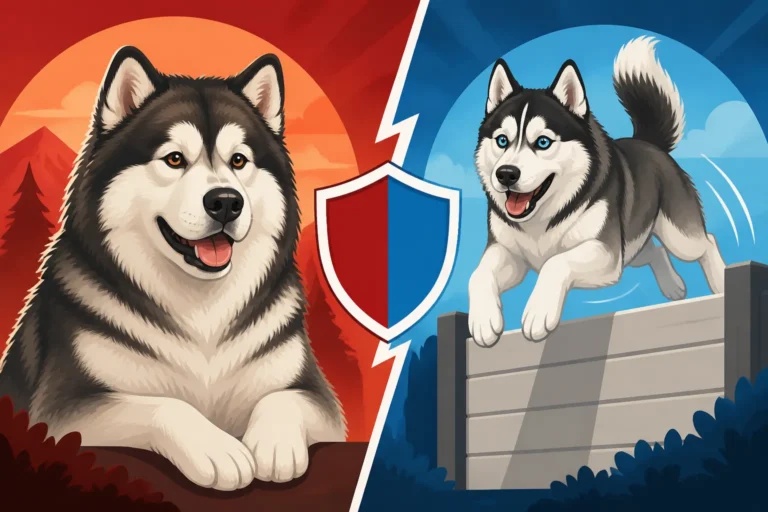
One of the most common comparisons, and often a point of confusion for new owners, is the difference between an Alaskan Malamute and a Siberian Husky. Both are incredible Arctic breeds, but their histories and purposes diverged significantly. Siberian Huskies, as their name suggests, originated in Siberia with the Chukchi people. They were bred for speed and endurance over long distances with lighter loads, often running in large teams. Their build reflects this: generally smaller, more agile, and faster. Malamutes, on the other hand, were bred by the Mahlemut specifically for power and strength to pull heavy freight, requiring a larger, more robust, and slower-paced dog. This fundamental difference in historical purpose explains much of their physical and temperamental variations today. The Malamute's story is one of unwavering, powerful hauling, while the Husky's is one of swift, tireless trotting. The Alaskan Malamute Against the Siberian Husky offers a detailed comparison.
Other Indigenous Arctic Breeds
Beyond the Malamute and Husky, the Arctic is home to several other distinct indigenous dog breeds, each with its own fascinating history and close ties to the native peoples who developed them. Breeds like the Greenland Dog, Canadian Eskimo Dog, and Samoyed all share a common ancient ancestry with the Malamute-type dogs, dating back to those first migrations across Beringia. However, over millennia, they evolved in isolation with different Arctic communities, adapting to specific local needs and environments. The Greenland Dog and Canadian Eskimo Dog, for instance, also became powerful freighting dogs, similar to the Malamute, but developed within different cultural contexts and geographic regions. The Samoyed, originating from the Samoyedic peoples of Siberia, was used for herding reindeer, hunting, and pulling sleds, and is known for its beautiful white coat and "Sammy smile." While these breeds share the same ancient roots and a general "Arctic dog" phenotype, their individual stories highlight the incredible diversity that arose from specialized human-canine partnerships across the vast Arctic.
Shared Ancestry, Divergent Paths
The genetic evidence confirms that all these Arctic sled dog breeds share a very ancient common ancestor, a testament to the success of those initial dog migrations. However, once established in their respective regions, isolated by vast distances and specific human needs, their evolutionary paths diverged. The Mahlemut's focus on heavy freighting, the Chukchi's emphasis on speed, and other groups' needs for herding or specific hunting techniques all shaped the dogs we see today. It's a powerful example of how human culture and environment act as selective pressures, guiding the development of breeds over hundreds, if not thousands, of years. The Malamute's journey is therefore not just a local Alaskan story, but a significant chapter in the broader narrative of Arctic canine evolution. These dogs are truly living fossils, carrying traits and instincts honed by millennia of life in the frozen north.
Why This Deep History Still Shapes Your Malamute Today
Understanding the ancient history of Malamute-type dogs isn't just a fun fact; it's absolutely crucial for any owner hoping to truly connect with and understand their furry companion. The millennia of survival, partnership, and hard work have hardwired specific traits into the breed that manifest in their behavior, physical needs, and even their health today.
Instinctual Behaviors Rooted in History
Many of the behaviors that can sometimes be challenging for Malamute owners are direct inheritances from their ancient past. Their incredible drive to pull, for example, isn't just a quirky habit; it's a fundamental instinct perfected over thousands of years of freighting. This means they often need a "job" to feel fulfilled, even if that job is just pulling you on a walk or engaging in Weight Pull and Sledding. Their legendary independence and sometimes stubborn nature stem from a time when they were expected to make decisions and work autonomously alongside their human partners, often in life-or-death situations. Why an Alaskan Malamute Will Never Have a Reliable Recall is a prime example of an instinctual trait that owners must respect. Their strong prey drive, another ancient trait developed for hunting, means careful management around smaller animals is a must. And let's not forget their love of digging – a behavior designed for hunting burrowing animals and creating cool dens. A Malamute's Digging Is Not a Problem, It Is the Breed, it's simply what they were born to do. Understanding these deeply ingrained instincts allows us to appreciate our Malamutes for who they are, rather than trying to force them into a mold they were never designed for.
Health Considerations from a Deep Gene Pool
The breed's ancient lineage also influences certain health considerations. For instance, the Malamute's efficient metabolism, a survival trait from times of scarcity, means they don't need as much food as you might expect for their size and can easily become overweight if overfed. The Efficient Metabolism That Surprises Every New Malamute Owner explains this in detail. This ancient adaptation means that what might be a normal amount of food for another large breed could be too much for a Malamute. Additionally, specific genetic predispositions, while thankfully being addressed by responsible breeders, are often linked to their historical gene pool. Conditions like hip dysplasia or certain eye conditions are common to many larger, ancient breeds, necessitating careful screening and breeding practices. Knowing this history encourages owners to be proactive about their Malamute's health, ensuring they receive appropriate nutrition, exercise, and veterinary care throughout their lives. Looking for good quality food and supplies, many owners find a wide selection suitable for Malamutes at retailers like Chewy, making it easier to manage their unique dietary needs.
Understanding Your Malamute Through Its Heritage
Ultimately, embracing the deep history of the Alaskan Malamute transforms your ownership experience. It shifts your perspective from seeing a "naughty" dog to recognizing an animal whose behaviors are a direct link to its incredible past. When your Malamute "woos" at you instead of barking, you're hearing an ancient form of communication, a less aggressive vocalization perfected over millennia of cooperative pack living. When they want to be outdoors, even in chilly weather, you're seeing the spirit of a dog designed for the Arctic. This historical understanding fosters patience, empathy, and a profound respect for your Malamute's unique identity. It helps you provide the physical and mental stimulation they truly need, whether it's long walks, opportunities to pull, or simply spending quality time with their human "pack." Your Malamute isn't just a pet; they are a living, breathing connection to thousands of years of Alaskan history, a noble and ancient spirit deserving of our deepest understanding and care. Ensuring they have access to robust, engaging toys, perhaps from a selection like those available on Chewy, is one way to honor their powerful heritage.
Disclaimer
This article is for general informational purposes only and does not constitute professional advice. Laws, prices and regulations vary by location and change over time. Consult a qualified professional for guidance on your specific situation.