Whether a Female Malamute Is Much Smaller
One of the most common questions new Alaskan Malamute owners, or those simply admiring these magnificent dogs, have is about their size. Specifically, many people wonder if there's a significant difference between males and females, often assuming females are "much smaller." While there are indeed differences, the reality is more nuanced than a simple "smaller" label, and understanding these distinctions can help you better appreciate the breed's impressive physique and what to expect from your own companion. This guide will delve into the standard size expectations, genetic influences, and practical implications of a female Malamute's size compared to her male counterparts.
Understanding the Alaskan Malamute Breed Standard for Size
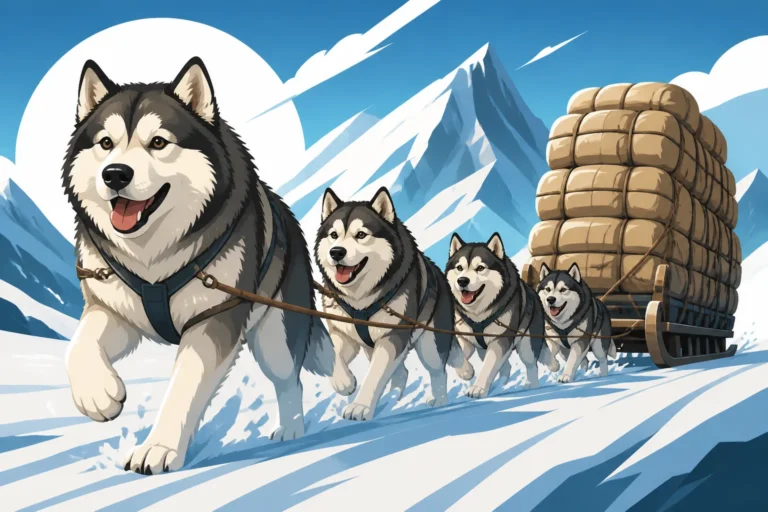
The Alaskan Malamute is a powerful, substantially built dog, bred for strength and endurance rather than speed. This foundational purpose dictates much of their physical conformation, including their size. When we talk about size, we're not just guessing; we're referring to a carefully defined breed standard that guides ethical breeding and helps maintain the integrity of the breed.
Ideal Size and Weight Expectations
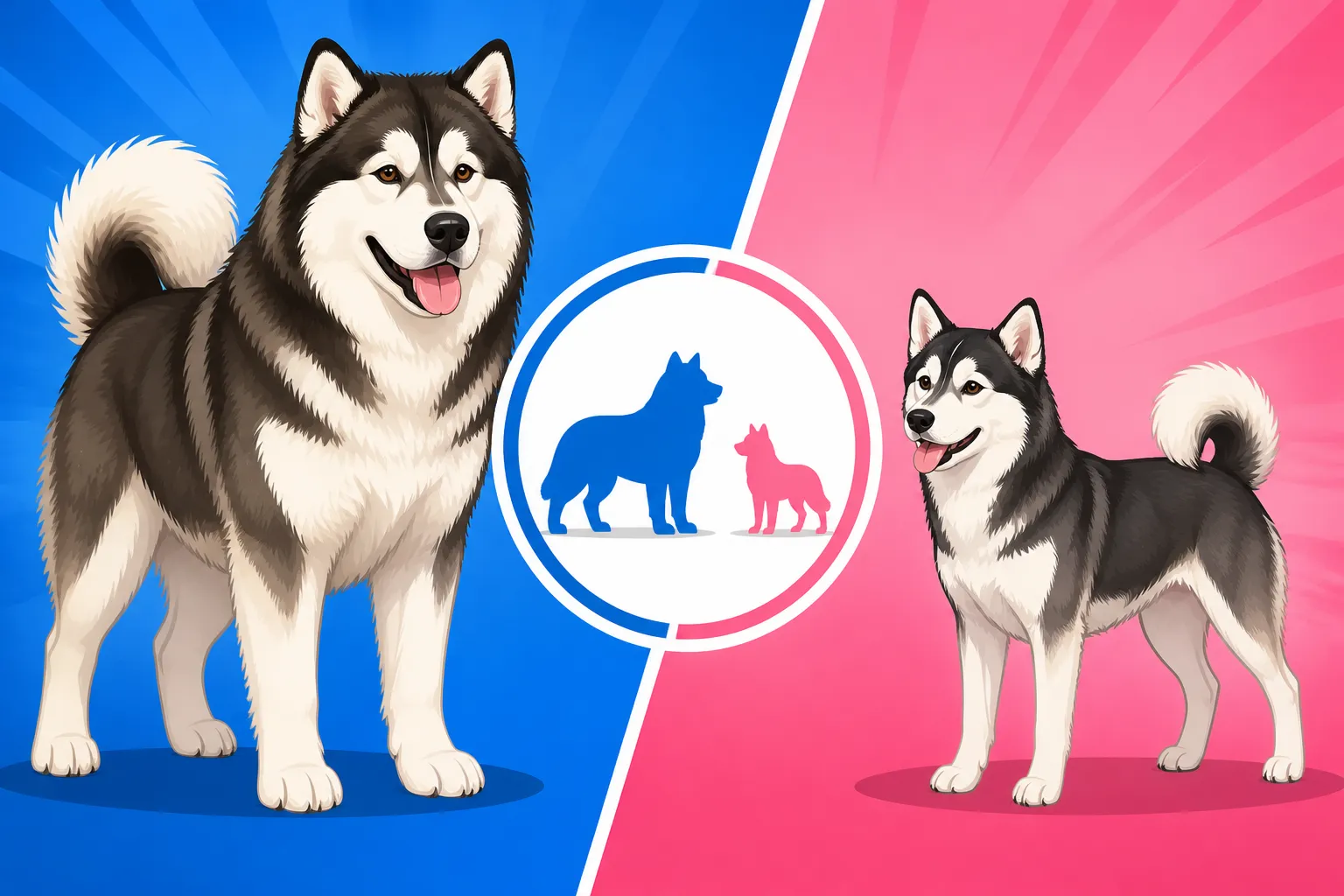
The breed standard provides a clear benchmark for what an Alaskan Malamute should ideally be. For males, the desirable freighting size is typically around 25 inches at the shoulder and weighing about 85 pounds. Females, while still robust, have a slightly different target: approximately 23 inches at the shoulder and weighing around 75 pounds. Now, a 10-pound difference and a couple of inches might not sound like "much smaller" to some, especially when you consider the overall impressive stature of both sexes. It’s more about proportional balance and maintaining the functional build for which the breed was developed. These are ideal averages, of course, and individual dogs will naturally fall a bit above or below these figures while still being considered excellent examples of the breed. It’s about a solid, well-muscled build, not necessarily the absolute tallest or heaviest.
The "Oversize" Malamute Phenomenon
It's important to differentiate between a standard-sized Malamute and what some refer to as "giant" or "oversize" Malamutes. These larger dogs often exceed the breed standard's ideal measurements, sometimes reaching well over 100 pounds and significantly taller than 25 inches. While they are still Malamutes, this intentional breeding for extreme size isn't endorsed by the breed standard and can sometimes lead to structural and health issues. A male Malamute might naturally be at the higher end of the standard, or even slightly above, and still be healthy and well-proportioned. However, seeking out a "giant" Malamute specifically can be a red flag, as it often prioritizes an exaggerated trait over the breed's overall health and historical purpose. It's not uncommon to see claims of "giant" lines, but a truly well-bred Malamute adheres to the standards of functionality, not just sheer mass. What an Alaskan Malamute Actually Weighs can vary greatly depending on their genetic lineage and individual growth.
Comparing Male and Female Alaskan Malamute Physical Characteristics
While the breed standard gives us an ideal, looking at the average differences between male and female Malamutes in real life helps paint a fuller picture. These aren't just numbers; they translate into subtle yet noticeable distinctions in appearance and sometimes, even in their presence.
Average Height and Weight Ranges
Typically, a fully mature male Alaskan Malamute will stand between 23 to 26 inches at the shoulder and weigh anywhere from 75 to 95 pounds. Some may be a little more, particularly those with a heavier bone structure. Females, on the other hand, usually range from 21 to 24 inches in height and 65 to 80 pounds in weight.
| Characteristic | Ideal Male Range (Adult) | Ideal Female Range (Adult) |
|---|---|---|
| Height (at shoulder) | 23-26 inches | 21-24 inches |
| Weight | 75-95 pounds | 65-80 pounds |
| Build | More powerful, heavier boned | Slightly finer, still robust |
As you can see, there's certainly an overlap, but the male tends to occupy the higher end of both height and weight. This means that while a particularly large female might come close to an average male, or a smaller male might be similar in size to a larger female, generally, males will be the larger, more imposing individuals. It's a consistent trend across the breed, reflecting the natural sexual dimorphism found in many animal species.
Subtle Differences in Bone Structure and Build
Beyond the raw numbers, you'll often notice a difference in overall build. Males tend to have a heavier bone structure, broader chests, and more powerful heads. Their musculature often appears more defined, giving them a more "masculine" or rugged appearance. Females, while still incredibly strong and sturdy, often present with a slightly finer bone structure. Their heads might be a touch narrower, and their bodies, while deep-chested, can appear a bit more elegant and less bulky. Think of it less as one being "weak" and the other "strong," and more about two different expressions of strength and endurance. Both sexes possess the remarkable power necessary for their original purpose of freighting, but they carry it with distinct stylistic differences. How Much a Male Alaskan Malamute Weighs compared to How Much a Female Alaskan Malamute Weighs also often shows that males retain a slightly stockier build even when weight is similar.
The Appearance of Maturity
Another interesting point is how they mature. Males often take longer to "fill out" completely. They might reach their full height around 12-18 months, but their broader chest and more muscular physique can continue to develop and solidify until they are two to three years old. Females tend to mature physically a bit faster, often looking fully formed by 18-24 months. This means a young male Malamute might seem less imposing than a female of the same age, only to surpass her significantly as he approaches full maturity. It's a patient wait to see the full grandeur of a male Malamute.
Genetic and Hormonal Influences on Size
The differences we observe between male and female Malamutes aren't just arbitrary; they're rooted deeply in their biology, particularly their genetics and hormonal profiles. Understanding these underlying factors can help explain why these size variations exist and how certain interventions, like spaying or neutering, might impact them.
Hormonal Roles in Growth and Development
Sex hormones play a crucial role in canine development, just as they do in many mammals. Testosterone in males contributes to increased muscle mass and a heavier bone structure. Estrogen in females, while also promoting bone growth, influences the timing of growth plate closure. Typically, females reach skeletal maturity and their full size a bit earlier than males because estrogen accelerates the closure of these growth plates. This means a female Malamute puppy might appear to grow very rapidly and then plateau, while a male will continue growing for a longer period, especially in terms of "filling out" with muscle and bone density. This is why you often see males catching up to and then surpassing their female littermates in size as they enter their second year. The Age an Alaskan Malamute Stops Growing is usually later for males.
Impact of Spaying and Neutering on Growth Plates
The timing of spaying or neutering can actually have an effect on a Malamute's final adult size. When a dog is spayed or neutered before their growth plates have fully closed, it removes the sex hormones that signal these plates to fuse. This can lead to a phenomenon known as "delayed growth plate closure," meaning the long bones in their legs continue to grow for a longer period. The result can be a slightly taller dog than they would have been if left intact until maturity. For a female Malamute, spaying early could potentially make her marginally taller, sometimes even pushing her closer to the lower end of a male's typical height range. However, this increased height can sometimes come at the expense of proper joint development or proportional build, which is why many vets and breeders now recommend waiting until a Malamute is skeletally mature before spaying or neutering.
Lineage and Breeding Practices
Beyond sex, the specific lineage of a Malamute also plays a significant role in their potential adult size. As discussed in articles like The Kotzebue and M'Loot Lines Behind Every Modern Malamute, different historical lines within the breed often had slightly varying size preferences. Kotzebue lines were historically on the smaller, more compact end of the standard, while M'Loot lines tended to be larger and heavier. Even today, you might find breeders who, while adhering to the standard, tend to produce dogs that lean towards the larger or smaller end of the acceptable range based on their chosen lineage. This means two female Malamutes from different breeding programs, or even different parents within the same program, could have noticeably different mature sizes, independent of their sex.
Practical Implications of Size Differences for Owners
Understanding the size differences between male and female Malamutes goes beyond just curiosity; it has real, practical implications for daily life, from choosing the right equipment to managing their energy and fitting them into your home.
Equipment and Gear Considerations
A larger dog naturally requires larger equipment. This includes everything from collars and harnesses to crates and beds. A male Malamute, often being heavier and broader, might need extra-large or even specialty sizing for a durable harness or a heavy-duty crate. When shopping on sites like Chewy, you'll find a wide array of options, but always double-check weight and dimension limits. A female, while still a large dog, might comfortably fit into a large-sized crate where a male might require an XL. Furthermore, consider the strength of leashes and tie-outs. A stronger, heavier male might require a more robust lead to manage his power during walks or training sessions, especially if he's still learning manners on the leash.
Exercise Needs and Activity Levels
While both male and female Malamutes are high-energy, working breeds that thrive on regular exercise, their size can subtly influence the type and intensity of activity they can handle. A heavier male might be less agile but incredibly powerful for sustained pulls, whereas a female might be slightly quicker and more nimble. Regardless, both need a substantial outlet for their energy. How Much Exercise an Alaskan Malamute Needs is significant, and you'll find that a female Malamute will still demand extensive daily activity, whether it's long walks, hiking, or even engaging in dog sports like The Alaskan Malamute in Skijoring. Don't mistake a slightly smaller female for a less active dog; her drive to work and explore will be just as strong as her male counterpart's.
Space Requirements in Your Home
The physical size of your Malamute also dictates how much space they need in your home and yard. While a female might take up slightly less floor space than a male, both are large dogs that require ample room to move around comfortably. This isn't just about sleeping space; it's about navigating hallways, turning around in rooms, and having designated areas for their bed, food bowls, and toys. If you're living in an apartment, even a smaller female Malamute can feel like a lot of dog in a confined space. It's crucial to ensure your living environment can accommodate a dog of this size, providing enough room for them to stretch out, play, and generally exist without feeling cramped. A generous dog bed from a brand like Chewy can help define their personal space.
The "Feel" of a Male vs. Female Malamute
Beyond the objective measurements, there's often a subjective "feel" that owners describe when comparing male and female Malamutes. While individual personalities vary wildly, some general tendencies can be observed.
Personality Tendencies and Temperament
It's tempting to generalize, but Malamutes, regardless of sex, are known for their strong-willed, independent, and affectionate nature with their families. However, some owners report that males can sometimes be a bit more aloof or stoic, perhaps requiring a bit more patience in training due to their strong sense of self-importance. Females, on the other hand, are sometimes perceived as being slightly more biddable, though still possessing that trademark Malamute independence. They might be a touch more responsive to their owner's emotional cues. These are broad generalizations, of course, and you'll find plenty of cuddly males and independent females. The core Malamute temperament – loyal, intelligent, sometimes stubborn, always needing a job – remains consistent across both sexes.
Managing Multiple Malamutes: Same-Sex Dynamics
If you're considering owning more than one Malamute, the sex of your dogs becomes a significant factor. It's a widely acknowledged truth among Malamute enthusiasts that same-sex aggression, particularly between two females, can be a serious issue. While males can also exhibit same-sex aggression, especially if intact, female Malamutes are notorious for their strong hierarchy drive, which can lead to intense and often dangerous conflicts. This isn't to say two females can never coexist peacefully, but it often requires extremely careful management, experienced ownership, and sometimes, a "crate and rotate" lifestyle. For this reason, many experienced Malamute owners recommend a male/female pairing if you plan to have multiple dogs. This creates a more natural pack dynamic, often with less contention. Why Malamutes Fight Dogs of the Same Sex is a critical read for anyone considering this.
The Bond with Their Human Family
Both male and female Malamutes form incredibly strong bonds with their human families. They are pack animals at heart and thrive on being included in family activities. Some might argue that males are more demonstrative in their affection, leaning into you for pets or nudging you for attention, while females might show their affection in more subtle ways, like quietly resting their head on your lap. Ultimately, the depth of the bond depends far more on early socialization, consistent training, and the amount of love and attention they receive, rather than their sex. A well-adjusted Malamute, male or female, will be a devoted and cherished member of your household, eager for adventures and snuggles alike. Providing a variety of interactive toys from Chewy can also strengthen this bond through shared play.
Misconceptions and Reality Checks About Malamute Size
There are a lot of ideas floating around about Malamute size, some based on truth, others purely on marketing or misinformation. It's important to separate fact from fiction when considering whether a female Malamute is "much smaller."
The "Giant Malamute" Marketing Ploy
As mentioned earlier, the term "Giant Alaskan Malamute" is often used to market dogs that significantly exceed the breed standard. While a Malamute might naturally be on the larger end of the spectrum, deliberately breeding for extreme size can be detrimental. These larger dogs often face increased risks of joint issues like Hip Dysplasia in an Alaskan Malamute, bloat (Signs a Malamute Is Bloating), and a shorter lifespan due to the added strain on their bodies. A healthy, well-structured Malamute is built for endurance and power, not just sheer bulk. When evaluating a puppy, focus on health testing of the parents and adherence to the recognized breed standard, rather than just seeking the biggest pup in the litter. Whether a Giant Malamute Is Bred Outside the Standard is often the case.
Why Visual Perception Can Be Misleading
Sometimes, our perception of size can be influenced by what we're used to. If you've primarily seen very large, powerful male Malamutes, a female Malamute might indeed appear "much smaller" in comparison. However, if you compare her to many other large dog breeds, she'll still be considered substantial. The Malamute's incredibly dense, double coat also plays a role in how large they appear. A dog in full coat can look significantly bigger and bulkier than they are when wet or in between coat blows. This is especially true during a The Malamute Coat Blow That Fills a Vacuum in an Afternoon season. So, while a female might be physically smaller than a male, she'll still be a commanding presence, covered in that magnificent fur, and far from a "small" dog by any stretch of the imagination.
Functional Size vs. Show Ring Size
It's also worth noting that there can be a subtle distinction between the size of Malamutes bred primarily for working lines (freighting, pulling) and those bred for the conformation show ring. While both adhere to the breed standard, working lines might sometimes lean towards a slightly more compact, agile build that is practical for sustained exertion, whereas show dogs might sometimes prioritize the more visually impressive, heavier-boned look, provided it still aligns with the standard. A female Malamute from a dedicated working line might be perfectly within standard but appear a bit leaner and more athletic than a female from a show line. Both are correct; it's just a matter of emphasis within the parameters of the breed standard.
Conclusion: Not "Much Smaller," But Appropriately Different
So, is a female Malamute "much smaller"? The answer is generally no, not in a way that makes her seem like an entirely different breed or a truly small dog. She is typically a few inches shorter and about 10-20 pounds lighter than her male counterparts, adhering to a breed standard that calls for strength and substance in both sexes. This difference makes her proportionately appropriate for her sex within the breed, retaining all the power, endurance, and magnificent presence that defines the Alaskan Malamute.
The distinctions in size are a natural aspect of sexual dimorphism and contribute to the subtle yet noticeable differences in their build and sometimes their overall "feel." Whether you choose a male or a female, you're bringing home a robust, independent, and incredibly loving companion. The most important factors in their well-being and your enjoyment will always be responsible breeding, consistent training, proper nutrition (perhaps even some zinc supplements if you have a Zinc Responsive Dermatosis in an Alaskan Malamute prone dog, though check with your vet!), and ample opportunities to exercise their minds and bodies.
Disclaimer
This article is for general informational purposes only and does not constitute professional advice. Laws, prices and regulations vary by location and change over time. Consult a qualified professional for guidance on your specific situation.