Whether Malamutes Lose to Huskies in a Sprint
It's a classic comparison often tossed around in dog parks and online forums: the majestic Alaskan Malamute versus the sleek Siberian Husky. When people envision these magnificent Northern breeds, there's often an immediate thought of speed, racing across vast snowy landscapes. But the reality of their athleticism, especially when it comes to who would "win" in a sprint, is often misunderstood. This guide aims to clear up those misconceptions, diving deep into the history, physiology, and purpose that dictate why a Malamute, for all its power, just isn't built for a dash, and why that's perfectly okay.
The Ancestral Job Description: Why Speed Wasn't the Malamute's Priority
To truly understand why an Alaskan Malamute isn't going to out-sprint a Siberian Husky, we have to travel back in time to their origins. These breeds weren't simply 'designed' for pulling; they were bred by indigenous peoples for very specific, survival-critical tasks in the harsh Arctic environment. Their entire physical and mental makeup evolved from these ancient jobs.
The Freight Hauler's Legacy
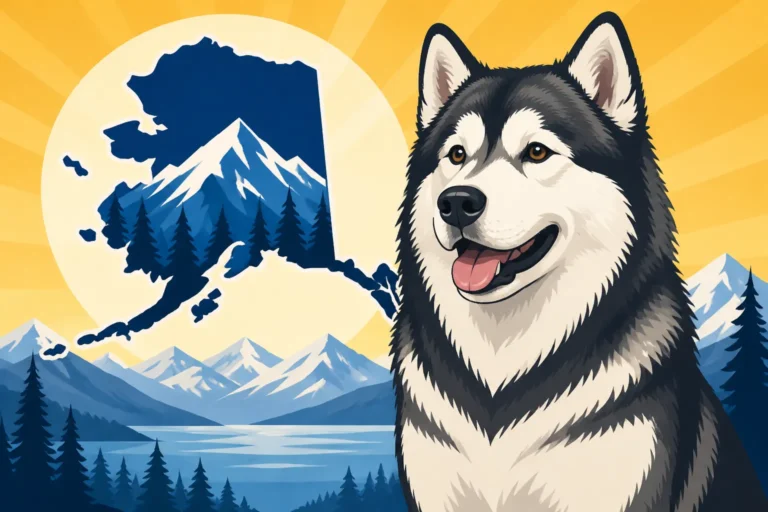
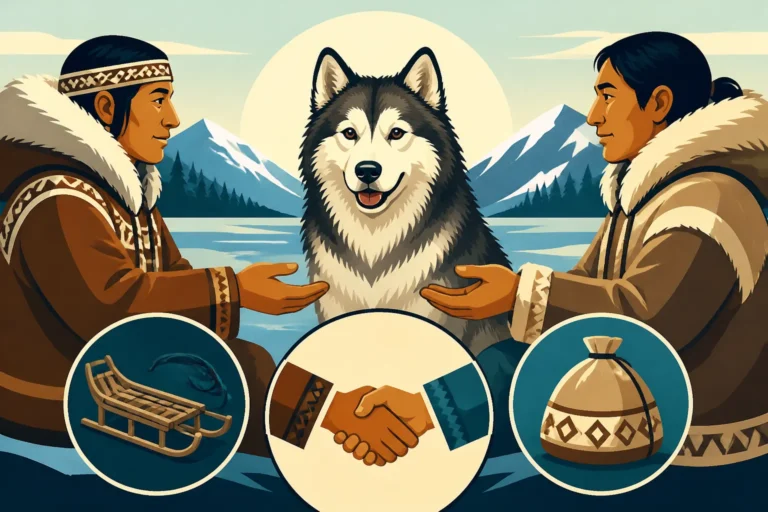
The Alaskan Malamute's heritage is deeply rooted with the Mahlemut people of Alaska's Kotzebue Sound. These people relied on their dogs for survival, needing powerful animals to haul heavy loads over long distances through deep snow and treacherous terrain. We're talking about bringing back large game, moving entire camps, or transporting vital supplies. Speed was secondary, or frankly, largely irrelevant, to this demanding work. Imagine trying to sprint while pulling hundreds of pounds of cargo; it's simply not feasible or efficient. Freight, Not Speed: What Separates a Malamute From a Racing Dog
This ancestral role meant that the dogs best suited for the Mahlemut's needs were those with immense strength, endurance, and a thick, insulating coat to withstand extreme cold. They needed a sturdy, robust build, powerful shoulders, and a broad chest to distribute the weight of the harness evenly and pull with maximum force. Their gait was designed for a steady, tireless trot, a ground-eating pace that could be maintained for hours, even days, rather than explosive bursts of speed. It was about consistent, relentless forward motion, not a quick dash to the finish line.
The Sprinting Messenger: Husky's Purpose
In stark contrast, the Siberian Husky’s history, while also rooted in pulling, leaned heavily towards a different kind of task. They were developed by the Chukchi people of Siberia to cover vast distances at a relatively quick pace, often with lighter loads. Think of them more as efficient, agile couriers or lighter sled teams designed for speed and endurance over many miles, rather than sheer power.
This difference in purpose led to distinct physical adaptations. Huskies needed to be lighter, more agile, and possess a more streamlined body to maximize speed and minimize energy expenditure on long runs. Their gait is often described as flowing and effortless, built for covering ground quickly. While both breeds are incredibly resilient and suited to cold, their specific roles shaped their athletic prowess in fundamentally different ways. It’s like comparing a tractor to a sports car – both are vehicles, but built for completely different jobs.
Built for Different Terrain: Physicality of a Sprinter vs. a Powerhouse
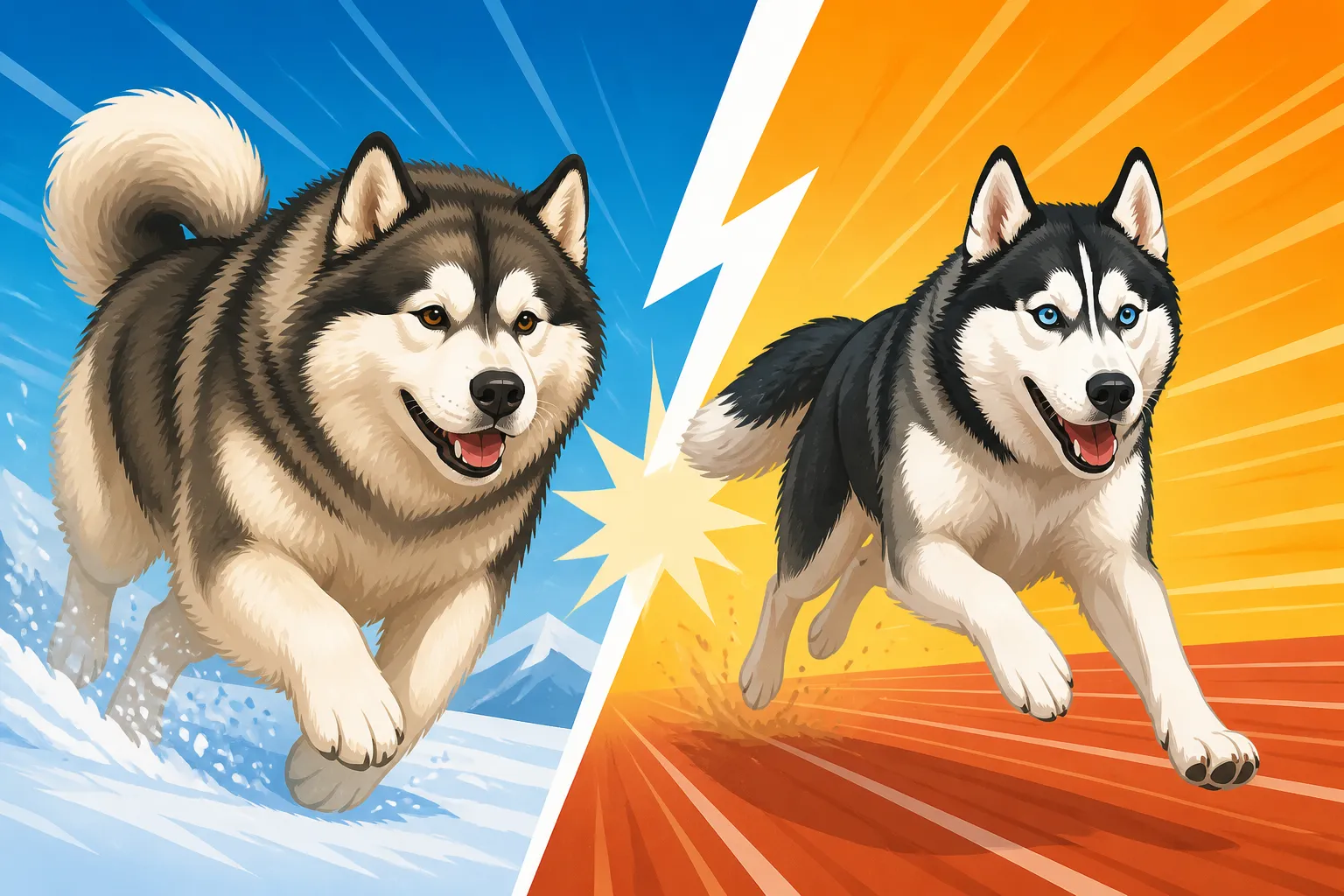
When you place an Alaskan Malamute and a Siberian Husky side-by-side, even to the untrained eye, their physical differences are quite apparent. These aren't just cosmetic variations; every aspect of their build, from bone structure to coat density, contributes to their inherent capabilities and, specifically, their speed or lack thereof.
Musculature and Bone Structure
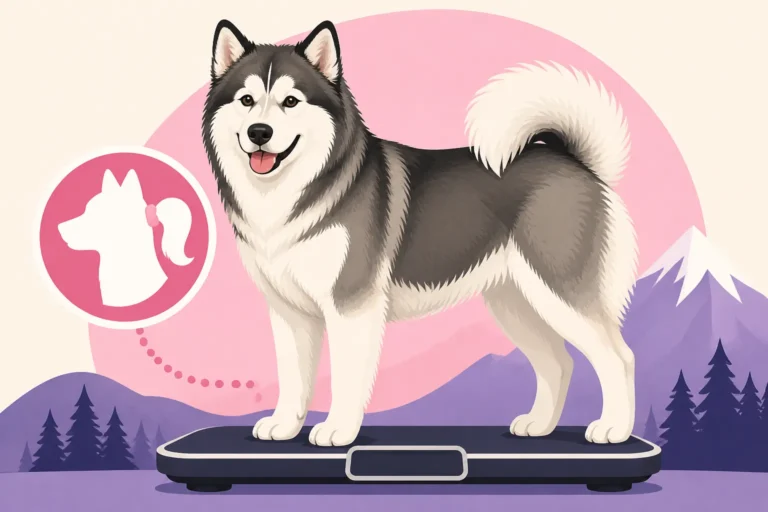
An Alaskan Malamute is, quite simply, a powerhouse. What an Alaskan Malamute Actually Weighs They are bred for strength and stamina, which translates into a heavier bone structure and a much more substantial musculature, particularly across their shoulders and chest. Their legs are strong and straight, built for propulsion through resistance, not for quick, agile strides. This solid, heavy build, while perfect for anchoring them when pulling a tremendous load, acts as a natural impediment to sprinting. Every pound of body weight needs to be propelled forward, and a Malamute carries significantly more muscle and bone mass than a Husky. Think of a weightlifter versus a marathon runner; both are athletes, but their bodies are optimized for different types of exertion.
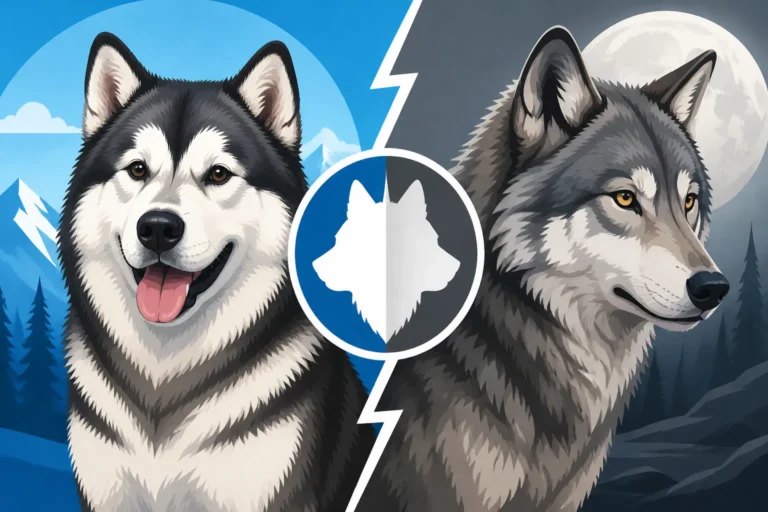
Siberian Huskies, on the other hand, are built for speed and endurance. They have a lighter, more athletic frame, with lean muscle and finer bones. Their legs are agile, allowing for a long, swift stride. They are less about brute force and more about efficient, economical movement. This lighter build means less mass to accelerate, making them naturally quicker off the mark and capable of maintaining higher speeds for longer periods in a racing context. The Alaskan Malamute Against the Siberian Husky
Coat and Insulation
Both breeds possess incredible double coats, essential for surviving Arctic temperatures. However, there are subtle differences that also play into their athletic profiles. A Malamute's coat tends to be thicker and denser overall, providing superior insulation. While fantastic for keeping them warm in extreme cold, this dense coat can also contribute to overheating more quickly during intense, high-speed exertion, especially in warmer conditions. This further discourages prolonged bursts of speed.
The Siberian Husky's coat, while still a double coat and incredibly insulating, is often described as slightly less dense or "woolly" than a Malamute's, allowing for better heat dissipation during sustained, faster activity. For any dog, managing body temperature is crucial during exercise, and a coat that allows for slightly more efficient cooling would be advantageous for a breed designed for faster, more continuous movement. Even the way their fur sits can affect aerodynamics, however minutely, during a full-out sprint.
Paw Design and Gait
Look at their paws, and you'll find more clues. A Malamute's paws are large, well-padded, and "snowshoe-like," designed to grip and provide traction in deep snow, preventing them from sinking too deeply. This broad surface area is ideal for pushing off and maintaining stability when pulling heavy weight. Their gait is a steady, powerful stride, built for efficiency over distance and through resistance, not for explosive speed or agility.
Huskies also have well-furred, padded paws suitable for snow, but their overall foot structure and leg angulation are typically geared towards a more agile, lighter-footed movement. Their gait is often described as light and graceful, designed to conserve energy while covering ground quickly. This allows them to "float" over snow with a more nimble movement, contributing to their ability to accelerate and maintain a faster pace.
| Feature | Alaskan Malamute (Powerhouse) | Siberian Husky (Sprinter/Endurance) |
|---|---|---|
| Original Purpose | Heavy freight hauling, long distances | Light load pulling, speed/endurance |
| Build | Large, heavy-boned, robust, powerful | Medium, lighter-boned, lean, athletic |
| Primary Strength | Immense strength, tireless endurance | Speed, agility, sustained quick pace |
| Top Speed | Moderate bursts, not sustained | High, sustained over long distances |
| Gait | Powerful, steady, ground-covering trot | Smooth, effortless, efficient running gait |
| Energy Output | Consistent, high-effort pulling | Efficient, high-speed covering of ground |
| Paws | Large, broad, snowshoe-like for traction | Well-padded, agile, designed for speed |
Training and Performance: What Each Breed Excels At
It's not just about inherent physical traits; it's also about what each breed is motivated to do and how they are typically trained and utilized in working dog sports. Their natural inclinations align perfectly with their historical roles, making them excel in different disciplines.
Malamute: The Marathoner of Strength
An Alaskan Malamute absolutely loves to pull. It’s in their DNA. Pulling Is the Only Job an Alaskan Malamute Really Wants They thrive when given a job that requires steady effort and strength over distance. This is why you see Malamutes excelling in weight pulling competitions, where they demonstrate incredible feats of strength, sometimes moving thousands of pounds. They are also fantastic for recreational sledding, skijoring, or carting, especially when the goal is a leisurely, sustained journey rather than a race against the clock. The Age a Malamute Can Start Pulling
Their training often focuses on building sustained power and consistency. They are taught to lean into the harness, maintain a steady pace, and work as a team (if part of a multi-dog setup). While a Malamute can certainly break into a gallop for a short burst of excitement – perhaps chasing a squirrel or zooming around the yard – it's not their default mode of operation for any significant duration. Asking a Malamute to sprint repeatedly or for long stretches would be like asking a draft horse to win the Kentucky Derby; it's just not what they are built for, and it would quickly lead to exhaustion and overheating. A well-nourished Malamute on a good diet, perhaps from a brand like Chewy, might have the fuel, but not the inherent design for sustained fast bursts.
Husky: The Nimble Racer
Siberian Huskies, conversely, are the quintessential sled racing dogs. Their entire sporting world revolves around speed and endurance. From the legendary Iditarod to local sprint races, Huskies are bred and trained to run fast, often for many miles, and to do so efficiently. Their light build, high energy, and natural propensity for a swift, ground-eating trot make them ideal for these demanding events.
Their training regimens often focus on conditioning for speed, agility, and maintaining a high pace. They are taught to work together in a team, respond quickly to commands, and conserve energy while moving swiftly. When you watch a Husky team in full stride, it’s a breathtaking display of synchronized speed and grace. They move with an almost effortless flow, gliding over the snow at speeds that would leave a Malamute struggling to keep up.
Practical Implications for Owners: Choosing Your Companion
Understanding these fundamental differences between Malamutes and Huskies isn't just a fun trivia fact; it has significant practical implications for prospective owners. Your lifestyle, local climate, and expectations for exercise and activities should heavily influence your choice between these two incredible breeds.
Exercise Needs and Activities
If you're an avid runner looking for a jogging partner or dream of competing in fast-paced canine sports, a Siberian Husky is generally going to be a better fit. Their desire to run, and run fast, is innate. They need a substantial amount of vigorous, high-speed exercise to be happy and well-adjusted. Think long runs, bikejoring, or active sledding. How Much Exercise an Alaskan Malamute Needs
For a Malamute, the emphasis is less on speed and more on sustained, powerful work. They still require a tremendous amount of exercise – they are not couch potatoes by any stretch! But their ideal activities involve longer, more moderate-paced adventures: hiking, backpacking, urban mushing with a cart at a steady trot, or serious weight pulling. They might enjoy a good romp and burst of speed in a secure area, but their true joy comes from putting their powerful bodies to work in a consistent, enduring manner. When outfitting your Malamute for an adventure, you'll find plenty of appropriate gear and high-energy food options at places like Chewy.
Climate Considerations
Both breeds thrive in colder climates, but the Malamute's extra dense coat makes them particularly susceptible to overheating. If you live in a region with warm or hot summers, you will need to take extra precautions to keep your Malamute cool. This means exercising in the early morning or late evening, providing constant access to shade and cool water, and potentially keeping them indoors with air conditioning during the hottest parts of the day. Summer Is the Season That Kills Alaskan Malamutes A Husky also needs heat management, but their slightly leaner build and coat might give them a marginal advantage in tolerating slightly warmer conditions during exercise, though neither is truly built for hot weather.
Temperament and Training Style
While both breeds are intelligent and can be independent, their ancestral jobs also shaped their temperaments. Malamutes, as powerful freight dogs, often possess a strong sense of self and can be incredibly stubborn. They are not always eager to please in the same way a retriever might be, and training requires consistency, patience, and a deep understanding of their motivations. They were bred to make decisions far from their human companions, making them wonderfully independent but sometimes challenging to train in traditional obedience.
Huskies share some of this independence but often have a higher energy level that can manifest as mischief if not properly channeled. Both require extensive socialization and training from a young age, but the type of "work" you provide for them should align with their inherent drives. If you try to force a Malamute into a high-speed racing role, or expect a Husky to happily pull a very heavy load at a slow pace, you'll likely end up with frustrated dogs and owners.
In conclusion, while both Alaskan Malamutes and Siberian Huskies are stunning, athletic, and intelligent Northern breeds, they were quite literally bred for different jobs. If you're looking for a swift sprinter, the Siberian Husky holds the advantage. But if you seek a powerful, enduring companion capable of hauling significant loads and tackling long, steady treks, the Alaskan Malamute is your unmatched champion.
Disclaimer
This article is for general informational purposes only and does not constitute professional advice. Laws, prices and regulations vary by location and change over time. Consult a qualified professional for guidance on your specific situation.