Whether a Malamute’s Ears Are Small for Its Head
An Alaskan Malamute’s ears can look surprisingly small beside its broad head, especially when a puppy’s ears seem to change shape as it grows. That compact, upright look is usually part of the breed’s normal appearance, not a sign that anything is wrong. This guide explains what Malamute ears should look like, how age affects their proportions, and which changes deserve a closer look.
Why Alaskan Malamute ears look small
Small ears are part of the breed’s overall proportions
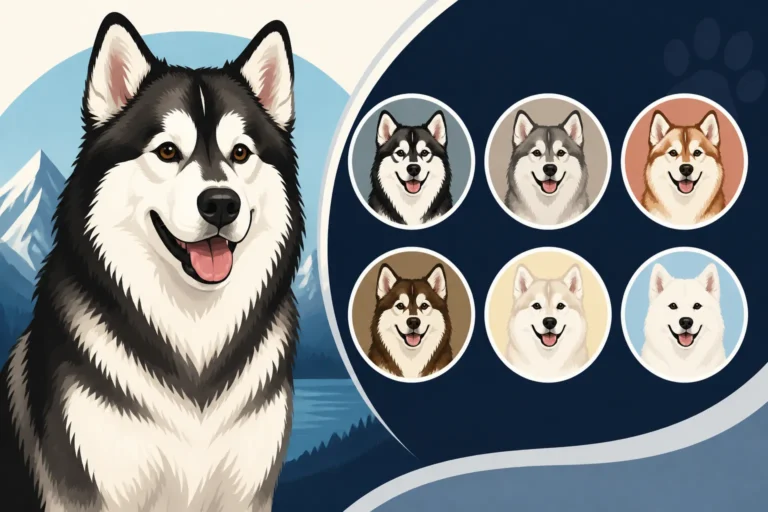
A Malamute’s head is broad and substantial, with a wide skull and a strong muzzle. Against that generous frame, its ears can seem modest in size. That contrast is normal: the ears are generally described as small in relation to the head, triangular, upright, and slightly rounded at the tips.
The key phrase is “in relation to the head.” An ear might look small when you compare it with the dog’s skull, but still be a normal size and shape for that individual. Malamutes are not meant to have large, oversized ears that dominate the face. Their compact ears help create the breed’s characteristic balanced, sturdy expression.
If you are comparing dogs, remember that body size and head shape vary. A larger head can make similar-sized ears appear smaller, and a narrower head can make ears seem more prominent. How Tall an Alaskan Malamute Stands and Whether a Female Malamute Is Much Smaller offer useful context for the natural range of Malamute proportions.
Shape and placement matter more than a quick size comparison
A typical Malamute ear is triangular, set well apart, and carried upright when the dog is attentive. The tips are rounded rather than sharply pointed. Ears may angle slightly forward when the dog is interested in something, giving the face a focused, alert look.
The placement can affect your impression as much as the actual ear size. Ears set apart on a broad head may look small from straight on, while the same ears can look more noticeable from the side. Fur around the cheeks and neck can also change the visual balance, especially in a full-coated dog.
A useful comparison is the whole face rather than the ear alone. Look at the skull, muzzle, eye spacing, and ear placement together. What an Adult Male Alaskan Malamute Weighs and What an Alaskan Malamute Actually Weighs can help put the breed’s sturdy overall build into perspective, but neither body weight nor apparent size by itself tells you whether an individual dog’s ears are healthy.
Malamute ears differ from the look of other northern breeds
People often compare Malamutes with Siberian Huskies, particularly when they are trying to decide whether a dog’s ears look unusually small. The breeds have different overall proportions and expressions, so a direct ear-to-ear comparison can be misleading. A Malamute’s broad head may make its ears look less prominent than those of a more finely built dog.
Instead of asking whether the ears look large compared with a different breed, consider whether they fit the Malamute’s head and are carried normally. The Alaskan Malamute Against the Siberian Husky explains some of the broader differences that can influence a side-by-side impression.
| What you notice | What it may mean | What to check |
|---|---|---|
| Compact, upright triangular ears | Often a normal Malamute feature | Compare both ears and watch how they move |
| Ears that look small beside a broad skull | Common breed proportion | Consider the whole head rather than ear size alone |
| One ear suddenly drooping | May reflect discomfort, injury, or an ear problem | Look for scratching, redness, odor, or head shaking |
| A puppy’s ears seem to change proportion | Growth can alter the way the head and ears appear | Track changes over time rather than judging from one photo |
| Swelling, discharge, or a painful reaction | Not simply a matter of ear size | Contact a veterinarian |
How age and growth change the appearance of the ears
Puppy ears can seem out of proportion from week to week
Puppies change quickly, and their features do not always appear to grow in perfect synchrony. A young Malamute may have ears that look especially small against a rounded, fluffy head. At another stage, the ears may appear more prominent because the head shape or coat has changed. Photos taken at different angles can exaggerate those differences further.
This is one reason a single snapshot is not a reliable way to judge ear proportions. Take a look at the puppy from the front and side, in ordinary light, and compare both ears. If the ears are upright and symmetrical, and the puppy is comfortable when you gently handle around the outside of them, their small appearance alone is usually not cause for alarm.
For a broader sense of how the breed’s proportions develop, see The Age an Alaskan Malamute Stops Growing. That topic is about overall growth rather than ears specifically, but it can help explain why a puppy’s head and features may look different as it matures.
Ear position can change with attention and mood
A Malamute’s ears are expressive. They may point forward when the dog is listening closely, turn slightly to follow a sound, or sit less erect when the dog is relaxed. This normal movement can make the ears look different from one moment to the next. If you are judging a photo, a relaxed dog may appear to have smaller or less upright ears than an alert dog.
Try watching your dog during an ordinary day. Does each ear move toward sounds? Do both ears usually stand upright when the dog is engaged? Does your dog react comfortably when you touch around the ear flap? These observations provide more useful context than trying to measure the ears against a picture of another Malamute.
A sudden, persistent change is different from a momentary shift in posture. If one ear that usually stands upright begins to droop and stays that way, or your dog seems bothered when the area is touched, consider it a health question rather than a breed-proportion question.
Coat and markings can alter what you see
A thick coat can make the head look broader, and that can make the ears appear smaller by comparison. Seasonal coat changes may also affect the outline of the cheeks and neck, changing the overall impression without changing the ears themselves. Lighting, camera angle, and a dog’s head tilt can add to the illusion.
Face markings can influence perception, too. Strong contrast around the eyes or forehead may draw attention toward the center of the face, while a darker or fuller outline may make the ears seem less noticeable. As a puppy’s appearance develops, markings and coat can make the same ears seem different from one month to the next. Whether a Malamute's Face Markings Change With Age discusses another part of the changing look that can make puppy photos hard to compare.
When small-looking ears may signal a health issue
Look for a change in comfort or behavior, not just size
Small ears, by themselves, are not a dependable sign of illness. More useful clues are changes such as repeated head shaking, frequent scratching, rubbing the head on furniture, or suddenly avoiding touch around an ear. You might also notice redness, swelling, an unpleasant odor, or discharge.
A dog with an ear problem may tilt its head, hold one ear differently, or seem less responsive to sounds from one side. Those signs do not identify a cause on their own. Irritation, infection, injury, and other issues can look similar from the outside, so a veterinarian is the right person to assess a persistent or painful change.
Avoid putting cotton swabs or home remedies into the ear canal. Even if you can see wax at the opening, probing inside can cause injury or push debris farther in. If you are worried, note when the change started and what you have observed, then share those details with the veterinary clinic.
Compare both ears and track sudden differences
A Malamute’s ears do not have to look like perfectly matched triangles in every photograph. Small differences in angle, coat, or posture are normal. What matters more is whether one ear has changed noticeably from its usual position or whether the dog seems uncomfortable.
You can keep a simple record if you are unsure. Take a clear photo from the front and another from the side, then note whether your dog has been scratching, shaking its head, or reacting to touch. This can help you describe the change accurately during a veterinary visit, especially if the ear looks different only at certain times.
Do not wait for a visible size difference to become dramatic if your dog seems distressed. Pain, swelling, discharge, or a sudden loss of normal ear movement deserves prompt veterinary advice. A small-looking but comfortable ear is generally a different situation from an ear that has changed suddenly and is bothering the dog.
Keep ear care gentle and follow veterinary advice
Check the outer ear occasionally as part of routine grooming. Look for obvious redness, debris, or a change in odor, but avoid cleaning healthy ears unnecessarily. If your veterinarian recommends an ear-cleaning product, follow the directions they provide and ask how often it should be used. A product suited to one dog’s needs may not be right for another.
If you need to find a recommended cleaner, you can check the product details through a retailer such as Chewy, but use the veterinarian’s instructions to guide what you buy. Look at the label and confirm that it is the specific type your clinic suggested; do not substitute a product just because the packaging says it is for dogs. If the product is unavailable or you are uncertain about the instructions, call the clinic before using something else.
For a dog that dislikes ear handling, make the check brief and calm. Let your Malamute sniff your hand, touch the outside of the ear gently, and reward relaxed behavior. If the ear is sore, do not force the examination. Chewy may be a convenient place to compare basic grooming supplies, but it cannot determine whether an ear is infected or injured; that requires veterinary assessment.
How to judge your Malamute’s ears without overthinking them
Use a simple at-home check
When you are wondering whether your Malamute’s ears are too small, work through these observations rather than relying on appearance alone:
- Look at both ears together. Notice whether they are broadly similar in shape and position.
- Check the overall head balance. Compact ears can look especially small on a broad skull, which is a normal breed characteristic.
- Watch the ears move. See whether they respond to sounds and change position when your dog is attentive or relaxed.
- Look for signs of irritation. Scratching, head shaking, redness, odor, discharge, or pain matters more than a small-looking outline.
- Compare over time. If something seems different, take a photo and note when the change began.
This check is not a diagnostic test. It is simply a practical way to separate “my dog has a broad head and compact ears” from “something has changed and my dog may be uncomfortable.” If the second description fits, contact your veterinarian.
Avoid judging ears by online photos alone
Photos are useful for getting a general sense of breed appearance, but they are not standardized. A close-up lens can make the muzzle or ears look larger. A camera positioned low can exaggerate the head. Some dogs are photographed alert with their ears forward; others are resting, with their ears angled differently. Coat thickness and grooming also affect the outline.
A breeder, veterinarian, or knowledgeable breed community may help you understand typical appearance, but visual comparisons should not replace an exam when there is a health concern. If you are choosing a puppy, ask to see the puppy move and interact rather than relying only on posed photos. A calm, comfortable puppy’s overall health and behavior are more meaningful than whether its ears look exactly like a picture you have seen.
For first-time owners, it helps to learn the breed as a whole rather than focusing on one feature in isolation. What Alaskan Malamute Owners Wish They Had Known offers broader context on living with the breed, while Whether an Alaskan Malamute Suits a First Time Owner can help you think through the practical realities of ownership.
The practical answer
Yes, an Alaskan Malamute’s ears can look small for its head, and compact, upright ears are part of the breed’s familiar appearance. Their proportions can seem different as a puppy grows, as the coat changes, or as the dog shifts between relaxed and attentive expressions.
If the ears are generally upright, comfortable, and free of irritation, small size alone is usually not a reason to worry. Focus on sudden changes, pain, redness, odor, discharge, or persistent head shaking instead. When those signs appear, a veterinarian can assess what is happening and recommend appropriate care.
Disclaimer
This article is for general informational purposes only and does not constitute professional advice. Laws, prices and regulations vary by location and change over time. Consult a qualified professional for guidance on your specific situation.