The Age Polyneuropathy Appears in a Malamute
It’s truly heartbreaking to watch your powerful, majestic Alaskan Malamute start to stumble, lose their footing, or even change the sound of their signature "woo." You know something isn’t right, but what could it be? For many Malamute owners, these concerning symptoms can point to inherited polyneuropathy, a challenging genetic condition that can drastically alter your dog's quality of life. This guide is here to shed light on when this complex disease typically appears, what to look for, and how to best support your furry family member through it.
Understanding Alaskan Malamute Inherited Polyneuropathy
When we talk about inherited polyneuropathy in Alaskan Malamutes, we're discussing a specific neurological disorder that can be incredibly distressing for both dog and owner. It's not something that just pops up out of nowhere, but rather a progressive condition with a genetic root that slowly, often insidiously, impacts your Malamute's ability to move and even breathe normally.
What is Inherited Polyneuropathy?
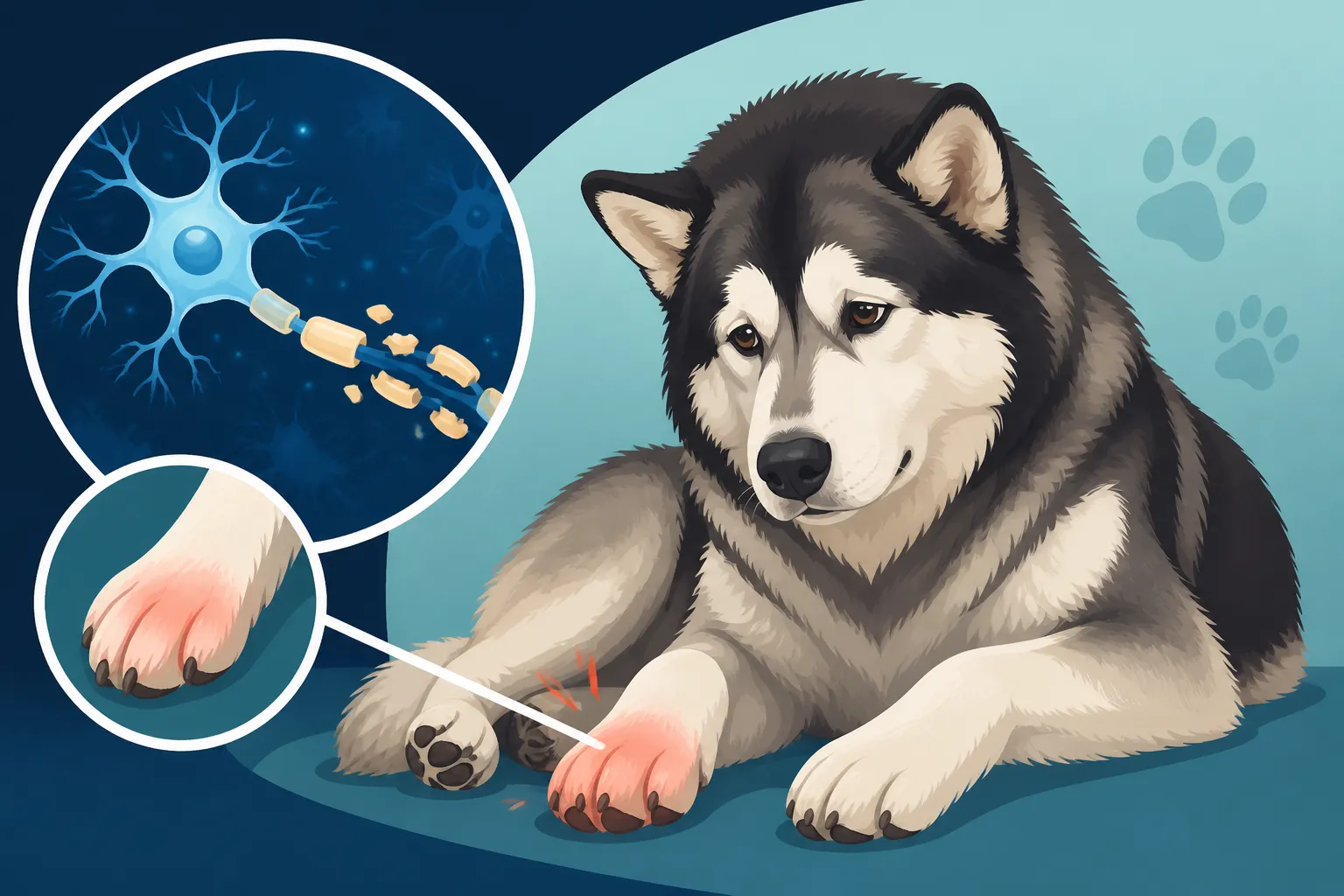
At its core, inherited polyneuropathy in Malamutes is a degenerative disease affecting the peripheral nerves – those vital communication lines that branch out from the brain and spinal cord to the rest of the body, particularly the muscles. Think of it like a series of electrical wires that start to fray and lose their insulation. When these nerves can’t transmit signals properly, the muscles they’re supposed to control don't receive clear instructions. This leads to a gradual weakening and loss of coordination, most notably in the hind limbs first, but eventually affecting all voluntary muscles.
The impact isn't just on movement; it's a systemic breakdown in the messages sent throughout the body. While it's certainly not the same as other conditions like Zinc Is the Thread Running Through Three Malamute Diseases or Chondrodysplasia and the Malamute That Absorbs a Quarter of Its Zinc, it shares the genetic heartache of being an inherited disorder. For a deeper understanding of what happens inside your Malamute’s body, exploring What Inherited Polyneuropathy Does to a Malamute can be very insightful. The degeneration means that the "signal" from the brain telling a leg to lift or a paw to grip becomes distorted or entirely lost, leading to the characteristic weakness and gait abnormalities we observe.
The Genetic Basis of the Disease
This particular form of polyneuropathy in Alaskan Malamutes is known to be an autosomal recessive genetic condition. What does that mouthful mean for us, the owners and breeders? It means that for a Malamute to actually develop the disease, they must inherit two copies of the faulty gene – one from each parent. If a dog inherits only one copy, they are considered a "carrier." Carriers don't show any symptoms of the disease themselves, which is where the real challenge lies in breeding programs, because they can unknowingly pass the gene on to their offspring.
Understanding this recessive inheritance is crucial. If both Malamute parents are carriers, there's a 25% chance with each puppy that it will inherit two copies of the gene and be affected, a 50% chance it will be a carrier, and a 25% chance it will be completely clear. This is why responsible breeders are so passionate about genetic testing. Knowing Whether Both Malamute Parents Must Carry Polyneuropathy is a fundamental piece of information that can save immense heartache. Tools like the specific DNA test for this condition are invaluable for identifying carriers and affected dogs before breeding decisions are made. You can find more detailed information on The DNA Test That Finds Malamute Polyneuropathy which has revolutionized how we manage this disease.
When Polyneuropathy Symptoms Typically Emerge
One of the most frustrating aspects of inherited polyneuropathy is that it doesn't usually announce itself right away. Your Malamute puppy can appear perfectly normal for months, often even over a year, before the subtle signs begin to manifest. This delay makes early detection challenging and can leave owners bewildered about what's happening to their seemingly healthy, vibrant dog.
The Common Age Range for Onset
For most Alaskan Malamutes affected by inherited polyneuropathy, symptoms typically begin to surface between one and two years of age. However, it’s not a strict timeline. Some dogs might show signs a little earlier, around 6-12 months, while for others, it might be slightly later, closer to two or even three years. This variability means you can't just breathe easy once your Malamute passes their first birthday; vigilance is key throughout their early adult years. It’s particularly cruel because this is often when Malamutes are at their physical peak, full of youthful energy and enthusiasm for life and work, whether it’s pulling a sled or just chasing squirrels in the yard.
The insidious nature of the onset can be incredibly misleading. Unlike some conditions that present obvious signs in puppyhood, polyneuropathy often starts so subtly that you might initially dismiss the changes as clumsiness, a minor sprain, or just typical adolescent awkwardness. You might think, "Oh, they just misstepped," or "They're just tired from playing." But over time, those small observations start to add up, painting a clearer, more concerning picture.
Early, Subtle Indicators to Watch For
Catching polyneuropathy early requires a keen eye and an intimate understanding of your Malamute's normal behavior and gait. The first signs are rarely dramatic, often appearing as minor motor control issues. You might notice a slight unsteadiness, especially in the hind limbs. Perhaps your Malamute starts to trip over its own feet more often than usual, particularly when turning quickly or navigating uneven terrain. A change in gait is also a significant indicator; instead of their powerful, flowing stride, they might develop a high-stepping gait, almost like they’re trying to clear obstacles that aren't there, or a more pronounced sway in their hips.
Another common early symptom is a general reluctance to engage in activities they once loved, such as jumping into the car, climbing stairs, or even standing for long periods. They might sit down more frequently during walks or seem to tire out faster. While these signs can be easily overlooked, especially if your Malamute is naturally stoic or incredibly motivated to please, they are critical clues. If you've ever wondered Whether a Polyneuropathy Malamute Puppy Trips Constantly, pay close attention to any consistent stumbling or uncoordinated movements that seem to worsen rather than improve with age and training. It’s about noticing those slight differences from their usual strong, confident movements.
Factors Influencing the Progression
While inherited polyneuropathy has a genetic blueprint, the speed and severity of its progression can sometimes vary between affected individuals. There isn't a universally agreed-upon set of external factors that are known to either hasten or slow the disease's course. However, anecdotal evidence from owners and veterinarians suggests that a dog's overall physical condition, activity level, and environmental management can play a role in their quality of life as the disease progresses.
For instance, a Malamute that remains active and physically conditioned (within its capabilities) may maintain muscle strength longer, even as nerve function declines. On the other hand, dogs that become more sedentary might see muscle atrophy accelerate. It’s a bit of a Catch-22 because intense activity can also lead to more falls and potential injuries. The main takeaway is that while we can't "cure" the genetic issue, proactive management, regular veterinary check-ups, and adapting their lifestyle can help optimize comfort and mobility for as long as possible. The disease itself will progress, but its impact on day-to-day living can be managed to some extent.
How Polyneuropathy Progresses in a Malamute
Once the initial, subtle signs of polyneuropathy begin, the disease is generally progressive, meaning it tends to worsen over time. The rate of progression can vary, but most owners will witness a gradual decline in their Malamute's motor function and overall strength. This progression can be one of the hardest things to witness, as your once robust and capable companion slowly loses their physical abilities.
Developing Motor Impairment
The initial unsteadiness and tripping usually give way to more pronounced motor impairment. You’ll likely observe significant weakness, particularly in the hind limbs, making tasks that were once second nature incredibly difficult or impossible. Getting up from a lying position, navigating slippery floors, or even just standing still can become a challenge. Your Malamute might start to "knuckle over" on their paws, especially the back ones, where the top of the paw drags on the ground, leading to scrapes and sores.
Climbing stairs becomes a major hurdle, and jumping into a vehicle is often out of the question. You might find yourself needing to lift your Malamute’s rear end or use a sling to assist them. This loss of control means they might stumble and fall more frequently, sometimes injuring themselves. It’s an incredibly frustrating experience for a dog that was bred for immense strength and endurance. Understanding Whether a Polyneuropathy Malamute Gets Worse is important for managing expectations and preparing for the increasing care needs.
Respiratory and Laryngeal Paralysis Concerns
Perhaps one of the most frightening aspects of polyneuropathy is its potential impact on the nerves controlling the larynx and respiratory muscles. As the disease progresses, the nerves responsible for opening and closing the vocal cords can be affected, leading to laryngeal paralysis. This manifests as a change in your Malamute's voice – their characteristic "woo" might become hoarse, develop a lower pitch, or even disappear entirely. Owners often report a "strangled" sound when their dog tries to vocalize. You can learn more about this specific symptom by reading Why a Malamute's Bark Changes With Polyneuropathy.
Beyond the voice change, laryngeal paralysis severely impacts breathing. The vocal cords don't open fully when the dog inhales, restricting airflow. This can lead to noisy breathing, especially during exertion or excitement, and can progress to severe respiratory distress, panting, and even collapse due to lack of oxygen. This stage can become life-threatening and requires immediate veterinary attention. It’s a stark reminder that this disease affects far more than just limb movement, impacting vital bodily functions. Knowing Whether a Polyneuropathy Malamute Can Breathe Normally becomes a critical question as the condition advances.
Muscle Atrophy and Overall Weakness
As the nerves continue to degenerate and the muscles receive fewer and fewer signals, muscle atrophy becomes evident. You’ll notice a visible loss of muscle mass, particularly in the hindquarters, where the muscles might look wasted or shrunken. This atrophy further exacerbates the weakness, creating a vicious cycle where diminished muscle mass leads to even greater difficulty in movement. Your Malamute might struggle to support its own weight, making standing, walking, and even changing positions while lying down arduous.
The overall weakness can be profound, turning an energetic, powerful dog into one that moves slowly, carefully, and with great effort. They become more prone to falls, especially on slippery surfaces or when trying to navigate uneven terrain. This physical decline deeply impacts their independence and enjoyment of life, highlighting the need for comprehensive support and care. You can gain further insight into this specific symptom by checking out Whether a Polyneuropathy Malamute Loses Muscle.
Diagnosing and Managing Polyneuropathy
Navigating a diagnosis of inherited polyneuropathy can be a long and emotionally draining process for Malamute owners. The non-specific early signs often lead to a series of investigations, tests, and sometimes misdiagnoses before the true culprit is identified. Once diagnosed, management shifts from finding a cure – as there isn't one – to providing the best possible supportive care to maintain your Malamute's quality of life.
The Diagnostic Journey for Owners
Many owners describe the diagnostic phase as frustrating and costly. When your Malamute first shows subtle weakness or changes in gait, your veterinarian might initially consider more common orthopedic issues, such as hip dysplasia or arthritis, especially in a large breed. Blood tests, X-rays, and even advanced imaging like MRI might be performed to rule out other conditions. When these tests come back inconclusive for orthopedic problems, attention shifts to neurological causes.
A veterinary neurologist might perform specialized tests like electromyography (EMG) and nerve conduction velocity (NCV) studies, which assess nerve and muscle function. These tests can reveal abnormalities consistent with polyneuropathy. Ultimately, a definitive diagnosis often comes from a genetic test, which confirms the presence of the specific mutation responsible for the disease in Alaskan Malamutes. This can be a huge relief, finally providing an answer after a period of uncertainty, but it also brings the heavy weight of knowing there's no cure.
Supportive Care and Quality of Life
Since there is no cure for inherited polyneuropathy, the focus of management is entirely on supportive care, aiming to maximize your Malamute's comfort and mobility for as long as possible. This approach is similar to how we manage other chronic conditions in dogs. Physical therapy plays a critical role, including gentle exercises, hydrotherapy, and massage to maintain muscle mass and flexibility. Mobility aids become invaluable: harnesses that support the hindquarters, slings for assistance with walking, ramps to help them get into cars or onto furniture, and orthopedic beds for comfortable rest.
Dietary management, while not curative, ensures optimal nutrition, and your vet might recommend supplements to support nerve health, though results can vary. It's about creating an environment where your Malamute can navigate their world with the least amount of effort and discomfort. This can include modifying your home, such as laying down non-slip rugs on hard floors. Understanding Whether a Polyneuropathy Malamute Can Be Treated (in terms of supportive care) is vital for setting realistic expectations and planning long-term care.
This journey demands an immense amount of dedication, patience, and financial resources from owners. Vet visits, specialized equipment, medications, and physical therapy sessions can add up quickly. This is where pet insurance, like plans offered by Healthy Paws, can be an absolute lifesaver. Having coverage for these unexpected and ongoing veterinary expenses can alleviate some of the financial burden, allowing you to focus on providing the best possible care for your beloved Malamute without constant worry about the cost. Watching your dog struggle is hard enough without the added stress of crushing bills.
Here's a quick overview of what to expect with Malamute polyneuropathy:
| Aspect | Typical Presentation | Considerations for Owners |
|---|---|---|
| Age of Onset | Most commonly 1-2 years, though can range from 6 months to 3 years. | Symptoms can be subtle initially, requiring close observation during early adulthood. |
| Early Signs | Subtle unsteadiness, tripping, mild hind limb weakness, high-stepping gait, fatigue. | Easily mistaken for clumsiness, minor injury, or fatigue. Consistent, worsening signs warrant a vet visit. |
| Progression | Gradual worsening of weakness, loss of coordination, muscle atrophy. | Can lead to difficulty walking, rising, climbing, and eventually laryngeal paralysis and respiratory issues. |
| Laryngeal Impact | Hoarse bark, loss of voice, noisy breathing, potential respiratory distress. | A critical stage requiring immediate veterinary attention if breathing is severely compromised. |
| Diagnosis | Exclusion of other conditions, neurological exam, EMG/NCV studies, genetic testing. | Can be a lengthy and expensive process. Genetic test offers definitive confirmation. |
| Treatment | No cure; focus on supportive care and management. | Physical therapy, mobility aids, home modifications, medication for secondary issues, regular vet check-ups. |
Financial and Emotional Tolls on Families
Let's be real – dealing with a chronic, progressive illness like inherited polyneuropathy is incredibly tough on a family, both emotionally and financially. The emotional toll is perhaps the most significant. Watching your vibrant, active Malamute slowly lose their ability to run, play, and even breathe comfortably is devastating. There’s the constant worry, the heartache of seeing them struggle, and the difficult decisions that may need to be made about their quality of life. Owners often feel a deep sense of guilt or helplessness, wishing they could do more to stop the progression.
Financially, the costs can be staggering. Diagnostic tests, specialist consultations, medications, mobility aids (like specialized harnesses or even a doggie wheelchair), physical therapy, and potential emergency veterinary care for respiratory crises can quickly accumulate. Without pet insurance, these costs can place an immense strain on household budgets. This is precisely why pet health plans from companies like Healthy Paws can be so beneficial, helping to cover a significant portion of these expenses and allowing you to prioritize your Malamute's well-being over financial worries. It’s about being able to say yes to the best care without second-guessing every bill, ensuring your companion receives the support they need throughout their battle with this challenging condition.
Breeding Responsibly to Eradicate the Disease
While managing polyneuropathy in an affected Malamute is crucial, the ultimate goal for the breed community is to eliminate this devastating disease entirely. This ambitious but achievable goal hinges on widespread genetic screening and responsible breeding practices.
The Role of Genetic Screening
The most powerful tool we have against inherited polyneuropathy is genetic screening. Thanks to scientific advancements, there's a specific DNA test available that can identify whether a Malamute is clear, a carrier, or affected by the disease. This test is a game-changer because it allows breeders to make informed decisions before breeding. A responsible breeder will test all their breeding stock and openly share the results with prospective puppy buyers.
If a dog is identified as a carrier, it doesn't necessarily mean they can't be bred, but it absolutely means they must only be bred with a mate who is clear of the gene. This ensures that no affected puppies are produced. The ideal scenario is, of course, to breed two clear dogs. Knowing Whether a Carrier Malamute Can Be Bred is a nuanced discussion, but the consensus among responsible breeders is that while carriers can contribute to the gene pool, it must be done with extreme care and only with clear mates to avoid producing affected offspring. This diligent testing helps reduce the prevalence of the faulty gene in the breed over successive generations.
Future of the Breed Without Polyneuropathy
The commitment of ethical breeders and the availability of genetic testing offer a beacon of hope for the future of the Alaskan Malamute breed. By consistently testing breeding dogs and making responsible choices based on those results, the incidence of inherited polyneuropathy can be drastically reduced, and eventually, perhaps even eliminated from the breed’s gene pool. This collective effort safeguards the health and well-being of future generations of these magnificent dogs.
Many dedicated Malamute enthusiasts and breed clubs actively promote and even mandate genetic testing for inherited diseases like polyneuropathy. They publish lists of tested dogs and strive for transparency, encouraging buyers to ask for proof of genetic testing. This proactive approach ensures that the breed continues to thrive, free from the burdens of preventable genetic conditions. Indeed, the goal is for Whether Malamute Polyneuropathy Is Being Bred Out to become a historical footnote, rather than an ongoing concern for future Malamute families. It's a testament to the love and dedication the Malamute community has for these incredible animals.
Disclaimer
The information provided in this guide is for general informational purposes only and is not intended as a substitute for professional veterinary advice, diagnosis, or treatment. Always seek the advice of your veterinarian or other qualified animal health provider with any questions you may have regarding a medical condition. Never disregard professional veterinary advice or delay in seeking it because of something you have read in this article.