Whether a Malamute Sheds More Than a Husky
A Malamute’s fur can turn a clean floor into a fresh layer of fluff before the vacuum is put away, so it’s fair to wonder whether the breed sheds more than a Husky. Both have thick double coats and can shed heavily, but a Malamute’s larger frame and substantial coat often mean more hair to manage overall. Here’s what that difference looks like at home—and how to prepare for it.
Does a Malamute shed more than a Husky
Why the Malamute often leaves more hair
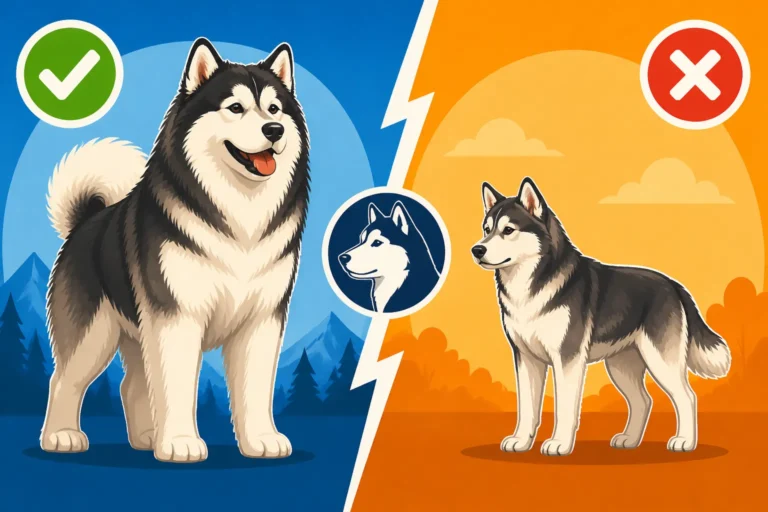
In many households, yes: an Alaskan Malamute tends to leave more loose hair than a Siberian Husky. Malamutes are generally larger, with a dense coat built to insulate them in harsh cold. More dog and more coat can mean more hair on the floor, in the car, and woven into the corners of rugs.
That doesn’t mean every Malamute will out-shed every Husky. Coat density, the time of year, the dog’s health, and the conditions it lives in all affect how much hair you see. A particularly plush Husky may leave a surprising amount behind, while an individual Malamute with a less abundant coat may seem easier to keep up with.
The practical difference is often about volume rather than a completely different kind of shedding. Both breeds have a soft undercoat beneath protective guard hairs, and both can release a remarkable amount of undercoat during seasonal coat changes. For a broader look at the comparison, see Whether a Malamute Sheds More Than a Husky.
What shedding looks like around the house
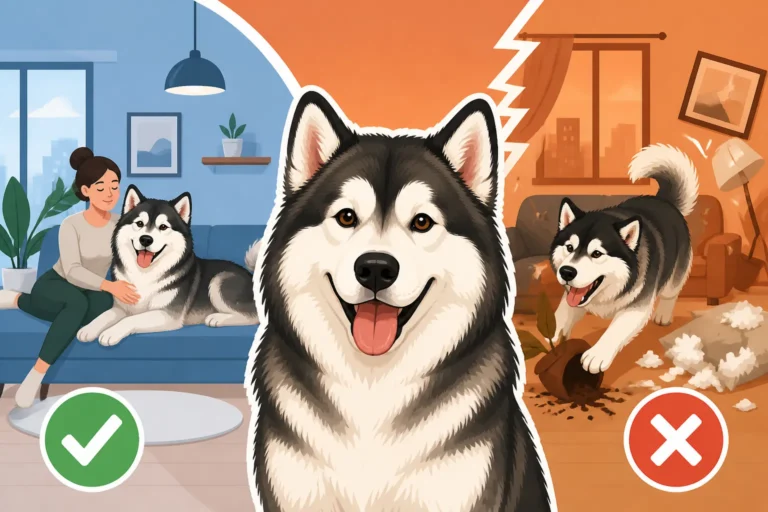
With either breed, loose hair tends to collect wherever the dog rests: along sofa edges, in bedding, under furniture, and on clothes. A Malamute’s coat may make those deposits feel bigger simply because the dog is larger and carries a generous amount of fur. A dark shirt can become a quick test of whether the coat is actively shedding.
The difference is especially noticeable during a coat blow, when the undercoat loosens in clumps. You might brush your dog outdoors and still find tufts drifting across the hallway later. This doesn’t necessarily mean brushing failed; loosened coat can continue to work its way out as the dog moves, lies down, and gets up again.
If you’re comparing the two breeds before choosing one, think beyond the hair count. Consider whether you can live with frequent brushing, extra vacuuming, and fur on everyday items. People sometimes underestimate how much undercoat a big double-coated dog can bring indoors until they’re cleaning it from a car seat or finding it in the laundry. How Much Undercoat Comes Off an Alaskan Malamute describes why those seasonal shed periods can feel so dramatic.
When Malamutes and Huskies shed
Year-round shedding and seasonal coat blow
Neither breed is truly a no-shed dog. Some loose hair is normal throughout the year, even when the coat looks tidy. Seasonal shedding can be far more noticeable, as a dog releases undercoat in response to changes in daylight and seasonal conditions. Indoor living may also make the pattern seem less sharply defined, since a dog’s environment doesn’t change as much as it would outdoors.
A coat blow can be startling if you’ve never seen one. You may pull out enough undercoat to fill a brush repeatedly, and the dog may still look as though there’s plenty left. This can happen with both Malamutes and Huskies; the amount varies between dogs and from one shedding period to the next. When an Alaskan Malamute Blows Its Coat explains what owners commonly notice during this phase.
Even outside a pronounced seasonal shed, expect regular grooming rather than a once-in-a-while cleanup. Whether an Alaskan Malamute Sheds All Year covers why a coat may keep leaving hair around the home outside the big seasonal changes.
Factors that change how much hair you see
The dog’s size and coat are only part of the picture. Age, overall condition, stress, and individual coat characteristics can affect shedding. If the amount changes suddenly or comes with bald patches, irritated skin, persistent scratching, or an unhealthy-looking coat, don’t assume it’s just normal seasonal shedding. A veterinarian can help assess whether something else is going on.
Your home matters, too. Fur is easier to spot on some flooring, fabrics, and clothing than others. A dog that spends more time on upholstered furniture may seem to shed more than one with a designated washable bed, even if their coats release a similar amount. Regular cleaning can help, but it won’t eliminate the hair cycle.
| What you notice | Malamute | Siberian Husky |
|---|---|---|
| Coat type | Dense double coat with insulating undercoat | Dense double coat with insulating undercoat |
| Loose hair between seasonal sheds | Common | Common |
| Seasonal undercoat release | Can be heavy and dramatic | Can be heavy and dramatic |
| Hair in the home | Often more overall because of the Malamute’s size and coat | Can still be substantial |
| Best expectation | Regular brushing and frequent cleanup | Regular brushing and frequent cleanup |
This is a general comparison, not a guarantee about an individual dog. A Husky’s coat, living conditions, and shedding cycle may make one household’s experience different from another’s.
How to manage a Malamute’s shedding
Build a brushing routine that fits the coat
For a Malamute, brushing works best as a routine, not an emergency response after the first tumbleweed rolls across the floor. Regular sessions help lift loose undercoat before it spreads through the house and give you a chance to notice tangles or changes in the skin. During a coat blow, you may need to brush more often than usual; when shedding is lighter, the routine can be less intensive.
Use tools designed to reach the undercoat without scraping or damaging the skin. Work patiently through the coat in manageable sections, and avoid tugging at dense clumps. If your dog becomes uncomfortable, take a break rather than turning grooming into a wrestling match. The right pace matters: a calm, shorter session can be more useful than trying to remove every loose hair at once. See How Often an Alaskan Malamute Needs Brushing and Which Brush Gets Through a Malamute's Undercoat for more grooming detail.
A force dryer can help loosen and blow out undercoat, especially during a heavy shed, but it needs to be used carefully. Keep airflow and temperature comfortable, avoid directing air into the eyes or ears, and stop if your dog is frightened or distressed. Some owners would rather have a groomer handle this step, particularly if their dog dislikes the noise. Whether a Malamute Owner Needs Their Own Force Dryer can help you weigh whether the equipment suits your household.
Keep cleanup realistic and the coat intact
A vacuum that handles pet hair, washable covers, and a brush kept near the dog’s resting area can make daily cleanup less overwhelming. It helps to be realistic: grooming reduces loose hair in the home, but it does not stop a double-coated dog from shedding. If you’re buying brushes, combs, or other grooming basics, Chewy is one place owners may compare options; choose tools for the dog’s coat and comfort rather than buying a large collection all at once.
Avoid shaving a Malamute to solve shedding. A double coat serves an insulating role, and shaving is not a reliable way to make seasonal hair disappear. Instead, keep the coat clean and brushed, and ask a veterinarian or qualified groomer for help if it becomes matted or difficult to manage. If you’re considering a professional deshedding bath or treatment, Whether a Deshedding Treatment Is Worth It on a Malamute can help you think through the tradeoffs.
For ordinary brushing, a comfortable spot, a few treats, and sessions that end before the dog gets fed up can go a long way. Chewy may also be useful for comparing routine grooming supplies, but the most helpful setup is the one your dog will tolerate and you’ll actually use. If you need hands-on help with a dense coat, a groomer experienced with double-coated breeds can show you safe brushing and drying techniques.
Choosing between a Malamute and a Husky with shedding in mind
Consider the total grooming commitment
If shedding is your main concern, a Husky may leave less hair in some homes, but it’s not a low-shed alternative. Both breeds can release large amounts of undercoat, particularly during seasonal coat changes. The Malamute’s size and coat often make the cleanup burden feel greater, but an individual Husky can still keep a household busy with brushing and vacuuming.
Think about your tolerance for fur in the spaces where you live, not only how often you’re willing to brush. Are you comfortable cleaning upholstery regularly? Will you brush outdoors when the weather allows? Can you keep up during a heavy shed, when loose undercoat appears faster than you expect? A realistic answer to those questions is more useful than assuming one breed will keep the house hair-free.
Shedding should also be considered alongside exercise, training, and the rest of each breed’s needs. A dog that suits your schedule and home matters more than a small difference in the amount of hair one particular dog might shed. If you’re still comparing breed traits, The Alaskan Malamute Against the Siberian Husky looks at the broader differences between the two.
A practical expectation before bringing one home
Expect a Malamute to shed year-round, with periods when undercoat release becomes much heavier. Plan for regular brushing, an appropriate grooming setup, and more frequent cleanup during those periods. A Husky also needs consistent coat care, so don’t choose one solely on the hope that it will leave little fur behind.
If possible, spend time around adult dogs of each breed and ask owners what grooming looks like in their homes. Their experience can give you a more grounded sense of the hair on furniture, in cars, and on clothing than a quick look at a freshly brushed dog. It’s also useful to ask how the dog responds to brushing and drying, because an easy-to-groom temperament can make the routine much more manageable.
The honest bottom line is that both breeds shed heavily, but a Malamute often produces more hair to manage overall because of its size and substantial coat. With a reliable brushing routine and realistic expectations, the shedding is manageable for many owners—but it won’t disappear.
Disclaimer
This article is for general informational purposes only and does not constitute professional advice. Laws, prices and regulations vary by location and change over time. Consult a qualified professional for guidance on your specific situation.