Whether a Dwarf Malamute Puppy Looks Normal at Birth
Bringing home a new Alaskan Malamute puppy is often filled with dreams of a robust, majestic companion. However, for some families, the joyous anticipation can turn into worry as their puppy doesn't quite grow as expected. One common, and often heartbreaking, question that arises is whether a dwarf Malamute puppy appears normal at birth, and the answer, surprisingly, is often yes, making the eventual diagnosis all the more difficult to process. This guide will walk you through what to look for, when to expect changes, and how to understand this genetic condition.
Early Signs of Chondrodysplasia in Malamute Puppies
It’s completely understandable why a new puppy owner might not spot chondrodysplasia right away. These puppies are adorable, often indistinguishable from their littermates in the very beginning. The initial period of seeming normalcy makes the later revelation even more of a shock.
The Initial Appearance of Dwarf Malamute Puppies
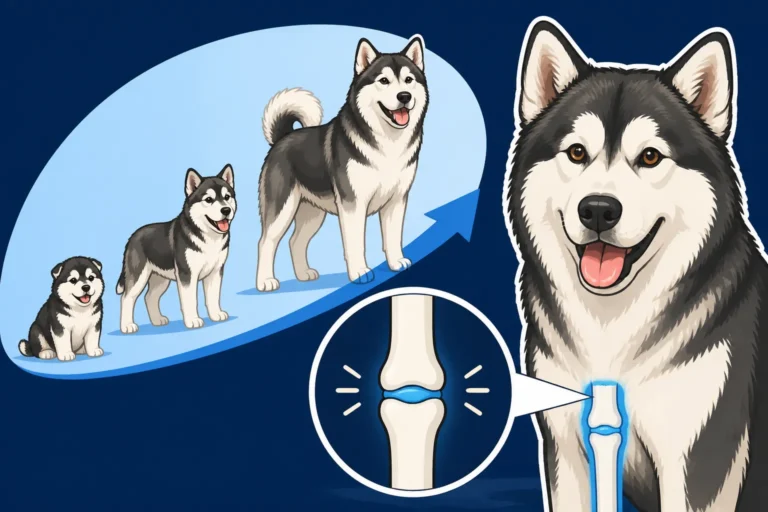
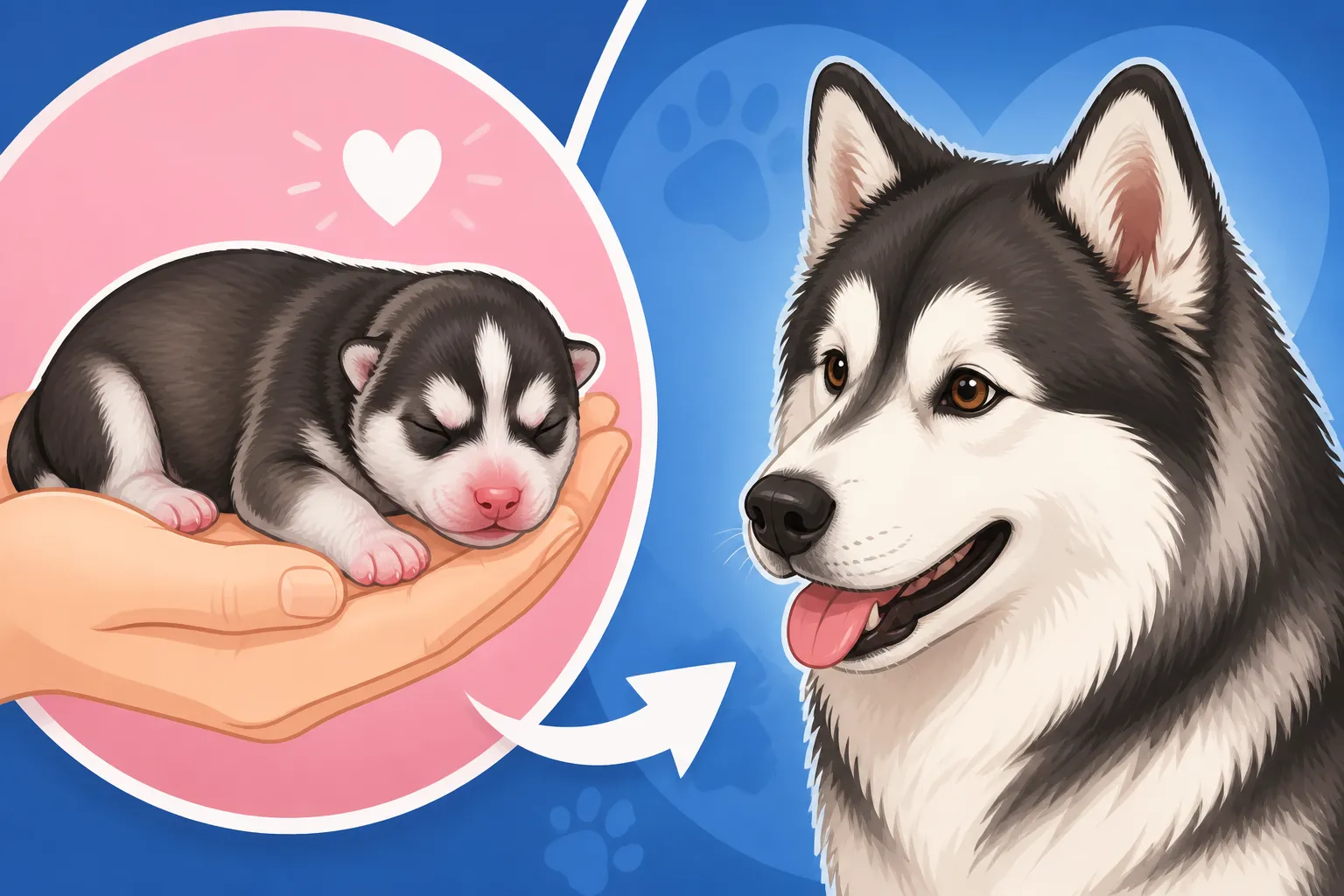
When a Malamute puppy with chondrodysplasia, or dwarfism, is born, it typically looks just like any other puppy in the litter. Their size, weight, and general proportions are usually within the normal range for a newborn Alaskan Malamute. Breeders and new owners alike might not notice anything out of the ordinary, which can lead to a false sense of security. The immediate postnatal period is generally focused on ensuring the puppy is feeding well, gaining weight, and reaching early developmental milestones like opening eyes and starting to walk. At this stage, the subtle skeletal differences that define chondrodysplasia are simply not pronounced enough to be obvious to the naked eye. This deceptive normalcy can last for several weeks, meaning many puppies are already settled into their new homes before any red flags appear.
Subtle Clues in the First Few Weeks
While outwardly normal at birth, a very keen observer, especially an experienced breeder who handles many Malamute litters, might pick up on extremely subtle differences in the first few weeks. These are not typically obvious to the average pet owner. You might notice a slightly slower growth rate compared to particularly robust littermates, but even this can be easily dismissed as normal individual variation. Sometimes, a dwarf puppy might have a slightly broader head or a slightly shorter body in proportion to its head, but these are often so minor they go unnoticed. The true giveaway, which is primarily a shortening of the long bones, simply hasn't progressed enough to be visible. It’s a period where patience, and perhaps a bit of luck, is needed to identify any issues, as the characteristic short legs and abnormal bone development are still in their very nascent stages.
When the Differences Become More Apparent
The waiting game for visible signs of chondrodysplasia can be agonizing, especially if you have a suspicion based on the parents' genetic history or concerns from your breeder. However, there is a relatively specific window when the physical differences start to become undeniable.
The Critical Period of Visible Change
The most significant changes typically begin to manifest around the three to four-week mark. This is a critical period in a puppy's development when they start to become more mobile, transitioning from clumsy crawling to attempts at walking and playing. It's during this time that the growth of the long bones, particularly in the legs, starts to significantly lag behind that of their normal littermates. What might have been a subtle difference in overall size or proportion just a week or two prior suddenly becomes stark. You might observe a puppy struggling more than others to get up, or notice that its legs appear disproportionately short for its body. For a more detailed look at this crucial developmental phase, you can refer to The Week a Dwarf Malamute's Legs Fall Behind. It's a challenging time for owners, as the puppy you thought was developing normally now clearly shows signs that something is amiss.
Distinctive Physical Characteristics
Once the chondrodysplasia truly sets in, the physical characteristics become quite distinct. The most noticeable feature is the significant shortening of the limbs. Rather than long, sturdy legs typical of a rapidly growing Malamute, the dwarf puppy's legs remain comparatively stubby. This often leads to a bowed appearance, particularly in the front legs, as the bones develop abnormally under their body weight. Whether a Dwarf Malamute Has Bowed Front Legs is a common concern for owners. Their gait might appear wobbly or stiff, and they may struggle to keep up with their more agile siblings.
Here's a quick comparison of what you might observe in a developing Malamute puppy:
| Feature | Normal Malamute Puppy (3-6 Weeks) | Dwarf Malamute Puppy (3-6 Weeks) |
|---|---|---|
| Leg Length | Proportionate to body, growing quickly | Noticeably shorter, appearing stubby |
| Gait/Movement | Increasing coordination, steadying steps | Wobbly, sometimes awkward, struggles to rise |
| Body Proportions | Balanced, growing overall in size | Body often appears longer relative to short legs |
| Head Size | Proportionate to body | Can appear slightly larger in proportion to body |
| Paw Size | Normal for breed, proportionate to leg length | Often appears large in contrast to short legs |
| Stance | Developing strong, balanced stance | Wider stance for stability, more 'squat' looking |
Beyond the visible leg issues, dwarf Malamutes may also exhibit other traits, though less consistently. Some might have a slightly broader skull, and their paws can appear quite large in comparison to their shortened limbs. These puppies are not necessarily weaker or less energetic initially, but their physical limitations will become increasingly apparent as they attempt to navigate their world. Understanding What Chondrodysplasia Does to an Alaskan Malamute can help owners prepare for future challenges.
Understanding Chondrodysplasia in Alaskan Malamutes
Chondrodysplasia is more than just a cosmetic difference; it's a genetic condition with specific underlying causes and implications for a Malamute's overall health and well-being. Knowing the science behind it can help owners make informed decisions.
The Genetic Basis of Dwarfism
Alaskan Malamute chondrodysplasia is an inherited autosomal recessive genetic disorder. What this means in simpler terms is that a puppy must inherit two copies of the specific mutated gene – one from each parent – to be affected by the condition. If a dog inherits only one copy of the gene, it is considered a "carrier" and will not display symptoms of dwarfism, but it can pass the gene on to its offspring. This explains why two seemingly normal Malamutes can produce a dwarf puppy if both are carriers. This genetic mechanism also means that the condition can persist silently within breeding lines for generations if not properly screened for. Thankfully, a DNA test is available to identify both affected dogs and carriers, which is why The Health Tests Both Alaskan Malamute Parents Should Have is such a crucial piece of advice for anyone considering breeding or buying a puppy. You can learn more about this vital diagnostic tool by researching Whether Malamute Dwarfism Has a DNA Test. Reputable breeders will always conduct these tests to prevent accidentally producing affected puppies, and for good reason: How Common Chondrodysplasia Is in Alaskan Malamutes highlights the importance of vigilance.
Impact on Health and Lifespan
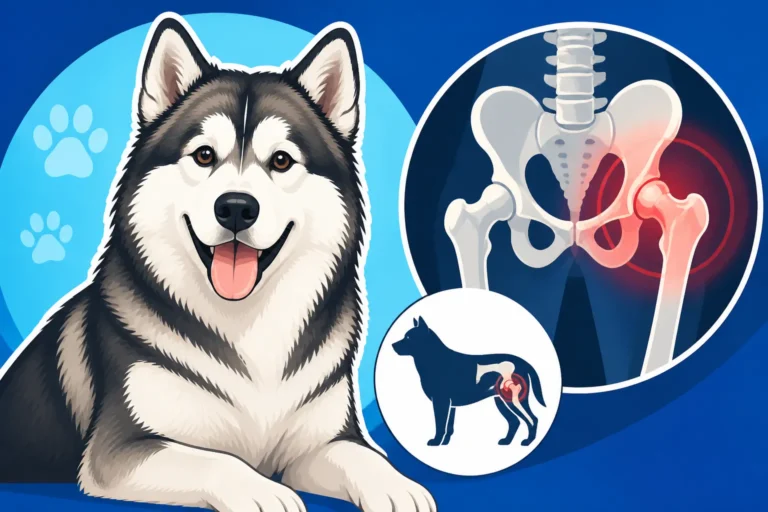
While the most obvious impact of chondrodysplasia is the physical appearance, the condition also brings potential health challenges. The abnormal bone growth can lead to joint issues, arthritis, and discomfort as the dog ages. Their unique structure can put extra strain on their joints, especially their hips and elbows, and may require ongoing management. It's important to differentiate these skeletal problems from other metabolic issues like zinc deficiency, although sometimes they can coincide. For instance, How Much Zinc a Chondrodysplastic Malamute Absorbs is a question that sometimes comes up, given that some Malamute health issues, like Zinc Is the Thread Running Through Three Malamute Diseases, are linked to nutrient absorption.
The good news is that with proper care and management, dwarf Malamutes can often live full, happy lives. Whether a Dwarf Malamute Lives a Normal Span is a frequently asked question, and for many, the answer is yes, provided their specific needs are met. However, activities common for typical Malamutes, like intense weight pulling or sledding, might be difficult or impossible for a dwarf Malamute. Whether a Dwarf Malamute Can Pull a Sled depends heavily on the individual dog's severity and overall physical condition, and most will not be suited for such strenuous work. Early diagnosis and a proactive approach to veterinary care are paramount for managing their health. Pet insurance providers, such as Healthy Paws, can be incredibly beneficial for owners managing chronic conditions, helping to cover the costs of specialized veterinary visits, pain management, or even surgeries that might arise due to skeletal issues.
What to Do if You Suspect Dwarfism
Discovering that your beloved Malamute puppy might have chondrodysplasia can be an overwhelming experience. It’s natural to feel a mix of confusion, concern, and a desire to do everything possible for your new family member. Taking swift and decisive action is key.
Consulting Your Veterinarian and Breeder
The very first step if you suspect your Malamute puppy shows signs of dwarfism is to contact your veterinarian. They can perform a thorough physical examination and, if necessary, recommend diagnostic imaging like X-rays to confirm the diagnosis and assess the severity of the skeletal abnormalities. Don't hesitate to voice all your concerns and questions; your vet is your primary partner in your puppy's health journey.
Equally important is to communicate openly with your breeder. A responsible breeder will be invested in the health of their puppies and should be willing to discuss the possibility of chondrodysplasia. They might have already conducted genetic testing on the parents, and their results could shed light on the situation. If not, this is an opportunity to discuss the importance of such testing. For example, if a breeder has properly utilized tests like those available through Embark or similar labs, they would know the carrier status of their breeding dogs. Whether a Malamute Buyer Can See the Breeder's Results is a crucial question to ask before purchasing a puppy, as transparency is a hallmark of ethical breeding practices. Understanding the genetics involved is vital for future prevention. If your Malamute was purchased from a reputable breeder, they might offer support or guidance, as many contracts include health guarantees. Covering potential diagnostic costs can be a significant concern for owners, and this is where pet insurance, like a plan from Healthy Paws, can offer peace of mind, potentially easing the financial burden of initial vet visits and specialized tests.
Providing Appropriate Care
Once chondrodysplasia is confirmed, your focus will shift to providing the best possible quality of life for your dwarf Malamute. This often involves making adaptations to your home and lifestyle. Think about modifying access to high places, like couches or beds, to prevent jumps that could strain their joints. Ramps or steps can be invaluable. Considering What a Malamute Owner Spends Proofing a House for a dwarf dog might involve different types of modifications than for a typical Malamute.
Exercise routines will need to be carefully managed to prevent injury while still ensuring they get enough activity to maintain muscle mass and prevent obesity. Low-impact activities are often preferred. Your vet might recommend specific joint supplements or pain management strategies as they age. While not directly related to chondrodysplasia, some Malamute owners wonder Whether Zinc Supplements Help a Dwarf Malamute; always consult your veterinarian before starting any new supplements. Regularly checking your Malamute's mobility and comfort levels, and promptly addressing any signs of pain or stiffness, will be paramount. For a dog with unique and potentially long-term health needs, having robust pet insurance from a provider like Healthy Paws can truly alleviate the financial strain of ongoing veterinary care, allowing you to focus on your Malamute's well-being without constant worry about costs. They might need more frequent vet check-ups throughout their life, making insurance a wise investment.
Disclaimer
The information provided in this article is for educational purposes only and is not intended to be a substitute for professional veterinary advice, diagnosis, or treatment. Always seek the advice of your veterinarian or other qualified health provider with any questions you may have regarding a medical condition.