Whether a Dwarf Malamute Is Anemic
It's incredibly worrying when you notice something seems off with your beloved Alaskan Malamute, especially if they have a known genetic condition like dwarfism. Many owners understandably fear that one issue might open the door to a whole host of others, and questions about whether a dwarf Malamute is inherently anemic are very common and valid. This guide will delve deep into the topic of chondrodysplasia in Alaskan Malamutes, clarify the historical and current understanding of its connection to anemia, and equip you with the knowledge to recognize and manage any related health concerns your special companion might face.
Understanding Alaskan Malamute Chondrodysplasia
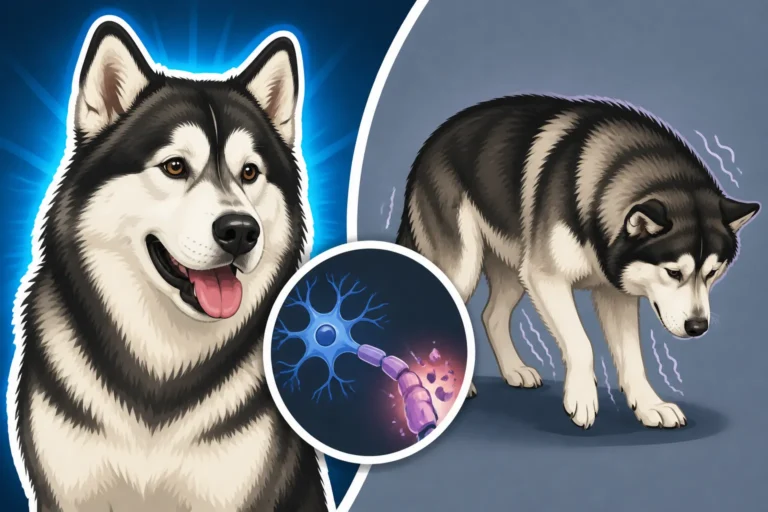
Chondrodysplasia, often referred to as dwarfism, is a serious inherited condition that affects some Alaskan Malamutes. It’s a genetic disorder that impacts the development of cartilage and bone, leading to disproportionately short limbs. When you first get a Malamute puppy, especially if you're not specifically looking for a dwarf, it can be hard to spot in the very early weeks. Many dwarf Malamute puppies look normal at birth, just like their littermates, full of fluffy potential.
However, as they grow, usually around The Week a Dwarf Malamute's Legs Fall Behind, the tell-tale signs begin to emerge. You’ll notice their legs simply aren't keeping pace with the growth of their body. Instead of long, powerful limbs designed for pulling heavy loads, they'll have notably shorter, thicker legs, sometimes with a bow to the front. This is a crucial aspect of What Chondrodysplasia Does to an Alaskan Malamute. It’s heartbreaking to witness, as these dogs retain the Malamute spirit but are physically hampered by their condition.
The genetic basis for chondrodysplasia is a mutation in the SLC13A1 gene, inherited in an autosomal recessive manner. This means a puppy must inherit two copies of the faulty gene—one from each parent—to be affected. If a Malamute only carries one copy, they are a carrier and won't show symptoms, but they can pass the gene to their offspring. Responsible breeders test their breeding stock to avoid producing affected puppies, and understanding Whether Malamute Chondrodysplasia Is Recessive is vital for making informed breeding decisions.
The Historical Link to Anemia and Zinc Deficiency
For many years, there was a strong belief among breeders and veterinarians that dwarf Malamutes were inherently anemic and often suffered from severe zinc deficiency. This wasn't just a casual observation; it was based on real symptoms seen in affected dogs. These dwarf puppies would often present with a host of health problems that went beyond just short legs, including skin lesions, poor coat quality, lethargy, and yes, signs consistent with anemia such as pale gums and lack of energy.
The confusion stemmed from the fact that Malamutes are, unfortunately, predisposed to several inherited conditions, and some of these conditions manifest with overlapping symptoms. One of the most prominent among these is Zinc Responsive Dermatosis in an Alaskan Malamute, a condition where the dog cannot properly absorb zinc from its diet, even if the diet itself contains adequate levels. Zinc is an incredibly important trace mineral, a thread running through various Malamute diseases, essential for immune function, skin health, and even red blood cell production.
When dwarf Malamutes presented with skin issues and general unwellness, the connection to poor zinc absorption seemed obvious. Since severe zinc deficiency can indeed lead to secondary anemia, it was natural to conclude that dwarf Malamutes were, by default, anemic due to their compromised zinc status. This led to many dwarf Malamutes being supplemented with massive doses of zinc, often with mixed results regarding their overall health and longevity. The reality was a bit more complex, involving different genetic mutations that sometimes occurred together, leading to a cluster of symptoms that were difficult to disentangle in the early days of genetic testing.
Current Understanding: Is Anemia an Inherent Part of Dwarfism?
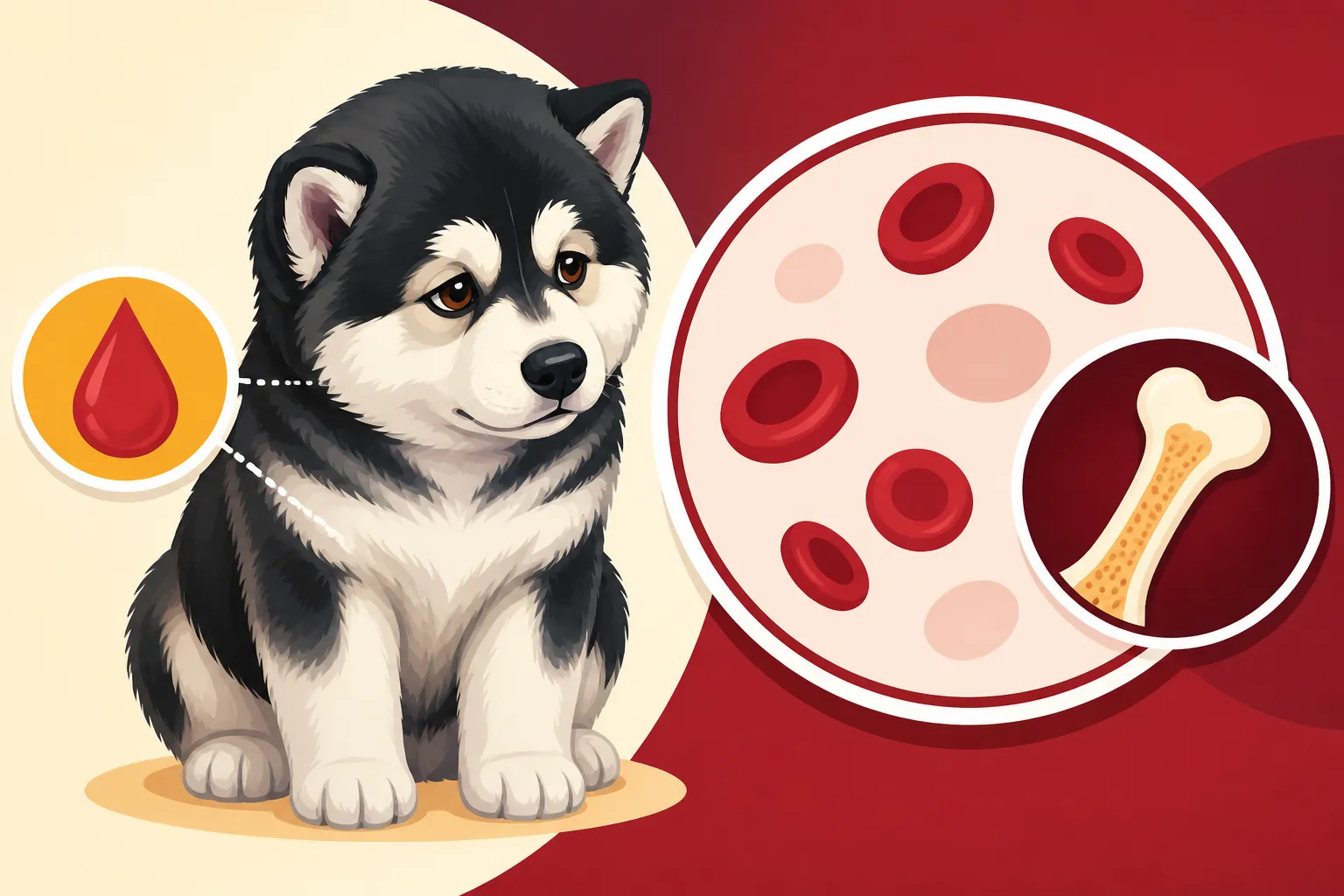
With the advent of genetic testing and a deeper scientific understanding, we now know that chondrodysplasia (dwarfism due to the SLC13A1 mutation) itself does not directly cause anemia. Anemia is not an inherent, guaranteed symptom of simply having disproportionately short legs. However, the picture is still nuanced, and the historical observations weren't entirely wrong in terms of associated risks.
The key distinction lies in understanding that while the dwarfism gene (SLC13A1) causes the skeletal abnormalities, a separate genetic mutation (SLC39A4) is responsible for a primary zinc absorption problem in some Malamutes. The challenge was that both conditions were prevalent in the breed, and sometimes a puppy could inherit both the dwarfism gene and the zinc malabsorption gene. When a dwarf Malamute also has the zinc absorption issue, they are much more prone to developing Zinc Is the Thread Running Through Three Malamute Diseases, including secondary issues like poor growth, skin problems, and, in severe cases, anemia. So, while dwarfism itself doesn't cause anemia, the co-occurrence of genetic zinc malabsorption can absolutely lead to it.
Therefore, the question isn't whether all dwarf Malamutes are anemic, but rather, whether a dwarf Malamute also has a zinc deficiency that could lead to anemia. It's crucial not to assume that a dwarf Malamute is automatically suffering from anemia. Instead, it's about being aware of the increased risk of zinc deficiency in the breed, and the possibility of a dwarf Malamute being affected by both conditions. This means vigilant monitoring and specific testing are necessary. Many healthy dwarf Malamutes, those without the specific zinc malabsorption gene, can live relatively normal lives concerning their blood counts, though their growth is obviously affected.
Recognizing and Managing Related Health Concerns
Even if anemia isn't a direct consequence of chondrodysplasia, responsible ownership of a dwarf Malamute means being extra vigilant about their overall health. These dogs, while charming and full of personality, can face unique challenges.
Monitoring for Signs of Anemia
Anemia, when it does occur, whether due to zinc deficiency or another underlying cause, can be quite serious. Early detection is key. You should regularly check your dwarf Malamute for the following signs:
- Pale Gums: This is often the most noticeable indicator. Healthy gums should be a salmon pink. If they are very pale pink, white, or grayish, it’s a strong sign of anemia.
- Lethargy and Weakness: An anemic dog might seem unusually tired, reluctant to play or walk, and generally less energetic than normal. Their usual Malamute enthusiasm might be noticeably diminished.
- Reduced Appetite: A lack of interest in food can accompany anemia, further exacerbating weakness.
- Increased Heart Rate or Breathing: The body tries to compensate for a lack of oxygen-carrying red blood cells by working the heart and lungs harder.
- Cold Extremities: Their paws and ears might feel cooler to the touch.
If you observe any of these symptoms, it's imperative to consult your veterinarian immediately. They will likely perform a complete blood count (CBC) to determine if your Malamute is anemic and to what degree. This initial diagnostic step is crucial for understanding the overall picture of your dog's health.
Addressing Zinc Deficiency and Other Dietary Needs
For dwarf Malamutes, especially those confirmed to have the SLC39A4 mutation leading to zinc malabsorption, dietary management and supplementation are critical. It’s not just about throwing a generic supplement at the problem. You need to ensure they are getting appropriate levels of zinc, often in a highly absorbable form like zinc methionine. Discussing Whether Zinc Supplements Help a Dwarf Malamute and how much zinc is actually absorbed by How Much Zinc a Chondrodysplastic Malamute Absorbs should be a detailed conversation with your vet.
Here's a breakdown of considerations:
| Concern | Healthy Malamute (Typical) | Dwarf Malamute (Potential Risks) | Management Strategy |
|---|---|---|---|
| Zinc Absorption | Normal absorption from quality diet | Potential for impaired absorption (if also SLC39A4 affected) | High-quality diet, targeted zinc supplementation if needed |
| Anemia Risk | Low, related to other health issues | Elevated if zinc deficient; monitor for other causes | Regular vet check-ups, blood tests if symptoms appear |
| Energy Levels | High, requires significant exercise | Can be impacted by underlying health issues (e.g., anemia) | Tailored exercise, monitor stamina |
| Skin/Coat Health | Thick, double coat, generally robust skin | Prone to dermatosis if zinc deficient, poor coat quality | Specific shampoos, skin care, zinc support |
| Overall Lifespan | The Ten to Fourteen Years an Alaskan Malamute Lives | Can be reduced if multiple health issues are unmanaged | Proactive veterinary care, management of all conditions |
Working with a veterinarian who understands inherited Malamute diseases is invaluable. They can guide you on specific dietary needs, appropriate zinc supplementation levels, and regular monitoring protocols. Over-supplementation of zinc can also be harmful, so a precise approach is necessary. Brands like Healthy Paws can be a great resource for managing the costs associated with specialized veterinary care, testing, and long-term medication or supplements for conditions like zinc-responsive dermatosis. Planning for these expenses can significantly reduce stress when managing a dog with special needs.
Long-Term Care and Quality of Life
Beyond managing specific symptoms, providing a high quality of life for a dwarf Malamute involves holistic care. Their shorter legs mean they can't move quite like a typical Malamute. While they might still enjoy playing and shorter walks, strenuous activities like long-distance pulling or intense agility might be too hard on their joints. Protecting their joints and ensuring they remain at a healthy weight is paramount.
Consider regular check-ups that include blood work to monitor for anemia and zinc levels, especially as they age. A good insurance plan from a provider like Healthy Paws can alleviate the financial burden of these ongoing tests and any potential treatments. Early intervention for any new health concerns, whether related to their dwarfism, potential zinc deficiency, or general aging, is always the best approach. Many dwarf Malamutes, with dedicated care and a loving home, can still live wonderfully full and happy lives, making every day count. Don't let the initial fear of complicated health issues deter you from giving one of these unique dogs a chance; just be prepared and proactive.
Disclaimer
This article is intended for informational purposes only and does not constitute veterinary advice. Always consult with a qualified veterinarian for any health concerns or before making any decisions about your pet's health or treatment plan.