Whether Malamute Dwarfism Has a DNA Test
Discovering that your beloved Alaskan Malamute puppy might have dwarfism is a genuinely heartbreaking and confusing experience. You watch them grow, expecting a powerful, majestic dog, only to notice their legs aren't quite keeping up, or they develop an unusual gait. The questions flood in: What’s happening? Is there a way to know for sure? And most importantly, can this be prevented in the future? This guide is here to provide clarity and hope, delving into the specific DNA test available for Malamute dwarfism and why it's such a vital tool for the breed.
The Heartbreak of Chondrodysplasia in Alaskan Malamutes
It's a tough pill to swallow when you realize your Malamute puppy isn't growing as expected, or when their adorable, fuzzy legs start to bow in ways that just don't seem right. This condition, known scientifically as chondrodysplasia, is far more than just a smaller version of the breed; it's a specific genetic disorder that impacts their skeletal development in profound ways.
Recognizing the Signs of Dwarfism
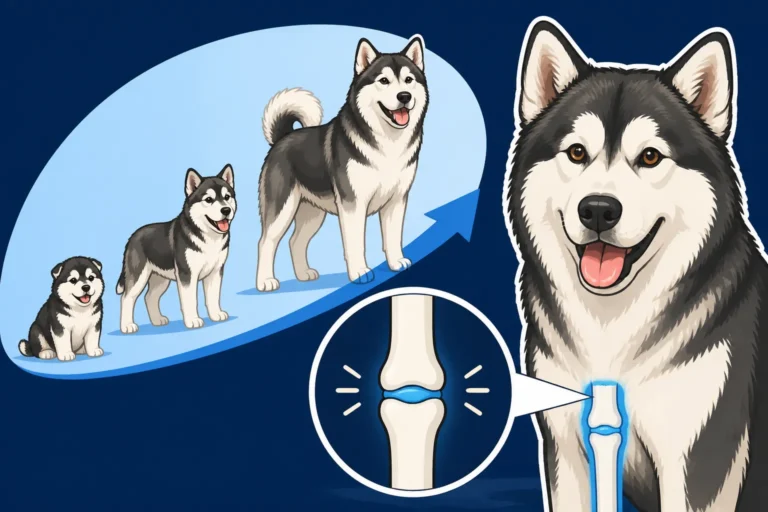
When we talk about "dwarfism" in a Malamute, we're not simply referring to a smaller-than-average dog. This is a disproportionate growth disorder, meaning certain parts of the body don't develop correctly, particularly the limbs. Imagine a puppy that seems perfectly normal and boisterous at birth, full of all the typical Malamute fluff and mischief. Then, as the weeks turn into months, you might start noticing subtle differences. Perhaps their legs appear shorter relative to their body size, giving them a stockier, almost "low-rider" appearance. This is often the first visual cue that something is amiss. It’s incredibly disorienting for owners who envisioned the stately, long-limbed Malamute of their dreams.
The classic, most recognizable sign of chondrodysplasia in Malamutes is the development of bowed front legs. Instead of strong, straight columns, their front limbs curve outwards or inwards, creating an unusual stance. Their bones might also appear thicker and denser, contributing to a somewhat heavy-set appearance, especially in the head and chest. This isn't just about aesthetics; these structural changes can significantly impact their mobility, causing an awkward or "rolling" gait. You might find yourself searching for information on Whether a Dwarf Malamute Puppy Looks Normal at Birth or wondering precisely The Week a Dwarf Malamute's Legs Fall Behind and if those tell-tale bowed legs, highlighted in discussions like Whether a Dwarf Malamute Has Bowed Front Legs, are truly what you're seeing. It’s a moment filled with worry, as you realize your beloved companion might be facing unique challenges.
Adding to the confusion, some unscrupulous individuals might try to market these disproportionately small dogs as "miniature Malamutes" or a new, desirable variant. It’s crucial to understand that this is not a true breed variation or a healthy smaller version. It is a genetic health condition. This misinformation can lead to more people unknowingly acquiring affected dogs, perpetuating the cycle of heartbreak and potential health issues. Your deep love for your Malamute is met with the overwhelming frustration of navigating a condition that impacts their very ability to move through the world with the grace and strength characteristic of their breed.
The Genetic Roots of This Challenging Condition
At its core, Malamute chondrodysplasia is an inherited recessive disorder. What exactly does "recessive" mean in this context? It means that for a puppy to actually have dwarfism, it must inherit two copies of the faulty gene – one from its mother and one from its father. If a puppy inherits only one copy, it becomes a "carrier." Carriers are, to all outward appearances, perfectly healthy and normal. They show no signs of dwarfism themselves, which is precisely why this condition can be so sneaky and persistent within breeding lines without proper testing. This often leads to questions like Whether Malamute Chondrodysplasia Is Recessive and the implications of such a genetic trait.
The specific genetic mutation responsible for Malamute chondrodysplasia has been identified. For the Alaskan Malamute, researchers have linked a mutation in the SLC13A1 gene to this form of chondrodysplasia. This gene is involved in sulfate transport, which is critical for cartilage and bone development. A defect here disrupts the normal process, leading to the characteristic skeletal abnormalities. This scientific breakthrough is paramount because it means we can now pinpoint the exact genetic flaw causing the condition. Without this knowledge, breeders were essentially flying blind, unable to predict which pairings might produce affected puppies.
The implications of this recessive gene are significant for breeding. If two carrier parents, both healthy and normal in appearance, are bred together, there's a 25% chance that each puppy in the litter will inherit two copies of the faulty gene and thus be affected by dwarfism. There's a 50% chance they'll be carriers like their parents, and a 25% chance they'll be completely clear. This genetic lottery has resulted in untold suffering for affected dogs and immense emotional and financial strain for their unsuspecting owners. The existence of a definitive test is the only way to break this cycle and ensure the health and well-being of future Malamute generations.
Unveiling the Truth: The DNA Test for Malamute Dwarfism
Given the heartbreaking nature and genetic complexity of chondrodysplasia, one of the most pressing questions for concerned owners and responsible breeders is: is there a DNA test for Malamute dwarfism? The unequivocal answer is yes, and it’s a powerful tool in safeguarding the breed's future.
What the DNA Test Actually Screens For
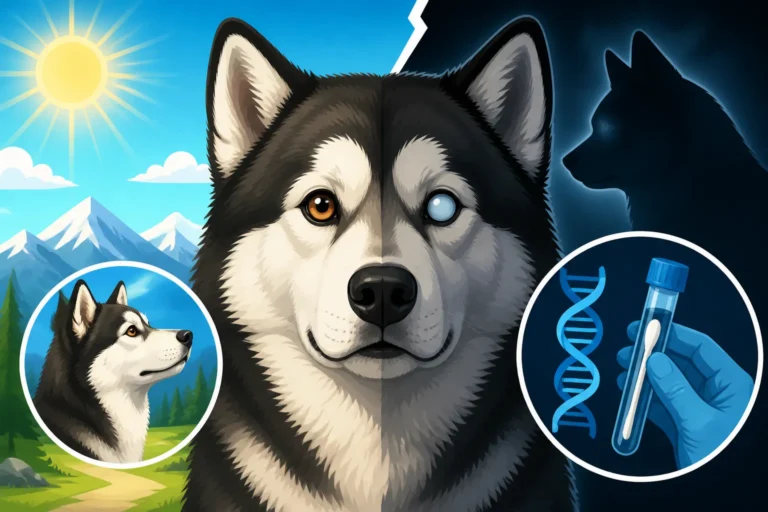
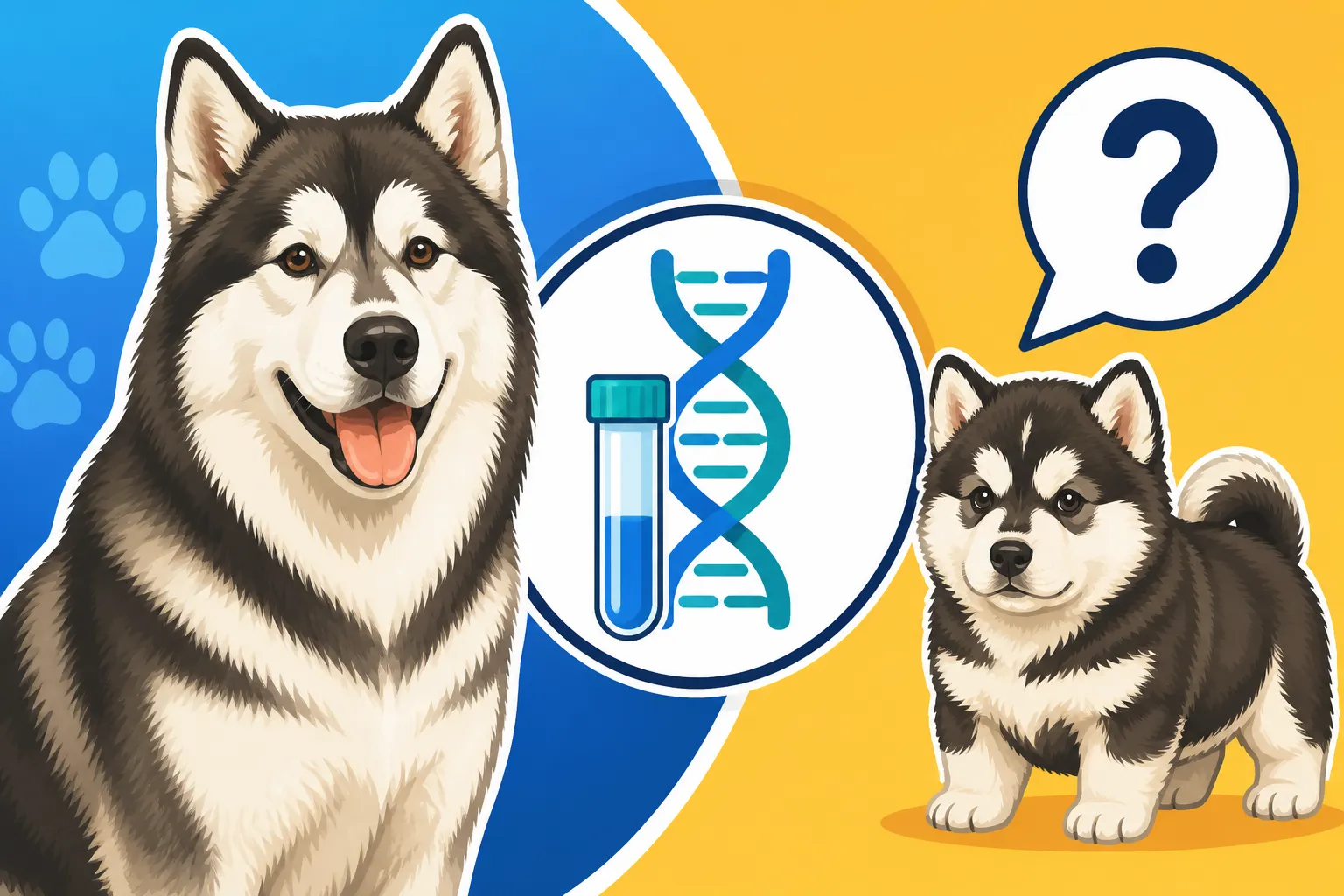
Let's cut right to the chase: Yes, there absolutely is a specific DNA test available for Alaskan Malamute chondrodysplasia. This test is designed to identify the exact genetic mutation in the SLC13A1 gene that is known to cause the condition in the breed. It's a precise diagnostic tool that goes beyond observation, delving into the very genetic code of your dog. This is fantastic news because it means we no longer have to wait for symptoms to appear to understand a dog's genetic status.
The beauty of this DNA test lies in its simplicity and accuracy. The process typically involves a straightforward cheek swab, where a small brush is rubbed inside the dog's mouth to collect saliva and epithelial cells, or sometimes a blood sample is taken by a veterinarian. These samples are then sent to a specialized genetic testing laboratory. The laboratories then analyze the DNA extracted from these cells to check for the presence of the specific SLC13A1 mutation. It’s a minimally invasive procedure that provides incredibly valuable information.
Several reputable laboratories and organizations offer this specific test for Alaskan Malamutes. For instance, Embark Veterinary offers comprehensive genetic panels that often include tests for breed-specific conditions like chondrodysplasia, allowing owners to screen for multiple health issues with one sample. The Orthopedic Foundation for Animals (OFA) also maintains a public database for various health clearances, and some labs may offer standalone tests that can be registered with OFA. These trusted organizations ensure the scientific rigor and reliability of the testing process, providing peace of mind to breeders and owners alike.
Deciphering the Results: Clear, Carrier, or Affected
Once your Malamute's sample has been processed, you'll receive a report detailing their genetic status regarding chondrodysplasia. These results are typically categorized into three distinct classifications: Clear, Carrier, or Affected. Understanding what each of these means is crucial for both individual dog owners and for responsible breeding decisions.
-
Clear (or Normal): This is the best possible outcome. A "clear" result means your Malamute does not possess the specific genetic mutation for chondrodysplasia, nor do they carry a copy of it. They cannot develop the condition themselves, nor can they pass it on to any offspring. If you have a clear dog, you can rest assured that they are genetically free of this particular condition. For breeders, this dog can be bred to any other clear or carrier dog without the risk of producing affected puppies, assuming all other health clearances are met.
-
Carrier (or Heterozygous): A "carrier" result means your Malamute has one copy of the genetic mutation. As discussed earlier, these dogs are typically outwardly healthy and show no symptoms of chondrodysplasia themselves because the normal copy of the gene compensates for the faulty one. However, they can pass this single copy of the mutation to their offspring. This is where responsible breeding truly comes into play. A carrier dog should only be bred to a dog that has tested "clear" for chondrodysplasia. Breeding a carrier to another carrier or an affected dog carries a high risk of producing affected puppies. This is why discussions around Whether a Carrier Malamute Can Be Bred are so important – the answer is yes, but with careful, informed pairing.
-
Affected (or Homozygous Affected): This result signifies that your Malamute has inherited two copies of the genetic mutation – one from each parent. Dogs with an "affected" result will develop chondrodysplasia. This means they will exhibit the characteristic short, bowed legs and other skeletal abnormalities associated with the condition. An affected dog should absolutely never be used for breeding, as they would pass a copy of the faulty gene to 100% of their offspring, regardless of their mate's status. This is the most challenging outcome for an owner, as it means managing the dog's health needs throughout its life.
The clarity provided by these results is invaluable. It removes the guesswork and provides definitive information, empowering owners and breeders to make informed decisions for the well-being of their Malamutes. The test serves as an essential component of a comprehensive health screening program for the breed, ensuring that we move towards a future with fewer affected dogs.
The Profound Impact of DNA Testing on Malamute Health
The availability and widespread adoption of the DNA test for Malamute chondrodysplasia are nothing short of revolutionary for the breed. It offers a clear path forward, moving from reactive management to proactive prevention, ultimately enhancing the health and longevity of these magnificent dogs.
Breeding Responsibly and Preventing Future Cases
The primary and most significant impact of this DNA test is on responsible breeding practices. For ethical breeders, the test is not just an option; it's a fundamental requirement. By testing all breeding stock, breeders can definitively identify which dogs are clear, which are carriers, and which (though hopefully none are bred) might be affected. This knowledge empowers them to make scientifically sound breeding decisions that directly prevent the birth of puppies afflicted with chondrodysplasia. For example, a reputable breeder would never breed two carrier dogs together, because they know this pairing carries a high risk of producing affected offspring. This directly addresses the critical question of Whether Two Carrier Malamutes Should Be Bred.
The transparency that comes with genetic testing is also a cornerstone of ethical breeding. Responsible breeders are eager to share their dogs' DNA test results with prospective puppy buyers, often providing copies of certifications from labs like Embark Veterinary or OFA. This builds trust and gives buyers invaluable peace of mind, knowing that their future companion comes from parents who have been screened for this debilitating condition. Conversely, a breeder who resists sharing such results, or claims they don't test, raises a significant red flag. It highlights the importance of asking for proof, as outlined in discussions about Whether a Malamute Breeder Should Publish DNA Results.
The long-term goal for the Malamute community is to significantly reduce, and ideally, eliminate chondrodysplasia from the breed's gene pool. This isn't a quick fix; it's a generational commitment. By consistently breeding clear dogs, or carefully pairing carriers with clear mates, breeders can gradually reduce the frequency of the faulty gene within the population. This diligent approach spares countless puppies from a life of physical challenges and saves owners from the immense emotional and financial toll of caring for an affected dog. It’s a testament to the power of scientific advancement coupled with dedicated stewardship of a beloved breed.
Managing Life for an Affected Malamute
While the DNA test aims to prevent chondrodysplasia, the reality is that affected dogs are still born, especially if breeders haven't been consistently testing or if the condition goes undiagnosed. For these Malamutes and their devoted owners, understanding the implications and committed care are paramount. Caring for a dwarf Malamute requires adjustments and often, specialized attention to ensure their best possible quality of life.
These dogs may face a range of physical challenges due to their skeletal abnormalities. Joint pain, arthritis, and difficulty with certain movements are common. Activities that come naturally to a typical Malamute, such as long hikes or intense pulling, might be difficult or impossible for an affected dog. Owners often need to modify their environment, using ramps instead of stairs, providing elevated food and water bowls, and ensuring soft, supportive bedding to ease pressure on joints. While a dwarf Malamute might not be able to participate in traditional working roles, as explored in questions like Whether a Dwarf Malamute Can Pull a Sled, they can still enjoy modified activities and, more importantly, be cherished companions. Discussions surrounding Whether a Dwarf Malamute Lives a Normal Span often highlight that with proper care, their lifespan can be relatively normal, though potentially requiring more veterinary intervention.
Veterinary care is a crucial component of managing an affected Malamute's life. This can include regular check-ups to monitor joint health, pain management strategies (such as anti-inflammatory medications or supplements), and sometimes even physical therapy or specialized diets. These ongoing medical needs can become quite costly over the dog's lifetime. This is where a reliable pet insurance plan can be an absolute lifesaver. For instance, Healthy Paws pet insurance can provide excellent coverage for unexpected veterinary expenses, chronic conditions, and even prescription medications, offering a crucial financial safety net for owners navigating the complexities of their Malamute's chondrodysplasia. Having a solid insurance plan allows owners to make decisions based on their dog's needs, not just their wallet. Despite the challenges, these Malamutes are full of love and personality and deserve every effort to live happy, comfortable lives.
Empowering Owners and Securing Your Malamute's Future
Knowing that a DNA test for Malamute dwarfism exists is a powerful piece of information. It empowers prospective owners to make informed choices and encourages existing owners to understand the genetic background of their beloved companions. This knowledge is a shield against potential heartbreak and a beacon for a healthier future for the Alaskan Malamute breed.
What Prospective Owners Must Ask
If you're in the exciting, yet often overwhelming, process of looking for an Alaskan Malamute puppy, you hold significant power in shaping the breed's future through your choices. Your first and most critical action should be to ask prospective breeders for proof of DNA testing for chondrodysplasia for both the puppy's mother and father. Don't be shy about this; a truly reputable breeder will not only have these results but will be proud and eager to share them with you. They often include these certifications as part of the puppy’s extensive health records and pedigree documentation, sometimes even listing Whether a Malamute's Pedigree Shows Dwarfism Carriers.
Beware of any breeder who cannot or will not provide these test results, or who dismisses their importance. Claims like "my dogs have never produced an affected puppy" are simply not enough when dealing with a recessive gene where carriers show no outward signs. A puppy from an untested litter might come with a lower price tag, but the potential veterinary bills associated with chondrodysplasia – not to mention the emotional cost of caring for a sick dog – can far outweigh any initial savings. Think about it: pet insurance providers like Healthy Paws exist precisely because unforeseen health issues can be incredibly expensive.
Insist on seeing documentation directly from the testing laboratory, rather than just a breeder's word. Verify the names of the dogs on the certificates match the parents you are considering. Many reputable breeders utilize comprehensive genetic panels from labs like Embark Veterinary that screen for numerous conditions, providing you with a thorough understanding of your puppy's potential genetic predispositions. By demanding this level of transparency and health screening, you not only protect yourself and your future Malamute but also support ethical breeding practices that prioritize the health of the entire breed.
The Broader Picture: Genetic Health and Lifelong Care
While understanding and testing for chondrodysplasia is a monumental step, it's essential to remember that it's just one piece of the larger puzzle of Alaskan Malamute health. Responsible ownership involves a holistic approach, recognizing that this magnificent breed can be predisposed to several genetic and environmental health concerns. Beyond dwarfism, other serious conditions like Hip Dysplasia in an Alaskan Malamute, Zinc Responsive Dermatosis in an Alaskan Malamute, and Inherited Polyneuropathy and the Malamute That Stumbles at a Year also require attention, proactive screening, and diligent care.
A commitment to lifelong, proactive veterinary care is paramount. Regular check-ups allow your vet to catch potential issues early, monitor your Malamute's overall health, and guide you on appropriate nutrition and exercise. For instance, while chondrodysplasia is distinct, understanding how Zinc Is the Thread Running Through Three Malamute Diseases and how How Much Zinc a Chondrodysplastic Malamute Absorbs can be related to specific genetic predispositions can help you optimize their diet and supplement regimen. This comprehensive approach ensures that you're not just reacting to problems but actively working to prevent them and maintain your Malamute's well-being.
The financial reality of responsible pet ownership, especially for a large breed like the Malamute, cannot be overstated. From routine vaccinations to emergency surgeries, veterinary costs can be substantial. This is another area where pet insurance, such as that offered by Healthy Paws, proves invaluable. It empowers you to provide the best possible care without being crippled by unexpected expenses. By being an informed owner, asking the right questions, investing in comprehensive health screenings, and committing to lifelong care, you secure a brighter, healthier future not only for your individual Alaskan Malamute but for the entire breed.
Disclaimer
This article is for general informational purposes only and does not constitute professional advice. Laws, prices and regulations vary by location and change over time. Consult a qualified professional for guidance on your specific situation.