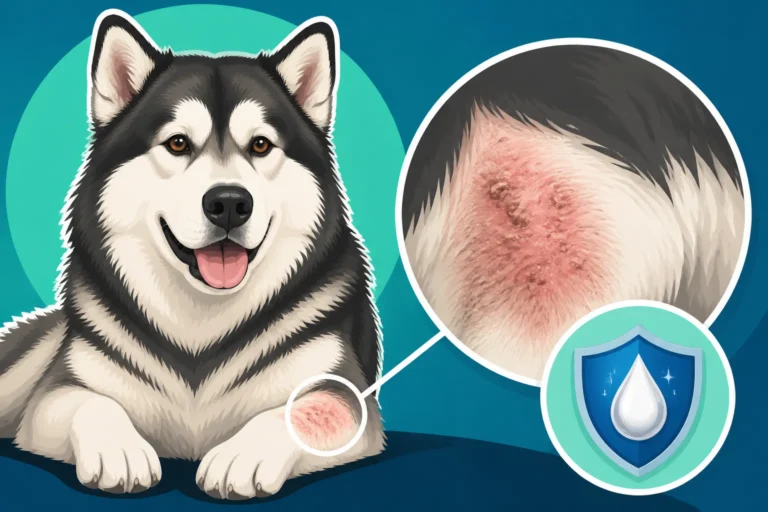
Whether a Malamute’s Muzzle Crusts First
Noticing crusts or dry patches around your Alaskan Malamute's muzzle can be incredibly alarming, making you wonder what's going on with your usually robust companion. It's a specific and common concern among Malamute owners, who often observe these signs on the face first. This guide will thoroughly explore why the muzzle is frequently the initial site for skin issues, particularly zinc-responsive dermatosis, and outline what you need to know to recognize and address these symptoms effectively.
Understanding Zinc-Responsive Dermatosis in Alaskan Malamutes
Alaskan Malamutes, like several other northern breeds, are unfortunately prone to a genetic condition called Zinc-Responsive Dermatosis (ZRD). This isn't just about whether your dog is getting enough zinc in their diet; it's a more complex issue concerning their body's ability to properly absorb and utilize zinc, even if dietary levels appear adequate. It's a frustrating reality for many owners, as you can be feeding a high-quality kibble, only to find your Malamute still struggling. This metabolic quirk means that even a diet considered perfectly balanced for most dogs might still leave your Malamute struggling with zinc absorption. This condition is one of several health challenges that highlight how Zinc Is the Thread Running Through Three Malamute Diseases in this breed.
Why the Muzzle is Often a First Indicator
When it comes to ZRD, specific areas of the body tend to show symptoms before others, and the muzzle is a prime candidate. The skin around your Malamute's lips, nostrils, and chin is an area with relatively rapid cell turnover and is subject to a lot of friction from eating, drinking, sniffing, and even just generally being a curious Malamute. These fast-growing cells are particularly vulnerable when zinc absorption is compromised.
Initially, you might notice subtle changes: a slight dryness or a barely perceptible flakiness on the bridge of the nose or around the edges of their lips. It’s easy to dismiss these early signs as just dry skin from the weather or a bit of dirt. However, as the condition progresses, these areas will typically become redder, the hair might thin or fall out, and then the tell-tale thick, adherent crusts begin to form. Imagine discovering a small, stubborn dry patch on your Malamute's nose that just won't heal, eventually giving way to grayish or yellowish scabs that cling stubbornly to the skin. This pattern of presentation is a classic early warning sign of ZRD.
Other Common Initial Areas for Crusting
While the muzzle is a frequent starting point, ZRD often doesn't limit its presence to just the face. Other areas of the body can also exhibit similar skin changes, often in symmetrical patterns, as the condition progresses or even simultaneously with muzzle issues.
Look closely at the skin around their eyes, where crusting can create a "spectacled" appearance. The edges of their ears, particularly the pinnae, are another common site, showing similar redness, scaling, and crusting. Pressure points, such as the elbows and hocks, which bear weight and friction when your Malamute lies down, are also susceptible. You might notice the skin in these areas becoming thickened and leathery, a condition known as hyperkeratosis, which can then fissure and crack. Their paw pads might also thicken and become prone to cracking, and in some cases, even crusting. Less commonly, but still possible, are lesions around the genitalia. Paying close attention to these areas is crucial for early detection, as outlined in Reading a Malamute's Skin Before the Crusts Appear. Understanding What Zinc Responsive Dermatosis Looks Like on a Malamute across these various body parts can provide a clearer picture of the disease's progression, and you may find that Where a Malamute's Zinc Lesions Appear First isn't always limited to a single spot.
Recognizing the Early Signs and Symptoms
Catching ZRD early can make a huge difference in managing your Malamute's comfort and preventing more severe complications. It requires a keen eye and a thorough understanding of what to look for, both visually and in your dog's behavior.
Visual Cues of Muzzle Crusting
The visual progression of muzzle crusting due to ZRD often follows a predictable pattern. It usually starts subtly, with localized redness and a fine, dry scaling that might initially be mistaken for chapped skin. As the condition worsens, these areas become more inflamed, and you'll observe distinct patches of hair loss, making the underlying skin more exposed and vulnerable.
The hallmark sign, however, is the development of thick, often grayish, yellowish, or brownish, tightly adherent crusts. These aren't like simple scabs that flake off easily; they are often deeply embedded in the skin and can be difficult to remove without causing pain or further damage. Beneath these crusts, the skin is typically very inflamed, red, and might even weep clear fluid, indicating a breach in the skin barrier. Your Malamute might develop a "crusty beard" or have crusts forming right at the corners of their mouth, making eating uncomfortable. This specific appearance is often the most definitive visual cue that points towards ZRD.
Behavioral Changes and Discomfort
Beyond the visible skin changes, your Malamute's behavior can offer vital clues about their discomfort. Chronic itching and irritation from skin lesions, especially around the sensitive muzzle, can significantly impact their quality of life. You might notice your Malamute rubbing their face against furniture, carpets, or even you, in an attempt to alleviate the itch. They might paw at their muzzle repeatedly or scratch at their face with their back paws, sometimes inadvertently worsening the skin damage and introducing bacteria.
If the crusting is severe around the mouth, eating can become a painful experience. This discomfort might manifest as a reluctance to eat, dropping food, or showing signs of pain when chewing, leading to a noticeable decrease in appetite or even weight loss. A Malamute that is usually enthusiastic about mealtime but suddenly picks at their food or acts hesitant could be signaling a problem. Furthermore, chronic skin discomfort can lead to a general shift in temperament. A typically cheerful and energetic Malamute might become more irritable, withdrawn, or lethargic, simply because they are constantly battling an underlying itch or pain. They might also shy away from having their face touched, a heartbreaking change for a breed known for its affectionate nature.
Differentiating From Other Skin Issues
It's easy to jump to conclusions when you see crusty skin, but it's crucial to remember that zinc-responsive dermatosis isn't the only cause of skin problems in Alaskan Malamutes. Many conditions can present with similar symptoms, which is why a professional veterinary diagnosis is absolutely essential. Don't fall into the trap of self-diagnosing, as delaying proper treatment can exacerbate the issue. You might be wondering Whether a Malamute's Crusty Skin Means Zinc Deficiency, and while it's a strong indicator, it's not the only possibility.
Ruling Out Allergies and Infections
Several other common dermatological conditions can mimic some aspects of ZRD:
- Allergies: Both environmental allergies (atopy) and food allergies are prevalent in dogs and can cause intense itching, redness, and inflammation. Allergies often manifest around the face, paws, belly, and inner thighs. While they can lead to secondary infections that cause crusting and oozing, the primary lesions of allergies are usually redness and an intense, generalized itch, rather than the characteristic thick, adherent crusts seen with ZRD. Food allergies might also be accompanied by gastrointestinal upset like diarrhea or vomiting.
- Bacterial and Yeast Infections: These are incredibly common and often occur as secondary complications to an underlying issue like ZRD, allergies, or even trauma from scratching. Bacterial infections (pyoderma) can cause pustules, epidermal collarettes, and crusting that can look similar to ZRD, often with a distinct odor. Yeast infections, particularly by Malassezia, can cause greasy skin, redness, itching, and a yeasty smell. A vet can easily distinguish these through simple tests like cytology (examining skin cells under a microscope).
- Parasites: Mites such as Demodex or Sarcoptes can cause significant hair loss, redness, scaling, and crusting, especially around the face and ears. Sarcoptic mange, in particular, is intensely itchy. A skin scraping is typically all that's needed to identify these microscopic invaders.
The overlap in symptoms can be quite confusing for an owner. For instance, a Malamute with ZRD might develop a secondary bacterial infection due to compromised skin, making the presentation even more complex. This is precisely why a "wait and see" approach or attempting to treat it yourself can lead to prolonged suffering for your dog and a more complicated recovery process.
The Importance of Veterinary Diagnosis
Given the varied causes of skin issues, a definitive diagnosis from your veterinarian is paramount. They have the tools and expertise to differentiate between these conditions and establish the correct course of action. Here's what a vet might do:
- Comprehensive Clinical Examination: Your vet will thoroughly examine your Malamute's skin, noting the location, type, and distribution of lesions. They'll also check for any other concurrent health issues.
- Skin Scrapings and Cytology: These quick, in-clinic tests can rule out parasites and identify bacterial or yeast overgrowth, providing immediate actionable information.
- Skin Biopsy: For suspected ZRD, a skin biopsy is often the most definitive diagnostic tool. A small tissue sample is taken (usually under sedation) and sent to a specialized laboratory for histopathological examination. The pathologist will look for characteristic changes in the epidermis, such as parakeratotic hyperkeratosis, which is highly indicative of ZRD.
- Blood Tests: While blood zinc levels aren't always conclusive for ZRD (a dog can have normal blood levels but still have an absorption issue), they can help rule out other systemic diseases that might affect skin health.
- Therapeutic Trial: In some cases, if a biopsy isn't immediately feasible, a vet might initiate a therapeutic trial with zinc supplementation and observe the response. However, a biopsy provides a quicker and more certain diagnosis.
Getting a precise diagnosis prevents wasted time and money on ineffective treatments and, more importantly, ensures your Malamute receives the specific care they need. Veterinary costs can add up, especially with diagnostic tests and potential long-term management, so having a robust pet insurance plan, such as those offered by Healthy Paws, can be an absolute lifesaver. This proactive approach ensures you're equipped to handle unexpected health challenges without financial strain. Moreover, understanding What Zinc Testing Costs a Malamute Owner can help you budget for potential diagnostic procedures.
Managing and Treating Muzzle Crusting
Once your Malamute has been diagnosed with zinc-responsive dermatosis, the focus shifts to effective management and treatment. It's important to understand that ZRD is typically a lifelong condition that can be well-controlled with consistent care, but rarely "cured" in the traditional sense.
Dietary Adjustments and Zinc Supplementation
The cornerstone of ZRD treatment is, unsurprisingly, zinc supplementation. This isn't a one-size-fits-all solution, and the type and dosage of zinc are critical and should always be prescribed by your veterinarian.
- Types of Zinc Supplements: You'll encounter different forms of zinc, such as zinc methionine, zinc sulfate, and zinc gluconate. Zinc methionine is often favored by veterinarians for ZRD due to its higher bioavailability, meaning the body can absorb and utilize it more efficiently. However, your vet will recommend the best form and dosage based on your dog's specific needs and the severity of their condition.
- Dosage is Key: Giving too little zinc will be ineffective, and giving too much can actually lead to zinc toxicity, which can be dangerous. This highlights why following your vet's precise instructions is non-negotiable.
- Dietary Factors: While supplementation is crucial, you might also need to consider dietary adjustments. Certain ingredients can interfere with zinc absorption. High levels of calcium, often found in some puppy foods or formulas designed for large-breed puppies (intended for bone growth), can compete with zinc for absorption in the gut. Similarly, phytates, found in grains and legumes, can bind to zinc and make it less available. While you shouldn't necessarily switch to a grain-free diet without vet consultation (as some grain-free foods have been linked to other health concerns), discussing your dog's current diet with your vet is a good idea. Sometimes, simply switching to a high-quality kibble from reputable brands, like Orijen or Fromm, formulated with a better zinc profile or lower in competitive inhibitors, can be beneficial alongside supplementation.
- Consistency: For most Malamutes with ZRD, zinc supplementation is a lifelong commitment. The good news is that with consistent supplementation, the skin lesions typically resolve, and your dog can live a comfortable, happy life. Knowing How a Malamute's Zinc Deficiency Is Treated primarily revolves around this consistent zinc intake, and finding Which Zinc Supplement Suits a Malamute best under veterinary guidance is part of the journey.
Long-Term Care and Prevention
Managing ZRD effectively means a proactive, ongoing approach. It's about more than just clearing up the initial crusts; it's about preventing recurrence and maintaining your Malamute's overall skin health.
- Lifelong Monitoring: Even after the initial lesions resolve, you'll need to continuously monitor your Malamute's skin. Keep a close eye on their muzzle, around their eyes, ears, and pressure points for any signs of returning redness, scaling, or dryness. Early detection of a flare-up means you can address it quickly, often preventing severe crusting. Consider making it a weekly routine to check their skin, perhaps while grooming them. You might even ask Whether a Malamute's Muzzle Should Be Checked Weekly.
- Preventing Secondary Infections: Compromised skin is an open invitation for bacterial and yeast infections. Keeping the skin clean, following any topical treatment recommendations from your vet (like medicated shampoos or creams), and promptly addressing any new skin irritation can help prevent these painful secondary issues.
- Regular Veterinary Check-ups: Routine visits to your vet are essential to ensure the treatment plan remains effective and can be adjusted as needed, especially as your Malamute ages or if their health status changes. These visits are also an opportunity to discuss any new concerns. If your Malamute is diagnosed with a chronic condition like ZRD, understanding your pet insurance policy is crucial. Companies like Healthy Paws offer coverage options that can help manage the ongoing costs of medication, specialized foods, and regular vet visits for chronic conditions, providing peace of mind. Remember, Whether a Malamute Needs Zinc for Life is a common question, and the answer is usually yes.
- Responsible Breeding: For the sake of the breed, dogs diagnosed with ZRD, or those confirmed as carriers if a genetic test becomes available, should not be used for breeding. This helps to prevent the passing on of this genetic predisposition to future generations. This is a crucial aspect of responsible pet ownership, as explored in Whether a Malamute With Zinc Dermatosis Should Be Bred.
Following these guidelines will allow your Malamute to lead a full and comfortable life, despite their genetic predisposition to ZRD.
| Symptom / Condition | Zinc-Responsive Dermatosis (ZRD) | Allergies (Environmental/Food) | Bacterial/Yeast Infections |
|---|---|---|---|
| Primary Location | Muzzle (lips, nose, chin), eyes, ears, pressure points, paw pads | Paws, belly, inner thighs, ears, face | Can be anywhere, often secondary to other irritation |
| Appearance of Lesions | Thick, adherent crusts; scaling; hair loss; redness; hyperkeratosis | Redness, intense itching, rash, hot spots, constant licking paws | Pustules, oozing, foul odor, greasy skin, redness |
| Itching Level | Moderate to severe, often due to skin breakdown and inflammation | Intense, persistent itching, often generalized | Variable, often moderate, can be painful when skin is broken |
| Onset Age | Typically puppy to young adult (6 months to 3 years), but can appear later | Any age, often seasonal or related to dietary exposure | Any age, often when skin barrier is compromised or immune system is stressed |
| Key Differentiator | Distinctive thick, dry, "crusty" lesions, especially on muzzle and pressure points; often symmetrical distribution; poor response to typical steroid/allergy treatments | Generalized or localized intense itching (pruritus); recurrent ear infections; often responds to allergy medications | Specific signs like pus, strong odor, hot spots; responds to antibiotics/antifungals |
| Definitive Diagnosis | Skin biopsy showing parakeratotic hyperkeratosis; positive response to zinc supplementation | Allergy testing (intradermal or blood), strict elimination diet trial, response to corticosteroids | Cytology (microscopic exam of skin cells), bacterial culture and sensitivity |
| Treatment | Lifelong oral zinc supplementation; topical keratolytics or moisturizers; secondary infection treatment | Antihistamines, corticosteroids, immunotherapy (allergy shots), strict diet changes, topical therapy | Systemic antibiotics or antifungals, medicated shampoos, topical treatments |
Disclaimer
The information provided in this article is for educational and informational purposes only and does not constitute veterinary advice. Always consult with a qualified veterinarian for any health concerns or before making any decisions about your pet's medical care.