Whether a Malamute Recovers From Heat Stroke
It’s a terrifying moment no Malamute owner ever wants to face: your powerful, majestic companion, usually so full of life, suddenly collapses, panting desperately, eyes glazed over. The sheer panic that washes over you when your Alaskan Malamute succumbs to heat stroke is unlike any other. You wonder, can they truly come back from this? This guide will delve into the harsh reality of heat stroke, what recovery truly entails for an Alaskan Malamute, and how to best protect them from this often-fatal condition.
Understanding Heat Stroke in Alaskan Malamutes
Alaskan Malamutes are magnificent, powerful dogs, purpose-built for the extreme cold of the Arctic. Their thick double coats, designed to insulate against freezing temperatures, become a dangerous liability in warm or hot weather. This fundamental aspect of their physiology makes them incredibly susceptible to overheating, far more so than many other breeds. When their body temperature rises beyond a safe threshold, a cascade of severe and life-threatening physiological events can occur.
Why Malamutes Are So Vulnerable
Imagine wearing a heavy winter parka in the middle of summer, trying to run a marathon. That's a bit like what a Malamute experiences in even moderately warm weather. Their dense undercoat, which is a blessing in winter, traps heat close to their body, making it incredibly difficult for them to cool down through panting alone. Unlike humans who sweat across their skin, dogs primarily cool themselves by panting, and with a thick coat impeding convection and radiation, it's an uphill battle. This is why even a seemingly mild day can be dangerous for them, especially if they’re active. Many new owners, especially those not accustomed to northern breeds, are genuinely surprised by The Efficient Metabolism That Surprises Every New Malamute Owner and how quickly their dog can struggle in the heat.
Recognizing the Red Flags
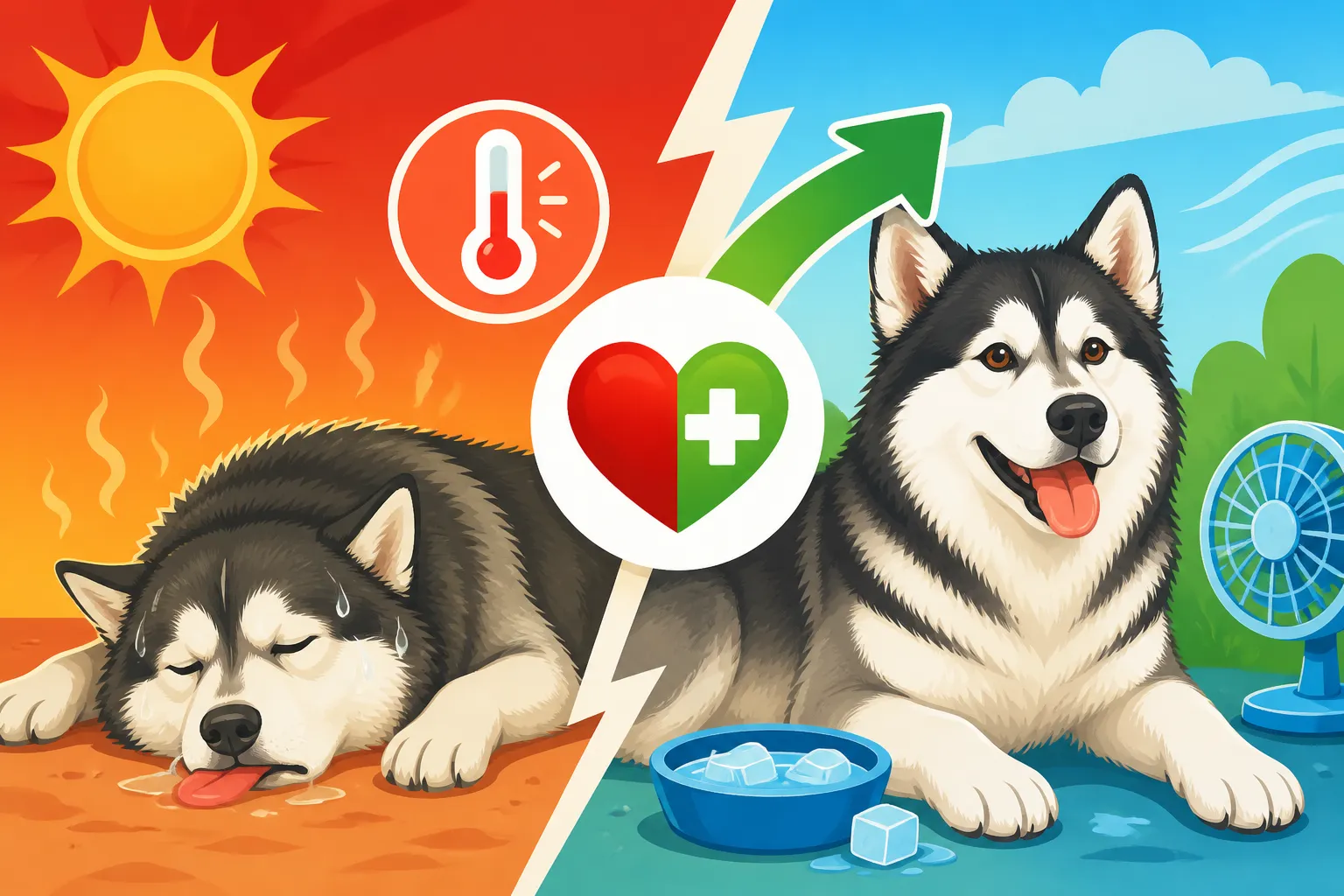
The signs of heat stroke can come on rapidly, and recognizing them immediately is crucial. Initially, you might notice your Malamute panting excessively, much more heavily than usual, with a very loud, raspy sound. They might start drooling profusely, their saliva thick and foamy. Their gums can become a bright, alarming dark red, or even grayish if shock is setting in. As their body temperature continues to climb, their movements will become uncoordinated; they might stumble, appear weak, or even collapse. Vomiting and diarrhea, sometimes bloody, are also common as internal organs start to shut down. In severe cases, they may experience seizures, lose consciousness, or their eyes may appear glazed and distant. It’s important to understand Signs an Alaskan Malamute Is Overheating and not dismiss them, thinking your dog is just tired.
The Silent Damage It Causes
What makes heat stroke so terrifying is the insidious damage it inflicts internally, often before external signs become dire. As the body temperature soars, cell proteins begin to denature, much like an egg cooking. This can lead to widespread multi-organ dysfunction. The kidneys can suffer acute injury, potentially leading to renal failure. The liver, critical for detoxification, can also be severely impacted. Brain swelling and neurological damage can occur, sometimes permanently affecting cognitive function or causing seizures. The gastrointestinal tract often sustains damage, leading to leaky gut syndrome and bacterial translocation into the bloodstream, which can trigger systemic inflammation and sepsis. Even if your Malamute survives the initial crisis, these internal injuries can have long-lasting, debilitating consequences, sometimes leading to Whether a Malamute Recovers From Heat Stroke only partially.
The Immediate Aftermath and Critical Care
When heat stroke strikes, every second counts. Your immediate actions can profoundly impact your Malamute's chances of survival and recovery. This isn't a situation where you "wait and see"; it's an emergency requiring swift first aid and immediate veterinary attention.
First Aid You Can Provide and What Not To Do
Your first priority is to get your Malamute out of the heat source and into the coolest environment possible. Move them to shade, an air-conditioned car, or even a bathtub. Begin cooling them down, but gently. You can wet their fur with cool (not icy!) water, focusing on areas with less fur coverage like the paw pads, armpits, and groin. Placing cool, wet cloths on these areas can help. You can also offer small amounts of cool water to drink, but don't force it, especially if they are struggling to swallow, as it could lead to aspiration. Never use ice-cold water or ice packs, as this can cause peripheral vasoconstriction, which traps heat in the core and can worsen the situation, or induce shock. Don't cover them entirely with wet towels, as this can also trap heat. The most important step after initial cooling is getting them to an emergency veterinary clinic immediately. While you're cooling, be on the phone with your vet or the nearest emergency hospital to let them know you're on the way. You can find more practical advice on How to Cool an Overheated Alaskan Malamute in an emergency.
Veterinary Intervention: The Race Against Time
Once at the veterinary clinic, your Malamute will receive aggressive treatment to lower their core body temperature safely and address the internal damage. This typically involves intravenous (IV) fluids to combat dehydration and support organ function, active cooling methods like cool water enemas, or even stomach lavage. They'll also monitor vital signs closely, including heart rate, blood pressure, and core temperature, often with a rectal thermometer. Blood tests will be performed to assess kidney and liver function, electrolyte balance, and coagulation parameters, as clotting disorders can be a serious complication of heat stroke. Medications may be given to manage shock, seizures, vomiting, or brain swelling. The veterinary team will be fighting against the clock to stabilize your dog and mitigate further damage. These critical interventions, while life-saving, can accumulate significant costs very quickly. Having pet insurance, perhaps from a provider like Healthy Paws, can certainly alleviate some of the financial burden during such an emergency, allowing you to focus on your Malamute's care without added stress.
Long-Term Outlook and Potential Complications
The initial survival of a Malamute after heat stroke is a huge relief, but the journey isn't always over. The long-term outlook varies greatly, and many dogs face lasting health challenges.
Factors Influencing Recovery
Several factors play a significant role in determining the extent of recovery. The severity of the heat stroke is paramount; dogs with extremely high temperatures or prolonged periods of hyperthermia tend to have a worse prognosis. How quickly your Malamute received effective first aid and professional veterinary care is also critical. Every minute counts in preventing widespread organ damage. Their age and underlying health also matter; older Malamutes or those with pre-existing conditions (such as heart disease or respiratory issues) may struggle more to recover. Even Caring for an Alaskan Malamute Past Eight introduces higher risks when it comes to any health emergency, including heat stroke. Sadly, even with the best care, some Malamutes may not make a full recovery, and some may not survive at all, even after intensive treatment.
| Factor | Impact on Recovery |
|---|---|
| Peak Body Temperature | Higher temperatures increase risk of severe organ damage. |
| Duration of Overheating | Longer exposure to high temperatures worsens prognosis. |
| Speed of Treatment | Faster intervention significantly improves outcomes. |
| Age of Malamute | Puppies and seniors are more vulnerable, slower to recover. |
| Pre-existing Conditions | Heart, kidney, or respiratory issues complicate recovery. |
| Severity of Organ Damage | Multi-organ failure reduces chance of full recovery. |
Lifelong Health Management After Heat Stroke
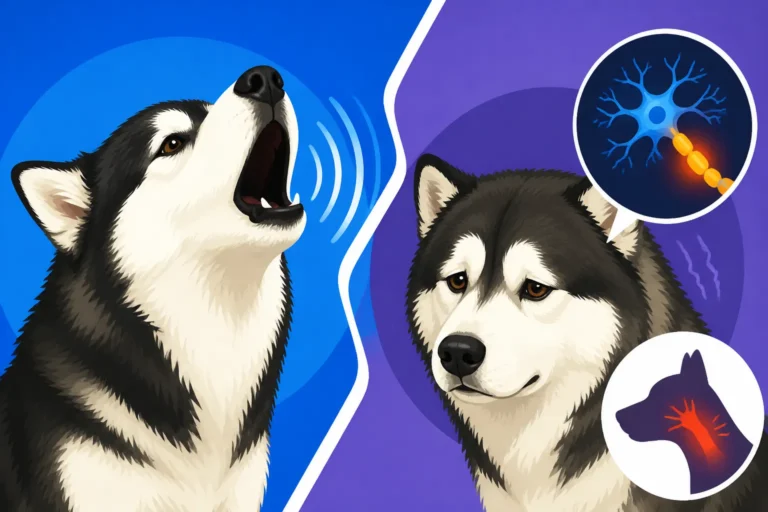
For Malamutes that do survive heat stroke, ongoing vigilance and potentially lifelong health management are often necessary. Damage to organs like the kidneys or liver might not be immediately apparent but can manifest weeks or months later. Regular veterinary check-ups and blood work will be essential to monitor these organ functions. Some dogs may develop chronic kidney disease, requiring special diets and ongoing medication. Others might experience persistent neurological issues, such as tremors, balance problems, or increased seizure susceptibility. A significant number of heat stroke survivors develop increased heat intolerance, meaning they become even more susceptible to overheating in the future. This requires strict management of their environment and activity levels. These ongoing medical needs can be costly, making a robust pet insurance plan, such as one from Healthy Paws, a valuable asset for managing their long-term health.
Behavioral Changes Post-Recovery
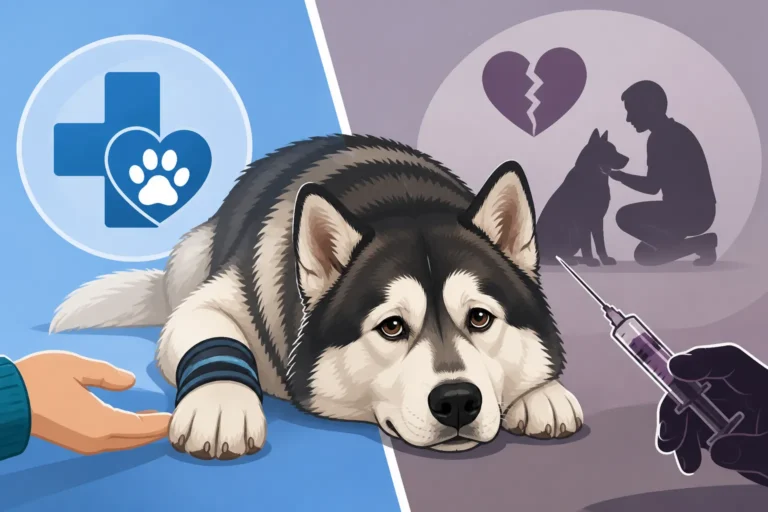
Beyond the physical ailments, some Malamutes may exhibit lasting behavioral changes after a severe heat stroke episode. They might become more anxious or clingy, especially in warm environments. You might notice them panting more frequently, even in cooler temperatures, as if their body's internal thermostat has been reset to a higher point. Some dogs might become more wary of physical exertion or outdoor activities they once enjoyed. Neurological damage, even subtle, can sometimes lead to changes in personality, reduced cognitive function, or increased irritability. Understanding these potential changes and adapting your care to accommodate them is crucial for your Malamute's quality of life.
Prevention is Always Better: Protecting Your Malamute from Heat Stroke
Given the severe and potentially fatal consequences of heat stroke, prevention is not just important—it's absolutely critical for Alaskan Malamute owners. It means constant vigilance and making lifestyle adjustments to keep your Arctic dog safe in a warming world.
Environmental Management Is Key
The cornerstone of heat stroke prevention is proactive environmental management. During warmer months, avoid exercising your Malamute during the hottest parts of the day, typically between 10 AM and 4 PM. Opt for early morning or late evening walks. Ensure they always have access to a cool, shady spot outdoors and, ideally, air conditioning indoors. Cooling mats, elevated beds that allow air circulation, and even a kiddie pool filled with shallow water can provide much-needed relief. Never, ever leave your Malamute unattended in a car, even with the windows cracked, as temperatures can soar to deadly levels in minutes. We've talked extensively about Summer Is the Season That Kills Alaskan Malamutes and this cannot be stressed enough. Think proactively about how to keep your big, beautiful dog cool.
Recognizing Individual Limits
Every Malamute is an individual. While the breed as a whole is prone to overheating, one dog might tolerate slightly more warmth than another. It's essential to learn your own dog's specific limits. Factors like age, overall fitness, and even What an Alaskan Malamute Actually Weighs can influence their heat tolerance. An overweight Malamute, for instance, will likely overheat faster than a lean, conditioned one. Pay close attention to their breathing and energy levels. If they start panting heavily earlier than usual or seem reluctant to move, respect those signals. Pushing them "just a little further" can have catastrophic consequences. Always err on the side of caution. If you're wondering how long is too long, consider How Long an Alaskan Malamute Can Be Outside at Ninety Degrees and the specific advice for avoiding midday walks in Why a Malamute Should Not Walk at Midday.
Hydration and Feeding Strategies
Staying well-hydrated is vital for preventing heat stroke. Always ensure your Malamute has access to fresh, cool water, both indoors and outdoors. If you're on a walk, bring a portable water bottle and bowl. Consider adding a little water to their food or offering ice cubes (in moderation, to avoid gulping). When it comes to feeding, smaller, more frequent meals can be beneficial during hot weather, rather than one large meal that requires more metabolic effort to digest. Some owners find feeding lighter, more easily digestible foods can also help. Just like humans, a full stomach can make overheating worse. These small adjustments to their daily routine can make a big difference in keeping your Malamute safe and healthy through the summer months.
Disclaimer
This article is intended for informational purposes only and does not constitute veterinary advice. If you suspect your Alaskan Malamute is suffering from heat stroke or any other medical emergency, please seek immediate veterinary care. Always consult with a qualified veterinarian for any health concerns or before making any decisions about your pet's health or treatment.