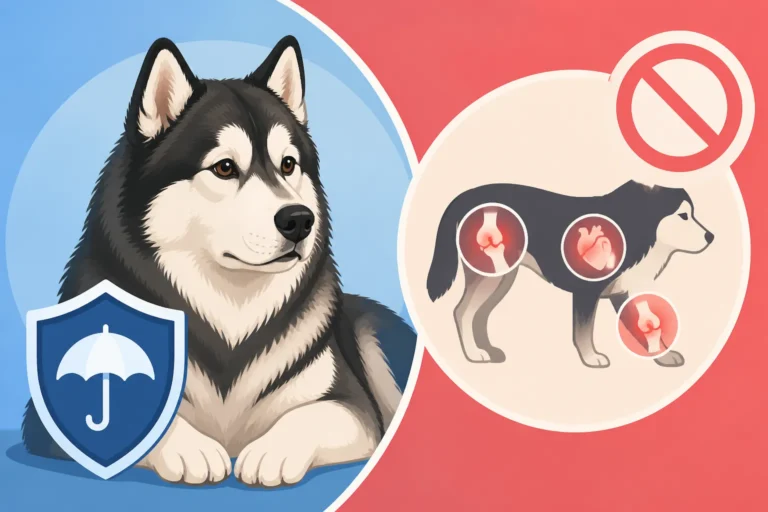
What Zinc Supplementation Costs Over a Malamute’s Life
It's incredibly frustrating when you realize your beloved Alaskan Malamute has a unique genetic predisposition that can lead to chronic health issues, especially when those issues revolve around something as seemingly simple as zinc absorption. Many new Malamute owners are completely blindsided by the complexities of managing conditions like Zinc Responsive Dermatosis, and the financial implications can feel overwhelming. This guide is here to walk you through the real-world costs of zinc supplementation over your Malamute's entire life, helping you budget and prepare for this essential aspect of their care.
Understanding Zinc Responsive Dermatosis in Malamutes
One of the most defining and often overlooked health challenges for Alaskan Malamute owners is the breed's unique struggle with zinc absorption. It's not just a minor skin irritation; it's a profound, often genetically influenced condition that can impact their overall well-being. Understanding this condition is the first step toward effectively managing it and, by extension, understanding the associated costs.
Why Malamutes Need Extra Zinc
The Alaskan Malamute, unlike many other dog breeds, often possesses a genetic quirk that makes them less efficient at absorbing zinc from their diet. This isn't usually a matter of the dog food being deficient in zinc; rather, it's about the Malamute's body simply not being able to utilize the zinc that is present as effectively as it should. It’s like having a perfectly good water filter, but the tap attachment is leaky – the water is there, but not all of it makes it into the glass. This inherent inefficiency means that what might be an adequate amount of zinc for another breed could leave a Malamute severely deficient. This particular issue is a cornerstone of understanding Zinc Is the Thread Running Through Three Malamute Diseases.
This genetic predisposition means that without intervention, many Malamutes will develop symptoms of zinc deficiency, even on a high-quality, balanced diet. It’s a silent battle happening within their digestive system, and it manifests outwardly in ways that can be both uncomfortable for the dog and alarming for the owner. Because of this, it's not simply a matter of feeding a "better" food, but often a necessity to supplement directly to bypass this absorption hurdle. Owners often report a period of trial and error before they find the right balance for their individual dog.
Furthermore, it's important to differentiate between general dietary zinc and the specific needs of a Malamute. While all dogs require zinc for healthy immune function, skin and coat health, and proper metabolism, a Malamute's requirement is often elevated beyond what standard kibble can provide effectively. This isn't just about avoiding a deficiency; it's about optimizing their health given their unique genetic makeup. This makes understanding Why a Malamute Needs More Dietary Zinc Than Other Breeds absolutely crucial for any owner.
The consequences of this poor absorption extend beyond just superficial skin issues, though those are often the most visible signs. Zinc plays a vital role in countless enzymatic processes throughout the body. A chronic deficiency can subtly undermine their immune system, affect their joint health, and even impact their neurological function over time, highlighting just how critical consistent supplementation is for their long-term health and vitality.
Recognizing the Signs of Zinc Deficiency
The initial signs of zinc deficiency, often referred to as What Zinc Responsive Dermatosis Looks Like on a Malamute, can be subtle, mimicking other skin conditions, which can lead to misdiagnosis and prolonged discomfort for your dog. Typically, you'll first notice dry, flaky skin, often accompanied by crusting or scaling. These lesions commonly appear around the eyes, muzzle, ears, and pressure points like the elbows and hocks. The skin in these areas might become thickened, red, and sometimes itchy, leading to scratching that can exacerbate the problem and introduce secondary infections. It’s a vicious cycle that starts with an internal issue but quickly becomes an external nightmare.
Beyond the visible skin issues, you might observe a dull, brittle coat, hair loss in patches, especially around the affected areas, and a general lackluster appearance. Some Malamutes may also experience thickening or cracking of their paw pads. Less obvious signs can include lethargy, poor appetite, and even a compromised immune system, making them more susceptible to other illnesses. It’s a constellation of symptoms that, when recognized early, can prevent more severe complications and significantly improve your Malamute’s quality of life. Owners who track their dog's health closely can often spot these early indicators before they become full-blown dermatological crises.
The key to early intervention is regular, thorough checking of your Malamute's skin, particularly in those prone areas. Gently part their thick double coat to inspect the skin underneath. Pay close attention to any changes in texture, color, or the presence of flakes or crusts. Catching these signs when they are minor means you can address the issue promptly with your veterinarian, potentially avoiding more intensive and costly treatments down the line. Remember, their dense fur can hide a lot, so a hands-on approach is essential for effective monitoring. You might notice Where a Malamute's Zinc Lesions Appear First and that often gives you a head start.
It's also worth noting that these symptoms can wax and wane, sometimes improving temporarily with minor dietary changes or environmental shifts, only to return with greater severity. This variability can make diagnosis tricky without a veterinarian who understands the breed's specific predisposition. Keeping a detailed log of your Malamute's symptoms, diet, and any changes you observe can be invaluable in helping your vet connect the dots and arrive at an accurate diagnosis of zinc responsive dermatosis.
The Genetic Component of Zinc Absorption
It's not just bad luck that some Malamutes struggle with zinc absorption; there's a strong genetic link at play. While the exact genetic markers are still being researched and understood, it's widely accepted that a hereditary component predisposes certain individuals within the breed to How Poor Zinc Absorption Links a Malamute's Three Disorders. This means that if your Malamute's parents or other close relatives had issues with zinc responsive dermatosis, there's a higher likelihood that your dog might too. This knowledge is empowering because it shifts the focus from blaming diet or environment to understanding an inherent biological challenge.
This genetic predisposition underscores the importance of choosing a responsible breeder who screens their breeding stock for inherited conditions, including a history of zinc responsive dermatosis in their lines. While there isn't a single, definitive DNA test for zinc malabsorption itself like there is for some other conditions, an ethical breeder will be transparent about the health history of their dogs and will often share insights into how their lines have managed zinc needs. They understand that Whether a Malamute's Zinc Problem Is Diet or Genetics is a critical distinction.
Understanding the genetic component also helps frame the long-term management of the condition. It means that simply changing food might not be enough if the underlying issue is an inefficient metabolic pathway, not a dietary lack. This is why many owners find that even the most premium foods won't fully resolve the symptoms without direct supplementation. It's a lifelong management strategy, not a temporary fix, because the genetic makeup of the dog won't change.
For potential Malamute owners, this knowledge serves as a critical consideration during the puppy selection process. Asking breeders about the history of zinc responsive dermatosis in their lines, or how they manage zinc needs in their adult dogs, can provide valuable insight. While it might not prevent the condition entirely, it can help you prepare for the potential management needs and costs. It's about being informed and proactive, rather than surprised by a chronic condition that could have been anticipated.
Initial Diagnosis and Treatment Costs
When you first suspect your Malamute has a zinc deficiency, the journey begins with veterinary consultations and diagnostic steps. These initial costs are often the first significant financial outlay an owner will face, setting the stage for ongoing management.
Veterinary Consultations and Diagnostic Tests
The moment you notice those tell-tale crusts around your Malamute's eyes or muzzle, your first call should be to your veterinarian. An initial consultation will involve a thorough physical examination, where your vet will assess the skin lesions, general coat condition, and overall health. This visit, while seemingly straightforward, carries a fee that varies by location and clinic, and it’s the gateway to understanding the problem. Often, the vet will start by ruling out more common skin issues like allergies, parasitic infestations, or bacterial/yeast infections, as these can present similarly to zinc deficiency.
To definitively diagnose zinc responsive dermatosis, your vet might recommend several diagnostic tests. These can include skin scrapings to check for mites, fungal cultures, and cytology (examining skin cells under a microscope) to identify bacterial or yeast overgrowth. In many cases, a skin biopsy is performed, where a small piece of affected skin is surgically removed and sent to a specialized lab for histological examination. This is often the most accurate way to confirm zinc responsive dermatosis, distinguishing it from other dermatological conditions. Each of these tests adds to the initial diagnostic bill, and while essential, they can quickly accumulate.
Blood tests might also be recommended, though measuring serum zinc levels can be tricky and doesn't always directly correlate with a tissue-level deficiency or the genetic absorption issue. Sometimes, these tests are used to rule out other systemic health problems, such as hypothyroidism, which can also cause skin and coat changes. The goal during this phase is to eliminate possibilities and pinpoint the exact cause of your Malamute’s discomfort, ensuring the correct treatment path is chosen. It's a process of elimination that can take time and multiple visits.
Given the breed's specific needs, don't hesitate to seek out a veterinarian with experience in Alaskan Malamutes or a board-certified veterinary dermatologist if your general practitioner is struggling to make a diagnosis. While specialists tend to have higher consultation fees, their expertise can often lead to a quicker, more accurate diagnosis, potentially saving you money on ineffective treatments in the long run. Remember, these initial steps are about getting a clear picture of what you're dealing with before committing to long-term management strategies.
The First Course of Zinc Supplementation
Once zinc responsive dermatosis is diagnosed, your vet will prescribe an initial course of zinc supplementation. This is typically a higher, therapeutic dose designed to quickly elevate zinc levels in the body and reverse the visible symptoms. The cost of these initial supplements can vary depending on the type of zinc compound chosen (e.g., zinc sulfate, zinc methionine, zinc picolinate) and the brand. Your vet may also recommend a specific brand known for its bioavailability or one that has worked well for other Malamutes in their practice.
During this critical initial phase, consistent administration is paramount. You'll likely need to give the supplement daily, and your vet might schedule follow-up appointments to monitor your Malamute's response. These follow-ups are crucial for assessing improvement in skin condition and adjusting the dosage as needed. While the goal is to see a rapid improvement, it’s not uncommon for it to take several weeks for the skin to fully heal and the coat to regain its luster. This period requires patience and adherence to the veterinary plan, as stopping too early can lead to a quick relapse.
Some vets may also suggest dietary changes in conjunction with supplementation. While Whether Changing Food Fixes a Malamute's Zinc Deficiency is a common question, it’s rarely a complete solution on its own due to the absorption issue. However, selecting foods that are naturally high in zinc or low in phytates (compounds found in grains that can inhibit zinc absorption) might be recommended to support the supplementation. These specialized diets can come with a higher price tag compared to conventional kibble, adding to the overall initial treatment cost. Brands like Ollie, known for their fresh food options, might be considered if you and your vet believe diet plays a supporting role.
It's vital to discuss with your vet the expected duration of this initial high-dose treatment and what the transition to a maintenance dose will look like. The aim is to get the condition under control, but also to establish a sustainable long-term plan. Understanding this trajectory helps you prepare for the ongoing financial commitment, as zinc supplementation for a Malamute with this condition is almost always a lifelong requirement. This initial treatment is an investment not just in a quick fix, but in laying the groundwork for your Malamute's continued health.
Addressing Secondary Skin Infections
One of the most unfortunate side effects of untreated or poorly managed zinc responsive dermatosis is the development of secondary skin infections. The compromised skin barrier and chronic inflammation create an ideal environment for bacteria (pyoderma) or yeast (Malassezia dermatitis) to proliferate. These infections often manifest as even redder, itchier, or greasy skin, sometimes with an unpleasant odor, and can significantly worsen your Malamute's discomfort. Treating these secondary infections adds another layer of cost and complexity to the initial diagnostic and treatment phase.
Your vet will likely prescribe antibiotics for bacterial infections or antifungal medications for yeast infections, which can be in the form of oral medications, medicated shampoos, or topical creams. The duration of treatment for these secondary infections can range from a few weeks to several months, depending on the severity and chronicity. Repeated veterinary visits may be necessary to ensure the infection is fully cleared, as stopping treatment too soon can lead to recurrence. These medications, especially long courses of antibiotics or specialized antifungals, can represent a significant expense on top of the zinc supplements.
Medicated shampoos, while a crucial part of managing secondary skin infections and soothing irritated skin, also contribute to the ongoing supply costs. These specialized shampoos are often more expensive than regular dog shampoos and might need to be used frequently during active flare-ups. Learning proper bathing techniques for a Malamute's dense coat is essential to ensure the medicated ingredients reach the skin effectively, maximizing their benefit. This might also involve seeking guidance from a professional groomer who understands therapeutic bathing.
In severe or recurrent cases, your vet might recommend additional diagnostic tests for these secondary infections, such as culture and sensitivity testing to identify the specific bacteria and determine which antibiotics will be most effective. This prevents the use of broad-spectrum antibiotics that might not work and can contribute to antibiotic resistance. While these tests incur an extra cost, they can ultimately save money and reduce your Malamute’s suffering by ensuring targeted, effective treatment, rather than guessing.
Ongoing Zinc Supplementation: Product Choices and Recurring Expenses
Once the initial crisis is averted and your Malamute is on a stable maintenance dose, the focus shifts to the long-term, routine costs of zinc supplementation. This phase is characterized by regular purchases and careful budgeting for a condition that will likely require attention for the duration of your dog’s life.
Types of Zinc Supplements Available
When it comes to zinc supplements for your Malamute, you'll find a variety of forms and compounds, each with its own benefits and cost implications. The most common forms include zinc sulfate, zinc picolinate, and zinc methionine. Zinc methionine is often favored by veterinarians for its higher bioavailability, meaning it's absorbed more readily by the body, which is particularly beneficial for Malamutes with their absorption challenges. However, this increased efficacy often comes with a higher price tag per dose compared to other forms.
Supplements come in various formats: tablets, capsules, and sometimes liquid. Tablets and capsules are generally the most common and often the most cost-effective per dose, especially when purchased in larger quantities. Some owners find capsules easier to administer, either whole or by sprinkling the powder over food, while others prefer the precision of a tablet. Finding Which Zinc Supplement Suits a Malamute might involve some trial and error, not just for efficacy but also for ease of administration to your particular dog.
Beyond specific zinc compounds, you might also encounter multi-vitamin supplements that include zinc. While these can seem convenient, it's crucial to consult your vet before opting for them. The amount of zinc in a multi-vitamin might not be sufficient to address a Malamute’s specific deficiency, and too many additional vitamins and minerals could lead to other imbalances. The primary goal is targeted zinc supplementation, not just a general nutrient boost, especially given How Much Zinc Is Safe for an Alaskan Malamute.
When selecting a brand, vet-recommended options are usually best, as they are often backed by research and have a reputation for quality and purity. Many owners purchase these through their vet clinic, but online pet supply retailers like Chewy also offer a wide selection. It's important to read labels carefully and choose products specifically formulated for dogs, avoiding human supplements unless explicitly directed by your veterinarian, as dosages and inactive ingredients can differ significantly.
Estimating Monthly and Annual Supplement Costs
The cost of zinc supplementation for your Malamute isn't a one-time fee; it's a recurring expense that needs to be factored into your monthly and annual pet care budget. While specific prices fluctuate, we can discuss the shape of these costs. For a typical adult Malamute requiring daily supplementation, you might expect to purchase a bottle of supplements every month or two, depending on the number of pills per bottle and the prescribed dosage. This translates into a consistent monthly outlay that, while not astronomical, certainly adds up over time.
To put it into perspective, if a month's supply costs a certain amount, then over a year, this can amount to a sum that rivals other regular pet expenses, such as routine vaccinations or a few bags of premium food. Considering that a Malamute can live for The Ten to Fourteen Years an Alaskan Malamute Lives, these annual costs compound significantly over their lifespan. It's a long-term financial commitment that demands consistent planning. This is why many wonder What Zinc Supplements Cost a Malamute Owner Yearly.
Purchasing larger quantities or taking advantage of bulk discounts from online retailers can sometimes reduce the per-dose cost. However, always ensure you're buying from reputable sources to guarantee product quality and expiration dates. Some pet pharmacies or online stores offer subscription services, which can provide a slight discount and ensure you never run out, simplifying the management of this essential medication.
It's wise to set aside a specific portion of your pet care budget each month specifically for zinc supplements. This proactive budgeting prevents sudden financial strain and ensures uninterrupted access to your Malamute's vital medication. Even a small monthly contribution to a dedicated "Malamute health fund" can make a big difference in comfortably managing these ongoing expenses over many years.
Dietary Considerations and Their Cost Impact
While zinc supplementation is the primary treatment for zinc responsive dermatosis, dietary considerations can play a supporting role, and they often come with their own set of costs. Certain ingredients, particularly high levels of calcium and phytates found in some grains, can interfere with zinc absorption in any dog, and this effect can be magnified in Malamutes already struggling with efficiency. Therefore, some vets might recommend adjusting your Malamute's diet to one that is lower in these zinc-inhibiting compounds. Understanding Which Foods Block a Malamute's Zinc Absorption can guide these choices.
Switching to a higher-quality, often grain-free or limited-ingredient diet, if recommended by your vet, can increase your monthly food bill. These specialized foods, while beneficial for overall health and potentially for supporting better zinc utilization, are typically more expensive per bag than conventional kibble. Brands like Ollie, which offer fresh, human-grade ingredients, might be a consideration, but their cost per meal is generally higher than traditional dry kibble. The decision to switch to a premium or specialized diet should always be made in consultation with your veterinarian to ensure it meets all your Malamute's nutritional needs without causing other imbalances.
For Malamutes with particularly sensitive digestive systems or severe absorption issues, some owners explore raw or fresh-cooked diets. These diets, while offering fresh, bioavailable nutrients, are almost always significantly more expensive than even the highest-quality kibble. They also require careful preparation and balancing to ensure nutritional completeness, and inadequate formulation can lead to other health problems. The cost of ingredients, storage, and preparation time are all factors to consider if pursuing this route.
Ultimately, the goal of dietary adjustments is to create the most optimal environment for zinc absorption possible, thereby potentially allowing for a lower maintenance dose of supplements or preventing secondary issues. While it might add to your overall monthly expenses, it's an investment in your Malamute's long-term health and comfort. It's about finding the right synergy between targeted supplementation and a supportive diet, always keeping your vet in the loop.
Monitoring and Adjusting Zinc Levels Long-Term
Managing zinc responsive dermatosis isn't a "set it and forget it" situation. It requires ongoing monitoring and periodic adjustments to ensure your Malamute remains healthy and comfortable throughout their life. This vigilance has its own associated costs, but it’s crucial for preventing relapses and maintaining quality of life.
Regular Veterinary Check-ups and Bloodwork
Even after your Malamute's skin symptoms have resolved and they are on a stable maintenance dose of zinc, regular veterinary check-ups are essential. These check-ups, typically once or twice a year, allow your vet to assess your dog's overall health, skin and coat condition, and discuss any changes you've observed. These routine visits come with a consultation fee, but they are invaluable for catching potential issues early and ensuring the long-term effectiveness of the supplementation regimen.
Your vet may also recommend periodic bloodwork to monitor your Malamute's general health, and occasionally, to check certain parameters that can indirectly indicate zinc status or overall well-being. While direct serum zinc levels can be inconsistent indicators of tissue zinc, other blood tests can help rule out other conditions or monitor organ function, especially if your Malamute is on other medications. These blood tests add to the cost of routine visits but are important for a comprehensive health overview.
During these check-ups, your vet will also assess for Signs a Malamute's Zinc Level Has Dropped, which might indicate that the current maintenance dose is no longer sufficient. This could be due to changes in diet, activity level, or even the dog's metabolism as they age. Early detection of a waning response means a quicker adjustment of the supplement, preventing a full-blown dermatological flare-up that would require more intensive, and expensive, intervention. Proactive monitoring saves money and stress in the long run.
These regular visits are also an opportunity to discuss any new concerns, behavioral changes, or questions you might have about your Malamute's care. Think of them as an ongoing partnership with your vet to ensure your furry family member enjoys the best possible health. They are a necessary investment in proactive health management, especially for a breed with specific needs like the Alaskan Malamute.
The Importance of Consistency and Compliance
The success of zinc supplementation hinges entirely on consistent administration. Missing doses, running out of supplements, or not following the vet's instructions precisely can quickly lead to a relapse of zinc deficiency symptoms. This consistency is not just about preventing discomfort for your Malamute; it's also about managing costs effectively. Each flare-up means another trip to the vet, potentially new diagnostic tests, and a return to higher, more expensive therapeutic doses, not to mention the cost of treating secondary infections.
Establishing a routine for giving the supplement is key. Many owners find it easiest to administer the pills with a meal or a favorite treat, making it a regular part of their dog's day. Using pill organizers or setting daily reminders can help maintain compliance. If your Malamute is particularly finicky about taking pills, discuss alternative administration methods with your vet or consider trying different forms of the supplement, such as powders that can be mixed into wet food. Finding what works best for your dog minimizes stress for both of you and ensures they get what they need.
The commitment to lifelong supplementation also requires foresight in purchasing. Don't wait until you're down to the last few pills to reorder. Keep a buffer supply on hand, especially if you order from online retailers where shipping times can vary. Planning ahead prevents those moments of panic when you realize you're out, and your Malamute's skin is starting to look a little rough. This proactive approach saves emergency vet visits and the associated costs.
Ultimately, consistency is an investment in your Malamute's continuous well-being. It avoids the financial burden and emotional toll of managing recurrent skin flare-ups. By integrating zinc supplementation seamlessly into your daily routine, you are providing sustained relief and preventing the cascade of health issues and expenses that come with inadequate management. Remember, Whether a Malamute Needs Zinc for Life is a resounding yes for those with Zinc Responsive Dermatosis.
Potential Side Effects and Their Management
While zinc supplementation is generally well-tolerated by Malamutes, like any medication or supplement, there can be potential side effects. The most common mild side effect is gastrointestinal upset, such as vomiting or diarrhea, especially if the supplement is given on an empty stomach or at too high a dose. This can lead to additional costs for vet visits if symptoms are severe or persistent, and potentially for medications to settle your Malamute's stomach.
To minimize the risk of GI upset, your vet will usually recommend administering zinc with food. If stomach upset still occurs, your vet might suggest trying a different form of zinc, as some compounds are better tolerated than others. Adjusting the timing of administration or splitting the daily dose can also sometimes help alleviate these symptoms. Open communication with your vet about any side effects is crucial to ensure your Malamute remains comfortable and continues to receive their necessary zinc.
In rare cases, excessive zinc supplementation can lead to zinc toxicity, although this is more common when dogs accidentally ingest large quantities of zinc-containing objects (like pennies or certain creams) rather than from appropriate therapeutic dosing. However, it's a reminder of the importance of sticking to your vet's prescribed dosage and never self-medicating or increasing the dose without professional guidance. The symptoms of zinc toxicity can be severe, including lethargy, vomiting, diarrhea, anemia, and even organ damage, necessitating emergency veterinary care, which is, as you can imagine, extremely costly.
Managing potential side effects is part of the overall cost of care. It may involve additional vet consultations, diagnostic tests to rule out other causes of symptoms, or temporary adjustments to the supplementation regimen. Being vigilant for any adverse reactions and promptly reporting them to your vet ensures your Malamute’s safety and prevents minor issues from escalating into more serious and expensive health crises.
The Broader Financial Picture: Insurance and Holistic Care
Understanding the direct costs of zinc supplementation is vital, but it’s also important to consider how these expenses fit into your broader pet care budget. Pet insurance can be a game-changer for managing chronic conditions, and some owners also explore complementary therapies, each with their own financial implications.
Pet Insurance and Coverage for Chronic Conditions
Pet insurance can be a critical financial safety net for Malamute owners, especially when dealing with chronic conditions like zinc responsive dermatosis. Policies vary widely, but typically, they cover a percentage of eligible veterinary expenses after you meet your deductible. For an ongoing condition like ZRD, which requires lifelong medication, a good insurance plan can significantly reduce your out-of-pocket costs for supplements, vet check-ups, bloodwork, and any treatments for secondary infections.
When selecting a pet insurance provider, it's paramount to understand their stance on pre-existing and chronic conditions. Zinc responsive dermatosis, once diagnosed, would be considered a pre-existing condition by most insurers if you try to get coverage after diagnosis. This means it likely won't be covered if you purchase a policy post-diagnosis. The wise move is to enroll your Malamute in a pet insurance plan, such as those offered by Healthy Paws, when they are a puppy and ideally before any health issues manifest. This proactive approach ensures that if a condition like ZRD develops, it will be covered.
However, even with pre-existing conditions, some policies might cover new conditions that arise later, or they may have clauses for "curable" conditions after a certain waiting period, though chronic issues like ZRD are typically not deemed curable. Carefully review the policy's terms and conditions, paying close attention to deductibles, reimbursement percentages, and annual limits for chronic care. Understanding these details upfront prevents unwelcome surprises down the line.
While the monthly premiums for pet insurance add another line item to your budget, the potential savings on chronic care can be substantial. For a condition requiring lifelong medication and regular vet visits, the cumulative cost of managing ZRD over a Malamute's The Ten to Fourteen Years an Alaskan Malamute Lives can be immense. Insurance essentially spreads that risk, offering peace of mind and financial predictability, allowing you to focus on your Malamute's health rather than worrying about every bill.
Complementary Therapies and Their Expenses
Beyond conventional veterinary medicine, some Malamute owners explore complementary therapies to support their dog's overall health while managing zinc responsive dermatosis. These might include specialized diets, herbal supplements, or even acupuncture for pain management if secondary issues like arthritis develop. It's crucial, however, that any complementary therapy is discussed and approved by your primary veterinarian, as some can interact negatively with conventional treatments or be ineffective.
For instance, certain dietary approaches, beyond just avoiding zinc-inhibiting ingredients, might involve incorporating specific whole foods known for their anti-inflammatory properties or nutrient density. While some ingredients can be sourced from your regular grocery store, others might require specialty pet food stores or online suppliers. The cost of these specialized food items or meal preparation, if you're cooking for your Malamute, can be significantly higher than a standard kibble diet. Brands like Ollie, known for fresh, whole food ingredients, might fit into this category, but at a premium price.
Herbal supplements designed to support skin health, boost the immune system, or aid digestion are also available. These can range from relatively inexpensive over-the-counter options to custom-blended formulations from holistic veterinarians. The efficacy of these supplements for zinc responsive dermatosis is not always scientifically proven, and their cost can vary widely. It’s important to research brands, consult with your vet or a certified veterinary herbalist, and monitor your Malamute closely for any positive or negative effects.
These complementary therapies are typically not covered by standard pet insurance policies, meaning their costs would be entirely out-of-pocket. Therefore, owners considering these options should factor in these additional expenses when budgeting for their Malamute's care. While they can potentially enhance your dog's quality of life and support conventional treatment, they represent an added financial layer that requires careful consideration.
The Emotional and Time Investment
While not a direct financial cost, the emotional and time investment required to manage a chronic condition like zinc responsive dermatosis in your Alaskan Malamute is immense and often undervalued. This invisible cost impacts an owner's daily life, mental well-being, and overall experience of Malamute ownership. From the initial anxiety of diagnosis to the ongoing commitment of daily care, it's a significant expenditure of personal resources.
The daily routine of administering supplements, monitoring for symptoms, and potentially preparing specialized meals takes time and dedication. It means adhering to a strict schedule, being mindful during walks to check for skin changes, and being prepared to adjust plans if a flare-up occurs. For busy individuals or families, integrating this level of consistent care into an already packed schedule can be a challenge, requiring meticulous organization and commitment.
Furthermore, the emotional toll of seeing your beloved Malamute suffer from skin discomfort, or the worry of an impending flare-up, can be substantial. There's the frustration of finding the right balance of supplements, the concern over secondary infections, and the constant vigilance required to ensure their comfort. This emotional burden is real and can lead to stress, sleep disturbances, and a feeling of being overwhelmed, especially when combined with the financial pressures.
Ultimately, the long-term management of zinc responsive dermatosis means understanding that your relationship with your Malamute will involve a continuous partnership in their health. It’s a testament to the unconditional love we have for our pets that we undertake these responsibilities. While you can't put a price tag on love, recognizing this significant investment of time and emotion is crucial for a realistic understanding of Malamute ownership.
Long-Term Cost Projections: Puppyhood to Senior Years
The financial journey of managing zinc responsive dermatosis with an Alaskan Malamute spans their entire life. The costs aren't static; they evolve as your Malamute progresses from a playful puppy to a dignified senior. Understanding these shifts helps in creating a comprehensive, lifelong budget.
Costs During Puppy and Adolescent Stages
The puppy and adolescent stages are often when zinc responsive dermatosis first manifests, or at least when the subtle signs become more noticeable. As discussed, a Malamute puppy might appear normal at birth, but as they grow and their nutritional needs increase, the inefficiency in zinc absorption can become apparent. This period will involve the initial diagnostic costs mentioned earlier: vet consultations, skin scrapings, biopsies, and potentially blood tests to confirm the condition. These early tests are crucial to establishing the correct diagnosis and preventing prolonged suffering.
Once diagnosed, the initial therapeutic dose of zinc supplementation will begin. For a young, growing Malamute, dosages might need more frequent adjustment as they gain weight and mature. This could mean more frequent vet visits in the first year or two compared to a stable adult. The cost of these supplements during this phase will be ongoing, and you might also be investing in medicated shampoos or topical treatments if secondary infections develop. For a puppy, setting a foundation of good health is critical, and that includes tackling zinc issues head-on.
It's also worth noting that owners acquiring puppies from breeders should inquire about the health history of the parents and any prevalence of zinc issues in the lineage. While there may not be a definitive DNA test specific to ZRD, breeders who are transparent about their lines can provide valuable insights. A Malamute puppy that starts life with well-managed zinc levels is likely to have a healthier adolescence, potentially reducing the severity and cost of future flare-ups.
This early investment in diagnosis and consistent management is critical. Neglecting early signs can lead to more severe skin damage, chronic infections, and potentially impact growth and development, all of which would lead to far greater veterinary expenses and discomfort for the dog in the long run. Think of it as investing in their health capital, ensuring a strong start for a potentially long life.
Adult Maintenance Costs
As your Malamute matures into adulthood (typically from two to eight years of age), the costs associated with zinc responsive dermatosis usually settle into a predictable maintenance pattern. By this point, you and your vet will have established an effective maintenance dose of zinc, and hopefully, any secondary infections will be well under control. The primary expenses during these years will be the recurring cost of zinc supplements, purchased on a regular basis.
Routine annual or biannual veterinary check-ups will continue to be important to monitor your Malamute's overall health and assess the continued effectiveness of the zinc regimen. While less frequent than during the diagnostic phase, these visits are vital for making sure no new symptoms arise or that the maintenance dose isn't becoming insufficient. These appointments will incur standard consultation fees, and occasionally, bloodwork might be recommended, especially if there are any subtle changes in their skin or energy levels.
Any changes to your Malamute's diet, such as switching to a new brand of kibble or introducing new treats, should be done with an awareness of their zinc absorption issues. While Whether Changing Food Fixes a Malamute's Zinc Deficiency is largely a negative, some foods might exacerbate it. If dietary changes are made, closely monitor their skin for any signs of regression, as this could necessitate a temporary increase in their zinc dosage or a re-evaluation of their food. The stability of their adult years is often a result of consistent, proactive care established in their youth.
This phase is generally the most stable and financially predictable. By this time, you'll be accustomed to the costs and routines. However, unforeseen events can always occur, so maintaining a pet emergency fund or adequate pet insurance coverage (like through Healthy Paws) is always a good idea, even for a well-managed chronic condition.
Managing Zinc Needs in an Aging Malamute
As your Alaskan Malamute enters their senior years, typically around eight years of age and beyond, their health needs often become more complex, and this can impact the management and cost of zinc responsive dermatosis. Just like humans, older dogs can experience changes in metabolism, organ function, and immune response, which might alter their zinc requirements or how effectively they absorb supplements. Caring for an Alaskan Malamute Past Eight means being prepared for these shifts.
Your senior Malamute may require more frequent veterinary check-ups to monitor not just their zinc levels, but also for other age-related conditions like arthritis, hypothyroidism, or kidney disease. These conditions can sometimes present with overlapping symptoms or simply add another layer of complexity to their care. These additional vet visits, diagnostic tests, and potentially new medications for other ailments will increase your overall pet care budget during this phase.
It’s possible that your senior Malamute’s zinc maintenance dose might need to be adjusted as they age. Your vet might recommend a higher dose if their absorption efficiency further decreases, or if other health issues put additional stress on their system. Conversely, if kidney function becomes a concern, zinc levels might need careful monitoring. This fine-tuning often requires more frequent blood tests or closer observation, all of which contribute to the evolving cost profile.
Moreover, the skin of older Malamutes can become thinner and more fragile, making them more susceptible to secondary infections or slower to heal. This can mean more intensive treatment for flare-ups, including longer courses of antibiotics or specialized wound care, adding to the expense. While it can be challenging, maintaining consistent zinc supplementation and diligent skin checks is even more critical in their twilight years to ensure their comfort and dignity.
Cost Comparison: Proactive Care vs. Reactive Treatment
When it comes to managing zinc responsive dermatosis, there's a clear financial and emotional difference between taking a proactive approach and a reactive one. While some costs are unavoidable, strategic planning can significantly mitigate the overall burden and improve your Malamute's quality of life.
The Expense of Neglecting Zinc Deficiency
The temptation to downplay early symptoms or delay veterinary intervention can be strong, especially when finances are tight, but neglecting zinc deficiency in an Alaskan Malamute can ultimately lead to far greater expenses and prolonged suffering. What starts as a few flaky patches can quickly escalate into widespread, severe dermatosis. The skin becomes thickened, deeply crusted, and incredibly painful. The continuous itching and scratching often lead to open sores, which are then ripe for bacterial and yeast infections.
Treating these severe, chronic flare-ups involves significantly higher costs than proactive management. Instead of simple zinc supplements, you might be looking at prolonged courses of expensive oral antibiotics and antifungals, specialized medicated shampoos, topical steroids, and potentially even pain management medications for the severe discomfort. These treatments often require multiple, extensive vet visits, follow-up cultures, and potentially even hospitalization for severe cases. The cost for What Treating a Malamute's Zinc Dermatosis Costs when neglected can be staggering.
Beyond the direct medical bills, there are indirect costs. A Malamute suffering from severe, painful skin issues will have a significantly reduced quality of life. They may be constantly agitated, lose sleep, and their immune system will be under constant stress, potentially making them susceptible to other illnesses. Their coat might be permanently damaged, and they may develop behavioral issues due to chronic discomfort. This stress impacts the owner too, leading to emotional distress and a feeling of helplessness.
In essence, delaying or neglecting treatment is akin to letting a small leak turn into a burst pipe. The initial small investment in regular zinc supplementation and vet check-ups pales in comparison to the financial and emotional overhaul required to repair the damage of severe, long-standing zinc responsive dermatosis. Proactivity is not just kinder to your Malamute; it's also fiscally responsible.
Investing in Quality Supplements and Vet Care
On the flip side, making a conscious decision to invest in quality zinc supplements and consistent veterinary care from the outset is often the most cost-effective approach in the long run. While there's an ongoing expense, this proactive strategy prevents the cascade of more severe problems and their associated hefty bills. It’s about choosing prevention over crisis management.
Quality zinc supplements, often recommended by your vet, are formulated for optimal bioavailability and purity. While they might cost slightly more per bottle than generic alternatives, their effectiveness means your Malamute absorbs the zinc they need, reducing the likelihood of flare-ups and the need for higher, therapeutic doses. Purchasing from reputable sources, whether your vet's office or trusted online retailers like Chewy, ensures you're getting a product that genuinely helps your dog.
Consistent veterinary care, including regular check-ups and prompt attention to any new symptoms, is another cornerstone of this proactive approach. These visits allow your vet to monitor your Malamute's response to supplementation, adjust dosages as needed, and catch any emerging secondary issues before they become severe. This early intervention prevents minor problems from escalating into major health crises that demand intensive, expensive treatments.
Moreover, a well-managed Malamute with stable zinc levels is a happier, healthier dog. Their coat will be lustrous, their skin clear, and their immune system robust. This translates into fewer sick days, less discomfort, and a better overall quality of life for your companion. The initial and ongoing investment in their care pays dividends in their well-being and in your peace of mind, proving that a little proactive expense can save a lot of reactive trouble.
Breeder Responsibility and Initial Health Investments
The financial journey with zinc responsive dermatosis often begins even before you bring your Malamute home, with the breeder's responsibility playing a significant role in your initial health investments. A responsible breeder understands the genetic predispositions of the breed and takes steps to minimize the incidence of inherited conditions like ZRD in their litters. While there is no single DNA test for ZRD itself, ethical breeders should be transparent about their lines' health history and any past cases of zinc deficiency.
An initial health investment starts with the breeder performing due diligence. This means they should be able to provide health clearances for the parents for conditions like hip and elbow dysplasia, and eye certifications, as well as being upfront about any known issues with zinc absorption in their breeding stock or previous litters. While you may wonder Whether an Untested Alaskan Malamute Litter Is Worth Buying, this transparency about health history, even for a condition without a direct DNA test, is a hallmark of a reputable breeder and can indicate their commitment to producing healthy puppies.
When you purchase a puppy from such a breeder, their asking price will likely reflect these upfront health investments. The cost of comprehensive health testing for the parents, quality care for the dam and puppies, and ongoing health monitoring all contribute to the puppy's price. While a puppy from a less scrupulous breeder might seem cheaper initially, the long-term costs of dealing with inherited health issues can quickly negate any perceived savings.
Therefore, the investment in a puppy from a responsible, health-conscious breeder can be seen as an initial, protective measure against higher long-term costs associated with conditions like zinc responsive dermatosis. It’s not a guarantee against all health problems, but it significantly reduces the risk of inheriting known predispositions. Choosing wisely at the outset is arguably one of the most impactful financial decisions you can make for your Malamute's lifelong health journey.
| Cost Category | Description | Frequency | Potential Cost Impact (Shape) |
|---|---|---|---|
| Initial Diagnosis | Vet consults, skin scrapings, biopsies, bloodwork | One-time/Early | Significant initial outlay, can be high |
| Therapeutic Zinc Dose | High-dose supplements to stabilize condition | Short-term | Moderate, then transitions to maintenance |
| Secondary Infection Tx. | Antibiotics, antifungals, medicated shampoos, follow-ups | As needed | Can be high for severe/recurrent cases |
| Maintenance Zinc Supplements | Daily pills/capsules for life | Monthly | Predictable, ongoing moderate cost |
| Routine Vet Check-ups | Annual/biannual physical exams, general health monitoring | Annually | Standard routine vet expenses |
| Periodic Bloodwork | General health panel, indirect zinc indicators | As needed | Adds to routine vet visit costs |
| Specialized Diet | Grain-free, low-phytate, or fresh food options | Monthly | Can significantly increase food budget |
| Pet Insurance Premiums | Monthly payment for potential coverage (if enrolled early) | Monthly | Ongoing, but can offset large bills |
| Emergency Vet Visits | For severe flare-ups or side effects | Rare/As needed | Extremely high per incident |
| Complementary Therapies | Herbal supplements, holistic care, specialized foods | As needed | Additional, often out-of-pocket costs |
Disclaimer
This article is for general informational purposes only and does not constitute professional advice. Laws, prices and regulations vary by location and change over time. Consult a qualified professional for guidance on your specific situation.