The Adolescent Malamute That Rewrites the Rules at Fourteen Months
You thought you had a handle on things, your Alaskan Malamute puppy was growing, learning, and life felt predictable. Then, almost overnight, your sweet, attentive companion transformed into a defiant, independent teenager who seems to have unilaterally decided to rewrite all the house rules. This comprehensive guide is here to help you navigate the often-turbulent waters of Malamute adolescence, understanding why they do what they do, and how to gently guide them back to being your cherished, if still stubborn, family member.
Understanding Malamute Adolescence: The "Teenage" Phase
Just like human teenagers, adolescent Malamutes are navigating a complex period of physical, hormonal, and mental development. This isn't just a sudden onset of naughtiness; it's a critical stage where their brains are literally rewiring, and their instincts are coming to the forefront in powerful new ways. Many owners feel blindsided, wondering where their cooperative puppy went, but it's a completely normal, if challenging, part of owning one of these magnificent dogs.
The Biological Clock of a Malamute Teenager
The onset of Malamute adolescence can vary slightly, but generally, you'll start seeing these changes somewhere between 6 to 18 months of age, often peaking around 14 months, as our title suggests. This isn't a hard and fast rule, as some larger breeds mature a bit slower, but that 14-month mark is certainly a common "aha!" moment for many frustrated owners. It’s when their physical growth is largely complete, or very nearly, but their mental maturity still has a long way to go. They’re essentially fully grown dogs with the minds of rebellious teenagers.
During this period, your Malamute is pushing boundaries, exploring their world with newfound confidence, and sometimes acting purely on impulse. They might suddenly "forget" basic commands they mastered months ago, test your patience with barking or destructive chewing, or develop a sudden urge to escape the yard more frequently. It's not a sign that you failed as a trainer, but rather a testament to the powerful, independent nature of the breed asserting itself alongside their maturing brain. It's a phase that requires patience, consistency, and a deep understanding of what makes a Malamute tick.
Hormonal Shifts and Their Impact
Hormones play a huge role in the dramatic shifts you see in an adolescent Malamute. For intact males, a surge of testosterone often means an increased drive to mark territory, a heightened interest in female dogs, and a more pronounced willingness to challenge other male dogs. If you thought walks were challenging before, waiting for your male Malamute to finish sniffing every single blade of grass or having him stiffen at the sight of another dog can feel like an entirely new level of frustration.
Female Malamutes, too, experience significant hormonal changes, especially around their first heat cycle, which typically occurs between 6 to 18 months. Even after their cycle, these hormonal fluctuations can contribute to mood swings, increased anxiety, or a temporary regression in training. These hormonal surges aren't just about reproduction; they influence everything from their energy levels to their social interactions. Understanding that these are biological changes, not personal affronts, can help you approach the situation with more empathy and less exasperation.
Brain Development and Impulse Control
One of the most crucial aspects of adolescent development is what's happening (or not happening) in their brains. The prefrontal cortex, the part of the brain responsible for impulse control, decision-making, and understanding consequences, is still very much under construction during adolescence. This is why your Malamute might know "leave it" perfectly one day and then completely ignore you the next when a tempting squirrel or a discarded chicken bone appears. Their ability to think before acting is simply not fully developed yet.
This immaturity means they are often reacting instinctively rather than rationally. They might bolt after a scent, dig under a fence just because they can, or grab something off the counter without a moment's hesitation, despite knowing it's wrong. Their focus shifts dramatically from wanting to please you to a more self-centered exploration of their environment and capabilities. It's a period where their instincts, particularly their strong prey drive and desire for independence, often override any prior training. This is why The Adolescent Malamute That Rewrites the Rules at Fourteen Months is such a common experience for owners.
The Great Rebellions: Common Adolescent Malamute Behaviors
During adolescence, many of the charming, if sometimes challenging, traits of a Malamute suddenly get amplified. What was once a playful nip might become a more forceful chew, and a curious sniff might turn into an insatiable chase. It's important to recognize these behaviors as part of their natural development and breed characteristics, rather than as a personal affront or a sign of a "bad" dog.
Selective Hearing and the Vanishing Recall
Ah, the infamous selective hearing. One day your puppy comes trotting back to you with boundless enthusiasm, the next, they're off to explore the horizon, completely deaf to your frantic calls. This is arguably one of the most frustrating changes for Malamute owners. Their innate independence and strong desire to explore, coupled with an underdeveloped impulse control, make a reliable recall incredibly difficult. A Malamute sees a squirrel, a rabbit, or an interesting scent, and their brain simply registers "must investigate!" not "owner is calling."
This is also the age when their prey drive often kicks into high gear. What might have been a casual interest in birds or small animals as a puppy can transform into an intense, focused hunt. This means that despite previous training, for the safety of your Malamute and other creatures, you simply cannot trust an adolescent Malamute off-leash in an unfenced area. For more on this, you might want to read Why an Alaskan Malamute Will Never Have a Reliable Recall. Investing in a high-quality, secure long line for supervised outdoor time is crucial, and continued reinforcement with extremely high-value treats is the only way to maintain even a semblance of a reliable recall.
Boundary Pushing and Resource Guarding
Suddenly, your Malamute might decide that the sofa is their sofa, or that the chew toy they're enjoying is non-negotiable. Boundary pushing is a hallmark of Malamute adolescence. They'll test every rule, every command, and every limit you've set, simply to see what they can get away with. This isn't malice; it's a natural testing of authority that stems from their strong, pack-oriented instincts. They are trying to figure out their place in the "pack" and whether your leadership is truly consistent.
Resource guarding, if it emerges, can be a more serious issue. This is when a dog becomes possessive over food, toys, a bed, or even a person, displaying growling, snapping, or other warning signs when someone approaches their prized possession. While common in some breeds, a Malamute's size and strength mean even a mild case of resource guarding needs to be addressed promptly and carefully, often with professional help. It’s a subtle shift that can sneak up on you, but it’s crucial to observe your Malamute's body language closely.
Increased Same-Sex Aggression or Reactivity
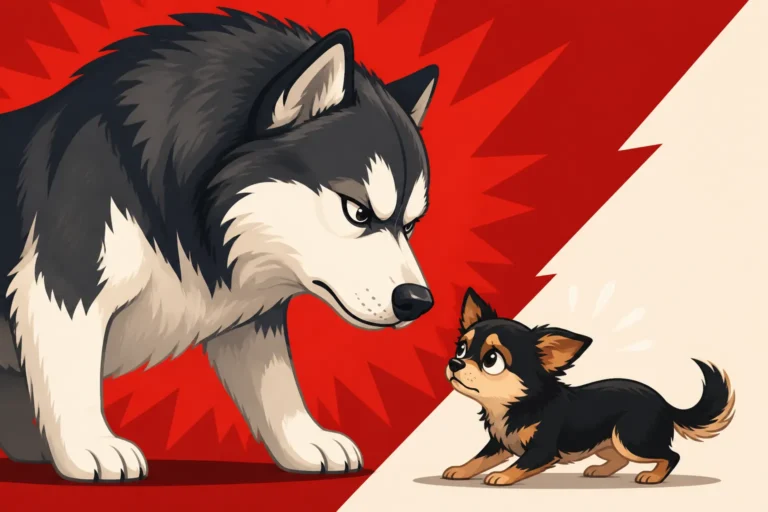
Another challenging behavior that can manifest during adolescence, particularly in intact males, is an increase in same-sex aggression. What was once playful roughhousing with other dogs might escalate into genuine conflicts or aggressive posturing. This is often linked to their hormonal development and their natural instinct to establish dominance and hierarchy within a social structure. For more detail on this, check out Same Sex Aggression in a Pack Bred Alaskan Malamute.
Even if outright aggression doesn't appear, you might notice an increase in leash reactivity – barking, lunging, or pulling excessively when they see other dogs, people, or anything stimulating on walks. This isn't always aggression; it can stem from over-excitement, frustration, or fear, but it presents as challenging behavior nonetheless. Managing these interactions with caution, avoiding dog parks, and focusing on controlled, positive exposures are key to preventing these tendencies from becoming ingrained habits.
The Resurgence of Destructive Chewing and Digging
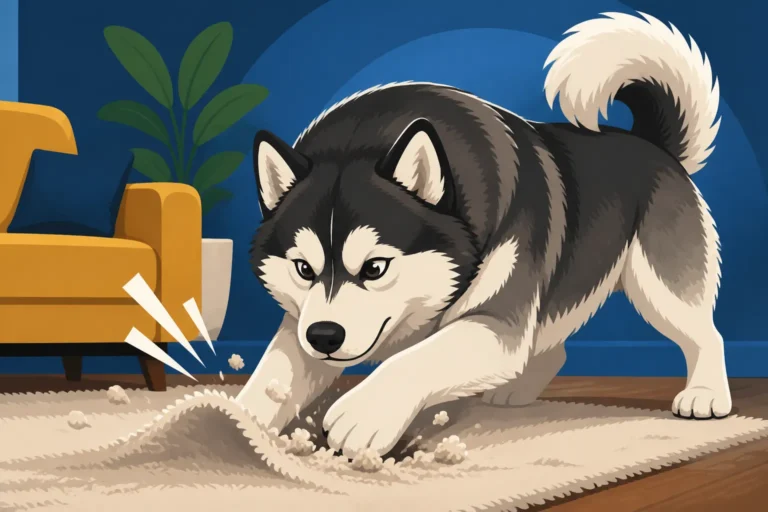
Just when you thought you were past the destructive puppy phase, your adolescent Malamute might discover a renewed passion for chewing, or for excavating your yard. This can be particularly disheartening when you’ve invested time and effort into puppy-proofing and training. However, there are a few reasons for this resurgence. For one, they are often getting their adult molars, which can be uncomfortable, prompting them to chew to relieve pressure.
Secondly, their energy levels are high, and if not adequately channeled, boredom can quickly set in. A bored Malamute is a destructive Malamute. The intense need to dig is hardwired into their DNA; it's what they were bred to do. They dig to cool off, to create shelter, and often, just for the sheer joy of digging. Trying to stop a Malamute from digging entirely is often a losing battle. Instead, a dedicated digging pit can be a fantastic outlet. Read more about this inherent trait in A Malamute's Digging Is Not a Problem, It Is the Breed. For chewing, ensure a wide variety of appropriate, durable chew toys are always available, perhaps rotated to maintain interest. Durable chew toys from platforms like Amazon can be a lifesaver during this stage.
Re-establishing Boundaries and Expectations
When your adolescent Malamute seems to be actively trying to overturn every rule you've ever set, it can feel like you're starting all over again. The truth is, in many ways, you are. Their developing minds need boundaries reinforced with unwavering consistency and calm leadership. This isn't about being harsh or dominant; it's about providing clear, predictable structure that your Malamute can rely on, even when their instincts are telling them to do otherwise.
Consistency is Your New Best Friend
If there's one word to cling to during Malamute adolescence, it's "consistency." Every family member needs to be on the same page regarding house rules, commands, and expectations. If one person allows jumping on guests and another punishes it, your Malamute will quickly learn that rules are flexible, and they'll exploit those inconsistencies. This means daily routines, whether for feeding, walks, or training sessions, should be as predictable as possible.
Think of it like teaching a child manners: you wouldn't expect them to learn if different adults had different rules. The same applies to your Malamute. They thrive on knowing what to expect, even if they sometimes push back against it. This isn't about punishment; it's about clear, consistent communication. If you ask for a "sit" before putting down their food every single time, even when they're wiggling with excitement, they learn that the "sit" is a non-negotiable step to getting what they want.
Revisiting House Rules and Training
It’s often beneficial to go back to basics with your adolescent Malamute, revisiting all those fundamental commands you thought they had mastered. Treat them, in some ways, like a brand new puppy again – but a much bigger, stronger, and more opinionated one. Practice "sit," "stay," "down," and "come" in low-distraction environments first, gradually increasing the challenge. This isn't a sign of failure; it's a necessary reinforcement.
Consider signing up for an advanced obedience class, or even a refresher puppy class, to help both of you rebuild good habits. Sometimes, a neutral third party like a trainer can help identify communication gaps you might be missing. The key is to make training sessions short, fun, and highly rewarding. For a Malamute, motivation is everything, and they need to see the clear benefit of complying. Remember, What an Alaskan Malamute Will Work For is usually something delicious or a fun activity, not just praise.
Managing Freedom (or Lack Thereof)
During adolescence, your Malamute might have earned certain freedoms as a well-behaved puppy – perhaps free roam of the house, unsupervised yard time, or longer off-leash privileges. It’s perfectly acceptable, and often necessary, to temporarily revoke some of these freedoms if they are being consistently abused. This isn't punishment, but rather careful management to prevent problem behaviors from becoming ingrained.
For instance, if destructive chewing is a new problem, confine them to a secure, puppy-proofed area or crate when unsupervised. If they are digging up the entire garden, supervision in the yard or a secure kennel run becomes paramount. Leash walks become non-negotiable outside of securely fenced areas if their recall has vanished. It's about setting them up for success, not failure. As their impulse control improves and they demonstrate a greater respect for boundaries, these freedoms can slowly be reintroduced. Think of it as a temporary training reset, not a permanent restriction.
Training Through the Turmoil: Reinforcing Good Habits
Training an adolescent Malamute can feel like trying to nail jelly to a wall, but it's during this phase that consistent, patient effort truly pays off. The goal isn't just obedience; it's about building a solid foundation of good habits and a strong, trusting relationship that will serve you both for years to come.
Positive Reinforcement: What Still Works (and What Doesn't)
For Malamutes, positive reinforcement is always the most effective approach, and it becomes even more critical during adolescence. Trying to "force" a Malamute into compliance will almost always backfire, leading to a dog who is resistant, distrustful, and even more stubborn. They are highly intelligent and independent, and they don't respond well to heavy-handed methods. If you've ever tried to physically manipulate a Malamute, you know the kind of passive resistance they can offer. This is why Why Force Fails on an Alaskan Malamute is an important concept to understand.
Instead, focus on rewarding desired behaviors with high-value treats, enthusiastic praise, and favorite toys. Did they come when called, even if it took a moment? Massive celebration! Did they "leave it" and look at you? Jackpot reward! Short, frequent training sessions (5-10 minutes) throughout the day are far more effective than one long, tedious session. Keep it fun and engaging, tapping into their natural desire to work with you, not against you.
Engaging Their Minds and Bodies with New Skills
An adolescent Malamute has a massive amount of mental and physical energy that needs to be directed. Simply letting them run around the yard won't cut it. Their keen intelligence and problem-solving abilities thrive on new challenges. This is an excellent time to introduce new skills and activities that tap into their natural instincts. Consider activities like:
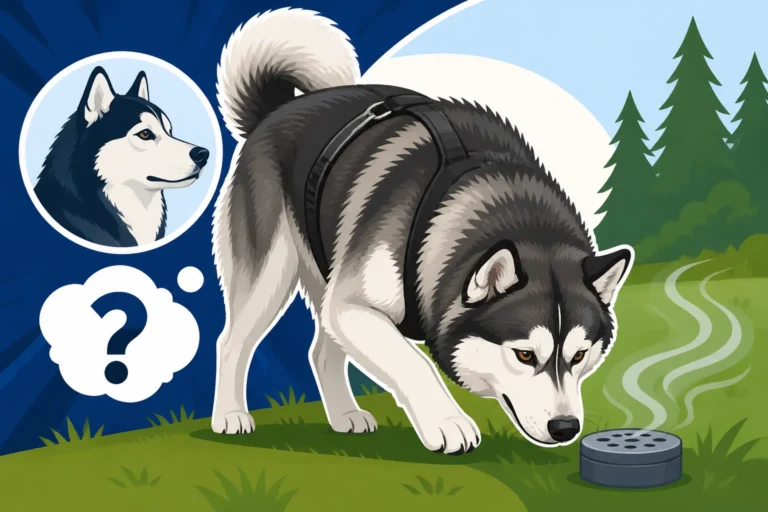
- Scent Work/Nose Work: Malamutes have incredible noses. Hide treats around the house or yard and encourage them to find them. This is mentally exhausting and incredibly rewarding for them.
- Puzzle Toys: Toys that require them to figure out how to get treats out can keep them occupied and thinking. Brands widely available on Amazon offer a great selection of durable puzzle toys.
- Trick Training: Teaching fun tricks like "spin," "bow," or "fetch specific toys" can reinforce your bond and provide mental stimulation.
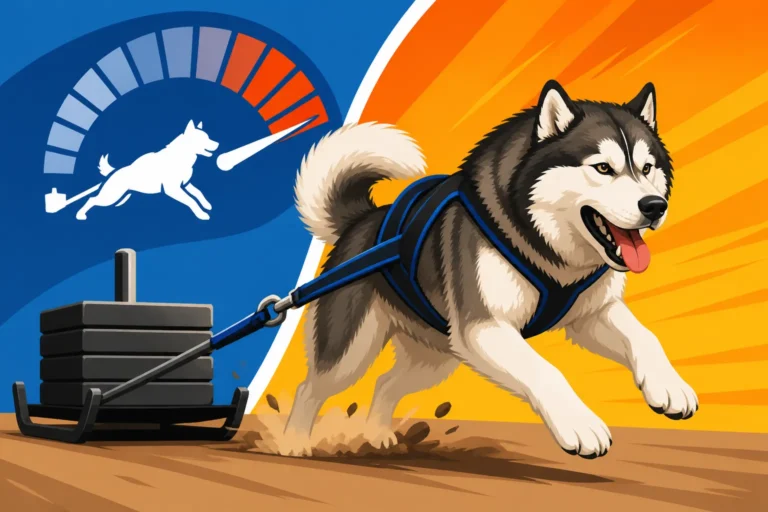
- Canicross or Bikejoring: If appropriate for their age and physical development, introducing them to pulling sports can be a fantastic way to channel their immense energy and innate desire to pull. This also helps with their physical development in a controlled manner.
These activities not only burn off steam but also strengthen their cognitive abilities, helping them develop better focus and problem-solving skills, which are crucial for impulse control.
Essential Cues to Master
While you're revisiting all the basics, there are a few cues that become absolutely paramount during adolescence for safety and sanity:
- Solid "Recall": While a truly "reliable" Malamute recall in high-distraction environments is a mythical beast for many, a solid recall in controlled settings is non-negotiable. Practice this multiple times a day, every day, using your highest-value rewards. Always practice on a long line in open areas.
- "Leave It": This command is critical for everything from dropped medication to questionable sidewalk snacks. Practice it with progressively more tempting items.
- "Stay" / "Wait": These commands teach impulse control. Make them wait before going through a door, before eating their meal, or before greeting someone. These small moments of self-control add up.
- Leash Manners: Adolescent Malamutes often decide they are strong enough to drag you wherever they want. Invest in a well-fitting front-clip harness to help manage pulling without causing pain or discomfort. Consistently reward loose-leash walking, even if it's just for a few steps.
Remember that patience and persistence are key. Some days will feel like two steps forward, one step back, but every consistent effort builds towards a more well-behaved adult Malamute.
Managing Energy and Enrichment for the Adolescent Malamute
An adolescent Malamute isn't just a bigger puppy; they are an engine of energy with a powerful intellect that needs constant engagement. Many behavioral issues in this age group stem directly from insufficient physical exercise or mental stimulation. They weren't bred to be couch potatoes, and expecting them to be will lead to a very unhappy (and often destructive) dog.
The Importance of Structured Exercise
Simply opening the back door and letting your Malamute roam the yard is rarely enough. They need structured exercise that challenges both their body and their mind. For an adolescent Malamute, this means:
- Long, Brisk Walks: Aim for at least 60-90 minutes of active walking per day, broken into two or more sessions. This isn't a leisurely stroll; it's a purposeful walk that allows them to move their powerful bodies and explore their environment.
- Hikes: If you have access to safe trails, hiking is an excellent way to provide varied terrain and rich olfactory stimulation. Always keep them on a leash or long line due to their prey drive.
- Jogging/Running (with caution): Only introduce activities like jogging or running after their growth plates have fully closed, typically around 18 months, to prevent injury. Start slowly and build endurance gradually.
- Pulling Activities: This is what they were bred for! If their physical maturity allows, introduce them to a harness and the concept of pulling. Even pulling a small log or a tire in your yard can be immensely satisfying for them. For ideas, consider Pulling Is the Only Job an Alaskan Malamute Really Wants.
The key is to tire them out both physically and mentally. A Malamute that is properly exercised is a much calmer, more receptive dog in the house.
Mental Stimulation Beyond Physical Activity
While physical exercise is non-negotiable, mental stimulation is equally important, especially for a clever, independent breed like the Malamute. Their brains need a workout too! Without it, they'll invent their own "jobs," which often involve redecorating your furniture or landscaping your yard.
- Interactive Toys: As mentioned, puzzle feeders and treat-dispensing toys are excellent. You can find a vast array of these on Amazon, from simple snuffle mats to complex food puzzles.
- Training Games: Turn training into a game. Hide-and-seek with you or a toy, "find it" games, or even just rapid-fire command sessions can be mentally fatiguing.
- Chew Sessions: Provide high-quality, long-lasting chews. Chewing is a natural, stress-relieving activity for dogs, and it helps satisfy their oral fixation during adolescence. Ensure what you offer is safe and appropriate for their size and chewing style.
- Novelty: Introduce new sights, sounds, and smells regularly. Take them to new parks, walk different routes, or even visit pet-friendly stores (if they are well-behaved enough). These new experiences are enriching and keep their minds engaged.
A tired Malamute, both physically and mentally, is generally a good Malamute. This is especially true during the adolescent phase where their energy reserves seem endless.
Safe Socialization in Adolescence
You might have diligently socialized your Malamute puppy, exposing them to various dogs and people. However, adolescence often brings a new layer to socialization. As they mature, their understanding of dog-dog interactions becomes more complex, and sometimes, less tolerant. What was fine at 6 months might not be at 14 months.
- Avoid Dog Parks: For many adolescent Malamutes, dog parks are a recipe for disaster. The unpredictable nature of dog park interactions, coupled with their developing social boundaries and potential for same-sex aggression, can lead to negative experiences that are hard to undo.
- Controlled Interactions: Opt for playdates with known, stable, and well-socialized dogs whose owners you trust. Ensure these interactions are supervised and positive. Look for dogs that match your Malamute's play style or are slightly older and can gently teach good manners.
- Focus on Leash Manners Around Other Dogs: Even if they can't play directly, teach your Malamute to calmly pass other dogs on a leash. Reward calm behavior, rather than allowing excited greetings that can escalate into reactivity.
- Continued People Socialization: Ensure they continue to have positive interactions with a variety of people, but always with supervision. Teach them polite greetings, rather than jumping, especially given their size.
The goal isn't to make them love every dog or person, but to teach them to be neutral and calm in the presence of others. Prioritizing quality over quantity in their social interactions is key during this sensitive period.
When to Seek Professional Guidance
It's easy to dismiss challenging adolescent behaviors as "just a phase," but sometimes, these issues can escalate beyond what a typical owner can manage on their own. Knowing when to reach out for help is a sign of a responsible owner, not a failing one. Early intervention can make a world of difference in preventing problems from becoming deeply ingrained.
Recognizing When It's More Than Just "Adolescence"
While many behaviors are typical for adolescent Malamutes, certain red flags suggest you might need more than just general guidance. If you notice any of the following, it's time to consider professional help:
- Escalating Aggression: This includes consistent growling, snapping, or biting towards people or other dogs, especially if it's unprovoked or unpredictable.
- Intense Resource Guarding: If your Malamute is aggressively protecting food, toys, their bed, or even you, to the point where you feel unsafe intervening.
- Severe Anxiety or Fear: Excessive trembling, panting, destructive behavior when left alone (beyond typical Malamute "redecorating"), or extreme fear of new situations or people.
- Uncontrollable Destructive Behavior: If your Malamute is consistently destroying property despite adequate exercise, mental stimulation, and appropriate chew toys, and management strategies aren't working.
- Excessive Escaping: If your Malamute is repeatedly finding ways to escape your yard, even after you've reinforced fencing or taken precautions. This poses significant safety risks.
- Sudden, Drastic Behavioral Changes: While adolescence brings changes, a sudden, inexplicable shift in personality or behavior that seems out of character could indicate an underlying issue.
Remember, you are not alone in facing these challenges. Many Malamute owners find themselves in similar situations, and there are professionals equipped to help.
Finding the Right Trainer or Behaviorist
If you decide to seek professional help, it's crucial to find a trainer or certified veterinary behaviorist who understands the unique temperament and needs of an Alaskan Malamute. Not all trainers are created equal, and some methods can be detrimental to a Malamute's sensitive nature.
- Look for Positive Reinforcement: Seek out trainers who use positive, reward-based methods. Avoid anyone who suggests harsh corrections, "alpha rolling," or punitive tools like prong collars or shock collars. These methods can damage your Malamute's trust and exacerbate behavioral problems, especially in a breed as independent as the Malamute.
- Experience with Nordic Breeds: Ideally, find someone with direct experience training or rehabilitating Malamutes, Huskies, or other strong, independent Nordic breeds. They will understand the breed's drive and motivations better.
- Certifications: Look for certifications like CPDT-KA (Certified Professional Dog Trainer – Knowledge Assessed) or consult a Diplomate of the American College of Veterinary Behaviorists (DACVB) for more severe behavioral issues.
- Online Resources: Reputable online platforms or courses, such as those offered by BAXTER & Bella, can also provide valuable guidance and structured programs that you can follow from home, often with personalized support. They can be a great starting point or supplemental resource.
- Vet Referral: Your veterinarian can often provide referrals to reputable trainers or behaviorists in your area.
Don't be afraid to interview a few professionals to find someone you feel comfortable with and who aligns with your training philosophy.
Consulting Your Vet for Physical or Behavioral Concerns
Sometimes, what appears to be a purely behavioral issue can have an underlying medical cause. A sudden increase in aggression, lethargy, anxiety, or house-soiling could be symptomatic of pain, an infection, a hormonal imbalance (like hypothyroidism), or other health problems.
Before embarking on an intensive behavioral modification plan, it's always a good idea to schedule a vet check-up to rule out any physical ailments. Your vet can perform a thorough examination, including blood work, to ensure your Malamute isn't experiencing discomfort or illness that's manifesting as behavioral changes. They can also discuss appropriate age for spaying or neutering, and how that might impact certain behaviors. For example, Whether an Intact Male Malamute Is Harder is a common question, and your vet can provide insight into the pros and cons of altering your specific dog. This collaborative approach between your vet and a behavior professional often yields the best outcomes for complex cases.
The Light at the End of the Tunnel: Coming Out the Other Side
Dealing with an adolescent Malamute can feel like a never-ending uphill battle, but I promise you, there is a light at the end of the tunnel. This phase is temporary, and with consistent effort, patience, and understanding, your Malamute will eventually mature into a magnificent, albeit still independent, adult.
Patience, Persistence, and a Sense of Humor
These three qualities are your most valuable tools during Malamute adolescence. Patience is crucial because changes won't happen overnight, and setbacks are inevitable. Some days you'll feel like celebrating tiny victories, and others you'll wonder if you've made any progress at all. Persistence means sticking to your routines, reinforcing your rules, and continuing with training, even when you're tired and frustrated. Your Malamute needs to know you're not giving up on them.
And a sense of humor? Absolutely vital! There will be moments that are so utterly ridiculous you can only laugh – like finding your Malamute "decorating" your sofa with a freshly excavated mud patch, or watching them proudly carry off a forbidden item. Learning to laugh at the antics, rather than getting angry, can save your sanity and help maintain a positive relationship with your dog. Remember, they aren't trying to spite you; they're just being Malamutes.
The Mature Malamute: What to Expect
By the time your Malamute reaches about 2 to 3 years of age, most of the adolescent wildness will have subsided. They will have settled into their adult personality, which is often a wonderful blend of strength, intelligence, loyalty, and a touch of their inherent independence. You'll find:
- Improved Impulse Control: While they'll always have their Malamute instincts, their ability to think before acting will be significantly better. They might still eye that squirrel, but they're more likely to check in with you first.
- Greater Focus: Training becomes more enjoyable as their attention span lengthens and they are less easily distracted by every leaf blowing in the wind.
- Calmer Demeanor: They'll still have bursts of energy, but the constant, boundless energy of adolescence will mellow. They'll be more content to relax with you after a good walk or play session.
- Stronger Bond: Having navigated the challenges of adolescence together, your bond will likely be deeper and more resilient. They will see you as a consistent, fair leader.
The mature Malamute is a truly magnificent companion, capable of incredible feats of strength and loyalty. All the hard work you put in during their teenage years will pay off in spades.
Celebrating Your Journey Together
Once you've navigated the often-turbulent seas of Malamute adolescence, take a moment to celebrate the journey and the incredible dog you've helped shape. Owning an Alaskan Malamute is an experience unlike any other, and their adolescent phase is a significant part of that unique journey.
You've learned immense patience, honed your training skills, and probably learned more about Malamute behavior than you ever thought possible. Every chewed shoe, every escaped adventure, and every ignored command contributed to your growth as an owner. The challenges forged a stronger connection, built on mutual understanding and respect. As you look at your now-settled adult Malamute, remember the wild, goofy, frustrating, and utterly lovable teenager they once were. They truly are worth every bit of effort. The twelve years you spend together will be rich with experiences, and knowing you built a strong foundation through their challenging youth will bring immense satisfaction. The Full Cost of Twelve Years With an Alaskan Malamute isn't just financial; it's a profound investment of time, love, and effort.
| Adolescent Behavior | Why It Happens (Malamute Context) | Owner Response (Positive & Realistic) |
|---|---|---|
| "Selective Hearing" / Poor Recall | Hormones, desire to explore, strong prey drive, underdeveloped impulse control | Consistent leash management (long lines), high-value rewards for check-ins, never off-leash in unsecured areas, continued recall practice in low-distraction zones. |
| Increased Digging | Instinctive breed trait (cooling, denning), boredom, escape attempts | Provide a dedicated digging pit, reinforce yard boundaries (dig guards, concrete footings), increase mental & physical exercise. |
| Destructive Chewing | Teething (molars), boredom, anxiety, excess energy | Provide a wide variety of appropriate, durable chew toys (e.g., Kongs), rotate toys, increase supervision, use a crate when unsupervised. |
| Same-Sex Aggression or Reactivity | Hormonal shifts, social maturity, testing boundaries, lack of confidence, over-excitement | Strict management (avoid dog parks), controlled positive introductions to stable dogs, early spay/neuter discussion with vet, professional behaviorist for severe cases. |
| Boundary Pushing / Defiance | Testing limits, seeking independence, determining social hierarchy | Unwavering consistency from all family members, revisit basic obedience with high rewards, temporary reduction of unsupervised freedom. |
| Lunging/Pulling on Leash | High energy, prey drive, lack of impulse control, over-excitement, feeling strong | Use a front-clip harness, positive reinforcement for loose-leash walking, practice in low-distraction areas, engaging walks with varied scents. |
Disclaimer
This article is for general informational purposes only and does not constitute professional advice. Laws, prices and regulations vary by location and change over time. Consult a qualified professional for guidance on your specific situation.