The Age a Malamute Can Start Pulling
It’s a tale as old as time for Alaskan Malamute owners: you get this powerful, energetic puppy, and all you can think about is putting them to work, seeing them thrive in harness. There's this undeniable urge to tap into their ancestral instinct to pull, to connect with that deep-seated drive. But here's the rub – our enthusiasm often outpaces their physical maturity, and pushing them too soon can lead to serious, lifelong health issues. This guide is here to walk you through the crucial developmental stages of your Malamute, helping you understand when and how to safely introduce them to pulling work, ensuring their long-term health and your shared enjoyment of this incredible activity.
Understanding Your Malamute's Physical Development
Before your Alaskan Malamute can safely embrace the harness and truly begin their pulling career, it's absolutely vital to understand the delicate process of their physical development. Unlike some smaller breeds that mature quickly, Malamutes are giant breed dogs, and their bones, joints, and soft tissues take a long time to fully develop and solidify. Rushing this process is not just a minor misstep; it can lead to permanent damage and pain.
Growth Plate Closure – The Crucial Factor
The most critical element in determining when a Malamute can safely start pulling is the closure of their growth plates. These are areas of cartilage located near the ends of long bones in puppies and young dogs. They are responsible for the bone's growth in length. Think of them as soft, flexible zones that are incredibly vulnerable to injury. Any excessive stress, impact, or twisting motion on these plates before they've fully fused into solid bone can cause irreversible damage. This damage can lead to abnormal bone growth, crippling deformities, and a lifetime of pain, even conditions like Hip Dysplasia in an Alaskan Malamute or elbow dysplasia.
For an Alaskan Malamute, these growth plates typically don't fully close until they are around 18 to 24 months old, sometimes even a bit later for particularly large individuals. It's not a hard and fast date, but a general window. During this time, their bones are still lengthening and strengthening, making them susceptible to injury from high-impact activities or heavy pulling. It’s like building a house – you don’t put the roof on until the foundation and walls are completely set. Our Malamutes need that same respect for their developing structure. Pushing them into rigorous work too soon is a direct path to an early end to their working potential, and a lot of suffering. This vital information is often discussed in detail when breeders talk about The Age a Malamute's Growth Plates Close.
Beyond Bone – Muscle and Ligament Maturity
While growth plate closure is paramount, a Malamute's physical readiness extends far beyond just their bones. Their muscles, tendons, and ligaments also need time to develop strength, elasticity, and resilience. These soft tissues are what support the skeletal structure and absorb the impact of movement, especially when pulling. A young Malamute might have the energy and drive to pull, but their underdeveloped muscles and ligaments simply aren't ready for the sustained strain that comes with proper freighting or even recreational sledding.
Imagine a human teenager who looks strong but hasn't fully developed their core or joint stability; they might be able to lift a heavy weight once, but sustained, repetitive strain would lead to injury. It's similar for our Malamutes. Their cardiovascular system might be eager, but their connective tissues need to slowly build up strength and endurance to prevent strains, sprains, and chronic issues. These issues can be subtle at first, manifesting as slight lameness or stiffness that you might dismiss, but they can quickly escalate into serious problems that require extensive veterinary care and potentially limit their quality of life. Rushing them is simply not worth the risk.
Early Preparations and Foundation Building (Before Pulling)
You don't just throw a harness on a Malamute and expect them to know what to do, let alone be physically ready for it. Long before any weight is attached or serious mileage is logged, there’s a critical period of foundation building that prepares your dog both mentally and physically for the demands of pulling. This stage is all about teaching them good habits, building confidence, and getting them accustomed to the gear and commands they’ll need.
Leash Training and Basic Commands
Effective leash training is the absolute bedrock of any successful pulling career. Your Malamute needs to understand how to walk politely on a leash, respond to directional cues ("gee" for right, "haw" for left, "whoa" for stop, "hike" for go), and maintain a steady pace alongside you. This isn't just about good manners; it's about clear communication and safety, especially when you eventually introduce them to a sled or cart. A Malamute that is constantly weaving, lagging, or pulling indiscriminately will be a nightmare to work with in harness. Establishing a strong foundation in basic obedience commands like "stay," "come," and "leave it" in various environments will also be invaluable.
Consider investing in quality training resources during this crucial phase. Online platforms like BAXTER & Bella offer comprehensive puppy and dog training programs that can help you lay this groundwork from the comfort of your home. They often have modules specifically on polite leash walking and building focus. Mastering these foundational skills not only makes future pulling training smoother but also enriches your daily life with your Malamute. It fosters a deep bond of trust and understanding, which is paramount for a dog that will eventually be relying on your guidance to perform a demanding task. This is all part of The First Year With an Alaskan Malamute Puppy experience, where patience and consistency are key.
Introducing Equipment – Harnesses and Lines
Getting your Malamute comfortable with their pulling equipment is another vital step that should happen long before they ever put any actual effort into pulling. Start by simply introducing a well-fitting, comfortable pulling harness. This isn't their regular walking harness; a proper pulling harness is designed to distribute weight evenly across their chest and shoulders without restricting movement or putting pressure on their throat. Let them wear it for short periods around the house, associating it with positive experiences like treats or playtime. You can find excellent quality harnesses on platforms like Amazon, often with adjustable straps to ensure a snug fit as your Malamute grows.
Once they're comfortable with the harness, you can gradually introduce the lines (the ropes or straps that connect them to whatever they're pulling). Let them drag a single, light line behind them in a safe, enclosed area. This teaches them to ignore the sensation of something trailing and to understand the concept of forward momentum when there's a slight drag. This desensitization process is crucial to prevent them from being startled, trying to chew the lines, or becoming anxious when they first feel resistance. The goal here is positive association – making the harness and lines feel like a natural extension of their body, not a foreign, uncomfortable object.
When to Safely Introduce Light Work
After ensuring your Malamute's physical development is progressing and they have a solid foundation in basic training and equipment comfort, you can begin to think about introducing them to actual pulling. This phase is about gentle introductions and building positive experiences, not about testing their limits. Remember, the goal is longevity and enjoyment, not immediate performance.
The "Sweet Spot" for Starting – General Guidelines
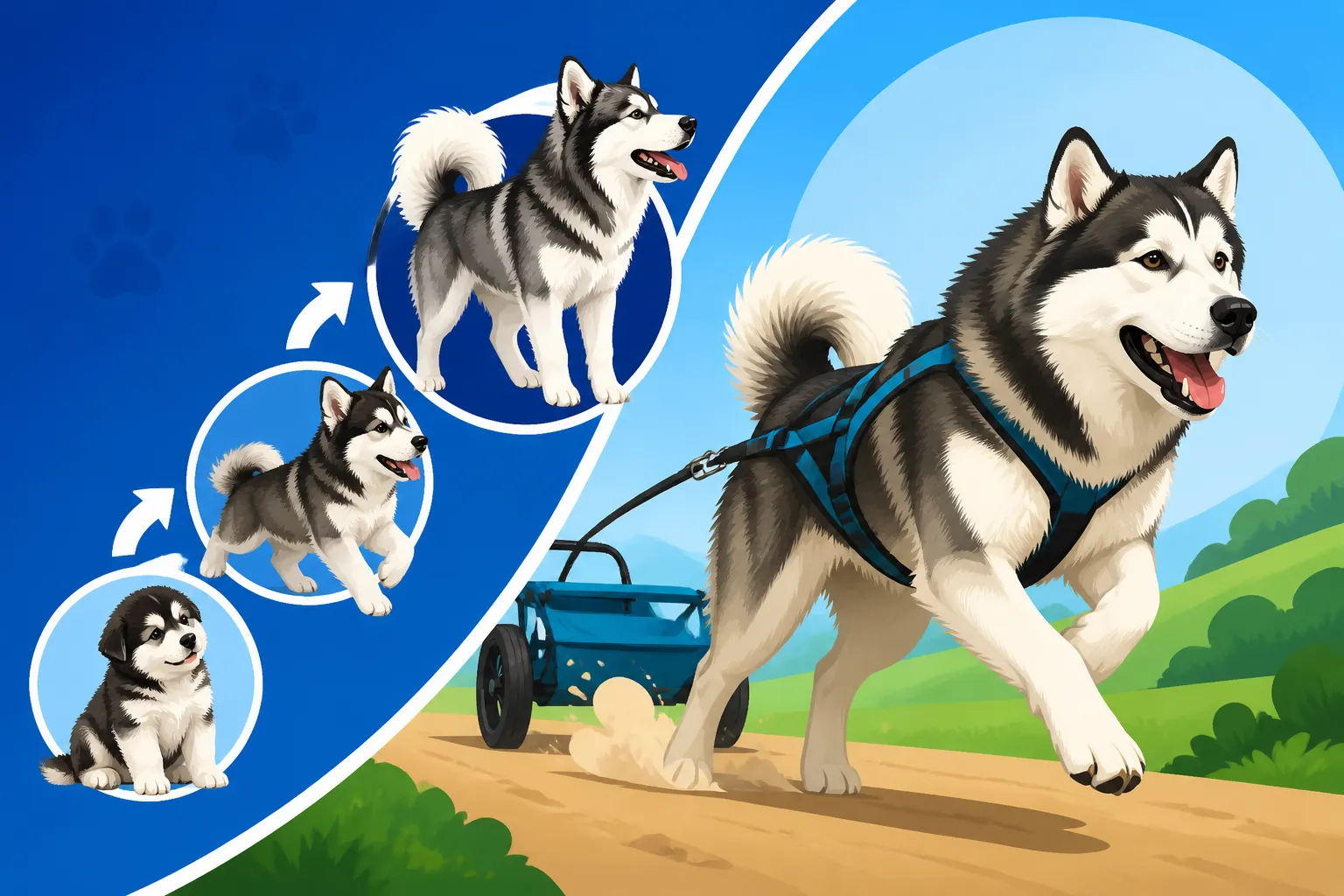
The consensus among experienced Malamute owners and mushers is that very light pulling work can begin around 12 to 18 months of age, with the strong caveat that it must be carefully monitored and gradually increased. This means no heavy sleds, no long distances, and absolutely no intense competitive work. At this age, a Malamute’s growth plates are mostly closed, but not fully ossified, and their soft tissues are still strengthening. Think of it as allowing them to drag a very light, empty tire or a small, empty sled for short distances on soft ground. The resistance should be negligible, barely more than their own body weight.
The primary purpose of this early introduction is to teach them the commands, the rhythm of pulling, and the joy of the activity. It's about building their confidence and reinforcing their natural desire to move forward in harness. Keep sessions extremely short – perhaps 10-15 minutes – and always end on a positive note. Never push them to fatigue or discomfort. Pay close attention to their gait and demeanor. Are they eager? Are they moving freely? Or do they seem stiff or hesitant? Err on the side of caution. It's much better to start later and progress slowly than to risk a career-ending injury by pushing them too soon. Many owners aspire to participate in events like those mentioned in What Weight Pull and Sledding Cost a Malamute Owner, but getting there safely requires patience.
Monitoring for Signs of Discomfort or Fatigue
Your Malamute can't tell you in words if they're sore or tired, so it's your responsibility to become an expert observer of their body language. After any light pulling session, carefully check them over. Look for any changes in gait, limping, stiffness when getting up or lying down, or tenderness when you gently palpate their joints and muscles. Watch for subtle signs of discomfort: a reluctance to put full weight on a limb, a slight head bob, or a change in their usual enthusiastic demeanor.
Beyond physical signs, pay attention to their mental state. Are they still excited to put the harness on, or do they seem hesitant? Fatigue can also manifest as a loss of focus, excessive panting (especially if conditions aren't hot, as discussed in Whether a Malamute Should Pull in Warm Weather), or a general lack of enthusiasm. If you notice any of these signs, stop the activity immediately. Rest is paramount. Consult with your veterinarian if symptoms persist or worsen. A good rule of thumb is that if you're ever in doubt, give them another day or two of rest. It's better to lose a day of training than to cause an injury that puts them out of commission for weeks, months, or even permanently. Malamutes are known for their stoicism, often hiding pain, which is why Why a Malamute Shows Nothing Until It Cannot Work is such a crucial concept for owners to understand.
| Age Range (Approx.) | Type of Activity | Focus | Duration/Intensity | Considerations |
|---|---|---|---|---|
| 8-12 Months | Harness Introduction | Positive Association | Short periods (5-10 min) | Get dog used to wearing a proper pulling harness, dragging light lines. No weight, just comfort with gear. |
| 12-18 Months | Light Dragging | Commands, Enthusiasm | 10-15 minutes, 2-3 times/week | Dragging empty plastic bottle, small tire, or very light log. Focus on forward motion and directional cues. Very minimal resistance. |
| 18-24 Months | Intermediate Work | Endurance, Strength | 20-30 minutes, 3-4 times/week | Gradually increase distance and very slight weight. Continue to build on commands and consistency. |
| 24+ Months | Full Working | Performance, Stamina | Longer sessions, appropriate weight | Growth plates typically closed. Ready for more strenuous work, competitive training, or longer freighting trips. |
Progressing to Heavier and More Consistent Work
Once your Malamute is confidently and comfortably handling light pulling sessions and has passed the 18-24 month mark, you can begin to think about progressively increasing the intensity and duration of their work. This is where their true working potential starts to shine, but it still requires a thoughtful, gradual approach to prevent injury and burnout.
Gradual Increase in Weight and Distance
The key word here is "gradual." You wouldn't expect a human athlete to jump from light jogging to running a marathon overnight, and the same principle applies to your Malamute. When increasing their workload, prioritize distance over weight initially. Build up their cardiovascular endurance and stamina with longer, but still relatively light, pulls. Once they are comfortably covering more ground without showing signs of fatigue or discomfort, then you can begin to slowly introduce more weight. Even then, start with small increments. A good approach is to increase either distance by about 10-15% or weight by a similar small percentage, never both at once. Allow your Malamute's body time to adapt to the new demands before increasing again.
This period is where the fun really begins, as you see your Malamute truly blossom into a magnificent working dog, embracing their role as discussed in Pulling Is the Only Job an Alaskan Malamute Really Wants. Remember to maintain their conditioning year-round, even if it's not pulling season. Regular walks, hikes, and other forms of exercise will keep their muscles strong and their joints healthy. Consistent, thoughtful progression ensures that they develop the strength, endurance, and mental fortitude needed for a successful and enjoyable working career. You’ll be amazed at How Much Weight a Malamute Can Pull once they’re fully conditioned.
Structured Training Programs and Professional Guidance
While self-guided training can be effective for the initial stages, as you progress to heavier and more consistent work, consider seeking out structured training programs or professional guidance. Joining a local sled dog club, weight pulling organization, or even a recreational mushing group can provide invaluable mentorship and resources. These groups often have experienced members who can offer personalized advice, help you refine your technique, and ensure your Malamute is developing safely and effectively. They can also introduce you to various disciplines like The Alaskan Malamute in Skijoring or carting.
Many of these clubs offer clinics or workshops that cover everything from proper harnessing techniques and trail etiquette to advanced conditioning programs. A professional trainer specializing in working breeds can also be an excellent investment, helping you troubleshoot specific issues, improve your communication with your dog, and design a tailored conditioning plan. This external input can be crucial for identifying subtle signs of strain you might miss or for refining your training methods. Think of it as having a coach for your canine athlete – someone who can optimize their performance while prioritizing their health and well-being. This kind of network and professional insight is often crucial for long-term success.
Common Mistakes and How to Avoid Them
Even with the best intentions, it's easy to make mistakes when training a powerful, enthusiastic breed like the Alaskan Malamute. Understanding these common pitfalls and actively working to avoid them can save you and your dog a lot of heartache, pain, and expense in the long run. Patience, observation, and a realistic understanding of your dog's capabilities are your best allies.
Pushing Too Hard, Too Soon
The most frequent and damaging mistake owners make is pushing their Malamute too hard, too soon. Whether it's due to eagerness, competitive ambition, or simply a lack of understanding of canine development, overloading a young dog's still-developing body can lead to a litany of problems. These can range from minor muscle strains and sprains to severe, chronic joint issues like arthritis, ligament tears, and permanent structural damage. The consequences can be devastating: a working career cut short, thousands of dollars in veterinary bills, and a dog living with chronic pain.
It's a difficult lesson for many to learn, but slowing down in the early stages actually leads to a faster and more robust long-term progression. By allowing your Malamute's body to mature fully and conditioning them gradually, you are investing in their future health and ability. Instead of thinking about what they can do, think about what they should do for optimal health. Resist the urge to compare your young Malamute to older, seasoned working dogs. Every dog is an individual, and their path to peak performance should be respected and tailored to them. Remember, a Malamute’s strength is often masked by their stoicism, and as mentioned in Why a Malamute Shows Nothing Until It Cannot Work, they might not show pain until it's severe.
Ignoring Individual Differences and Temperament
While breed guidelines provide a useful framework, it's crucial never to forget that every Malamute is an individual. They have unique temperaments, energy levels, physical builds, and pain tolerances. One Malamute might be eager and capable of light work at 14 months, while another might not be truly ready until they are closer to two years old. Ignoring these individual differences is a recipe for frustration and potential injury. Some Malamutes are naturally more driven and stoic, making them more likely to push through discomfort, while others might be more sensitive and overtly signal when they're struggling.
Observe your specific dog carefully. Is their build lighter or heavier? Do they have a history of any minor lameness? How do they recover after a strenuous activity? Their enthusiasm is a great asset, but it shouldn't overshadow their physical reality. Adjust your training schedule, intensity, and duration based on your Malamute's cues, not a calendar or a generalized expectation. Some may require more rest days, while others thrive on consistent, moderate work. Tailoring your approach to their unique needs ensures not only their physical health but also their mental well-being and continued enjoyment of the activity. It's about building a partnership, not just training a machine.
The Long-Term Benefits of Proper Training
When approached with patience, knowledge, and a deep respect for your Malamute's physical development, introducing them to pulling work offers a wealth of benefits that extend far beyond simply performing a task. Proper training at the right age lays the groundwork for a healthier, happier, and more fulfilled life for your canine companion, strengthening the bond you share in profound ways.
Physical Health and Stamina
Engaging your Alaskan Malamute in appropriate pulling activities, introduced safely and progressively, is an incredible way to maintain and enhance their physical health and stamina throughout their lives. This type of work builds lean muscle mass, strengthens bones and joints, and improves cardiovascular fitness. It taps into their natural athleticism and provides a purposeful outlet for their immense energy. Regular, controlled exercise helps maintain a healthy weight, which is critical for preventing joint issues and other health problems as they age. A well-conditioned Malamute is less prone to injury, has a stronger immune system, and generally experiences a higher quality of life.
The benefits compound over time. A Malamute that is regularly and appropriately worked maintains better muscle tone and joint flexibility, which can significantly contribute to their comfort and mobility into their senior years. Just as regular exercise keeps humans feeling young, it helps our Mals stay active and agile. This commitment to their physical well-being through activities they love is an investment in their longevity, potentially delaying the onset of age-related issues and making Caring for an Alaskan Malamute Past Eight a more joyful experience for both of you. It's about providing them with a fulfilling life that respects their genetic heritage as powerful, enduring freighting dogs.
Mental Enrichment and Bond Strengthening
Beyond the obvious physical advantages, allowing your Malamute to engage in pulling work, when properly introduced, offers unparalleled mental enrichment. Malamutes are intelligent, independent thinkers, bred for problem-solving and sustained effort. Simply walking around the block, no matter how long, often isn't enough to satisfy their deep-seated need for a job. Pulling gives them a purpose, engages their minds, and allows them to utilize their natural instincts. The focus required to respond to commands, maintain a steady pace, and navigate a trail is incredibly stimulating, helping to prevent boredom-induced destructive behaviors that often plague under-exercised or mentally unchallenged dogs.
Furthermore, training for and engaging in pulling activities is a phenomenal way to strengthen the bond between you and your Malamute. It fosters deep trust and communication as you work together as a team. You become their guide, their leader, and their partner in an activity they instinctively love. The shared experiences on the trail, the challenges overcome, and the sheer joy they exhibit when in harness create memories and a connection that are truly unique. This kind of purposeful interaction reinforces their respect for you and deepens their affection, transforming your relationship into an even more profound partnership.
Disclaimer
This article is for general informational purposes only and does not constitute professional advice. Laws, prices and regulations vary by location and change over time. Consult a qualified professional for guidance on your specific situation.