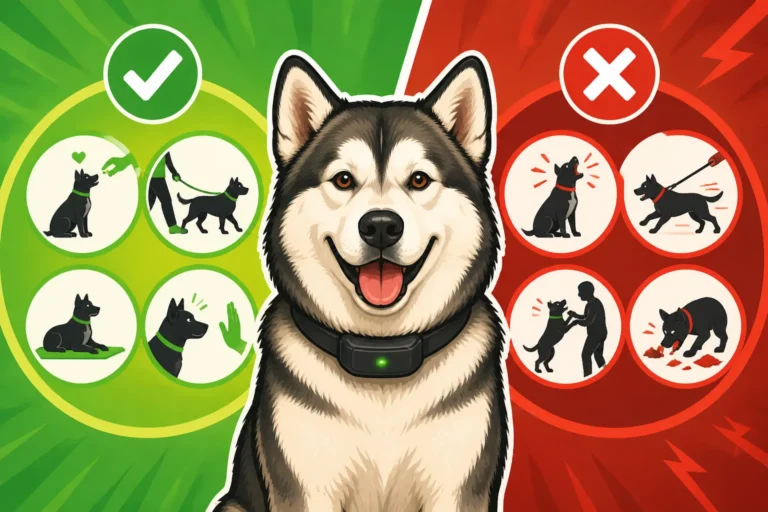
The Age an Alaskan Malamute Tests Its Owner
You've brought home that adorable, fluffy Alaskan Malamute puppy, full of boundless energy and sweet cuddles, and things are going pretty smoothly. Then, seemingly overnight, a switch flips. Suddenly, your once-attentive companion seems to have developed selective hearing, an uncanny ability to disappear the moment the leash comes off, and an urgent desire to re-evaluate every single rule you thought was established. This isn't just a phase; it's the Malamute's unique brand of adolescence, often perceived by owners as their beloved dog "testing" their authority. This guide will walk you through the age an Alaskan Malamute typically begins this challenging, yet entirely normal, phase and offer insights into how to navigate it with patience and understanding.
Understanding the Malamute's Independent Spirit
Before we dive into the specifics of when and how an Alaskan Malamute "tests" its owner, it's crucial to grasp the very core of what makes this breed tick. These aren't your typical biddable, eager-to-please dogs; they come from a long, proud lineage of independent thinkers, and understanding that heritage is key to managing their adolescent challenges.
Bred for Self-Reliance
Think about where the Alaskan Malamute originated: the harsh, unforgiving Arctic. They weren't bred to sit by the fire looking pretty or to win obedience ribbons in a ring. They were bred by the Mahlemut people of Alaska to pull heavy sleds over vast, treacherous distances, often in extreme conditions. This wasn't a job where they could constantly look back at their human for instructions. They needed to make quick decisions, navigate difficult terrain, and conserve their energy. This meant they had to be intelligent, resourceful, and incredibly self-reliant. Their survival, and often their human companions' survival, depended on it.
This deep-seated independence is still very much a part of their genetic makeup today. It's why they can seem stubborn, why they often prefer to figure things out for themselves, and why a direct, authoritarian approach usually backfires spectacularly. They respect fairness, consistency, and a clear, understandable framework, but they will absolutely question arbitrary rules or commands that don't make sense to them in their world. You’re not dealing with a dog that automatically defaults to compliance; you're dealing with a partner who expects a well-reasoned argument (or at least, a highly motivating one!). This inherent nature means they naturally push boundaries to see where the real lines are drawn.
The Definition of "Testing" in a Malamute
When we talk about a Malamute "testing" its owner, it's not truly an act of malice or defiance in the human sense. It's more about exploration, boundary-finding, and asserting their growing maturity and opinions within the family "pack." A young Malamute, much like a human teenager, is trying to figure out its place in the world and its relationship dynamics. They're asking questions like: "Do I really have to come when called if there's a squirrel?" or "Can I actually get away with putting my paws on the counter to sniff out dinner?" or "Is this rule still in effect, or can I try a different approach now?"
These aren't conscious plots to annoy you; they are instinctual behaviors driven by their intelligence and their breed's history of independent decision-making. They want to understand the limits, to see what they can get away with, and to determine who truly sets the rules. This period can feel incredibly frustrating because it often comes after a relatively smooth puppy phase where they seemed to absorb training easily. You might find yourself wondering, "Is this the same dog?" Yes, it is, just a dog entering a new developmental stage.
The Onset of the Adolescent Phase
The shift from a cute, relatively compliant puppy to a questioning, boundary-pushing adolescent can feel abrupt, but it's a natural developmental stage that most Malamute owners will experience. Knowing when to expect it can help you prepare.
Puppyhood Bliss to Teenage Troubles
Generally, Alaskan Malamutes begin to truly enter their adolescent phase somewhere between 6 and 14 months of age, with the most pronounced "testing" behaviors often peaking around 10 to 18 months. Before this, you might have had a puppy who was eager to please, learned basic commands quickly, and seemed genuinely delighted to follow your lead. You probably had visions of a perfectly behaved adult dog. But then, it's like a switch flips. The puppy brain starts giving way to a more mature, yet still developing, adult brain that's far more interested in exploring the world on its own terms.
This period is often marked by a dramatic increase in energy, a decrease in focus, and an almost complete loss of that once-reliable recall. They might seem to forget all their basic manners, counter-surf with impunity, or develop an insatiable urge to dig craters in your yard. It’s a very real and often disheartening experience for owners who thought they had it all figured out. This is precisely The Adolescent Malamute That Rewrites the Rules at Fourteen Months, and it can feel like you’re starting all over again with training, but rest assured, it’s a temporary, albeit challenging, phase.
Physical vs. Mental Maturity
It’s important to remember that physical maturity often precedes mental maturity in large breeds like the Alaskan Malamute. While your Malamute might reach most of its adult height and weight by 12-18 months, their brains are still very much in development. Think of it like a human teenager: they might look like an adult, but their decision-making skills, impulse control, and understanding of long-term consequences are still very much a work in progress.
For Malamutes, this means they have the physical power and size of an adult dog, coupled with the exuberance and questionable judgment of a teenager. This combination can be particularly challenging, especially if they are already exhibiting strong breed traits like an intense prey drive or an inclination to wander. Their physical strength makes these behaviors harder to manage, while their mental immaturity means they often lack the self-control to resist temptation. This developmental lag is a significant factor in why this period feels so much like "testing"—they are simply not yet equipped with the full cognitive abilities of a mature adult dog, even if they look the part.
Common Behaviors That Feel Like "Testing"
During this adolescent period, your Alaskan Malamute will likely exhibit a range of behaviors that can feel like they are deliberately pushing your buttons or ignoring everything you've taught them. Recognizing these as typical adolescent behaviors, rather than personal affronts, is the first step in managing them effectively.
Selective Hearing and the "Malamute 500"
One of the most frustrating "tests" from an adolescent Malamute is the sudden onset of profound selective hearing. That recall you painstakingly worked on? Gone. Your dog, who once came bounding when called, now seems to hear nothing but the whispers of the wind or the distant scent of an interesting critter. This isn't necessarily defiance; it's a surge in environmental curiosity combined with a maturing brain that prioritizes novel stimuli over your voice.
When off-leash (which, frankly, is something to reconsider heavily during this phase, given Why an Alaskan Malamute Will Never Have a Reliable Recall), this selective hearing can manifest as the infamous "Malamute 500." They'll take off, running exhilarating laps around you or into the great unknown, seemingly deaf to your increasingly frantic calls. They're experiencing the sheer joy of movement and freedom, and in that moment, your commands are simply not as compelling as the open space or the promise of adventure. This behavior is a direct consequence of their independent spirit and their working history, where chasing a scent or exploring a new path was often part of their job. They're just following their instincts, even if those instincts completely ignore your wishes.
Pushing Boundaries with Household Rules
Your adolescent Malamute will likely revisit every household rule you thought was firmly established. Counter-surfing might become a new hobby, even if they never dared before. They might start "stealing" items – socks, remotes, mail – just to see if you'll chase them or what reaction they elicit. Chewing, which you hoped was a puppy-only phase, can return with a vengeance, but now with the added strength to inflict serious damage. Remember, What a Malamute Chews Through in a Year can be quite extensive, and adolescence is often the prime time for such destruction if their needs aren't met.
This boundary-pushing isn't about being "bad"; it's about seeing what sticks. They're learning about cause and effect, and if nudging a cookie off the counter results in a tasty treat, they've just learned a very compelling lesson. If grabbing your shoe gets your attention (even negative attention), that's still a win for a dog seeking engagement. They are exploring their environment and their interactions within it, and if they find loopholes or inconsistencies in your rules, they will absolutely exploit them. This is where your consistency becomes paramount, acting as a clear, unwavering guide during their turbulent growth spurt.
Resource Guarding and Pack Dynamics
As Malamutes mature, they also start to solidify their understanding of social hierarchies and resources. This can sometimes lead to behaviors that feel like "testing" your leadership or asserting dominance over other animals in the home. They might begin to guard their food bowl more intently, protect a favorite toy, or even become possessive of their sleeping spot. This behavior stems from their natural instinct as pack animals where resources were vital for survival.
If you have other dogs, especially of the same sex, this is often the age when potential friction might arise. Same Sex Aggression in a Pack Bred Alaskan Malamute is a known trait, and the adolescent period is when these natural tendencies can become more pronounced as they sort out their roles within the household "pack." You might see subtle challenges, like blocking access to a doorway or trying to displace another dog from a preferred bed. It's not necessarily aggression, but it's certainly a manifestation of their developing understanding of social structures and their place within them, and it requires careful, consistent management from you to prevent escalation.
Why "Force" Training Backfires with a Malamute
When faced with a "testing" Malamute, it's easy to get frustrated and revert to more assertive, even forceful, training methods. However, with this breed, such approaches are almost guaranteed to be counterproductive and can severely damage the bond you share.
The Malamute's Unique Sensitivity
Despite their rugged appearance and tough reputation, Alaskan Malamutes are surprisingly sensitive dogs, especially when it comes to corrections or harsh handling. They respond much better to fairness, respect, and clear, positive guidance than they do to intimidation or physical punishment. A Malamute subjected to force will often shut down, become resentful, or even escalate their resistance. They don't learn what you want them to do; they learn to fear you, avoid you, or become sneakier in their undesirable behaviors.
Imagine trying to force a wild animal to do your bidding – it's going to resist. While your Malamute is a domesticated companion, that ancient, independent spirit still runs deep. They are thinkers, not robots. If you try to dominate them, they will either become stubborn and defiant, or worse, they may lose trust in you. This is why Why Force Fails on an Alaskan Malamute is such a crucial concept for owners to understand. They thrive on collaboration, not coercion.
Building Trust, Not Coercion
The key to navigating the adolescent phase, and indeed, any training with an Alaskan Malamute, lies in building a strong foundation of trust and mutual respect. This means using positive reinforcement methods that motivate them to want to work with you. Instead of punishing them for getting it "wrong," reward them generously when they get it "right." Make training sessions fun, engaging, and always end on a positive note.
Consider how you communicate. Are you clear, consistent, and fair? Are you providing enough motivation for them to choose your request over whatever exciting distraction has caught their attention? Think of it less as a battle of wills and more as a negotiation. What can you offer that's more rewarding than that forbidden counter snack or that irresistible squirrel scent? High-value treats, exciting games, and genuine praise go a long way in convincing a Malamute that listening to you is the most rewarding choice. A program like BAXTER & Bella, which focuses on positive, cooperative training, can be incredibly beneficial in reinforcing this bond and making learning enjoyable for both of you.
Strategies for Navigating the "Test" Phase
Successfully navigating your Malamute's adolescent "testing" phase requires a consistent, proactive, and patient approach. It’s about reinforcing your leadership through clear boundaries and positive guidance, not through punishment.
Consistency, Consistency, Consistency
This cannot be stressed enough: consistency is your superpower during Malamute adolescence. If a rule applies sometimes but not others, your clever Malamute will quickly learn when they can get away with breaking it. For example, if "no jumping on guests" is sometimes enforced and sometimes laughed off, your dog won't understand the expectation. Every member of the household needs to be on the same page, enforcing the same rules, using the same cues, and providing the same rewards (or consequences).
Establish clear boundaries for everything from furniture privileges to greetings at the door. Use clear verbal cues and hand signals every single time. If you decide they aren't allowed on the sofa, then never let them on the sofa. If they are allowed, then teach them when (e.g., only with an invitation) and how to get on and off politely. This unwavering clarity provides the structure an adolescent Malamute desperately needs to understand their world and their role within it. Inconsistency is like an open invitation for them to test, test, test.
Redoubling Training Efforts
Just when you feel like giving up on training, that's precisely when you need to redouble your efforts. Your Malamute isn't forgetting what you taught them; they're choosing to prioritize other things. Your job is to make your requests more compelling and more rewarding than those distractions. This means going back to basics, but in new and exciting ways.
- Short, Frequent Sessions: Malamutes, especially adolescents, can get bored easily. Whether Repetition Bores an Alaskan Malamute is a definite 'yes.' Keep training sessions short (5-10 minutes) and highly engaging, focusing on a few core commands.
- High-Value Rewards: Ditch the basic kibble. Bring out the boiled chicken, cheese, or hot dogs. These high-value treats make listening to you a much more attractive proposition. You can find excellent training treats on Amazon that can help keep their attention.
- Practice in Varied Environments: Start in a quiet, low-distraction environment and gradually introduce more distractions as your Malamute's focus improves. This is crucial for proofing commands like "come" or "stay" in the real world.
- Focus on Impulse Control: Games like "leave it," "wait," and "stay" are incredibly valuable for an adolescent Malamute. They teach self-control and help your dog learn to resist immediate gratification, which is at the heart of much of the "testing" behavior.
Providing Appropriate Outlets and Enrichment
A bored Malamute is a destructive Malamute, and an adolescent Malamute has even more energy to burn. If their physical and mental needs aren't met, they will absolutely invent their own entertainment, which often manifests as unwanted behaviors like digging, chewing, or excessive vocalization. This can feel like "testing" your patience, but it's often a cry for more engagement.
- Physical Exercise: These dogs are built for endurance. They need daily, vigorous exercise. This isn't just a leisurely stroll around the block; it's a long walk, a run, or ideally, an activity that lets them use their natural desire to pull. Activities like sledding, canicross, bikejoring, or even just pulling a cart can be incredibly fulfilling. Learn more about How Much Exercise an Alaskan Malamute Needs.
- Mental Stimulation: Don't forget their brains! Puzzle toys, sniff walks, interactive games, and even advanced obedience training can help tire them out mentally. Consider hiding treats around the house for them to sniff out, engaging their incredible sense of smell.
- Socialization: Continue positive socialization experiences to help them navigate interactions with other dogs and people appropriately. This can help manage potential How Common Dog Aggression Is in Alaskan Malamutes that sometimes emerges during adolescence.
- A Designated Dig Pit: Since Why an Alaskan Malamute Digs is an inherent breed trait, providing a designated "dig pit" in your yard, filled with sand or loose dirt and hidden toys, can redirect this natural instinct from your flowerbeds. This gives them an approved outlet for a behavior they are hardwired to perform.
| Adolescent Malamute Behavior | Owner's Best Response | Why It Works |
|---|---|---|
| Selective Hearing/Poor Recall | Practice recall frequently with high-value treats in low-distraction areas, gradually increasing difficulty. Use a long line for safety. | Makes "coming when called" more rewarding than distractions. Builds positive association and reliability. Long line ensures safety while practicing in real-world scenarios. |
| Pushing Household Boundaries | Strict, unwavering consistency from all family members. Clear, simple rules. Redirect unwanted behavior immediately to an appropriate alternative and reward heavily. | Eliminates loopholes and teaches the Malamute exactly what is expected. Redirection gives them an acceptable outlet. Consistent rewards reinforce good choices. |
| Excessive Chewing/Destruction | Provide plenty of appropriate chew toys (rotating them keeps interest). Supervise heavily. Offer structured exercise and mental enrichment (e.g., puzzle feeders, training). | Satisfies natural chewing instincts on approved items. Prevents access to forbidden items. Reduces boredom, a major driver of destructive behavior. |
| Resource Guarding (mild) | Practice "trade" games with high-value items for lower-value ones. Hand-feed meals. Teach a solid "leave it" command. Ensure all dogs have their own space and resources. | Teaches that giving up a resource results in an even better reward, building trust. Prevents confrontational situations and helps the Malamute view humans as providers, not threats. |
| Increased Energy/Restlessness | Implement a consistent daily routine with ample physical exercise (runs, hikes, pulling activities) and mental stimulation (training, puzzle toys, sniff walks). | Addresses the Malamute's high energy needs, preventing boredom and pent-up energy that leads to unwanted behaviors. Provides an outlet for their innate working drive. |
| Stubbornness/Ignoring Commands | Make training sessions fun, short, and positive. Use very high-value rewards. Break commands into smaller steps. Understand What an Alaskan Malamute Will Work For. | Maintains engagement and prevents boredom. Reinforces that working with you is a positive, rewarding experience, motivating them to cooperate. |
Seeking Professional Guidance
There are times when even the most dedicated Malamute owner can feel overwhelmed by the challenges of adolescence. It's not a sign of failure to seek help; it's a smart, responsible decision for both you and your dog.
Recognizing When You're Overwhelmed
It's okay to admit that you're struggling. Malamute adolescence can be intensely frustrating, leading to feelings of exasperation, anger, or even regret. If you find yourself consistently feeling overwhelmed, losing your patience regularly, or if your dog's behaviors are escalating or posing a risk to themselves or others, it's definitely time to bring in a professional. Ignoring these signs can lead to a breakdown in your relationship with your dog or, in severe cases, the dog ending up in a rescue. Remember, Why Alaskan Malamutes Fill Rescues at Eighteen Months is often due to owners being unprepared for this exact phase.
Specific red flags might include:
- Aggression towards other dogs or people that is worsening or unpredictable.
- Destructive behaviors that are constant and severe, despite your best efforts.
- An inability to control your Malamute on a leash, leading to dangerous situations.
- Your own mental health suffering due to the stress of managing your dog's behavior.
These are not minor issues, and they warrant immediate professional intervention.
Finding the Right Professional Support
Not all dog trainers are created equal, and it's particularly important to find someone who has experience with independent, powerful breeds like Alaskan Malamutes. A trainer who relies on outdated "dominance" theories or punitive methods will only exacerbate the problem with a Malamute. Look for trainers who are certified professional dog trainers (CPDT-KA), certified behavior consultants (CBCC-KA), or veterinary behaviorists.
Interview potential trainers. Ask them about their experience with Arctic breeds, their training philosophy, and their methods. Look for someone who emphasizes positive reinforcement, clear communication, and building a strong, trust-based relationship. Group classes can be helpful for socialization and basic obedience, but for specific behavioral challenges during adolescence, one-on-one sessions with an experienced trainer or behaviorist are often more effective. This is an investment in your Malamute's future and your peace of mind. Asking Whether a Malamute Needs a Professional Trainer is a valid question, and for many, the answer during adolescence is a resounding yes. They can offer tailored strategies and support to help you navigate this period successfully, setting your Malamute up to be a well-adjusted adult companion.
Disclaimer
This article is for general informational purposes only and does not constitute professional advice. Laws, prices and regulations vary by location and change over time. Consult a qualified professional for guidance on your specific situation.