Why an Alaskan Malamute Guards Nothing
It's a common misconception: you get a big, imposing dog like an Alaskan Malamute, and instantly, you think you've got yourself a built-in security system. The reality, though, can be a bit of a rude awakening when you discover your majestic, wolf-like companion greets strangers with a happy tail wag and an enthusiastic "woo" instead of a menacing bark. Many Malamute owners find themselves puzzled, even a little frustrated, wondering why their impressive canine seems to guard absolutely nothing. This guide will delve into the historical roots, inherent traits, and behavioral patterns that explain why your Alaskan Malamute, despite its formidable appearance, isn't cut out for guard duty.
Understanding the Malamute's Historical Role
To truly grasp why your Malamute isn't guarding your prize possessions or growling at the mail carrier, we have to journey back in time and understand the very purpose for which they were bred. These dogs weren't designed to be territorial guardians; they had a much different, far more crucial job in the harsh Arctic environment.
The Mahlemut's Needs, Not Guarding
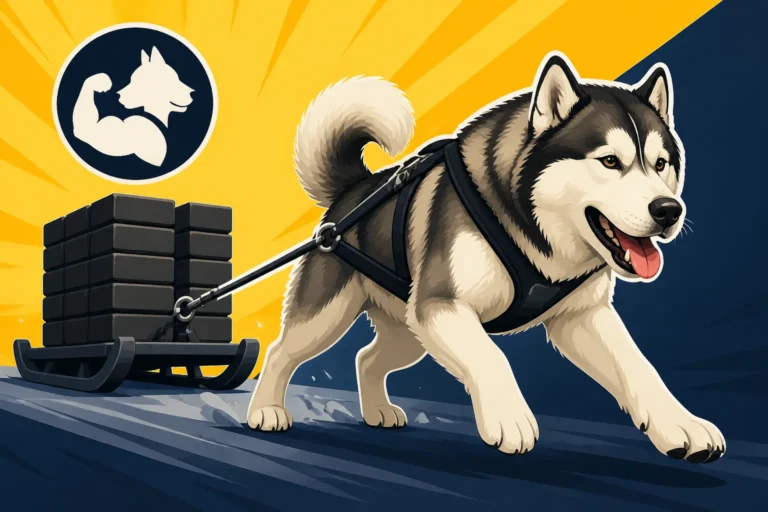
The Alaskan Malamute emerged from the needs of the Mahlemut people, an indigenous tribe of Alaska. Their survival in one of the most unforgiving climates on Earth depended on these incredible dogs. The Mahlemut people didn't need a dog to stand guard over their meager possessions, which were often portable and limited by their nomadic lifestyle. What they desperately needed was a powerful, resilient, and enduring animal capable of hauling heavy freight over vast distances. Think of them as the original heavy-duty utility vehicles of the Arctic. They were essential for transportation, hunting assistance, and even companionship, forging a deep partnership with their human counterparts.
Their temperament, therefore, had to be cooperative and adaptable, not suspicious or aggressive towards strangers. A dog that was overly territorial or aggressive would have been a liability in a communal setting where different families and tribes might interact, or when navigating through various camps. Instead, they needed dogs that were friendly enough to be handled by different people, reliable in a team, and intelligent enough to make good decisions in challenging environments. The breed's very foundation is built on teamwork and amiability, not vigilance against intruders. You can read more about their origins in The Mahlemut of Kotzebue Sound Bred the Alaskan Malamute.
Working Alongside Humans, Not Against Them
Imagine a team of Malamutes pulling a heavy sled across miles of icy terrain. This required immense trust between dog and human, and also between the dogs themselves. They worked in close cooperation with people, not just as tools, but as valued partners. This kind of relationship fostered a bond of mutual respect, where the dogs were encouraged to be resourceful and independent problem-solvers on the trail, but not to act as solitary defenders. Their job was to pull, to find game, and to ensure the survival of their human companions through incredible feats of endurance, not to stand watch over a camp.
This deep-seated desire to work with humans, rather than to guard for them, is still present in the modern Malamute. They thrive on being part of the "pack" – your family – and contributing in ways that make sense to them, which usually involves physical activity and companionship. When they see a new human approach, their instinct isn't to warn them off, but often to engage, to be friendly, and to see if this new person might have something interesting to offer, like a scratch behind the ears or an invitation to play. This is a far cry from the aloofness or territorial aggression desired in a true guard dog.
Why the Malamute's Nature Isn't Suited for Guarding
Beyond their historical role, there are fundamental aspects of the Alaskan Malamute's temperament and personality that simply don't align with traditional guarding behaviors. Their very essence points away from being a fierce protector of property.
The Friendly Giant Mentality
One of the most charming, yet sometimes frustrating, traits of an Alaskan Malamute is their overwhelming friendliness towards nearly everyone they meet. They possess what many owners affectionately call a "friendly giant" mentality. Walk down the street with your Malamute, and they're likely to lean into every stranger for a pet, perhaps offering a soft nudging nose or even a happy "woo." They seem to believe that every new person is a potential friend, an opportunity for affection and interaction. This isn't a flaw in their personality; it's a feature. Their ancestors needed to be amiable, not aggressive, to be traded, borrowed, and worked by various people in the community.
This inherent gregariousness means that if a stranger were to approach your home, your Malamute would likely perceive them as an interesting visitor rather than a threat. They might even lead the "intruder" to the treat jar! While their sheer size and powerful appearance can be a deterrent – let's be honest, a large, fluffy dog with piercing eyes is imposing to many – it's typically a passive deterrent. They look like they could be guard dogs, but they certainly don't act like it. If you're looking for a dog to scare off potential threats, your Malamute will probably fail spectacularly by charming them instead. You might find this interesting: How an Alaskan Malamute Greets Strangers.
Independence Over Alertness
Alaskan Malamutes are known for their strong-willed, independent nature. They are intelligent, but not always eager to please in the same way some other breeds might be. This independence, while valuable for a working sled dog who might need to make decisions on the trail, doesn't translate well to the hyper-alertness and intense focus required for guarding. A guard dog needs to be constantly aware of its surroundings, quick to react to perceived threats, and highly responsive to its handler's commands to "alert" or "stand down."
Your Malamute, on the other hand, is much more likely to be engrossed in their own world. They might be meticulously investigating a fascinating scent in the yard, enjoying a nap in a cool spot, or plotting their next great escape (more on that later). Their attention is often directed towards their own pursuits, not the perimeter of your property. If something out of the ordinary happens, they might notice it, but their reaction is more likely to be one of curiosity or mild interest rather than aggressive defense. They just don't possess that inherent "guardian" switch that many traditional guard breeds have.
Instincts That Trump Guarding Behaviors
Instead of guarding, Alaskan Malamutes are driven by a different set of powerful, ingrained instincts that have been honed over centuries of working alongside humans in the Arctic. These are the behaviors you'll see consistently.
Prey Drive and Roaming Instincts
One of the most dominant instincts in an Alaskan Malamute is their formidable prey drive. These dogs were bred to hunt large game alongside humans, to track and corner animals for food. This means that if they see something small and fast moving – a squirrel, a rabbit, a neighborhood cat – their instinct is to chase, not to guard. Their attention will be utterly captivated by the pursuit of prey, completely overriding any potential "guarding" impulses they might theoretically possess. A true guard dog typically has a much lower prey drive, or at least one that is well-controlled, to ensure they remain focused on their primary task.
Coupled with this strong prey drive is an equally powerful roaming instinct. Malamutes are natural explorers, built for covering vast distances. A loose Malamute will often travel miles from home, following interesting scents or simply enjoying the freedom of movement. If an "intruder" were to enter your property, your Malamute might be more interested in seeing if the gate was left ajar for an adventure than in confronting the person. This combination of high prey drive and wanderlust makes them inherently unsuitable for a sedentary guard role, where remaining on property and focusing on threats is paramount. You can understand the strength of this drive in How Strong a Malamute's Prey Drive Is.
The "Woo" Over the Warning Bark
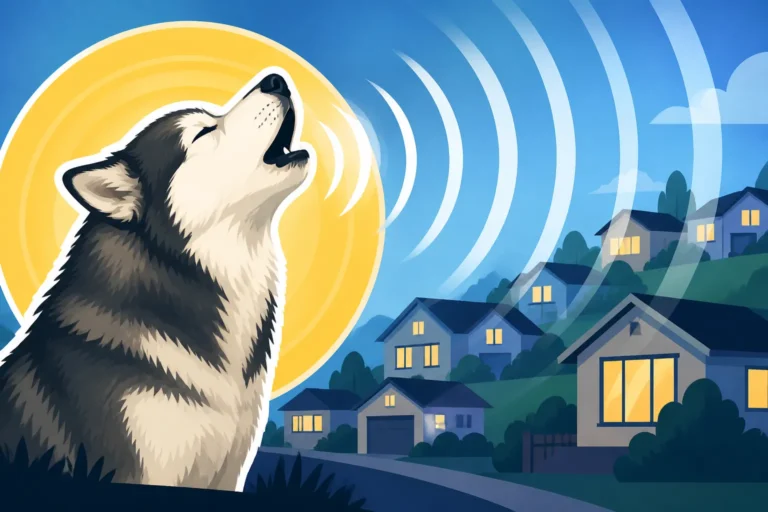
If you've spent any time with a Malamute, you'll know their vocalizations are quite unique. They are not known for being prolific barkers, certainly not in the incessant, warning-barking way that many traditional guard dogs might be. Instead, Malamutes are famous for their expressive "woos," howls, and chattering sounds. These sounds are often used for communication within their pack or with their humans, expressing happiness, excitement, or even playful demands. Why a Malamute Wooes Instead of Barking explains this endearing trait in detail.
When a stranger approaches, a Malamute is far more likely to offer a welcoming "woo" or a series of excited greetings than a deep, territorial bark meant to warn them off. While a sudden howl might startle an unsuspecting visitor, it's rarely accompanied by aggressive body language. It's more of an invitation to interact than a threat. This lack of a consistent, aggressive warning bark is another key reason they fall short as guard dogs. A good guard dog's bark is meant to be a clear, unambiguous warning that says, "Do not come closer!" A Malamute's vocalizations, charming as they are, simply don't convey that message effectively. What a Malamute's Woo Actually Means delves further into these unique sounds.
| Trait | Alaskan Malamute | Traditional Guard Dog |
|---|---|---|
| Friendliness | Very high, often greets strangers | Low, suspicious of strangers |
| Vocalization | "Woos," howls, limited barking (greeting) | Deep, consistent warning barks |
| Prey Drive | Very high, strong urge to chase | Low to moderate, controlled |
| Roaming Instinct | Very high, strong desire to explore | Low, territorial, prefers to stay put |
| Motivation | Food, play, companionship, pulling | Protection, territorial defense |
| Alertness | Independent, curious, often distracted | Hyper-vigilant, focused on perimeter |
| Reactivity to Strangers | Usually welcoming, seeks attention | Aloof, watchful, potentially aggressive |
The Reality of a Malamute as a "Guard Dog"
So, what does all of this mean in practical terms for you and your home security? It means adjusting your expectations and understanding where your Malamute fits into the picture of keeping your family safe.
A Visual Deterrent, Not an Active Protector
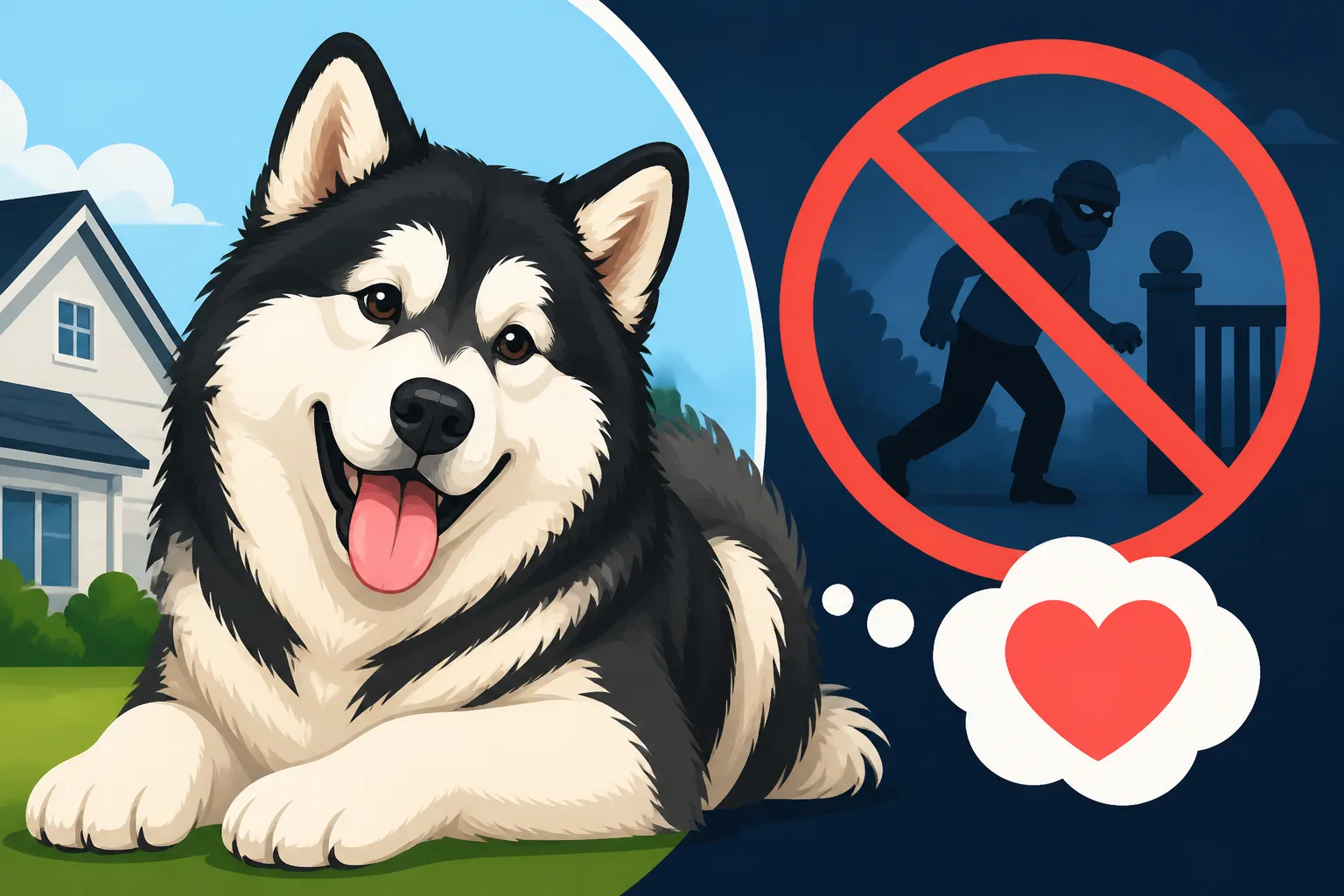
Let's be clear: the sheer size and wolf-like appearance of an Alaskan Malamute can act as a deterrent. Most people, seeing a large, powerful dog, will think twice before attempting to enter a property uninvited. This visual presence alone can be enough to make a potential intruder move on to an easier target. In this sense, your Malamute serves as a "visual guard dog." They look the part, even if they don't act it.
However, this is a passive form of deterrence. It relies on perception, not on the dog's active intervention. If someone were to ignore their imposing appearance and actually attempt to gain entry, your Malamute is unlikely to escalate the situation into a protective stance. They might be curious, they might be playful, but they are highly unlikely to physically prevent entry or attack an intruder. Their instinct is rarely to defend their territory or humans in an aggressive manner, especially against a person who isn't overtly threatening them. This is why Why a Malamute Deters Nobody often holds true in the face of a determined individual.
What a Malamute Will Protect
While your Malamute probably won't guard your house from intruders, they do have protective instincts, just not in the traditional sense. They are often incredibly devoted to their immediate family, their "pack." They might not guard your flat-screen TV, but they will protect their people from perceived threats, which often come in the form of other animals, particularly dogs, or very specific, overtly aggressive human behavior directed at their loved ones.
For instance, a Malamute might step between a child in their family and another dog that they perceive as a threat. They might also react if a family member is being physically harmed, but this is a reactive, rather than proactive, guarding instinct. This is more akin to an emotional response to protect their loved ones, rather than a territorial defense of property. They might also "guard" their food bowl or a favored toy from other pets in the household, exhibiting resource guarding, which is a separate behavioral concern often managed through training. It's crucial to distinguish this deep loyalty and protective instinct towards family members from the territorial guarding of property.
Living with a Non-Guarding Breed
Accepting that your Alaskan Malamute isn't a guard dog is the first step. The next is to ensure your home and family are secure through other means, while still enjoying the unique companionship your Malamute offers.
Alternative Security Measures
Since your Malamute isn't going to be your first line of defense, it's essential to implement other robust security measures for your home. This might include high-quality locks on all doors and windows, an alarm system, motion-activated lights, and perhaps even surveillance cameras. These tools provide the active deterrence and alert capabilities that your Malamute simply doesn't possess. Many excellent home security systems are available through retailers like Amazon, offering a range of options from simple door sensors to full-blown smart home integration.
Additionally, don't underestimate the importance of a secure perimeter. Malamutes are notorious escape artists, and a well-fenced yard is critical not just for keeping potential intruders out, but for keeping your Malamute safely in. They are diggers and climbers, so your fencing needs to be robust, high, and potentially buried. A strong fence will deter casual opportunistic criminals and prevent your Malamute from wandering off on an adventure, which could lead to its own set of dangers, including being lost or injured. Remember, a contained dog is less likely to be a nuisance or come to harm.
Training for a Well-Adjusted Malamute, Not a Guard Dog
Instead of trying to train your Malamute to be something they're not (a guard dog), focus your training efforts on making them a well-adjusted, well-mannered, and happy companion. This means consistent, positive reinforcement training from a young age. Focus on basic obedience commands, leash manners, and socialization. A well-socialized Malamute is less likely to be fearful or anxious, which can sometimes manifest in undesirable behaviors.
While your Malamute won't excel in guard dog training, they can certainly be trained for other activities that align with their natural instincts, such as weight pull, sledding, or even hiking. Engaging them in these activities will fulfill their mental and physical needs, leading to a calmer, more content dog at home. Consider online puppy training programs like those offered by BAXTER & Bella, which provide comprehensive, positive-reinforcement based guidance that can help you raise a balanced and happy Malamute companion, embracing their true nature rather than trying to force them into a guardian role. Investing in a good training program for a well-behaved family member is far more rewarding than expecting them to be something they are not. Read more about their inherent desire to work in Pulling Is the Only Job an Alaskan Malamute Really Wants. Remember that consistent training is key, as The Adolescent Malamute That Rewrites the Rules at Fourteen Months will certainly test boundaries.
Understanding your Alaskan Malamute's true nature – that of a friendly, independent, working companion rather than a guard dog – will foster a much happier and more realistic relationship. Embrace their "woos" and their love for people, and rely on traditional security measures to keep your home safe.
Disclaimer
This article is for general informational purposes only and does not constitute professional advice. Laws, prices and regulations vary by location and change over time. Consult a qualified professional for guidance on your specific situation.