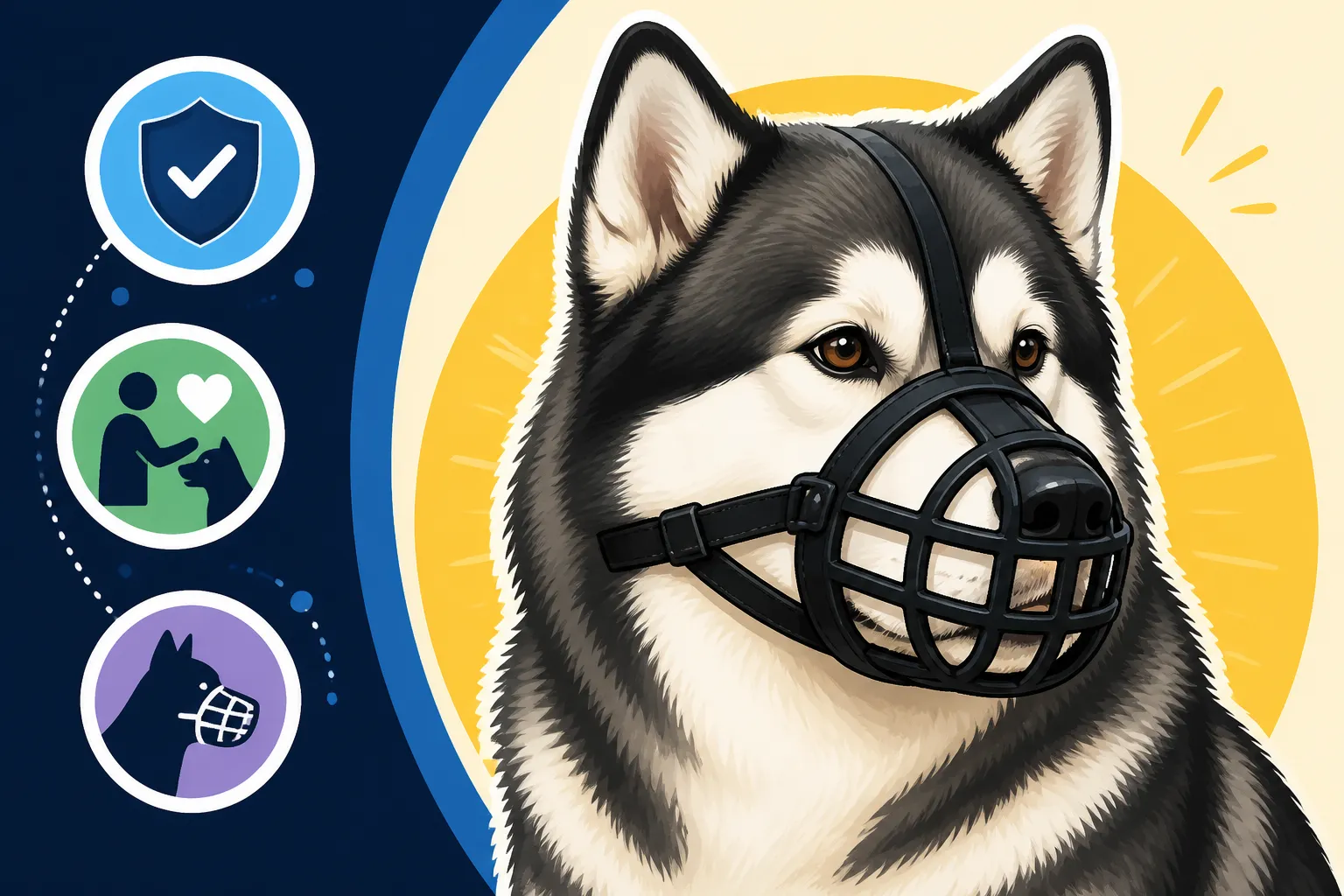
Why Every Malamute Should Be Muzzle Trained
It's a common misconception that muzzles are only for dogs with severe aggression issues, a kind of scarlet letter for a "bad" dog. But for us Alaskan Malamute owners, understanding why muzzle training is not just smart, but truly essential, can be a game-changer for safety, peace of mind, and responsible pet ownership. This guide will walk you through the many proactive benefits of normalizing muzzle use for your Malamute, and how to introduce it positively, turning a tool often misunderstood into a cornerstone of responsible care.
Beyond Aggression: The Proactive Benefits of Muzzle Training for Malamutes
Let's be real: owning an Alaskan Malamute means owning a powerful, intelligent, and often very independent animal. They come with a unique set of instincts and challenges that demand a proactive approach to safety. Muzzle training isn't about admitting your dog is dangerous; it's about acknowledging the realities of the breed and preparing for potential situations with calm, confidence, and control.
Safety in Veterinary Situations
Picture this: your typically sweet, gentle Malamute, who adores every person they meet, is suddenly at the vet with a painful injury. Maybe they've twisted an ankle on a hike, or perhaps they're experiencing discomfort from an upset stomach. Even the most tolerant dog can become defensive, fearful, or even snap when they are in pain, stressed, or feeling vulnerable. It’s a primal instinct, not a character flaw.
Think about routine procedures too. Nail trims, ear cleanings, or even just getting a temperature taken can be incredibly stressful for some dogs, regardless of breed. For a Malamute, with their sheer size and strength, a sudden, fear-driven reaction can be genuinely dangerous for veterinary staff. By having your Malamute happily accustomed to a muzzle, you're not just protecting the vet team; you're also reducing your dog's stress. They learn that wearing the muzzle in this context means good things happen, and the experience is less confrontational. Instead of a struggle, it becomes a routine, albeit uncomfortable, moment they can get through. This preparedness allows vets to perform necessary examinations and treatments more safely and efficiently, often preventing the need for sedation in less severe cases. When you can say, "Oh, he's fine in his muzzle," it puts everyone at ease, especially your Malamute.
Managing High Prey Drive and Unreliable Recall
One of the most defining characteristics of an Alaskan Malamute is their incredibly strong prey drive, stemming from their ancient working heritage. A Malamute Was Bred to Hunt Bears and It Has Not Forgotten, and this instinct is deeply ingrained. While your Malamute might be perfectly behaved in your home with your own cat (if introduced carefully and safely, following advice like How to Introduce a Malamute Puppy to a Cat), the instinct to chase and potentially harm small, fast-moving animals outdoors is almost impossible to train away. Similarly, despite countless hours of training, the truth is that Why an Alaskan Malamute Will Never Have a Reliable Recall is a harsh reality for many owners. Their independence and drive to explore or chase often override even the most perfectly practiced recall cue.
Imagine you're on a walk, enjoying the fresh air, and suddenly a rabbit darts out from the bushes, or a loose squirrel sprints across your path. That instant surge of predatory instinct in your Malamute is powerful. Even if they're on a leash, a strong pull could cause you to lose grip, or a faulty collar could break. A muzzle, specifically a basket muzzle that allows them to pant and drink, acts as a critical safety net. It means that even in the event of an escape or an unpredictable encounter with What an Alaskan Malamute Does to Small Animals, your Malamute cannot physically harm the animal, preventing a potentially tragic incident, a hefty vet bill for another pet owner, or even legal repercussions. It allows you to walk with a greater sense of security, knowing you’ve mitigated a significant risk inherent to the breed.
Preventing Scavenging and Ingestion of Harmful Items
Malamutes are notoriously curious and often have iron stomachs, willing to sample just about anything they find interesting on a walk. This might sound endearing until you consider the sheer volume of dangerous items that can be found out in the world. From discarded chicken bones in the park (a choking hazard) to toxic mushrooms growing in unfamiliar woods, or even antifreeze spilled in a parking lot, the world is full of hazards for a scavenging dog. Some Malamutes will eat rocks, sticks, or other indigestible objects, leading to expensive emergency surgeries for foreign body removal.
Consider a simple walk in a public park, a common spot for litterbugs and forgotten picnic scraps. Or perhaps you're visiting a new area, like a construction site perimeter or a dog-friendly market, where unknown substances could be present. A muzzle provides a physical barrier, preventing your Malamute from ingesting these dangerous items. It’s a crucial management tool that can literally save their life and save you thousands in emergency vet bills. While training a "leave it" command is absolutely vital (and you should always reinforce positive training methods, understanding Why Force Fails on an Alaskan Malamute), a muzzle offers an additional layer of protection, especially in high-risk environments where their strong drive to investigate with their mouth might overcome their training. This proactive measure ensures that a casual stroll doesn't turn into a life-threatening emergency.
Muzzle Training: A Positive and Stress-Free Approach
The idea of muzzle training can feel intimidating, but it doesn't have to be. The key is to make it a positive experience, gradually introducing the muzzle in a way that builds trust and comfort, rather than fear or aversion. It’s a process of desensitization and counter-conditioning, much like crate training or teaching a new trick.
Choosing the Right Muzzle: Comfort and Fit Are Key
The most critical step in successful muzzle training is selecting the right muzzle. This is not a "one size fits all" situation, especially for a Malamute. You absolutely want a basket muzzle, not a fabric sleeve muzzle that holds their mouth shut. Fabric muzzles are only for very short-term, supervised use (like a quick vet procedure if the dog is not trained) because they prevent panting, which is a Malamute's primary way of cooling down. Restricting panting can lead to overheating, especially in a double-coated breed.
A good basket muzzle, whether it's made of plastic, wire, or silicone, will allow your Malamute to:
- Pant freely: Essential for thermoregulation, especially given their thick coats.
- Drink water: They should be able to slurp water through the basket.
- Take treats: Crucial for positive reinforcement during training.
When choosing, measure your Malamute's snout length and circumference carefully. The muzzle should be long enough that it doesn't rub their nose, and wide enough that it doesn't restrict their cheeks when they open their mouth to pant fully. You should be able to easily fit two fingers under the strap when it's fastened. Many reputable brands offer fitting guides, and you can find a wide variety of options on platforms like Amazon, allowing you to compare features and sizes. Remember, a poorly fitting muzzle can cause chafing, restrict breathing, or even be removed by a determined Malamute. Prioritizing comfort ensures your dog will tolerate it, making the entire training process much smoother.
Step-by-Step Desensitization and Counter-Conditioning
This isn't a race; it's a marathon. Patience is your best friend here. The goal is for your Malamute to associate the muzzle with positive things, primarily delicious treats.
- Introduce the Muzzle Positively: Start by simply having the muzzle in sight. Place it on the floor, let your Malamute sniff it. Every time they look at it or approach it, offer a treat. Don't push it on them.
- Lure with Treats: Put a high-value treat inside the muzzle, holding it so your Malamute has to push their nose into the basket to get it. Let them pull their head out immediately after. Repeat this many times, making it a fun game. You want them to eagerly put their nose in.
- Fasten Briefly: Once your Malamute is happily putting their nose in for treats, gently fasten the strap for just a second or two, then immediately unfasten it and give a jackpot of treats. The goal is to make the fastening and unfastening a non-event.
- Increase Duration Gradually: Slowly increase the time the muzzle is on, always following with treats and praise. Start with 5 seconds, then 10, then 30, and so on. Do this in short, frequent sessions, maybe 2-3 times a day. You can use resources from reputable training programs, like those offered by BAXTER & Bella, for detailed guidance on positive reinforcement techniques.
- Distraction Practice: Once they're comfortable wearing it for a few minutes, introduce mild distractions. Have them wear it while you're petting them, offering treats, or engaging in a short, fun play session. The idea is to make the muzzle just another part of their routine, not a punishment.
- Never Force It: If your Malamute shows any sign of discomfort or tries to paw the muzzle off, take a step back. Go slower. Forcing the muzzle will only create a negative association that is much harder to overcome. Remember, we're building a positive relationship with this tool.
Integrating Muzzle Use into Routine Life
Once your Malamute is comfortable wearing the muzzle for extended periods at home, it's time to integrate it into various aspects of their daily life. This helps them generalize the experience and see it as a normal piece of equipment, just like their harness or leash.
Start with short, familiar activities. Put the muzzle on for a few minutes before going for a walk around the block. Take it off once you return home. Gradually, you can extend the duration and introduce it in different environments:
- Car rides: This is often a precursor to vet visits or new adventures.
- Walks in different neighborhoods: Expose them to new sights and smells while muzzled.
- Public places (where appropriate): Think pet-friendly stores or quiet trails.
The more situations your Malamute experiences the muzzle in, the less "special" or alarming it becomes. Pair it with positive experiences: a favorite treat, a walk, a game of fetch. It becomes simply another piece of gear. Think of it like their pulling harness when they're ready to do some work; it means it's time for a fun activity. Even if your Malamute has no known aggression issues, having them fully comfortable with a muzzle means you're prepared for anything. This proactive approach contributes to their overall well-being and allows them to navigate a wider range of situations safely. You'll be amazed at the confidence it gives both you and your dog.
Addressing Common Concerns and Misconceptions
Despite the clear benefits, muzzle training often comes with a stigma and a host of misunderstandings. It's crucial to challenge these outdated notions and embrace muzzle use as a responsible, modern approach to dog ownership, especially for powerful breeds like the Alaskan Malamute.
Muzzles Do Not Equate to "Bad Dog"
This is perhaps the biggest hurdle for many owners. There's a persistent, unfortunate myth that a dog wearing a muzzle must be aggressive, dangerous, or "bad." This couldn't be further from the truth. In reality, a dog wearing a muzzle often signifies a highly responsible and proactive owner. It's a sign that the owner is aware of their dog's breed traits, potential vulnerabilities, or specific needs, and is taking active steps to ensure the safety and well-being of all parties involved – their dog, other people, other animals, and the environment.
Think of it this way: we put seatbelts on ourselves and our children in cars, not because we expect to crash, but because it's the responsible thing to do in case of an unforeseen event. A muzzle for a Malamute is similar. It's a precaution. It allows your strong, independent Malamute to enjoy public spaces or stressful situations with a reduced risk of incident. In many European countries, muzzle use is much more normalized, often required in public transport or certain venues, highlighting a cultural difference where responsibility trumps stigma. By choosing to muzzle train your Malamute, you're not labeling them as "bad"; you're empowering them to navigate the world safely and confidently, demonstrating the highest level of commitment to their care.
Malamutes Can Still Eat, Drink, and Pant
Another common misconception is that muzzles are cruel because they restrict a dog's basic bodily functions. This is absolutely true for certain types of muzzles, like the fabric sleeve muzzles mentioned earlier, which should only be used for very brief periods under direct supervision. However, a properly fitted basket muzzle allows for a full range of crucial activities.
For an Alaskan Malamute, with their dense double coat and predisposition to overheating in warmer climates or during exertion, the ability to pant freely is non-negotiable. A good basket muzzle ensures that your Malamute can open their mouth wide enough to pant efficiently, regulating their body temperature. They can also lap water through the openings in the basket, keeping hydrated during walks or training sessions. And, as we discussed in the training section, they can happily receive treats through the muzzle, which is essential for maintaining positive associations. The very design of a well-made basket muzzle takes these needs into account, ensuring that safety precautions do not come at the expense of your Malamute's comfort or health. If you are concerned about whether your Malamute's zinc deficiency is diet or genetics, then a proper basket muzzle will still allow them to take prescribed supplements.
The Muzzle as a Training Tool, Not a Punishment
It's vital to understand that a muzzle is a management tool, not a magical cure for behavioral issues or a form of punishment. If your Malamute is showing signs of aggression, severe anxiety, or other challenging behaviors, a muzzle provides a safety net while you work with a qualified professional. It buys you time and prevents escalation, but it does not address the root cause of the behavior itself.
For instance, if your Malamute has developed Same Sex Aggression in a Pack Bred Alaskan Malamute, a muzzle can allow you to safely engage in counter-conditioning exercises in controlled environments. If they have a tendency to chew inappropriate items when left alone, understanding What a Malamute Destroys Before It Turns Two, a muzzle might be a temporary solution for brief periods, but it's not a substitute for proper training, enrichment, and addressing underlying anxiety. The muzzle manages the expression of a behavior (like biting or scavenging) but doesn't change the internal motivation for that behavior. Always combine muzzle use with ongoing positive reinforcement training, behavior modification protocols, and, when necessary, consultation with a professional trainer or veterinary behaviorist. Used correctly, the muzzle is an invaluable asset in your responsible Malamute ownership toolkit.
Here's a quick overview of muzzle types and their applications:
| Muzzle Type | Description | Ideal Use for Malamutes | Key Feature |
|---|---|---|---|
| Basket Muzzle | Made from plastic, wire, or silicone, forming a cage around the snout. | Everyday wear, walks, vet visits, public transport, scavenging prevention, managing prey drive. Allows panting and drinking. | Allows full panting, drinking, and treat-feeding. |
| Fabric Sleeve | A soft fabric tube that wraps tightly around the snout, holding the mouth shut. | Very short-term emergency use (e.g., brief vet procedure), never for extended periods. Prevents panting. | Prevents biting completely for short durations. |
| Head Halter | (e.g., Halti, Gentle Leader) Not a muzzle in the traditional sense, but a training aid. | Leash manners, preventing pulling, providing head control. Can sometimes be paired with a basket muzzle. | Redirects head, provides leverage for control, not a bite-prevention tool. |
Disclaimer
This article is for general informational purposes only and does not constitute professional advice. Laws, prices and regulations vary by location and change over time. Consult a qualified professional for guidance on your specific situation.