Whether an Adolescent Malamute Stops Listening
Oh, the adolescent Alaskan Malamute! If you're a Malamute owner, you know exactly what I'm talking about. One day, you have this wonderful, attentive puppy that hangs on your every word (and treat!), and the next, it feels like they've suddenly developed selective hearing, a penchant for testing every boundary, and an uncanny ability to ignore you the moment a squirrel breathes 200 yards away. It's incredibly frustrating, making you wonder if all your hard work went out the window, or if your Malamute truly has just stopped listening. This guide is all about understanding why this "teenager" phase happens and, more importantly, how you can navigate it to strengthen your bond and get your attentive companion back.
Understanding Adolescent Development in Alaskan Malamutes
When your Malamute enters adolescence, typically somewhere between 6 months and 2 years of age, it can feel like you've been dropped into a different dimension. The sweet, eager-to-please puppy morphs into a creature that often acts like it just learned about the world five minutes ago, despite having mastered "sit" and "stay" months ago. This isn't them being deliberately naughty; it's a very real, and sometimes incredibly challenging, developmental stage.
The "Teenage" Phase and Hormonal Changes
Think of your Malamute's adolescence as their version of human puberty. Just like our teenagers, their bodies are undergoing massive hormonal shifts. These hormones can influence mood, energy levels, and even their perception of the world around them. For an intact Malamute, the drive to explore, assert independence, and potentially find a mate can be incredibly powerful, overriding even the most well-learned commands. Even if your Malamute is spayed or neutered early, they still go through this developmental period. Their bodies are maturing, growing into their massive frames, and the energy surge alone can make them seem like a completely different dog. This period of intense growth and hormonal changes contributes significantly to the feeling that your once-obedient puppy is now a rebellious teen.
It’s easy to project human emotions onto them, thinking they are intentionally trying to annoy you. But remember, their brains are still very much under construction. They’re experimenting, testing, and trying to figure out their place in the world, often driven by instinct rather than conscious defiance. It's a phase that requires an immense amount of patience and understanding from us, their human companions.
Brain Development and Impulse Control
One of the most crucial aspects to grasp about adolescent Malamutes is that their brains are still developing, particularly the prefrontal cortex – the part responsible for impulse control, decision-making, and understanding consequences. This is why your Malamute might know perfectly well that jumping on guests is a no-no, but in the exciting moment of someone new arriving, that well-learned lesson flies out the window. They literally struggle with impulse control.
Imagine trying to concentrate on a complicated task while being constantly bombarded with exciting smells, sounds, and sights, all while your body is full of surging energy. That's a bit like what an adolescent Malamute experiences. Their ability to filter out distractions and focus on you is significantly reduced compared to their puppyhood or future adulthood. This isn't a sign of unintelligence; it's a sign of a brain still wiring itself up. We, as owners, need to acknowledge this physiological reality and adjust our expectations and training methods accordingly. Asking too much of them in highly distracting environments can lead to frustration for both you and your Malamute, eroding confidence rather than building it.
The Malamute's Independent Nature vs. Training Foundation
Alaskan Malamutes are, by their very nature, incredibly independent thinkers. They were bred to make decisions out in the wilderness, often far from their human companions, for survival and for the success of the hunt or freighting journey. This strong will and independent spirit is one of their most endearing (and sometimes most challenging) traits. During adolescence, this independence comes to the forefront with a vengeance. They aren't trying to be malicious; they're simply reverting to their ancestral programming, testing how much they truly need to listen to you versus how much they can get away with following their own brilliant ideas.
Your training foundation is still there, but it's being put to the ultimate test. It's like having a well-built house that suddenly has to withstand a hurricane. The foundation will hold, but you'll see some shingles fly off and windows rattle! Commands that were once reliable might suddenly seem optional. This isn't about forgetting; it's about prioritizing. Their instincts often tell them that sniffing that interesting scent, chasing that bird, or greeting that unfamiliar dog is far more important than your "come" command. Understanding this inherent independence helps frame their "not listening" as a breed characteristic being magnified by adolescence, rather than a personal affront. This is especially true with a command like recall, where a Malamute's independence and prey drive mean Why a Malamute's Recall Cannot Be Trusted is a crucial lesson for owners.
Common Behaviors That Make You Think Your Malamute Has "Stopped Listening"
It’s easy to feel like your Malamute is actively choosing to disobey you during this phase, and that feeling can be incredibly disheartening. But by recognizing these common adolescent behaviors for what they are – not outright defiance, but rather symptoms of a developing mind and body – you can approach them with more patience and a clearer strategy.
Selective Hearing and Ignoring Cues
Ah, the classic "selective hearing." You call your Malamute by name, and they might twitch an ear, maybe even glance in your direction, but then quickly re-engage with whatever captivated their attention. Or you give a perfectly clear "sit" command, and they stare at you as if you've suddenly started speaking an alien language. This isn't necessarily a failure of your training, but rather a temporary inability to prioritize your request over environmental distractions or their own internal impulses.
This often manifests most dramatically in new or stimulating environments. At home, in a quiet living room, your Malamute might still perform commands flawlessly. But take them to a busy park, and suddenly they've "forgotten" everything. Their developing brains are still learning to filter out background noise and focus on a single input (your voice). Add in the natural Malamute tendency to be easily bored by repetition, and it's no wonder they might seem to tune you out. You might even wonder Whether an Alaskan Malamute Ignores a Cue It Knows. The trick is not to assume they've forgotten, but to recognize they're struggling to respond.
Increased Testing of Boundaries
If you thought puppyhood was about testing boundaries, adolescence takes it to a whole new level. Your Malamute is like a curious scientist, constantly pushing the limits to see what happens. "Can I jump on the counter this time?" "What if I chew on the leg of the coffee table instead of my toy?" "Will they really make me get off the couch if I just look cute enough?" This isn't malicious; it's part of how they learn the real rules of the world and their place within your family's hierarchy.
They're not trying to be the "alpha" or dominate you in some grand power struggle. Instead, they're simply trying to understand the consistency of the rules. If a rule is enforced sometimes but not others, or by one family member but not another, an intelligent Malamute will quickly pick up on those inconsistencies and exploit them. This is especially true for an intelligent breed like the Malamute, who will always challenge the handler to ensure they are consistent. You'll definitely notice How an Alaskan Malamute Tests Authority during this period, and it can be exhausting to constantly reinforce rules.
Escalated Destructive or Escaping Behaviors
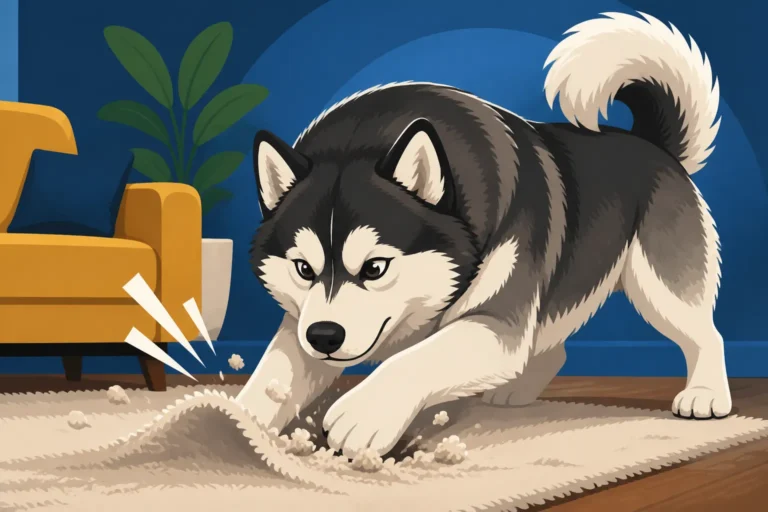
With all that surging adolescent energy, combined with developing impulse control and a strong independent drive, it's no surprise that destructive behaviors can escalate during this period. What might have been occasional puppy chewing can become full-blown demolition projects. Suddenly, your furniture, shoes, or even drywall might look like the most enticing chew toy imaginable. This is often a sign of boredom, excess energy, or anxiety from being left alone. For such an intelligent and active breed, adequate mental and physical stimulation is absolutely paramount.
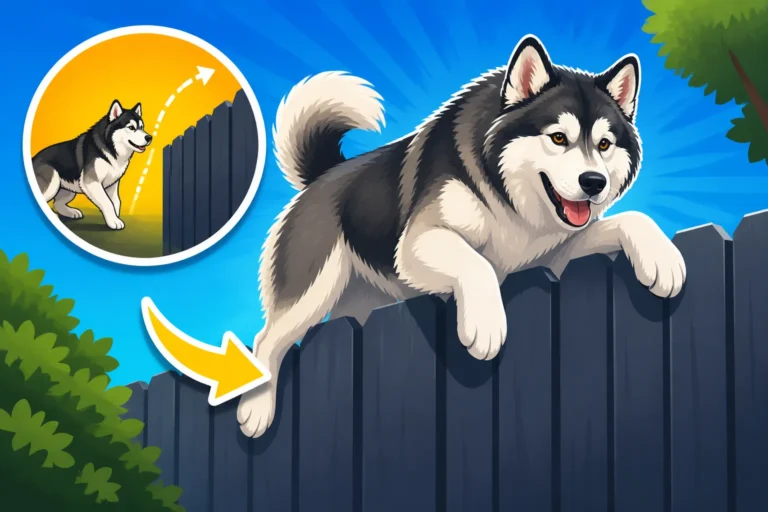
Similarly, escaping behaviors can spike. Your Malamute's innate desire to explore, coupled with their incredible intelligence and strength, can turn them into escape artists. A fence that was perfectly adequate for a puppy might suddenly be scaled, dug under, or even opened by a clever adolescent. They're not running away from you; they're running to something exciting – a scent, another dog, or just the thrill of exploration. If your Malamute is prone to digging, this phase will make you realize Why an Alaskan Malamute Digs and just how committed they are to it. It’s important to remember that these behaviors are often attempts to cope with unmet needs or simply expressions of their burgeoning independence.
Strategies to Re-Engage Your Adolescent Malamute and Reinforce Training
Feeling overwhelmed by your adolescent Malamute's sudden deafness? You're not alone! The good news is that this phase, while challenging, is also an opportunity to build an even stronger, more resilient bond. It requires a shift in perspective, a renewed commitment to consistency, and a little creativity in your training methods.
Consistency and Clear Communication Are Key
This might sound like a broken record, but consistency truly is the bedrock of successful Malamute training, especially during adolescence. Your Malamute is constantly taking notes. If "off" the couch means "off" every single time, no exceptions, then eventually that rule will stick. If "off" the couch means "off" only when you say it, but not when your partner or kids say it, then you've introduced an inconsistency that your Malamute will exploit. Every single human in the household needs to be on the same page, using the same commands, and enforcing the same rules.
Imagine your Malamute is learning a new language. If you keep changing the vocabulary or the grammar, they're going to get confused and stop trying. Clear, concise cues, always followed by the same consequence (reward for success, gentle redirection for failure), build trust and understanding. Without this consistency, your Malamute will keep pushing, wondering when the rule might bend next. It's often during this period that owners realize Whether a Malamute Tests Every New Rule and how crucial it is to stay firm and fair.
Re-evaluating Training Methods and Motivation
What motivated your Malamute as a puppy might not cut it anymore for your savvy teenager. Those tiny kibble treats might suddenly seem incredibly boring when there's a fascinating smell outside. This is the time to up your game with high-value rewards. Think small pieces of cooked chicken, cheese, or even special squeaky toys. The more enticing the reward, the more likely your Malamute will decide that listening to you is worth it.
Also, consider varying your training sessions. Malamutes are intelligent but can get bored with endless repetitions of the same command. Keep sessions short (5-10 minutes), fun, and unpredictable. Incorporate games that use their natural instincts, like scent work or hide-and-seek with treats. Whether Food Motivates an Alaskan Malamute is almost always a resounding yes, but the type of food matters! For owners who might be feeling lost or want to restart on a solid foundation, programs like those offered by BAXTER & Bella can provide structure and guidance, helping you make training enjoyable and effective again, even for a "stubborn" adolescent.
Furthermore, remember that Why Force Fails on an Alaskan Malamute is a fundamental truth. These dogs respond best to positive reinforcement and a strong, trusting relationship, not harsh corrections or intimidation. Force methods will only make them shut down or become more resistant.
Management and Prevention
While you're working on reinforcing those training cues, proactive management is your best friend. Prevention is always easier than correction.
- Secure Environment: If your Malamute is a digger or climber, look at strengthening your fence. Bury chicken wire or concrete footings at the base of your fence, or consider adding coyote rollers to the top. If they’re a master of opening gates, invest in Malamute-proof latches. How Far Under Concrete a Malamute Will Dig can be surprising, so be prepared for robust solutions.
- Chew-Proofing: Put away anything valuable or dangerous that your Malamute might be tempted to chew. Provide an abundance of appropriate, durable chew toys. Sometimes it means doing a search on Amazon for the most robust, Malamute-proof toys you can find, and stocking up. If your Malamute is particularly destructive, understanding What a Crate a Malamute Cannot Break Costs might be necessary for their safety and your peace of mind when you can't supervise them directly.
- Mental and Physical Exercise: A tired Malamute is a well-behaved Malamute. Ensure they are getting ample exercise daily – not just physical, but mental too. Long walks or runs, sledding (even with a small cart or bike), or interactive puzzle toys are excellent ways to burn off that adolescent energy.
- Supervision: The less opportunity your Malamute has to practice undesirable behaviors, the less likely they are to become habits. Keep them on a leash in unfenced areas, even if they've had good recall in the past. This is a temporary measure to get through the adolescent phase.
Professional Guidance and Continued Socialization
Sometimes, despite our best efforts, the adolescent phase can be overwhelming. If you're feeling truly stuck, don't hesitate to reach out to a professional dog trainer or behaviorist who has experience with northern breeds. They can offer tailored strategies and a fresh perspective on your Malamute's specific challenges. Asking Whether a Malamute Needs a Professional Trainer is a valid question, and often, a few sessions can make a world of difference.
Continuing appropriate socialization is also vital. While dog parks might be risky for some Malamutes due to potential Same Sex Aggression in a Pack Bred Alaskan Malamute, controlled environments like structured obedience classes or carefully managed playdates with known, stable dogs can help your Malamute refine their social skills and learn appropriate interactions. This also provides mental stimulation and a chance to practice listening around distractions in a safe setting.
The Long Game: Building a Lifelong Partnership
Getting through Malamute adolescence is definitely a marathon, not a sprint. It tests your patience, your consistency, and sometimes, your very sanity! But remember, this phase is temporary, and it's laying the groundwork for the incredible adult companion your Malamute will become.
Patience and Empathy
It's easy to get frustrated when your Malamute seems to ignore you, but try to approach each interaction with patience and empathy. Remind yourself that they're not doing it to spite you; they're genuinely struggling with impulse control, figuring out their place, and dealing with a brain that's still under construction. Yelling or resorting to harsh punishments will only damage your bond and make them more likely to ignore you or even fear you.
Instead, take a deep breath. Break tasks down into smaller steps. Celebrate every tiny success. If they respond to "sit" in a quiet room, lavish them with praise and high-value treats. Then gradually introduce distractions, always setting them up for success. This phase is about teaching them how to navigate the world as an adult, not just expecting them to know it.
Focusing on the Bond
Ultimately, your relationship with your Alaskan Malamute is the most powerful training tool you have. A Malamute that trusts you, respects you (because you're consistent and fair), and enjoys spending time with you will be far more likely to listen, even when their adolescent brain is telling them otherwise. This means continuing to engage in activities they love, providing them with plenty of exercise and mental stimulation, and being their reliable, predictable leader.
Regular adventures, whether it's a hike in the woods where they can sniff to their heart's content, or practicing basic obedience in different environments, all contribute to a stronger bond. Remember that Malamutes thrive on having a "job," even if it's just being your companion on a long walk or carrying a backpack. The more you invest in their well-being and happiness, the more they will want to work with you. The adolescent period is a significant challenge, but overcoming it together will forge an unbreakable bond, turning that sometimes-deaf teenager into the loyal, majestic companion you always dreamed of.
| Behavior Manifestation | Potential Underlying Reason (Adolescence) | Owner Response Strategy |
|---|---|---|
| Ignoring known commands | Developing impulse control, high distractions, boredom | High-value rewards, short fun sessions, practice in low-distraction areas, gradually increase distractions |
| Testing boundaries (e.g., counter surfing) | Exploring limits, seeking consistency, energy | Absolute consistency from all family members, immediate redirection, remove temptations, increase exercise and mental stimulation |
| Destructive chewing | Boredom, excess energy, anxiety, teething (late) | Provide ample appropriate chew toys (Amazon!), increase exercise, crate training, supervision |
| Escaping/Running off (poor recall) | Strong prey drive, independence, desire to explore | Leash management (GPS collar!), secure fencing, high-value recall training, no off-leash in unsecured areas |
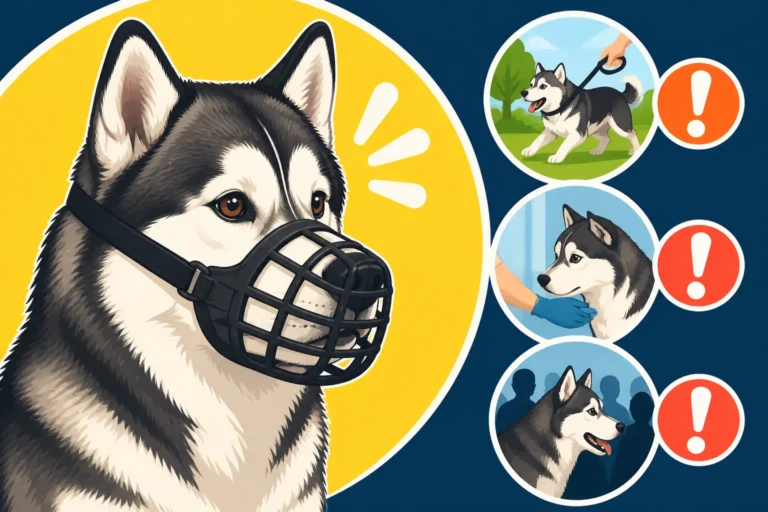
| Increased dog-dog reactivity | Hormonal shifts, social learning, lack of proper socialization | Structured socialization, professional trainer consultation, avoidance of risky situations, muzzle training |
Disclaimer
This article is for general informational purposes only and does not constitute professional advice. Laws, prices and regulations vary by location and change over time. Consult a qualified professional for guidance on your specific situation.