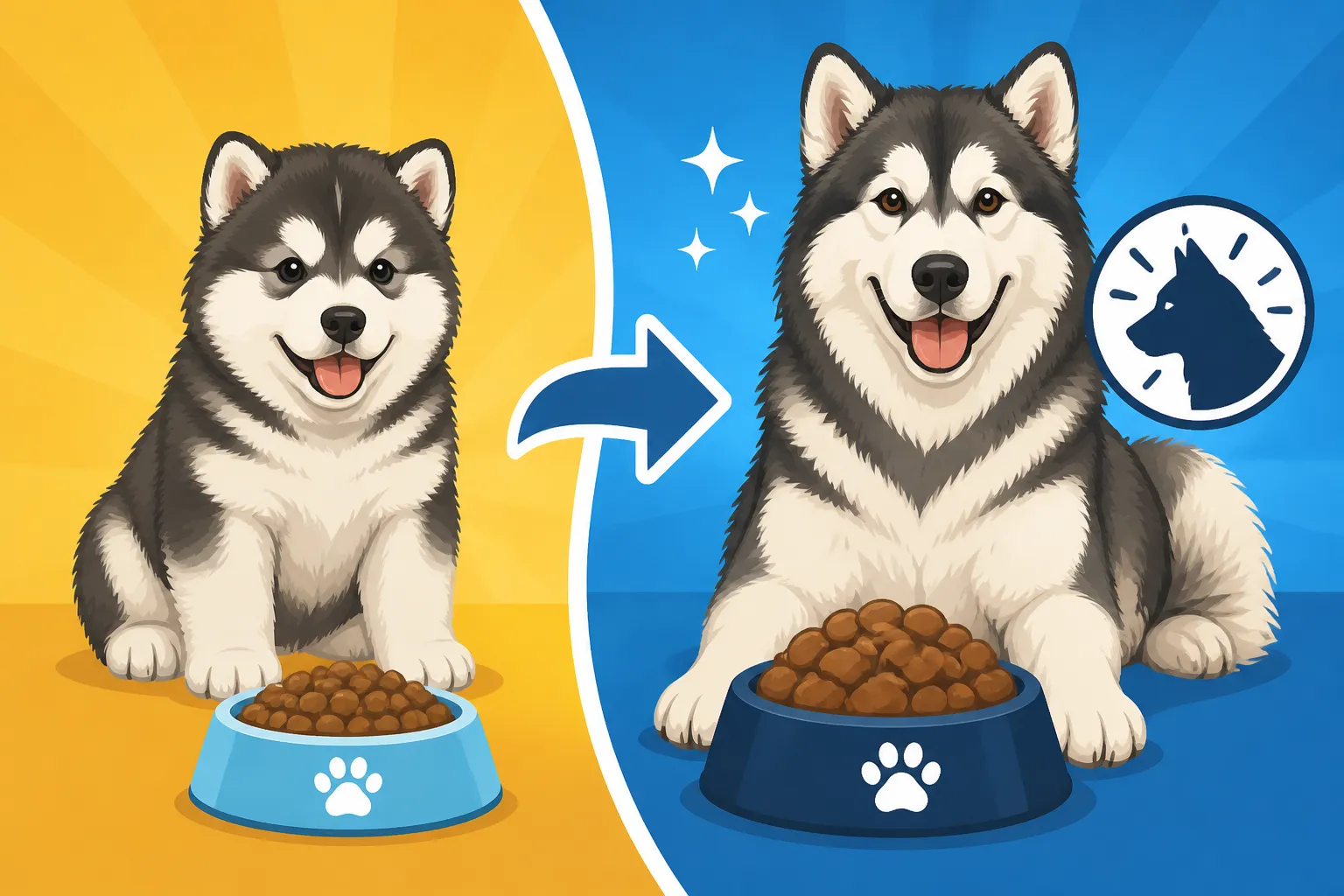
When an Alaskan Malamute Moves to Adult Food
One of the most common dilemmas new Alaskan Malamute owners face, after marveling at how quickly their fluffy puppy grows, is figuring out when to switch them from puppy chow to adult dog food. It's not just a matter of convenience; feeding the wrong formula for too long, or switching too soon, can actually have significant implications for a large, fast-growing breed like a Malamute. This guide will help you understand the crucial timing and process of transitioning your magnificent Malamute to an adult diet, ensuring their continued health and well-being.
The Big Question: When is a Malamute Really an Adult?
It’s tempting to think of your Malamute puppy as "grown up" once they hit their adolescent growth spurts and start looking more like a miniature version of the majestic adults you see. However, for a giant breed, physical and mental maturity is a much longer journey than for, say, a Jack Russell. Rushing this can lead to problems down the road.
Physical Maturity: Growth Plates and Skeletal Development
The most critical factor in determining when your Alaskan Malamute is ready for adult food is their physical maturity, specifically the closing of their growth plates. These are soft areas at the ends of long bones that allow for bone growth. In large and giant breeds, these growth plates close much later than in smaller dogs. While many smaller breeds might have their growth plates closed by 8-10 months, an Alaskan Malamute often won't reach this milestone until they are around 18-24 months old, sometimes even a bit later for the truly giant individuals.
Feeding a puppy formula, which is typically higher in calories, protein, and calcium, beyond the point where growth plates are still open can encourage too-rapid growth. This rapid growth, especially with excessive calcium, puts immense stress on developing joints and bones, increasing the risk of orthopedic issues like Hip Dysplasia in an Alaskan Malamute or elbow dysplasia. It’s a classic example of too much of a good thing becoming detrimental. You want slow, steady growth, not a sprint, for their skeletal system to properly ossify and strengthen. Think of it like building a skyscraper – you don't rush the foundations. The Age a Malamute's Growth Plates Close is a really important thing to understand.
Mental and Behavioral Maturity: Beyond the Puppy Antics
Beyond the bones and joints, there's the whole other side of maturity: their brain! While not directly tied to diet, a mentally mature Malamute often has different energy needs and behavioral patterns. An Alaskan Malamute can remain quite puppy-like in its antics and energy levels well into its second year. They might still have bursts of zoomies, destructive chewing habits if bored, and an insatiable curiosity that keeps them busy. This extended adolescence means they might continue burning a lot of energy, even if their skeletal growth is slowing down.
However, as they mature, their intense, sometimes chaotic, puppy energy typically settles into a more consistent, albeit still active, adult energy level. This shift can influence how many calories they truly need. An adult Malamute might not need the same intense caloric intake required for constant growth and hyperactive puppy play, even if they're still spirited. This is where you, as their owner, become the best judge, observing their activity levels and body condition.
Why a Slow Transition Matters for a Giant Breed
The phrase "slow and steady wins the race" truly applies when it comes to changing your Alaskan Malamute's diet. A gradual shift helps their digestive system adjust and minimizes the chances of upsetting their stomach, while also allowing you to monitor their response to the new food.
Protecting Sensitive Stomachs and Gut Health
Dogs, just like people, can have sensitive digestive systems. Imagine suddenly switching your own diet from what you've eaten every day for months or years to something entirely new. You'd likely experience some digestive upset, right? The same goes for your Malamute. Their gut microbiome, the complex community of bacteria living in their intestines, is finely tuned to process their current food. A sudden change can throw this balance off, leading to diarrhea, vomiting, or gas.
For an Alaskan Malamute, who might already be prone to sensitive digestion or even serious issues like bloat, a slow transition is absolutely non-negotiable. Over a period of 7-10 days, gradually introducing the new food by mixing it with the old allows their system to adapt. Start with a small percentage of new food, slowly increasing it over days until they're eating 100% of the adult formula. This gentle approach gives their body time to produce the necessary digestive enzymes for the new ingredients and helps maintain a healthy gut.
Preventing Unwanted Weight Gain and Obesity Risks
Alaskan Malamutes are known for their efficient metabolism, a trait passed down from their ancestors who needed to survive harsh Arctic conditions on limited resources. This means they often don't require as much food as you might expect for their size, especially if they aren't engaged in demanding working activities. The Efficient Metabolism That Surprises Every New Malamute Owner is a common realization. If you continue feeding a high-calorie puppy food past their growth phase, or transition too quickly without adjusting portion sizes, your Malamute can easily pack on extra pounds.
Obesity in Malamutes, as in any large breed, is a serious concern. Extra weight puts undue strain on their joints, exacerbating conditions like Hip Dysplasia in an Alaskan Malamute or arthritis later in life. It can also lead to other health issues such as diabetes and heart problems, and makes them more susceptible to overheating. During the transition to adult food, it’s a perfect time to reassess their caloric needs based on their age, activity level, and body condition. It's often less food, calorie-wise, than you'd think, even if the bowl looks a little emptier. How to Spot a Heavy Malamute Under Its Coat is a skill every owner needs.
Decoding Dog Food Labels: Puppy vs. Adult Formulas
Understanding the differences between puppy and adult dog food is crucial for making an informed decision about your Malamute's diet. It’s not just marketing; these formulas are designed to meet very specific nutritional needs at different life stages.
Nutritional Differences: Calories, Protein, and Calcium
Puppy food is specifically formulated to support the rapid growth and high energy demands of young, developing dogs. This means it generally contains higher levels of calories, protein, and essential minerals like calcium and phosphorus. The increased protein supports muscle and tissue development, while the higher calorie count fuels their constant energy expenditure and growth. The calcium and phosphorus are critical for strong bone development.
However, once that rapid growth phase is over and growth plates are closing, these elevated levels can become problematic for a large breed like an Alaskan Malamute. Too many calories can lead to excessive weight gain, as discussed, and too much protein can put strain on the kidneys in the long run. Most importantly, an excess of calcium, while vital for puppies, can contribute to orthopedic problems in large breeds if continued past the appropriate age. It can disrupt the delicate balance needed for proper bone density and development, sometimes leading to more brittle bones or issues with joint cartilage. This is why specialized "large breed puppy" formulas exist, aiming for a more controlled growth rate.
Choosing the Right Adult Formula for Your Malamute
When you're ready to make the switch, selecting the right adult food is paramount. You want a formula that supports their large build, energy levels, and overall health without over-fueling them. Look for formulas specifically designed for "large breeds" or "all life stages" that meet the Association of American Feed Control Officials (AAFCO) nutritional standards. These typically have balanced protein and fat content suitable for maintaining an adult Malamute's musculature and energy without promoting excessive weight gain.
Consider your Malamute's activity level. A Malamute that regularly participates in demanding activities like sledding, skijoring, or weight pulling will naturally have higher caloric and nutritional needs than a Malamute that is primarily a beloved companion with daily walks. For working Malamutes, you might even consider a "performance" or "active adult" formula, ensuring it still maintains appropriate calcium levels for a fully mature dog. You can often find a wide variety of suitable options on large pet retail sites like Chewy or Amazon, making it easier to compare ingredients and reviews. Alternatively, some owners prefer fresh food options like Ollie, which can be customized to individual needs, though it's always wise to discuss such choices with your veterinarian.
The Art of the Switch: Making the Transition Smoothly
Transitioning your Malamute to adult food doesn't have to be a stressful ordeal for either of you. With a clear plan and a little patience, you can make it a seamless process.
A Step-by-Step Transition Plan
The key to a smooth transition is gradual introduction. A common recommendation is a 7 to 10-day process, but for some highly sensitive Malamutes, extending it to two weeks can be beneficial. Here’s a typical schedule:
- Days 1-2: 75% Old Food, 25% New Food. Start by replacing just a quarter of your Malamute's regular puppy food with the new adult formula. Mix it thoroughly so they can't easily pick out their favorites. Observe their appetite, stool consistency, and overall demeanor.
- Days 3-4: 50% Old Food, 50% New Food. If all goes well, you can increase the new food to half of their meal. Continue to monitor for any digestive upset. This is often the point where minor changes might show up, like slightly softer stools.
- Days 5-6: 25% Old Food, 75% New Food. Now, the new food makes up the majority of their meal. Their digestive system should be largely acclimated.
- Days 7-10 (or beyond): 100% New Food. If they've handled the previous steps without issues, you can transition fully to the adult food. Even after the full switch, keep an eye on them for a few more days, ensuring their digestion remains stable and their energy levels are consistent.
If at any point your Malamute experiences significant diarrhea, vomiting, or refuses to eat, slow down the process. Revert to the previous successful ratio for a few extra days, or even consult your vet if symptoms persist. Remember, your Malamute's comfort and health are the priority.
Adjusting Portion Sizes and Feeding Schedules
Once you've made the full switch to adult food, the next crucial step is to adjust the portion sizes. Puppy foods are calorie-dense, and adult foods, while still nutritious, have a different caloric profile. You'll need to read the feeding guidelines on the new adult food bag carefully. These guidelines are usually based on your dog's ideal adult weight and activity level.
However, these are just starting points. Every Malamute is an individual, and their metabolism can vary. A good rule of thumb is to start with the lower end of the recommended range and monitor your dog's weight and body condition closely. How Much an Adult Alaskan Malamute Should Eat will vary greatly. Instead of free-feeding, which can be problematic for Malamutes prone to guarding resources or overeating, stick to a consistent feeding schedule, typically two meals a day for adult Malamutes. This helps regulate their digestion and allows you to better control their intake. Regularly check their weight and condition; you should be able to feel their ribs easily without seeing them protruding, and they should have a discernible waist when viewed from above.
| Growth Stage | Typical Age Range (Malamute) | Key Nutritional Needs | Common Food Type | Risks of Incorrect Feeding |
|---|---|---|---|---|
| Puppy (Rapid Growth) | 0-18 months (sometimes 24) | High calories, protein, balanced calcium/phosphorus | Large Breed Puppy Formula | Too fast growth, orthopedic issues (hip/elbow dysplasia), obesity if continued too long. |
| Adult (Maintenance) | 18-24 months onwards | Balanced calories, moderate protein/fat, adequate fiber | Large Breed Adult Formula | Obesity if fed too many calories, nutritional deficiencies if adult food is poor quality. |
| Senior (Aging) | 8+ years (varies) | Lower calories, joint support (glucosamine, chondroitin) | Senior/Weight Management Formula | Obesity, joint pain, muscle loss if protein is too low. |
Monitoring Your Malamute During and After the Change
The transition isn't just about mixing kibble; it's about paying close attention to your Malamute's overall health and happiness. Your observations are key indicators of whether the new diet is working for them.
Checking for Digestive Upsets and Allergies
As your Malamute moves to their new adult food, be vigilant for any signs of digestive upset. This includes diarrhea, constipation, excessive gas, or vomiting. Mild, temporary loose stools are not uncommon during a transition, but persistent or severe issues warrant a call to your veterinarian. They might suggest slowing down the transition further, or recommend a probiotic supplement to aid gut health.
Beyond immediate digestive issues, also keep an eye out for potential food sensitivities or allergies. While less common, some dogs can develop allergies to certain ingredients, often proteins like chicken or beef, or grains. Symptoms can include itchy skin, chronic ear infections, paw licking, or recurring digestive upset even after the transition period. If you notice these signs, especially if they persist, discuss them with your vet. They can help you explore novel protein diets or limited ingredient formulas, which can be found from reputable brands on platforms like Chewy or Amazon. What Zinc Responsive Dermatosis Looks Like on a Malamute might sometimes be mistaken for an allergy.
Assessing Coat Health, Energy Levels, and Weight
Your Malamute's outer appearance and energy are excellent gauges of their internal health. A healthy Malamute on a good diet will typically have a thick, lustrous coat appropriate for the breed (unless they are in their infamous The Malamute Coat Blow That Fills a Vacuum in an Afternoon phase!). Look for signs of dullness, excessive shedding (beyond seasonal blow-outs), dry skin, or flaky patches. These could indicate nutritional deficiencies or an imbalance in their new food.
Energy levels are another crucial indicator. A well-fed adult Malamute should have consistent, robust energy for their daily walks, playtime, and mental stimulation. They shouldn't be lethargic or excessively hyperactive after the initial puppy stage. If you notice a significant drop in energy, or conversely, a sustained spike that seems unusual for their age, it's worth investigating. And of course, continuously monitor their weight. Feel their ribs, check for a waist, and ensure they are maintaining a healthy body condition. A little extra padding can quickly turn into a significant health concern for their joints and overall well-being.
Common Pitfalls and How to Avoid Them
Even with the best intentions, it's easy to fall into some common traps when transitioning your Malamute's diet. Being aware of these can help you steer clear of problems.
Overfeeding: The Silent Malamute Menace
Perhaps the most common pitfall for Alaskan Malamute owners is overfeeding, particularly as they transition from puppy to adult food. Because Malamutes have that incredibly efficient metabolism we discussed, they simply don't need the same volume of food as many other large breeds. Their hardy genetics mean they are built to thrive on less. Continuing to feed puppy-sized portions of adult food, or adhering strictly to generic feeding guides that don't account for individual metabolism, can quickly lead to weight gain.
To avoid this, remember that the recommended feeding guidelines on any dog food bag are just a starting point. Always adjust based on your Malamute's individual activity level, body condition, and even the weather. A Malamute running hard in winter will need more fuel than one lounging indoors in summer. Consider using a measuring cup to ensure accuracy, rather than just "eyeballing" it. Regular physical checks – feeling for ribs and checking for a waistline – are far more reliable than just looking at their fluffy coat. If you're uncertain, consult your vet; they can help you determine an appropriate caloric intake.
Rushed Transitions and Digestive Fallout
The temptation to quickly switch foods, especially if you've run out of the old food or are excited about the new one, is strong. But as we've established, a rushed transition is a recipe for digestive disaster. Diarrhea, vomiting, and discomfort are not only unpleasant for your Malamute but can also lead to dehydration and further health complications. It can also make your Malamute associate the new food with feeling unwell, leading to a picky eater down the line.
Plan ahead. Always ensure you have at least a week's supply of their current food before starting the transition to the new adult formula. This gives you ample time to gradually mix the foods without any sudden changes. If you find yourself in a bind and absolutely must switch quickly, feed smaller, more frequent meals of the new food for the first day or two, and add a probiotic to help cushion the blow to their gut. However, this should be an exception, not the rule. Whether a Slow Feeder Reduces a Malamute's Bloat Risk is also a good consideration when feeding.
Ignoring Picky Eating or Food Refusal
Alaskan Malamutes can sometimes be notoriously picky eaters, or they might simply "skip" meals if they're not particularly hungry, thanks to that efficient metabolism. This can be concerning for owners, especially when introducing a new food. If your Malamute is refusing the new adult food, don't immediately assume it's a taste preference problem. It could be due to a rushed transition causing discomfort, or simply a temporary lack of appetite.
Avoid the trap of constantly switching foods to find one they "like," as this can create a truly picky eater. Instead, first ensure the transition is slow and gentle. If they still seem hesitant, try making the food more appealing: add a splash of warm water to release aromas, or mix in a tiny bit of canned pumpkin (plain, not pie filling!) for flavor and fiber. If they skip a meal, don't leave the food down all day; pick it up after 15-20 minutes and offer it again at the next scheduled mealtime. Most healthy dogs won't starve themselves. However, if your Malamute goes for more than 24 hours without eating, especially if combined with lethargy or other symptoms, it's time for a vet visit. Ultimately, finding the right balance of What an Alaskan Malamute Needs Every Day is an ongoing process.
Disclaimer
This article is for general informational purposes only and does not constitute professional advice. Laws, prices and regulations vary by location and change over time. Consult a qualified professional for guidance on your specific situation.