Whether Phytates in Grain Block a Malamute’s Zinc
It's a frustrating situation when you're doing your absolute best for your beloved Alaskan Malamute, researching every dietary nuance, only to hit a wall of conflicting information. One moment you're told grains are fine, the next you hear they're the root of all evil, especially when it comes to vital minerals like zinc. For a breed already prone to zinc absorption issues, this dietary tightrope walk can feel incredibly stressful. This guide will cut through the noise, explaining exactly what phytates are, why they matter to your Malamute, and how to navigate food choices to support their unique needs.
Understanding Phytates and Their Role in Plant-Based Foods
Many Malamute owners eventually come across the term "phytates" while researching their dog's diet, especially if they're dealing with or trying to prevent issues like zinc-responsive dermatosis. It can sound like a scary, complex chemical, but understanding what phytates are and how they interact with minerals is key to making informed decisions for your furry friend. It's not about villainizing ingredients, but understanding their impact.
What Exactly Are Phytates and Where Do They Hide?
Let's break it down simply. Phytates, or phytic acid, are completely natural compounds found in many plant-based foods. They act as the main storage form of phosphorus in plants, a sort of nutritional piggy bank for seeds and grains as they wait to sprout. Think of them as the plant's way of securing its future nutrients.
So, where do they "hide" in your dog's food? They are primarily concentrated in the outer layers of grains, legumes, and seeds. This means common ingredients like corn, wheat, rice, oats, soy, peas, lentils, and even some nuts and seeds used in dog food can contain significant levels of phytates. While these ingredients provide other valuable nutrients, their phytate content is what catches the attention of Malamute owners. It's not an additive, but an inherent part of the plant structure that we need to consider.
The Chelation Challenge: How Phytates Bind to Zinc
The concern with phytates, particularly for a breed like the Alaskan Malamute, lies in their ability to act as "anti-nutrients." This isn't because they're inherently bad, but because of a process called chelation. When phytates enter the digestive tract, they have a strong tendency to bind with certain minerals, forming insoluble complexes. Imagine tiny little handcuffs that lock onto minerals like zinc, iron, calcium, and magnesium.
Once these complexes are formed, the minerals are no longer in a bioavailable form, meaning your Malamute's body can't absorb them. They simply pass through the digestive system and are excreted. For a Malamute, this means that even if a food appears to have a sufficient amount of zinc listed on its nutritional analysis, a high phytate content could be effectively reducing the actual amount of zinc your dog is able to utilize. This direct interference is why understanding phytates is so crucial when trying to prevent or manage Zinc Responsive Dermatosis in an Alaskan Malamute. It's a silent robber of nutrition that can have very real consequences for your dog's health.
The Malamute's Unique Zinc Absorption Challenges
It's not just about what's in the food; it's about how your individual Malamute processes it. This breed has a well-documented predisposition to zinc deficiency, making the discussion around phytates even more pertinent. It's a double-whammy for many of these dogs, often battling both genetic and dietary hurdles.
More Than Just a Dietary Problem: The Genetic Component
One of the most disheartening aspects for Malamute owners is learning that their dog's zinc problem might run deeper than just diet. Many Alaskan Malamutes are genetically predisposed to a condition often referred to as Type I Zinc-Responsive Dermatosis. This isn't about eating enough zinc; it's about an inherent inability of their digestive system to efficiently absorb and metabolize the zinc that is present in their food, regardless of how much is there. Their bodies simply aren't as good at picking up zinc as other breeds might be.
This genetic factor means that even a Malamute on what would be considered a perfectly balanced, high-quality diet for another breed might still struggle with zinc deficiency symptoms. It's a frustrating reality, and it underscores why simply "feeding better food" isn't always the magic bullet. This genetic thread, alongside other health issues, is a key consideration when discussing overall Malamute health, as explored in Zinc Is the Thread Running Through Three Malamute Diseases. Understanding this genetic predisposition is paramount because it informs how aggressive and consistent we need to be with management strategies. How Poor Zinc Absorption Links a Malamute's Three Disorders further elaborates on this interconnectedness.
The Role of Diet in Exacerbating Zinc Issues for Malamutes
While genetics often play a starring role in a Malamute's zinc story, diet is certainly not a bit player. For dogs with a genetic predisposition, a diet high in phytates can significantly exacerbate their already compromised zinc absorption. It's like pouring water into a leaky bucket – the bucket is already faulty, and high phytate content just makes the leak bigger, meaning even less water (zinc) stays in.
However, it's also possible for a Malamute without a strong genetic predisposition to develop what's often called Type II Zinc-Responsive Dermatosis, which is purely diet-induced. In these cases, the dog's body might be capable of normal zinc absorption, but if their diet contains excessively high levels of phytates, these compounds bind up so much of the available zinc that a deficiency eventually develops. This scenario is more common with commercial dog foods that rely heavily on grain byproducts or certain legumes as primary ingredients. The issue isn't necessarily a lack of zinc in the food, but rather that the phytates are holding it hostage, making it unavailable. This is why careful dietary choices are so important for all Malamutes, not just those with a known genetic issue.
Navigating Food Choices: Grain-Free, Raw, and Zinc Supplementation
So, if phytates are a concern, and Malamutes have unique zinc needs, what's a dedicated owner to do when standing in the pet food aisle, or considering a homemade diet? It's easy to feel overwhelmed by all the options and conflicting advice. Let's break down some common approaches and what they actually mean for phytate and zinc absorption.
Debunking the "Grain-Free Always Solves It" Myth
The grain-free trend in pet food has exploded, often with the promise of being "better" or more "natural." For Malamute owners worried about phytates, it's a natural leap to assume grain-free automatically solves the problem. Unfortunately, it's not that simple. The "grain-free" label simply means no corn, wheat, or soy. However, many grain-free formulations replace these grains with other ingredients that can be just as high, if not higher, in phytates.
Common grain alternatives include peas, lentils, chickpeas, and potatoes – all of which contain phytic acid. So, while you might be avoiding traditional grains, you could still be feeding a diet with a significant phytate load. It's crucial to look beyond the marketing claims and truly scrutinize the ingredient list. When shopping on sites like Chewy or Amazon, you can find a vast array of grain-free options, but the responsibility falls to the owner to carefully read the labels and understand what the primary ingredients are rather than what they aren't. Just because it's grain-free doesn't automatically mean it's low in phytates or ideal for your Malamute's zinc needs.
Raw Feeding and Phytates: A Different Angle
For some Malamute owners, moving to a raw or fresh-cooked diet feels like a more natural and controllable approach to nutrition. The idea is that you're feeding ingredients closer to their natural state, with fewer processed components. While raw diets can be excellent for many dogs, they're not automatically free of phytate concerns, especially if not formulated carefully.
Many raw or fresh diets, particularly those prepared at home, incorporate vegetables, fruits, and even seeds (like flax or chia) which are sources of phytates. For example, if you're adding a "veggie mix" that's heavy on legumes or certain grains, you're still introducing phytates. Some proponents of raw feeding suggest methods like soaking, sprouting, or fermenting certain ingredients (like grains or legumes, if included) to help reduce their phytate content before feeding. This process can break down some of the phytic acid, making minerals more bioavailable. However, this adds a layer of complexity to home preparation. If you're considering a prepared fresh food diet, like those offered by Ollie, it's still vital to understand their ingredient sourcing and formulation to ensure it's balanced and mindful of specific breed needs like zinc absorption. A truly balanced raw diet, especially for a Malamute, requires expertise to ensure all nutritional bases are covered without inadvertently creating new deficiencies. Whether Raw Feeding Delivers a Malamute Enough Zinc is a crucial question to explore here.
Strategic Zinc Supplementation: A Necessary Tool
For many Alaskan Malamute owners, especially those whose dogs have a confirmed diagnosis of Type I Zinc-Responsive Dermatosis, diet modification alone simply isn't enough. This is where strategic zinc supplementation becomes not just helpful, but absolutely necessary, often for the dog's entire life. It's a recognition that despite our best efforts with food, their bodies just need that extra boost to maintain health.
Your veterinarian is the absolute best resource for determining if supplementation is needed and what form and dosage are appropriate. They can often differentiate between a true genetic absorption issue and a purely dietary one, as discussed in Whether a Malamute's Zinc Problem Is Diet or Genetics. There are different forms of zinc supplements, such as zinc methionine, zinc sulfate, or zinc picolinate, each with varying bioavailability. Zinc methionine is often favored for its higher bioavailability. The challenge isn't just giving zinc, but giving enough to bypass the absorption issue without giving too much, as Whether Too Much Zinc Harms a Malamute. This delicate balance requires veterinary guidance. Once started, it's typically a lifelong commitment to ensure your Malamute remains healthy, as explored in Whether a Malamute Needs Zinc for Its Whole Life. This routine supplementation can be easily purchased from pet supply stores like Chewy or Amazon, but always under the direction of your vet.
Practical Steps for Malamute Owners
Navigating the complexities of canine nutrition, especially for a breed with specific needs like the Alaskan Malamute, can feel like a full-time job. But with the right approach and team, you can confidently support your dog's health. It truly is about being proactive and informed.
Partnering with Your Veterinarian and a Board-Certified Veterinary Nutritionist
The most critical step in addressing any potential zinc absorption issues or concerns about phytates in your Malamute's diet is to partner closely with your veterinarian. Please, don't try to self-diagnose or self-treat. Zinc deficiency can mimic other skin conditions, and too much zinc can be toxic. Your vet can conduct examinations, run necessary diagnostics like skin biopsies (which often show characteristic changes), and assess your dog's response to a trial of zinc supplementation to confirm a diagnosis. How a Malamute's Zinc Deficiency Is Treated invariably starts with a vet's assessment.
For complex or persistent cases, your vet might recommend consulting a board-certified veterinary nutritionist. These specialists have advanced training in animal nutrition and can formulate highly specific diets or supplementation plans tailored to your Malamute's individual needs, taking into account their genetic predispositions, activity level, and any other health conditions. They can help you decipher ingredient lists, understand phytate levels in various foods, and ensure your Malamute is getting everything they need without unwanted side effects. Open communication with your vet about all aspects of your Malamute's diet, including any supplements you're considering from places like Chewy or Amazon, is essential for their long-term well-being.
Monitoring Your Malamute for Signs of Zinc Deficiency
Being vigilant about your Malamute's health is one of the greatest gifts you can give them. Early detection of zinc deficiency symptoms can prevent a lot of discomfort, secondary infections, and more complicated treatment down the line. It's not about being paranoid, but being observant.
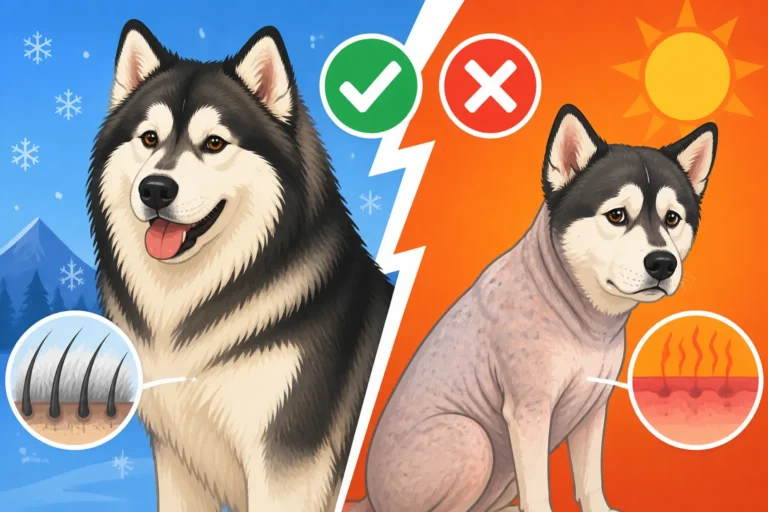
You should perform weekly "skin checks" on your Malamute, paying close attention to specific areas where zinc-responsive dermatosis often first appears. Look for crusty, scaly lesions, redness, or hair loss around the eyes, muzzle, ears, pressure points like elbows and hocks, and especially on the paw pads. The skin in these areas might also appear thickened or cracked. Puppies might also show signs of lethargy or poor growth. A dull, dry coat can also be an early indicator. If you notice any of these signs, don't hesitate to contact your vet. You might feel a bit silly at first, but Reading a Malamute's Skin Before the Crusts Appear is a crucial skill. Catching these changes early can make a huge difference in how quickly and effectively the condition can be managed, and ensure your Malamute stays as comfortable and healthy as possible.
| Food Type | General Phytate Concern | Zinc Bioavailability | Convenience | Common Ingredients |
|---|---|---|---|---|
| Commercial Kibble (Grain-Inclusive) | Moderate to High | Variable | High | Corn, wheat, rice, soy, peas, lentils |
| Commercial Kibble (Grain-Free) | Moderate to High | Variable | High | Peas, lentils, chickpeas, potatoes (can be high in phytates despite being "grain-free") |
| Fresh/Cooked (Commercial – e.g., Ollie) | Low to Moderate | Often good | Moderate | Human-grade meats, specific veggies (formulated to minimize anti-nutrients) |
| Raw (Well-Formulated Homemade) | Low (with proper prep) | Excellent | Low to Moderate | Meat, bone, organs, small amounts of pureed fruits/veg (often soaked/sprouted) |
Disclaimer
This article is for general informational purposes only and does not constitute professional advice. Laws, prices and regulations vary by location and change over time. Consult a qualified professional for guidance on your specific situation.