What an Adult Male Alaskan Malamute Weighs
It's completely understandable to wonder about the ideal weight for an adult male Alaskan Malamute. You see these magnificent dogs, some looking absolutely massive, others more streamlined, and it can be really confusing to figure out what's "normal" or healthy. This guide will walk you through the typical weight ranges for male Malamutes, delve into the various factors that influence their size, and help you understand how to assess if your big boy is at a healthy weight.
The Standard Range for an Adult Male Alaskan Malamute
When we talk about an "ideal" weight for a male Alaskan Malamute, we often refer to the breed standard established by kennel clubs. This standard provides a blueprint of what the breed should look like in terms of size, build, and overall conformation. However, it's crucial to remember that this is a guideline, and individual dogs can vary while still being perfectly healthy and true to their heritage.
The AKC Standard: What Breeders Aim For
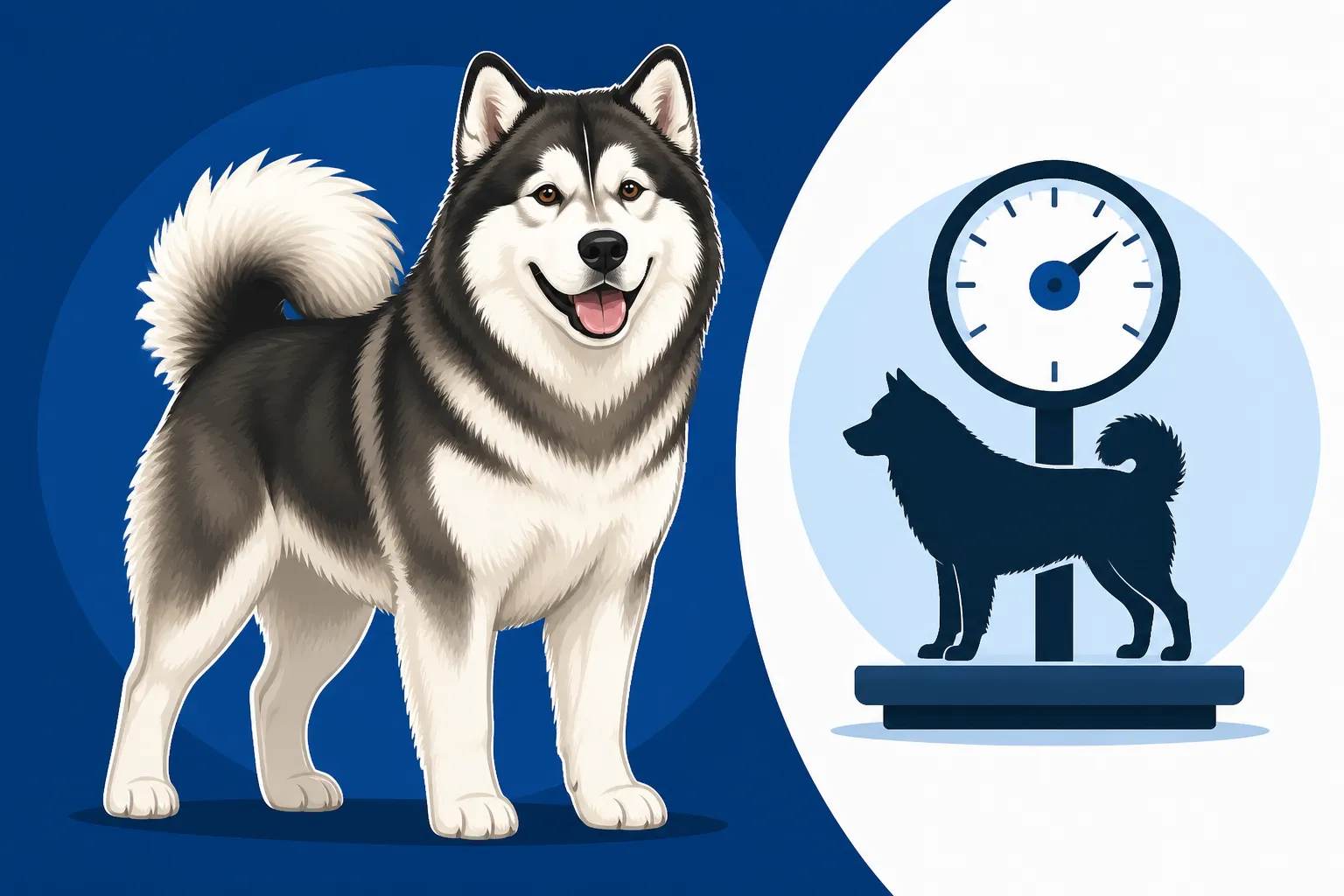
According to the breed standard, the ideal weight for an adult male Alaskan Malamute is typically around 85 pounds (approximately 38.5 kg). This is usually paired with an ideal height of 25 inches (63.5 cm) at the shoulder. This combination is meant to represent a powerful, heavily-boned dog capable of freighting heavy loads over long distances. The standard emphasizes a balanced, sturdy build rather than extreme size.
What does this mean in practice? When you're looking at a well-bred male Malamute, you'd expect to see a dog that feels substantial when you lay hands on him, with good muscle mass and solid bone structure. He shouldn't look leggy or delicate, nor should he appear overly bulky or cumbersome. This ideal weight isn't just an aesthetic preference; it directly relates to the Malamute's historical purpose as a freighting dog, where strength and endurance were paramount. Breeders strive to produce dogs within this range, as it generally indicates a functional, healthy animal.
Why There's Variation in the Standard
Even within the context of the breed standard, you'll find a degree of variation in adult male Malamute weights. This isn't necessarily a sign of a poorly bred dog, but rather a reflection of the breed's diverse lineage and the different lines that exist. Historically, the breed was developed from working dogs in various Alaskan regions, leading to some natural diversity.
For instance, the two primary historical lines, the Kotzebue and the M'Loot, contributed different traits. While the modern Malamute gene pool is a blend, some lines may still tend towards a slightly larger or smaller build based on the specific dogs in their pedigree. Working lines, bred for endurance and strength in pulling sleds, might maintain a leaner, more athletic build, sometimes sitting comfortably at the lower end of the weight range, or even a bit under the ideal 85 pounds if they are actively working. Show lines, on the other hand, might sometimes lean towards a slightly heavier, more heavily-boned appearance to fit the "powerful" description, which can push them slightly above the ideal. It's a spectrum, and a healthy Malamute can fall anywhere within a reasonable margin of this 85-pound mark. Understanding these nuances helps us appreciate the wonderful diversity within the breed.
Factors That Influence a Male Malamute's Weight
While the breed standard provides a target, several individual factors play a significant role in determining what an adult male Alaskan Malamute actually weighs. It's never just about the number on the scale; it's about the dog as a whole.
Genetics and Lineage
Just like in people, genetics are a massive component of a Malamute's adult size and weight. A puppy inherits its potential for size from its parents, and tracing its lineage can often give you a good indication of its likely adult weight. If both parents are on the larger side, chances are their male offspring will also lean towards a heavier weight. Conversely, if the parents are smaller or more compact, their puppies might follow suit.
Breeders who focus on working lines might produce dogs that are naturally leaner and lighter, while those emphasizing a more "heavy-boned" show ring presence might produce slightly larger animals. It's also worth noting that some breeders, unfortunately, deliberately breed for "giant" Malamutes, which can far exceed the standard weight. While these dogs might look impressive, being Whether a Giant Malamute Is Bred Outside the Standard can sometimes come with increased health risks and joint issues due to the unnatural strain on their bodies. Always inquire about the size and weight of both parents and their typical offspring when considering a puppy.
Diet and Nutrition
What and how much your Malamute eats is undeniably one of the biggest factors in its final weight, and maintaining it throughout its life. Alaskan Malamutes have a surprisingly efficient metabolism, honed over generations to survive and thrive on limited resources in harsh Arctic environments. This means they often require less food than many owners anticipate for a dog of their size, a phenomenon often described as The Efficient Metabolism That Surprises Every New Malamute Owner. Overfeeding is a common pitfall.
A high-quality, balanced diet is crucial. The type of food – whether it's kibble, raw, or a fresh food diet – and the amount fed daily will directly impact their body condition. For example, a working Malamute preparing for a heavy pulling season will have different caloric needs than a pet Malamute whose main job is to nap on the couch. Portion control is absolutely key. Using a measuring cup consistently, rather than free-feeding, helps prevent gradual weight gain. For specific dietary needs, exploring options from reputable pet retailers like Chewy or even fresh food services like Ollie can be beneficial, as they offer various formulas to suit different activity levels and ages. Remember, treats add up quickly, too!
Activity Level and Exercise
The amount of exercise an Alaskan Malamute gets directly correlates with its muscle mass and fat distribution, thus influencing its overall weight. These dogs were bred for endurance and long hours of work, pulling sleds and hunting. A Malamute that gets consistent, vigorous exercise, such as regular hiking, sledding, or weight pull, will typically maintain a leaner, more muscular physique. This active lifestyle helps them burn calories and build the strong, functional body they were designed for.
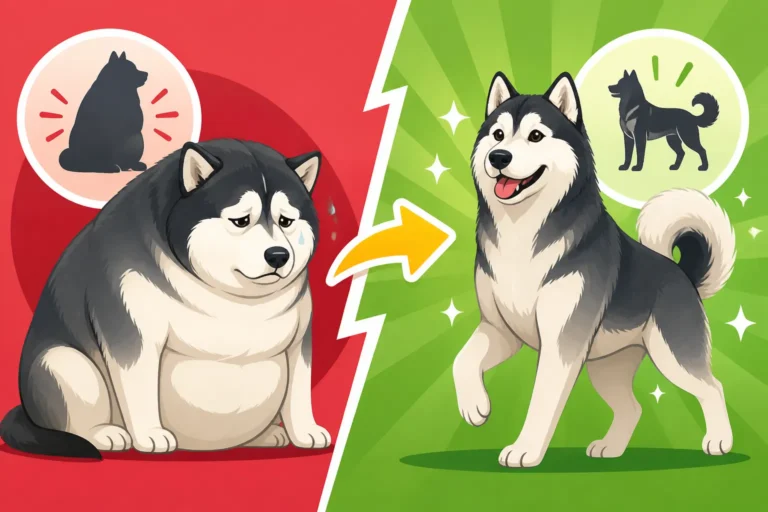
On the other hand, a male Malamute that leads a more sedentary life, perhaps with only short daily walks, is at a much higher risk of becoming overweight. Without a proper outlet for their energy and innate drive to work, they can quickly pack on pounds. This isn't just about appearance; obesity puts extra strain on their joints, heart, and other organs, significantly impacting their health and lifespan. It's a huge part of What an Alaskan Malamute Needs Every Day. Even pet Malamutes need a job to do, and regular, consistent exercise is a vital part of keeping them at a healthy weight and condition. How Much Exercise an Alaskan Malamute Needs is often more than people realize!
Health and Age
A Malamute's health status and age also play a significant role in their weight. Certain medical conditions can cause either weight gain or loss. For example, hypothyroidism, a common condition in Malamutes, can lead to unexplained weight gain, lethargy, and a dull coat, even if the dog isn't eating excessively. Conversely, illnesses that cause gastrointestinal upset or affect appetite can lead to weight loss.
As Malamutes age, their metabolism often slows down, and their activity levels may naturally decrease. This means that a diet and exercise regimen that kept them trim in their younger years might lead to weight gain as they transition into their senior years. Caring for an Old Alaskan Malamute involves adjusting their diet and activity to prevent obesity, which can exacerbate age-related joint issues like arthritis. Regular veterinary check-ups are crucial to monitor weight, identify any underlying health issues, and make necessary adjustments to their care plan to support a healthy weight throughout their life. It's not uncommon to see Signs an Alaskan Malamute Is Getting Old reflected in changes to their body composition.
Beyond the Scale: Assessing a Malamute's Healthy Weight
It’s easy to get fixated on a number on the scale, especially with a breed as imposing as an Alaskan Malamute. But because of their incredibly dense double coat, relying solely on weight can be very misleading. A healthy Malamute isn't just a number; it's a dog with the right body condition.
Body Condition Scoring: More Than Just Numbers
Body condition scoring (BCS) is a far more accurate and practical way to assess if your Malamute is at a healthy weight. This method involves visually inspecting and physically feeling your dog to evaluate its fat reserves. It's typically scored on a scale of 1 to 9, with 4 or 5 being ideal.
Here's how you can do a quick check:
- Ribs: You should be able to easily feel your Malamute's ribs with light pressure, almost like feeling the back of your hand. You shouldn't see them prominently, but they shouldn't be buried under a thick layer of fat either. If you have to press hard to feel them, your dog is likely overweight.
- Waist: From above, you should see a discernible waistline behind their ribs, especially when they're standing alert. From the side, their abdomen should tuck up slightly, rather than hanging low or being straight. With a Malamute's deep chest, this tuck can be subtle, but it should be there.
- Spine and Hip Bones: You should be able to feel their spine and hip bones without too much pressure, but again, they shouldn't be visibly protruding. If these bones are very prominent, your Malamute might be underweight.
- Overall Muscle Mass: A healthy Malamute should have well-developed muscles, particularly in their hindquarters. They should look strong and athletic, not flabby or weak.
Because of their thick fur, feeling for ribs and the waist is often more reliable than just looking. This hands-on assessment allows you to Feeling for Ribs Under an Alaskan Malamute's Coat effectively, ensuring you get past that beautiful, insulating layer of fur.
The Role of Your Veterinarian
While you can perform a basic body condition check at home, your veterinarian is your best partner in maintaining your Malamute's healthy weight. During routine check-ups, your vet will assess their body condition, weigh them, and discuss their diet and exercise. They can offer an objective perspective and catch subtle changes you might miss.
If your Malamute's weight is creeping up or if they're struggling to maintain weight, your vet can help identify potential underlying health issues, like thyroid problems or other metabolic disorders. They can also provide tailored nutritional advice, recommend specific diets or supplements, and help you create an exercise plan that's appropriate for your dog's age, health, and activity level. Don't hesitate to bring up any concerns you have about your Malamute's weight; early intervention is always better.
Here’s a quick overview of how different factors can influence a male Malamute's weight:
| Factor | Potential Impact on Weight | Notes |
|---|---|---|
| Genetics | Predisposition to be larger or smaller | Influenced by parents' size, historical lineage (Kotzebue vs. M'Loot influences build). |
| Diet Quality | Can lead to malnutrition (underweight) or obesity (overweight) | Balanced nutrition is key; avoid excessive calories from low-quality fillers. |
| Portion Control | Direct impact on calorie intake | Overfeeding, even high-quality food, leads to weight gain; portioning essential for How Many Cups a Day an Adult Alaskan Malamute Eats. |
| Activity Level | High activity = leaner, more muscular; Low activity = higher risk of fat gain | Working Malamutes (pulling, hiking) maintain ideal weight better than sedentary pets. |
| Age | Puppies gain weight rapidly; Seniors often gain weight due to slower metabolism | Metabolism slows as they get older, requiring adjustments in diet and exercise to prevent Taking Weight Off a Malamute That Is Not Working. |
| Health Status | Illness can cause weight loss or gain | Conditions like hypothyroidism can lead to weight gain; other illnesses might cause loss of appetite and weight. |
| Neutering Status | Can slightly increase risk of weight gain due to metabolic changes | How a Malamute's Appetite Changes After Neutering is a common consideration for owners. |
Managing a Male Malamute's Weight for Long-Term Health
Maintaining a healthy weight throughout your male Malamute's life is one of the most important things you can do to ensure his longevity and quality of life. It’s an ongoing commitment, but a truly rewarding one when you see your dog thriving.
Tailoring Diet to Activity
Because Malamutes have such an efficient metabolism, their dietary needs aren't always what you'd expect for a large breed. The key is to match their caloric intake to their actual activity level. A Malamute that spends its days mostly as a beloved companion dog, enjoying leisurely walks, will need significantly fewer calories than one that's actively engaged in demanding work like sledding or What Weight Pull and Sledding Cost a Malamute Owner. This differentiation is critical, as discussed in Feeding a Working Malamute Against a Pet One.
If your Malamute is highly active, participating in regular pulling, long hikes, or other strenuous activities, they may benefit from a higher-calorie, performance-oriented kibble. You might find excellent options on Chewy that cater to active breeds. For less active dogs, a standard adult formula with controlled portions is usually sufficient. Always measure their food, rather than guessing, and be prepared to adjust portions seasonally. For instance, How Many Pounds of Food a Malamute Eats in Winter might be slightly more if they are working hard outdoors, but even then, careful monitoring is needed. Don't forget treats! They are delicious but count towards daily calories.
Consistent Exercise Regimen
You simply cannot overstate the importance of consistent exercise for an Alaskan Malamute. They are not dogs that are content with a quick trot around the block. They need purpose, and they need to move. Even if your male Malamute isn't actively working, simulating that work through long, brisk walks, runs, hiking, or even swimming can help him maintain optimal weight and muscle tone. A tired Malamute is often a well-behaved Malamute, and a healthy one!
Aim for at least 1-2 hours of vigorous activity daily, broken into multiple sessions. This might include pulling a wagon, going for a bike ride (if you're experienced and have the right gear), or extended play sessions in a secure area. Without this, not only can they gain weight, but they can also develop behavioral issues from pent-up energy. Remember, a dog that looks robust often benefits most from this consistent activity. For outdoor gear like harnesses or long lines to facilitate safe exercise, Amazon is a great resource.
Avoiding Common Pitfalls
Several common mistakes can contribute to a male Malamute becoming overweight. One of the biggest is simply overfeeding. Owners often look at their dog's size and assume they need enormous quantities of food, forgetting their efficient metabolism. Another pitfall is too many treats. While tempting to spoil our furry friends, those extra calories add up quickly. Consider using low-calorie options or even healthy vegetables as treats.
Lack of appropriate exercise is another major contributor. If your Malamute isn't getting the physical outlet they need, they'll inevitably gain weight. Lastly, failing to recognize gradual weight gain can be an issue. Because of their thick coats, it’s easy to miss those extra pounds until they become a significant problem. Regularly checking their body condition score, especially feeling their ribs and waist, will help you stay on top of any changes before they get out of hand. Proactive management, rather than reactive dieting, is always the healthier approach for your majestic companion.
Disclaimer
This article is for general informational purposes only and does not constitute professional advice. Laws, prices and regulations vary by location and change over time. Consult a qualified professional for guidance on your specific situation.