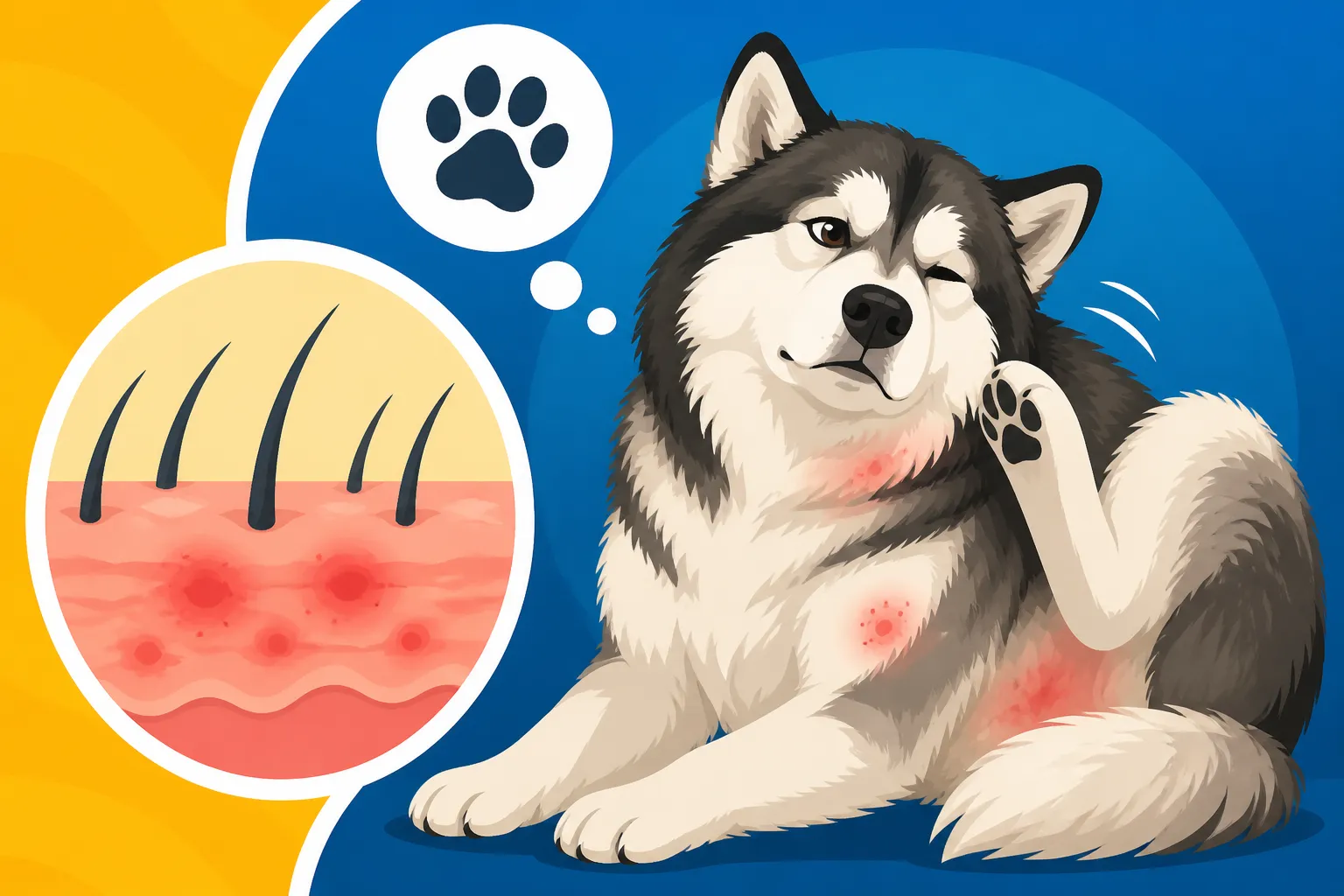
Whether an Alaskan Malamute Gets Skin Allergies
It's incredibly disheartening when your magnificent Alaskan Malamute, a picture of rugged health and vitality, starts showing signs of discomfort – incessant scratching, chewing at paws, or developing irritated patches on their skin. Many Malamute owners are keenly aware of the breed's predisposition to certain skin issues, most notably Zinc Responsive Dermatosis in an Alaskan Malamute, and might immediately jump to that conclusion. However, the truth is, just like any dog, Alaskan Malamutes are absolutely susceptible to a whole host of other skin allergies, and understanding these can be the first step in alleviating your beloved companion's suffering. This guide aims to shed light on the reality of skin allergies in Malamutes, helping you identify symptoms, navigate diagnosis, and find effective management strategies for a happier, less itchy life for your furry family member.
The Reality of Skin Allergies in Alaskan Malamutes
When you think of an Alaskan Malamute, you probably picture that thick, luxurious double coat, built to withstand Arctic temperatures. It's truly a marvel of nature. But beneath that impressive fur lies skin that, unfortunately, isn't immune to the irritations and reactions that plague many other breeds. It’s easy to dismiss persistent scratching as just a bad habit or seasonal shedding, but for many Malamutes, it's a clear cry for help indicating an underlying allergic reaction.
Yes, Malamutes Get Allergies (It's Not Just Zinc)
The first thing to understand is that while Zinc Is the Thread Running Through Three Malamute Diseases and can manifest with skin issues that mimic allergies, it's not the only skin problem a Malamute can face. Allergic reactions stem from an overactive immune system responding to typically harmless substances. These substances, or allergens, can come from their environment, their food, or even tiny parasites. Owners often worry they're missing something crucial, constantly checking for the tell-tale crusts of zinc deficiency, when the true culprit might be something as common as pollen or a protein in their food. It's a frustrating situation because the symptoms can be so similar, leading to delayed diagnosis and prolonged discomfort for the dog.
Why Their Coat Can Mask Early Symptoms
One of the biggest challenges in identifying skin allergies in Alaskan Malamutes is their incredibly dense coat. That thick double layer, while fantastic for keeping them warm, acts like a fortress, often hiding early signs of irritation until they become quite advanced. You might not notice redness, small bumps, or dry flakes until your Malamute is already miserable. The constant scratching might be attributed to normal grooming or shedding, especially during The Malamute Coat Blow That Fills a Vacuum in an Afternoon. By the time you part the fur and see the extent of the skin damage – raw spots, thickened skin, or even secondary infections – the allergy has likely been bothering them for a while. This hidden battle makes proactive checking even more important, teaching you to regularly inspect their skin. Reading a Malamute's Skin Before the Crusts Appear is a crucial skill for any Malamute owner.
The Frustration of Misdiagnosis
It's a common and understandable frustration for Malamute owners and their veterinarians. Because of the breed's known issues, particularly Zinc Responsive Dermatosis in an Alaskan Malamute, skin problems can often be misdiagnosed or attributed solely to zinc deficiency without exploring other possibilities. While it's vital to rule out zinc issues, especially if the characteristic lesions appear on the muzzle or around the eyes, it's equally important not to get tunnel vision. If zinc supplementation doesn't fully resolve the symptoms, or if the presentation just doesn't quite fit, then exploring environmental or food allergies becomes paramount. This often means going back to the drawing board, which can feel defeating when your dog is still suffering, and you've already invested time and money into treatments that aren't quite hitting the mark.
Common Types of Skin Allergies Affecting Malamutes
Just like people, dogs can react to a wide variety of allergens. Pinpointing the exact cause of a Malamute's skin allergy often feels like detective work, requiring patience and a methodical approach. Understanding the different categories of allergies can help you and your vet narrow down the possibilities and develop a targeted plan.
Environmental Allergies (Atopy)
Environmental allergies, often called atopy or atopic dermatitis, are incredibly common in dogs, and Malamutes are certainly not exempt. These are reactions to airborne particles like pollen from grasses, trees, and weeds, dust mites, or mold spores. The symptoms tend to be seasonal if it's pollen-related, but can be year-round for indoor allergens like dust mites. You might notice your Malamute incessantly licking their paws, rubbing their face on the carpet, or developing red, itchy skin in their armpits, groin, and ears. This isn't just a minor irritation; for many dogs, it's a chronic, debilitating condition that significantly impacts their quality of life. The constant itching can lead to secondary bacterial or yeast infections, causing Whether a Malamute's Skin Smells When Infected and making the problem even worse. Keeping their living environment clean and considering air purifiers can sometimes offer a small measure of relief, but often medical intervention is needed.
Food Allergies and Sensitivities
While less common than environmental allergies, food allergies and sensitivities can cause significant skin problems in Malamutes. A true food allergy involves an immune response to a specific protein in the diet, such as beef, chicken, dairy, or even grains, though grain allergies are often over-diagnosed. The symptoms can be very similar to environmental allergies: itching, redness, ear infections, and gastrointestinal upset like vomiting or diarrhea. The key difference is that food allergy symptoms are typically year-round and don't respond to seasonal changes.
Diagnosing food allergies requires a strict elimination diet, which can be a real commitment. This means feeding a novel protein (one your dog has never eaten before, like duck, venison, or kangaroo) or a hydrolyzed protein diet for 8-12 weeks, with absolutely no other treats or foods. Brands like Purina Pro Plan Veterinary Diets HA Hydrolyzed, Royal Canin Hydrolyzed Protein, or even specialized fresh food options from companies like Ollie, often available through veterinarian recommendation or pet supply retailers like Chewy, can be instrumental in this process. It’s a tedious process, but often the most effective way to identify the culprit. Whether Changing Food Fixes a Malamute's Zinc Deficiency is a question many owners ask, but it's equally relevant for food allergies.
Contact Dermatitis
Contact dermatitis occurs when a dog's skin comes into direct contact with an irritating or allergenic substance. Think of it as a localized allergic reaction. Common culprits include certain types of grass, cleaning products used on floors, carpet deodorizers, fabrics, or even ingredients in shampoos or topical flea treatments. The reaction typically appears only on the areas that touched the allergen, such as the belly and paws if they walked through an irritating plant, or areas where a chemical was applied. The irritation can be immediate or develop over several hours. While not as widespread as atopy or food allergies, it's important to consider if your Malamute has localized redness or rashes. Simply removing the offending agent from their environment is usually enough to resolve the issue once identified.
Flea Allergy Dermatitis (FAD)
Even in the most meticulously clean households, fleas can be a nuisance, and for some Malamutes, they can cause a severe allergic reaction known as Flea Allergy Dermatitis (FAD). It's not the fleas themselves that are the problem, but their saliva. Just one flea bite can trigger an intense, widespread allergic reaction in a sensitive Malamute, leading to extreme itching, redness, and crusting, often seen around the tail base, hindquarters, and inner thighs. Due to their thick coats, finding the fleas themselves can be tricky, but "flea dirt" (digested blood, which looks like black specks) can often be found by brushing your dog over a white paper towel and then wetting the specks; if they turn reddish-brown, it's flea dirt. Consistent, year-round flea prevention is crucial for all dogs, but especially for Malamutes prone to FAD. There are many effective products available, often found on Amazon or through your vet, which can break the flea life cycle and prevent this miserable condition.
Diagnosing and Managing Your Malamute's Skin Allergies
Navigating the world of canine allergies can feel overwhelming. It's a journey that often requires patience, persistence, and a strong partnership with your veterinarian. There's no single "magic bullet" cure, but rather a multi-faceted approach to identify and control the allergens.
Working with Your Veterinarian: The Diagnostic Journey
The first and most critical step is a thorough veterinary examination. Your vet will rule out other conditions that mimic allergies, such as mites, fungal infections, or bacterial pyoderma. They might perform skin scrapings, cytology (examining skin cells under a microscope), or fungal cultures. Once these are ruled out, the focus shifts to allergies. If environmental allergies are suspected, your vet might recommend intradermal skin testing (similar to allergy tests in humans) or blood tests to identify specific allergens. For food allergies, as mentioned, a strict elimination diet is the gold standard. This diagnostic phase can be lengthy and frustrating, but it's essential for getting an accurate diagnosis. Be prepared to keep detailed records of symptoms, diet changes, and any potential exposures; this information is invaluable to your vet.
Dietary Management and Novel Proteins
If food allergy is a concern, strict dietary management is key. This isn't just about picking any "hypoallergenic" food off the shelf. It means finding a food with a novel protein source that your Malamute has never been exposed to before, or a hydrolyzed protein diet where the proteins are broken down into particles too small to trigger an immune response. Many premium pet food brands offer prescription or limited-ingredient diets that can be purchased through your vet or from specialized retailers like Chewy.
When embarking on an elimination diet, consistency is paramount. Absolutely no other food, treats, or table scraps should be given. Even a tiny bite of an old treat can derail weeks of effort. After the elimination period (typically 8-12 weeks), if symptoms have improved, your vet will guide you through reintroducing old proteins one by one to identify the specific allergen. This often involves trial and error, and finding the perfect long-term diet might take time. For Malamutes, it's also worth considering Whether Raw Feeding Delivers More Zinc to a Malamute as part of a comprehensive dietary strategy, but always in consultation with your vet to ensure nutritional balance and safety.
Environmental Control and Symptomatic Relief
For environmental allergies, controlling exposure to allergens is a significant part of management. This can involve:
- Regular bathing: Using a gentle, anti-itch shampoo recommended by your vet can help wash allergens off the skin and provide immediate relief. Which Shampoo Suits a Malamute's Zinc Prone Skin might also be suitable for general sensitive skin.
- Air purifiers: High-efficiency particulate air (HEPA) filters in your home can reduce dust mites and pollen.
- Wiping paws and coat: After outdoor excursions, especially during high pollen seasons, a quick wipe-down with a damp cloth can remove allergens from your Malamute's coat and paws.
- Keeping bedding clean: Regularly washing your dog's bedding in hot water helps eliminate dust mites.
- Medications: Your vet may prescribe medications such as antihistamines, corticosteroids (for severe flare-ups), Apoquel, or Cytopoint injections to manage the itching and inflammation. These treatments address the symptoms, making your dog more comfortable, but they don't cure the underlying allergy.
The Role of Supplements and Topical Treatments
Beyond diet and environmental changes, certain supplements and topical treatments can play a supportive role in managing Malamute skin allergies.
- Omega-3 Fatty Acids: Supplements rich in Omega-3s, like fish oil, can help reduce inflammation and improve skin barrier function. They contribute to a healthier coat and less reactive skin. Many high-quality fish oil supplements are available on Amazon or Chewy. Whether an Alaskan Malamute Needs Fish Oil is a common question, and for allergic dogs, the answer is often yes.
- Probiotics: A healthy gut microbiome is increasingly linked to overall immune health. Probiotic supplements might help modulate the immune system and potentially reduce allergic responses.
- Topical Sprays/Creams: For localized hot spots or irritated areas, your vet might prescribe medicated sprays, creams, or ointments to reduce inflammation and fight secondary infections. These can provide targeted relief. Whether an Alaskan Malamute Gets Hot Spots Under Its Coat is a real concern, and having topical treatments on hand can be very helpful.
- Hypoallergenic shampoos and conditioners: Even if not a contact allergy, regular baths with veterinary-recommended hypoallergenic shampoos can soothe irritated skin and wash away environmental allergens.
Living with an Allergic Malamute: Long-Term Care
Managing skin allergies in a Malamute is typically a long-term commitment. It's not just about addressing flare-ups, but about consistently implementing strategies to keep your dog comfortable and healthy. This dedication can be demanding, but seeing your Malamute happy and itch-free is immensely rewarding.
Grooming Strategies for Sensitive Skin
Grooming takes on even greater importance when your Malamute has sensitive or allergic skin. Regular brushing, using tools that get deep into their double coat without irritating the skin, is essential. It helps distribute natural oils, removes loose fur and dander, and allows you to inspect their skin closely for any new irritations. A good Which Brush Gets Through a Malamute's Undercoat can make a huge difference.
Bathing frequency might need to be adjusted based on your vet's advice. While too frequent bathing can dry out skin, therapeutic baths with specific shampoos are often crucial for managing allergies and secondary infections. Always ensure you rinse thoroughly, as shampoo residue can itself be an irritant. After baths, make sure to dry your Malamute completely, especially the dense undercoat, to prevent moisture from creating a breeding ground for yeast or bacteria. Whether an Alaskan Malamute's Bald Patch Needs a Vet should always be a concern if you spot one.
Preventing Flare-Ups
The goal of long-term care is to minimize the frequency and severity of allergic flare-ups. This involves a combination of consistency in diet, environmental control, and adherence to any prescribed medications or supplements.
- Seasonal awareness: If your Malamute has seasonal environmental allergies, be extra diligent during those peak times. Increase bathing frequency (with vet-approved shampoos), wipe paws, and limit exposure to high pollen areas.
- Consistent diet: If a food allergy has been identified, strictly maintain the appropriate diet. Communicate with anyone who cares for your dog about the importance of not giving unauthorized treats.
- Regular vet check-ups: Even when symptoms are under control, regular vet visits are important to monitor their skin health and adjust treatments as needed. Allergies can change over time, and what worked last year might need tweaking this year.
- Stress management: Stress can sometimes exacerbate allergic symptoms. Ensuring your Malamute gets adequate exercise, mental stimulation, and a stable routine can contribute to their overall well-being. What an Alaskan Malamute Needs Every Day goes beyond just physical activity.
The Emotional Toll on Owners
It’s completely valid to feel drained and frustrated when dealing with a Malamute's chronic skin allergies. The constant itching can keep you up at night, the vet visits and specialized foods can be costly, and the sheer persistence required can be exhausting. You might feel guilty that your dog is suffering, or question if you're doing enough.
Remember, you are doing your best, and chronic conditions like allergies are a marathon, not a sprint. Celebrate small victories, like a week with less scratching, or a new food that finally brings some relief. Connect with other Malamute owners or dog allergy support groups for shared experiences and advice. Your dedication makes a profound difference in your Malamute's comfort and happiness, even if the journey is challenging.
Disclaimer
This article is for general informational purposes only and does not constitute professional advice. Laws, prices and regulations vary by location and change over time. Consult a qualified professional for guidance on your specific situation.