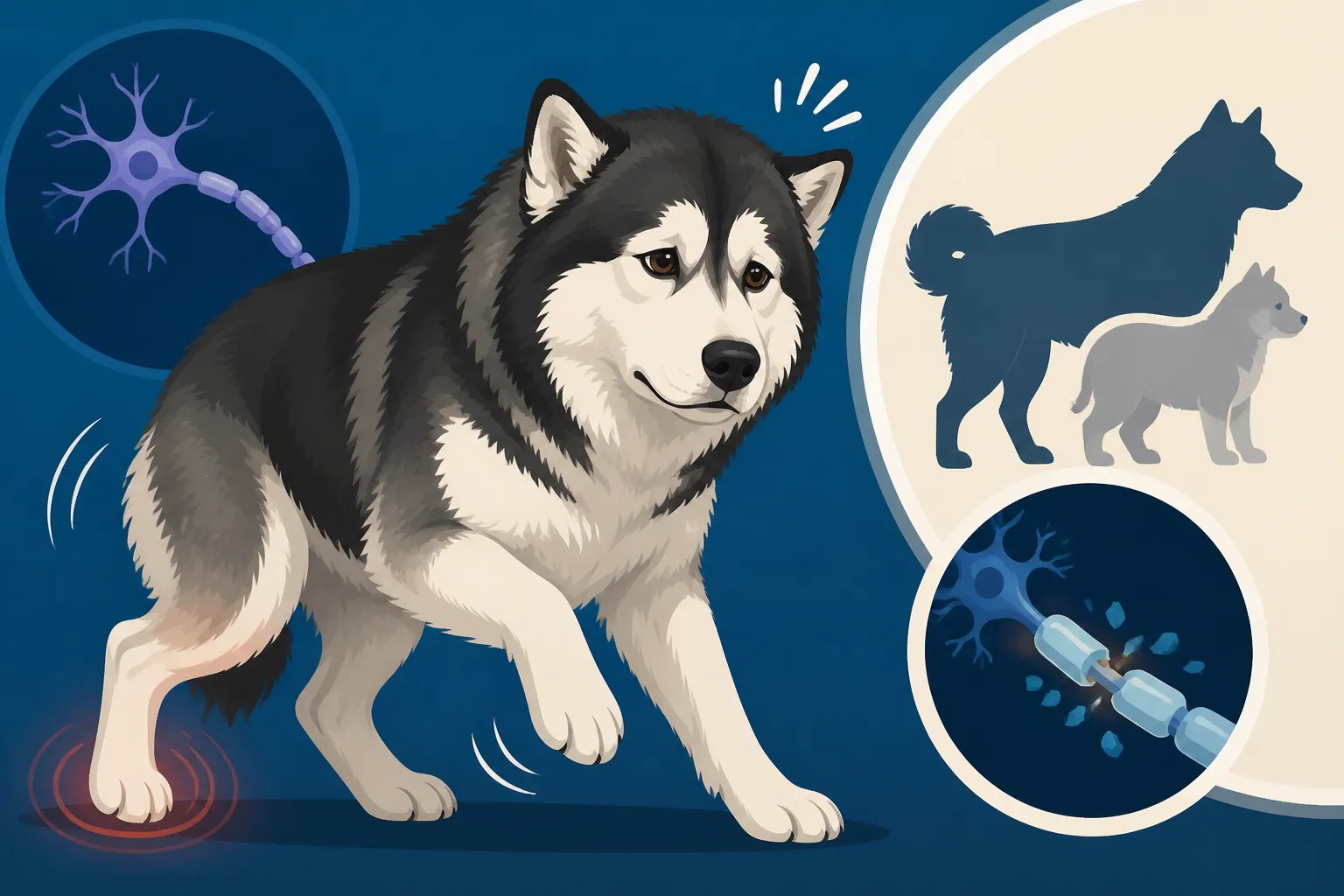
Inherited Polyneuropathy and the Malamute That Stumbles at a Year
It's incredibly disheartening to witness a once vibrant, energetic Alaskan Malamute puppy begin to falter, losing that effortless gait and boundless spirit. Many owners, ourselves included, have faced the confusing and upsetting reality of a young Malamute suddenly stumbling or struggling with movements that were once second nature. This guide is here to shed light on Inherited Polyneuropathy, a complex neurological disorder that often manifests around a year of age, causing progressive weakness and distress for both dog and human.
Understanding Inherited Polyneuropathy in Alaskan Malamutes
When we talk about Inherited Polyneuropathy in Alaskan Malamutes, it's not just a fancy vet term; it describes a very real, very frustrating condition where the nerves outside the brain and spinal cord, called peripheral nerves, don't work correctly. These are the crucial lines of communication that tell muscles what to do, relay sensory information back to the brain, and even control automatic functions like breathing. When they degenerate or malfunction, the consequences are profound.
What Exactly Is Polyneuropathy?
Imagine the electrical wiring in your home suddenly becoming frayed or losing its insulation. That's a bit like what happens with polyneuropathy. The peripheral nerves, which stretch from the spinal cord to the rest of the body – the limbs, the larynx, the diaphragm – start to lose their ability to transmit signals effectively. This isn't a problem with the brain telling the body what to do; it's a problem with the message not getting through to the muscles, or sensory information not making it back. The result is a progressive weakness, loss of coordination, and sometimes even difficulty breathing or swallowing. It's a cruel condition because it targets the very systems that allow our beloved Malamutes to move, play, and interact with the world.
The Genetic Link and How It's Passed Down
This isn't something that just happens to a Malamute; it's inherited, meaning it's passed down through their genes. Specifically, Inherited Polyneuropathy in Alaskan Malamutes is an autosomal recessive disorder. What does that mean for us as owners and breeders? It means a dog needs to inherit two copies of the faulty gene – one from each parent – to actually develop the disease. If a dog only inherits one copy, it's considered a "carrier." Carriers don't show any symptoms themselves, which is part of what makes this disease so insidious. They live perfectly normal lives, but they can unknowingly pass that single faulty gene on to their offspring. This is why it's so critical for breeders to understand Whether both Malamute parents must carry Polyneuropathy to produce an affected puppy. Without proper genetic testing, carriers can continue to be bred, perpetuating the disease in future generations.
Why It Specifically Affects Malamutes
While polyneuropathies can occur in various forms across many breeds and even in humans, this specific inherited form has a strong predilection for Alaskan Malamutes. The exact genetic mutation responsible has been identified, allowing for targeted DNA testing. It's a grim reminder of how closed gene pools and insufficient screening can lead to the concentration of detrimental traits within a breed. The Mahlemut people who originally bred these dogs centuries ago wouldn't have understood genetics in this way, but modern science now gives us the tools to prevent such suffering. Without this understanding and proactive testing, it’s a sad reality that this specific neurological breakdown will continue to affect certain lines within the breed.
Recognizing the Early Signs: When Your Malamute Puppy Starts Stumbling
One of the most heart-wrenching aspects of Inherited Polyneuropathy is watching your energetic, playful Malamute puppy begin to show subtle, then increasingly obvious, signs of weakness. It's not always a sudden collapse; often, it's a gradual, insidious progression that can be easily dismissed as clumsiness or a growth spurt initially.
Age of Onset and Initial Subtle Symptoms
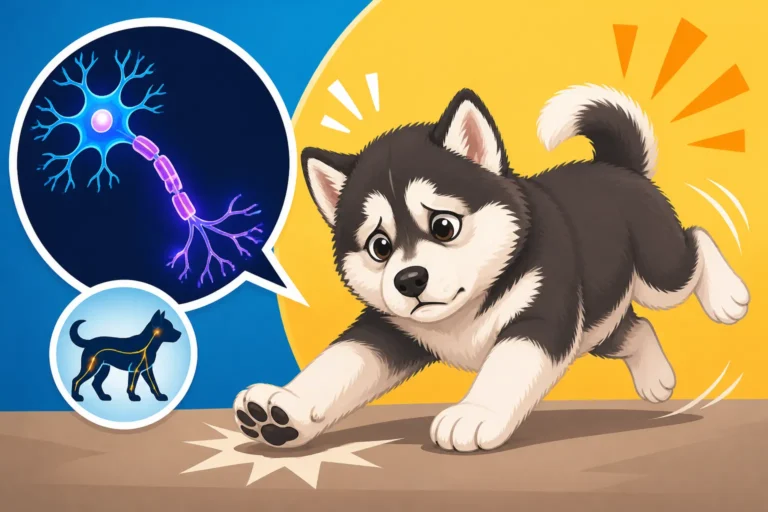
Typically, the first signs of Inherited Polyneuropathy manifest when a Malamute is between 10 to 18 months of age, though some cases might appear a little earlier or later. It's often around the time they're really hitting their stride, physically maturing and full of youthful exuberance. Initially, you might notice something as seemingly innocuous as a slight change in their gait. Perhaps they're a little less coordinated on slick floors, or they might occasionally drag a toe. They might start stumbling more frequently, especially during vigorous play or when navigating uneven terrain. You might dismiss it as typical puppy clumsiness or a slight awkwardness during their adolescent growth phase. However, these subtle hints are often the early whispers of a much more serious underlying issue. It's these moments where you think, "Hmm, that's a bit odd," that are crucial to pay attention to. For a detailed look at the typical age this condition appears, you can refer to information on The Age Polyneuropathy Appears in a Malamute.
Progression of Weakness and Gait Changes
As the disease progresses, these subtle signs become undeniably apparent. The stumbling will become more frequent and pronounced. Your Malamute might develop a "high-stepping" or "goose-stepping" gait, especially with their hind limbs, as they try to compensate for the diminishing nerve signals and muscle control. They might struggle to jump into the car or climb stairs, exhibiting noticeable weakness in their hindquarters. Eventually, this weakness can progress to the front limbs as well, leading to a generalized ataxia (lack of muscle coordination). Tasks they once performed effortlessly, like standing up from a lying position, can become a monumental effort. The muscles will also likely start to atrophy or waste away, becoming visibly smaller and softer, because they're not receiving proper nerve stimulation. It's a relentless downhill slide in terms of physical capability. To understand the full scope of physical changes, check out Whether a Polyneuropathy Malamute Loses Muscle.
Changes in Bark and Breathing Difficulties
Beyond just their ability to move, Inherited Polyneuropathy can impact other critical nerve functions. One of the more distinct and worrying signs is a change in their bark. Instead of their characteristic full, robust Malamute "woo" or howl, their bark might become hoarse, weaker, or even sound like a gasp or cough. This is due to the nerves controlling the larynx being affected, making it difficult for the vocal cords to function properly. You can learn more about this specific symptom at Why a Malamute's Bark Changes With Polyneuropathy.
Even more concerning is the potential for respiratory compromise. As the nerves controlling the diaphragm and intercostal muscles (muscles between the ribs that aid in breathing) become impaired, your Malamute might start to experience difficulty breathing. This can manifest as increased respiratory effort, noisy breathing, or even episodes of shortness of breath, particularly after exertion. This aspect of the disease can be life-threatening and requires immediate veterinary attention. Understanding Whether a Polyneuropathy Malamute Can Breathe Normally is crucial for owners, as respiratory issues can significantly impact a dog's quality of life and require advanced medical intervention.
The Diagnostic Journey: Confirming Polyneuropathy in Your Malamute
When you start noticing those concerning symptoms in your Malamute, the journey to a diagnosis can feel overwhelming. It often involves a series of tests, not just to confirm polyneuropathy but also to rule out other conditions with similar symptoms. It’s a process that demands patience and a close partnership with your veterinarian, and potentially, a veterinary neurologist.
Veterinary Examination and Neurological Assessment
Your first step will always be a thorough general physical examination by your trusted veterinarian. They’ll assess your Malamute’s overall health, looking for any obvious injuries or systemic illnesses. Following this, a detailed neurological exam is critical. The vet will observe your dog's gait, posture, and coordination, looking for signs of ataxia, weakness, and muscle atrophy. They'll also check reflexes, proprioception (the sense of where the body is in space), and cranial nerves. These assessments help localize the problem to the peripheral nervous system, distinguishing it from issues originating in the brain or spinal cord. It's during this phase that your vet might start to suspect polyneuropathy based on the pattern of deficits observed. They might also discuss other potential causes for the symptoms, such as Hip Dysplasia in an Alaskan Malamute, which can also cause hind limb weakness, though typically without the vocal changes or respiratory distress.
Electromyography (EMG) and Nerve Conduction Velocity (NCV) Tests
To further pinpoint the problem to the nerves and muscles, your vet may recommend advanced diagnostics, often involving a referral to a veterinary neurologist. The two primary tests in this category are Electromyography (EMG) and Nerve Conduction Velocity (NCV) studies. These tests are performed under sedation or anesthesia to ensure the dog is still and comfortable.
- NCV (Nerve Conduction Velocity): This test measures how fast electrical signals travel along a nerve. Small electrodes are placed on the skin over a nerve and its corresponding muscle. A mild electrical pulse is delivered to stimulate the nerve, and the time it takes for the muscle to respond is measured. In dogs with polyneuropathy, these signals travel much slower than normal, indicating damage to the myelin sheath (the protective coating around nerves) or the nerve axon itself.
- EMG (Electromyography): This test involves inserting a fine needle electrode directly into various muscles. It measures the electrical activity of the muscles both at rest and during voluntary movement. Abnormal electrical activity, such as spontaneous firing of muscle fibers at rest or reduced activity during movement, can indicate nerve damage leading to muscle denervation or muscle disease.
Together, these tests provide a comprehensive picture of nerve and muscle function, often revealing the characteristic patterns associated with polyneuropathy.
The Crucial DNA Test and Its Importance
While EMG and NCV can confirm the presence of polyneuropathy, they don't tell you if it's the inherited form specific to Alaskan Malamutes. This is where the DNA test becomes absolutely vital. Thanks to scientific advancements, a specific genetic mutation responsible for Inherited Polyneuropathy in Malamutes has been identified. A simple cheek swab or blood sample can be sent to a specialized veterinary genetic testing laboratory. This test definitively determines if your Malamute is clear, a carrier, or affected by the disease. It’s a game-changer for diagnosis, allowing for a precise confirmation that differentiates this specific inherited condition from other causes of polyneuropathy. For more information on this essential tool, see The DNA Test That Finds Malamute Polyneuropathy. This test is not only crucial for affected dogs but also for breeders, helping them make informed decisions to prevent passing the gene to future generations. Knowing the genetic status of a dog can also help owners prepare for the potential progression of the disease.
Living with Polyneuropathy: Managing the Condition
Once a diagnosis of Inherited Polyneuropathy is confirmed, the focus shifts from identifying the problem to managing its impact on your Malamute's daily life. While there's currently no cure for this progressive genetic condition, a significant amount can be done to provide comfort, maintain mobility, and ensure the best possible quality of life. This phase of care requires dedication, creativity, and a strong partnership with your veterinary team.
Supportive Care and Environmental Modifications
The cornerstone of managing polyneuropathy is supportive care. This means making their environment as safe and accessible as possible. For a dog that is losing coordination, slippery floors become a major hazard. Consider laying down rugs, carpet runners, or non-slip mats, especially in high-traffic areas. Ramps can be invaluable for helping them get into vehicles or navigate stairs that have become too challenging. Elevated food and water bowls can make eating and drinking easier if neck strength is compromised.
For Malamutes experiencing respiratory issues, ensuring a cool, calm environment is paramount. Heat and stress can exacerbate breathing difficulties. A comfortable, supportive bed is also essential, as prolonged recumbency (lying down) can lead to pressure sores, especially in larger breeds. Regular repositioning, if they are unable to do so themselves, is critical. Owners may also consider investing in specialized harnesses, such as those with front and rear handles, which can provide vital assistance for standing and walking, minimizing strain on both the dog and the owner. This is particularly important because Whether a Polyneuropathy Malamute Gets Worse is a question that weighs heavily on every owner's mind, and being prepared for progressive weakness is key.
Physical Therapy and Exercise Considerations
Despite the progressive nature of the disease, maintaining muscle mass and joint mobility is incredibly important. This is where a tailored physical therapy regimen comes in. A certified canine rehabilitation therapist can develop exercises designed to strengthen remaining muscles, improve balance, and prevent contractures (tightening of muscles and joints). These might include gentle range-of-motion exercises, passive stretching, assisted standing, and controlled short walks on soft surfaces. Hydrotherapy, such as underwater treadmill sessions, can be particularly beneficial. The buoyancy of the water reduces strain on weakened limbs while allowing for controlled movement and muscle engagement.
However, it's crucial to balance activity with rest. Over-exertion can worsen fatigue and potentially exacerbate weakness. The goal isn't to push them to their limits, but to encourage beneficial movement within their comfort zone. Every dog will have different capabilities, and recognizing when your Malamute needs a break is just as important as encouraging activity. Regular, gentle massage can also help stimulate circulation and provide comfort to aching muscles, fostering a sense of well-being.
Nutritional Support and Maintaining Quality of Life
Nutrition plays a vital, though often indirect, role in managing polyneuropathy. While no specific diet will cure the condition, a high-quality, easily digestible diet provides the necessary nutrients to support overall health and muscle maintenance. If chewing or swallowing becomes difficult due to laryngeal paralysis, softer foods, meatballs, or even blended kibble might be necessary to prevent choking and ensure adequate caloric intake. Monitoring their weight is important, as muscle wasting can obscure weight loss, and maintaining a healthy weight prevents additional strain on weakened limbs.
Beyond physical care, maintaining a good quality of life also involves enriching their environment mentally and emotionally. Puzzle toys, gentle interaction, and consistent routine can help reduce stress and keep their minds engaged. It's about cherishing the moments you have and adapting your life to meet their evolving needs. This might mean adjusting your expectations of activity, but it doesn’t mean sacrificing the bond you share. Many owners find that even though their Malamutes may not be able to pull a sled or hike for miles, they still enjoy car rides, gentle cuddles, and simply being part of the family.
Prognosis and Long-Term Outlook for Affected Malamutes
Understanding the prognosis for Inherited Polyneuropathy in Alaskan Malamutes is perhaps one of the hardest parts of this journey. This isn't a condition that improves with time or treatment in the long run. It's a progressive disease, and facing that reality head-on is crucial for making informed decisions about your Malamute's care and future.
Understanding the Progressive Nature of the Disease
Inherited Polyneuropathy is, unfortunately, a progressive condition. This means that once symptoms begin, they tend to worsen over time, though the rate of progression can vary significantly between individual dogs. Some Malamutes might experience a slow, gradual decline over many months, while others might see a more rapid deterioration of their motor skills and respiratory function. The nerve damage doesn't heal or reverse; rather, it typically continues to advance, affecting more nerve fibers and consequently, more muscles. Owners often report seeing their dogs "plateau" for a period, only for the symptoms to slowly creep back and worsen. This progressive nature can be incredibly frustrating and emotionally draining for owners, who constantly adapt to their dog's changing needs. For more context on the disease's progression, refer to Whether a Polyneuropathy Malamute Gets Worse.
Making Difficult Decisions: Quality of Life Assessment
As the disease advances, a point often comes when owners must weigh their Malamute's quality of life against the increasing challenges and suffering. This is arguably the most difficult decision any pet owner will face. A holistic quality of life assessment involves considering several factors:
- Pain and Discomfort: While polyneuropathy itself may not be acutely painful, secondary issues like muscle soreness, pressure sores, or joint discomfort from altered gait can arise.
- Mobility: Can your Malamute still stand, walk with assistance, eat, and relieve themselves without extreme difficulty or distress?
- Breathing: Is respiratory function becoming severely compromised, leading to chronic shortness of breath or frequent crises?
- Engagement: Does your Malamute still show interest in food, family interaction, and their environment, or are they withdrawn and depressed?
- Hygiene: Can they be kept clean and comfortable, or are incontinence and self-soiling becoming unmanageable?
These are intensely personal questions, and there's no right or wrong answer. It’s about ensuring that your beloved companion is not experiencing undue suffering. Your veterinarian can provide objective input, but ultimately, the decision rests with you, based on your intimate knowledge of your dog's personality and daily experience. It's okay to feel overwhelmed and to grieve through this process, and pet insurance providers like Healthy Paws often offer resources for end-of-life care support.
The Emotional Toll on Owners and Seeking Support
Caring for a dog with a chronic, progressive, and eventually terminal illness like Inherited Polyneuropathy takes a tremendous emotional toll. You might experience a roller coaster of emotions, from sadness and frustration to guilt and exhaustion. Watching your strong, active Malamute fade can be heartbreaking. It's crucial to acknowledge these feelings and seek support. Connecting with other owners who have gone through similar experiences, joining online forums or support groups for owners of dogs with neurological conditions, or even speaking with a pet loss counselor can provide invaluable solace and understanding.
Remember, you are not alone in this journey. Your veterinary team is there to support you, not just your Malamute. Don't hesitate to lean on them for advice, empathy, and practical solutions. Organizations like the Alaskan Malamute Club of America also often have resources and communities that can offer breed-specific support and understanding during such challenging times. The bond you share with your Malamute is profound, and navigating these difficult times is a testament to that love.
Prevention and Responsible Breeding: Eradicating the Disease
While managing Inherited Polyneuropathy in an affected Malamute is about comfort and quality of life, the true long-term solution lies in prevention through responsible breeding practices. This involves using the scientific tools available to us to make informed decisions and slowly but surely reduce the incidence of this devastating genetic disease in the breed.
The Role of DNA Testing in Breeding Programs
The most powerful weapon we have against Inherited Polyneuropathy is the DNA test. Since the specific gene mutation responsible has been identified, breeders can now screen their potential breeding stock to determine if they are clear, carriers, or affected. A responsible breeding program hinges on never breeding two carriers together, as this is the only way to produce affected puppies. Even though carriers themselves don't show symptoms, they still hold that faulty gene. By testing all breeding dogs, breeders can ensure that if a carrier is bred, it is only ever paired with a "clear" dog. This combination will produce only clear and carrier offspring, never affected ones, effectively stopping the cycle of disease. For more information on why this test is so vital, please see The DNA Test That Finds Malamute Polyneuropathy. This proactive approach is essential to safeguard the future health of the Alaskan Malamute breed.
How to Find a Responsible Breeder
When seeking an Alaskan Malamute puppy, finding a responsible breeder is paramount, especially given the prevalence of genetic conditions like polyneuropathy. A truly responsible breeder will be transparent about the health of their lines and will proudly share the results of their dogs' genetic health screenings. Here’s what to look for:
- Proof of Health Clearances: They should provide documentation (not just verbal assurances) of genetic testing for Inherited Polyneuropathy (and other relevant conditions like Day Blindness and the CNGB3 Test That Nearly Ended It in Malamutes and Chondrodysplasia and the Malamute That Absorbs a Quarter of Its Zinc) for both parents of the litter. Ask for certificates from reputable labs.
- Transparency and Education: They should be open about discussing the health concerns in the breed, willing to answer all your questions, and educate you about potential issues.
- Puppy Guarantees and Contracts: A well-written contract often includes a health guarantee, sometimes specifying coverage for inherited diseases like polyneuropathy.
- Engagement with Breed Clubs: Many responsible breeders are active members of national and local Alaskan Malamute breed clubs, which often promote ethical breeding practices and health screening.
- Not Breeding Carriers to Carriers: They should understand and follow the principle of not pairing two carrier dogs, even if both are otherwise excellent examples of the breed. For a deeper dive into this, check out Whether Two Carrier Malamutes Should Be Bred.
Impact of Screening on the Breed's Future
The widespread adoption of DNA testing and responsible breeding practices has a profound impact on the future of the Alaskan Malamute. While it takes time and collective effort, consistent screening can significantly reduce the number of puppies born with Inherited Polyneuropathy. This doesn't mean immediately removing all carriers from the gene pool, as doing so too aggressively could severely limit genetic diversity, which is also detrimental. Instead, it's about making thoughtful, informed breeding decisions to gradually breed away from the disease while maintaining the overall health and vigor of the breed. Over time, with dedicated breeders committed to health screening, diseases like Inherited Polyneuropathy can become exceedingly rare, ensuring that future generations of Malamute owners experience the joy of a healthy, active companion. The commitment to health testing is a promise to The Ten to Fourteen Years an Alaskan Malamute Lives in good health.
Comparing Polyneuropathy with Other Malamute Health Concerns
When your Alaskan Malamute starts showing signs of weakness or an altered gait, it's natural to jump to conclusions, and the possibilities can be overwhelming. While Inherited Polyneuropathy is a serious consideration, it's important to understand how it differs from other common Malamute health issues, as symptoms can sometimes overlap. A precise diagnosis is crucial for appropriate management.
Distinguishing from Hip Dysplasia or Zinc Deficiency
Some of the early signs of polyneuropathy, such as hind limb weakness or an altered gait, can unfortunately mimic symptoms of other conditions.
-
Hip Dysplasia: This is a common orthopedic concern in many large breeds, including Alaskan Malamutes. It occurs when the hip joint doesn't form correctly, leading to looseness and eventual arthritis. Dogs with hip dysplasia often show reluctance to run or jump, lameness, and difficulty rising, especially after rest. However, hip dysplasia typically doesn't involve the progressive overall weakness, changes in bark, or respiratory issues seen with polyneuropathy. While a Malamute could suffer from both conditions, the distinct neurological signs are key differentiators for polyneuropathy. Getting your Malamute checked for Hip Dysplasia in an Alaskan Malamute is often part of a thorough diagnostic workup for hind limb lameness, but a vet will be looking for other clues to rule out neurological problems.
-
Zinc Deficiency/Zinc Responsive Dermatosis: Alaskan Malamutes have a genetic predisposition to poor zinc absorption, which can lead to a condition called Zinc Responsive Dermatosis. Symptoms primarily involve skin lesions – crusting, scaling, and hair loss around the eyes, muzzle, ears, and pressure points. While a severely zinc-deficient dog might appear lethargic or generally unwell, zinc deficiency does not cause the neurological deficits, progressive weakness, or respiratory and laryngeal issues characteristic of polyneuropathy. If you're seeing skin problems, you might consider reading about What Zinc Responsive Dermatosis Looks Like on a Malamute, as it's a completely different underlying mechanism.
Overlap with Other Neurological Issues
The world of canine neurology is complex, and many conditions can present with similar symptoms, making a definitive diagnosis challenging without specific tests.
-
Other Polyneuropathies: While this guide focuses on the inherited form, other types of polyneuropathy can affect dogs, including inflammatory, toxic, or paraneoplastic (cancer-related) neuropathies. The key difference is the underlying cause. The DNA test for the inherited form in Malamutes is crucial for distinguishing it from these other acquired forms, which might have different treatment approaches. For instance, an inflammatory polyneuropathy might respond to steroids, whereas the inherited form will not.
-
Degenerative Myelopathy (DM): While less common in Malamutes than in some other breeds (like German Shepherds), DM is another progressive neurological disease affecting the spinal cord, leading to hind limb weakness and incoordination. However, DM typically affects older dogs (usually over 8 years old), whereas inherited polyneuropathy strikes much younger Malamutes. Also, DM usually doesn't affect the larynx or respiratory muscles in the same way. Always consider the age of onset and the specific constellation of symptoms.
-
Other Inherited Conditions: Alaskan Malamutes are prone to a few other inherited health issues that impact their well-being. It's often said Why a Malamute Shows Nothing Until It Cannot Work, and this applies to many silent genetic conditions. Responsible breeders screen for multiple inherited diseases to get a full picture of their dogs' health. This comprehensive approach helps differentiate between conditions and allows for more accurate prognoses and management plans, ensuring that any treatment plan considers the complete health profile of your dog. This is also where pet insurance providers like Healthy Paws become invaluable, helping cover the costs of extensive diagnostic workups and ongoing specialized care, which can quickly become substantial when dealing with complex health issues.
Understanding Insurance Coverage for Inherited Conditions
Navigating the financial aspects of a diagnosis like Inherited Polyneuropathy can be as challenging as the emotional one. Veterinary care, especially specialized neurological diagnostics and ongoing supportive treatments, can quickly add up. Understanding how pet insurance, and particularly policies from companies like Healthy Paws, typically handle inherited conditions is critical for any Malamute owner.
What Pet Insurance Generally Covers
Most comprehensive pet insurance plans are designed to help with unexpected accidents and illnesses. This usually includes a wide range of veterinary expenses such as emergency visits, diagnostics (like X-rays, blood tests, EMGs, and NCVs), surgeries, hospitalizations, medications, and even some forms of rehabilitation therapy. The idea is to provide financial relief when your pet faces a sudden health crisis or a chronic condition. For a condition like polyneuropathy, the initial diagnostic phase, which often involves multiple specialist visits and sophisticated tests, can be quite costly. Ongoing management, including medications for secondary infections, specialized foods, or even mobility aids, can also become a significant expense over time. Many owners find that having a policy in place from the early days of their Malamute’s life offers peace of mind.
How Inherited Diseases Are Typically Handled by Insurers
Here's where it gets a bit nuanced with inherited diseases. The key term you'll encounter is "pre-existing condition."
-
Pre-Existing Condition Exclusions: Generally, pet insurance policies do not cover conditions that were present or showed symptoms before the policy started or during a specified waiting period. Since Inherited Polyneuropathy is genetic, if a Malamute starts showing symptoms of polyneuropathy before or during the waiting period, it would likely be considered pre-existing and therefore excluded from coverage. This is why it’s so important to enroll your Malamute in pet insurance as early as possible – ideally when they are a puppy, before any symptoms of inherited conditions have a chance to manifest.
-
Waiting Periods: All pet insurance companies, including Healthy Paws, have waiting periods. These are specific timeframes after you enroll your pet but before certain coverages become active. For illnesses, this is typically 14 days, but it can be longer for orthopedic conditions. If your Malamute starts stumbling on day 10 of a 14-day waiting period, those symptoms would be considered pre-existing.
-
Importance of Early Enrollment: The best defense against pre-existing condition exclusions for inherited diseases is early enrollment. If your Malamute is enrolled as a young puppy, and they are symptom-free through the waiting periods, then inherited conditions that manifest later in life (like polyneuropathy around 10-18 months) are typically covered, according to the policy terms. This is a crucial consideration for breeds known to have genetic predispositions. Many responsible Malamute owners consider pet insurance a non-negotiable part of their financial planning, especially for a breed with several potential health challenges. This proactive measure can make a huge difference in the care options available should a difficult diagnosis arise.
Costs Associated with Polyneuropathy Management
Let's be realistic: managing Inherited Polyneuropathy can be expensive. The diagnostic phase alone can run into thousands of dollars for neurological consultations, EMGs, NCVs, and DNA testing. Once diagnosed, ongoing costs might include:
- Medications: For secondary issues like aspiration pneumonia (if swallowing is affected) or pain management for muscle soreness.
- Rehabilitation Therapy: Weekly or bi-weekly sessions with a canine rehabilitation specialist can cost hundreds of dollars per month.
- Mobility Aids: Special harnesses, ramps, or custom carts can be hundreds to thousands of dollars.
- Environmental Modifications: Non-slip flooring, elevated feeders.
- Specialized Veterinary Care: Frequent follow-up appointments, potentially with specialists.
Without insurance, these costs can quickly become prohibitive, forcing owners to make difficult choices that might compromise their Malamute's quality of life. Pet insurance can provide a vital safety net, allowing owners to pursue every available option without the added burden of overwhelming financial stress.
| Symptom Category | Early Stage (<12 months) | Mid Stage (12-24 months) | Late Stage (24+ months) |
|---|---|---|---|
| Gait & Mobility | Occasional stumbling, slight awkwardness | Frequent stumbling, hind limb weakness, high-stepping gait, difficulty with stairs | Severe weakness in all limbs, struggle to stand, potential paralysis, limited movement |
| Muscle Mass | Normal or subtle loss | Noticeable atrophy in hindquarters | Significant muscle wasting across body |
| Vocalization | Normal Malamute "woo" | Hoarse bark, raspy voice, weaker sounds | Whisper-like barks, extreme difficulty vocalizing, potential laryngeal paralysis |
| Respiration | Normal breathing | Increased effort after exertion, occasional noisy breathing | Chronic respiratory distress, panting, risk of aspiration pneumonia, life-threatening |
| Overall Energy | High energy, playful | Reduced stamina, tires easily, less interest in prolonged activity | Lethargy, limited interest in play, significant fatigue |
| Quality of Life | Generally good, minor adjustments needed | Dependent on severity, requires significant adaptation and support | Severely compromised, intensive care required, difficult quality of life decisions |
Disclaimer
The information provided in this guide is for general informational purposes only and does not constitute veterinary advice. While we strive to provide accurate and up-to-date information, it is essential to consult with a qualified veterinarian for any health concerns or before making any decisions related to your Alaskan Malamute's care. Always seek the advice of your veterinarian or other qualified animal health provider with any questions you may have regarding a medical condition.