Whether an Alaskan Malamute Should Live in the South
Bringing an Alaskan Malamute into a Southern home can feel like a contradiction, a beautiful snow dog in a land of sun and humidity. Many prospective owners are drawn to their majestic appearance and wonderful temperament but worry deeply about how these cold-weather champions will fare in a warm climate. This guide will walk you through the very real challenges and dedicated efforts required to ensure your Malamute thrives, not just survives, in the heat, offering practical advice and a realistic look at the commitment involved.
Understanding the Alaskan Malamute's Natural Habitat and Physiology
Let's be honest, the Alaskan Malamute was literally built for the Arctic. Their ancestors, the dogs of the Mahlemut people of Kotzebue Sound, hauled heavy freight across frozen landscapes, enduring brutal cold for generations. This isn't just a fun fact; it's etched into their very DNA and physical makeup, and it has profound implications when considering their suitability for a warmer environment like the American South.
The Double Coat: A Blessing and a Curse
One of the most defining features of an Alaskan Malamute is their incredible double coat. It's truly a marvel of natural engineering. You have a dense, woolly undercoat that acts like a highly efficient thermal insulator, trapping a layer of warm air close to their body, protecting them from sub-zero temperatures. Over this, there's a coarser, longer guard coat that sheds snow and ice, offering an extra layer of protection from the elements.
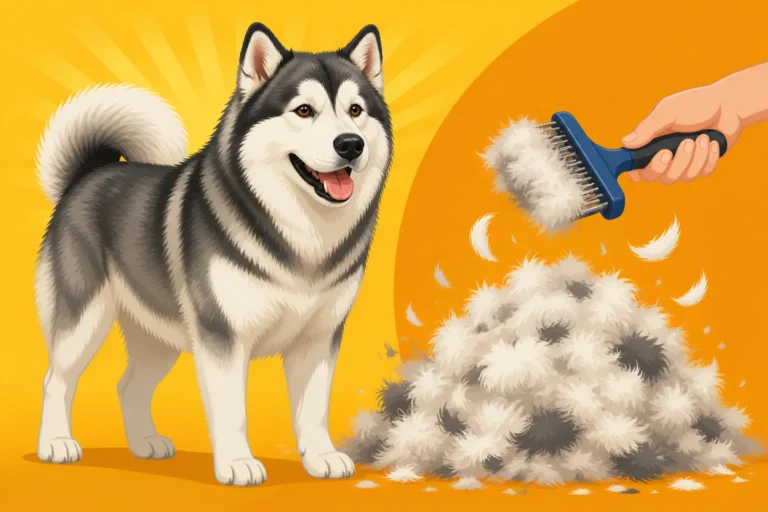
Now, imagine this magnificent coat in a place like Georgia or Texas in July. That same insulating power that keeps them toasty in Alaska becomes a serious heat trap in the humid South. It’s like wearing a heavy winter parka in the middle of summer. You can brush and brush during The Malamute Coat Blow That Fills a Vacuum in an Afternoon, but even with diligent grooming, that undercoat is designed to stay and insulate. This is why you absolutely, under no circumstances, should ever shave a Malamute. While it might seem like a good idea to "cool them off," shaving actually disrupts their natural thermoregulation, exposing their sensitive skin to sunburn and potentially making them less efficient at cooling themselves down in the long run. Their coat, even when dense, helps protect against the sun's harsh UV rays. Please read Why an Alaskan Malamute Must Never Be Shaved for more on this critical point.
Metabolic Efficiency: Designed for Cold, Not Heat
Another key factor is the Malamute's highly efficient metabolism. These dogs were bred to work hard on minimal calories, storing fat and conserving energy to survive harsh conditions. This efficiency, which is a huge advantage in the cold, can lead to quick weight gain in warmer climates if their diet isn't carefully managed. An overweight Malamute is at an even higher risk for overheating because the extra fat acts as an additional layer of insulation and places more strain on their cardiovascular system. It's a cruel irony, but the very traits that made them indispensable companions in the Arctic can make life challenging in the sun-drenched South. Understanding The Efficient Metabolism That Surprises Every New Malamute Owner is crucial for any owner, especially those in warmer regions. They often eat less than you'd expect for their size, and feeding them requires careful calibration.
The Real Dangers of Heat for an Alaskan Malamute in the South
It’s not just about comfort; it's about survival. The dangers of a warm climate for an Alaskan Malamute are very real and can quickly become life-threatening. Owners in Southern states need to be hyper-vigilant because these dogs are simply not equipped to handle prolonged exposure to high temperatures and humidity.
Recognizing the Signs of Overheating and Heatstroke
Heatstroke is an emergency, and it can happen much faster than you think with a Malamute. What might be a warm, pleasant day for you could be deadly for your dog. Early signs of overheating can be subtle, and it's imperative to know what to look for:
- Excessive Panting: While normal, panting that is very rapid, loud, and doesn't subside, especially with heavy drooling, is a major red flag.
- Bright Red Gums or Tongue: This indicates increased blood flow to the surface in an attempt to cool down, but it's a sign their system is working overtime.
- Stumbling or Lack of Coordination: As their body temperature rises, it affects their neurological function. They might appear disoriented or wobbly.
- Vomiting or Diarrhea: These can be signs of internal organ distress.
- Dark Urine: Severe dehydration can lead to dark, concentrated urine.
- Glazed Eyes and a Distant Look: They might seem unresponsive or "out of it."
If you see these signs, especially stumbling or collapse, it is a veterinary emergency. Signs an Alaskan Malamute Is Overheating elaborates on these critical indicators. Time is of the essence. You need to begin cooling efforts immediately and get them to an emergency vet. Our article How to Cool an Overheated Alaskan Malamute offers crucial first-aid steps to take while en route to professional medical care.
Long-Term Health Concerns
Beyond acute heatstroke, chronic exposure to heat and humidity can contribute to other health issues for Malamutes living in the South.
- Respiratory Issues: The very act of panting to cool down can be less efficient in high humidity, as the evaporating moisture doesn't readily leave their body. This can exacerbate any underlying respiratory conditions.
- Skin Problems: The dense coat, combined with humidity, can create a breeding ground for yeast and bacterial skin infections if not meticulously managed. Hot spots, especially during shedding season, can become a nightmare. Regular inspections and proper grooming are vital.
- Cardiovascular Strain: Their heart and circulatory system work harder to try and keep their body temperature down, which can put long-term strain on these organs, particularly in older or less conditioned dogs.
- Dehydration: Constant panting leads to fluid loss, and if not consistently replenished, it can quickly lead to dehydration, stressing their kidneys and other organs.
It’s a constant battle, and one that requires you, the owner, to be their advocate and protector against an environment they were never designed for.
Practical Strategies for Keeping Your Southern Malamute Safe and Comfortable
Living in the South with a Malamute isn't impossible, but it requires a level of dedication and lifestyle adjustment that many people underestimate. It means fundamentally altering your routines and your home environment to prioritize your dog's well-being.
Adapting Your Home Environment
Your house becomes your Malamute's sanctuary from the heat. Air conditioning is not a luxury; it's a necessity.
- Consistent Cool Air: You need reliable air conditioning, and it needs to be running most of the time. This isn't just for a few hours a day; it's a constant need. Many owners find their energy bills significantly higher, and that's just part of the cost of ownership in a warm climate. Consider the impact on your wallet; What Cooling a House for a Malamute Costs in Summer really breaks down these expenses.
- Strategic Fan Placement: In addition to AC, fans can help circulate air and create a "wind chill" effect, though they won't lower ambient temperature. Place them at floor level where your Malamute might choose to rest.
- Cooling Beds and Mats: Invest in pressure-activated cooling mats or elevated beds that allow air circulation underneath. These can make a huge difference in providing a comfortable resting spot. You can find many options on Chewy or Amazon.
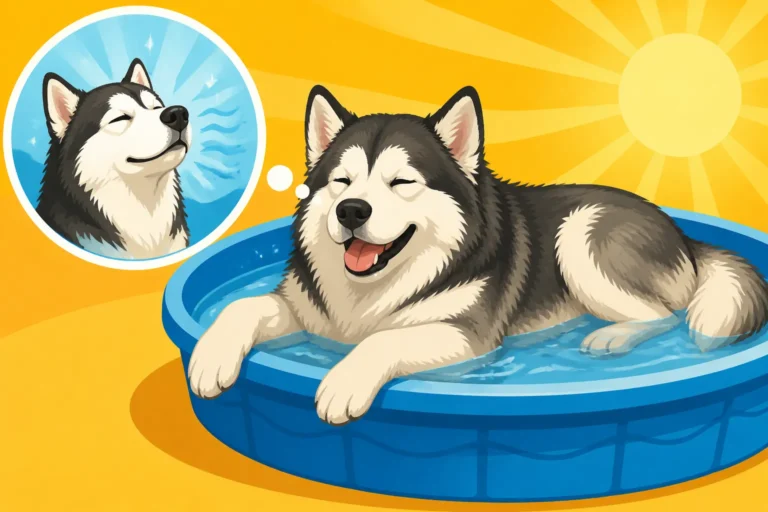
- Kiddie Pools and Sprinklers: For supervised outdoor time, a shallow kiddie pool can be a lifesaver. Many Malamutes love to splash and lie in cool water. Whether an Alaskan Malamute Can Swim is a relevant read here, as not all take to deep water, but most enjoy a shallow wading experience. A gentle sprinkler on a shaded lawn can also offer a quick cool-down opportunity.
- Shade, Shade, Shade: If your Malamute spends any time outside, even briefly, abundant shade is non-negotiable. Large trees, shaded patios, or sturdy sun sails are essential. Concrete and asphalt absorb and radiate heat, so ensure their outdoor area is on grass or a cool, shaded surface.
Remember, The Temperature at Which a Malamute Should Stay Indoors is much lower than you might think for these dogs. When the mercury climbs, they need to be inside.
Adjusting Daily Routines and Exercise
Your schedule will revolve around the sun, or rather, avoiding it.
- Morning and Evening Exercise: Forget midday walks or playtime. All strenuous activity must be relegated to the coolest parts of the day – very early morning, before the sun gains strength, and late evening, after it has set and surfaces have cooled. Even then, keep it short and monitor your dog closely for any signs of discomfort.
- Short, Frequent Potty Breaks: During the hottest hours, outdoor excursions should be limited to quick potty breaks on grass in the shade, then immediately back inside to the cool air.
- Mental Stimulation: When physical exercise is limited by heat, mental enrichment becomes even more critical. Puzzle toys, training sessions indoors, and interactive games can help burn energy and prevent boredom without the risk of overheating. A tired mind is just as important as a tired body for these intelligent dogs.
- Hydration is Key: Always, always have fresh, cool water available. Consider adding ice cubes to their water bowl throughout the day, or offering a large bowl of "pupsicles" (ice cubes with a little bone broth or fruit). When out, carry a portable water bottle and bowl.
Grooming and Nutrition in a Warm Climate
These aspects of care become even more important for a Malamute in the South.
- Constant Grooming: Regular brushing, especially during their bi-annual "coat blow," is vital to remove dead undercoat. This helps improve air circulation through the remaining fur. A good undercoat rake is your best friend. While a groomer can help immensely with deshedding treatments, you'll still be doing daily maintenance at home.
- Balanced Diet: An efficient metabolism means they don't need as much food as you might expect. How Much an Adult Alaskan Malamute Should Eat needs to be carefully monitored to prevent weight gain. Talk to your vet about a diet that supports their health without packing on excess pounds. Some owners find that fresh food options, like those from Ollie, can be very appealing and help maintain a healthy weight. Always choose high-quality food, available from retailers like Chewy or Amazon.
- Supplements: While not directly related to heat, some Malamutes in certain regions might benefit from zinc supplements due to a breed-specific absorption issue, which can manifest as skin problems. This is distinct from heat-related issues but good to be aware of for overall skin health. Check out Zinc Responsive Dermatosis in an Alaskan Malamute for more details.
Making the Decision: Is the South Truly Right for Your Malamute?
This isn't just about whether you can do it, but whether it's truly the best environment for your beloved companion. It requires a brutally honest assessment of your lifestyle, your home, and your commitment.
Assessing Your Lifestyle and Commitment
Bringing a Malamute to the South is a lifestyle choice. It's not something you can casually manage.
- Financial Commitment: Are you prepared for potentially higher electricity bills due to constant AC? Can you afford emergency vet visits for heat-related illnesses, which can be very costly? The costs associated with keeping a Malamute cool can be significant, as highlighted in What Twelve Years With an Alaskan Malamute Comes To.
- Time Commitment: Your free time will be dictated by the weather. Are you willing to wake up before dawn for walks and limit evening activities to ensure your dog gets their exercise? Are you home enough during the day to monitor their comfort and provide indoor stimulation? If you work long hours away from home, leaving a Malamute in a potentially warm house (even with AC) can be risky.
- Flexibility and Adaptability: You need to be flexible. Plans for outdoor gatherings or long hikes might need to be canceled or drastically altered if the temperature spikes. Your Malamute's well-being must be your top priority.
It’s important to understand that What an Alaskan Malamute Needs Every Day includes not just physical exercise but also mental enrichment and proper environmental management.
Considering the Dog's Quality of Life
Ultimately, this decision comes down to your Malamute's quality of life. While they are incredibly adaptable and devoted companions, are you truly providing them with an environment where they can thrive, or merely exist?
Ask yourself:
- Will my Malamute genuinely be happy, active, and comfortable, or will they spend most of the summer simply trying to cope with the heat?
- Am I preventing them from engaging in activities they were bred for and would naturally enjoy, such as long treks and vigorous outdoor play, because of climate limitations?
- Am I truly able to mitigate all the risks, or am I constantly on edge, worrying about their health?
It's a heavy question, but one that every prospective or current Malamute owner in a warm climate must confront. While it is possible to raise a Malamute in the South with immense dedication, it takes a monumental effort. For some, the ideal home environment might simply not be in a hot, humid climate. It’s about being realistic and putting the dog's needs first. Whether an Alaskan Malamute Belongs in a Warm Climate delves deeper into these ethical considerations.
| Aspect | Living in the Arctic/Cold Climate | Living in the South/Warm Climate |
|---|---|---|
| Coat Function | Optimal insulation, protection from cold and elements | Heat trap, risk of overheating |
| Exercise | Free to work and play vigorously outdoors for extended periods | Restricted to very early morning/late evening, often shorter |
| Natural Instincts | Can engage in pulling, exploring in suitable conditions | Many natural activities severely curtailed due to heat |
| Hydration Needs | Normal daily intake | Significantly higher, constant monitoring crucial |
| Grooming Effort | Regular, but less critical for immediate heat management | Intensive, essential for air circulation and skin health |
| Home Environment | Minimal cooling needs, often enjoys outdoor access | Constant, reliable air conditioning and indoor cooling solutions |
| Health Risks | Less prone to heatstroke, more to frostbite (if neglected) | High risk of heatstroke, chronic skin issues, cardiovascular strain |
| Owner Lifestyle Impact | Can enjoy many outdoor activities with dog | Lifestyle heavily dictated by temperature and humidity |
| Quality of Life | Generally high, aligns with natural design | Can be lower without extreme owner dedication and resources |
Disclaimer
This article is for general informational purposes only and does not constitute professional advice. Laws, prices and regulations vary by location and change over time. Consult a qualified professional for guidance on your specific situation.