How Much Cooling a Malamute Household Needs
One of the most profound challenges you'll face as an Alaskan Malamute owner, especially if you don't live in a perpetually cold climate, is keeping your beloved companion comfortable and safe when the mercury rises. It's a constant, nagging worry for many, knowing their heavily coated friend isn't built for heat, and the question of "how much" cooling is enough can feel overwhelming. This guide is here to break down exactly what your Malamute household needs to thrive, even when summer decides to stick around for far too long.
Understanding the Malamute's Unique Needs in Warm Climates
Let's be honest, our Malamutes are magnificent creatures, but they are absolutely engineered for cold. Their entire physiology, from their dense double coat to their efficient metabolism, screams "Arctic survival." When the world heats up, they struggle in ways most other breeds simply don't. This isn't just about discomfort; it's about their very survival.
The Arctic Coat: A Double-Edged Sword
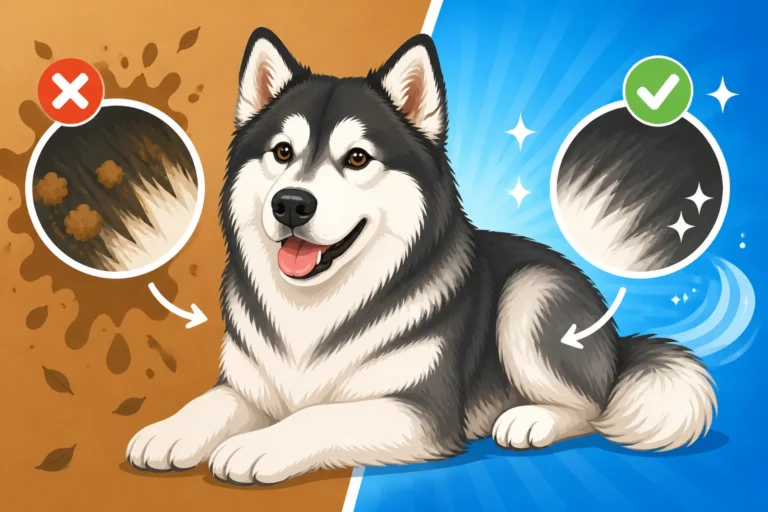
That glorious, thick double coat, the one that makes them look like majestic wolves of the north, is a phenomenal insulator against the cold. It traps warm air close to their body, protecting them from icy winds and frigid temperatures. However, this same insulating power becomes their greatest vulnerability in warm weather. Instead of keeping them warm, it traps their own body heat inside, making it incredibly difficult for them to cool down. You might be tempted to shave it, but please, resist that urge! Shaving a Malamute can actually make them more susceptible to heatstroke and sunburn, and often, their coat doesn't grow back correctly, losing its protective qualities. It's a common misconception, but their coat provides a natural barrier against the sun's direct rays, and without it, they're exposed.
Why Malamutes Struggle When Temperatures Rise
Beyond the coat, Malamutes have a relatively narrow range of comfortable temperatures. Their ancestors lived in regions where average temperatures were far below what many of us experience for months out of the year. They don't sweat efficiently like humans; instead, they rely primarily on panting to exchange heat. When the ambient air temperature is close to or even higher than their body temperature, panting becomes far less effective. They also have a lower surface-area-to-volume ratio compared to leaner, short-haired breeds, meaning less skin surface to radiate heat away. This combination of factors means that even what might feel like a mild summer day to you can be a significant thermal challenge for your Malamute. Summer Is the Season That Kills Alaskan Malamutes is not an exaggeration, it's a stark reality we must prepare for.
Recognizing the Signs of Overheating
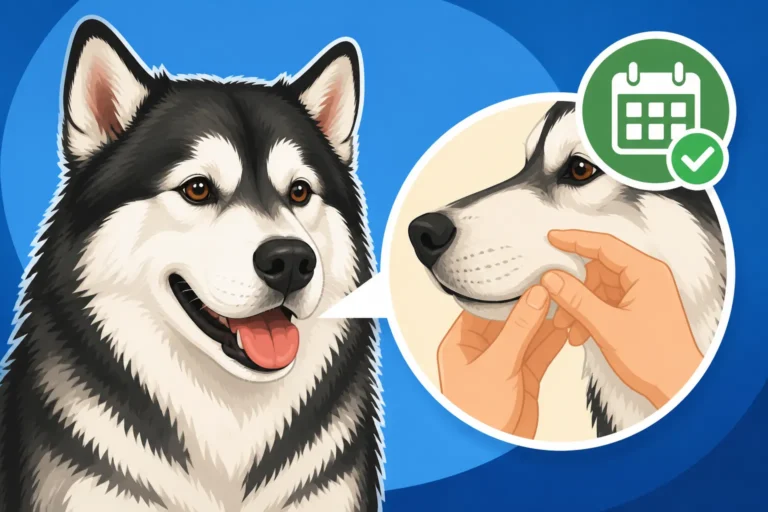
Before we dive into solutions, it's absolutely vital to recognize when your Malamute is in distress. Early intervention can be life-saving. Mild signs might include heavy panting, seeking shade, and a general reluctance to move. As it progresses, you might see bright red gums, excessive drooling, glazed eyes, a rapid heart rate, and wobbly legs. In severe cases, they can collapse, have seizures, or lose consciousness. Don't wait for these extreme symptoms. If you notice persistent heavy panting, especially if it seems out of proportion to their activity level, get them to a cooler environment immediately. Being proactive about their comfort and knowing Signs an Alaskan Malamute Is Too Hot can make all the difference.
Designing an Effective Home Cooling Strategy
Given their unique needs, simply turning on a fan might not cut it. You need a multi-faceted approach to truly make your home a haven for your Malamute. This often means thinking about your entire living space and how you can manipulate the environment to their advantage.
Optimizing Your Indoor Environment
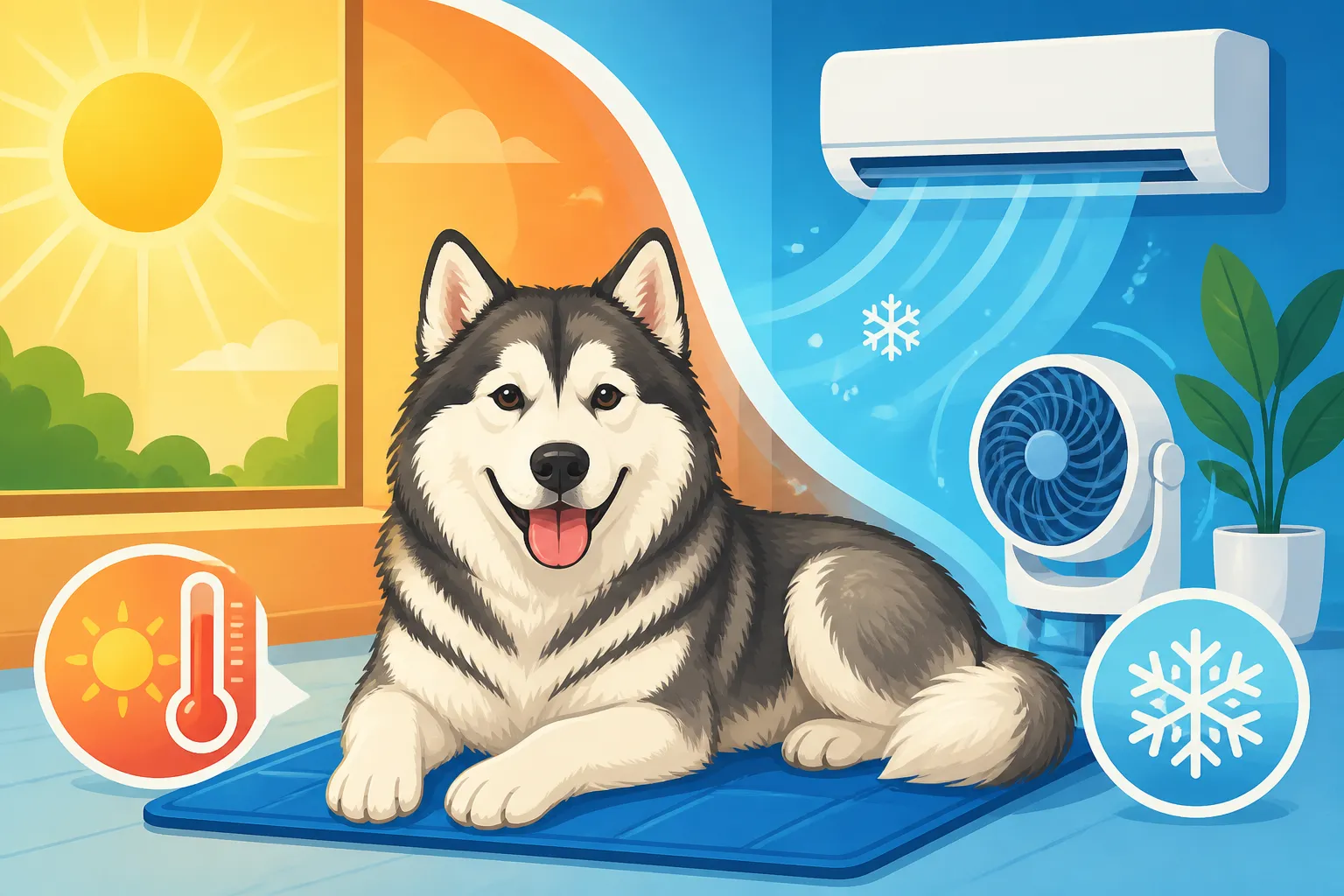
Your primary line of defense against heat should be your indoor environment. Air conditioning is, without a doubt, the most effective tool. Ideally, you want to keep your indoor temperature comfortably cool, often much cooler than you might keep it for yourself, especially during the hottest parts of the day. A general guideline is to keep it below 75°F (24°C), and even lower if possible. Some owners find their Malamutes are truly comfortable only when the indoor temperature is closer to 70°F (21°C) or even slightly below, particularly for dogs who are active or larger. Remember, The Temperature at Which a Malamute Should Stay Indoors is often lower than what you might consider comfortable.
Beyond the thermostat, consider air circulation. Ceiling fans, even if they don't lower the air temperature, can create a feeling of coolness by moving air over your Malamute's body. If you don't have central air, consider investing in a portable air conditioner for the room your Malamute spends most of its time. Keep blinds and curtains drawn during the day to block direct sunlight, which can significantly heat a room. Ensure there's always access to multiple bowls of fresh, cool water; adding ice cubes can encourage them to drink more.
Creative Solutions Beyond Air Conditioning
Not everyone has robust central air conditioning, or the budget to run it constantly at Arctic levels. Don't despair! There are many supplementary strategies that can make a huge difference. Elevated dog beds, often made with mesh fabric, allow air to circulate underneath your Malamute, preventing heat from building up where they lie. Ceramic tiles or stone floors can provide a naturally cool surface for them to stretch out on. Some Malamutes absolutely adore lying on a wet towel or even in a kiddie pool filled with a few inches of water. Why a Malamute Lies in a Kiddie Pool for Hours isn't just about fun, it's instinctual cooling.
You can also create a "cooling station" for them. This might involve a shaded, tiled area in your home with a large fan blowing over a bowl of ice or a frozen two-liter bottle of water, which helps slightly cool the air. Wetting down their paws and belly with a damp cloth can also offer temporary relief. For owners with larger homes or outdoor space, a dedicated, shaded kennel run with a mistersystem or a perpetually filled kiddie pool can be a lifesaver, but always ensure they have indoor access during peak heat.
Managing Outdoor Exposure Safely
While Malamutes love being outdoors, their time outside needs to be severely restricted when temperatures climb. Avoid walks, training, or strenuous play during the hottest parts of the day. This usually means no significant outdoor activity from late morning until well into the evening, sometimes not until after sunset in very hot climates. Early morning hours are generally the safest. Even then, keep walks short and watch for any signs of discomfort. Concrete and asphalt can heat up to dangerous temperatures, burning their paw pads, so always test the pavement with your hand before walking them. If it's too hot for your bare hand, it's too hot for their paws.
When they are outside, ensure constant access to deep shade and fresh, cool water. A heavy-duty kennel with a roof and sides that block direct sun, perhaps even a cooling fan, is essential. Never, ever leave a Malamute unattended in a car, even with the windows cracked, as interior temperatures can skyrocket in minutes, with fatal consequences. How Long an Alaskan Malamute Can Be Outside at Ninety Degrees should be measured in minutes, not hours, and preferably, they should not be out there at all.
Essential Cooling Products and Resources
Modern pet product markets offer a vast array of tools designed to help dogs cope with heat. While some are gimmicks, many can genuinely contribute to your Malamute's comfort. Knowing what's available and where to find it is key.
Dedicated Cooling Gear for Your Malamute
One of the most popular and effective pieces of gear is a cooling mat. These mats contain a gel that activates when pressure is applied, providing a cool surface for your dog to lie on. They don't require refrigeration or electricity, making them very convenient. Brands like Green Pet Shop and Arf Pets offer various sizes, readily available through retailers like Chewy or Amazon. Make sure to get one large enough for your Malamute to fully stretch out on.
Cooling vests or bandanas are another option. These can be soaked in cold water, wrung out, and then worn by your dog. As the water evaporates, it creates a cooling effect. While they won't replace a cool environment, they can offer temporary relief during a quick potty break or a short, early morning walk. Again, you'll find a wide selection on Chewy or Amazon, featuring various designs and materials specifically tailored for larger, thick-coated breeds. Which Cooling Gear Reaches a Malamute Through Its Coat is a crucial consideration; these products work best with direct contact to the skin or by actively wicking heat away.
For those who rely on fans, investing in high-velocity box fans or even industrial-strength fans can be beneficial, as they move a larger volume of air more effectively than small household fans. Some owners even use cooling crates, which are essentially standard crates with attached fans to enhance air circulation within.
Leveraging Online Retailers for Cooling Solutions
Online retailers are a treasure trove for finding specialized cooling equipment. Websites like Chewy offer an extensive range of cooling mats, elevated beds, water fountains (to encourage hydration), and even specially formulated treats that can be frozen. Amazon is another excellent resource, often featuring a broader selection of third-party products, including unique cooling apparel or outdoor shade structures specifically designed for pets. When shopping, always read reviews from other large dog owners, especially those with double-coated breeds, to ensure the product's effectiveness for your Malamute's specific needs. Look for durable, easy-to-clean items that can withstand a Malamute's curiosity.
Consider items like larger water bowls made of stainless steel (which stays cooler than plastic), or automated water dispensers that ensure a constant supply of fresh water throughout the day. You might also find portable misters or powerful outdoor fans that can be placed in a shaded area of your yard for limited, supervised outdoor time.
Considering Professional Help or Relocation
For some Malamute owners, particularly those living in extremely hot and humid climates, maintaining a safe environment can become an overwhelming struggle. If you find your Malamute consistently showing signs of heat stress despite your best efforts, it might be time to consider more drastic measures. This could involve consulting with a veterinarian who specializes in Arctic breeds or sports medicine, who can offer tailored advice and medical assessments. In some cases, a discussion about Whether an Alaskan Malamute Belongs in a Warm Climate might be necessary, and for some, the difficult decision of relocating to a cooler region or finding a suitable, cooler foster home might become a consideration.
This isn't to say Malamutes can't live in warmer climates, but it places an immense responsibility and financial burden on the owner to create an artificial Arctic environment for them. It requires constant vigilance and significant investment in cooling solutions, making it a lifestyle commitment rather than a casual ownership choice.
The Financial Implications of Keeping a Malamute Cool
Let's face it, providing a cool, safe environment for an Alaskan Malamute in warmer climates isn't cheap. It's a substantial financial commitment that needs to be factored into the overall cost of ownership. This isn't just about initial purchases; it's about ongoing expenses that can fluctuate significantly with the seasons.
Budgeting for Increased Utility Costs
The most significant ongoing expense for many will be their electricity bill. Running air conditioning at lower temperatures for extended periods, especially during summer months, will undoubtedly lead to higher energy consumption. This isn't just a slight increase; it can be hundreds of dollars more per month in peak summer for a large home keeping multiple rooms consistently cool. What Keeping a Malamute Cool Adds to a Power Bill is a very real concern for responsible owners.
It’s prudent to budget for these elevated costs, perhaps by setting aside a specific amount each month to offset the higher summer bills. Consider looking into energy-efficient appliances, sealing drafts in your home, and ensuring your insulation is up to par to help minimize the impact. While these upfront investments might seem steep, they can lead to significant savings on your utility bills over time.
The Investment in Long-Term Comfort and Health
Beyond utility bills, there's the cost of cooling products themselves. A good quality cooling mat can run a fair bit, and if you need multiple for different areas of the house or as backups, that adds up. Elevated beds, heavy-duty fans, and kiddie pools also represent investments. Then there are the potential emergency vet bills if, despite all your efforts, your Malamute succumbs to heat stress. Treating heatstroke is an expensive and often critical medical emergency, far surpassing the cost of preventive measures.
When you're acquiring a Malamute, especially in a non-Arctic climate, you must view these cooling provisions not as optional luxuries, but as essential components of their care. It’s part of the responsible ownership commitment. What Summer Cooling Gear Costs a Malamute Owner should be part of the initial budget, not an afterthought. Consider creating a dedicated "Malamute Comfort Fund" as part of your overall How Much a Malamute Owner Should Bank Each Month to cover these specific seasonal needs and any potential heat-related emergencies.
Weighing the Pros and Cons of Cooling Methods
When considering different cooling methods, it's a balance between effectiveness, cost, and practicality. Air conditioning is the most effective but also the most expensive in terms of ongoing utility costs. Fans are less effective at lowering ambient temperature but great for air circulation and much cheaper to run. Cooling mats and vests are excellent supplementary tools, offering targeted relief, and are generally a one-time purchase, but they don't cool an entire room.
| Cooling Method | Effectiveness (Malamute Comfort) | Cost (Initial) | Cost (Ongoing) | Practicality |
|---|---|---|---|---|
| Air Conditioning (AC) | High | Moderate/High | High | High |
| High-Velocity Fans | Moderate | Low/Moderate | Low | High |
| Cooling Mats | Moderate/High (localized) | Moderate | None | High |
| Elevated Dog Beds | Moderate | Low | None | High |
| Kiddie Pool/Wet Towels | Moderate (temporary/localized) | Very Low | Low (water) | Moderate |
| Restricting Outdoor Time | High (preventative) | None | None | High |
Ultimately, the best approach is a combination of methods tailored to your specific home, climate, and budget. It’s an ongoing process of monitoring your Malamute, observing their comfort levels, and being prepared to adjust your cooling strategy as needed. Your Malamute relies on you to create a world where they can thrive, even when their natural adaptations clash with their environment.
Disclaimer
This article is for general informational purposes only and does not constitute professional advice. Laws, prices and regulations vary by location and change over time. Consult a qualified professional for guidance on your specific situation.