How Rarely an Alaskan Malamute Needs a Bath
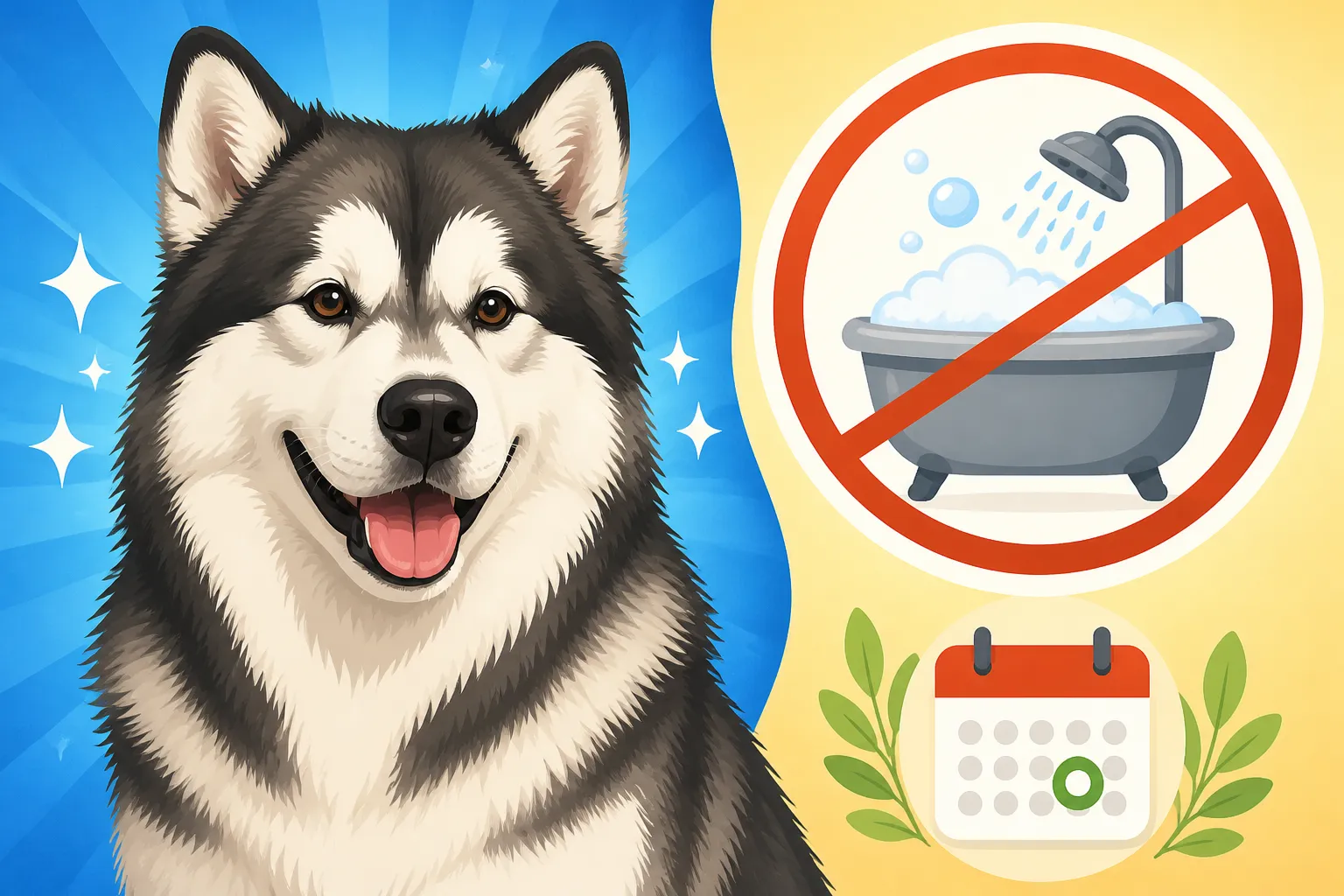
Many new Alaskan Malamute owners look at that magnificent, fluffy double coat and assume it needs constant washing, perhaps like a pampered lapdog or a retriever that loves to roll in anything wet and stinky. But the truth is, over-bathing an Alaskan Malamute is one of the biggest mistakes you can make, stripping their natural oils and potentially harming their skin. This guide will walk you through exactly how infrequently your Malamute truly needs a bath, explaining why their unique coat is designed to keep itself remarkably clean, and when it's truly time to get out the shampoo.
Understanding the Alaskan Malamute's Incredible Coat
The Alaskan Malamute's coat is a marvel of natural engineering, perfectly adapted for the harsh Arctic conditions it was developed in. This isn't just fluffy fur; it's a sophisticated, self-maintaining system designed to repel water, dirt, and extreme cold. Understanding its structure is key to knowing why traditional bathing schedules just don't apply.
The Double-Layered Insulation System
Unlike many breeds, a Malamute boasts a dense, luxuriant double coat that serves multiple critical functions. There's the stiff, coarse outer layer, known as guard hairs, and then a thick, woolly undercoat beneath it. These two layers work in tandem to create an insulating barrier that keeps them warm in freezing temperatures and surprisingly helps regulate their body temperature in cooler summer conditions.
The guard hairs are the protectors. They're naturally somewhat oily and coarse, designed to shed water and dirt. Think of them like a rain slicker for your dog. When your Malamute rolls in mud, often much of it will simply dry and flake off these guard hairs with a good shake or a quick brush. They don't absorb moisture readily, which means dirt struggles to adhere deeply. Underneath, the undercoat is incredibly dense and soft, providing the bulk of the insulation. It’s what gives them that plush, cuddly feel, but it's also where things can get tricky if it becomes waterlogged and isn't dried properly. This complex system is the main reason why a Malamute's coat possesses such remarkable self-cleaning properties, an inheritance from their ancient working lineage where constant grooming by humans wasn't an option.
The Self-Cleaning Mechanism and Natural Oils
One of the most surprising aspects for new Malamute owners is just how little they actually smell and how easily dirt seems to vanish. This isn't magic; it's by design. The guard hairs, with their natural oils, act as a protective barrier that actively repels grime. Mud, dust, and even some sticky substances often dry and simply fall away, or can be easily brushed out once dry. Their coat is remarkably efficient at staying clean on its own.
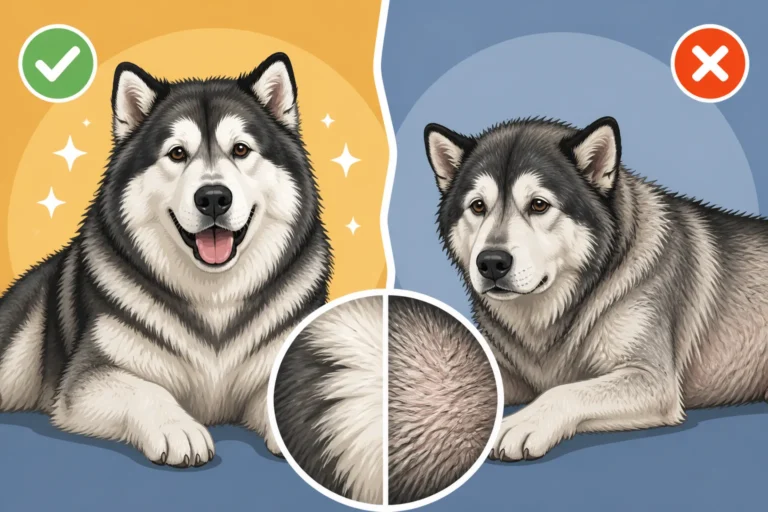
These natural oils are crucial for coat health and function. They keep the skin moisturized, prevent dryness and irritation, and contribute to the coat's water-repellent qualities. Every time you bathe a Malamute with shampoo, especially harsh ones, you strip away these essential oils. While the body will eventually replenish them, repeated stripping can lead to dry, itchy skin, dandruff, and compromise the coat's natural protective abilities. It's a delicate balance, and often, less is more when it comes to bathing a Malamute. Many owners find that a regular, thorough brushing is far more effective and less damaging than frequent baths. How Often an Alaskan Malamute Needs Brushing delves deeper into the ideal brushing routine for this breed.
When a Bath Truly Becomes Necessary for Your Malamute
Given their self-cleaning nature, you might wonder when a bath is ever warranted. The truth is, it's usually only for specific circumstances that go beyond simple dirt or shedding. Understanding these scenarios can save you from unnecessary bathing and the potential problems it can cause.
The "Oh No!" Moments: When Dirt Goes Beyond Brushing
Let’s be real, no matter how self-cleaning their coat is, some things are just… gross. If your Malamute rolls in something truly offensive – think rotting animal matter, stagnant pond sludge, or perhaps an unfortunately placed patch of manure – then a bath is absolutely necessary. This isn't about cleanliness; it's about hygiene and odor control. No amount of brushing will get that smell out!
In these "oh no!" moments, you're not just dealing with surface dirt; you're dealing with substances that are either noxious, potentially infectious, or simply too ingrained for a brush to handle. It's important to use a dog-specific shampoo, preferably a gentle one, to address the immediate problem without over-stripping their skin. You want to clean the offending substance, not give a deep scrub to their entire coat unless absolutely necessary. For serious matted mud or tar, sometimes a targeted wash of the affected area is enough, followed by a thorough drying.
Addressing Skin Issues or Persistent Odors
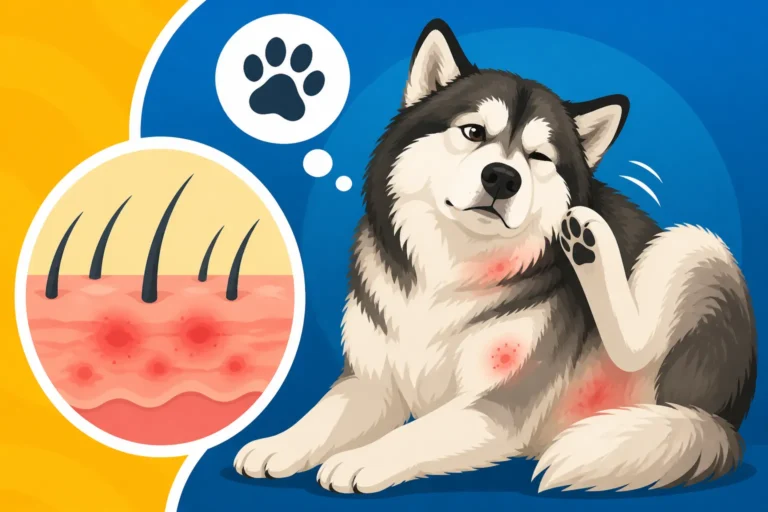
Sometimes, a persistent, unpleasant odor isn't just about what your Malamute rolled in; it can be a sign of an underlying skin issue. If your Malamute consistently smells "off" despite being clean, or if you notice skin irritation, excessive scratching, redness, or crusting, it's time to investigate. These could be indicators of conditions like bacterial or yeast infections, or even a nutritional deficiency. What Zinc Responsive Dermatosis Looks Like on a Malamute and Where a Malamute's Zinc Lesions Appear First explain specific skin issues common in the breed.
In these cases, your veterinarian might recommend a specific medicated shampoo. This isn't just a bath; it's a treatment. Follow your vet's instructions carefully regarding frequency and application. For example, some medicated shampoos need to stay on for a certain amount of time to be effective. Outside of a prescribed medicated bath, if a persistent odor simply won't budge after a regular bath, it's definitely a sign to consult your vet. A general, all-purpose shampoo might temporarily mask a scent, but it won't solve the root cause of a fungal or bacterial overgrowth.
During a Major Coat Blow
Ah, the infamous Malamute coat blow! This is less about getting clean and more about managing the sheer volume of shedding undercoat. While a bath can help loosen some of that dead hair, it's not the primary solution. Think of it as an assist to your brushing efforts, not a replacement. A warm bath can help open up the hair follicles and allow some of that dense, shed undercoat to release more easily.
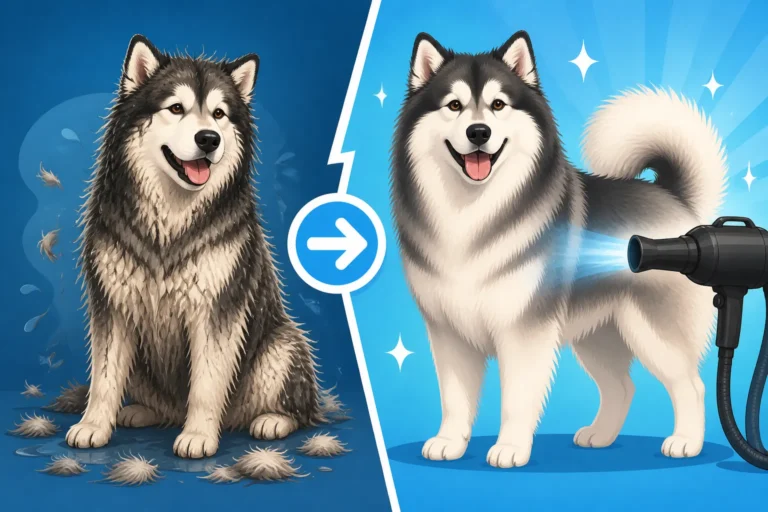
If you choose to bathe during a coat blow, it's crucial to follow up with an extremely thorough drying using a high-velocity force dryer. This powerful tool (you can find good ones on Amazon or Chewy) is invaluable for Malamute owners. It literally blasts the water out of the undercoat and helps blow out even more loose hair. Simply air-drying or towel-drying isn't enough for a Malamute during a blow, as a damp undercoat can lead to skin issues or hot spots. Remember, the goal here is to help manage the shedding, not necessarily to deep clean the coat. The Malamute Coat Blow That Fills a Vacuum in an Afternoon offers more details on this seasonal event.
The Risks and Downsides of Over-Bathing Your Double-Coated Breed
While the thought of a freshly shampooed Malamute might sound appealing, bathing too often can actually do more harm than good. Their unique coat, designed for extreme environments, reacts poorly to frequent stripping of its natural defenses.
Stripping Essential Oils and Causing Skin Irritation
As we touched upon, a Malamute's coat relies on natural oils to maintain its health and protective properties. These oils are your dog's first line of defense against environmental irritants, dryness, and even some parasites. When you frequently bathe your Malamute, especially with harsh detergents or shampoos not specifically formulated for dogs, you strip away these vital oils.
The immediate consequence can be dry, flaky, itchy skin. Imagine washing your hair with dish soap every day – it would be a disaster! Your Malamute's skin is no different. This dryness can lead to incessant scratching, which can then break the skin barrier, making it vulnerable to secondary bacterial or yeast infections. It’s a vicious cycle that starts with a seemingly innocent bath. Instead of preventing problems, over-bathing often creates them, leading to discomfort for your dog and vet visits for you. Which Shampoo Suits a Malamute's Zinc Prone Skin provides guidance on choosing appropriate bathing products.
Impact on Coat Health and Water Repellency
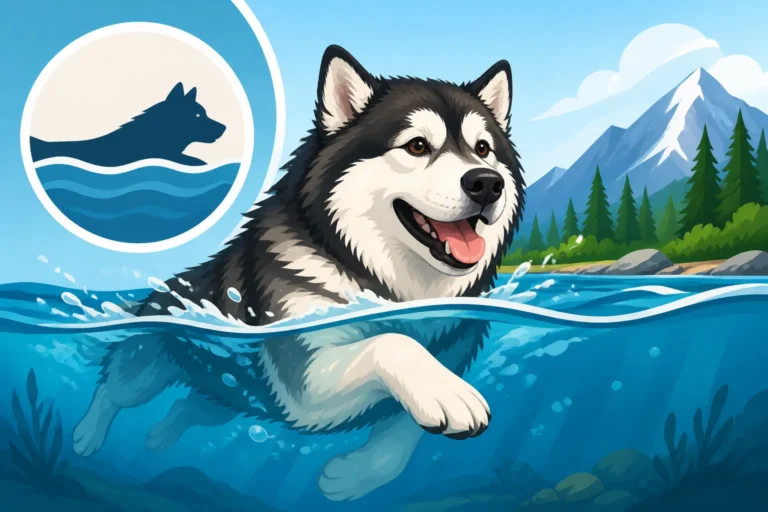
Beyond skin irritation, over-bathing directly compromises the integrity and functionality of the Malamute's coat itself. The natural oils in the guard hairs are what give them their water-repellent qualities. Think about how ducks or other waterfowl shed water effortlessly – it’s due to naturally oily feathers. A Malamute's coat works similarly. When these oils are stripped, the guard hairs become more porous and less effective at repelling moisture.
This means that if your Malamute then gets wet, their coat will absorb more water, taking longer to dry and potentially leading to a chilled dog or skin problems from prolonged dampness. Furthermore, the constant stripping and re-oiling cycle can damage the hair shafts, leading to a duller coat, more breakage, and less of that distinctive Malamute sheen. You're inadvertently working against thousands of years of natural selection that created a perfectly functional coat. Maintaining its natural state is far more beneficial than trying to achieve an artificial level of "cleanliness" with frequent washes. Many Malamute owners swear by the idea that a truly healthy Malamute coat is a naturally clean one. Whether an Alaskan Malamute's Coat Is Self Cleaning further explores this fascinating aspect.
The Challenge of Thorough Drying
This is perhaps one of the biggest practical downsides to bathing a Malamute, and one that many new owners underestimate. Their dense undercoat, designed to trap air for insulation, also traps water. Getting a Malamute thoroughly dry after a bath isn't just a matter of a quick towel rub. If you don't dry them completely, especially down to the skin, you're creating a prime breeding ground for bacteria and yeast. This damp, warm environment can quickly lead to painful hot spots, skin infections, and a foul odor that no amount of shampoo will fix.
Towel drying alone is almost always insufficient. Even a strong blow dryer for human hair can struggle to penetrate the thick undercoat. This is why a high-velocity force dryer is an indispensable tool for any Malamute owner who plans to bathe their dog. These powerful dryers literally push water out of the coat and fluff up the hair, allowing air to circulate. Without one, you're looking at hours of drying time, or worse, leaving your dog prone to discomfort and skin issues. It's a significant commitment that often makes owners reconsider the necessity of frequent baths. You can find excellent options for these types of dryers on online pet supply retailers like Chewy or Amazon.
Best Practices for Malamute Coat Care: Less is Often More
Instead of focusing on how often to bathe, shift your mindset to proactive coat maintenance. For an Alaskan Malamute, the philosophy of "less is more" truly applies when it comes to wet baths.
The Power of Regular Brushing and Spot Cleaning
Your primary grooming tool for an Alaskan Malamute should always be a good brush, not a bathtub. Regular, thorough brushing is the cornerstone of Malamute coat care. It removes loose fur, distributes natural oils, prevents matting (especially behind the ears, under the legs, and in the "pants" area), and helps shed surface dirt and debris. During a major coat blow, you might be brushing daily, sometimes for hours. How Often an Alaskan Malamute Needs Brushing provides an in-depth guide to frequency and technique.
For everyday grime that isn't a biohazard, spot cleaning is your best friend. Did they get muddy paws? Wipe them down with a damp cloth. Rolled in a little dirt? Let it dry and then brush it out. Many Malamutes enjoy rolling in snow, which acts as a fantastic natural cleaner, lifting dirt from their coat without stripping oils. A dry shampoo designed for dogs can also be a good option for freshening up between baths, helping to absorb excess oil and neutralize odors without wetting the coat. Keeping a good selection of brushes and a strong force dryer in your grooming arsenal, available from retailers like Chewy, will serve you far better than a cupboard full of various dog shampoos.
Strategic Bathing: When and How to Bathe Properly
When a bath is truly necessary, approach it strategically to minimize stress for your Malamute and reduce potential coat issues. Aim for bathing only a few times a year – perhaps one or two major baths during their heavy coat blow periods to help loosen dead fur, and then emergency washes for those truly disgusting "oh no!" moments. For example, if your Malamute dives headfirst into something foul, you might only need to bathe the head and neck, not the entire body.
When you do bathe:
- Brush first: Always give a thorough brush before the bath to remove as much loose hair and surface dirt as possible. This makes the shampoo more effective and prevents mats from tightening when wet.
- Use appropriate shampoo: Opt for a gentle, pH-balanced dog shampoo. Some owners even use specialized deshedding shampoos during coat blow to help the process along. Avoid human shampoos entirely.
- Rinse thoroughly: This is absolutely critical. Any shampoo residue left in that thick undercoat can cause skin irritation and flakiness. Rinse, rinse, and then rinse again until the water runs completely clear and you can feel no slickness on the coat.
- Dry completely: As mentioned, a high-velocity force dryer is essential. Take your time, working in sections, to ensure every layer of that double coat is bone dry. This prevents skin issues and hot spots. You can find high-quality force dryers and appropriate shampoos for Malamutes on sites like
Amazonor through specialty pet retailers.
Table: Malamute Coat Care at a Glance
To summarize, here's a quick reference for common coat situations and the best approach:
| Situation | Recommended Action | Frequency | Tools | Notes |
|---|---|---|---|---|
| Routine Maintenance | Thorough brushing to remove loose hair, distribute oils. | 2-3 times per week, daily during blow | Undercoat rake, slicker brush, force dryer | Essential for coat health, prevents mats. Which Tools a Malamute Owner Buys Once |
| Light Dirt/Dust | Let dry, then brush out thoroughly. Spot clean with damp cloth. | As needed | Bristle brush, damp cloth, dry shampoo | Avoids stripping natural oils. |
| Heavy Mud (dried) | Allow to dry completely, then brush out aggressively. | As needed | Stiff brush, undercoat rake, force dryer | Mud often flakes off. Only bathe if brushing fails. |
| "Gross" Substance (odor, sticky) | Full bath with gentle dog shampoo, targeted washing. | Rarely, emergency only | Dog shampoo, force dryer, towels | Prioritize hygiene and odor removal. |
| Persistent Odor/Skin Issue | Consult veterinarian for diagnosis and medicated shampoo. | As prescribed | Medicated shampoo, vet guidance | Could indicate underlying health problem. Whether a Malamute's Skin Smells When Infected |
| Major Coat Blow | Daily vigorous brushing. Optional bath with force dryer. | 1-2 times per year | Undercoat rake, force dryer, deshedding shampoo | Bath aids shedding; drying is paramount. What a Force Dryer Does for a Malamute's Coat Blow |
| Cold Weather/Snow | Allow to air dry naturally after rolling in snow. | N/A | None (snow is a natural cleaner!) | Snow helps clean and deodorize the coat. |
By adopting these practices, you'll find that your Alaskan Malamute's coat remains healthy, clean, and beautiful with far less fuss than you might initially imagine. Focus on maintaining their natural defenses, and your Malamute will thank you for it with a plush, functional, and surprisingly low-maintenance coat.
Disclaimer
This article is for general informational purposes only and does not constitute professional advice. Laws, prices and regulations vary by location and change over time. Consult a qualified professional for guidance on your specific situation.