Why a Malamute Pulls Slowly Rather Than Fast
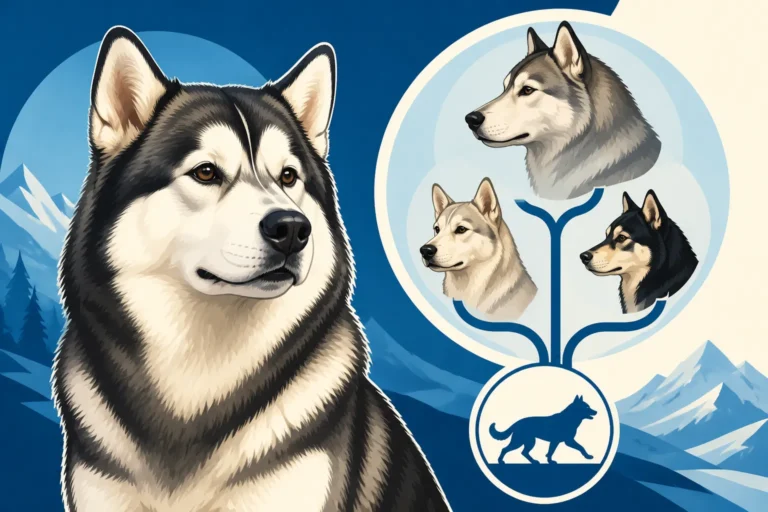
Many new Alaskan Malamute owners, seeing the stunning sled dog image, often wonder why their powerful companion isn't quite the blur of speed they might have envisioned on the trail. The truth is, your Malamute isn't designed for speed; they were bred for something far more grueling and impressive: endurance freighting. This guide will delve into the profound historical, physical, and temperamental reasons why your Malamute naturally prefers a steady, powerful pull over a fast dash, helping you understand and celebrate their unique working heritage.
The Malamute's Historical Purpose: A Legacy of Endurance
To understand why an Alaskan Malamute pulls slowly, you first need to look back at their origins. These magnificent dogs weren't created for the thrill of a race, but for the stark realities of survival and sustenance in one of the harshest environments on Earth. Their entire being is a testament to the ingenuity and needs of the people who developed them.
Origins with the Mahlemut People
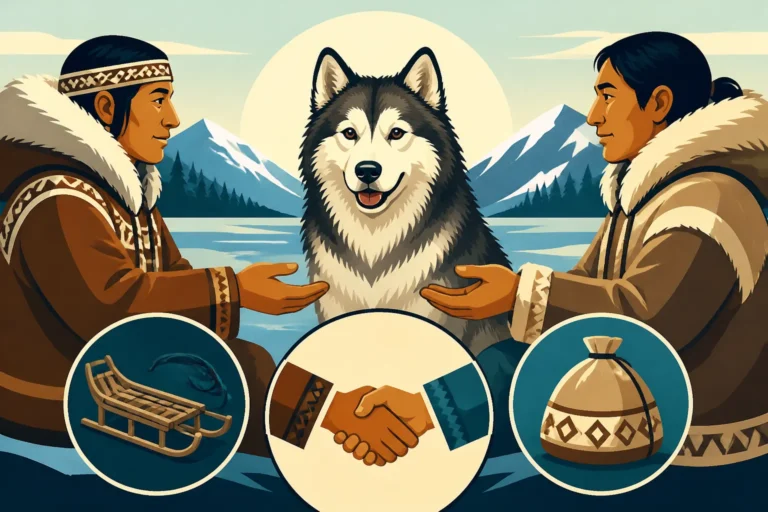
The Alaskan Malamute's story is deeply intertwined with the Mahlemut Inuit people of Alaska's Kotzebue Sound region, a place of unforgiving cold and vast, challenging landscapes. These were not dog racing enthusiasts; they were a community dependent on their dogs for survival. The dogs had to be strong, tireless, and intelligent partners, capable of contributing to every aspect of daily life. They were used to haul heavy loads of seal, caribou, and other game back to the village, transport supplies, and even aid in hunting large prey. The sheer volume and weight of these necessities demanded a specific type of dog – one built for power and resilience, not breakneck speed. Think about what it takes to consistently move hundreds of pounds across frozen tundra day after day; it's a marathon, not a sprint. The Mahlemut of Kotzebue Sound Bred the Alaskan Malamute is a great resource to learn more about this incredible history.
Freighting, Not Racing
This core purpose of freighting, or hauling heavy loads over long distances, shaped every aspect of the Malamute. Imagine needing to bring a freshly hunted seal, weighing hundreds of pounds, back to your village across miles of snow and ice. You wouldn't want a dog that sprints for a few miles and then collapses. You'd need a dog that could maintain a steady, powerful pace for hours on end, without faltering. The Mahlemut people selectively bred for these traits: immense strength, incredible endurance, a thick insulating coat, and a calm, cooperative temperament. This is a fundamental difference between the Alaskan Malamute and the lighter, faster breeds often associated with competitive sled racing today. When we talk about Freight, Not Speed: What Separates a Malamute From a Racing Dog, this historical context is everything. Their true glory lies in their ability to endure.
The Gold Rush and Breed Preservation
The Klondike Gold Rush in the late 19th and early 20th centuries brought an influx of prospectors to Alaska, desperate for working dogs. Many valuable freighting dogs, including early Malamute types, were crossbred with faster, smaller dogs in a misguided attempt to create faster teams for racing and light hauling. This period nearly diluted the Malamute's unique characteristics. Thankfully, dedicated enthusiasts recognized the unique value of the pure Mahlemut dog and began efforts to preserve the original type, emphasizing their strength, endurance, and traditional pulling style. They understood that the slow, steady pull was a feature, not a bug, ensuring the breed's survival and its role as Alaska's state dog.
Physical Adaptations for Slow, Steady Pulling
The Alaskan Malamute's physical structure is a masterpiece of natural selection and deliberate breeding, perfectly designed for its original job. Every bone, every muscle, and every strand of fur contributes to their unmatched ability to pull heavy loads with methodical power, rather than fleeting speed.
Powerful Build and Bone Structure
Take a good look at an Alaskan Malamute. They are robust, heavily boned, and muscular dogs. Their broad chests provide ample room for large lungs and a strong heart, essential for sustained effort. Their powerful, well-angulated shoulders and hindquarters act like levers, generating immense pushing power from the ground up. Contrast this with the lean, more athletic build of a sprint-racing dog, which often has a lighter bone structure and longer legs designed for quick bursts. The Malamute's moderate leg length and substantial paws provide maximum traction and stability on varied terrain, crucial for hauling a heavy sled through deep snow or across ice. They are built like a draft horse, not a racehorse, emphasizing stability and power over agility and high velocity. What an Alaskan Malamute Actually Weighs gives more insight into their impressive stature.
Efficient Metabolism and Energy Use
Another incredible adaptation is the Malamute's remarkably efficient metabolism. Centuries of living and working in cold, resource-scarce environments taught their bodies to conserve energy and utilize nutrients with incredible efficiency. They can derive sustained energy from fats and protein, burning them slowly and steadily, which prevents them from "bonking" or running out of steam during long hauls. This is a stark contrast to dogs bred for sprinting, which often have metabolisms geared for quick bursts of carbohydrate-fueled energy. For a Malamute, it's about making every calorie count and translating that into consistent, unwavering power. This efficiency means they can often eat less food than you might expect for their size, a common surprise for new owners. The Efficient Metabolism That Surprises Every New Malamute Owner covers this in detail. This metabolic advantage is why a Malamute might seem to prefer a measured pace; their body is quite literally optimized for it. High-quality food options, even from places like Chewy, are formulated to support this type of energy output, offering the right balance of fats and proteins.
Coat and Thermoregulation
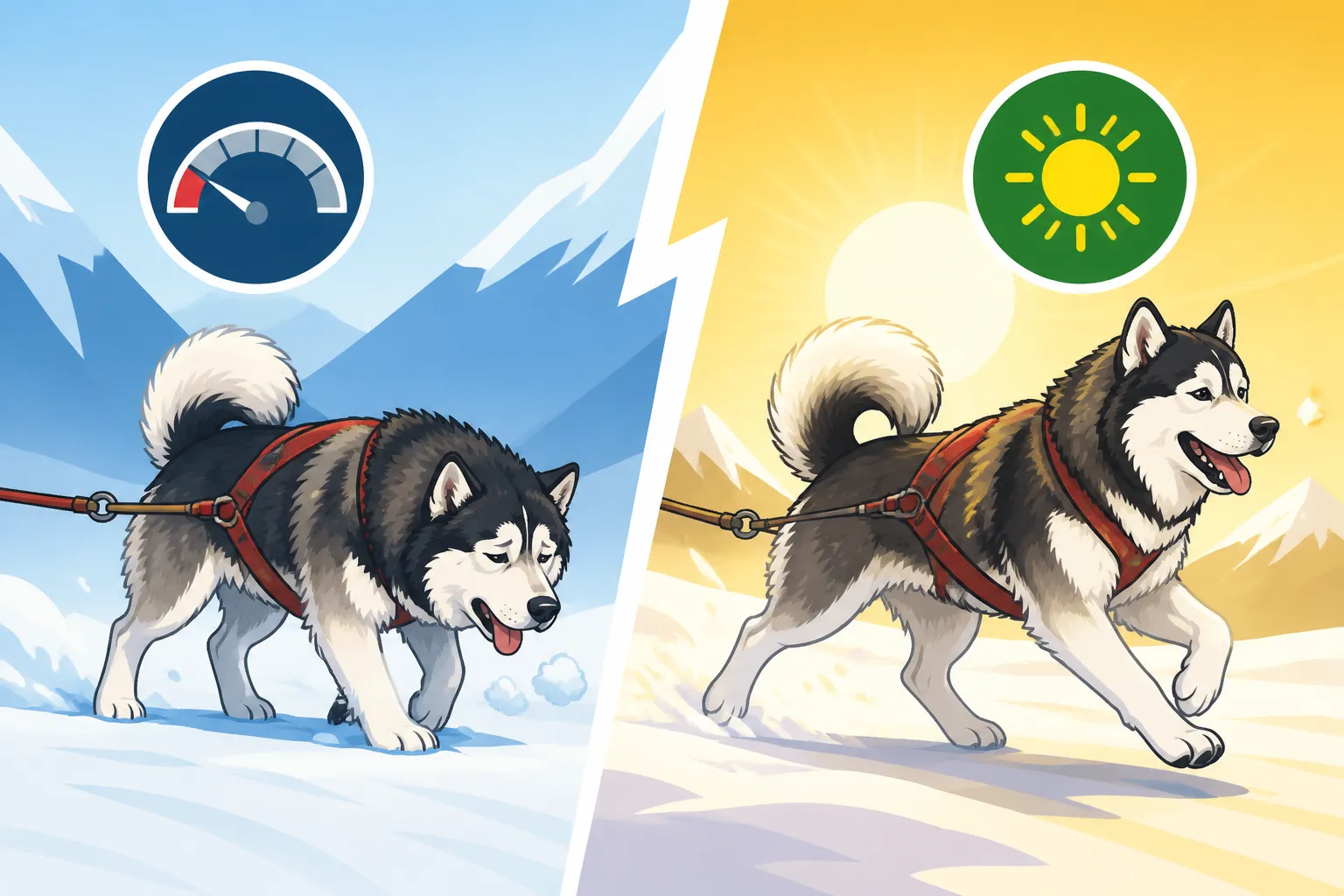
The Malamute's magnificent double coat is another factor in their preference for a slower pace. It's incredibly dense, with a thick, woolly undercoat and a coarser, guard hair outer coat. This coat is designed for extreme cold, providing unparalleled insulation. While invaluable in frigid temperatures, it can quickly lead to overheating during strenuous activity, especially at higher speeds or in warmer weather. A slower, more deliberate pace helps them regulate their body temperature, preventing overheating and allowing them to work longer and more comfortably. Pushing a Malamute to sprint in anything but the coldest conditions is not only against their nature but can be dangerous due to their insulation. Their ability to thrive in extreme cold is why Winter Is When an Alaskan Malamute Comes Alive.
Temperamental Traits Supporting Endurance
Beyond their physical build, the Alaskan Malamute's inherent temperament and drive are perfectly aligned with their role as a powerful freighting dog. These aren't dogs that live for a quick burst of glory; they thrive on sustained effort and the satisfaction of a long day's work.
Drive for Consistent Work
Alaskan Malamutes possess an incredible work ethic and an innate desire to pull. It's not just a physical activity for them; it's a mental one. They derive immense satisfaction from being in harness and moving a load, consistently, for hours on end. This isn't about speed, but about purpose and perseverance. They are often described as having "power steering" – they put their shoulders into the harness and go, and they expect to keep going. This deep-seated drive means they find joy in the rhythmic plodding and the feeling of momentum, rather than the frantic pace of a sprint. It’s why Pulling Is the Only Job an Alaskan Malamute Really Wants rings so true for many owners. Engaging this drive is crucial for their mental and physical well-being.
Independence and Problem-Solving
While Malamutes are incredibly loyal and bonded to their families, they also possess a strong streak of independence and intelligence, which served them well in their original roles. A dog pulling a heavy sled over treacherous terrain often had to make decisions independently, sometimes ahead of its handler, to avoid hazards or find the best path. This isn't the mindset of a dog that blindly follows speed cues; it's the mindset of a working partner. This independence means they often prefer to set their own steady pace, evaluating the conditions and the load. They're not always looking for the fastest route, but the most efficient and sustainable one. This trait can sometimes be mistaken for stubbornness, but it's often an expression of their thoughtful, problem-solving nature at work.
Stamina and Mental Fortitude
The ability to perform sustained work isn't just about physical endurance; it requires immense mental fortitude. Malamutes have a remarkable capacity for stamina, not just in their muscles, but in their spirit. They don't give up easily. They're built for the grind, for pushing through fatigue and challenging conditions. This mental toughness is a hallmark of a true freighting dog. They don't burn out quickly because their entire system, both physical and psychological, is designed for the long haul. This mental resilience contributes directly to their preference for a slow, steady pull; it's how they conserve their energy and maintain their focus over vast distances.
Comparing Malamutes to Sled Racing Breeds
Understanding the Malamute's inherent design for slow, powerful pulling becomes even clearer when you compare them to other sled dog breeds, particularly those optimized for speed racing. The differences are not just cosmetic; they represent distinct evolutionary and breeding pathways.
Body Type and Speed Differences
Let's put it simply: a Malamute is built like a heavyweight boxer, while a racing Siberian Husky or Alaskan Husky is more like a featherweight runner.
| Feature | Alaskan Malamute | Racing Siberian/Alaskan Husky |
|---|---|---|
| Primary Role | Heavy freighting, endurance | Light freight, speed racing |
| Build | Robust, heavy-boned, muscular | Lean, athletic, lighter-boned |
| Weight | Heavier (75-100+ lbs) | Lighter (35-60 lbs) |
| Leg Length | Moderate | Longer, for stride |
| Chest | Broad, deep | Deep, but often narrower |
| Pace Preference | Slow, steady, powerful | Fast, quick acceleration |
| Energy Source | Efficient fat/protein burning | Faster carbohydrate burning for sprints |
| Coat Insulation | Extremely dense, thick | Dense, but often less voluminous |
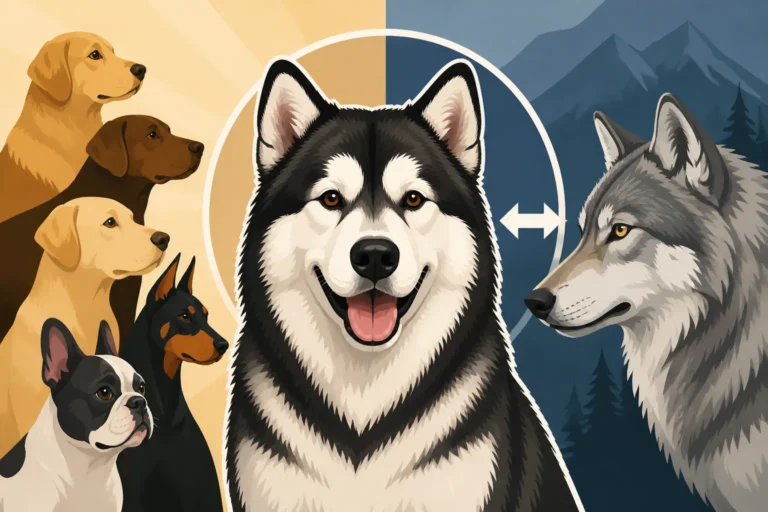
This table highlights the fundamental distinctions. A Malamute's sheer mass and powerful build allow them to dig in and move very heavy loads, but that mass is a hindrance to speed. Imagine trying to sprint with a heavy backpack – it's possible for a short distance, but you'll naturally slow down compared to running unencumbered. That's the Malamute's natural state in comparison to a lighter, speed-bred dog. This comparison is often explored in articles like The Alaskan Malamute Against the Siberian Husky.
Purpose-Bred Contrasts
The differences aren't accidental; they are the result of centuries of purpose-breeding. The Mahlemut people needed dogs that could reliably pull immense weight for days on end, facing blizzards and starvation. Speed was secondary to survival. Racing Huskies, on the other hand, particularly the Alaskan Huskies (which are often mixes bred purely for performance), are bred for explosive speed over specific distances. Their genetics are geared towards quick bursts and covering ground rapidly. It’s like comparing a tractor to a sports car – both are vehicles, but designed for vastly different tasks. One excels at raw power and sustained effort, the other at velocity.
Performance in Various Disciplines
In actual sled dog sports, these differences are evident. In sprint races (short to medium distances, high speed), Malamutes are almost always outmatched by Huskies or other speed-focused blends. However, in weight pull competitions, where dogs pull a weighted sled or cart a short distance, Malamutes often dominate, demonstrating their incredible raw strength. In long-distance endurance races, Malamutes can excel if the pace is adjusted to their style, proving their stamina, but they won't set speed records. This is why How Much a Malamute Can Pull is often a more relevant question for Malamute owners than how fast they can run. Their forte lies in moving the most weight, not necessarily moving any weight the fastest.
Training and Expectations for a Malamute in Harness
Given their natural inclination, training a Malamute to pull requires understanding and working with their innate strengths, rather than trying to force them into a speed-demon mold. It's about channeling their powerful drive into appropriate, fulfilling activities.
Building Strength and Stamina
Training for a Malamute should focus on building and maintaining the strength and stamina they naturally possess. This means gradual conditioning, consistent exercise, and appropriate nutrition. Don't rush into heavy loads or long distances too quickly, especially with a young dog whose growth plates are still open. Start with light loads and short distances, slowly increasing duration and intensity as your Malamute matures and gains fitness. Regular walks, hikes, and controlled trotting sessions are excellent ways to build their base endurance. Think about it like training a powerlifter versus a marathon runner – the training regimens, while both demanding, are fundamentally different. Consider The Age a Malamute Can Start Pulling to ensure you're not pushing them too hard, too soon.
Harness Training Basics
Introducing your Malamute to a proper pulling harness is key. It needs to fit correctly, distributing pressure evenly across their chest and shoulders, allowing for a full range of motion. Start with short, positive sessions, letting them get used to the feel of the harness and then the sensation of pulling a light object, like a small log or a tire. Positive reinforcement is paramount. Malamutes respond best to clear, consistent cues and rewards. They'll quickly associate the harness with a job they love. Commands like "hike" (go forward), "whoa" (stop), "gee" (right), and "haw" (left) are fundamental. You might find great training treats and even harnesses on Chewy, which can make these sessions more enjoyable for both of you.
Realistic Goals for Pulling Activities
When working with your Malamute, set realistic expectations. They might not win sprint races, but they can be phenomenal partners for skijoring, bikejoring, canicross, and especially recreational mushing or weight pull. The goal should be to engage their natural desire to pull and provide them with fulfilling work, rather than trying to make them something they're not. A Malamute will thrive on long, steady treks through varied terrain, happily pulling a cart, sled, or even a human on skis. Their joy comes from the consistent effort and the journey, not just the finish line. Recognize and celebrate their unique talents, and you'll have an incredibly satisfied and well-behaved companion. Remember, Whether a Malamute Needs a Job Every Day is often answered with a resounding yes, and pulling is usually their favorite job.
The Modern Malamute and Its Innate Drive
Even if your Alaskan Malamute is a beloved family pet with no plans for competitive pulling, their inherent drive to work and pull remains. Understanding and channeling this instinct is crucial for their well-being and for fostering a harmonious relationship.
Understanding Their Need to Pull
This deeply ingrained instinct to pull isn't something that can simply be trained out of a Malamute. It's part of their genetic makeup, a fundamental aspect of their breed identity. If this need isn't met through appropriate outlets, it can manifest in undesirable behaviors like pulling on the leash excessively, destructiveness out of boredom, or even general restlessness. A Malamute that gets to 'do its job' is generally a happier, more content, and calmer dog at home. It’s not just about physical exercise; it's about mental engagement and fulfilling their breed's historical purpose in a modern context. Think of it as a form of canine meditation for them—a slow, steady rhythm that brings profound satisfaction.
Recreational Freighting and Weight Pull
For modern Malamute owners, there are many fantastic ways to honor their dog's heritage. Recreational mushing with a dryland cart or sled (depending on your climate) is a wonderful way to let them pull. Even simple activities like 'pack hiking,' where your Malamute wears a dog backpack with some weight (after they are fully grown and conditioned, of course), can satisfy this drive. Weight pull competitions are also a natural fit, allowing them to demonstrate their incredible strength in a controlled, safe environment. These activities provide mental stimulation, physical exercise, and a profound sense of purpose that a simple walk around the block simply cannot replicate. Knowing How Much Weight a Malamute Freight Team Hauled in the past can give you an idea of the incredible potential your dog has, even if you're just enjoying a casual pull.
The Satisfaction of a Job Well Done
Ultimately, a Malamute that gets to pull, slowly and steadily, is a dog that feels truly fulfilled. There's a profound satisfaction that comes from watching your Malamute lean into their harness, eyes bright, tail flagging, as they methodically move a load. It’s a connection to their past, a testament to their incredible design, and a unique bond between owner and dog. It's about respecting their heritage and providing them with an outlet that speaks to their very soul. So, embrace the slow, powerful pull – it's where the Alaskan Malamute truly shines.
Disclaimer
This article is for general informational purposes only and does not constitute professional advice. Laws, prices and regulations vary by location and change over time. Consult a qualified professional for guidance on your specific situation.