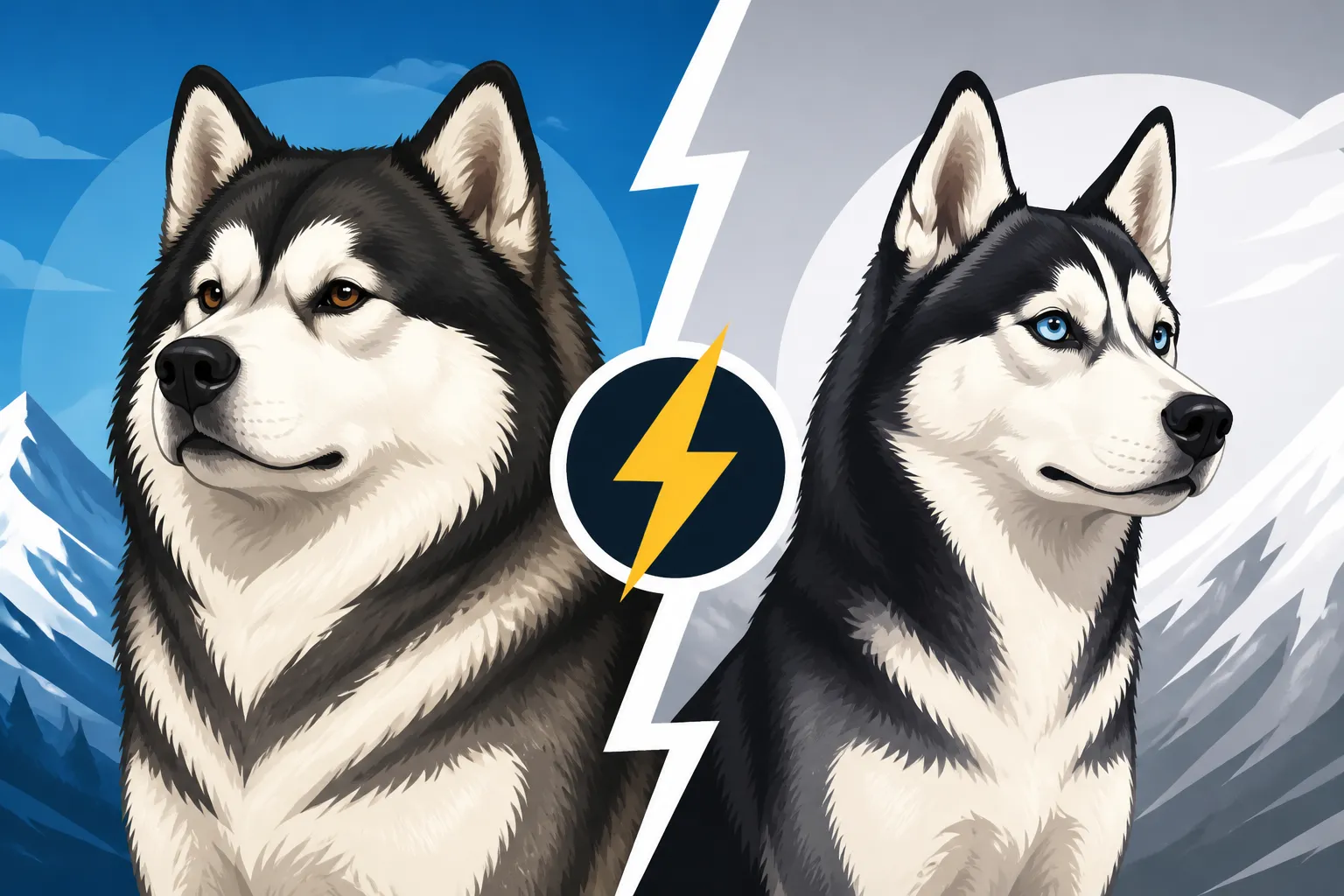
The Alaskan Malamute Against a Siberian Husky
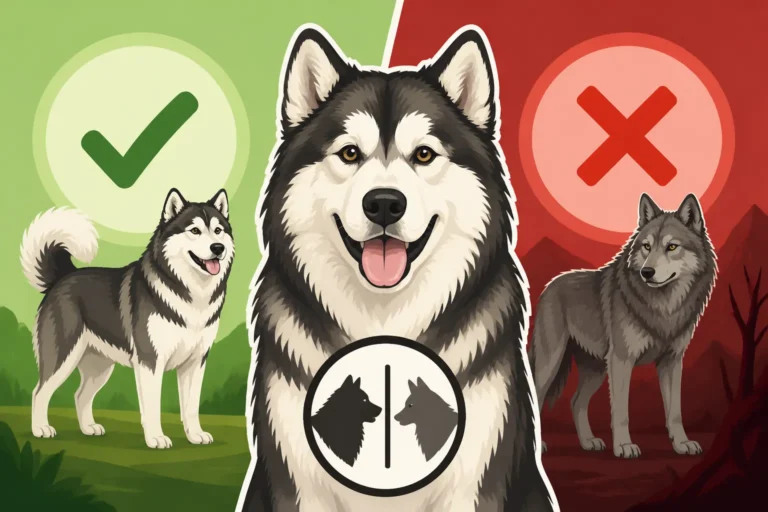
It's incredibly common to see a fluffy, wolf-like dog and immediately think "Husky," or perhaps "Malamute," without fully grasping the distinct lineages and temperaments that set these two magnificent northern breeds apart. While both are stunning, powerful working dogs with thick coats and a penchant for adventure, their differences are far more significant than many realize. Understanding these distinctions is crucial, as they profoundly impact everything from their daily exercise needs to their suitability for various living situations, helping you determine which one truly aligns with your lifestyle.
A Tale of Two Northern Breeds: Origins and Purpose
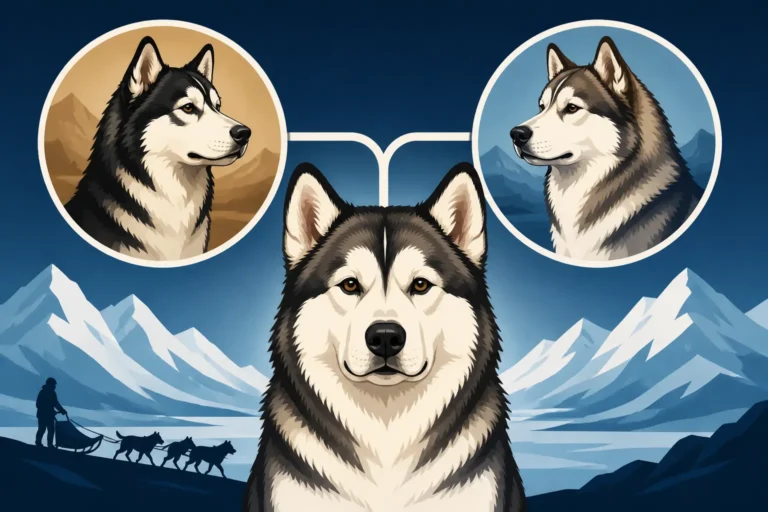
At first glance, an Alaskan Malamute and a Siberian Husky might seem like cousins, but delve into their history and you'll uncover vastly different purposes that shaped their very being. Both breeds hail from the harsh, unforgiving Arctic, yet their jobs were distinct, leading to evolutions in their physical build, stamina, and even their personalities.
The Alaskan Malamute's Ancient Roots
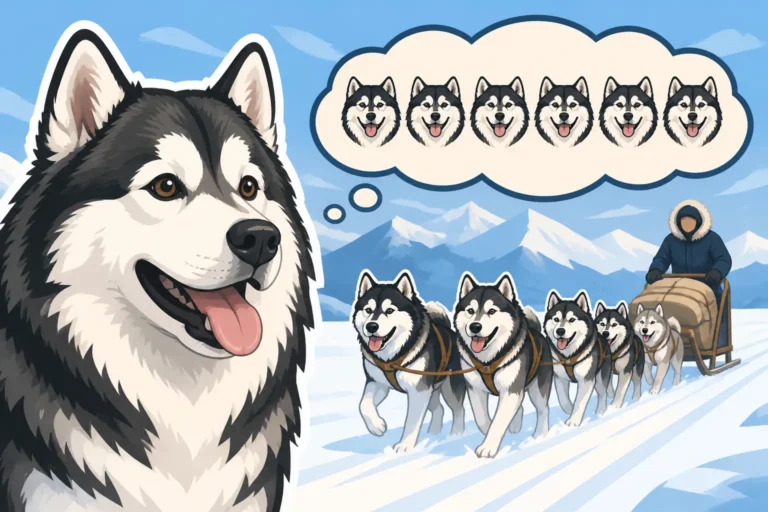
The Alaskan Malamute is an ancient breed, developed by the Mahlemut people of Alaska's Kotzebue Sound. These indigenous people relied on their dogs for survival, needing powerful animals capable of pulling heavy freight over long distances in brutal conditions. Imagine a team of these sturdy dogs hauling loads of seal blubber, fish, or hunting equipment across frozen tundra, day after day. Their role wasn't about speed; it was about sheer strength, incredible endurance, and the ability to operate efficiently on minimal sustenance. They were bred for a singular, vital purpose: heavy freighting. This historical function deeply embedded traits like their robust build, incredible strength, and methodical pace, all geared towards sustainable, arduous work. For more on their ancestry, you can explore The Mahlemut of Kotzebue Sound Bred the Alaskan Malamute.
This historical context explains why Malamutes are often described as "freight trains" rather than "race cars." Their temperament also reflects this partnership with humans in a challenging environment. They needed to be resilient, intelligent, and capable of making sound decisions, often independent of direct human command when navigating treacherous terrain. This independence, coupled with their powerful build, makes them incredible companions for those who understand and respect their working heritage. When you see a Malamute, you're not just seeing a dog; you're seeing a living piece of Arctic history, designed for enduring power.
The Siberian Husky's Racing Legacy
In stark contrast, the Siberian Husky was developed by the Chukchi people of Siberia. Their dogs were also essential for survival, but their primary purpose was to pull light loads at high speeds over vast, frozen expanses. The Chukchi needed dogs that could cover immense distances quickly, often in racing conditions, to connect villages and transport supplies. This called for a different kind of athlete: lean, agile, and incredibly fast, with an almost boundless energy supply. Think of them as the endurance runners of the dog world, designed for sustained bursts of speed.
The Husky's lighter build, aerodynamic coat, and energetic gait are all testaments to this racing heritage. Their spirited and mischievous nature often reflects their need for constant stimulation and movement. While they are also independent, it's often expressed through a desire to run and explore, sometimes to their owner's chagrin. Both breeds are strong-willed, but the way that willfulness manifests is quite different. The Husky's history is about quick, efficient travel, which makes them exhilarating partners for activities like skijoring or canicross, where speed is paramount.
Physical Differences: Beyond Just Size
When standing side-by-side, the physical distinctions between an Alaskan Malamute and a Siberian Husky become quite apparent, though many people still mistake one for the other. These differences aren't just cosmetic; they are direct results of their ancestral jobs and contribute to their overall health and care needs.
Stature and Build: Power vs. Speed
The most noticeable difference is often size and build. Alaskan Malamutes are significantly larger and more substantially built than Siberian Huskies. They possess a deep chest, heavy bone structure, and powerful, muscular bodies designed for pulling heavy weights. Males typically stand between 25 to 28 inches at the shoulder and can weigh anywhere from 85 to over 100 pounds. Females are slightly smaller but still impressive, usually 23 to 26 inches and 75 to 85 pounds. Their posture exudes a sense of dignified power and resilience, like a compact, furry tank. To truly grasp the difference, consider What an Alaskan Malamute Actually Weighs compared to a Husky.
Siberian Huskies, on the other hand, are medium-sized dogs with a more refined, athletic, and agile build. They are built for speed and endurance, not sheer strength. Males usually stand 21 to 23.5 inches at the shoulder and weigh 45 to 60 pounds, while females are 20 to 22 inches and 35 to 50 pounds. Their frames are lighter boned, and their overall appearance is one of grace and nimbleness, often described as elegant. When you see a Husky in motion, they seem to float, a testament to their racing lineage. The difference in their silhouettes is profound, reflecting their divergent roles as either heavy freight or fast sled dogs.
Coat and Color: Insulating Layers and Markings
Both breeds boast a magnificent double coat, a necessity for surviving Arctic temperatures. However, there are subtle differences in texture and length. The Alaskan Malamute's coat is generally thicker, coarser, and longer, with a dense, woolly undercoat and tough guard hairs. This combination provides superior insulation against extreme cold and snow, making them incredibly resistant to the elements. Their coat also tends to be somewhat oily to repel water. While both shed, the Malamute's shedding during their bi-annual "coat blow" can be truly astonishing; you’ll wonder how one dog can produce so much fur.
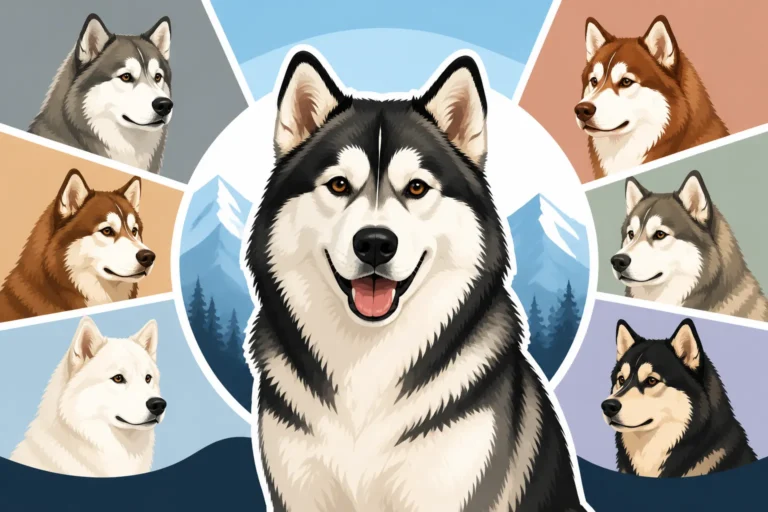
Siberian Huskies also have a dense double coat, but it's typically shorter, softer, and less coarse than a Malamute's. While still incredibly insulating, it's designed to be more aerodynamic and less prone to collecting ice and snow during fast-paced runs. Both breeds come in a stunning array of colors and markings, from various shades of grey, black, sable, red, and all-white, often with distinctive masks and caps. These patterns add to their wolf-like allure. Regardless of the breed, maintaining these thick coats requires dedication and the right tools. Online retailers like Chewy offer a wide selection of brushes and de-shedding tools specifically designed for double-coated breeds.
Eye Color: A Key Distinguisher
One of the most striking differences, and often a point of confusion for new enthusiasts, is eye color. Alaskan Malamutes, according to their breed standard, should always have brown eyes. Any other eye color, particularly blue, is considered a disqualifying fault in the show ring and often indicates mixed ancestry. The deep, dark brown eyes of a Malamute give them a soulful, almost ancient gaze that many find captivating.
Siberian Huskies, on the other hand, are famous for their dazzling array of eye colors. They can have brown eyes, blue eyes, bi-colored eyes (one blue, one brown), or even parti-colored eyes (both colors in one eye, often described as "marbled"). The blue eyes of a Husky are one of their most iconic and sought-after features, giving them a piercing, often mischievous look. This distinct difference in eye color is one of the easiest ways to tell the two breeds apart if you're ever unsure. For more on this, you can look at Why Blue Eyes Disqualify an Alaskan Malamute.
Temperament and Trainability: Independent Spirits
Both Malamutes and Huskies are known for their intelligent, independent, and sometimes stubborn natures. These traits, while endearing to their fans, can also be incredibly challenging for novice owners or those unprepared for a dog that thinks for itself. Their strong personalities are a direct link to their working past, where they often had to make decisions quickly and independently in harsh environments.
Drive and Prey Instincts
The prey drive in both breeds is exceptionally strong and deeply ingrained. Alaskan Malamutes were historically used to hunt large game, sometimes even bears, alongside their human companions. This means they possess an innate drive to chase and capture smaller animals. A squirrel, a rabbit, or even a neighborhood cat can trigger an immediate, powerful chase response that often overrides any training. This makes off-leash reliability a significant, if not impossible, challenge. Why an Alaskan Malamute Will Never Have a Reliable Recall delves deeper into this.
Siberian Huskies also have a high prey drive, often pursuing small animals with the same relentless enthusiasm. Their speed and agility make them incredibly efficient hunters. Both breeds generally cannot be trusted off-leash in unsecured areas, as their instinct to chase and explore will often lead them far from home, ignoring commands. This is not a reflection of a lack of love or loyalty, but a testament to their hardwired instincts. Owners must be vigilant and ensure secure containment to keep them and local wildlife safe.
Social Nature and Pack Dynamics
Both Malamutes and Huskies are inherently social creatures, thriving on interaction with their human families. They bond deeply and can be incredibly affectionate, often displaying a goofy, playful side despite their majestic appearance. However, their social needs also extend to other dogs, and this is where careful management is crucial. Alaskan Malamutes, coming from a pack-working background, can sometimes be prone to same-sex aggression, especially if not well-socialized or if leadership is not clearly established by the owner. This is not aggression born of malice, but rather a strong sense of hierarchy within a perceived pack structure.
Siberian Huskies are generally more universally friendly with other dogs, though they still benefit from extensive socialization. They are often described as mischievous and enjoy the company of canine playmates, but their boisterous play style can sometimes be overwhelming for more timid dogs. Neither breed is typically suited to being a guard dog; while their size and wolf-like appearance might deter some, they are more likely to greet a stranger with enthusiasm than aggression. They love people, often displaying a friendly, outgoing demeanor even with those they don't know.
Learning Styles and Stubbornness
Training these intelligent but independent breeds requires patience, consistency, and a deep understanding of their unique motivations. Neither breed is particularly eager to please in the way a retriever might be; they evaluate commands and decide if it's worth their effort. Alaskan Malamutes are often described as "soft" but stubborn. They respond best to positive reinforcement, clear boundaries, and an owner who can be a confident, benevolent leader without resorting to harsh methods. They learn quickly but may choose to ignore a command if they don't see the point.
Siberian Huskies are equally intelligent and independent, often using their cleverness to find ways around rules or to open gates. They can become bored easily with repetitive training and require variety and mental stimulation to stay engaged. Many Husky owners describe their dogs as having a great sense of humor, often deliberately trying to outsmart their humans. For both breeds, early socialization and consistent, positive reinforcement training are paramount. Attending obedience classes, and perhaps even engaging in activities like The Alaskan Malamute in Skijoring or weight pulling, can channel their energy and intelligence productively, reinforcing good behavior.
Exercise and Lifestyle Needs: Built for Work
The sheer amount of energy and specific exercise requirements of both Alaskan Malamutes and Siberian Huskies often come as a surprise to new owners. These aren't dogs content with a short walk around the block; they are athletes built for sustained activity, and fulfilling their physical and mental needs is non-negotiable for a happy, well-adjusted dog.
Daily Activity Requirements
Alaskan Malamutes, with their incredible endurance, require significant daily exercise. While they might not be as frantically energetic as a Husky, they need long, purposeful walks, hikes, or opportunities for pulling activities. Their stamina means they can go for miles, and simply letting them out in the yard isn't enough; they need to do something. Without adequate exercise, a Malamute can become bored, destructive, and even overweight, despite their efficient metabolism. Whether an Alaskan Malamute Is an Efficient Eater is a critical point to consider here, as they often need less food than their size suggests. Engaging them in activities like hiking, backpacking with a dog pack, or even recreational weight pulling provides the physical and mental stimulation they crave.
Siberian Huskies have even higher energy demands. They are built for running and need opportunities to stretch their legs at full speed. Daily runs, bikejoring, or long, brisk walks are essential to keep a Husky from becoming restless and destructive. They thrive on intense, sustained exercise that burns off their abundant energy. If their needs aren't met, a Husky will find ways to entertain itself, often through digging, escaping, or chewing. Both breeds require owners committed to an active lifestyle who are willing to brave various weather conditions to get their dogs out and moving.
Managing the Wanderlust
Both breeds possess a strong wanderlust, an innate desire to explore and roam, a trait vital for their ancestors who covered vast territories. This means that a securely fenced yard is not just recommended, but an absolute necessity for both a Malamute and a Husky. They are expert escape artists, capable of digging under fences, climbing over them, or even figuring out latches. For more on their escape tendencies, consider How Far a Loose Alaskan Malamute Travels.
An "invisible fence" is generally considered ineffective for these breeds, as their drive to explore or chase prey will often override any discomfort from the collar. When out in public, both breeds should always be on a leash or within a secure, enclosed area. A loose Malamute or Husky can quickly disappear, covering miles in a short amount of time, often oblivious to traffic or calls to return. This isn't naughtiness; it's instinct. Owners must be prepared to commit to robust containment and diligent leash handling to keep these dogs safe.
Climate Considerations
Given their Arctic heritage, both Malamutes and Huskies are incredibly well-suited to cold climates. Their thick double coats act as exceptional insulation, allowing them to thrive and enjoy outdoor activities even in freezing temperatures. In fact, many owners find their dogs become more animated and energetic once the snow starts to fall. However, this cold-weather adaptation comes with a significant caveat: heat.
Both breeds are highly susceptible to overheating in warm or humid weather. Their dense coats, while perfect for the cold, make it difficult for them to dissipate heat effectively. Activities must be carefully timed in warmer months, often limited to early mornings or late evenings. Access to shade, fresh water, and cooling methods like kiddie pools or cooling mats are essential. It's a serious consideration, as Summer Is the Season That Kills Alaskan Malamutes due to heatstroke. Owners in warmer climates must take extra precautions, which might include air-conditioned indoor time during peak heat.
Grooming and Shedding: The Double Coat Dilemma
Living with an Alaskan Malamute or a Siberian Husky means embracing the reality of a lot of fur. Their magnificent double coats are their crowning glory and essential for their comfort in cold climates, but they also demand a significant commitment to regular grooming.
Routine Brushing and Maintenance
For both breeds, regular brushing is crucial, not just for aesthetics but for their skin health. The dense undercoat can easily mat if neglected, leading to skin irritation and infections. A thorough brushing session two to three times a week is usually sufficient to remove loose hair and prevent tangles. During these sessions, you'll want to use tools like a slicker brush, a de-shedding tool, and an undercoat rake to really get down to the skin and pull out the dead undercoat. Chewy, for example, stocks a wide range of these specialized grooming tools that are essential for effectively managing their dense coats.
Beyond brushing, routine nail trims are also important, especially if the dog isn't getting enough hard surface exercise to wear them down naturally. Dental care, like with all breeds, should also be part of the regular routine. While their coats are generally self-cleaning and they don't have a strong "doggy odor," occasional baths are necessary, particularly if they've rolled in something unsavory. Always ensure they are thoroughly dried to prevent skin issues beneath their thick fur.
The Infamous Coat Blow
The "coat blow" is a phenomenon unique to double-coated breeds and it's something every Malamute and Husky owner comes to dread and accept. Twice a year, typically in spring and fall, these dogs will shed their entire undercoat in a relatively short period, usually over a few weeks. During a coat blow, the amount of fur that comes off can be truly astounding. It will seem endless, accumulating in drifts around your home. You'll brush them, and more fur will appear minutes later. You might even find yourself saying, "My vacuum just can't keep up!"
For an Alaskan Malamute, this shedding event is particularly intense. The Malamute Coat Blow That Fills a Vacuum in an Afternoon is a very real experience. Huskies also go through a significant coat blow, but the sheer volume of fur from a larger Malamute can be overwhelming. During these periods, daily, intensive brushing (sometimes multiple times a day) is essential to help remove the dead coat quickly, prevent matting, and minimize the amount of fur shed around the house. Some owners even take their dogs to professional groomers for "de-shedding" treatments, which can involve specialized shampoos and high-velocity dryers to loosen and blow out the undercoat.
Bathing and Climate Adaptation
While both breeds are hardy, their thick coats mean that bathing needs to be handled carefully. When you do bathe them, it's crucial to use a shampoo formulated for dogs and to rinse them thoroughly to avoid leaving any residue that could irritate their skin. More importantly, they must be dried completely, right down to the skin, to prevent hot spots or fungal infections. A high-velocity dryer, often used by professional groomers, can be incredibly helpful in getting through that dense undercoat.
One common mistake people make with these breeds, particularly in warmer climates, is shaving them. This is a huge no-no. Shaving a double-coated dog can actually hinder their ability to regulate their temperature. Their double coat not only insulates them from the cold but also from the heat, protecting their skin from sunburn and helping to keep them cool by creating an air barrier. Shaving can permanently damage the coat, causing it to grow back patchy, coarse, or with an imbalanced undercoat-to-guard-hair ratio, compromising its natural protective function. It’s always better to manage their heat exposure and rely on thorough grooming to keep their natural coat healthy.
Health and Lifespan: What to Expect
Like all purebred dogs, Alaskan Malamutes and Siberian Huskies are predisposed to certain genetic health conditions, although both breeds are generally considered robust. Responsible breeding practices, including health testing of parent dogs, are crucial for minimizing the incidence of these conditions and ensuring a healthy future for puppies.
Common Health Concerns in Both Breeds
For Alaskan Malamutes, common health concerns include hip and elbow dysplasia, which are abnormalities in joint development that can lead to arthritis and pain. Hip Dysplasia in a Freighting Alaskan Malamute is a significant concern for the breed given their powerful build and traditional purpose. They are also prone to certain eye conditions like cataracts, and some suffer from inherited polyneuropathy, a neurological disorder affecting nerve function. Additionally, a unique concern for Malamutes is zinc responsive dermatosis, where their bodies have difficulty absorbing zinc, leading to skin issues. Proper diet and supplementation, sometimes including specific supplements from reputable sources like Chewy, can often manage this.
Siberian Huskies also have their share of health considerations. Hip and elbow dysplasia can occur, though perhaps less frequently than in Malamutes due to their lighter build. Eye problems are more prevalent in Huskies, including progressive retinal atrophy (PRA), juvenile cataracts, and corneal dystrophy. Hypothyroidism is another condition seen in both breeds, where the thyroid gland doesn't produce enough hormones. Bloat (gastric dilatation-volvulus) is a life-threatening emergency that can affect deep-chested breeds like both Malamutes and Huskies, requiring immediate veterinary attention. Awareness and preventative measures, like not exercising immediately after eating, are important.
Lifespan Expectations and Senior Care
Both the Alaskan Malamute and the Siberian Husky typically enjoy a relatively long and healthy life compared to many large breeds. Alaskan Malamutes generally live between 10 to 14 years, while Siberian Huskies often live a bit longer, ranging from 12 to 15 years. These are, of course, averages, and individual dogs may live longer or shorter depending on genetics, lifestyle, and veterinary care. You can find out more about what to expect with The Ten to Fourteen Years an Alaskan Malamute Lives.
As these magnificent dogs age, their needs will change. Senior Malamutes and Huskies may experience decreased mobility due to arthritis, changes in vision or hearing, and a general slowing down. Providing comfortable orthopedic beds, maintaining a healthy weight, and scheduling regular veterinary check-ups are essential for ensuring their comfort and quality of life in their golden years. Adjusting their exercise routine to gentler, shorter walks and providing mental enrichment through puzzle toys can help keep their minds active. For more detailed advice, you can look into Caring for an Old Alaskan Malamute. Just like with any beloved family member, their later years require extra patience, understanding, and love to ensure they remain happy and comfortable.
Comparing Key Characteristics
To help visualize some of the main distinctions we’ve discussed, here's a quick comparison table outlining the key differences between the Alaskan Malamute and the Siberian Husky.
| Feature | Alaskan Malamute | Siberian Husky |
|---|---|---|
| Origin/Purpose | Arctic freighting dog, heavy hauling | Arctic sled racing dog, light and fast pulling |
| Size/Build | Larger, heavier, more powerfully built | Medium, lighter, more agile |
| Weight | Males: 85-100+ lbs, Females: 75-85+ lbs | Males: 45-60 lbs, Females: 35-50 lbs |
| Height | Males: 25-28 inches, Females: 23-26 inches | Males: 21-23.5 inches, Females: 20-22 inches |
| Temperament | Independent, dignified, affectionate, strong prey drive, can be dominant with other dogs | Independent, mischievous, friendly, high prey drive, needs mental stimulation |
| Exercise Needs | High endurance, long walks/hikes, pulling work | Very high energy, running, intense exercise |
| Coat Type | Dense, coarse guard hairs, thick undercoat | Softer, medium-length double coat |
| Eye Color | Always brown | Blue, brown, bi-colored, parti-colored |
| Shedding | Heavy, especially during bi-annual coat blow | Moderate to heavy, also has seasonal coat blows |
| Barking | Less prone to barking, more 'wooing' or howling | More vocal, prone to howling, "talking" |
| Lifespan | 10-14 years | 12-15 years |
Disclaimer
This article is for general informational purposes only and does not constitute professional advice. Laws, prices and regulations vary by location and change over time. Consult a qualified professional for guidance on your specific situation.