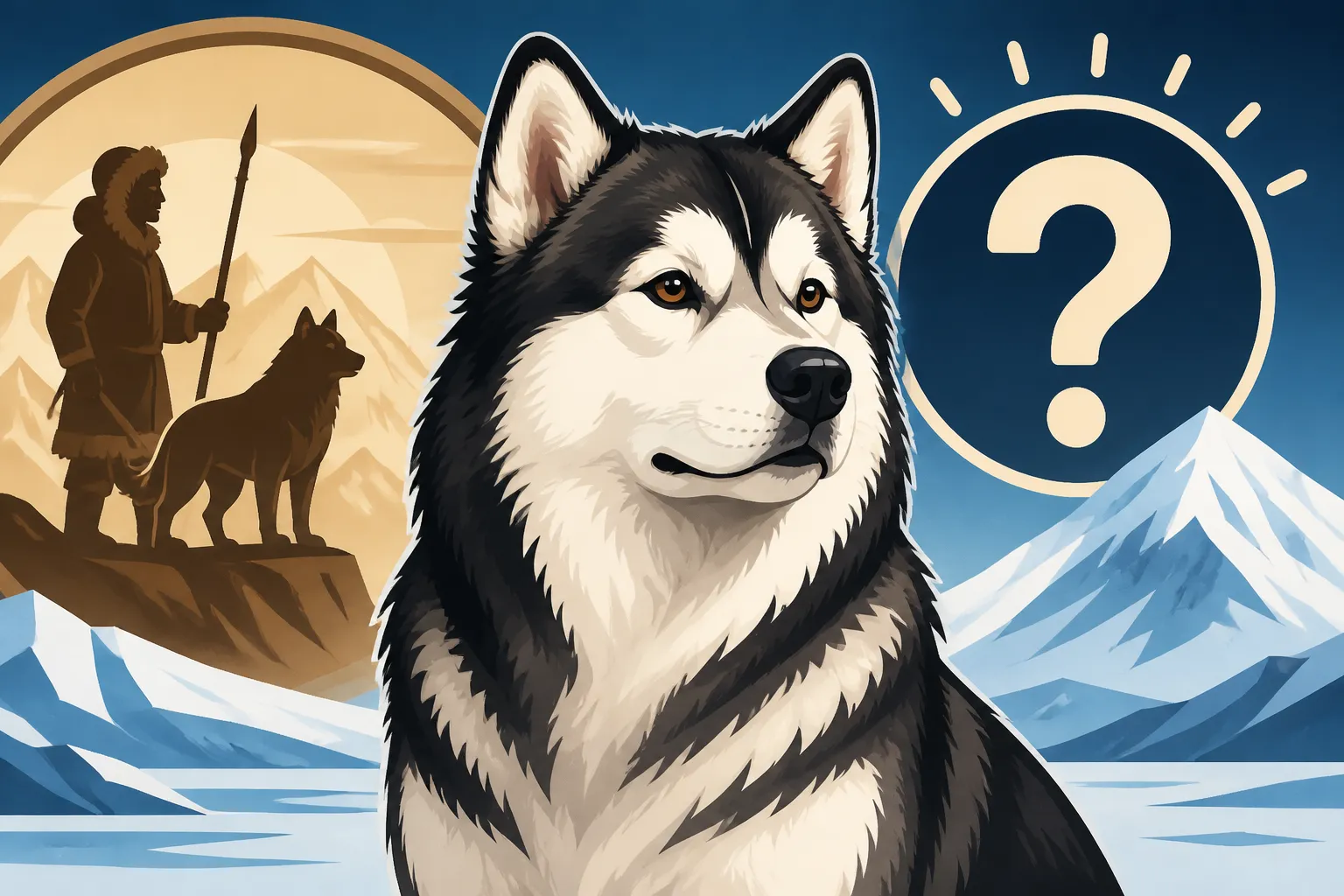
Whether the Alaskan Malamute Is One of the Oldest Breeds
It's a question many of us passionate about these magnificent northern dogs have pondered: is the Alaskan Malamute truly one of the oldest dog breeds? When you look into their soulful eyes or watch them work with such ancient dignity, it's hard not to feel a connection to a past stretching back millennia. This guide will explore the rich history and genetic evidence that answers this very question, helping you understand the deep roots of your furry family member.
Unearthing the Alaskan Malamute's Indigenous Origins
When we talk about whether a dog breed is "old," it's rarely as simple as checking a date on a registry book. For the Alaskan Malamute, their lineage doesn't begin with kennel clubs or breed standards, but with the very people who shared their harsh, beautiful environment for thousands of years. Their history is etched into the landscape of the Arctic itself, long before any formal record-keeping began. This deep connection to their human companions in the most unforgiving of climates speaks volumes about their ancient standing.
The Mahlemut People and Their Arctic Companions
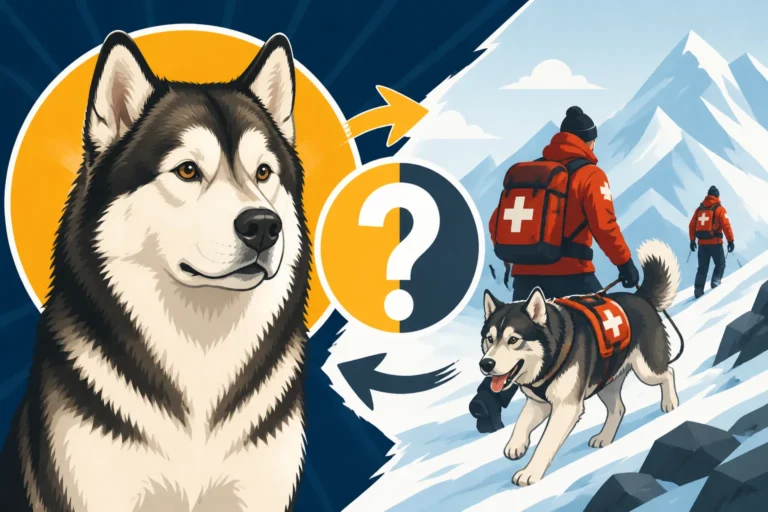
The story of the Alaskan Malamute is intrinsically woven with the history of the Mahlemut people, an Inuit tribe inhabiting the Kotzebue Sound region of northwestern Alaska. These were not just any dogs; they were crucial partners in survival. The Mahlemut people relied entirely on these powerful, intelligent canines to navigate treacherous icy terrains, hunt for food, and transport essential supplies across vast distances. Without these dogs, the Mahlemut culture as we know it simply wouldn't have been sustainable.
Archaeological findings and historical accounts consistently demonstrate that dogs of the Malamute type have been living and working alongside the indigenous peoples of the Arctic for what many experts believe to be at least 2,000 to 3,000 years, and potentially even longer. These aren't just vague suggestions; there's a strong body of evidence pointing to a continuous, unbroken lineage of these working dogs. They weren't bred for aesthetics or fleeting trends, but for functionality, endurance, and an unwavering bond with their human families. This constant utility, generation after generation, forged the Malamute into the robust and resilient companion we know today. You can read more about The Mahlemut of Kotzebue Sound Bred the Alaskan Malamute in detail.
A Legacy of Survival and Utility
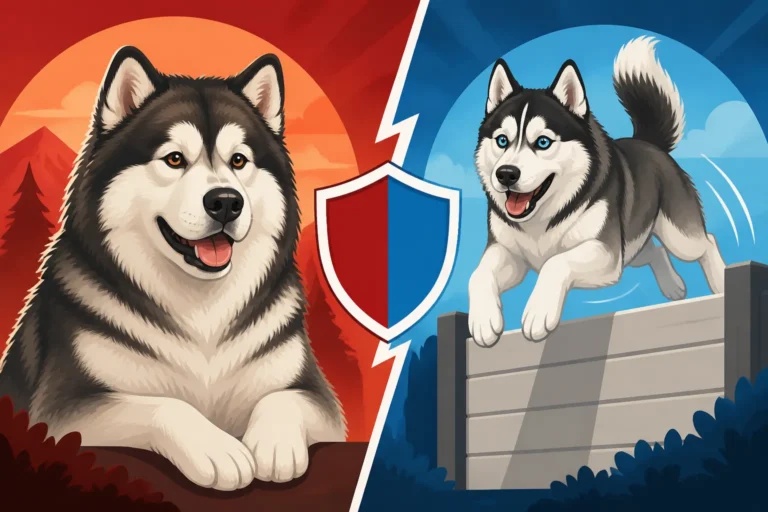
The Mahlemut people's survival depended on the unique capabilities of their dogs. These Mals weren't bred for speed, like their Siberian Husky cousins, but for incredible strength, stamina, and the ability to haul heavy loads over long distances at a steady pace. Imagine the crushing cold, the deep snow, the scarcity of resources – these dogs had to be tough, resourceful, and capable of working in concert with their handlers. Their intelligence wasn't just about learning tricks; it was about problem-solving in life-or-death situations, like finding a seal's breathing hole in thick ice, or sensing thin ice ahead.
This ancient role as freighting dogs is a defining characteristic that sets the Malamute apart. They were the original heavy-haulers of the Arctic, critical for transporting hunted game, supplies, and entire families when moving camps. This intensive selection for working ability over countless generations meant that only the strongest, most intelligent, and most cooperative dogs survived and reproduced. This natural selection, guided by the pressing needs of the Mahlemut people, shaped the breed's physical and mental attributes into the powerful, independent, yet loyal dogs we cherish today. Every time your Malamute leans into their harness on a walk, or stubbornly insists on their own way, you're seeing echoes of this profound and ancient partnership.
The Scientific View: Genetic Clues to Ancient Lineage
While the historical and archaeological evidence is compelling, modern science, particularly genetic research, has provided even deeper insights into the Malamute's ancient origins. DNA studies can trace the genetic "family tree" of dog breeds, revealing how closely they are related to the earliest domesticated dogs and to wolves. This scientific perspective strongly supports the notion that Alaskan Malamutes possess a truly ancient lineage, placing them in a distinct category among many contemporary breeds.
DNA Evidence and Ancient Dog Divergence
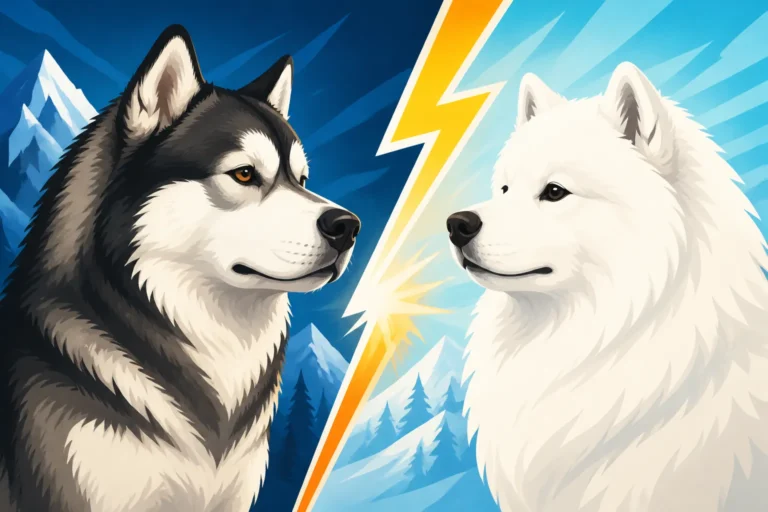
Genetic studies consistently identify the Alaskan Malamute as one of the basal breeds, meaning their genetic makeup diverged very early from the common ancestor of modern dogs. They are part of a cluster of ancient Arctic breeds, including the Siberian Husky, Samoyed, and Greenland Dog, which share a close genetic kinship and represent some of the earliest forms of domesticated canines. This genetic evidence suggests that these northern breeds existed as distinct populations long before many of the European breeds we see today were even conceived. It implies a direct, uninterrupted line back to prehistoric dogs who first settled with humans in the high Arctic.
For a long time, researchers have been mapping canine genetic history, and the Malamute frequently appears close to the root of the domestic dog tree. This isn't just a slight difference; it's a significant divergence that indicates an ancient, foundational role in canine evolution. This deep genetic heritage also suggests a remarkable resilience and adaptability, as these dogs have survived and thrived in some of the planet's most extreme conditions for millennia. You might be interested in reading Whether Malamute DNA Shows Ancient Arctic Ancestry for a deeper dive into this fascinating subject.
When you look at the genetic distance from wolves, the Malamute and other ancient breeds tend to be closer than many other domesticated dogs, though still firmly in the "dog" category. This isn't to say they are wolf-hybrids, but rather that their lineage diverged from wolves earlier and has remained relatively "unmixed" compared to breeds that have undergone more intensive cross-breeding in more recent history. This genetic purity, if you will, further solidifies their claim as an ancient breed, demonstrating a long period of localized development with minimal outside genetic influence.
Distinguishing Ancient Lines from Modern Breeds
It's crucial to understand that the term "oldest breed" can be interpreted in a couple of ways, and the distinction matters for the Malamute. Many people think of "oldest" in terms of kennel club recognition, like the American Kennel Club (AKC) or The Kennel Club (UK). While the Alaskan Malamute was officially recognized by the AKC in 1935, this is a relatively recent date and doesn't reflect their true antiquity. Many modern breeds, like certain terriers or gun dogs, were meticulously developed in the last few centuries through specific breeding programs, often cross-breeding various existing types to achieve desired traits. Their histories are well-documented in studbooks and breed journals.
In contrast, the Alaskan Malamute's "breeding program" was driven by thousands of years of natural selection and the utilitarian needs of the Mahlemut people. Their form and function evolved organically through their role as working companions, not from a specific breeder's vision a few hundred years ago. This makes them "ancient" in a far more profound sense – their type has existed for countless generations, shaped by environment and human interaction long before the concept of a "dog breed" as we understand it today even existed. They are living artifacts, a direct link to the earliest days of human-canine partnership.
Here's a simple comparison of what defines an "old" breed:
| Criteria | Modern Breeds (e.g., Golden Retriever) | Ancient Breeds (e.g., Alaskan Malamute) |
|---|---|---|
| Origin & Development | Relatively recent, deliberate cross-breeding, specific breeders | Thousands of years of natural selection, indigenous people, utility-driven |
| Genetic Divergence | Closer to the main "modern dog" branch | Basal position, diverged early from common ancestor |
| Archaeological Link | Limited or indirect | Strong evidence of ancient dog types in specific regions |
| Kennel Club Status | Often developed for club recognition | Recognition is recent, long after breed type was established |
| Cultural Significance | Companion, sport, working roles (recent) | Integral to human survival for millennia, cultural cornerstone |
The Malamute's story isn't one of recent invention but of ancient perseverance. This means when we say the Malamute is one of the oldest breeds, we're talking about a history that predates written records, a genetic blueprint that carries echoes of the dawn of dog domestication, and a cultural significance that runs deeper than any modern pedigree.
What "Oldest Breed" Means for Today's Malamute Owners
Understanding the Alaskan Malamute's ancient lineage isn't just an interesting historical footnote; it's absolutely crucial for any owner. Their deep history profoundly impacts their temperament, their instincts, their health, and how we must approach their care. Many of the quirks and challenges Malamute owners face today are direct reflections of their long, unbroken past as vital working partners in the Arctic. Ignoring this history is akin to ignoring who your Malamute truly is at their core, leading to frustration and misunderstanding.
Inherited Traits and Instincts
Because Malamutes have thousands of years of history tied to very specific working roles, many of their behaviors are hardwired. Their strong prey drive, for example, isn't a sign of poor training or malice; it's a direct inheritance from ancestors who hunted for sustenance alongside the Mahlemut people. They were bred to find and chase game, and that instinct is still incredibly powerful. This is why An Alaskan Malamute in a Home With Cats or Small Dogs requires constant vigilance and often isn't recommended for everyone.
Similarly, their famed independence and intelligence aren't about being stubborn; they stem from a need for dogs who could make sound judgments in dangerous situations without constant human direction. When you’re miles out on the tundra, you need a dog that can think for itself, not just blindly follow commands. This is also why Why an Alaskan Malamute Will Never Have a Reliable Recall is something every owner must accept and manage responsibly. They also possess an innate desire to pull, a fundamental part of their being for millennia. Even a pet Malamute, without a sled, will feel a deep satisfaction from pulling on a harness during a walk or a specialized pulling activity. This strong instinct for work is not something you train out; it's something you must embrace and provide an outlet for. Products from retailers like Chewy can help you find appropriate harnesses and gear to safely channel this natural drive.
And then there's the digging! Oh, the digging. This isn't just boredom; it's an ancestral behavior for finding shelter, food, or simply a cool spot to lie down in the summer. Their bodies and minds are designed for these ancient tasks, and trying to suppress them entirely without offering acceptable alternatives is a recipe for mutual frustration. You can't erase thousands of years of genetic programming with a few stern words, and it's unfair to expect a Malamute to deny these deep-seated instincts.
Health and Care Considerations from a Deep History
The Malamute's ancient adaptations also have significant implications for their physical health and care needs. Their efficient metabolism, for instance, is a direct result of living in a harsh environment where food was often scarce. Unlike many modern breeds that can seemingly eat endlessly, Malamutes often require surprisingly less food than their size would suggest and can become overweight easily if overfed. This The Efficient Metabolism That Surprises Every New Malamute Owner can catch new owners off guard, thinking their large dog needs more calories than it actually does. Maintaining a lean, working weight is crucial for their long-term health, especially to protect their joints.
Furthermore, some genetic predispositions, such as Zinc Responsive Dermatosis in an Alaskan Malamute, might be linked to their ancient environment and diet. While the exact reasons are complex, the fact that some Malamutes struggle to absorb zinc efficiently could be a reflection of unique dietary compositions in their ancestral homeland or specific genetic mutations that arose long ago. This means their dietary needs might be different from other breeds, and you may need to source specific high-quality foods or supplements. Chewy, for example, carries a wide selection of foods and supplements that cater to breed-specific needs, which can be helpful if your vet recommends a particular diet for zinc absorption.
Their thick, double coat, while beautiful, is a sophisticated piece of Arctic engineering designed for extreme cold. It requires specific grooming practices and makes them particularly vulnerable to heatstroke in warmer climates. Understanding that Summer Is the Season That Kills Alaskan Malamutes is not an exaggeration, but a stark reality for a breed not built for heat, is absolutely vital. Owners must take extreme precautions to keep them cool, and never, ever shave their coats, as it actually hinders their natural insulation. Their inherent hardiness means they often Why a Malamute Shows Nothing Until It Cannot Work, masking pain or illness until a condition is quite advanced, a trait that served them well in the wild but requires diligent observation from their owners. Their ancient roots are not just a point of pride; they are a blueprint for responsible ownership.
Conclusion
So, is the Alaskan Malamute one of the oldest breeds? Absolutely. The overwhelming historical, archaeological, and genetic evidence points to a canine lineage that stretches back millennia, firmly establishing them among the most ancient of domestic dog breeds. They are not a recently developed breed, but a living testament to thousands of years of partnership between humans and dogs in the unforgiving Arctic environment. This deep, rich history isn't just a fascinating fact; it's the very foundation of who the Malamute is today. Understanding their ancient purpose, their inherited instincts, and their unique physiological adaptations is key to providing them with a happy, healthy, and fulfilling life in our modern world. When you welcome a Malamute into your home, you're not just getting a pet; you're inviting a piece of living history, a direct descendant of the magnificent dogs that helped shape human survival in the far north.
Disclaimer
This article is for general informational purposes only and does not constitute professional advice. Laws, prices and regulations vary by location and change over time. Consult a qualified professional for guidance on your specific situation.