The Week a Dwarf Malamute’s Legs Fall Behind
It’s truly disheartening when you’re eagerly watching your Alaskan Malamute puppy grow, only to start noticing subtle differences that spark worry. That feeling of "something isn't quite right" with their development, especially when it comes to their sturdy legs, can be incredibly stressful. This comprehensive guide is here to walk you through the tell-tale signs of dwarfism, specifically pinpointing the critical period when a dwarf Malamute puppy's legs typically begin to fall behind in growth, so you know what to look for and when.
Understanding Chondrodysplasia in Alaskan Malamutes
Alaskan Malamutes are magnificent, powerful dogs, known for their strong build and incredible endurance. So, when a puppy starts to show signs of disproportionate growth, particularly in its limbs, it’s understandable to feel concerned. The condition we're talking about is called chondrodysplasia, often referred to simply as dwarfism. It's not just a matter of size; it affects the way bones develop and can have broader implications for a dog's health and mobility. Understanding its origins is the first step toward recognizing and managing it.
The Genetic Blueprint of Dwarfism
Chondrodysplasia in Alaskan Malamutes is an inherited condition, meaning it’s passed down through genetics. Specifically, it's an autosomal recessive trait. This scientific-sounding term simply means that a puppy must inherit two copies of the faulty gene – one from each parent – to be affected by the condition. If a dog inherits only one copy of the gene, it won't show signs of dwarfism itself but will be a "carrier" and can pass that gene on to its offspring. This is why responsible breeding practices, including genetic testing for both parents, are absolutely crucial. Without testing, two seemingly healthy carriers can produce affected puppies, leading to unexpected heartbreak for new owners. The full scope of this issue is discussed in detail in our guide on Chondrodysplasia and the Malamute That Absorbs a Quarter of Its Zinc.
Early Development: What's "Normal" for a Malamute Puppy
To truly understand when things go awry, we first need a baseline of what healthy Malamute puppy development looks like. From birth, Malamute puppies are bundles of fur and potential. Their legs, while chunky, should grow in proportion to their bodies, lengthening steadily as they gain weight and strength. By the time they're a few weeks old, you'll see them finding their footing, moving with an increasingly coordinated if still wobbly gait. Their limbs should appear robust, straight, and well-boned, preparing them for the powerful physique of an adult Malamute. There’s usually no immediate sign of dwarfism right at birth; as our discussion in Whether a Dwarf Malamute Puppy Looks Normal at Birth elaborates, they typically look just like their littermates initially. It's the subsequent growth that reveals the difference.
Pinpointing the Onset: The Critical Week When Legs Fall Behind
This is often the moment of truth for concerned Malamute owners. While chondrodysplasia is present from conception, the visible signs of a puppy's legs falling behind in growth aren't usually apparent right at birth. It’s a progressive distinction that becomes more obvious as the weeks tick by. Observing your puppy closely during this specific window is paramount to early detection.
The Four to Six Week Window
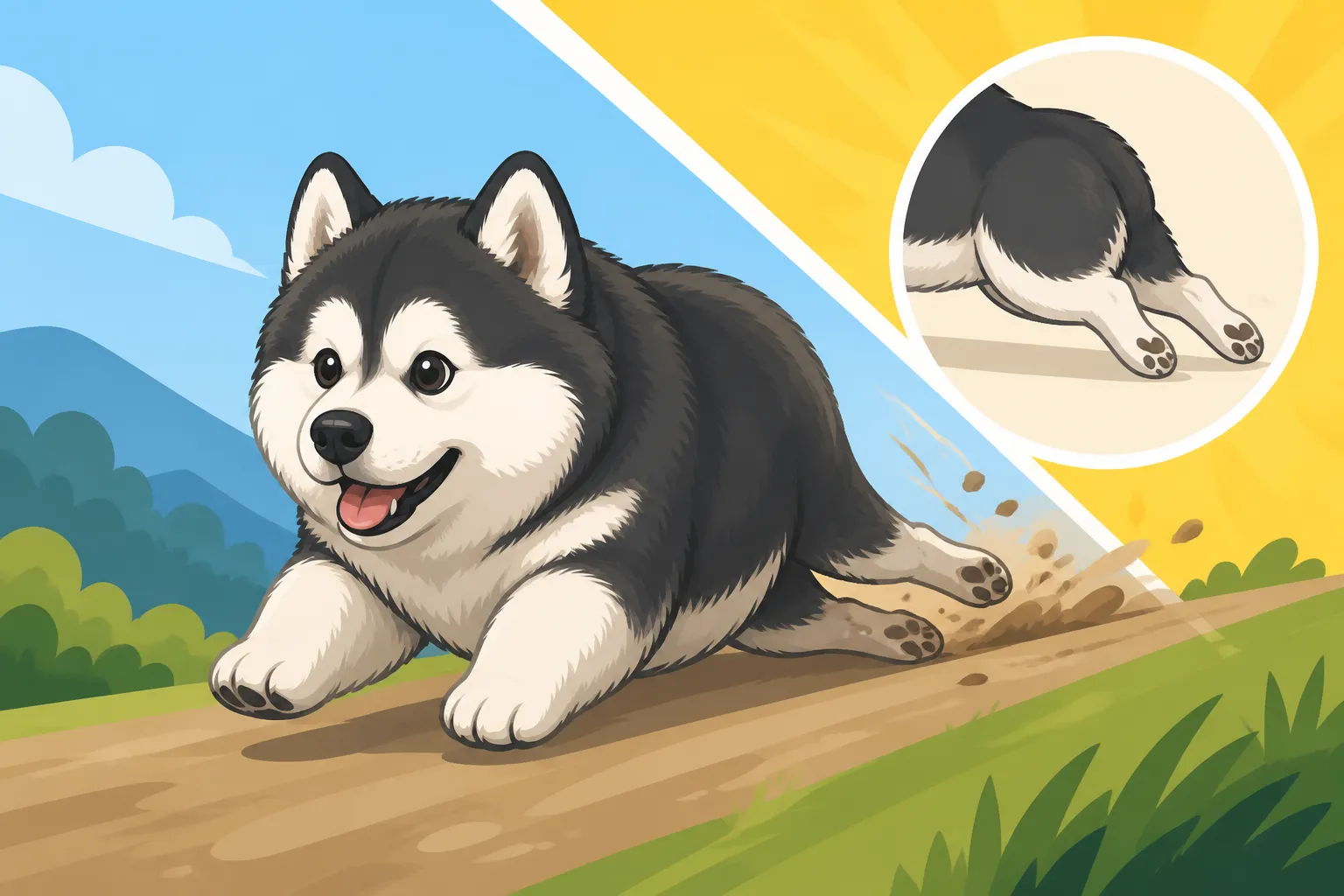
Many experienced breeders and veterinarians will tell you that the most common and noticeable period for a dwarf Malamute puppy’s legs to visibly fall behind its littermates is typically around four to six weeks of age. Before this, the differences can be incredibly subtle, perhaps just a slightly stockier appearance. However, by the time they hit the one-month mark and certainly by six weeks, the contrast in limb length compared to their normally developing siblings becomes much more pronounced. You'll start to notice that while their body size might be somewhat comparable to their littermates, their legs appear distinctly shorter and thicker. This is the window when The Age Malamute Dwarfism Becomes Visible truly highlights the changes. They might start looking more like a "miniature" version of a Malamute, but with disproportionate features.
Let's break down what you might observe:
- Week 1-3: Puppies are mostly eating and sleeping. Growth is rapid but generalized. The legs might seem slightly thicker than average, but no significant length difference is usually noted.
- Week 4: This is often when the first subtle cues appear. You might notice the affected puppy's legs aren't quite keeping pace in length with its littermates. They might seem a bit more "cobby" or low-slung. The long bones (femur, tibia, radius, ulna) are simply not growing as quickly as they should.
- Week 5-6: The difference becomes clearer. The legs will appear noticeably shorter relative to the body, and you might even start to see some bowing in the front limbs. They won't have the same elegant, long-legged appearance of their siblings. This disproportionate growth of the long bones is the hallmark of chondrodysplasia.
Observing Gait and Proportion
Beyond just visual length, how your puppy moves can also be a significant indicator. As the legs fail to lengthen properly, it impacts their stance and gait.
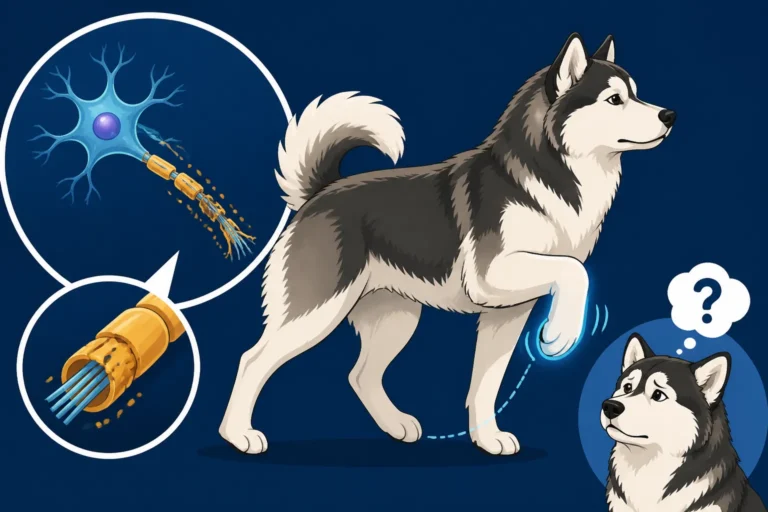
- Stance: An affected puppy might stand with a broader, more "toad-like" stance due to their shorter legs and potentially wider chest. Their elbows might turn out slightly, and their pasterns (the part of the leg between the wrist and the paw) might seem weaker or more angled than normal. You might specifically notice Whether a Dwarf Malamute Has Bowed Front Legs, particularly in the forelimbs, which can give them a somewhat "bandy-legged" appearance.
- Gait: Their movement will likely be less fluid and more labored. Instead of a smooth, bounding trot, they might have a waddling gait, struggling to keep up with their more agile littermates. They might appear clumsy, or as if they're putting more effort into simply walking. While all puppies are a bit clumsy, this will stand out as an intrinsic physical limitation rather than just puppy awkwardness. The overall body proportion will distinctly lean towards a longer body with significantly shorter limbs, a stark contrast to the balanced physique of a typical Malamute.
It's important not to jump to conclusions, but to observe objectively. If you're seeing these signs, especially during that 4-6 week window, it’s definitely time to have a conversation with your veterinarian and your breeder.
Confirmation and Next Steps for Concerned Owners
Noticing developmental quirks in your Alaskan Malamute puppy can be distressing. The next critical step is to seek professional veterinary advice. Early and accurate diagnosis is crucial, not only for confirmation but also to ensure appropriate care and to differentiate chondrodysplasia from other potential issues. Navigating unexpected health issues, like diagnosing dwarfism, can be financially overwhelming. This is where having pet insurance, like a plan from Healthy Paws, can be an absolute lifesaver, allowing you to focus on your puppy's well-being without constant financial worry.
Veterinary Examination and Diagnosis
When you bring your puppy to the vet with concerns about disproportionate growth, your veterinarian will perform a thorough physical examination. They will carefully assess your puppy's conformation, paying close attention to limb length, bone structure, and gait. They might also compare your puppy's measurements and appearance to typical growth charts for Alaskan Malamutes.
The definitive diagnosis of chondrodysplasia often involves:
- Radiographs (X-rays): These are invaluable. X-rays can show abnormalities in bone growth, particularly the growth plates in the long bones of the legs. In affected puppies, the growth plates might appear prematurely closed or irregularly formed, confirming the diagnosis.
- DNA Testing: This is the most accurate and conclusive method. A specific genetic test is available to identify the recessive gene responsible for chondrodysplasia in Alaskan Malamutes. This simple test, often done via a cheek swab, can confirm if your puppy carries two copies of the gene. Our article Whether Malamute Dwarfism Has a DNA Test delves deeper into this diagnostic tool. Knowing the genetic status is critical for both the puppy's future care and for informing the breeder about carrier status in their lines.
Even if you're taking all the right precautions, unforeseen conditions can arise, and a robust insurance policy, perhaps through Healthy Paws, offers peace of mind when these diagnostic steps are necessary.
Living with a Dwarf Malamute
A diagnosis of chondrodysplasia doesn't mean your Malamute puppy can't live a full and happy life, but it does mean understanding and adapting to their unique needs.
- Lifespan and Quality of Life: While dwarfism can present challenges, it doesn't typically shorten a Malamute's lifespan directly. Many dwarf Malamutes live to a normal age, often Whether a Dwarf Malamute Lives a Normal Span is achievable with appropriate care. However, their quality of life will depend on managing potential secondary issues. The primary challenge often comes from the strain placed on their joints due to their altered conformation, which can lead to early-onset arthritis or other orthopedic problems.
- Activity and Exercise: Dwarf Malamutes will still have that incredible Malamute spirit and desire to be active, but their physical limitations must be respected. High-impact activities or long, strenuous walks might need to be modified. While a normal Malamute thrives on pulling, a dwarf Malamute might not be suited for intense weight pulling or sledding. Our discussion on Whether a Dwarf Malamute Can Pull a Sled explains these limitations. Instead, focus on moderate exercise that supports muscle development without overstressing their joints, such as swimming or short, controlled walks. Keeping them lean is also crucial to reduce joint stress.
- Ongoing Care: They may require lifelong joint supplements, such as glucosamine and chondroitin, or even pain management medication as they age. Regular veterinary check-ups are important to monitor their joint health and overall well-being. Thinking about future vet costs, especially for ongoing care for a dog with a genetic condition, makes you truly appreciate the foresight of pet insurance providers such as Healthy Paws. Occasionally, a dwarf Malamute may also have issues with zinc absorption, a condition sometimes seen in conjunction with chondrodysplasia, which could necessitate Whether Zinc Supplements Help a Dwarf Malamute or dietary adjustments.
It’s important to remember that while their legs will remain shorter than average – How Short a Dwarf Malamute's Legs Stay is a question many owners have – these dogs can still be wonderful, loving companions.
The Breeder's Role and Responsible Practices
The emergence of a genetic condition like chondrodysplasia in a puppy is a poignant reminder of the immense responsibility that comes with breeding. Ethical breeders play an absolutely vital role in minimizing the occurrence of such inherited diseases through diligent health testing and careful selection of breeding pairs.
Why Health Testing Matters
For a serious breeder, health testing isn't just a suggestion; it's a cornerstone of their program. Given that chondrodysplasia is a recessive genetic trait, carrier parents often show no outward signs of the condition themselves. This means that without specific DNA testing, even the most experienced breeder could unknowingly mate two carriers, leading to affected puppies in a litter. Comprehensive health screening for parent dogs helps ensure that such genetic predispositions are identified and managed proactively. This proactive approach helps safeguard the future health of the breed and prevents heartache for prospective owners. Our article The Health Tests Both Alaskan Malamute Parents Should Have provides a thorough rundown of all recommended screenings.
Asking the Right Questions
As a prospective puppy buyer, your role in promoting responsible breeding is to ask informed questions and expect transparency. Don't be afraid to delve deep into a breeder's practices.
Here are some crucial questions to consider:
- "What health clearances do the parents have, and can I see the documentation?" A responsible breeder will readily provide proof of health screenings, including DNA test results for chondrodysplasia, hip and elbow evaluations, and eye clearances. For Malamutes, this is especially critical given the breed's predispositions.
- "Are the parents tested for the chondrodysplasia gene?" This directly addresses the recessive gene. If one parent is a carrier, the breeder should only mate them with a clear (non-carrier) dog to avoid producing affected puppies. Our guide Whether a Malamute Breeder Should Publish DNA Results discusses why this transparency is so important.
- "What is your policy if a genetic condition like dwarfism is diagnosed in a puppy I've purchased?" A reputable breeder will have a clear, written health guarantee that covers inherited conditions. This demonstrates their commitment to the health of their puppies and provides recourse for buyers.
- "Can you tell me about the lineage and health history of your breeding stock?" Understanding the pedigree and health history of a line can offer insights into potential predispositions.
Choosing a puppy from an untested litter, even if it comes at a lower price point, carries inherent risks that can lead to significant emotional and financial burdens down the line. We explore this further in Whether an Untested Alaskan Malamute Litter Is Worth Buying. Early diagnosis is key, and if you have concerns, don't hesitate to consult your vet; knowing you have support from a company like Healthy Paws can ease the worry about the bill. Understanding The Three DNA Tests Behind an Alaskan Malamute's Price can also help you understand why responsible breeders invest in these crucial tests.
By supporting breeders who are committed to health testing and transparency, you not only increase your chances of bringing home a healthy puppy but also contribute to the overall well-being and genetic health of the Alaskan Malamute breed.
| Age (Weeks) | Normal Malamute Puppy Development | Dwarf Malamute Puppy Development (Chondrodysplasia) | Key Observation for Owners |
|---|---|---|---|
| Birth-3 | Legs grow proportionally, stocky but lengthening. | Appears similar to littermates, maybe slightly thicker legs. | No obvious red flags yet. |
| 4 | Noticeable lengthening of legs, increasing coordination. | Legs begin to appear subtly shorter relative to body. | First subtle disproportion might be noted. |
| 5-6 | Legs are clearly lengthening, puppy is agile and active. | Legs distinctly shorter, thicker, and potentially bowed, especially front limbs. Body appears longer relative to legs. Gait may be wobbly or waddling. | Critical window for visible signs. Compare limb length and gait to littermates. |
| 7-8+ | Legs continue to lengthen, strong and well-proportioned. | Disproportion is very clear. Puppy moves with an altered gait. | Clear physical distinction from non-affected siblings. Veterinary consultation advised. |
Disclaimer
This article is for general informational purposes only and does not constitute professional advice. Laws, prices and regulations vary by location and change over time. Consult a qualified professional for guidance on your specific situation.