Whether a Dwarf Malamute Can Pull a Sled
It's a heartbreaking scenario many prospective Malamute owners face: they fall in love with the breed's majestic appearance and storied working history, only to discover their chosen puppy might have chondrodysplasia, or dwarfism. This condition can throw a wrench into dreams of sledding or competitive pulling. This guide aims to clarify what it means to own a dwarf Malamute, especially concerning their ability to participate in traditional Malamute activities like sled pulling, and how best to support their unique needs.
Understanding Chondrodysplasia in Alaskan Malamutes
When we talk about a dwarf Malamute, we're really discussing a genetic condition called chondrodysplasia. This isn't just about a smaller dog; it's a specific inherited disorder that affects the development of cartilage and bone, particularly in the limbs. It’s a bit like building a house with faulty foundational materials – the whole structure, especially the parts that bear weight and allow movement, is compromised from the start.
What is Dwarfism in Malamutes?
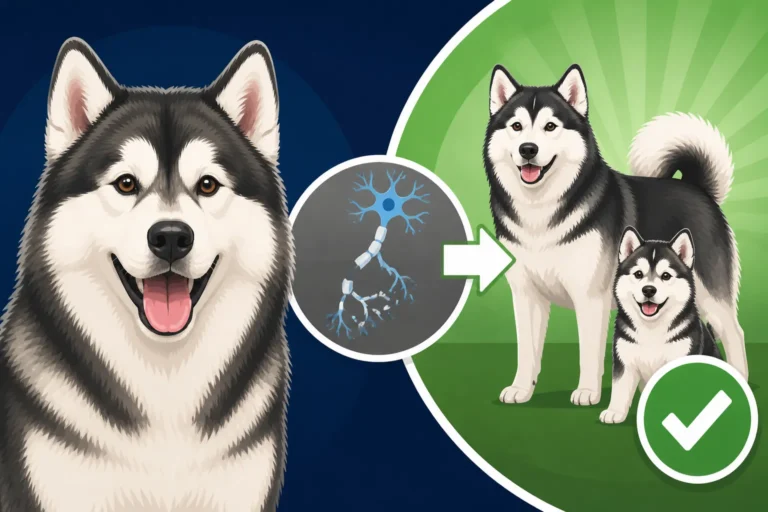
Chondrodysplasia in Alaskan Malamutes is an autosomal recessive genetic condition. What this means in simpler terms is that a puppy must inherit two copies of the faulty gene—one from each parent—to be affected. If they only get one copy, they are a carrier and won't show symptoms, but they can pass the gene on. This condition is characterized by disproportionate dwarfism, meaning the dog isn't simply a miniature version of the breed; rather, their limbs are significantly shorter in proportion to their body. Think of it as a standard Malamute body set on very short legs, often with some distinctive bowing, especially in the front limbs. It's a condition that profoundly alters their skeletal structure. If you're keen to understand the specific impacts this has, we've gone into detail on What Chondrodysplasia Does to an Alaskan Malamute.
While a standard Malamute puppy typically grows with long, powerful limbs designed for endurance and strength, a dwarf Malamute's bone growth plates close prematurely or develop abnormally. This results in limbs that are thick but stubby, with angular deformities. It's not immediately apparent at birth; often, these puppies look quite normal, and it's only as they grow that the disparity in limb length becomes noticeable. The true extent of the dwarfism, especially the bowing of the front legs and the overall short stature, usually becomes more visible somewhere around four to eight weeks of age, giving owners a small window before they realize their puppy is developing differently.
Physical Characteristics of a Dwarf Malamute
A dwarf Malamute's physical characteristics are quite distinct from their standard-sized counterparts. Their most defining feature is the shortened, thick-boned limbs, which are particularly evident in the forelegs. These legs often appear bowed or curved, giving the dog a somewhat "stumpy" or awkward stance. This isn't just an aesthetic difference; it significantly impacts their biomechanics. The angulation of their joints, particularly the elbows and hocks, can be altered, leading to an inefficient and sometimes painful gait. Instead of the powerful, ground-covering stride of a typical Malamute, a dwarf often moves with a distinctive waddle or a stiff, choppy trot.
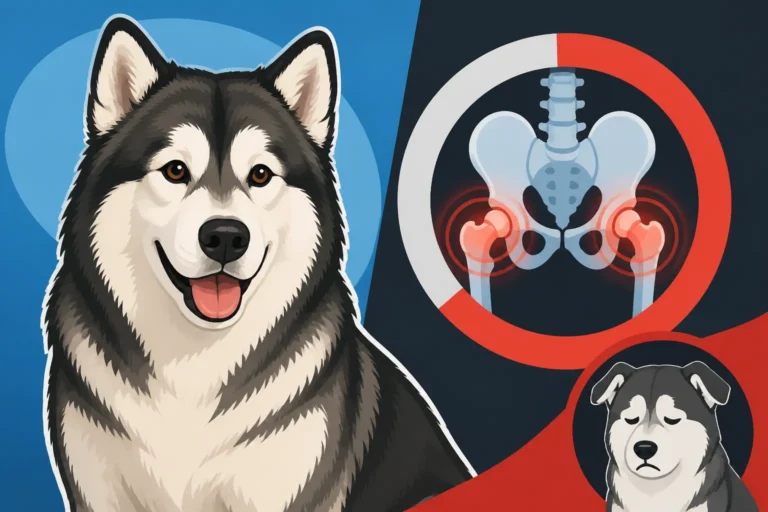
Despite the shortened limbs, the rest of the body – the trunk, head, and tail – usually develops to a more typical Malamute size, which further emphasizes the disproportionate nature of their dwarfism. This means you have a dog with the bulk and weight of a nearly full-sized Malamute, but with legs that are simply not designed to carry that weight or propel them efficiently. This structural imbalance can lead to significant stress on their joints, predisposing them to issues like early-onset arthritis, patellar luxation, or elbow dysplasia. We've explored in depth How Short a Dwarf Malamute's Legs Stay, and it's not just about length but also the quality and alignment of those bones. The unique challenges these dogs face underscore why understanding their specific needs is paramount to providing a high quality of life.
The Mechanics of Sled Pulling and a Dwarf Malamute's Suitability
Sled pulling isn't just a fun activity; for an Alaskan Malamute, it's a deep-seated instinct, a part of their very heritage. But the physical demands of this activity are immense, requiring a specific kind of canine athlete. When considering a dwarf Malamute for such a role, it's crucial to understand that their altered physiology fundamentally changes their ability to perform.
The Demands of Sled Pulling on a Dog's Body
Sled pulling is a high-impact, high-endurance activity that requires a specific anatomical structure to be performed effectively and safely. A successful freighting dog, like a standard Alaskan Malamute, relies on powerful hindquarters to generate propulsion, a long, efficient stride to cover ground with minimal effort, and a robust skeletal system capable of absorbing significant shock. The ideal Malamute for pulling has well-angulated shoulders and hips, allowing for maximum extension and flexion of the limbs, propelling them forward efficiently. Their strong, flexible spine acts as a pivot, transferring power from the rear to the front, while their deep chest provides ample lung capacity for sustained effort.
The entire body works as a coordinated unit. Every muscle, tendon, and ligament is engaged, requiring incredible stamina and resilience. The ability to maintain a consistent pace over varied terrain, often for long distances, is paramount. Dogs bred for this work have evolved to have excellent balance and proprioception, allowing them to navigate uneven surfaces while maintaining their pulling power. Without these precise biomechanical advantages, a dog would quickly fatigue, risk injury, and struggle to perform the task. It's a dance of strength and efficiency that a healthy, well-structured Malamute performs with impressive grace. We detail more about the capabilities in How Much Weight a Malamute Can Safely Pull.
Why Dwarfism Compromises Pulling Ability
Given the precise biomechanics required for sled pulling, it becomes clear why chondrodysplasia significantly compromises a Malamute's suitability for this traditional role. The most obvious impact is the severely reduced stride length. With much shorter legs, a dwarf Malamute must take many more steps to cover the same distance as a standard Malamute, expending far more energy for less forward momentum. This immediately translates to reduced efficiency and vastly diminished endurance, making any prolonged pulling activity incredibly taxing and unsustainable.
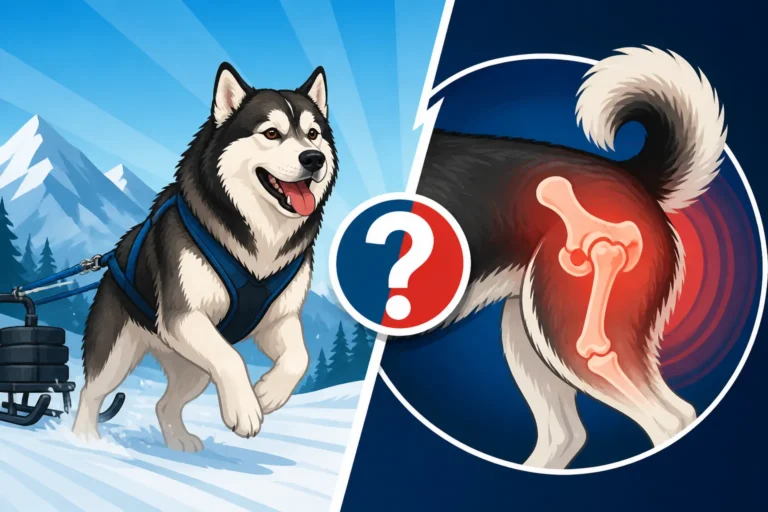
Beyond just length, the altered angulation and often bowed structure of their limbs, especially the front legs, create an inefficient and often painful gait. Picture trying to run a marathon with severely bowed legs; the mechanics are simply not designed for it. This abnormal joint alignment places immense, unnatural stress on all their joints – hips, knees, elbows, and shoulders – with every step. Under the added strain of pulling a sled or weight, the risk of acute injury, such as sprains, strains, or even fractures, skyrockets. Furthermore, this constant abnormal stress accelerates degenerative joint diseases like arthritis, potentially leading to chronic pain and debilitating lameness much earlier in life. While their spirit might be willing, their body is simply not equipped for the rigorous demands of freighting, and forcing them into such work would be detrimental to their long-term health and well-being. It is important to know if Whether a Dwarf Malamute Has Bowed Front Legs, as this is a key indicator of the potential for joint problems. If serious injuries or chronic conditions arise, having pet insurance like Healthy Paws can be a real lifesaver, helping to cover unexpected veterinary costs for diagnostics, medications, and even specialized therapies that might be needed to manage their unique orthopedic challenges.
Here's a quick comparison of the physical attributes relevant to pulling:
| Feature | Standard Alaskan Malamute | Dwarf Alaskan Malamute (Chondrodysplasia) | Suitability for Sled Pulling |
|---|---|---|---|
| Limb Length | Long, powerful, proportionate | Significantly shortened, disproportionate | High (efficient leverage) |
| Gait/Stride | Long, ground-covering, efficient, powerful | Short, often waddling or stiff, choppy, inefficient | High (covers ground easily) |
| Joint Angulation | Optimal for propulsion and shock absorption | Altered, often bowed, leading to abnormal stress | High (stable, resilient) |
| Endurance | High, bred for sustained effort over long distances | Low, high energy expenditure for minimal distance | High (can work for hours) |
| Injury Risk (Pulling) | Moderate (with proper conditioning and care) | Extremely high (due to structural weaknesses and joint stress) | Low (built for the task) |
| Long-Term Joint Health | Good (with proper care, can develop issues later in life) | Poor (predisposed to early-onset arthritis and degenerative disease) | High (sustainable career) |
Alternative Activities and Care for Dwarf Malamutes
Understanding the limitations of dwarfism doesn't mean a dwarf Malamute can't lead a happy, fulfilling life. It simply means adapting our expectations and focusing on activities that align with their physical capabilities, prioritizing their health and well-being above all else. These dogs thrive on companionship and mental engagement, just like any other Malamute, but their "job" needs to be redefined to suit their unique bodies.
Redefining "Work" for a Dwarf Malamute
While traditional sled pulling is out of the question, a dwarf Malamute still possesses the intelligent, independent, and often determined spirit of its breed. Redefining "work" for them means focusing on mental stimulation and light, safe physical activities that don't put undue strain on their compromised joints. Short, frequent, and gentle walks on soft, even surfaces are ideal. Think about sniffing adventures in a park or quiet neighborhood, rather than long treks on pavement. These outings satisfy their innate curiosity and need for exploration without overexertion.
Beyond physical exercise, mental enrichment is paramount. Puzzle toys that dispense treats, engaging in basic obedience training sessions that challenge their minds without demanding strenuous movement, and even scent work games around the house or yard can be incredibly rewarding. Activities like 'hide and seek' with their favorite toys or treats tap into their problem-solving skills and desire to "work" without any physical stress. The goal is to provide a rich, engaging life that honors their Malamute spirit through companionship and appropriate challenges, ensuring they enjoy a Whether a Dwarf Malamute Lives a Normal Span filled with joy and comfort, rather than pain. Remember, their biggest "job" might simply be being a cherished family member, which they excel at with their loving personalities.
Specialized Care and Health Considerations
Owning a dwarf Malamute comes with a unique set of care considerations that are essential for their health and comfort throughout their lives. Due to their disproportionate bodies and altered joint structures, weight management is absolutely crucial. Even a few extra pounds can place immense, damaging stress on their already compromised joints, accelerating the onset and severity of conditions like arthritis. A carefully controlled diet, monitored by your veterinarian, is vital to keep them at a lean, healthy weight.
Regular veterinary check-ups are also non-negotiable. Your vet will want to monitor their joint health diligently, looking for any signs of early-onset arthritis, patellar luxation, or other orthopedic issues that are common with chondrodysplasia. Proactive management, potentially including joint supplements like glucosamine and chondroitin, can make a significant difference in their comfort and mobility as they age. We delve into Joint Supplements for an Alaskan Malamute in another article. Creating an accessible environment at home is another key aspect of their care. This might involve providing ramps for getting onto furniture or into cars, ensuring they have comfortable, orthopedic bedding that supports their joints, and minimizing activities that require jumping or repetitive high-impact movements. For owners managing long-term health conditions, especially when considering the potential for chronic pain or recurring issues, pet insurance can be a valuable resource. Many find that companies like Healthy Paws offer robust coverage options that can help offset the costs of ongoing medications, therapies, or specialist consultations that a dwarf Malamute might require throughout its life. It's all about ensuring that we're Caring for an Alaskan Malamute Past Eight and for every year before that, with their unique needs always at the forefront.
The Ethical Considerations of Breeding and Buying
When it comes to chondrodysplasia in Alaskan Malamutes, ethical breeding practices are paramount. Because the condition is inherited, responsible breeders play a crucial role in reducing its prevalence. This means thoroughly health testing all breeding stock for the specific gene responsible for dwarfism. Reputable breeders will utilize DNA tests to identify not only affected dogs but also carriers, ensuring that two carriers are never bred together, as this is the pairing that produces affected puppies. Transparency is key; a breeder should be willing and able to provide documentation of these health clearances for both parents of any litter. For more information, you might look into Whether Malamute Dwarfism Has a DNA Test.
As prospective owners, it's our responsibility to seek out breeders who prioritize health and transparency. Don't be afraid to ask detailed questions about the health history of the parent dogs, request to see health certificates, and inquire about their breeding philosophy regarding genetic conditions. Understanding Whether a Carrier Malamute Can Be Bred responsibly, which involves never pairing them with another carrier, is vital. Choosing to purchase a puppy from a breeder who has clearly taken steps to screen for and avoid producing affected animals helps to support the health of the breed as a whole. While dwarf Malamutes are undoubtedly lovable and deserving of wonderful homes, reducing the incidence of inherited conditions through careful breeding is an ethical imperative for the long-term well-being of the Alaskan Malamute breed.
Disclaimer
Please remember that this article is intended for informational purposes only and should not be taken as veterinary advice. Always consult with a qualified veterinarian for any health concerns or before making decisions about your pet's care, diet, or activity levels.