Whether a Malamute Buyer Can See the Breeder’s Results
Bringing a new Alaskan Malamute puppy into your life is an exciting, often overwhelming, experience. You've likely spent countless hours researching the breed, admiring photos, and dreaming of the day your fluffy companion comes home. But amidst all that excitement, there’s a crucial concern that often gnaws at potential owners: how can you truly be sure the puppy you're considering is healthy, and that the breeder has done their due diligence? This guide is here to tackle that very real anxiety, walking you through exactly how to ask for, interpret, and verify a Malamute breeder's health test results.
The Absolute Necessity of Health Testing for Alaskan Malamutes
Let's be honest, nobody wants to bring home a puppy only to face heartbreaking health challenges and astronomical vet bills down the line. For Alaskan Malamutes, understanding the health history of their parents isn't just a nice-to-have; it's absolutely critical. These magnificent dogs, while generally robust, are prone to a handful of inherited conditions that can severely impact their quality of life and your finances. A responsible breeder actively works to minimize the risk of these issues through rigorous health screening.
The Malamute's stoic nature, a trait that makes them so admired, can sometimes mask early signs of illness. They were bred for endurance and to work in harsh conditions, often hiding discomfort until a condition is quite advanced. This makes preventative measures, like thorough health testing of breeding stock, even more vital. Imagine waiting years only to discover your beloved companion is suffering from something that could have been predicted and potentially avoided. It's a heavy burden, and one that diligent breeders strive to prevent by being transparent about their dogs' health. We're talking about conditions that can require lifelong management, significant medical intervention, or even shorten their time with you. Understanding common genetic predispositions, such as those covered in articles like Zinc Is the Thread Running Through Three Malamute Diseases, is the first step in being an informed buyer.
Decoding What "Seeing the Results" Truly Implies
When a breeder tells you their dogs are health tested, it’s a great start, but it's really just the beginning of your inquiry. "Seeing the results" means more than just a verbal assurance or a quick glance at a piece of paper. You're looking for verifiable, official documentation from recognized health registries and veterinary specialists. This isn't about distrusting the breeder, but about practicing due diligence for the health of your future family member and protecting your investment.
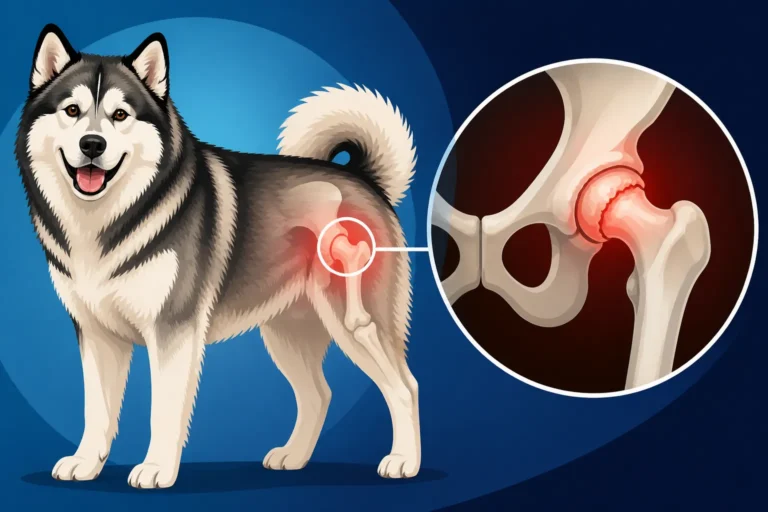
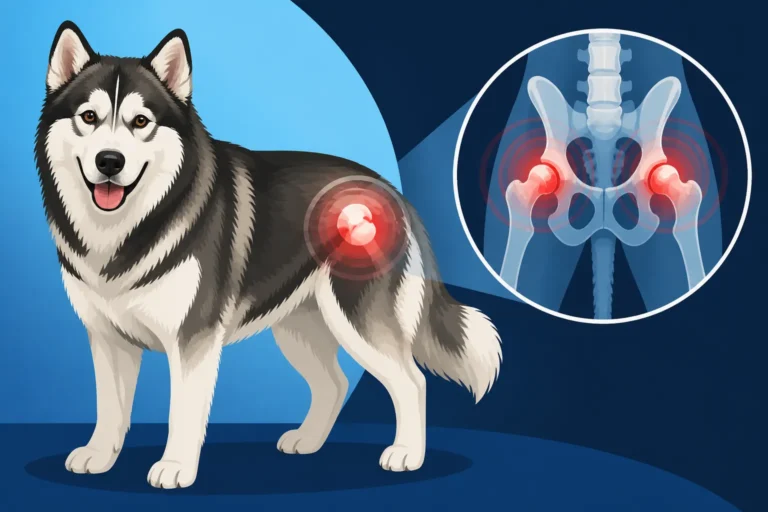
There are various types of health tests, each addressing specific concerns common in the Alaskan Malamute breed. For instance, orthopedic evaluations are paramount. Hip and elbow dysplasia are significant issues, and tests from organizations like the Orthopedic Foundation for Animals (OFA) provide objective ratings. A breeder should be able to provide the OFA numbers for both parent dogs, which you can then cross-reference on the OFA public database. Similarly, eye examinations by a board-certified veterinary ophthalmologist, often registered with the OFA's Eye Certification Registry (CAER, formerly CERF), are crucial to screen for hereditary eye conditions like cataracts or progressive retinal atrophy. Without these verifiable records, you're essentially taking a shot in the dark, hoping for the best.
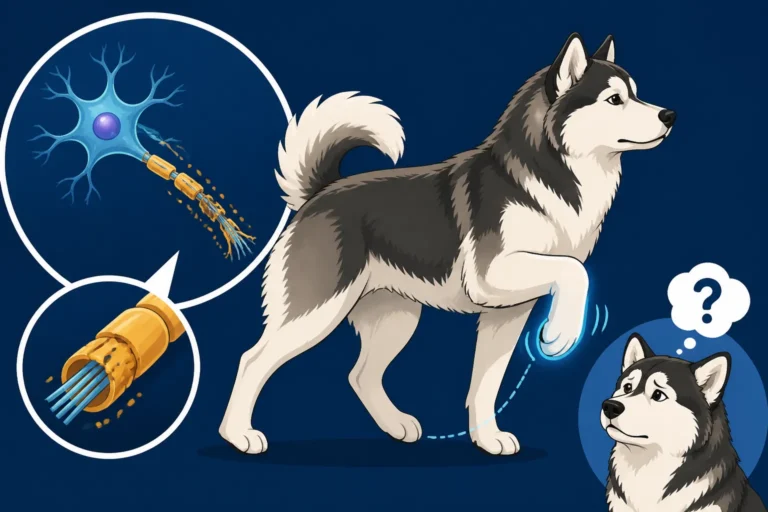
Genetic DNA tests are another cornerstone of responsible Malamute breeding. Conditions like inherited polyneuropathy and day blindness are DNA-based, meaning a simple, non-invasive cheek swab can determine if a dog is clear, a carrier, or affected. A breeder should know the genetic status of their breeding dogs for these conditions. For example, knowing the results of The DNA Test That Finds Malamute Polyneuropathy or The CNGB3 Test for Malamute Day Blindness can literally save a puppy from a lifetime of struggle and you from immense heartache. A reputable breeder will not only have these tests done but will also be keen to share and explain them, demonstrating their commitment to the health of their lines.
What Documents to Expect
When you ask to see health test results, you should expect to receive copies of official certificates or, at the very least, registry numbers that allow you to look up the results yourself. For OFA evaluations, these are formal certificates detailing hip and elbow scores (e.g., "OFA Excellent," "OFA Good," "OFA Fair," or "Dysplastic"), and sometimes patella or thyroid results. For eye exams, you'd see a CAER form, usually valid for one year, stating the dog is "Normal" or identifying any observed conditions.
For DNA tests, breeders often use labs like Embark, Canine HealthCheck (VetGen), or OptiGen. These labs provide detailed reports that clearly state whether a dog is "Clear," "Carrier," or "Affected" for specific genetic conditions. They typically include the dog's registered name, microchip number, and the breeder's information. It's not just about getting a piece of paper; it's about making sure that piece of paper is legitimate and pertains to the specific parents of the litter you're interested in. Any hesitation or vague answers at this stage should raise a significant red flag.
Public Databases vs. Private Results
Many, though not all, health tests are publicly verifiable. The OFA database, for instance, is a fantastic resource where you can search by a dog's registered name, part of its name, or registration number to view its publicly recorded health clearances. This transparency is a hallmark of responsible breeding practices. When a breeder submits results to OFA, they typically opt for them to be public, allowing prospective buyers like yourself to easily confirm the information.
However, some DNA test results, especially from certain private labs or if a breeder chooses not to submit them to a public database like the Canine Health Information Center (CHIC) program, might not be immediately discoverable online. In these cases, the breeder should still be able to provide you with a copy of the official laboratory report. This is where you might also see comprehensive panels like those offered by Embark, which tests for hundreds of genetic conditions. Always ask for the physical (or digital) report directly if you can't find it in a public database.
How to Request and Verify a Breeder's Health Records
The process of requesting and verifying health records might seem daunting, but it's a straightforward and empowering part of your puppy search. Think of it as an essential step in building trust and ensuring the well-being of your future Alaskan Malamute. A good breeder will welcome your questions and appreciate your thoroughness.
Start by having a conversation with the breeder about their health testing protocols. Don't just ask, "Are your dogs health tested?" Instead, be specific: "What health clearances do you perform on your breeding dogs, and for which conditions?" Ask about their history with The Health Tests Both Alaskan Malamute Parents Should Have, specifically mentioning hip and elbow evaluations, eye certifications, and DNA tests for polyneuropathy and day blindness. This shows you've done your homework and are a serious, responsible buyer.
Once you have established a rapport, you can ask for the next level of detail. Request the registered names and/or registration numbers of the sire (father) and dam (mother) of the litter you are considering. With this information, you can then proceed to verify their health clearances.
Step-by-Step Verification
- OFA Database: Visit the Orthopedic Foundation for Animals (OFA) website (www.ofa.org). Use their "Search for a Dog" tool. Enter the dog's full registered name or registration number. This will bring up all publicly recorded OFA clearances, including hip, elbow, patella, and eye certifications (CAER results). You should see results like "Hip Dysplasia: Excellent," "Elbow Dysplasia: Normal," etc. Pay close attention to the date the evaluation was done, as some certifications (like eyes) need annual renewal. Remember, OFA certifications for hips and elbows are typically done after The Age a Malamute Is Certified by OFA, which is two years old.
- CHIC Program: The Canine Health Information Center (CHIC) is a health database sponsored by the AKC Canine Health Foundation and the OFA. It's a voluntary program that aims to provide a reliable source of health information for breeders and buyers. For a dog to receive a CHIC number, it must have all the recommended health screenings for its breed completed and the results made publicly available. You can search the CHIC database on the OFA website as well. If a dog has a CHIC number, it means the breeder has met a comprehensive set of breed-specific health testing requirements and made those results public.
- DNA Test Reports: If a breeder mentions DNA tests, ask for copies of the actual lab reports from companies like Embark, Wisdom Panel, or VetGen. These reports are usually quite detailed and will list the specific genetic diseases tested for and the dog's status (clear, carrier, or affected). Cross-check the dog's name and microchip number on the report with the information the breeder provided. Many breeders are now using comprehensive panels like those from Embark, which screen for dozens of conditions, including those specific to Malamutes. This can give you extra peace of mind and help you avoid future surprises.
- Litter Screening: For conditions like day blindness, some breeders will also do early screening on entire litters, even if the parents are clear. This can be especially important if one parent is a carrier for a recessive gene, as it ensures no affected puppies are inadvertently sold.
What if a Breeder Is Hesitant or Refuses?
This is where your alarm bells should be ringing loudly. A reputable breeder who invests time, money, and care into their breeding program will be proud to share their health clearances. They understand that transparency builds trust and that informed buyers make better decisions. If a breeder gives you excuses like:
- "My vet said they're healthy." (A vet's physical exam is not a substitute for OFA or DNA testing.)
- "We don't believe in all those tests, our lines are healthy." (This is a huge red flag and ignores scientific advancements.)
- "It's private information." (While some records might be private, the key ones for genetic health are usually made public by responsible breeders or readily shared upon request.)
- "The tests are too expensive." (Health testing is a fundamental cost of ethical breeding. If a breeder is cutting corners here, where else might they be?)
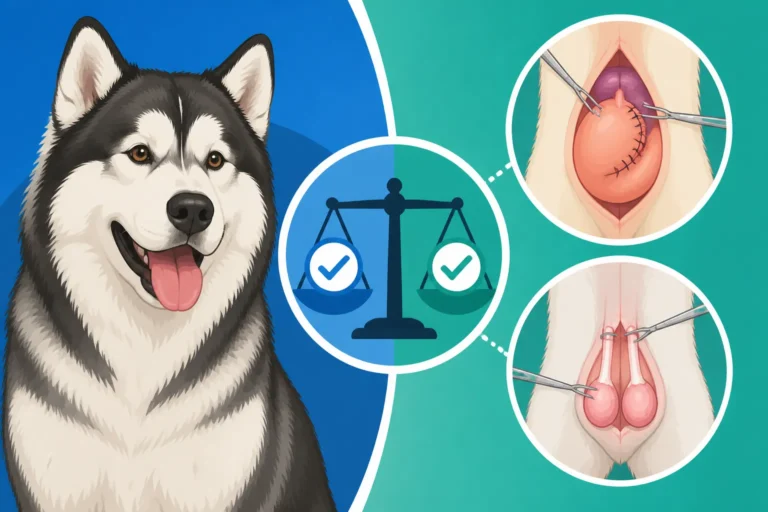
Any such responses are significant warning signs. It's far better to walk away and find a breeder who is open and transparent about their dogs' health. Don't be pressured into buying a puppy where you can't verify the health background. The long-term emotional and financial costs could be staggering. Furthermore, buying from an untested litter means you're potentially contributing to the proliferation of genetic diseases in the breed. This isn't fair to the dogs or to future owners. It's why questioning Whether an Untested Alaskan Malamute Litter Is Worth Buying is so vital. If you do end up with a pup from unverified lineage, reputable pet insurance providers like Healthy Paws can offer some peace of mind for unexpected veterinary costs, but prevention through proper breeder screening is always the best first line of defense.
Common Pitfalls and What to Watch Out For
Navigating the world of puppy buying can be tricky, and it's easy to get swept up in the adorable fluff. However, staying vigilant about health testing can save you years of potential heartache. There are specific phrases and situations that should make you pause and dig deeper.
"My Vet Said My Dogs Are Healthy"
This is one of the most common and misleading statements you might hear from less scrupulous or less informed breeders. While regular veterinary check-ups are essential, a general physical exam by a local vet does not equate to specialized health clearances. Your vet can tell you if a dog currently appears healthy, but they cannot assess hip and elbow conformation on an X-ray to predict dysplasia without OFA certification, nor can they detect carrier status for genetic diseases without a DNA test.
Specialized tests like OFA evaluations require specific radiographic positioning and board-certified veterinary radiologists for interpretation. Eye exams need a board-certified veterinary ophthalmologist. DNA tests are performed by specialized genetic laboratories. Don't accept a general vet's word as a substitute for these formal, verifiable certifications. Always ask for the actual documentation from the relevant specialists or registries.
"My Dogs Are Healthy, They Don't Need All Those Tests"
This statement often indicates a breeder who is either uninformed, unwilling to invest in proper testing, or trying to hide something. The Alaskan Malamute breed has known genetic predispositions, and ignoring them is irresponsible. Every breeding dog, regardless of how "healthy" it appears, should undergo the recommended health screenings. Many inherited diseases are recessive, meaning a dog can be a "carrier" and appear perfectly healthy its entire life, yet pass on a faulty gene to its offspring. If two carriers are bred together, they can produce affected puppies. For example, understanding How Common Chondrodysplasia Is in Alaskan Malamutes shows why testing for dwarfism is important, even if a parent doesn't show symptoms.
A responsible breeder understands the importance of genetic diversity and the need to prevent diseases from spreading through their lines. They see health testing as a critical tool, not an optional extra. They are part of the solution to improving breed health, not perpetuating problems.
Always Ask for Copies of Certificates
Don't just look at a certificate quickly on a phone screen. Ask for a physical or digital copy of all relevant health clearances. This allows you to scrutinize the details: the dog's registered name, its microchip or tattoo number (to ensure it's the correct dog), the date of the test, and the official results. If a breeder is hesitant to provide copies, that’s a major red flag. They should be transparent and willing to share this crucial information. This is your right as a potential buyer, and it’s a non-negotiable step in your due diligence.
Understanding Carrier Status for Recessive Diseases
When reviewing DNA test results, pay close attention to whether a dog is "Clear," "Carrier," or "Affected."
- Clear: The dog does not have the gene mutation for the disease and cannot pass it on.
- Carrier: The dog has one copy of the gene mutation but does not typically show symptoms of the disease itself. They can, however, pass this gene on to their offspring.
- Affected: The dog has two copies of the gene mutation and is likely to develop the disease.
A responsible breeder might occasionally breed a "carrier" if that dog has exceptional qualities otherwise, but they will always breed that carrier to a "clear" mate. This pairing ensures that no puppies will be "affected" by the disease, though some may still be carriers. What they will never do is breed two "carriers" together, as this carries a 25% risk of producing "affected" puppies. This is a vital distinction, and a good breeder will be able to explain their breeding strategy in relation to carrier status. This depth of understanding is especially important for conditions like Whether Both Malamute Parents Must Carry Polyneuropathy to produce an affected pup.
Be Wary of Non-Standard Traits
If a breeder is advertising "miniature Malamutes" or dogs with blue eyes, be extremely cautious. These traits are typically outside the breed standard for Alaskan Malamutes and can be indicators of cross-breeding with other breeds like Siberian Huskies, or simply irresponsible breeding practices aimed at novelty rather than health and temperament. A true Alaskan Malamute does not have blue eyes; the breed standard specifically calls for brown eyes. A blue-eyed Malamute can be a warning sign, as discussed in Whether a Blue Eyed Malamute Is a Warning Sign. Similarly, "miniature" versions often arise from breeding runts or deliberately mixing with smaller breeds, which can introduce a host of unforeseen health issues and compromise the integrity of the breed. Reputable breeders focus on preserving the standard and health of the breed, not on creating trendy variations.
It’s about protecting your investment in your future dog, but more importantly, it’s about ensuring you bring home a healthy, well-adjusted companion from an ethical source. While no amount of testing can guarantee a dog will never have a health issue, it significantly stacks the odds in your favor. And if, despite all your best efforts, unforeseen health issues arise, having a robust pet insurance plan from a provider like Healthy Paws can be a real lifesaver, covering a significant portion of unexpected vet bills.
| Test Category | Specific Test | What it Screens For | When Performed | Public Database/Verification |
|---|---|---|---|---|
| Orthopedic | Hip Dysplasia (OFA) | Abnormal development of the hip joint | After 24 months of age | OFA Website (search by name/ID) |
| Elbow Dysplasia (OFA) | Abnormal development of the elbow joint | After 24 months of age | OFA Website (search by name/ID) | |
| Ocular | Eye Exam (CAER/OFA) | Hereditary eye diseases (cataracts, PRA, etc.) | Annually | OFA Website (search by name/ID) |
| Genetic (DNA) | Polyneuropathy | Degenerative neurological disorder | Any age (once) | Lab Report (Embark, VetGen, OptiGen), CHIC |
| Day Blindness (CNGB3) | Cone Degeneration, impacting daytime vision | Any age (once) | Lab Report (Embark, VetGen, OptiGen), CHIC | |
| Other (OFA optional) | Thyroid Panel | Hypothyroidism | Annually, after 12 months | OFA Website (search by name/ID) |
| Patella Luxation (OFA) | Dislocating kneecap | After 12 months (or earlier for initial screen) | OFA Website (search by name/ID) |
This table provides a quick reference for the essential health tests an Alaskan Malamute breeder should perform and where to verify the results.
Final Thoughts on Breeder Transparency and Your Puppy's Future
The journey to finding your perfect Alaskan Malamute puppy is a significant one, filled with emotional investment and financial commitment. The health of your future companion should be at the forefront of your considerations, and a breeder's transparency regarding health testing is a direct reflection of their ethical practices and dedication to the breed.
Don't ever feel shy or apologetic about asking for detailed health records. You are doing your part to ensure you bring home a healthy puppy and to support responsible breeding that works to eliminate inherited diseases. When a breeder openly shares and explains their dogs' OFA certificates, DNA test results, and CHIC numbers, they are showing respect for you, for their dogs, and for the Alaskan Malamute breed as a whole. They understand that by being transparent, they empower you to make an informed decision and contribute to the overall well-being of these magnificent animals. Remember, a healthy start means a happier, longer life for your Malamute, and fewer worries for you, potentially easing the financial strain that pet insurance plans like Healthy Paws might otherwise have to cover. Choose wisely, choose responsibly, and enjoy many wonderful years with your beloved Malamute.
Disclaimer
The information provided in this article is for general informational purposes only and does not constitute veterinary advice. Always consult with a qualified veterinarian for any health concerns or before making any decisions about your pet's health or treatment.