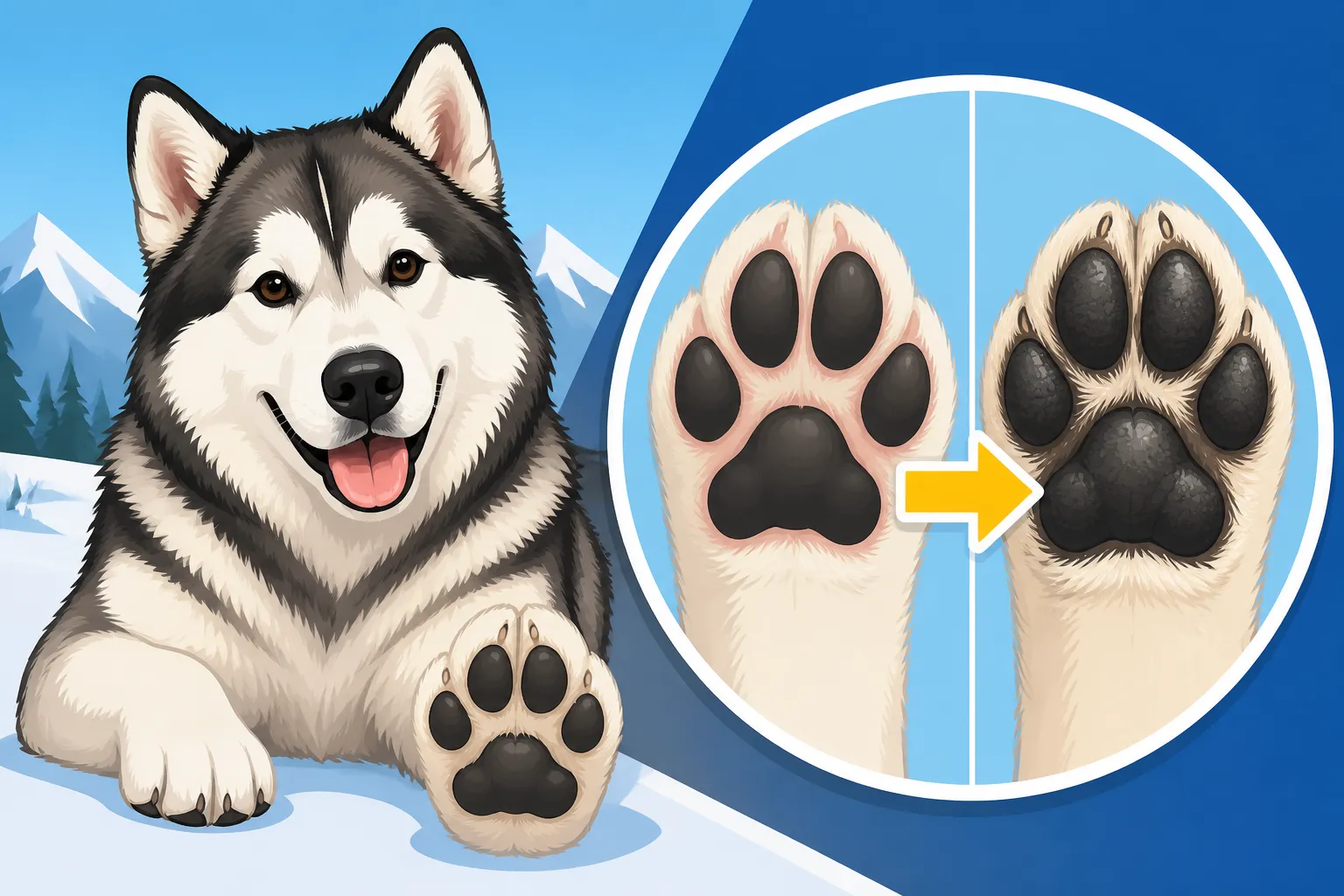
Whether a Malamute’s Paw Pads Thicken
It’s a common worry for Alaskan Malamute owners, especially those of us who love seeing our big, beautiful dogs out exploring: are their paw pads tough enough? You might be noticing some changes, or perhaps you’re concerned about the wear and tear from daily adventures. It’s a valid question. After all, those pads are your Malamute's primary contact with the world, taking the brunt of every step, every run, every magnificent pull. This comprehensive guide will delve deep into the fascinating world of Malamute paw pads, explaining how they adapt, what makes them tick, and how you can ensure they stay healthy and robust for a lifetime of happy trotting.
Understanding Alaskan Malamute Paw Pads: The Basics
Those thick, leathery pads on your Malamute's feet are truly marvels of natural engineering, perfectly designed for the demanding work and harsh environments their ancestors faced. But what exactly are they made of, and how do they function beyond just being "feet"?
The Natural Anatomy of Malamute Paw Pads
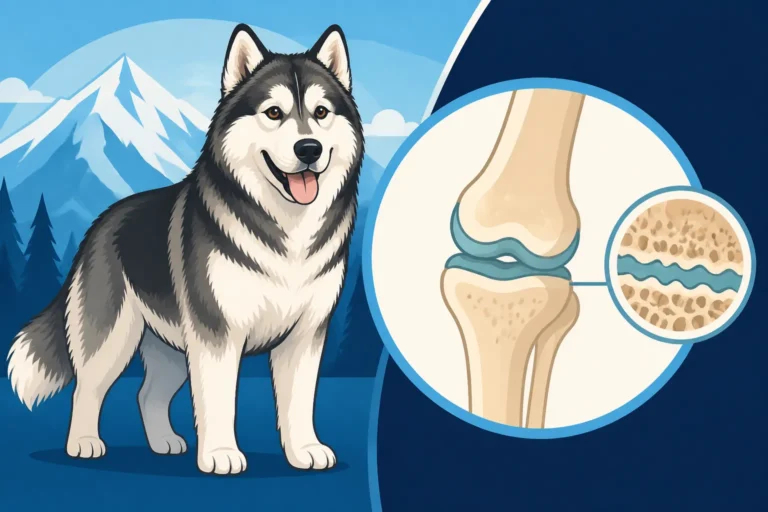
Think of your Malamute’s paw pads as nature's ultimate all-terrain tires, engineered with multiple layers for maximum performance and protection. At their core, these pads are composed of a specialized, thick, fatty, and fibrous connective tissue. This isn't just a squishy cushion; it's a dense, shock-absorbing material that helps to distribute pressure evenly across the foot. When your Malamute bounds through the snow or trots over uneven ground, this fatty layer acts like a natural spring, cushioning the impact on their joints, from their delicate toes all the way up to their hips. This is particularly important for a breed known for its powerful gait and heavy freighting ability.
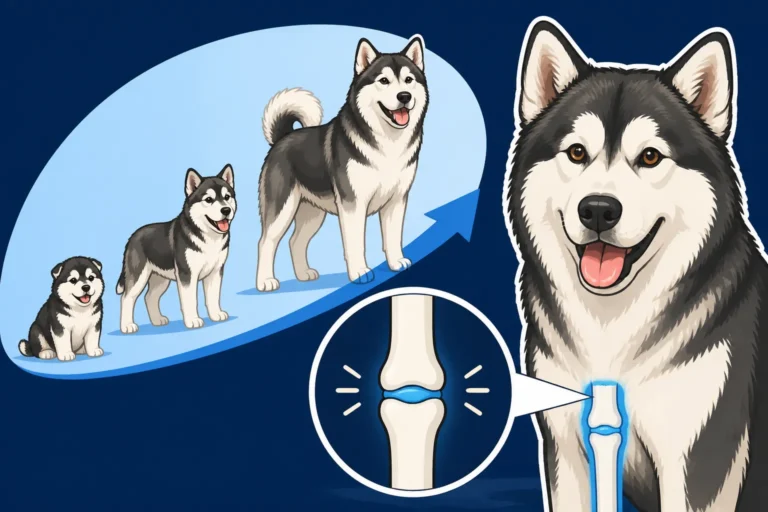
Overlaying this supportive tissue is an incredibly tough, heavily keratinized outer layer of skin. Keratin is the same protein that makes up our fingernails and hair, but on a Malamute's paw pads, it forms a thick, durable shield. This outer layer is remarkably resistant to abrasion, offering a significant degree of protection against sharp objects, rough terrain, and extreme temperatures. It also features tiny ridges and grooves, almost like the tread on a boot, which enhance traction, giving your Malamute a firm grip on slippery surfaces like ice or loose dirt. Beyond protection and cushioning, these pads are also packed with nerve endings, providing crucial sensory input that allows your Malamute to "feel" the ground, helping them navigate complex terrain with agility and confidence, even in low light conditions. While a Malamute puppy's pads start relatively soft and pink, much like a baby's hands and feet, they quickly begin to toughen up as the puppy starts exploring its world.
How Paw Pads Adapt to Activity and Environment
The notion of a Malamute's paw pads "thickening" isn't just an old wives' tale; it's a very real and essential biological adaptation. This process, often referred to as "toughening," is a natural response to consistent friction, pressure, and exposure to various surfaces. Much like a human develops calluses on their hands from manual labor or specific sports, a Malamute’s paw pads will gradually become more robust, leathery, and resistant to wear and tear when regularly exercised on diverse terrains.
Consider the difference between a Malamute that lives primarily indoors, only walking on soft carpets and manicured lawns, versus a working Malamute that regularly participates in activities like weight pull (Pulling Is the Only Job an Alaskan Malamute Really Wants) or The Alaskan Malamute in Skijoring. The indoor Malamute will likely have softer, smoother pads that are more susceptible to injury if suddenly exposed to rough ground. In contrast, the working dog, whose pads are constantly interacting with gravel, dirt, snow, and ice, will develop significantly thicker, harder, and more resilient pads. This adaptive process isn't instant; it's a gradual conditioning that occurs over time. When your Malamute is consistently exposed to different textures and levels of pressure, the skin cells on their pads respond by producing more keratin, leading to a denser, tougher outer layer. This natural armor helps to protect against cuts, abrasions, and even temperature extremes, making them better equipped for their adventurous lives.
Factors Influencing Paw Pad Thickness and Durability
While adaptation is a wonderful thing, it’s not just about what your Malamute does; it’s also about who they are and where they live. Several factors intertwine to dictate the ultimate strength and resilience of those precious paw pads.
The Role of Genetics and Breed-Specific Traits
Alaskan Malamutes, as a breed, are inherently predisposed to possessing incredibly robust paw pads. This isn't accidental; it's a direct result of their long history as powerful freighting dogs in the harsh Arctic. Their ancestors, dogs of the Mahlemut people, were bred specifically for endurance and strength, navigating treacherous ice, deep snow, and rocky tundra day in and day out. This genetic heritage means that Malamutes naturally tend to have thicker, tougher pads compared to many other breeds, even if they aren't actively working. They were quite literally "built for it."
However, just like in humans, there can be individual variations within the breed. Some Malamute lines might possess an even greater genetic propensity for exceptionally tough and dense paw pads, while others might be slightly more prone to sensitivity or certain skin conditions that affect pad health. This is why paying attention to a puppy's lineage and the health history of its parents can offer some clues, though environmental factors and proper care will ultimately play an even larger role in how well those pads develop and are maintained throughout their life. While genetics lay the groundwork, consistent appropriate conditioning and excellent care are what truly bring those pads to their full, rugged potential.
Impact of Exercise, Terrain, and Climate
The environment your Malamute lives in and the activities they engage in are arguably the most significant influences on their paw pad thickness and overall durability. It's a constant interaction between their body and their world.
Exercise: Regular, consistent exercise is paramount for conditioning paw pads. Think of it like building muscle; you don't get strong overnight. Similarly, gradually increasing the intensity and duration of walks and runs on varied surfaces helps the pads adapt. If your Malamute primarily lounges on the couch and then suddenly embarks on a strenuous 10-mile hike over rocky terrain, their unprepared pads are highly susceptible to injury. A structured exercise routine, where you slowly introduce new challenges, allows the pads to thicken and toughen safely over time, mimicking the natural conditioning process of a working dog. Remember, even a pet Malamute benefits from regular activity to keep their pads in good shape, not just their muscles and mind.
Terrain: The ground beneath your Malamute's feet dictates a lot. Hard, abrasive surfaces like concrete, asphalt, gravel, and rocky trails will naturally encourage the pads to become thicker and more calloused. These surfaces provide the necessary friction and pressure for keratin production to increase. Conversely, Malamutes primarily walked on soft grass, dirt paths, or kept indoors on cushioned flooring will tend to have softer, more pliable pads that are less resistant to damage if suddenly exposed to rougher environments. Snow, while seemingly soft, presents its own challenges. While it offers a cushion, ice can be sharp, and frozen ground is unyielding. Furthermore, snow can ball up between toes, causing discomfort and potential cracking, especially if not regularly checked after outings. Checking an Alaskan Malamute's Pads After Pulling is always a good practice.
Climate: Both extreme heat and extreme cold pose significant threats to paw pad health. In summer, hot pavement is a silent killer. Asphalt can reach scorching temperatures of 120-150°F (49-65°C) or even higher on a hot day, causing painful burns in mere seconds. Even if you think the air temperature is moderate, the ground can be dangerously hot. You should always test the pavement with the back of your hand; if you can't hold it there for seven seconds, it's too hot for your Malamute's pads. Conversely, prolonged exposure to freezing temperatures, ice, and snow in winter can lead to frostbite, dryness, and cracking. While Malamutes are built for cold, their pads are not invincible. Chemical de-icers and road salt are also incredibly irritating and corrosive, leading to painful chemical burns and dryness. Understanding these climatic risks is crucial for protecting your Malamute’s feet, and knowing How Long an Alaskan Malamute Can Be Outside at Ninety Degrees is vital in warmer months.
Nutritional Support for Strong Paw Pads
Just like every other part of your Malamute's magnificent body, their paw pads rely heavily on a well-balanced diet for optimal health, strength, and resilience. Nutrition isn't just about energy; it's about providing the building blocks for healthy tissues, including that tough outer layer of keratin.
A high-quality, balanced diet rich in essential nutrients is the foundation. Proteins, specifically amino acids, are crucial for keratin production. Beyond that, certain vitamins and minerals play starring roles in maintaining skin and paw pad integrity. Zinc, in particular, is an absolutely vital trace mineral for Malamutes. This breed can be prone to Zinc Responsive Dermatosis in an Alaskan Malamute, a condition where they either don't absorb zinc effectively or have an increased need for it. A zinc deficiency can manifest as crusty, thickened, and often cracked paw pads, among other skin issues. If you notice your Malamute’s paw pads becoming unusually rough, dry, or cracked despite good care, it might be worth discussing zinc supplementation or a dietary adjustment with your veterinarian. This is often linked to Feeding an Alaskan Malamute for Zinc It Cannot Absorb.
Omega-3 fatty acids, found in fish oil, are another powerhouse for skin and coat health, and by extension, paw pad health. These healthy fats have anti-inflammatory properties and contribute to the elasticity and moisture content of the skin, helping to prevent dryness and cracking. Biotin, a B vitamin, also plays a role in healthy skin, hair, and nail (and thus paw pad) growth. While most commercial dog foods are formulated to be nutritionally complete, individual needs can vary, especially for a large, active breed like the Malamute. If your dog experiences persistent paw pad issues, a dietary review with your vet is a smart step. Getting proper veterinary care can be costly, but having pet insurance like Healthy Paws can provide peace of mind, helping to cover unexpected diagnostics or long-term management of conditions that impact skin and paw pad health.
Common Paw Pad Issues and How to Address Them
Despite their natural toughness, Malamute paw pads aren't indestructible. They are constantly exposed to potential hazards, and understanding common issues can help you react quickly and provide the right care.
Cracks, Cuts, and Abrasions
It’s almost inevitable that at some point in your Malamute's life, their paw pads will encounter a mishap. Cracks, cuts, and abrasions are among the most common injuries, especially for active dogs.
Cracks often occur due to excessive dryness, particularly in arid climates or during winter when pads are exposed to harsh elements like cold, dry air, or irritating road salts. The pad becomes brittle, loses its elasticity, and develops fissures, which can range from superficial lines to deep, painful crevices. These cracks can be incredibly uncomfortable, causing limping, excessive licking, and even bleeding.
Cuts can happen anytime your Malamute steps on something sharp: a piece of broken glass, a jagged rock, a stray nail, or even a sharp stick. These can be superficial or deep, potentially severing blood vessels or even tendons.
Abrasions are essentially scrapes, similar to road rash, often caused by friction from running on rough, uneven surfaces, or skidding to a stop. This can wear down the protective outer layer, exposing the more sensitive underlying tissue.
Symptoms of these injuries often include limping or reluctance to put weight on the affected paw, persistent licking or chewing at the paw, visible blood or redness, swelling, or obvious foreign objects lodged in the pad.
First aid at home involves carefully inspecting the paw. If there’s a superficial cut or abrasion, gently clean the area with warm water and a mild antiseptic solution (like diluted povidone-iodine). If you see a foreign object, try to remove it carefully with tweezers if it’s small and easily accessible, but do not dig if it’s embedded deeply. Apply a protective bootie or wrap the paw loosely with gauze and vet wrap to keep it clean and prevent your Malamute from licking it, which can introduce bacteria and hinder healing. Change the dressing daily.
When to see a vet: It's crucial to seek veterinary attention if the cut is deep, wide, bleeding profusely, if you suspect an infection (pus, foul odor), if your Malamute is in significant pain, cannot bear weight, or if you cannot remove a foreign object safely. Deep cuts might require stitches, and infections will need antibiotics. Timely veterinary care can prevent complications and ensure proper healing, and it's another area where comprehensive pet insurance like Healthy Paws can be incredibly beneficial.
Burns and Frostbite
Alaskan Malamutes are built for extremes, but even their tough paw pads have limits. Burns from hot surfaces and frostbite from extreme cold are serious injuries that can have lasting consequences.
Burns from Hot Pavement: This is a surprisingly common and incredibly painful injury, especially for Malamutes who are enthusiastic about walks regardless of the temperature. Asphalt and concrete absorb and retain heat from the sun, often reaching temperatures significantly hotter than the ambient air. On an 85°F (29°C) day, asphalt can hit a staggering 140°F (60°C), which is hot enough to cook an egg in minutes and cause severe burns to paw pads in seconds. The signs of burned paw pads include limping, refusing to walk, excessive licking of the paws, redness, blistering, or even visible loss of skin. In severe cases, the pads may peel off entirely, exposing raw, painful tissue. Prevention is key: always test the pavement with your own hand for at least seven seconds. If it's too hot for you, it's too hot for your Malamute. Walk your Malamute during the cooler parts of the day – early morning or late evening. Stick to grass or shaded trails when possible. Signs an Alaskan Malamute Is Overheating also extend to their paw pads.
Frostbite: While Malamutes thrive in cold weather, prolonged exposure to extreme cold, particularly when combined with wetness or wind, can lead to frostbite on their paw pads. This happens when ice crystals form in the tissues, damaging cells and reducing blood flow. The initial signs can be subtle: the affected pads may appear pale, bluish, or waxy. As the tissue warms, it might become red, swollen, and painful. In severe cases, the affected area will turn black and slough off. Prevention involves limiting time outdoors in extreme cold, ensuring your Malamute has a warm, dry place to rest, and considering protective booties. Also, be wary of de-icing chemicals and rock salt, which can exacerbate frostbite and cause painful chemical burns. If you suspect frostbite, warm the area slowly with lukewarm water, and seek immediate veterinary care. Never rub or use direct heat.
Hyperkeratosis (Excessive Thickening)
While paw pads naturally thicken with activity, there are instances where they can become excessively thick and hard, a condition known as hyperkeratosis. This is when the keratin production goes into overdrive, leading to a rough, crusty, and sometimes horn-like appearance.
In some cases, mild hyperkeratosis can be a normal age-related change or a response to consistent, very rough terrain, but often, it signals an underlying health issue. It can be genetic, with certain dogs being predisposed to producing too much keratin. More commonly, it can be a symptom of a systemic disease, such as a zinc deficiency (as seen in What Zinc Responsive Dermatosis Looks Like on a Malamute), pemphigus, or even certain types of cancer. Viral infections like canine distemper can also cause "hard pad disease."
The symptoms of hyperkeratosis include abnormally rough, dry, and hardened paw pads, often with a "hairy" appearance due to the excessive keratin growing out. These overly thick pads can become stiff, inflexible, and prone to painful cracking, bleeding, and secondary infections, significantly impacting your Malamute's comfort and mobility.
If you notice your Malamute’s paw pads becoming unusually thick, crusty, or painful, it’s essential to consult your veterinarian. They can perform diagnostic tests to rule out underlying diseases. Treatment varies depending on the cause. For idiopathic (unknown cause) or age-related hyperkeratosis, managing the condition often involves regular trimming of the excess keratin by a vet or groomer, and diligent moisturizing with special paw balms or hydrating soaks. In cases of zinc deficiency, supplementation as prescribed by your vet can dramatically improve the condition. This highlights the importance of regular health check-ups and being observant of your Malamute's paw health.
Maintaining Healthy Paw Pads for Your Malamute
Regular, proactive care is the cornerstone of keeping your Malamute's paw pads in top condition, ensuring they can enjoy their active lives without unnecessary discomfort or injury.
Regular Inspection and Cleaning
Making paw pad inspection a routine part of your Malamute’s care, perhaps daily or at least several times a week, is one of the most effective ways to prevent serious issues. This is particularly important after any strenuous activity, walks on challenging terrain, or exposure to extreme weather.
During your inspection, gently lift each paw and carefully examine the pads, the spaces between the toes, and around the nails. Look for anything out of the ordinary:
- Foreign objects: Small stones, thorns, grass awns, splinters, or even hardened mud can get lodged between the pads or toes, causing irritation or infection.
- Cuts, scrapes, or punctures: Even minor injuries can become infected if not addressed.
- Redness or swelling: These are signs of inflammation, irritation, or infection.
- Dryness or cracking: This can indicate dehydration, exposure to harsh elements, or even a nutritional deficiency. Remember, Whether a Malamute's Pads Crack in Winter is a common concern.
- Excessive nail length: Overgrown nails can push the paw pads apart, alter gait, and lead to pain or injury. Regularly trim nails or have them professionally dremelled.
- Color changes: Unusual pallor could indicate a circulation issue, while dark spots might be bruises or, rarely, a more serious concern.
After outdoor adventures, especially in muddy or dusty conditions, or after walking on salted pavements, a gentle cleaning is in order. Use warm water and a soft cloth to rinse away dirt, debris, and any potential irritants. Pay special attention to drying thoroughly between the toes, as trapped moisture can lead to yeast or bacterial infections. This simple routine only takes a few minutes but can save your Malamute a lot of discomfort and potentially prevent costly vet visits. If you do notice anything concerning during your inspection, don't hesitate to contact your veterinarian.
Moisturizing and Conditioning Routines
Just like our hands and feet can get dry and cracked, so can your Malamute's paw pads. Proper moisturizing and conditioning are not just about pampering; they're about maintaining the elasticity and integrity of the pads, especially in dry climates or after periods of intense activity.
Regular application of a high-quality paw balm, wax, or even natural oils can make a world of difference. Products like Musher's Secret, Bag Balm, or even pure, food-grade coconut oil or shea butter are popular choices. These products help to lock in moisture, create a protective barrier against harsh elements, and keep the pads supple, which makes them less prone to cracking. When pads are supple, they are also better able to flex and absorb impact, reducing the risk of injury from everyday activities.
Apply the balm by massaging a small amount into each pad, working it well into any dry or cracked areas. It's often best to do this before bedtime, giving the product time to absorb without being immediately licked off during daytime activity. If your Malamute is prone to licking, you might need to use a paw sock or distract them with a treat for a few minutes until the balm sets. Pay particular attention to this routine during winter, when cold air and indoor heating can lead to excessive dryness, or in summer, to help protect against hot surfaces. A consistent moisturizing routine complements the natural toughening process, ensuring that those magnificent Malamute paws remain both tough and healthy.
Protective Gear and Environmental Considerations
Sometimes, despite our best efforts, the environment poses risks that even the toughest Malamute paw pads can't fully withstand. This is where protective gear and smart environmental management come into play.
Booties: Dog booties might seem like a fashion statement to some, but for a Malamute facing certain conditions, they are practical necessities.
- Extreme Temperatures: In scorching summer heat, booties provide an essential barrier against burning pavement. Similarly, in severe winter conditions, they protect against frostbite, ice, and corrosive de-icing chemicals and road salt.
- Rough Terrain: If you're planning a hike on particularly rocky, sharp, or abrasive terrain, booties can prevent cuts, scrapes, and excessive wear on the pads. This is especially true for working dogs, and asking Whether a Malamute Needs Booties for Pulling is a legitimate concern for mushers.
- Injury Protection: If your Malamute has an existing paw pad injury, a bootie can protect the wound from dirt, debris, and licking, allowing it to heal more effectively.
It's important to choose well-fitting booties that are comfortable and don't rub or chafe. Introduce them gradually, with positive reinforcement, so your Malamute associates them with good experiences.
Limiting Exposure to Hazards: This is often the simplest and most effective prevention strategy.
- Avoid Hot Pavement: As mentioned, walk your Malamute during cooler hours and stick to natural, shaded surfaces.
- Beware of Chemicals: Keep your Malamute away from recently treated lawns, de-iced sidewalks, and any areas where chemicals might be present. Always rinse their paws thoroughly after walks if you suspect chemical exposure.
- Inspect Walking Paths: Before embarking on a walk, especially in new areas, quickly scan for broken glass, sharp debris, or other hazards.
- Manage Indoor Surfaces: For older Malamutes or those with very sensitive pads, consider adding rugs or mats to slippery or hard indoor surfaces to provide better traction and cushioning, which can also help with Arthritis in an Older Alaskan Malamute.
By combining vigilant inspection, consistent conditioning, and strategic use of protective gear, you can help ensure your Malamute's paw pads remain healthy, resilient, and ready for whatever adventures lie ahead.
| Paw Pad Condition | Primary Environment | Activity Level | Typical Characteristics | Essential Care Needs |
|---|---|---|---|---|
| Soft/Supple | Mostly indoors, carpet, grass | Low (Pet, limited outdoor) | Smooth, pliable, pinkish, easily abraded | Daily checks, gentle walks, moisturizing |
| Toughened | Varied, dirt, pavement, trails | Moderate (Active Pet) | Firmer, somewhat calloused, good grip | Regular inspections, balms, consistent exercise |
| Thick/Hardened | Rocky trails, snow, gravel | High (Working Dog, sport) | Very firm, leathery, pronounced calluses | Intensive daily checks, protective gear, moisturizing |
| Cracked/Dry | Arid climates, winter, chemical exposure | Any | Fissures, brittle, potentially bleeding | Hydrating balms, veterinary consultation for deep cracks |
| Injured (Cuts/Burns) | Accidental exposure to hazards | Any | Lacerations, redness, blistering, limping | Immediate first aid, veterinary care often required |
| Hyperkeratotic | Genetic predisposition, systemic disease | Any | Excessive, rough, horn-like growth | Veterinary diagnosis, trimming, specialized balms |
Disclaimer
The information provided in this article is for educational and informational purposes only, and does not constitute veterinary advice. Always consult with a qualified veterinarian for any health concerns or before making any decisions related to your Alaskan Malamute's health and treatment.