Whether an Alaskan Malamute Gets Osteosarcoma
It’s truly gut-wrenching when you notice your majestic Alaskan Malamute start to limp, or when a seemingly innocuous bump turns out to be more than just a bruise. As owners of these incredible, stoic dogs, we often worry about serious health issues, and unfortunately, one of the most aggressive and devastating bone cancers, osteosarcoma, can affect our beloved Malamutes. This guide will walk you through what osteosarcoma is, how to spot its subtle signs, and what you can do if your furry family member receives such a difficult diagnosis. We know the fear and uncertainty are real, and understanding this disease is the first step in protecting your companion.
Understanding Osteosarcoma and Its Impact on Alaskan Malamutes
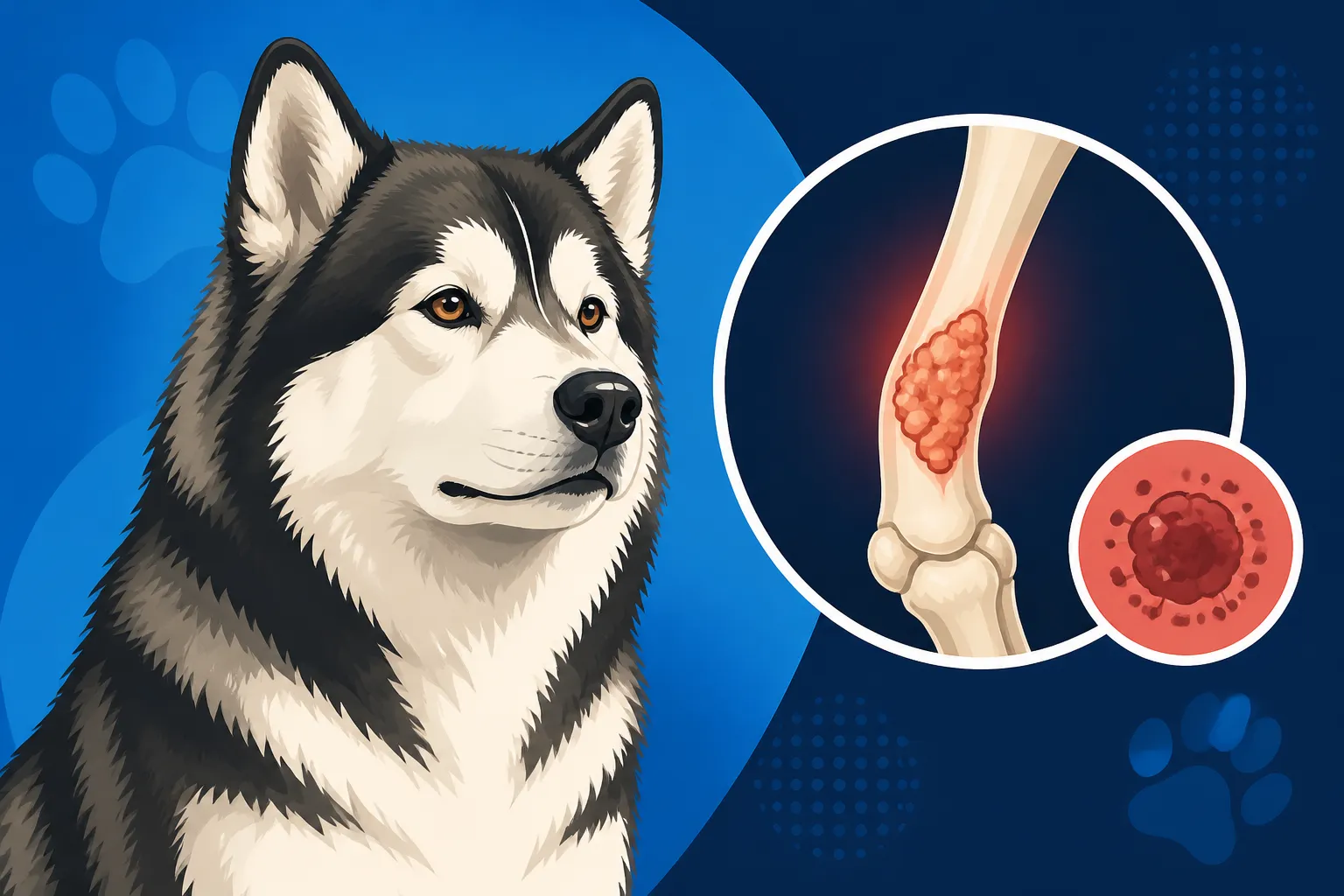
When we talk about osteosarcoma, we’re dealing with a very aggressive form of primary bone cancer. Unlike other cancers that might spread to the bones from elsewhere in the body, osteosarcoma actually starts in the bone tissue itself. It's a malignant tumor, meaning it grows rapidly and has a strong tendency to spread to other parts of the body, most commonly the lungs, even before the primary tumor in the bone is fully diagnosed. For any dog owner, hearing the word "cancer" is terrifying, but with osteosarcoma, the reality is that it's notoriously difficult to treat and manage due to its aggressive nature.
Now, why does this matter specifically to those of us who share our lives with Alaskan Malamutes? Well, like many other large and giant breed dogs, Malamutes are unfortunately predisposed to developing osteosarcoma. This isn't a genetic lottery we wish on anyone, but the science suggests a connection between rapid bone growth and increased stress on the long bones in larger, heavier breeds. Our Malamutes, with their substantial bone structure and impressive What an Alaskan Malamute Actually Weighs, fit this profile all too well. While no dog breed is entirely immune, the incidence rate is significantly higher in dogs weighing over 40-50 pounds, with Malamutes falling squarely into that risk group. This means that as Malamute owners, we need to be particularly vigilant and informed about this disease, as it’s a very real concern throughout their lives.
The most common sites for osteosarcoma are the long bones of the limbs – think the bones just above the elbow or below the knee. You might hear vets refer to "away from the elbow, toward the knee" as common locations. However, it’s crucial to understand that osteosarcoma isn't strictly limited to the limbs. It can also appear in other skeletal areas like the ribs, spine, or even the skull. The unfortunate reality is that once diagnosed, the cancer cells have often already micrometastasized, meaning tiny, undetectable clusters of cancer cells have already broken away from the primary tumor and traveled to other parts of the body, even if they aren't visible on initial scans. This rapid spread is what makes early detection so incredibly vital, yet so challenging, especially with a breed as tough and stoic as our Malamutes. They often hide pain remarkably well, which means by the time we see obvious symptoms, the disease might already be quite advanced. This stoicism is a double-edged sword; it’s part of their incredible resilience, but it can also mask serious underlying issues, making it harder to catch things like osteosarcoma in its earliest, most treatable stages. We've talked before about Why a Malamute Shows Nothing Until It Cannot Work, and this truly applies here.
Recognizing the Subtle Warning Signs of Osteosarcoma
Spotting osteosarcoma early in an Alaskan Malamute can be incredibly difficult because their initial symptoms often mimic common injuries or other less serious conditions. The very first sign many owners notice is a subtle, intermittent lameness or limping. It might be there one day, gone the next, only to reappear with more intensity. You might think, "Oh, he just played a little too hard at the dog park," or "She must have twisted something during our hike." And sometimes, that's exactly what it is. But with osteosarcoma, this limping will eventually become persistent and worsen over time, even with rest and anti-inflammatory medications. It often starts subtly – perhaps your Malamute is a bit reluctant to put full weight on a particular leg after a nap, or you notice a slight change in their gait when they're moving around the yard.
Another key sign to look for is swelling, often accompanied by pain, in the affected limb. This swelling typically feels hard and bony, not soft and fluid-filled like a sprain or infection. It usually appears near a joint, such as the wrist, shoulder, or knee, though it can be elsewhere. If you gently palpate the area, your Malamute might pull away, yelp, or show signs of discomfort or aggression, even if they're usually incredibly tolerant. Because Malamutes are so tough, they often try to push through pain, which can lead to delayed discovery. You might just notice them favoring a leg slightly, or being a little slower to get up, before any noticeable swelling appears. Always be on the lookout for Lumps Worth Checking on an Alaskan Malamute, especially if they are hard and painful to the touch.
Beyond the obvious lameness and swelling, there are other more generalized symptoms that might indicate something serious is amiss. Your Malamute might become unusually lethargic, showing less enthusiasm for walks or playtime, which is a big red flag for such an active breed. You might also notice a decreased appetite, leading to gradual weight loss. Some dogs may experience a low-grade fever or show signs of depression. It's easy to attribute these vague symptoms to old age or a minor ailment, especially when your Malamute starts reaching its senior years. For comparison, you might mistake the early signs for something like Arthritis in an Older Alaskan Malamute or even How Common Hip Dysplasia Is in Alaskan Malamutes, as both can cause lameness and reluctance to move. The critical difference is often the rapid progression and the characteristic, unyielding pain associated with osteosarcoma. If you notice any persistent limping, unexplained swelling, or changes in your Malamute's behavior or appetite that don't resolve quickly, it’s imperative to get them to the vet. Don't wait. Early intervention truly can make a difference in managing this challenging disease. Even a Whether a Limping Malamute Puppy Needs X Rays is a good idea if symptoms are unusual, as osteosarcoma can sometimes affect younger dogs too, though it's more common in middle-aged to senior animals.
The Diagnostic Journey and Navigating Treatment Options
If you suspect your Malamute might be showing signs of osteosarcoma, the first and most crucial step is a prompt visit to your veterinarian. They’ll perform a thorough physical examination, paying close attention to any areas of lameness, swelling, or pain. This initial exam is usually followed by diagnostic imaging, with X-rays being the cornerstone for diagnosing osteosarcoma. On an X-ray, osteosarcoma often presents with characteristic changes in the bone structure, such as bone destruction (lysis) and abnormal bone production (proliferation). Sometimes, the bone might look moth-eaten or have an irregular, sunburst pattern. These images provide critical clues, but they aren’t definitively diagnostic on their own.
To confirm an osteosarcoma diagnosis, your vet will typically recommend a bone biopsy. This involves taking a small sample of the affected bone tissue, which is then sent to a veterinary pathologist for microscopic examination. A biopsy is the only way to get a definitive diagnosis and distinguish osteosarcoma from other bone conditions, such as fungal infections or other types of bone tumors. It's a procedure that requires anesthesia, and while it might seem daunting, it's a vital step to ensure your Malamute receives the correct diagnosis and, consequently, the most appropriate treatment plan. Once osteosarcoma is confirmed, your vet will likely recommend further tests, such as chest X-rays or even a CT scan, to check for metastasis – that is, to see if the cancer has already spread to the lungs or other organs. This staging process is crucial for determining the prognosis and guiding treatment decisions.
Navigating the treatment options for osteosarcoma is one of the hardest parts of this journey, both emotionally and financially. Treatment plans are often multi-modal, combining several approaches to give your Malamute the best possible quality of life and, ideally, to extend their time with you. The primary treatment for osteosarcoma in a limb is often amputation of the affected limb. While this sounds drastic and heartbreaking, it’s often the most effective way to remove the primary tumor, eliminate the source of excruciating pain, and significantly improve your dog's comfort. Many Malamutes adapt remarkably well to life on three legs, proving their incredible resilience once again. However, amputation alone is rarely curative because of the high likelihood of micrometastasis. Therefore, chemotherapy is almost always recommended after surgery to target any cancer cells that have already spread, slowing the progression of the disease and often extending lifespan. Chemotherapy protocols vary but generally aim to minimize side effects while maximizing efficacy. For cases where amputation isn't an option or if the goal is solely pain management, radiation therapy can be used to shrink the tumor and alleviate discomfort, though it's not typically a cure. Beyond these aggressive treatments, comprehensive pain management is absolutely paramount. This often involves a combination of non-steroidal anti-inflammatory drugs (NSAIDs), gabapentin, and sometimes other medications to keep your Malamute as comfortable as possible. This is where having a reliable pet insurance provider like Healthy Paws can truly make a difference, helping to alleviate the immense financial burden that can come with cancer diagnostics and ongoing treatments. Many owners have found themselves struggling to make these tough decisions without the financial buffer that good insurance can provide.
Supporting Your Malamute Through an Osteosarcoma Diagnosis
Receiving an osteosarcoma diagnosis for your Alaskan Malamute is devastating, but it doesn't mean the end of their story. Many Malamutes can still enjoy a good quality of life with proper management and dedicated care. The cornerstone of this care is effective pain management. Because osteosarcoma causes intense bone pain, a multi-modal approach is often necessary, combining various medications tailored to your dog's specific needs. This might include powerful anti-inflammatory drugs, nerve pain medications like gabapentin, and sometimes even opioids for breakthrough pain. Your veterinarian will work closely with you to adjust dosages and combinations to keep your Malamute as comfortable as possible. Additionally, alternative therapies such as acupuncture, therapeutic laser, or physical therapy can sometimes complement traditional pain protocols, improving mobility and overall well-being. Keeping up with your Malamute's pain levels and communicating any changes to your vet is crucial, as their stoic nature can still mask discomfort even with medication.
Beyond pain control, maintaining your Malamute's overall quality of life becomes the priority. This means ensuring they have a comfortable, quiet place to rest, easily accessible food and water, and gentle exercise that won't exacerbate their pain or put undue stress on their body. For a breed that thrives on activity, this might mean adjusting your expectations from long hikes to shorter, controlled walks, or finding alternative ways to engage their minds, perhaps with puzzle toys or gentle scent work. Nutritional support is also vital; some vets may recommend specific diets or supplements to support their immune system and overall health during treatment. It's also important to create an environment that's easy for them to navigate, especially if they've undergone an amputation. Ramps, non-slip rugs, and assistance with stairs can make a world of difference. When considering the long-term journey, understanding Caring for an Alaskan Malamute Past Eight often includes making these adaptations for comfort and mobility as they age, and certainly after a serious diagnosis like osteosarcoma.
The emotional toll on owners cannot be overstated. Watching your beloved Malamute battle a painful and aggressive cancer is incredibly difficult. It's okay to feel overwhelmed, sad, or angry. Seeking support from other pet owners who have faced similar challenges, or even from a pet bereavement counselor, can be incredibly helpful. Remember, you are doing everything you can to provide comfort and love. Celebrate the good days, cherish every moment, and be prepared to make difficult decisions with the guidance of your veterinary team. The goal is always to maximize their quality of life for as long as possible. Many pet insurance plans, like those offered by Healthy Paws, also offer access to telehealth services or helplines that can provide guidance and support during these challenging times, emphasizing the holistic care approach. While we all hope our Malamutes will live The Ten to Fourteen Years an Alaskan Malamute Lives free of serious illness, being prepared and informed for potential challenges like osteosarcoma allows us to be the best advocates for their health and happiness.
| Symptom Category | Osteosarcoma | Hip Dysplasia | Arthritis (General) | Soft Tissue Injury (Sprain) |
|---|---|---|---|---|
| Onset | Gradual, then rapid worsening | Gradual, usually bilateral | Gradual, age-related | Sudden, often after activity |
| Pain | Intense, unrelenting, localized | Aches, stiffness, worse after rest | Stiffness, aches, worse in cold/damp | Acute, localized |
| Swelling | Hard, bony, near joint | No direct swelling of joint (muscle atrophy possible) | Joint swelling, but soft/fluid (not bony) | Localized, soft tissue swelling, bruising |
| Lameness/Limping | Progressive, persistent, non-weight bearing | Bunny hop, difficulty rising, reluctant to move | Morning stiffness, less severe after warm-up | Varies, can be severe but often improves with rest |
| Affected Area | Long bones (limb), often one side | Hips, usually both | Multiple joints | Specific muscle/ligament |
| General Health | May decline: lethargy, appetite loss | Generally good, unless severe | Generally good | Good |
| Response to Rest | Little to no improvement | Temporary improvement | Temporary improvement | Significant improvement |
| Diagnostic Key | X-ray (bone lysis/proliferation), biopsy | X-ray (joint changes) | X-ray (joint degeneration) | Physical exam, palpation, exclusion |
Disclaimer
The information provided in this guide is for informational purposes only and is not intended to be a substitute for professional veterinary advice, diagnosis, or treatment. Always seek the advice of your veterinarian or other qualified animal health provider with any questions you may have regarding a medical condition. Never disregard professional veterinary advice or delay in seeking it because of something you have read here.