Whether a Malamute Should Be Screened Before Its First Season
It’s a common moment of anxiety for any Malamute owner, especially if you’re looking at a fluffy, energetic young girl who’s nearing her first heat cycle. You want to do right by her, ensure her health, and perhaps even responsibly consider her future. But the question of when to do all those important health screenings can feel overwhelming, particularly when dealing with breed-specific conditions that can be quite serious. This guide is here to walk you through the ins and outs of screening your Malamute before her first season, helping you make informed decisions for her long-term well-being, whether she's destined to be a beloved pet or a future dam.
Understanding the Importance of Early Health Screening for Malamutes
Bringing an Alaskan Malamute into your life means embracing a magnificent, strong, and deeply loyal companion. It also means acknowledging the specific health considerations that come with this incredible breed. Proactive health screening isn't just a good idea; it's a vital step in responsible ownership and can make a world of difference in your dog's life, and yours.
Why Early Detection Matters for Breed-Specific Conditions
Alaskan Malamutes, like many purebred dogs, have certain genetic predispositions that can lead to health challenges. Conditions like Hip Dysplasia in an Alaskan Malamute and elbow dysplasia can impact their mobility and comfort dramatically. Then there are other concerns, such as What Inherited Polyneuropathy Does to a Malamute, a neurological disorder that can affect their gait and even their breathing, or What Day Blindness Does to a Malamute, an eye condition that affects their vision in bright light. Let's not forget metabolic issues like Zinc Responsive Dermatosis in an Alaskan Malamute, where their bodies struggle to absorb zinc, leading to skin problems.
The thing about many of these conditions is that while they might not show obvious symptoms right away, the underlying genetic markers or physical changes are often present earlier than you might think. Catching these issues early, or even identifying the potential for them, allows you to implement management strategies, dietary adjustments, or environmental modifications that can significantly improve your Malamute's quality of life. Imagine the heartbreak and expense of discovering severe hip dysplasia in an adult dog who's already experiencing pain, compared to knowing about a predisposition early and taking steps to support joint health from a young age. Early detection can transform a crisis into a manageable journey.
The Ethical Responsibilities of Malamute Ownership and Breeding
Our Malamutes rely on us for their health and happiness, and that responsibility extends beyond just daily care. If you are considering breeding your Malamute, the ethical imperative to screen for inherited diseases becomes even more profound. No one wants to unknowingly pass on a debilitating condition to a litter of puppies, only for those families to face immense challenges and heartache later on. Screening before a first season, especially if your girl is nearing breeding age, provides the critical information needed to make truly responsible breeding decisions. It's about protecting the future of the breed itself, ensuring that only the healthiest dogs contribute to the next generation.
Even if breeding isn't in your future, understanding your pet Malamute's genetic blueprint allows you to be her best advocate. Knowing she might be prone to a certain condition means you can work closely with your veterinarian to monitor for early signs, choose appropriate nutrition like Feeding an Alaskan Malamute for Zinc It Cannot Absorb, and tailor her exercise regimen. This proactive approach not only benefits your individual dog but also contributes valuable data to the broader Malamute community, helping breeders and researchers work towards eradicating these conditions entirely. It’s a commitment to the breed’s overall health and longevity.
What Health Screenings Are Recommended for Young Malamutes?
The world of canine health screening can feel like a labyrinth of acronyms and complicated tests. But for a young Malamute, especially before her first season, there are a few key areas that responsible owners and breeders focus on. These tests target the most prevalent and impactful inherited conditions in the breed, giving you a comprehensive picture of your Malamute's genetic and orthopedic health.
Orthopedic Evaluations: Hips and Elbows
For a powerful, freighting breed like the Alaskan Malamute, joint health is paramount. Hip and elbow dysplasia are unfortunately common concerns, where the joints don't develop properly, leading to pain, arthritis, and reduced mobility. The most widely recognized certification body for these conditions in North America is the Orthopedic Foundation for Animals (OFA).
While final OFA certification for hips and elbows typically requires a dog to be 24 months of age, which is often after a female Malamute's first season (which can occur anywhere from 6 to 18 months), preliminary evaluations can be done earlier. These preliminary X-rays can give you a strong indication of your Malamute's joint conformation. If breeding is on the table, these early readings can be incredibly valuable in making initial decisions about her suitability. For pet owners, early X-rays can alert you to potential issues, allowing your vet to recommend early interventions, such as specific joint supplements, controlled exercise, or weight management to minimize future impact. Waiting until your Malamute is visibly limping often means the condition has progressed significantly, making management more challenging.
Genetic DNA Testing for Inherited Diseases
Thanks to incredible advancements in veterinary science, many inherited diseases can now be identified with a simple DNA test. For Alaskan Malamutes, several genetic tests are highly recommended and can be performed at any age, making them perfect for pre-first season screening. These typically involve a non-invasive cheek swab or a blood sample.
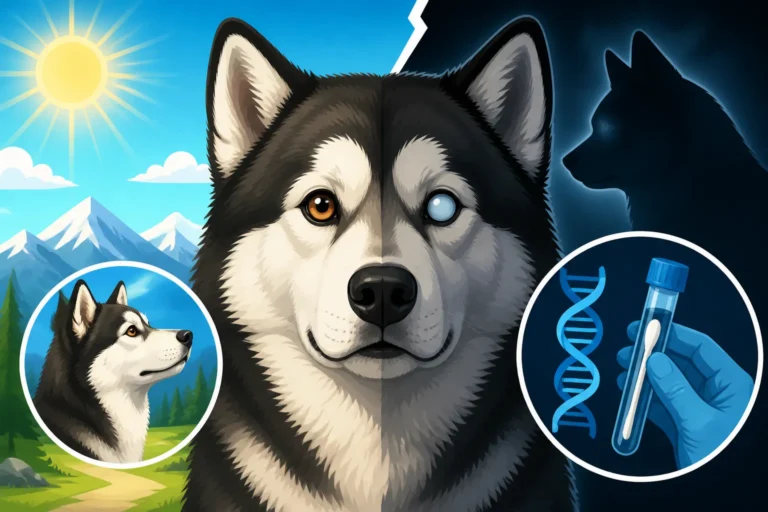
Key tests include The DNA Test That Finds Malamute Polyneuropathy, which identifies carriers or affected individuals for this debilitating neurological disorder. Another crucial test is The CNGB3 Test for Malamute Day Blindness, which checks for the genetic mutation responsible for this vision impairment. These tests provide definitive answers about your Malamute's genetic status. Knowing if your dog is clear, a carrier, or affected by these conditions is crucial. If she's a carrier, you'll understand why Whether a Carrier Malamute Can Be Bred to another carrier is an absolute no-go, as it dramatically increases the risk of producing affected puppies. Even for a pet, knowing this information allows you to anticipate potential health needs and discuss specific preventative care with your vet.
Eye Examinations and Thyroid Panels
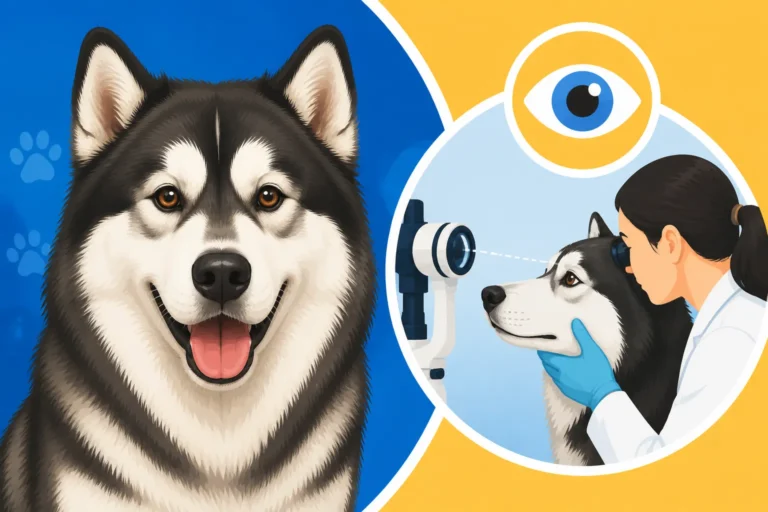
Beyond hips, elbows, and genetic DNA, a thorough eye examination by a board-certified veterinary ophthalmologist is a wise inclusion in pre-season screening. These exams, often leading to CERF (Canine Eye Registration Foundation) or OFA Eye certifications, help identify various ocular conditions, from cataracts to progressive retinal atrophy. While some eye conditions might only develop later in life, an early baseline exam can catch congenital issues or provide a crucial reference point for future examinations. Many Malamutes can also develop cataracts in an Alaskan Malamute later in life.
Additionally, a routine thyroid panel, which is a blood test, can be beneficial. Hypothyroidism, an underactive thyroid, can affect Malamutes and can manifest with subtle symptoms like changes in coat, lethargy, or weight gain. While not always apparent in very young dogs, establishing a baseline thyroid level before the first season can be valuable for future monitoring. If breeding is considered, optimal thyroid function is important for reproductive health.
| Screening Category | Specific Test / Evaluation | Minimum Age for Initial Assessment | Primary Purpose |
|---|---|---|---|
| Orthopedic | Hip X-rays (OFA Prelims) | 4-6 months (for preliminary) | Assess joint conformation, detect signs of dysplasia. |
| Elbow X-rays (OFA Prelims) | 4-6 months (for preliminary) | Assess joint conformation, detect signs of dysplasia. | |
| Genetic (DNA) | Polyneuropathy DNA Test | Any age (cheek swab/blood) | Identify carriers or affected individuals for neurological disorder. |
| Day Blindness (CNGB3) DNA Test | Any age (cheek swab/blood) | Identify carriers or affected individuals for vision impairment. | |
| Other Health | OFA Eye Certification (CERF) | 12 months (or earlier for some issues) | Screen for inherited eye diseases (e.g., cataracts, PRA). |
| Thyroid Panel (T4, TSH) | 12 months+ | Evaluate thyroid function, detect hypothyroidism. |
Timing Is Everything: Before the First Season Considerations
Deciding to screen your Malamute before her first season is a proactive step that offers numerous benefits. It allows you to gather vital information about her health and genetic makeup, equipping you to make the best decisions for her future, whether as a pet or a potential breeding dog. However, it's also important to be realistic about what can be achieved at such a young age.
Advantages of Pre-Season Screening
The most significant advantage of screening your Malamute before her first season is the opportunity for early, informed decision-making. If you have even a remote thought about breeding your Malamute down the line, having her genetic DNA tests done – like those for polyneuropathy and day blindness – is absolutely non-negotiable. These tests will tell you if she carries genes for conditions that could be passed to puppies. This knowledge comes before she ever enters a heat cycle, preventing a situation where you might breed her only to discover later that she’s a carrier and potentially produced affected offspring if the sire was also a carrier. It's a cornerstone of responsible breeding, and truly, all Alaskan Malamute parents should have The Health Tests Both Alaskan Malamute Parents Should Have.
For pet Malamutes, early screening still offers immense value. Discovering a predisposition to hip dysplasia through preliminary X-rays means you can work with your vet to implement protective measures, like controlling growth rate, appropriate exercise, and specific joint supplements, long before any signs of pain appear. This proactive approach can significantly delay or lessen the severity of clinical symptoms. Mentally, it provides incredible peace of mind for you as an owner. You've done your due diligence, and you're prepared for whatever her future holds. It also gives you a heads-up on potential future veterinary costs. Having a good pet insurance plan, like one from Healthy Paws, can be incredibly beneficial for these long-term health journeys, but generally, coverage for conditions diagnosed before a policy is in force might be treated differently as pre-existing conditions. Screening early allows you to understand your dog's health status and plan accordingly for future care and insurance needs.
Potential Drawbacks or Limitations
While the advantages are clear, it's also important to understand the limitations of pre-season screening. As mentioned earlier, final OFA certifications for hips and elbows require your Malamute to be 24 months old. Since a female Malamute's first season can occur as early as 6-8 months, and often by 12-18 months, you won't have those definitive "Excellent" or "Good" certifications before her first heat. While preliminary X-rays offer a good indication, they are not final. This means if breeding is your goal, you'll still need to wait for those official clearances before making a final commitment to a breeding program.
Another consideration is the cumulative cost. While DNA tests are generally affordable and a one-time expense, orthopedic X-rays, eye exams by specialists, and blood work for thyroid can add up. It's a significant investment, but one that most responsible owners view as necessary. It's vital to have an open conversation with your veterinarian about which tests are most critical for your individual Malamute, balancing thoroughness with practical considerations. Furthermore, no screening is a crystal ball. While these tests cover many known inherited conditions, new issues can emerge, or conditions not currently screenable could develop. They provide a robust snapshot, but not a guarantee against all future health challenges.
Navigating the Results and Making Informed Decisions
Receiving health screening results can be a mixture of relief and, sometimes, concern. Regardless of the outcome, the key is to understand what the results mean for your individual Malamute and how to use that information to make the best decisions for her life, and if applicable, for the future of the breed.
Interpreting Orthopedic Preliminary Results
When you get preliminary OFA results for hips and elbows, they typically come with a descriptive grade like "Fair," "Borderline," or "Mild Dysplasia." These are not final certifications, but they offer a valuable early assessment. If the preliminary results are good (e.g., "Fair" or better with good conformation), and breeding is a consideration, it's a positive indicator. However, you'll still need to wait until your Malamute is 24 months old for the final, definitive OFA certification. Discuss these preliminary findings thoroughly with your veterinarian. They can help you understand the nuances of the report and advise on whether to proceed with breeding plans or to re-evaluate after the final certifications.
For a pet Malamute, even a preliminary "Borderline" or "Mild" designation isn't a death sentence for her activity levels. Instead, it’s a powerful call to action. It means you might need to be extra vigilant about managing her weight, ensuring she gets appropriate, low-impact exercise rather than high-impact jumping, and considering joint supplements. Your vet might recommend a specialized diet or even physical therapy to strengthen supporting muscles. This early insight allows you to take preventative steps that can significantly impact her comfort and mobility as she ages.
Understanding DNA Test Outcomes for Carriers and Affected Dogs
DNA test results are usually very straightforward: "Clear," "Carrier," or "Affected." If your Malamute is "Clear" for a specific genetic condition, it means she does not have the gene mutation and cannot pass it on to her offspring. That's always fantastic news!
If she's a "Carrier," it means she possesses one copy of the gene mutation for a recessive disorder. She herself will not develop the disease, but she could pass that gene on to her puppies. This is where responsible breeding truly comes into play: a carrier Malamute should never be bred to another carrier. Doing so creates a 25% chance of producing affected puppies. Instead, a carrier should only be bred to a clear partner, ensuring that no puppies will be affected by that particular disease. This concept is explored in more detail in Whether a Carrier Malamute Can Be Bred.
If, in rare cases, your Malamute is found to be "Affected," it means she has two copies of the gene mutation and will develop or has developed the disease. This outcome, while difficult, gives you the invaluable gift of knowledge, allowing you to focus on managing her health effectively. For an affected dog, breeding is typically not recommended due to the high likelihood of passing on the condition. The Malamute community thrives on transparency, with many reputable breeders openly publishing their dogs' DNA results, which helps to gradually breed out these inherited conditions.
Financial Planning for Health Challenges
Let's be real – veterinary care, especially for a large breed like an Alaskan Malamute, can be expensive. From routine check-ups to specialized screenings, and potentially ongoing management of a condition, the costs can add up quickly. Screening upfront, while an initial investment, can actually save you significant money and emotional distress in the long run by preventing more severe, costly issues down the road. Catching problems early often means less invasive and less expensive treatments.
It’s also important to consider how pet insurance fits into this picture. Many owners opt for pet insurance, such as Healthy Paws, to help cover unexpected vet bills from accidents and illnesses. Understanding your Malamute’s health status before issues arise can influence your insurance choices and help you prepare financially. Policies typically do not cover pre-existing conditions, so getting a clean bill of health or knowing about potential issues early allows you to plan. Whether it's setting aside a dedicated savings fund or enrolling in a robust insurance plan, having a financial strategy for your Malamute’s health journey is a crucial part of responsible ownership. This proactive financial planning complements the health screening, ensuring you're prepared to provide the best possible care for your magnificent companion throughout her life, even as she enters her senior years, which you can learn more about in Caring for an Alaskan Malamute Past Eight.
Disclaimer
This article is for general informational purposes only and does not constitute professional advice. Laws, prices and regulations vary by location and change over time. Consult a qualified professional for guidance on your specific situation.