How Strong a Malamute’s Prey Drive Is
One of the most profound realities of sharing your life with an Alaskan Malamute is grappling with their incredibly powerful prey drive. Many new Malamute owners, or even those considering bringing one into their home, might underestimate just how deeply ingrained this instinct is, leading to heartbreak and difficult situations. This guide aims to thoroughly explore the strength and implications of the Malamute's prey drive, helping you understand its origins, how it manifests, and practical strategies for managing it responsibly for the safety of your Malamute and other creatures.
Understanding the Malamute's Innate Prey Drive
When you look into the eyes of your beloved Alaskan Malamute, it’s easy to see a loyal companion, a playful friend, or a majestic working dog. What many don't fully grasp is that beneath that fluffy exterior lies a highly evolved hunter, a creature whose very survival for thousands of years depended on its ability to track, chase, and capture food. This isn't just a quirky habit; it's a fundamental aspect of their genetic makeup, a primal echo from their ancestors who roamed the harsh Arctic landscapes alongside their human companions.
Roots in Ancestry: Why the Instinct is So Strong
The Alaskan Malamute was developed by the Mahlemut people of Alaska's Kotzebue Sound not just to pull heavy sleds for long distances, but also to aid in hunting. They were integral partners in securing sustenance, often working to locate and hold large prey like seals and even bears. This history means their genetic blueprint is heavily coded with traits that support successful hunting: incredible scenting ability, powerful chasing instincts, a strong bite, and an inherent drive to pursue anything that moves. It’s not a behavior that can be "trained out" in the same way you might teach a dog to sit or stay; it's a core component of who they are. A Malamute Was Bred to Hunt Bears and It Has Not Forgotten
Think of it this way: for generations, a Malamute that successfully hunted meant survival for both itself and its human family. The dogs with the strongest prey drive, the ones most adept at tracking and catching, were the ones that thrived and passed on their genes. This selective breeding for specific survival traits has forged a dog with an unparalleled drive to engage in the hunt. It's a testament to their heritage, but it's also the single biggest challenge for modern Malamute owners living in environments filled with potential "prey"—from squirrels in the backyard to neighborhood cats and even small children running excitedly. Their drive is a direct link to What an Alaskan Malamute Was Bred to Hunt, and it truly means they have not forgotten their ancestral job.
The Instinct vs. The Environment: Nature vs. Nurture
While the instinct is undeniably innate, how it manifests can be influenced by a dog's environment and early experiences. A Malamute raised in a bustling urban environment might have fewer opportunities to engage in full-blown hunting behaviors, but the desire to do so remains potent. Conversely, one raised in a rural setting with ample wildlife might have more chances to hone these skills, reinforcing the drive. However, it’s crucial to understand that even the most "socialized" Malamute can have its prey drive triggered by something as simple as a leaf blowing across the yard, a sudden movement, or a high-pitched sound.
Nurture, in this context, plays more of a role in management and redirection than in eradication. You can teach your Malamute to not chase the neighbor's cat, but you can't teach them to not want to chase it. The underlying impulse is always there, simmering just below the surface. This is why consistent, positive reinforcement training, combined with rigorous management strategies, is paramount. You are teaching your Malamute to make different choices despite their powerful internal urges, which requires an immense amount of consistency and patience on your part. It's not about breaking their spirit; it's about building a trusting relationship where they choose to listen to you over their primal instincts, which is an ongoing process throughout their lives.
Manifestations of Prey Drive: What It Looks Like
The strength of a Malamute's prey drive isn't always about a full-on hunt. It can manifest in a myriad of behaviors, some subtle, some overtly dangerous. Recognizing these signs is the first step in understanding and managing this powerful instinct. It's not just about what they do, but also about their focus and intensity when something catches their eye.
Chasing and Catching: The Thrill of the Hunt
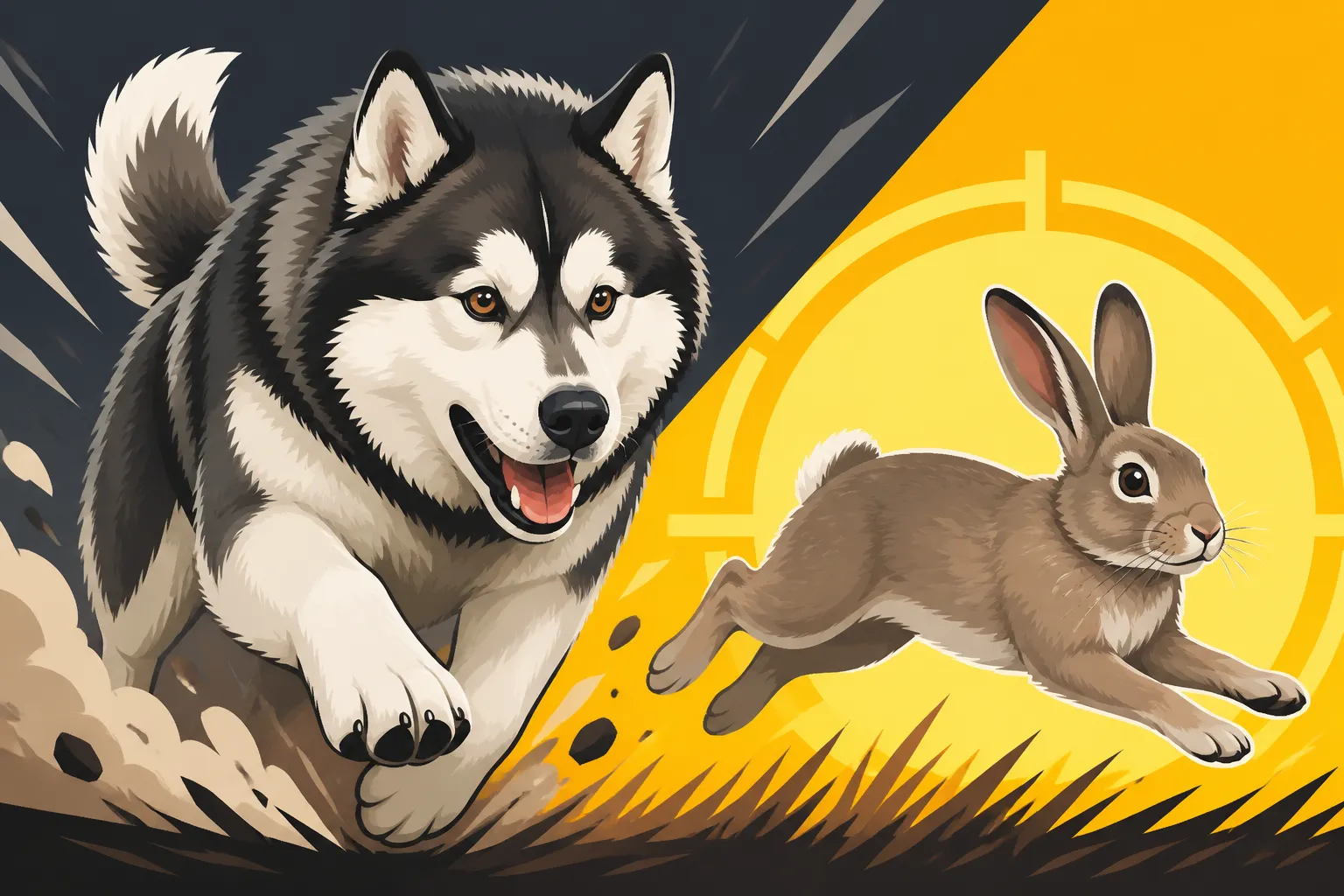
The most obvious manifestation of prey drive is the chase. Whether it's a rabbit darting across a field, a squirrel scampering up a tree, or even a child running by with a squealing toy, the sight of fast-moving objects can instantly flip a switch in a Malamute. Their body language changes: ears perk, tail may flatten or stiffen, eyes narrow with intense focus, and their entire body tenses, ready to spring. This isn't just playful chasing; it's often a serious attempt to engage in the full sequence of hunting behavior: orient, eye, chase, grab-bite, kill-bite, and dissect.
Once the chase begins, it can be incredibly difficult, if not impossible, to call them back. Their hearing seems to vanish, their focus absolute. This is why Why a Malamute's Recall Cannot Be Trusted is not an exaggeration, but a critical safety warning. They are literally driven by millions of years of evolutionary success that tells them: catch it. For many Malamutes, the ultimate reward isn't necessarily consuming the prey, but the thrill of the chase and the satisfaction of the "catch." This is why even a dog who has never harmed a small animal can, in a moment of unchecked instinct, gravely injure or kill. It's not malice; it's pure, unadulterated instinct.
Resource Guarding and Possession: Beyond the Live Prey
While often associated with food or toys, resource guarding can also be an extension of prey drive, especially when it comes to objects that simulate prey. A Malamute might intensely guard a plush toy they've "killed," or become possessive over bones that resemble animal parts. This behavior stems from the instinct to protect valuable resources once acquired, preventing others from taking their hard-won "catch." This can be particularly problematic in multi-dog households or with children, as an attempt to retrieve a guarded item could lead to aggression.
This possessiveness isn't limited to tangible items. Some Malamutes might even "guard" specific areas where they've had successful hunts or chases. They might become overly protective of a particular corner of the yard where they once caught a rodent, or a trail where they often encounter wildlife. Understanding this facet of prey drive is important because it highlights that the instinct goes beyond just the active hunt; it encompasses the entire predatory sequence, including securing the spoils. It's another layer of their complex temperament that owners must be vigilant about managing.
Managing Prey Drive in a Multi-Pet Household
Bringing an Alaskan Malamute into a home with other pets, especially small ones, requires extreme caution and a deep understanding of their inherent prey drive. It's not a matter of if the instinct exists, but how strongly it manifests and how rigorously you're willing to manage it. The common wisdom that a dog "raised with a cat will be fine" is a dangerous misconception when it comes to Malamutes.
Living with Cats: A Constant Vigilance
Many people assume that if a Malamute puppy is introduced to a cat, they will grow up to be best friends. While some may tolerate a cat they've lived with since puppyhood, it's rarely a true friendship, and the potential for disaster never truly disappears. Even if your Malamute seems to coexist peacefully with your cat, the instinct to chase and potentially harm other cats (or even your own in a moment of high arousal) remains. The risk factor is simply too high for complacency. An Alaskan Malamute in a Home With Cats or Small Dogs is a topic fraught with challenges.
You must be prepared for a lifetime of strict supervision. This means no unsupervised time together, ever. Crates, separate rooms, and baby gates become essential tools to ensure physical separation when you cannot actively monitor their interactions. Even a playful chase can quickly escalate into a serious incident due to the Malamute's size, strength, and predatory instincts. The key takeaway here is that you're not trying to eliminate the prey drive; you're trying to manage the environment so that your Malamute never has the opportunity to act on it with a cat. Owners must always remember The Risk an Alaskan Malamute Poses to Cats. Even if you've been successful at Teaching an Adult Malamute to Live With Cats, the instinct is still there.
Coexisting with Small Dogs: Assessing the Risk
Similar to cats, integrating a Malamute into a home with small dogs presents significant challenges. The size disparity alone means that even a "playful" interaction gone awry can have devastating consequences for a smaller dog. While some Malamutes may distinguish between "family" dogs and "stranger" dogs, this is not a guarantee, and their prey drive can be triggered by the darting movements and high-pitched yelps of smaller breeds. The visual cue of a small, fast-moving creature can be enough to engage that primal hunting switch.
It's vital to assess the individual temperament of your Malamute. Do they show any signs of aggression towards other dogs, particularly smaller ones? Are they overly fixated on small, moving objects? If there's any doubt, or if you already have a small dog, proceed with extreme caution. Again, strict management, including separate feeding areas, crates, and careful introductions, is non-negotiable. It's a constant tightrope walk, and you, as the Malamute owner, bear the full responsibility for ensuring the safety of all animals in your care.
Handling Livestock and Wildlife Encounters
For Malamute owners living in rural or semi-rural areas, livestock and local wildlife pose a constant temptation. Chickens, sheep, goats, deer, rabbits, and even domestic ducks are all potential prey. A Malamute running loose in an area with livestock can quickly become a serious legal and ethical problem, not to mention the potential harm to the animals themselves. The sight, scent, or sound of these animals can be an irresistible lure.
Training a solid "leave it" command is crucial, but again, it's a management tool, not a cure. Secure fencing is absolutely paramount—not just tall, but also deep, as Malamutes are notorious diggers. How Far Down a Malamute Will Dig can be surprising. When out on walks or hikes, a leash is non-negotiable, and even then, you must be prepared for your Malamute to suddenly lunge if they spot something. Understanding What a Malamute Does to a Yard often involves digging out fences. This relentless drive is why many experienced Malamute owners will tell you their dogs are never, ever off-leash outside of a securely fenced, double-gated area, and even then, supervision is key.
Training and Management Strategies for Prey Drive
Given the deep-seated nature of an Alaskan Malamute's prey drive, training isn't about eradicating the instinct, but rather about effective management and redirection. It's a lifelong commitment to safety, consistency, and understanding your dog's inherent nature. You're building a framework of control around a powerful, natural impulse.
The Unreliable Recall: Why It's a Myth for Malamutes
Let's get this out of the way upfront: a reliable recall for an Alaskan Malamute with an activated prey drive is, for most, a pipe dream. The idea that you can simply call your Malamute back when they are locked onto a squirrel or rabbit is often a dangerous fantasy. Their selective hearing kicks in, and the primitive hunting instinct overrides even the most diligent training. Why a Loose Alaskan Malamute Does Not Come Back is a hard truth many owners learn the difficult way. The thrill of the chase, the rush of adrenaline, and the deep genetic programming are far more compelling in that moment than any treat or command you can offer.
This isn't to say you shouldn't train a recall; a strong recall is vital for non-prey related situations. But understand its limitations. Therefore, for the vast majority of Malamutes, being off-leash in an unfenced area where small animals might be present is an unacceptable risk. It's not about how well-trained your dog usually is; it's about that one moment when instinct takes over. Sadly, many a Malamute has ended up lost, injured, or causing harm because an owner believed their recall was strong enough to overcome this primal drive. Sometimes, Why a Loose Malamute Runs Toward Traffic is simply because they are chasing something, oblivious to their surroundings.
Secure Containment: Fencing and Leash Protocols
Given the challenges of recall, secure containment becomes the absolute bedrock of responsible Malamute ownership. This means:
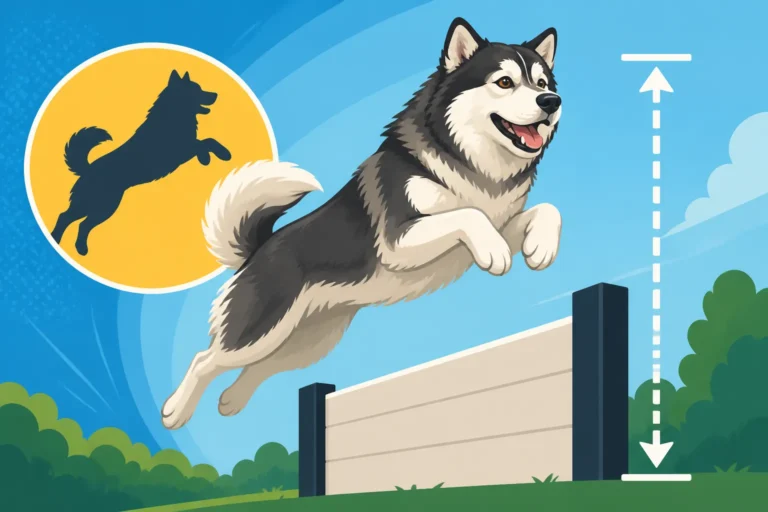
- Robust Fencing: A standard 4-foot fence simply won't cut it. Malamutes can jump, climb, and dig with astonishing proficiency. Fences should ideally be 6 feet high, sturdy, and most importantly, buried deep (at least 18-24 inches) with concrete or wire mesh to prevent digging escapes. Double-gated entryways are also a smart precaution for added security.
- Leash Discipline: Every time your Malamute is outside a truly secure area, they must be on a leash. And not just any leash – a strong, secure leash and harness combination that can withstand a sudden lunge. For dogs with an extremely strong prey drive, a double-leash system (one attached to a collar, one to a harness) offers an extra layer of security. Never use retractable leashes; they offer no control and can be dangerous.
- Proofing the Home: Ensure your home itself is secure. Malamutes can learn to open doors, gates, and even some latches. Child-proof locks on gates and sturdy deadbolts on exterior doors are essential.
The cost of this vigilance might seem high, but the alternative—a lost dog, injured wildlife, or a tragic incident involving another pet—is far, far greater.
Muzzle Training: A Tool for Safety
While often carrying a stigma, muzzle training is an incredibly responsible and humane management tool for Malamutes, particularly those with a high prey drive in situations where a surprise encounter might occur. A muzzle isn't a punishment; it's a safety net. It allows your Malamute to safely explore environments where they might encounter wildlife or other small animals without the risk of an accidental bite or injury. This can be invaluable for walks in parks, hiking trails, or even new environments where you're unsure of what might be present.
It's important to choose a comfortable, well-fitting basket muzzle that allows your dog to pant, drink water, and even take small treats. Introduce it slowly and positively, making it a comfortable experience. Many experienced owners advocate for Why Every Malamute Should Be Muzzle Trained, and it is a crucial piece of equipment to consider for situations where your Malamute might encounter other animals, reinforcing When a Malamute Should Wear a Muzzle. It's about proactive prevention, not reactive control.
Channelling the Instinct: Acceptable Outlets
While you can't eliminate prey drive, you can provide safe, constructive outlets for it. This helps fulfill your Malamute's innate needs and reduces frustration that might otherwise lead to destructive or undesirable behaviors.
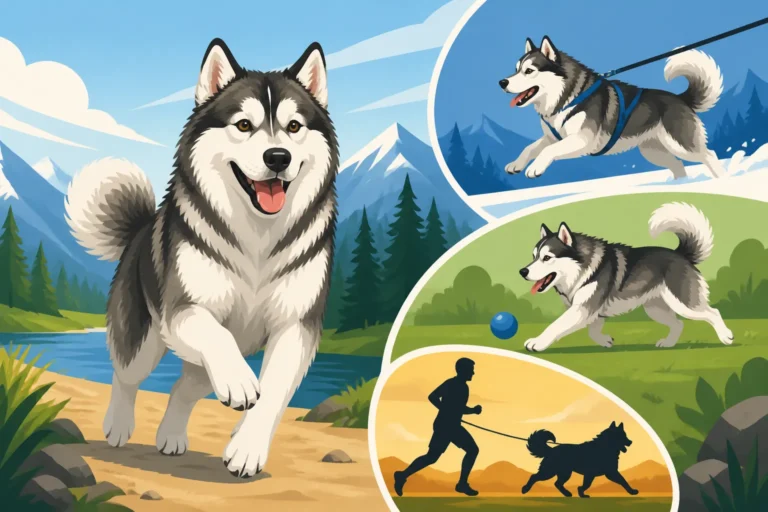
- Flirt Poles: These are excellent tools for mimicking the chase sequence. A long pole with a lure attached (like a rabbit fur toy) allows your Malamute to chase, pounce, and "catch" without harming a live animal. This provides immense physical and mental stimulation.
- Scent Work and Tracking: Malamutes have incredible noses. Engaging them in scent games, where they have to find hidden treats or track a specific scent, taps into their ancestral hunting skills in a controlled, safe way. This is mentally exhausting for them and can be a wonderful bonding activity.
- Tug-of-War: A vigorous game of tug-of-war can satisfy their desire to "grab-bite" and hold prey. Ensure you teach a solid "drop it" command to maintain control and prevent resource guarding from developing with the toy.
- Weight Pulling or Sledding: While perhaps not directly related to prey drive, these activities channel the Malamute's intense drive to work and pull, providing a physically and mentally demanding outlet that aligns with their historical purpose. It burns off energy and reduces overall arousal, making them less likely to be triggered by environmental stimuli.
Here's a quick comparison of common management tools:
| Strategy / Tool | Primary Benefit | Effectiveness for High Prey Drive | Key Considerations |
|---|---|---|---|
| Strong Recall | General safety, off-leash freedom (non-prey) | Low (when prey drive is active) | Essential for general obedience, but unreliable for active prey. |
| Secure Fencing | Prevents escape, protects others | High | Must be tall, strong, and deeply buried to prevent digging/jumping. |
| Leash & Harness | Physical control, prevents chase | High | Use sturdy equipment, avoid retractable leashes, consistent use. |
| Muzzle Training | Prevents bites/injury during encounters | High | Non-aversive introduction is key; allows safe exploration. |
| "Leave It" Command | Temporary interruption | Moderate to Low | Requires constant reinforcement; can be overridden by strong drive. |
| Flirt Pole Play | Channels chase/catch instinct safely | High (as an outlet) | Provides physical/mental exercise, reduces overall frustration. |
| Scent Work | Mental stimulation, nose work | Moderate (as an outlet) | Fulfills instinct to track; less direct physical outlet. |
| Crate Training | Safe containment, separation | High | Essential for multi-pet homes, preventing unsupervised interactions. |
Living with a High Prey Drive Malamute: The Reality
Ultimately, living with an Alaskan Malamute means accepting and managing their strong prey drive as a fundamental part of their being. It’s not something that disappears with age or training; it's a characteristic that requires constant awareness and proactive measures throughout their life.
Constant Vigilance: It's a Lifestyle, Not a Phase
This is perhaps the most critical realization for any Malamute owner: managing prey drive is a lifestyle choice. You can never truly relax your vigilance, especially around potential triggers. That small lapse in attention, that one time you think "it'll be fine," can lead to devastating consequences. This might mean adjusting your daily routine, your home setup, and even your social interactions. For instance, if you have a friend with a small dog, visits might need to be carefully structured or take place outside your home.
It means being the eyes and ears for your Malamute, constantly scanning the environment for squirrels, cats, or anything that could trigger that instinct. It means preemptively redirecting their attention, always having high-value treats on hand, and being prepared to intervene. This level of commitment is what separates responsible Malamute ownership from those who inadvertently allow their dogs to cause harm or become lost. It's a demanding role, but a necessary one to ensure the safety and well-being of all involved. You are accepting that Why a Malamute Cannot Be Broken of Chasing is simply their nature.
Acceptance and Adaptation: Embracing the Malamute Way
True enjoyment of life with an Alaskan Malamute comes from accepting them for who they are, instincts and all. Instead of fighting their prey drive, learn to understand it and adapt your life accordingly. This acceptance allows you to focus your energy on effective management strategies and providing appropriate outlets, rather than constantly battling against their nature. Embrace the fact that you have a powerful, ancient breed whose instincts are a direct link to their incredible history.
This might mean embracing long-line walks in controlled environments instead of off-leash freedom. It might mean a greater investment in secure fencing and sturdy leashes, perhaps finding robust products on sites like Amazon. It might mean engaging in specialized positive reinforcement training with resources like BAXTER & Bella to consistently work on redirection and impulse control. It is about celebrating their strength and intelligence while always being mindful of the responsibilities that come with it. By doing so, you're not only keeping your Malamute and your community safe, but you're also building a stronger, more trusting bond with your magnificent companion.
Disclaimer
This article is for general informational purposes only and does not constitute professional advice. Laws, prices and regulations vary by location and change over time. Consult a qualified professional for guidance on your specific situation.