Whether an Alaskan Malamute Suits Bikejoring
The dream of harnessing your majestic Alaskan Malamute to a bike, feeling that powerful pull as you glide down a trail, is incredibly appealing. Many Malamute owners wonder if their big, beautiful dogs are suited for bikejoring, a sport that combines cycling with dog pulling. While their heritage certainly points to a natural aptitude for pulling, there are specific considerations that make Malamutes a unique case for this fast-paced activity, and this guide will explore whether your furry freight-hauler is truly a match.
Understanding Bikejoring and the Malamute's Instinct to Pull
When you picture an Alaskan Malamute, you likely envision them working in a team, hauling heavy loads through snow and ice. This ingrained instinct makes the idea of bikejoring seem like a perfect fit, offering an outlet for their energy and natural drive. But like any sport, understanding the nuances of both the activity and your dog's specific breed traits is key to success and, more importantly, safety.
What Bikejoring Actually Entails
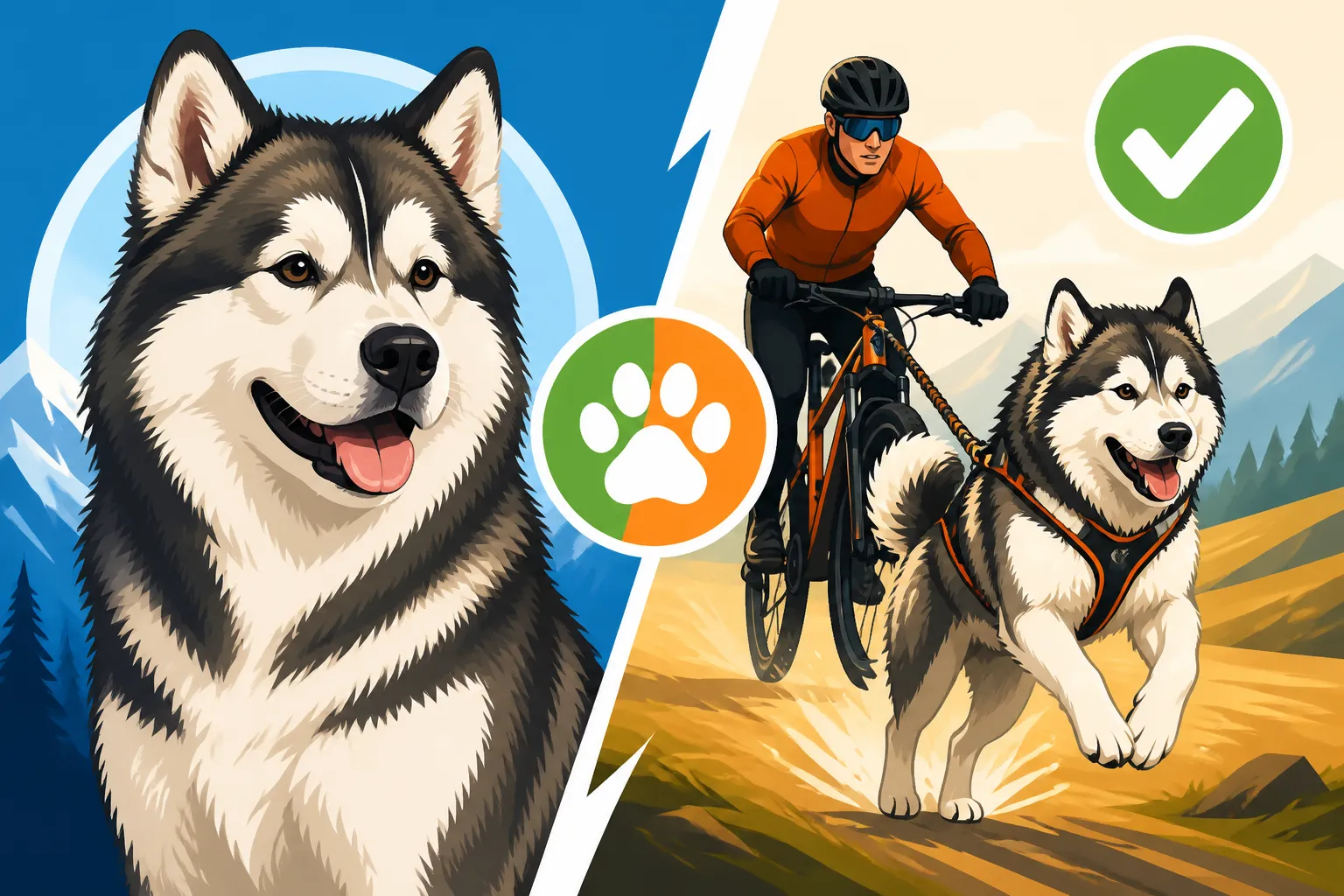
Bikejoring is essentially cross-country skiing, but on wheels! It's a dryland mushing sport where a single dog or a team of dogs pulls a cyclist. The dog wears a specially designed harness, which is connected to the bike's front axle via a towline, often with a shock absorber. The cyclist provides assistance through pedaling, steering, and braking, acting as a team with their dog. This isn't just a casual ride in the park; it’s an intense, high-energy activity that requires coordination, communication, and a strong bond between human and canine.
The beauty of bikejoring lies in the teamwork. Your Malamute isn't just running; they are working, responding to directional cues, and learning to pace themselves with your cycling. It’s a fantastic way to engage their bodies and minds, offering a mental challenge alongside the physical exertion. It also builds incredible trust, as your dog relies on you for safe navigation and you rely on them for their pulling power and responsiveness.
The Malamute's Innate Drive for Pulling
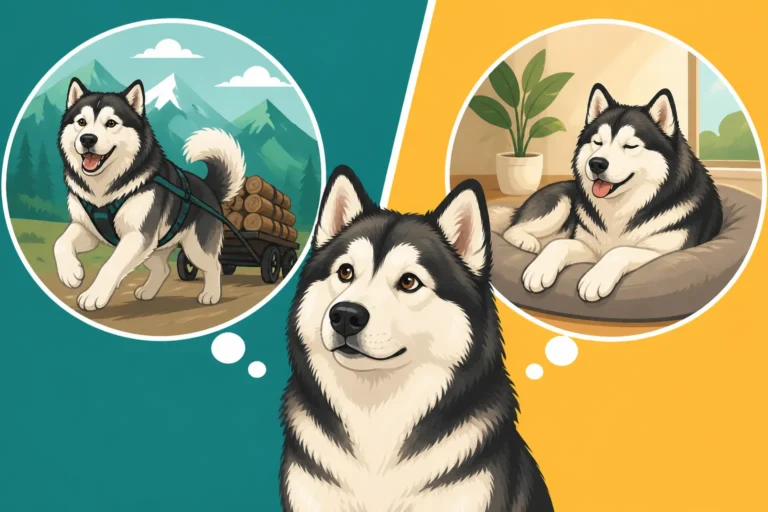
Alaskan Malamutes were literally bred for this kind of work, albeit in a different context. Their ancestors were the indispensable partners of the Mahlemut people in Alaska, primarily used for hauling heavy loads over long distances, not for speed. This is why you often hear the phrase, Pulling Is the Only Job an Alaskan Malamute Really Wants. Their deep chest, powerful shoulders, and muscular hindquarters are all perfectly designed for endurance and strength.
This genetic predisposition means that most Malamutes inherently enjoy pulling. It's not a chore for them; it's a deeply satisfying, instinctual activity. When a Malamute leans into a harness and feels the resistance, it often lights up. This natural drive is a huge advantage for bikejoring, as you won't typically need to teach them to pull as much as you'll need to channel and refine that natural inclination. They thrive on having a job, and pulling gives them a clear purpose, burning off energy in a way that aligns with their historical role.
Why Pure Speed Isn't the Malamute's Game
While Malamutes love to pull, it's crucial to differentiate their pulling style from that of breeds like Siberian Huskies or various sled dog mixes, which are often favored for bikejoring. Malamutes are freighting dogs, built for sustained power and endurance over vast distances, typically at a steady, moderate pace. They are the marathon runners, not the sprinters. As the saying goes, Freight, Not Speed: What Separates a Malamute From a Racing Dog.
This means that if you're looking for a dog to pull you at blistering speeds, a Malamute might not be your ideal partner. They can run fast, especially in short bursts, but their natural gait and energy conservation strategy lean towards a powerful trot rather than a full-out sprint for extended periods. Expect a powerful, steady pull that will certainly get you moving, but perhaps not at the breakneck speeds you might see with lighter, faster breeds. Understanding this fundamental difference in their physiology and historical purpose will set realistic expectations and ensure you're not pushing your Malamute beyond their comfortable capabilities.
Key Considerations for Malamutes in Bikejoring
Bringing an Alaskan Malamute into the world of bikejoring requires a thoughtful approach, recognizing their unique strengths and vulnerabilities. It's not just about their willingness to pull; it's about managing their powerful physique, their thick coat, and their intelligent, often independent, temperament.
The Importance of Temperature and Climate
This is perhaps the single most critical factor when considering bikejoring with a Malamute. These dogs were bred for arctic climates, where cold temperatures are the norm. Their dense double coat is an incredibly efficient insulator, designed to keep them warm in sub-zero conditions. However, this magnificent coat becomes a significant liability in warmer weather, making them highly susceptible to overheating. We all know Summer Is the Season That Kills Alaskan Malamutes, and this risk is amplified exponentially with strenuous exercise like bikejoring.
Even on days that feel cool to a human, a Malamute can quickly become dangerously overheated. Temperatures in the 50s and 60s Fahrenheit can be too warm for prolonged, intense exercise, especially if there's humidity or direct sun. You need to be incredibly vigilant about the weather. This means bikejoring only in the coldest months of the year, usually early mornings or late evenings, and always carrying water for your dog. Look for signs of overheating like excessive panting, drooling, or seeking shade. If you live in a warmer climate, bikejoring might simply not be a safe option for your Malamute for the majority of the year, if at all.
Physical Build and Stamina for the Trail
Malamutes are robust, well-muscled dogs, built for endurance and strength. Their strong bone structure and powerful gait are advantages for consistent pulling. However, their size and rapid growth as puppies can sometimes lead to orthopedic issues, with Hip Dysplasia in an Alaskan Malamute being a concern for the breed. While responsible breeders screen for such conditions, it's vital to ensure your Malamute is physically sound and properly conditioned before engaging in high-impact sports.
For puppies, it's crucial to let them grow slowly and allow their growth plates to close before introducing intense pulling activities. Over-exerting a young Malamute can cause lifelong joint problems. Even with a mature dog, a gradual conditioning program is essential. Start with short, easy runs and slowly increase distance and intensity. Pay close attention to their gait and energy levels. While they have incredible stamina, they need to build it up just like any athlete. Regular veterinary check-ups, especially for their joints, are also paramount to ensure they remain fit and comfortable for the demands of bikejoring.
Training and Temperament Challenges
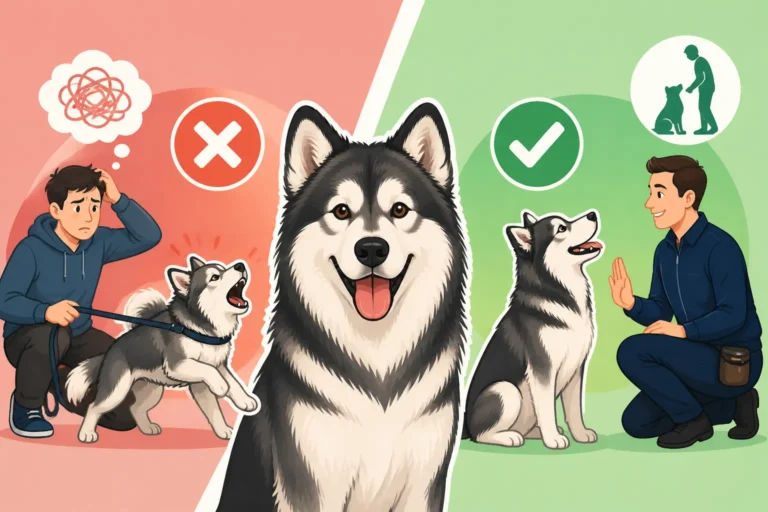
Malamutes are incredibly intelligent, but they are also known for their independence and sometimes stubborn nature. They are not typically "biddable" in the same way a Labrador or a Golden Retriever might be. This means training for bikejoring requires patience, consistency, and a strong understanding of Malamute psychology. They respond best to positive reinforcement and clear, consistent commands. Telling a Stubborn Malamute From an Independent One is crucial; they aren't trying to be difficult, they simply think for themselves.
Commands like "Gee" (right), "Haw" (left), "On By" (pass by distractions), "Whoa" (stop), and "Hike!" (go) need to be rock-solid before you ever attach them to a bike. Their strong prey drive is another significant factor. A Malamute Was Bred to Hunt Bears and It Has Not Forgotten, and a squirrel or rabbit darting across the trail could easily override all your commands, leading to a dangerous situation. It's critical that your Malamute has impeccable recall (though notoriously difficult for the breed; Why an Alaskan Malamute Will Never Have a Reliable Recall is a common frustration) and impulse control, especially in an environment with potential wildlife distractions. Many owners find a long training lead and positive reinforcement tools from places like BAXTER & Bella helpful for foundational obedience before moving to advanced sports.
Essential Gear and Preparation for Malamute Bikejoring
Once you've carefully considered the unique needs of your Alaskan Malamute and decided that bikejoring is a safe and suitable activity, the next step is gathering the right equipment and preparing both yourself and your dog for the trails. Proper gear isn't just about performance; it's about safety and comfort for everyone involved.
The Right Harness and Bike Setup
The cornerstone of safe and effective bikejoring is the harness. Your Malamute needs a specialized pulling harness, often called an X-back or H-back harness, that is designed to distribute the pulling pressure evenly across their chest and shoulders, without restricting their breathing or range of motion. Never use a collar or a regular walking harness for pulling activities, as this can cause injury to their neck and throat. Investing in a high-quality, well-fitting harness is non-negotiable. You can find excellent options on platforms like Amazon, but ensure you measure your dog carefully according to the manufacturer's guide.
Beyond the harness, your bike needs a few modifications. A bike antenna, or "bikejor arm," is a flexible metal or plastic rod that extends from your bike's front and keeps the towline from getting tangled in your front wheel. This is a critical safety feature. The towline itself should be elasticized to absorb shocks and smooth out the ride for both you and your dog. Some bikejor lines also feature a quick-release mechanism for emergencies. Ensure your bike is in good working order, with reliable brakes, especially important when being pulled by a powerful Malamute. For a comprehensive list of what a Malamute generally needs every day, you might refer to What an Alaskan Malamute Needs Every Day, as this sport adds specialized items to that list.
Conditioning and Hydration Protocols
Just like any athlete, your Malamute needs to be properly conditioned. You can't just take them off the couch and expect them to pull you for miles. Start with shorter, less intense sessions and gradually increase the distance and duration. This allows their muscles, joints, and cardiovascular system to adapt. Pay close attention to their recovery time and ensure they get adequate rest between sessions.
Hydration is paramount, especially given the Malamute's heat sensitivity. Always carry plenty of water for your dog and offer it frequently, even on cool days. Consider a collapsible bowl that's easy to access on the go. During and after a session, monitor their water intake and make sure they're rehydrating sufficiently. Feeding a Working Malamute Against a Pet One highlights the nutritional needs of an active dog; ensure your Malamute's diet provides adequate fuel for their efforts, consulting with your vet or a canine nutritionist if necessary. Sometimes, adding a small amount of water to their kibble or offering wet food can also help boost their hydration.
Safety Measures and Trail Etiquette
Safety should always be your top priority. For yourself, wear a helmet, gloves, and appropriate protective clothing. For your Malamute, consider reflective gear, especially if you're out during dawn or dusk. Always check the trail conditions beforehand: avoid extremely rocky, uneven, or heavily trafficked areas, particularly when first starting out. Be aware of other trail users, including pedestrians, other cyclists, and horse riders, and be prepared to communicate your presence and control your dog.
It's also a good idea to practice basic obedience in the environment where you'll be bikejoring. Even simple commands like "stay" and "come" are vital, but directional commands are key for bikejoring. Working on focus and impulse control will minimize the chances of your Malamute getting distracted by wildlife or other dogs. For puppy owners, building a strong foundation of positive training, perhaps using online resources like BAXTER & Bella, early on is crucial for all future activities, including bikejoring. Remember, your Malamute is a powerful animal, and while they might be gentle giants at home, on the trail, they are working dogs with instincts that need to be managed responsibly.
| Aspect of Bikejoring | Alaskan Malamute Suitability | Key Considerations |
|---|---|---|
| Pulling Drive | Excellent (Innate) | Channel, don't force; use appropriate harness. |
| Speed | Moderate (Endurance over sprint) | Don't expect racing speeds; focus on powerful, steady pace. |
| Endurance | Excellent | Requires proper conditioning; avoid over-exertion initially. |
| Heat Tolerance | Poor (High risk of overheating) | Bikejor ONLY in cold weather, early mornings/late evenings, carry water. |
| Prey Drive | High | Requires rigorous training, strong commands; leash discipline critical. |
| Trainability | Moderate (Independent, can be stubborn) | Patience, positive reinforcement, consistency are key. |
| Joint Health | Good (Generally robust) | Ensure proper growth, vet check-ups; monitor for signs of discomfort. |
| Required Gear | Specialized harness, bike antenna, elastic towline. | Invest in high-quality, well-fitting equipment. |
In conclusion, an Alaskan Malamute can indeed be a fantastic partner for bikejoring, particularly if you approach the sport with a deep understanding of their breed-specific needs. Their inherent love for pulling, coupled with their incredible strength and endurance, makes them naturally inclined toward the activity. However, their sensitivity to heat and independent streak demand extra vigilance and a commitment to consistent, positive training. If you're willing to prioritize their safety by strictly adhering to temperature guidelines, investing in proper gear, and dedicating time to foundational training, you'll find bikejoring to be a wonderfully enriching experience that deepens your bond with your powerful, spirited companion.
Disclaimer
This article is for general informational purposes only and does not constitute professional advice. Laws, prices and regulations vary by location and change over time. Consult a qualified professional for guidance on your specific situation.