Whether a Malamute Needs Snow to Enjoy Pulling
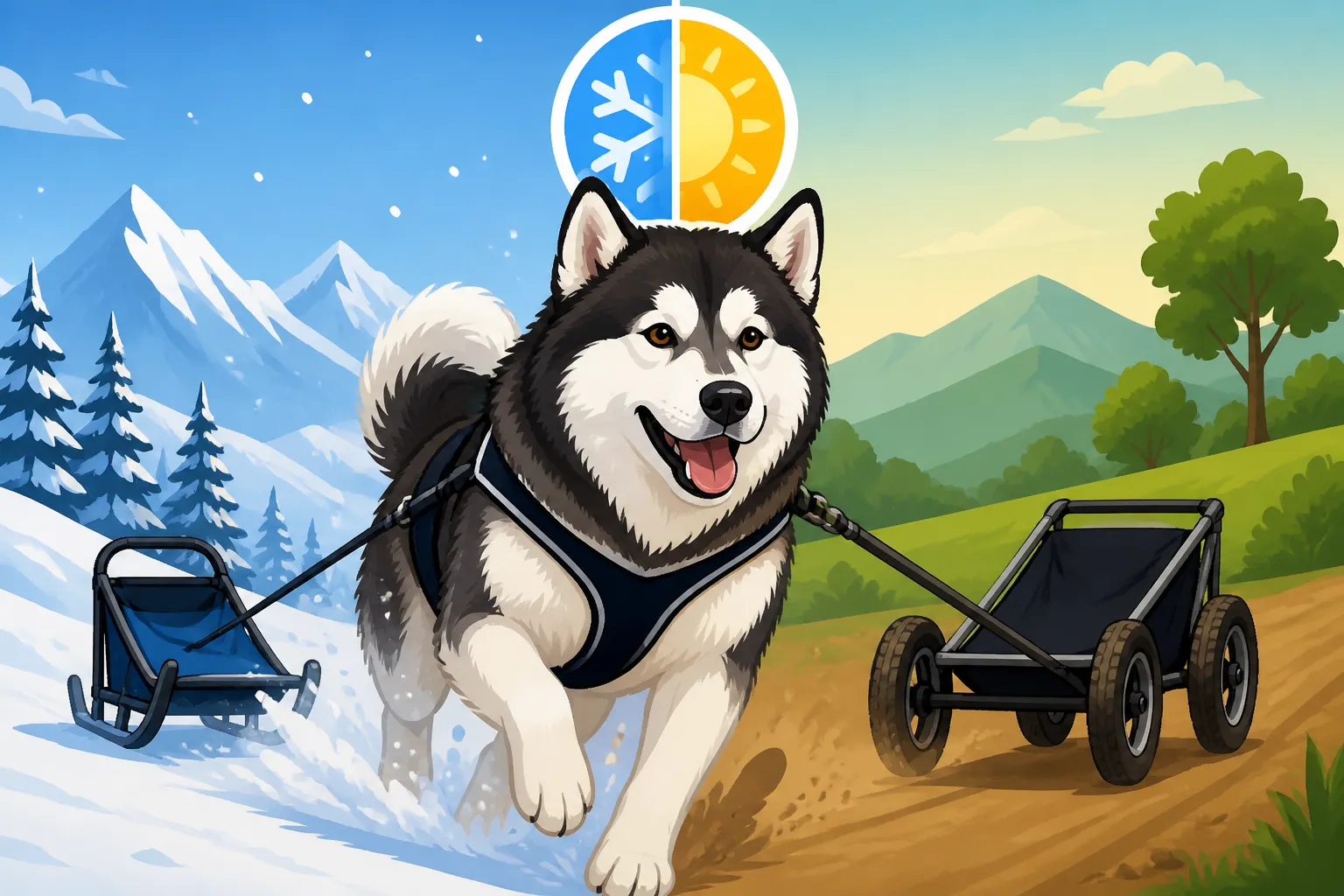
It's a common misconception, isn't it? Many people look at the magnificent Alaskan Malamute and picture them solely in a snow-covered landscape, pulling a sled with effortless grace. And while that image is certainly iconic and true to their heritage, the idea that a Malamute needs snow to enjoy the activity of pulling couldn't be further from the truth. This guide will explore why their drive to pull transcends specific weather conditions and how you can safely and effectively engage your Malamute in pulling activities year-round, regardless of whether your thermometer is showing snowflakes or sunshine.
The Deep-Rooted Instinct: Why Malamutes Were Born to Pull
To understand why a Malamute enjoys pulling without snow, you have to go back to their very origins. These aren't just pretty dogs; they are purpose-bred animals whose entire physiology and psyche are geared towards moving heavy loads over long distances. The Mahlemut people of Alaska relied on these powerful dogs for survival, using them to haul supplies, hunt, and travel. Their job was freighting, not speed, and that fundamental purpose has been deeply ingrained in the breed's DNA for centuries.
A History of Hard Work, Not Just Cold Weather
The Mahlemut people didn't just use their dogs when it snowed; they used them for transporting goods across varied terrain, through different seasons. While snow certainly made for easier sledding in winter, the core need for transportation didn't vanish with the thaw. The dogs were bred for endurance, strength, and a steady, powerful gait. This is why you'll often hear that Pulling Is the Only Job an Alaskan Malamute Really Wants. It's not merely an activity; it's an expression of their fundamental being. Their substantial bone structure, broad chests, and powerful musculature are all adaptations for moving weight efficiently.
The Mental and Physical Satisfaction of a Job
For an Alaskan Malamute, pulling isn't just exercise; it's a mental and emotional outlet. It taps into that primal drive to work, to have a purpose. When a Malamute is engaged in pulling, they are focused, happy, and utilizing their entire being in a way that truly satisfies them. Without this outlet, many Malamutes can become bored, leading to undesirable behaviors like excessive digging, chewing, or even anxiety. The joy they derive comes from the act of working in harness, feeling the resistance, and moving forward, rather than the specific medium underfoot. This intrinsic motivation means they'll often approach a dryland rig with the same enthusiasm they'd show a sled in fresh powder.
Dryland Mushing: Enjoying Pulling Without the White Stuff
So, if snow isn't essential, how do you provide that pulling outlet when the ground is bare? Enter the world of dryland mushing! There are many fantastic options available that cater to a Malamute's natural inclination, allowing them to engage their powerful bodies and minds.
Alternative Activities for Year-Round Engagement
When the snow melts, your Malamute's desire to pull certainly doesn't. Thankfully, there are several exciting and effective ways to channel that energy:
- Canicross: This is essentially cross-country running with your dog pulling you via a harness and bungee line attached to a belt around your waist. It's a fantastic cardiovascular workout for both of you, and it's something you can do on trails, dirt paths, or even quiet roads. The dog leads, and you follow, enjoying the pace and the shared activity.
- Bikejoring: Similar to canicross, but you're on a mountain bike. Your Malamute pulls from the front, connected by a gangline to a special attachment on your bike. This allows for higher speeds and covering longer distances, which many Malamutes absolutely adore. It requires a dog with good directional commands and a rider who is comfortable on a bike, especially with a powerful dog leading the way.
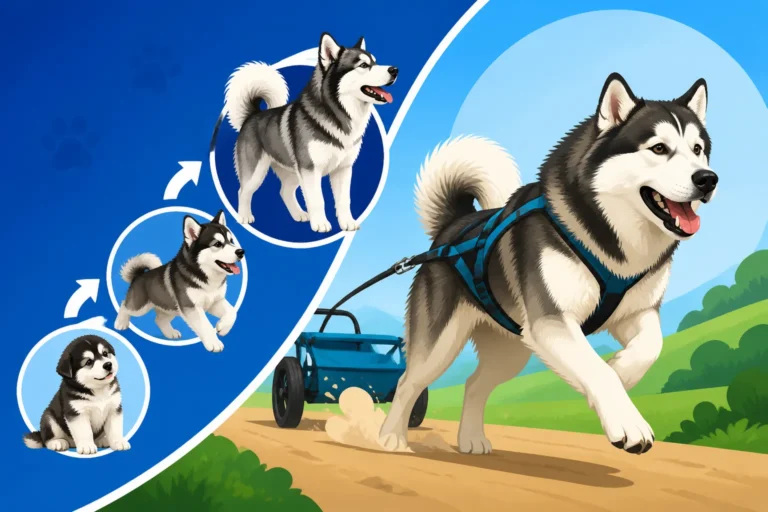
- Scootering/Carting: For those who want something closer to traditional sledding or prefer a multi-dog team, a scooter (like a kick-bike but sturdier) or a dog cart can be a great option. Scooters are for one or two dogs, while carts can accommodate larger teams and are excellent for urban mushing or navigating paved trails. These activities allow your Malamute to really lean into the harness and experience that deep, satisfying pull. You can find a wide range of specialized gear for these activities on platforms like Amazon, from ergonomic harnesses to sturdy lines and specialized brake systems for scooters.
Essential Gear for Safe and Enjoyable Dryland Pulling
Just like with winter sledding, having the right equipment is paramount for the safety and comfort of both you and your Malamute.
- Harnesses: A well-fitting pulling harness is non-negotiable. Look for an "X-back" or "H-back" style harness designed to distribute pressure evenly across the dog's chest and shoulders, allowing for full range of motion. A poorly fitting harness can cause chafing, discomfort, and even injury. Always ensure the harness allows your Malamute to breathe freely and move without restriction.
- Lines and Belts: For canicross, a bungee line that absorbs shock is crucial, connecting your Malamute's harness to your canicross belt. For bikejoring and scootering, a sturdy gangline with appropriate quick-release mechanisms is vital for safety.
- Dog Boots: When pulling on asphalt, gravel, or hot trails, your Malamute's paw pads are vulnerable. Investing in durable dog boots can protect against abrasions, punctures, and heat. Regular inspection of their pads is essential, as discussed in Feet, Pads and Nails on an Alaskan Malamute That Pulls.
- Training Aids: Even experienced pulling dogs benefit from ongoing training and clear communication. Platforms like BAXTER & Bella offer excellent online resources that can help reinforce commands, improve focus, and build a stronger working relationship with your Malamute, which is crucial for safety and enjoyment in any pulling sport. Building a solid foundation of obedience and directional cues off-harness will translate directly to better performance and safety on the trail.
Prioritizing Safety in Warm Weather Pulling
While Malamutes can certainly enjoy pulling year-round, it's absolutely critical to adjust your approach when the weather isn't freezing. Ignoring temperature and surface conditions can lead to serious health risks for your powerful, thick-coated companion. Summer Is the Season That Kills Alaskan Malamutes is not an exaggeration.
Understanding and Mitigating Heat Risks
Malamutes have dense double coats designed for arctic temperatures. This amazing insulation works against them in heat.
- Temperature Limits: Never pull your Malamute in temperatures above 60-65°F (15-18°C), and even then, humidity needs to be considered. On warmer days, stick to early morning or late evening when temperatures are coolest. It’s better to skip a pulling session entirely than risk heatstroke.
- Hydration: Always carry plenty of water for both you and your dog. Offer frequent water breaks, and consider bringing a portable bowl or even a water-squirting bottle directly into their mouth for quick sips. Proper hydration is non-negotiable.
- Watch for Signs of Overheating: Be vigilant for Signs an Alaskan Malamute Is Overheating, which include excessive panting, drooling, lethargy, bright red gums, or staggering. If you see any of these, stop immediately, get your dog into the shade, and try to cool them down with water. This might mean shortening sessions or choosing water-based activities instead.
- Cooling Gear: While not a substitute for sensible temperature management, cooling vests or bandanas (often found on Amazon) can offer some additional comfort on borderline warm days, but should never be relied upon to make truly hot weather safe for strenuous activity.
Surface Considerations and Route Planning
The ground your Malamute pulls on can make a huge difference in their comfort and safety.
- Avoid Pavement: Asphalt and concrete absorb and retain heat, becoming dangerously hot for paw pads. They also offer no give, which can be hard on joints over time. Always prioritize dirt trails, grass, or natural ground.
- Choose Shaded Routes: Opt for trails with ample tree cover to keep temperatures down and provide relief from direct sun.
- Inspect the Trail: Before you start, check for sharp rocks, broken glass, or other debris that could injure paws. This is another reason why dog boots can be so beneficial, particularly if your preferred trails aren't perfectly groomed.
- Adjust Intensity: On warmer days, even if within safe temperature limits, shorten your pulling sessions and reduce the intensity. It’s about maintaining the mental and physical outlet, not pushing for personal bests. Remember, The Efficient Metabolism That Surprises Every New Malamute Owner means they don't need excessive amounts of food or extreme workouts to stay healthy, but they do need consistent, appropriate activity.
The Year-Round Benefits of a Working Malamute
Providing a consistent outlet for your Malamute's pulling instinct, regardless of snow, offers immense benefits for their overall well-being, strengthening your bond, and ensuring a happier, healthier companion.
Physical Conditioning and Mental Well-being
Regular pulling activities are fantastic for your Malamute's physical health. They build strong muscles, maintain a healthy weight, and improve cardiovascular fitness. For a breed prone to joint issues like Hip Dysplasia in an Alaskan Malamute, consistent, controlled exercise helps keep supporting muscles strong, which is critical.
Beyond the physical, the mental stimulation of pulling is invaluable. Malamutes are intelligent dogs who thrive on having a job. When they are focused on pulling, they are less likely to be bored and therefore less likely to engage in destructive behaviors around the house or yard. This mental engagement provides a deep sense of contentment and purpose. It’s a wonderful way to burn off energy in a constructive manner, which is something What an Alaskan Malamute Needs Every Day truly highlights.
Strengthening the Human-Malamute Bond
Working with your Malamute in a pulling sport builds an incredible bond. You become a team, communicating through voice commands, body language, and the rhythm of the trail. The shared experience, the trust developed in navigating obstacles, and the mutual satisfaction of completing a run together forge a connection that goes beyond simple companionship. Your Malamute learns to rely on your cues, and you learn to read their subtle signals, deepening your understanding of each other. This teamwork can translate to better behavior and responsiveness in all aspects of your life together.
Preventing Behavioral Issues Through Purposeful Activity
Many of the common complaints about Malamutes—digging, chewing, barking, escaping—stem from boredom and a lack of appropriate outlets for their energy and intelligence. By providing a consistent pulling routine, you are giving your Malamute a vital physical and mental release. A tired Malamute is usually a well-behaved Malamute. Engaging in activities like canicross or bikejoring satisfies their instinct to run and pull, leaving them less inclined to redesign your backyard or chew through your furniture. This purposeful activity ensures they are mentally stimulated and physically drained in a healthy, breed-appropriate way, ultimately leading to a more harmonious household. It’s about understanding their nature and providing suitable alternatives when their traditional, snowy environment isn't available.
| Activity Type | Key Features | Pros | Cons | Ideal Conditions |
|---|---|---|---|---|
| Canicross | Dog pulls human running via harness & belt. | Excellent cardio for both; minimal equipment; great for trail running. | Human needs to be fit; dog needs good directional commands. | Cooler temperatures, soft trails, low humidity. |
| Bikejoring | Dog pulls human on mountain bike via harness & bike attachment. | Covers long distances; faster pace; great for high-energy Malamutes. | Requires experienced cyclist; risk of falls; dog needs strong commands. | Cooler temperatures, well-maintained dirt trails. |
| Scootering | Dog pulls human on a scooter/kick-bike. | Good for one or two dogs; closer to sledding feel; works on various surfaces. | Requires good balance; can be challenging on rough terrain; heavier gear. | Cooler temperatures, paved or hard-packed dirt trails. |
| Carting | Dog(s) pull human in a multi-wheeled cart. | Allows for larger teams; good for urban environments; can haul light loads. | Requires more space/storage for equipment; slower paced. | Cooler temperatures, paved roads, flat terrain. |
Disclaimer
This article is for general informational purposes only and does not constitute professional advice. Laws, prices and regulations vary by location and change over time. Consult a qualified professional for guidance on your specific situation.