Winter Is When an Alaskan Malamute Comes Alive
Many Alaskan Malamute owners find themselves bewildered, or even a little guilty, when winter rolls around. They watch their massive, fluffy companion seem to come alive, often preferring to curl up in a snowdrift than on the plush bed inside. The real struggle isn't about surviving winter with a Malamute; it's about shifting our human perspective to understand that for these magnificent dogs, winter isn't a season to endure – it's a season to thrive. This guide will help you embrace the cold alongside your Malamute, understanding their unique adaptations and how to make the most of the season they were truly born for.
Understanding the Malamute's Winter Design
It's easy to look at an Alaskan Malamute in the height of summer and worry about how they'll fare in colder months, but the truth is, these dogs are living, breathing masterpieces of Arctic engineering. Every fiber of their being, from their luxurious coat to their efficient metabolism, is perfectly calibrated for the very conditions we humans often dread.
The Double Coat: A Masterpiece of Insulation
The Alaskan Malamute's coat isn't just fluffy; it's an incredibly sophisticated system designed for extreme cold. It’s comprised of two distinct layers, each with a crucial role. First, you have the undercoat: a dense, woolly, almost impossibly soft layer of insulation that can be several inches thick. This undercoat is like a premium down jacket, trapping a thick layer of warm air close to the dog's body, preventing heat from escaping. When your Malamute rolls in the snow, this undercoat remains remarkably dry, acting as an impenetrable barrier.
Then there are the guard hairs, the outer layer. These are coarser, longer, and slightly stiff, forming a protective shield over the undercoat. They're designed to shed snow and ice, repel water, and block wind, much like a waterproof, wind-resistant shell. Together, these two layers create a dynamic climate control system that keeps your Malamute warm and dry even in the harshest blizzards. Trying to bundle a Malamute in a sweater in mild winter weather is often counterproductive; you're actually interfering with their natural insulation. In fact, if you’ve heard the emphatic advice to never shave a Malamute, it’s precisely because of how vital this double coat is to their health and comfort year-round, not just in winter (see Why an Alaskan Malamute Must Never Be Shaved).
Metabolic Adaptations for Cold Climates
Beyond their incredible fur, Malamutes possess remarkable internal adaptations for cold environments. They have an incredibly efficient metabolism that allows them to extract maximum energy from their food and conserve it, effectively turning calories into sustained warmth and power. Unlike some breeds that might shiver and burn through calories rapidly in the cold, a Malamute’s body is optimized to minimize heat loss and maximize energy utilization.
This is why many new Malamute owners are often surprised by how little their large dogs actually eat compared to other breeds of similar size, especially if they're not engaged in heavy work. The Efficient Metabolism That Surprises Every New Malamute Owner Their bodies are simply better at using what they're given. In winter, if your Malamute is engaging in strenuous activity like sledding or weight pull, their caloric needs will certainly increase, but for a typical pet Malamute enjoying regular walks and snow play, the increase might be less dramatic than you'd expect. It’s crucial not to simply double their food just because the temperature drops, or you'll quickly find yourself with an overweight dog, which carries its own set of health risks.
Psychological Affinity for Cold Weather
It's not just about physical tolerance; Malamutes genuinely love winter. Their ancestry ties them directly to the indigenous Mahlemut people of Alaska, where they were bred for thousands of years to haul heavy freight across vast, icy landscapes. The cold, the snow, the crisp, clean air—these are the elements that resonate deep within their breed's psyche.
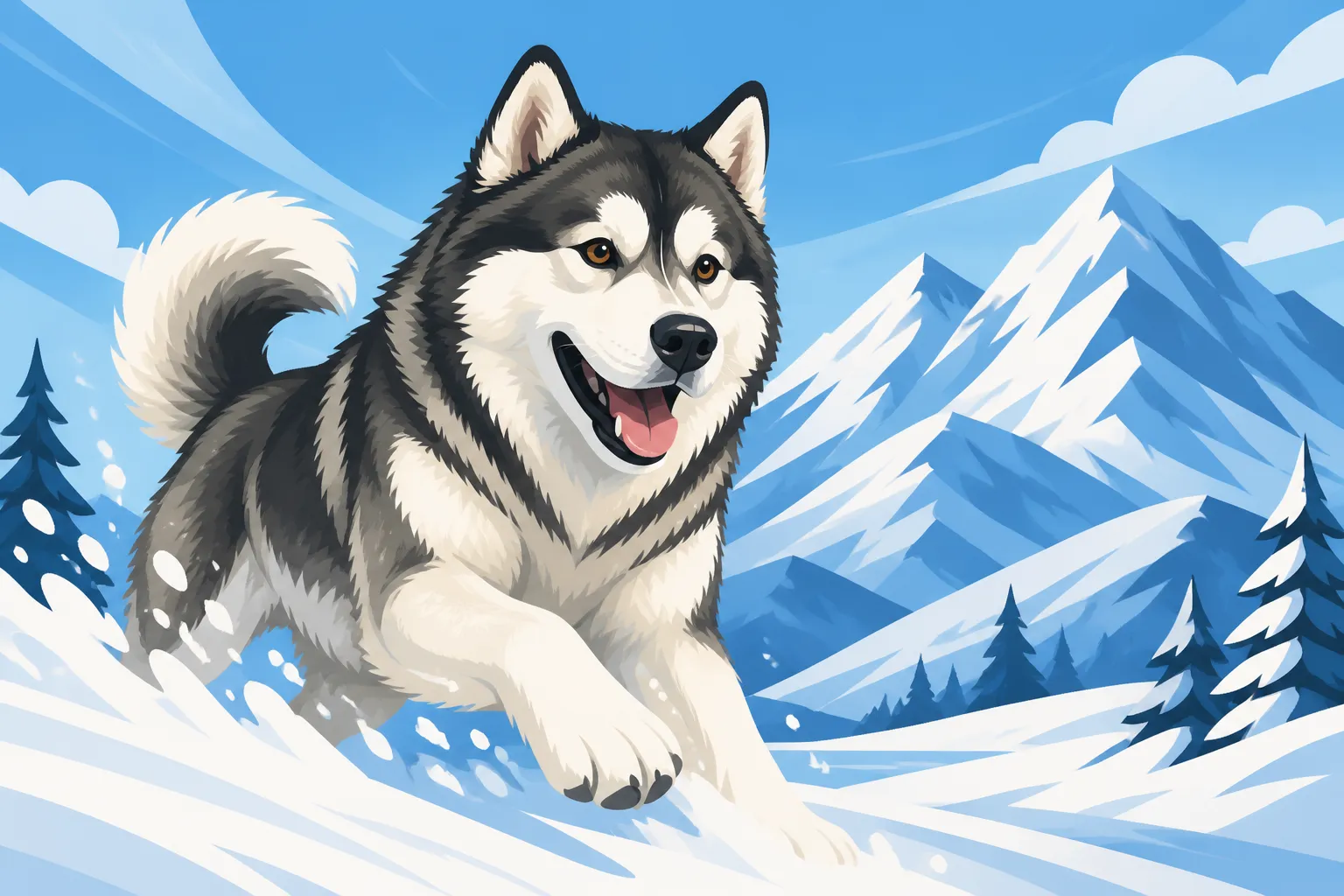
Watch a Malamute in fresh snow, and you'll see pure, unadulterated joy. They'll roll in it, dig their faces into it, prance through it, and often, choose to sleep nestled right in a snowdrift, seemingly defying logic from our human perspective. Whether a Malamute Sleeps in the Snow by Choice For them, it's not a hardship; it's a homecoming. This inherent love for the cold means that winter is often the season when they are at their most vibrant, playful, and energetic. This deep psychological connection to cold weather is something we, as their owners, need to respect and embrace, rather than try to "protect" them from it with excessive interventions.
Preparing Your Malamute for Winter Activities
Winter isn't a time for your Malamute to slow down; it's a time for them to truly shine. But just like any athlete, your Malamute needs proper preparation to safely enjoy and excel in cold weather activities. You wouldn't run a marathon without training, and your Malamute shouldn't tackle a long sledding trail without conditioning.
Conditioning for Cold Weather Work
The key to a happy, healthy working Malamute in winter is year-round conditioning. You can't expect your dog to go from lounging on the couch to pulling a sled through heavy snow overnight. Start building their stamina and muscle in the warmer months with regular, consistent exercise: long walks, hikes, and perhaps even some light pack work or urban mushing (dog scootering or biking) in cooler temperatures. As the weather cools in autumn, you can gradually increase the duration and intensity of their workouts.
When winter arrives and the snow flies, your Malamute will be ready to transition to more demanding activities like sledding, skijoring (where your dog pulls you on skis), or weight pull. These activities not only provide crucial physical exercise but also offer immense mental stimulation, fulfilling their innate drive to work. Pulling Is the Only Job an Alaskan Malamute Really Wants Imagine the thrill of your Malamute eagerly leaning into their harness, pulling you effortlessly across a snowy field—it’s a powerful experience for both of you.
Foot and Pad Care in Icy Conditions
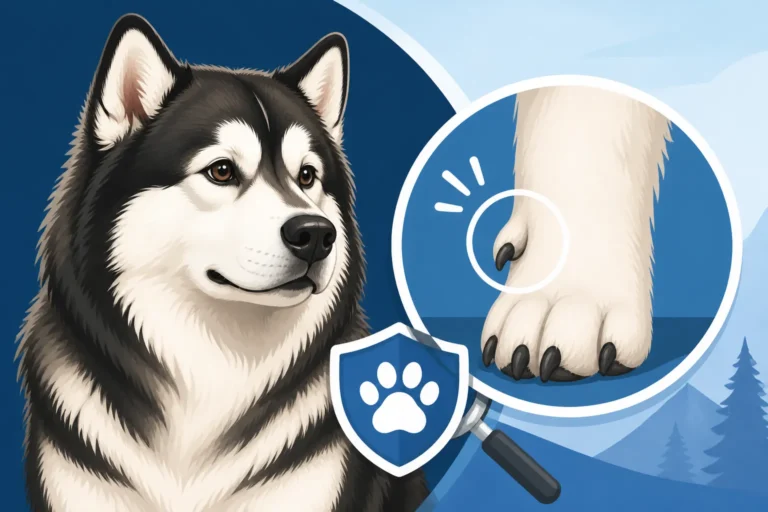
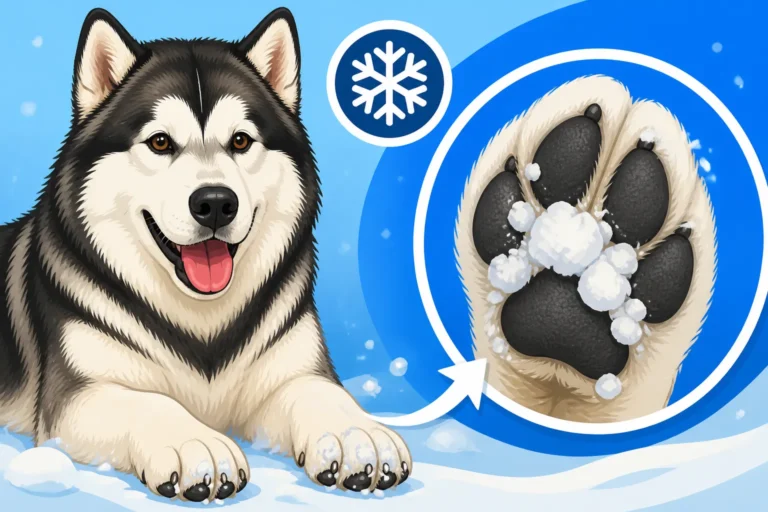
Your Malamute's paws are their primary interface with the winter environment, and they need special attention. Ice, rock salt, and abrasive snow can be incredibly harsh on paw pads, leading to cracks, irritation, and painful ice balls forming between their toes. Regularly inspect your Malamute's paw pads for any signs of redness, cracking, or tenderness.
One critical step is to trim the hair between their paw pads short. This prevents ice, snow, and salt from accumulating and forming painful clumps. Consider investing in a good quality paw balm, which creates a protective barrier on the pads and helps prevent cracking. Brands like Musher's Secret are widely available and popular for this purpose, often found on Chewy or Amazon. For extended time outdoors, or in conditions with a lot of ice and salt, dog booties are invaluable. While some Malamutes may initially resist wearing them, gradual introduction and positive reinforcement can make them comfortable. Start with short durations inside, then progress to quick walks, always associating booties with fun activities. The small effort in paw care can prevent significant discomfort and even injury. Feet, Pads and Nails on an Alaskan Malamute That Pulls and Whether an Alaskan Malamute's Pads Crack in Winter are great resources on this topic.
Hydration and Fueling Strategies
Just because it's cold doesn't mean your Malamute needs less water. In fact, intense winter activity can lead to dehydration just as quickly as summer heat. Always ensure your Malamute has access to fresh, unfrozen water, especially if they are spending significant time outdoors or engaging in strenuous exercise. Heated water bowls are an excellent investment for outdoor kennels or even for ensuring water doesn't freeze during a quick potty break on a frigid morning.
When it comes to food, the key is to adjust according to activity. A Malamute that is truly "working" – pulling a sled for miles, for example – will require a significant increase in calories, often from higher fat sources, to maintain energy and body heat. However, a Malamute that is merely enjoying extended walks and playtime in the snow may only need a slight increase, or even none at all, due to their efficient metabolism. Observe your dog's weight and energy levels closely. You should be able to feel their ribs easily, but not see them. Overfeeding an inactive Malamute in winter can quickly lead to unhealthy weight gain. It's a delicate balance that requires careful observation, as discussed in Feeding a Working Malamute Against a Pet One.
Essential Winter Gear for Your Alaskan Malamute
Just as we layer up and select specific gear for our winter adventures, so too does your Alaskan Malamute benefit from certain specialized equipment. This isn't about making them warmer, but enhancing their performance, comfort, and safety in cold environments.
Harnesses and Lines for Pulling Sports
If your Malamute is going to participate in pulling sports like sledding, skijoring, or weight pull, the right harness is non-negotiable. A standard walking harness or collar is simply not designed for the force and ergonomics of pulling. You need a properly fitted pulling harness, typically an X-back or H-back style, made from durable, non-chafing materials. The harness should allow for full range of motion, distribute pressure evenly across their chest and shoulders, and be snug enough not to shift, but not so tight as to restrict breathing.
The lines (gang lines, lead lines, tug lines) used for mushing or skijoring must also be robust and designed for the sport. They need to withstand cold temperatures without becoming brittle and have appropriate shock absorption. Finding quality gear might require looking at specialized online retailers, but increasingly, broader pet supply sites like Chewy and Amazon carry reputable brands. Investing in proper gear is an investment in your Malamute's comfort, safety, and performance. You can read more about specific gear in What a Weight Pull Harness for a Malamute Costs.
Protecting Paws with Booties and Balms
Even with careful trimming of paw hair, prolonged exposure to ice, snow, and especially de-icing chemicals can take a toll on your Malamute's pads. Dog booties offer an excellent layer of protection. They come in various materials, from tough Cordura for abrasive conditions to softer, more flexible options for general snow play. It's wise to have several pairs on hand, as they can sometimes get lost in deep snow. Introducing booties gradually, with plenty of praise and treats, will help your Malamute acclimate. Many dogs quickly learn that booties mean fun outdoor adventures and tolerate them well.
Alongside booties, paw balms remain a crucial element of winter paw care. Products like Musher's Secret or paw wax create a protective, moisturizing barrier that helps prevent cracking and offers a shield against irritants like salt. Apply it before going out and after, especially if their paws have been exposed to harsh conditions. This small step can make a big difference in preventing discomfort and potential infections.
Reflective Gear and Safety Lights
Winter's shorter days and often overcast conditions mean reduced visibility. When you're out walking, hiking, or mushing with your Malamute, especially near roads or in areas with other people, visibility is paramount. Equip both yourself and your Malamute with reflective gear.
Reflective vests or harnesses for your dog are excellent, and many collars now come with reflective stitching or integrated LED lights. Clip-on safety lights that attach to their collar or harness are also fantastic for making them highly visible in low light or foggy conditions. Imagine driving down a quiet road and seeing a pair of glowing eyes or a flashing light—it alerts drivers to your presence much more effectively than an unlit dog. Brands like Nite Ize offer reliable clip-on lights that are often found on Amazon or Chewy. This simple addition can prevent accidents and give you significant peace of mind during your darker winter excursions.
Nutrition for the Winter Malamute
The notion that an Alaskan Malamute simply needs "more food" in winter is a common oversimplification. While their energy demands can increase, their highly efficient metabolism means that calorie adjustments must be carefully considered based on their actual activity level.
Adjusting Calorie Intake for Activity Levels
As mentioned, Malamutes are incredibly efficient at converting food into energy and warmth. For a Malamute that primarily enjoys brisk walks and moderate outdoor play, a slight increase in their regular, high-quality kibble might be sufficient. However, for a Malamute actively engaged in demanding work like daily sledding, skijoring, or consistent weight pull training, their caloric needs can skyrocket.
A working Malamute in winter might require a diet with a higher fat content to provide sustained energy. Fats are more calorically dense than proteins or carbohydrates, making them an excellent fuel source for prolonged cold-weather exertion. However, for a pet Malamute not engaged in such intense activities, simply increasing their food significantly without a corresponding increase in exercise will quickly lead to weight gain. It's a delicate balance; monitor your Malamute's body condition closely. You should be able to feel their ribs with light pressure and observe a distinct waistline when viewed from above. Adjusting food based on these cues, rather than a blanket "winter diet," is crucial. How Many Pounds of Food a Malamute Eats in Winter can give you a better idea of typical intake.
The Role of Fats in Cold Weather Diets
For Malamutes engaged in serious winter work, increasing dietary fat is often the most effective way to boost their energy intake without drastically increasing the volume of food. Fat provides a long-burning, dense source of calories vital for maintaining body temperature and sustained performance in the cold.
Many high-quality performance dog foods are formulated with elevated fat levels, which can be a convenient option. If you feed a regular kibble, you might consider supplementing with healthy fats. Sources could include cooked meats with higher fat content (like certain cuts of beef or pork, always cooked and plain), or healthy oils like fish oil (salmon oil or cod liver oil). Fish oil also offers the added benefit of promoting healthy skin and a shiny coat, which is a bonus in the dry winter air. Be careful not to overdo supplements; always introduce new foods or supplements gradually and consult with your veterinarian if you have concerns about dietary balance. You can often find a wide array of high-fat kibbles and fish oil supplements from brands like Chewy or Ollie, but check their specific formulations. Whether a High Fat Kibble Is Worth It for a Malamute explores this topic in more detail.
Ensuring Adequate Hydration
It's easy to overlook hydration in winter, but it's just as important as in summer, especially for active dogs. Malamutes may not pant as much in the cold, but they still expel moisture through respiration, and strenuous exercise accelerates this. Offering water frequently, even on short walks, is a good habit.
For outdoor dogs or those with outdoor access, preventing water from freezing is key. Heated water bowls are a practical solution. Indoors, ensure multiple water bowls are available. Some Malamutes are enticed to drink more if warm (not hot) water is added to their food, or if you offer ice cubes as treats. On long winter adventures, consider carrying a thermos of warm water to offer your dog, especially if natural water sources are frozen. Proper hydration supports metabolic function, organ health, and joint lubrication, all of which are vital for a healthy, active Malamute in winter.
Keeping Your Malamute Safe in Extreme Cold
While Malamutes are built for the cold, there are limits, and owners must be vigilant to ensure their safety, especially in truly extreme conditions or unexpected situations. Understanding the signs of trouble is key.
Recognizing Signs of Hypothermia and Frostbite
Even with their incredible coats, Malamutes are not immune to the dangers of extreme cold. Prolonged exposure to sub-zero temperatures, especially if wet or inactive, can lead to hypothermia (dangerously low body temperature). Signs include shivering (though this can decrease as hypothermia worsens), lethargy, weakness, stiffness, shallow breathing, and cold extremities (ears, paws, tail).
Frostbite is another concern, particularly for exposed areas like paw pads, ear tips, and the tip of the tail. Affected skin may appear pale, waxy, or grayish-blue, and can feel cold and hard to the touch. If you suspect hypothermia or frostbite, the immediate goal is to gently warm your dog. Wrap them in blankets, offer warm water (not hot), and get them indoors. Do NOT rub frostbitten areas, as this can cause further tissue damage. Seek veterinary attention immediately; complications can arise even after initial warming. It's a scary thought, but being prepared to recognize these signs can be life-saving.
Shelter and Warmth for Outdoor Malamutes
For Malamutes who spend significant time outdoors, especially working dogs, a properly constructed and insulated shelter is essential. A simple plastic igloo or uninsulated wooden box isn't enough when temperatures plummet. A good dog house needs to be sized appropriately (large enough for them to stand and turn around comfortably, but not so large that body heat is lost), insulated on all sides, and ideally have a wind-blocking flap over the entrance.
Bedding is also crucial. Straw is an excellent choice for outdoor bedding because it's naturally insulating, doesn't absorb moisture easily, and can be fluffed up to create a warm nest. Avoid blankets or towels for outdoor shelters, as they can get wet, freeze, and actually make your dog colder. The goal is to provide a dry, wind-free space where your Malamute can escape the elements and conserve their body heat. Whether a Malamute Needs Bedding in an Outdoor Kennel offers more specific advice on this.
Managing Indoor Time and Acclimation
While your Malamute might revel in the snow, it's important to balance their outdoor time with periods of indoor warmth and rest, especially if they've been working hard or if conditions are truly brutal. Bringing them inside allows their muscles to recover, rehydration, and a complete warm-up.
Avoid sudden, drastic temperature changes. If your Malamute has been exercising vigorously in very cold weather, bring them into a moderately warm area first, rather than a super-heated room, to allow gradual acclimation. Offer water and a comfortable, dry spot to rest. Many Malamutes, despite their love for the cold, will appreciate a soft bed and a warm spot by the fireplace after a long run in the snow. It’s about providing choices and ensuring their comfort and health, even if they sometimes protest coming in from their snowy paradise.
Embracing the Joy of Winter with Your Malamute
Winter with an Alaskan Malamute isn't just tolerable; it's a profound joy, a shared experience that deepens the bond between you and your dog. This is when they truly come alive, and there are countless ways to celebrate their natural inclinations.
Winter Sports and Activities
This is where Malamutes truly shine! Winter provides the perfect conditions for them to engage in the activities they were literally bred for. Sledding, skijoring (where your Malamute pulls you on cross-country skis), and weight pull are fantastic ways to channel their immense strength and work ethic. Many communities have local dog sports clubs where you can learn the ropes, find equipment, and connect with other enthusiasts. The thrill of watching your Malamute confidently pull a sled, working as part of a team, is an unparalleled experience.
Even if competitive sports aren't your thing, there's always recreational mushing. Attach your Malamute to a dog scooter or bike (with proper training and safety gear) or simply go for long, brisk hikes on snowshoe trails. These activities provide incredible physical exercise and vital mental stimulation, keeping your Malamute happy, healthy, and less prone to boredom-induced destructive behaviors. Whether a Malamute Needs Snow to Enjoy Pulling highlights how much they truly enjoy these activities.
Fun in the Snow: Playtime and Exploration
Beyond organized sports, simply letting your Malamute enjoy the snow in their own unique way is incredibly rewarding. Watch them roll, dive, and tunnel through fresh powder with unbridled enthusiasm. Many Malamutes love to "dig" in the snow, creating hollows to lie in or simply burying their faces to "hunt" invisible snow creatures. Giving them permission to indulge in these natural behaviors in a safe, designated area, like a snow-filled yard, is a fantastic enrichment activity. Giving an Alaskan Malamute Its Own Digging Pit is typically about dirt, but the principle applies beautifully to snow.
Snowball fetch can be a blast, just be mindful of how much snow they ingest to avoid an upset stomach. Hiding treats in snowdrifts for them to sniff out provides excellent mental exercise. These playful interactions strengthen your bond and allow your Malamute to fully express their winter-loving spirit, often resulting in hilarious antics that will keep you laughing.
The Bond Enhanced by Shared Cold Adventures
There's something uniquely special about experiencing the elements with your Malamute. Braving a crisp winter morning for a walk, feeling the bite of the air, and seeing your dog truly in their element fosters a profound connection. It’s a shared adventure, a testament to their enduring spirit and your dedication as an owner.
The quiet companionship on a long winter hike, the silent understanding as your Malamute strains into their harness, or the warmth of their massive body curled up beside you after a snowy outing—these moments forge an unforgettable bond. When you actively participate in activities that allow your Malamute to fulfill their ancestral drives, you're not just exercising them; you're nurturing their very soul. It's a special kind of satisfaction knowing you're providing the environment and opportunities for your dog to live their most authentic, joyful life.
Addressing Common Winter Misconceptions
Despite their clear affinity for cold, many well-meaning owners still fall prey to common misconceptions about Malamutes in winter. Separating fact from fiction is crucial for their well-being.
"My Malamute Is Too Cold!"
This is perhaps the most widespread misconception. We, as humans, feel the cold acutely and instinctively want to bundle up our furry companions. But remember, your Malamute has a natural, multi-layered "coat" that is far more effective than any sweater or jacket you could buy. Seeing them choose to lie outside in freezing temperatures or shiver slightly after a particularly vigorous run doesn't automatically mean they're suffering. A slight shiver can sometimes be a sign of energy expenditure or a temporary adjustment, not necessarily hypothermia in a healthy Malamute with a full coat.
Instead of focusing on what you feel, learn to read your Malamute's actual behavior. Are they tucked into a tight ball, shaking uncontrollably, or trying desperately to get inside? Or are they sprawled out, eyes closed, seemingly content despite the falling snow? For a healthy Malamute, the latter is often the case. Unless temperatures are truly extreme (think dangerous wind chills or well below -20°F/-29°C with no shelter), or your dog is wet, sick, or elderly, trust their natural design. Knowing The Temperature at Which a Malamute Should Stay Indoors is important for those truly dangerous conditions.
"Winter Means Less Exercise"
Another common mistake is to assume that because it's cold, your Malamute needs less exercise. For many breeds, shorter, colder days might indeed mean less outdoor time, but for a Malamute, it's often the opposite! Winter is their prime season for activity. Denying them adequate exercise in cold weather isn't just unkind; it's a recipe for disaster.
A bored Malamute, brimming with unspent energy, will inevitably find ways to entertain themselves, and those ways are rarely conducive to a harmonious household. Chewing furniture, digging up the yard, excessive vocalization, or general destructive behavior are all common outlets for an under-exercised Malamute, regardless of the season. Whether a Bored Malamute Destroys the House explores this further. Embrace the cold, bundle yourself up, and get out there with your Malamute. Long walks, hikes, snow play, or pulling activities will keep them physically tired and mentally satisfied, making for a much happier and calmer companion indoors.
The Myth of the "Winter Coat Blow"
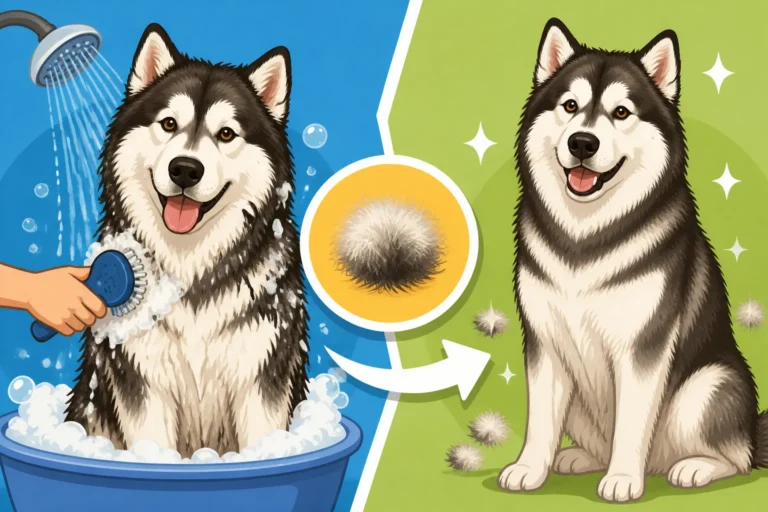
While it's true that Malamutes shed, the idea of a specific "winter coat blow" can be misleading. Alaskan Malamutes are famously heavy seasonal shedters, undergoing what's known as a "coat blow" twice a year – typically in spring to shed their heavy winter coat for a lighter summer one, and again in the fall to prepare for winter. The Malamute Coat Blow That Fills a Vacuum in an Afternoon is a very real experience.
So, while you might notice more shedding leading up to winter as their new, denser undercoat comes in, the most dramatic, vacuum-filling event usually happens in spring. They shed all year round, but these "blows" are epic. Understanding this helps manage expectations and establish a consistent grooming routine. Regular brushing, even daily during a blow, is essential to remove dead undercoat, prevent matting, and keep their skin healthy. Don't confuse regular winter shedding with a special "winter blow" that requires a change in routine. It's a year-round commitment with specific peak seasons.
| Winter Activity | Energy Output | Suitable Temp. Range | Essential Gear | Key Benefits |
|---|---|---|---|---|
| Sledding/Skijoring | High | Below 30°F (-1°C) | Pulling harness, gang line, sled/skis, optional booties | High cardio, mental focus, fulfills primal pulling instinct |
| Weight Pull | High Intense | Below 40°F (4°C) | Weight pull harness, cart/sled, traction boots | Builds strength, discipline, controlled powerful exertion |
| Snowshoeing/Hiking | Moderate-High | Below 35°F (2°C) | Standard harness/collar, leash, optional booties, dog pack | Endurance, exploration, owner-dog bonding, sensory enrichment |
| Free Snow Play/Digging | Low-Moderate | Any cold, snowy temp | Minimal (collar/harness, leash for control), toys | Mental enrichment, pure joy, allows natural behaviors like digging & rolling |
| Winter Park & Trail Walks | Low-Moderate | Below 45°F (7°C) | Standard harness/collar, leash, reflective gear, booties | Socialization, light exercise, prevents ice ball & salt irritation |
Disclaimer
This article is for general informational purposes only and does not constitute professional advice. Laws, prices and regulations vary by location and change over time. Consult a qualified professional for guidance on your specific situation.