How Much Zinc Is Safe for an Alaskan Malamute
It's incredibly frustrating when you know your beloved Alaskan Malamute might have a unique dietary need, especially something as crucial as zinc, but finding clear, reliable information on how much is safe feels like navigating a blizzard without a compass. Many owners struggle with understanding the delicate balance of this essential mineral, fearing both deficiency and overdose. This guide is here to walk you through the specifics of zinc supplementation for your Malamute, helping you understand their special requirements and how to ensure they receive the right amount without causing harm.
The Unique Zinc Needs of Alaskan Malamutes
Alaskan Malamutes are magnificent, powerful dogs, but beneath their thick, luxurious coats and strong working drive, many carry a genetic predisposition that makes them different from most other breeds when it comes to absorbing and utilizing zinc. This isn't just a minor quirk; it's a fundamental aspect of their physiology that every Malamute owner needs to understand. Ignoring it can lead to uncomfortable and potentially serious health issues.
Why Malamutes Are Different When It Comes to Zinc
Unlike many breeds that absorb zinc efficiently from their diet, a significant portion of the Alaskan Malamute population carries a genetic trait that impairs their ability to properly absorb this vital trace mineral. It's not necessarily that their food is lacking in zinc, but rather that their bodies struggle to pull it from the digestive tract into the bloodstream where it's needed. This is often referred to as a malabsorption issue. Think of it like trying to fill a bucket with a tiny hole in the bottom – no matter how much water you pour in, some is always escaping before it can be used.
This inefficiency means that what might be a perfectly adequate amount of zinc for a Labrador Retriever or a Golden Retriever simply isn't enough for many Malamutes. Their bodies require a higher available amount to function correctly, particularly for skin health, immune function, and proper cell metabolism. It's a silent struggle that often goes unnoticed until outward symptoms begin to manifest, which can be heartbreaking for an owner who believes they are providing a balanced diet. This unique physiological challenge is a testament to the specialized evolutionary path of the breed, but it requires modern intervention.
Understanding Zinc Responsive Dermatosis (ZRD)
The most common and visible manifestation of this zinc malabsorption in Malamutes is a condition known as Zinc Responsive Dermatosis (ZRD). This isn't just dry skin; it's a specific set of dermatological symptoms that are directly linked to low zinc levels in the body. Typically, you'll start to see crusty, thickened, and often inflamed skin, particularly around the eyes, muzzle, ears, elbows, and hocks. It can be incredibly itchy and uncomfortable for your dog, leading to secondary bacterial or yeast infections if left untreated. Imagine having perpetually dry, cracked skin that itches constantly – that's what many Malamutes with ZRD experience.
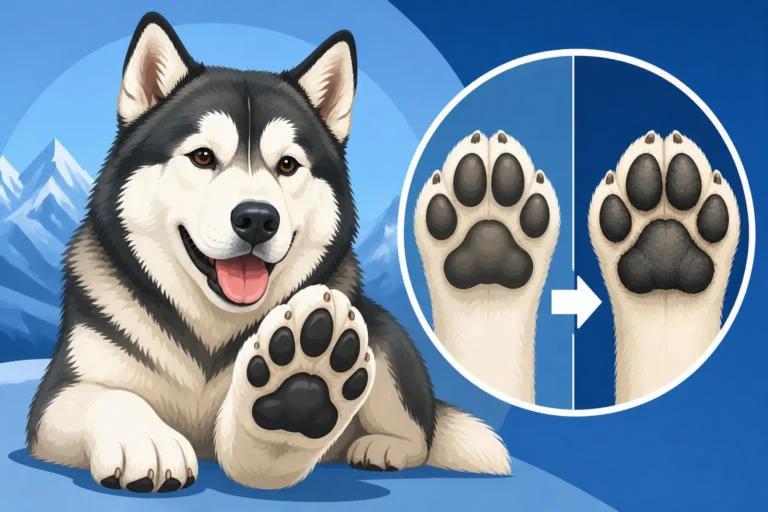
The skin lesions can sometimes be quite severe, with hair loss and an overall dull, unhealthy coat. In more advanced cases, the paw pads can become thickened and fissured, making walking painful. It's a miserable condition that can significantly impact a dog's quality of life. The good news is that ZRD is, as the name suggests, "zinc responsive," meaning it typically improves dramatically with appropriate zinc supplementation. However, identifying it early and getting the dosage right is key to effective management. For a deeper dive into the symptoms, you might find Zinc Responsive Dermatosis in an Alaskan Malamute helpful.
Determining a Safe Zinc Dosage
Finding the "safe" amount of zinc for an Alaskan Malamute is a careful balancing act. It's not a one-size-fits-all number because individual dogs can vary in their absorption efficiency, age, activity level, and overall health. The goal is to provide enough zinc to overcome their malabsorption without tipping over into toxicity. This is where working closely with your veterinarian becomes absolutely indispensable.
Factors Influencing Zinc Requirements
Several factors can play a role in how much zinc your individual Malamute needs. Firstly, the severity of their genetic predisposition to zinc malabsorption varies. Some Malamutes may only need a slight boost, while others require significantly higher doses. Secondly, their diet itself matters; while modern high-quality dog foods generally contain adequate zinc for most breeds, certain ingredients like high levels of calcium or phytates (found in some grains) can further interfere with zinc absorption in sensitive Malamutes. This is a common point of confusion for owners: is it the food or the dog? Often, it's a combination.
A Malamute's age can also influence needs. Growing puppies or senior dogs might have different metabolic demands. Additionally, certain medications or concurrent health conditions could impact zinc levels or absorption. For example, some gastrointestinal issues could exacerbate malabsorption. It's a complex picture, and simply guessing based on a label or a friend's recommendation for their own Malamute isn't truly sufficient. Understanding Whether a Malamute's Zinc Problem Is Diet or Genetics can help clarify this further.
The Dangers of Too Little Zinc
The primary danger of too little zinc, as we've discussed, is the development or worsening of Zinc Responsive Dermatosis. Beyond the visible skin issues, chronic zinc deficiency can also impact your Malamute's overall health in less obvious ways. Zinc is critical for a healthy immune system, so a deficiency can leave your dog more susceptible to infections and slow wound healing. Their coats might become dull, dry, and brittle, not just in the areas of dermatitis.
In puppies, severe zinc deficiency can even lead to growth retardation and developmental abnormalities. Imagine a growing Malamute puppy, full of potential, struggling to thrive because its body can't access a basic building block for health. It's a heartbreaking thought, and underscores why early recognition and treatment are so important. This is not a mineral you want to skimp on, especially for a breed known to have issues. The signs of deficiency can sometimes be subtle at first, making it crucial for owners to be vigilant about Reading a Malamute's Skin Before the Crusts Appear.
The Risks of Too Much Zinc
While the focus for Malamutes is often on getting enough zinc, it's equally important to understand that too much zinc can be toxic. Zinc is a trace mineral, and like many others, there's a fine line between beneficial and harmful. Acute zinc toxicity typically occurs when a dog ingests a large amount of zinc at once, often from items like pennies (pre-1982 pennies were mostly copper, but newer ones contain a significant amount of zinc) or certain ointments. Symptoms of acute toxicity can be severe and include vomiting, diarrhea, loss of appetite, lethargy, and even damage to red blood cells (hemolytic anemia), kidneys, and liver.
Chronic zinc toxicity, from prolonged over-supplementation, is less common but still a concern. It can interfere with the absorption of other essential minerals like copper and iron, leading to secondary deficiencies. This is why self-dosing without veterinary guidance is really playing with fire. Your vet will consider the specific form of zinc, the concentration, and your dog's individual response to determine a safe and effective regimen. You definitely don't want to overcompensate; it can be as detrimental as the deficiency itself. More on this topic is available in Whether Too Much Zinc Poisons an Alaskan Malamute.
Different Forms of Zinc Supplementation
When it comes to providing zinc, it's not just about the quantity, but also the quality and bioavailability of the form you choose. Not all zinc supplements are created equal, and some forms are much more readily absorbed by the body, which is a crucial consideration for Malamutes with malabsorption issues.
Zinc Picolinate, Gluconate, and Methionine
You'll encounter several different forms of zinc in supplements, and each has a different absorption profile.
- Zinc Sulfate: This is a common and often inexpensive form, but its bioavailability can be lower compared to chelated forms. It's often found in generic supplements. For a Malamute with significant malabsorption, zinc sulfate might not be absorbed efficiently enough to resolve symptoms, even at higher doses.
- Zinc Gluconate: This is another widely available form, often found in human supplements and some dog products. It's generally considered to have better bioavailability than zinc sulfate.
- Zinc Picolinate: This is a chelated form, meaning the zinc is bound to picolinic acid. It's often touted for its superior absorption rates in humans and is frequently recommended for dogs with malabsorption issues due to its high bioavailability. Many owners find success with this form, though it might be a bit pricier.
- Zinc Methionine: This is perhaps the most commonly recommended and effective form for dogs, particularly breeds like Malamutes, Huskies, and Samoyeds that are prone to ZRD. Here, zinc is chelated with the amino acid methionine. This specific chelation helps with absorption and utilization in dogs, making it highly bioavailable. Many veterinary-specific zinc supplements utilize zinc methionine because of its proven efficacy in canine zinc-responsive conditions.
The choice of form can greatly influence the success of supplementation. For many Malamutes, switching to a highly bioavailable chelated form like zinc methionine or picolinate can make all the difference, sometimes even allowing for lower overall elemental zinc doses compared to less absorbable forms. When looking for supplements, you can often find options on platforms like Amazon or Chewy, but always check the specific form of zinc used. Which Zinc Supplement Suits a Malamute delves deeper into these options.
Dietary Sources vs. Supplements
While a balanced dog food should contain zinc, relying solely on dietary sources is often insufficient for a Malamute with a genetic malabsorption issue. Even the best kibble, designed for optimal nutrition for the average dog, might not provide enough available zinc for a Malamute whose body is struggling to absorb it. Lean meats, fish, and certain organ meats like liver are naturally rich in zinc, and some owners might consider a raw or home-cooked diet to control ingredients. However, even with these diets, without careful formulation and often still with supplementation, it can be challenging to meet the heightened needs of a zinc-deficient Malamute.
This is where targeted supplementation becomes crucial. A supplement ensures a concentrated, consistent dose of a bioavailable form of zinc that can overcome the dog's absorption hurdles. It's not about replacing their normal food but augmenting it. When you're dealing with a breed-specific condition like ZRD, you're often past the point where simply changing to a "better" or "zinc-rich" dog food will resolve the problem entirely. Many Malamutes will require ongoing supplementation for their entire lives to maintain healthy skin and immune function. For a comprehensive look at feeding, consider Feeding an Alaskan Malamute for Zinc It Cannot Absorb.
Here's a quick comparison of common zinc supplement forms:
| Zinc Form | Bioavailability (for dogs with malabsorption) | Common Availability | Notes |
|---|---|---|---|
| Zinc Sulfate | Lower | High | Often found in basic supplements. Might be less effective for severe malabsorption. |
| Zinc Gluconate | Moderate to Good | High | Common in human supplements, decent absorption, but chelated forms often preferred for Malamutes. |
| Zinc Picolinate | High | Moderate | Chelated form, generally well-absorbed. |
| Zinc Methionine | Very High | Moderate | Specifically chelated for dogs, often considered the gold standard for Malamutes with ZRD. Vet-recommended. |
Working with Your Veterinarian for Proper Dosing
This really cannot be stressed enough: do not attempt to self-diagnose or self-treat zinc deficiency in your Alaskan Malamute. The line between sufficient and toxic is too fine, and only a veterinarian can accurately assess your dog's needs and monitor their response. Your vet is your most important partner in managing this condition effectively and safely.
Initial Diagnosis and Testing
If you suspect your Malamute has zinc deficiency or ZRD, the first step is always a thorough veterinary examination. Your vet will look for the characteristic skin lesions, discuss your dog's diet, and consider other potential causes for skin issues, as many skin conditions can mimic ZRD. They might recommend specific diagnostic tests. This could include skin biopsies of affected areas, which can often show changes indicative of zinc deficiency, even if not entirely conclusive on their own.
More importantly, your vet will likely want to run blood tests to assess your dog's zinc levels. However, interpreting blood zinc levels can sometimes be tricky because serum zinc doesn't always perfectly reflect tissue zinc levels. Still, it provides a valuable baseline. They might also rule out other conditions like hypothyroidism or allergies. This comprehensive approach ensures that you're treating the actual problem, not just symptoms. Understanding Whether a Malamute's Zinc Should Be Blood Tested can give you more insight into this diagnostic process.
Once a diagnosis of ZRD is made or strongly suspected, your vet will prescribe an initial zinc supplementation protocol. This typically involves a higher, "loading" dose to quickly elevate zinc levels and resolve symptoms, followed by a maintenance dose. It's crucial to follow their instructions precisely regarding the type of zinc, the dosage, and how frequently to administer it.
Monitoring and Adjusting Zinc Levels
Once supplementation begins, monitoring your Malamute's response is vital. This isn't a "set it and forget it" situation. Your vet will want to see your dog for follow-up appointments to assess the improvement in their skin and overall condition. Significant improvement in skin lesions is often a good indicator that the zinc is working. It's a huge relief to see those crusts disappear and their fur grow back healthy!
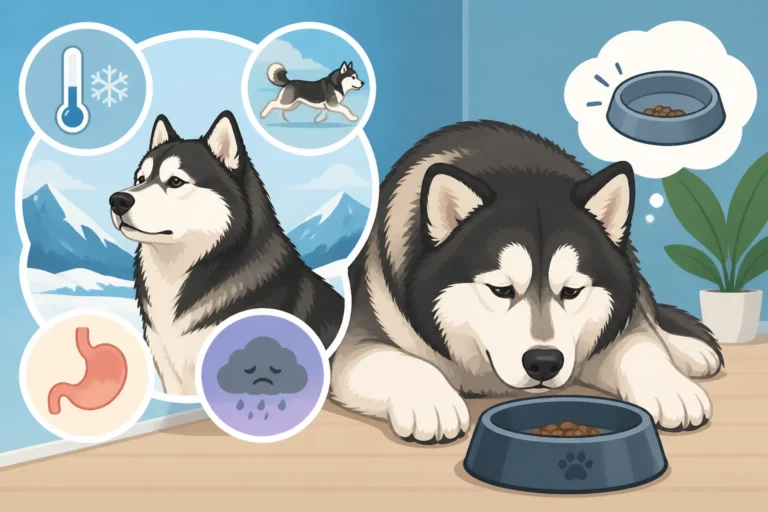
Based on their clinical improvement and sometimes repeat blood tests, your vet will then adjust the dosage to a long-term maintenance level. The goal is to find the lowest effective dose that keeps your Malamute symptom-free, minimizing any risk of toxicity while ensuring ongoing health. This maintenance dose is often much lower than the initial loading dose. It’s also important to be aware of potential side effects, as some Malamutes can experience gastrointestinal upset like vomiting or diarrhea when starting zinc supplements, especially if given on an empty stomach. Your vet can advise on how to mitigate this. Whether Zinc Supplements Upset a Malamute's Stomach provides practical tips for this. Remember, this is a journey, not a sprint, and consistent communication with your vet is key.
Integrating Zinc into Daily Care
Managing zinc for your Alaskan Malamute is an ongoing commitment, not just a temporary fix. It becomes an integral part of their daily care routine, much like feeding or exercise. By making thoughtful choices about their diet and consistently providing the prescribed supplements, you can help your Malamute live a comfortable, healthy life.
Choosing the Right Food
While supplementation is often necessary for Malamutes with zinc malabsorption, the food you choose still plays a supporting role. Opt for high-quality commercial dog foods that are reputable and have clear ingredient lists. Some owners prefer to avoid foods very high in calcium or those with a lot of phytate-rich grains, as these can theoretically interfere with zinc absorption, though the primary issue for Malamutes is genetic malabsorption rather than dietary deficiency.
Discuss your Malamute's diet with your veterinarian, especially if they are on a raw or home-cooked diet. Your vet might recommend specific brands or formulations that are known to work well for dogs with sensitive skin or zinc needs. For instance, some companies like Ollie offer fresh food options, and while these may be great for overall health, you'd still need to ensure zinc supplementation is managed alongside them if your Malamute has ZRD. Remember, food forms the foundation, but for this specific breed issue, it often needs a little help from a supplement.
Long-Term Management and Lifestyle
For many Alaskan Malamutes, zinc supplementation is a lifelong endeavor. It's not something you stop once the symptoms clear up. Much like a human with a chronic condition requiring daily medication, your Malamute will likely need consistent zinc to prevent symptoms from returning. This means making it a non-negotiable part of their daily routine, perhaps alongside their meals.
Consistency is key. Missing doses or stopping supplementation can quickly lead to a relapse of ZRD symptoms, causing discomfort for your dog and a setback in their health. Regular check-ups with your vet will help ensure the maintenance dose is still appropriate and that your Malamute is thriving. Beyond supplementation, general good health practices, such as a healthy weight and appropriate exercise, also contribute to overall well-being. Keeping an eye on your Malamute's coat and skin during your regular grooming routine can also help you spot any subtle changes that might indicate a need for a vet visit or dosage adjustment. For more on the lifelong commitment, check out Whether a Malamute Needs Zinc for Life.
It's a small but significant detail in the grand scheme of caring for these incredible animals, but getting the zinc balance right can make all the difference in their comfort and health.
Disclaimer
This article is for general informational purposes only and does not constitute professional advice. Laws, prices and regulations vary by location and change over time. Consult a qualified professional for guidance on your specific situation.